One of the quiet joys of Verona is how much lies within easy reach of it. The city sits at a crossroads of the north, on the high-speed line between Milan and Venice, a half-hour from Lake Garda, with vineyards beginning almost at its ring road and a scattering of art cities and walled wine towns all around. You can base yourself here for a week and never move hotels, spending your days on the water, in the cellars or under Palladio’s porticoes and your evenings back in the marble squares. These are the day trips I would actually take, from the effortless to the worth-the-effort.
Lake Garda and Sirmione
The closest and, for me, the loveliest escape. Lake Garda begins barely half an hour from Verona, and its showpiece, the peninsula town of Sirmione, is the perfect day. You reach the southern shore quickly, by train to Peschiera del Garda in about fifteen minutes or by bus and car to Sirmione itself, and there you find a fairytale moated castle rising straight from the water, the tumbled Roman ruins of the Grotte di Catullo among the olives at the tip of the peninsula, and warm thermal shallows you can wade into. Add a glass of the crisp local Lugana and a slow lunch by the water and you have a faultless day. If the lake tempts you to stay longer, my complete guide to Lake Garda covers its three very different shores.
Plan Your Visit to Verona
A few things I booked and loved. These help support the blog, at no cost to you.
- Where I stayed: search Verona hotels
- Verona Arena and attraction tickets
- Rent a car to explore the area
- Stay connected: get a travel eSIM
This section contains affiliate links. If you book through them I may earn a small commission, at no extra cost to you.
The Valpolicella wine country
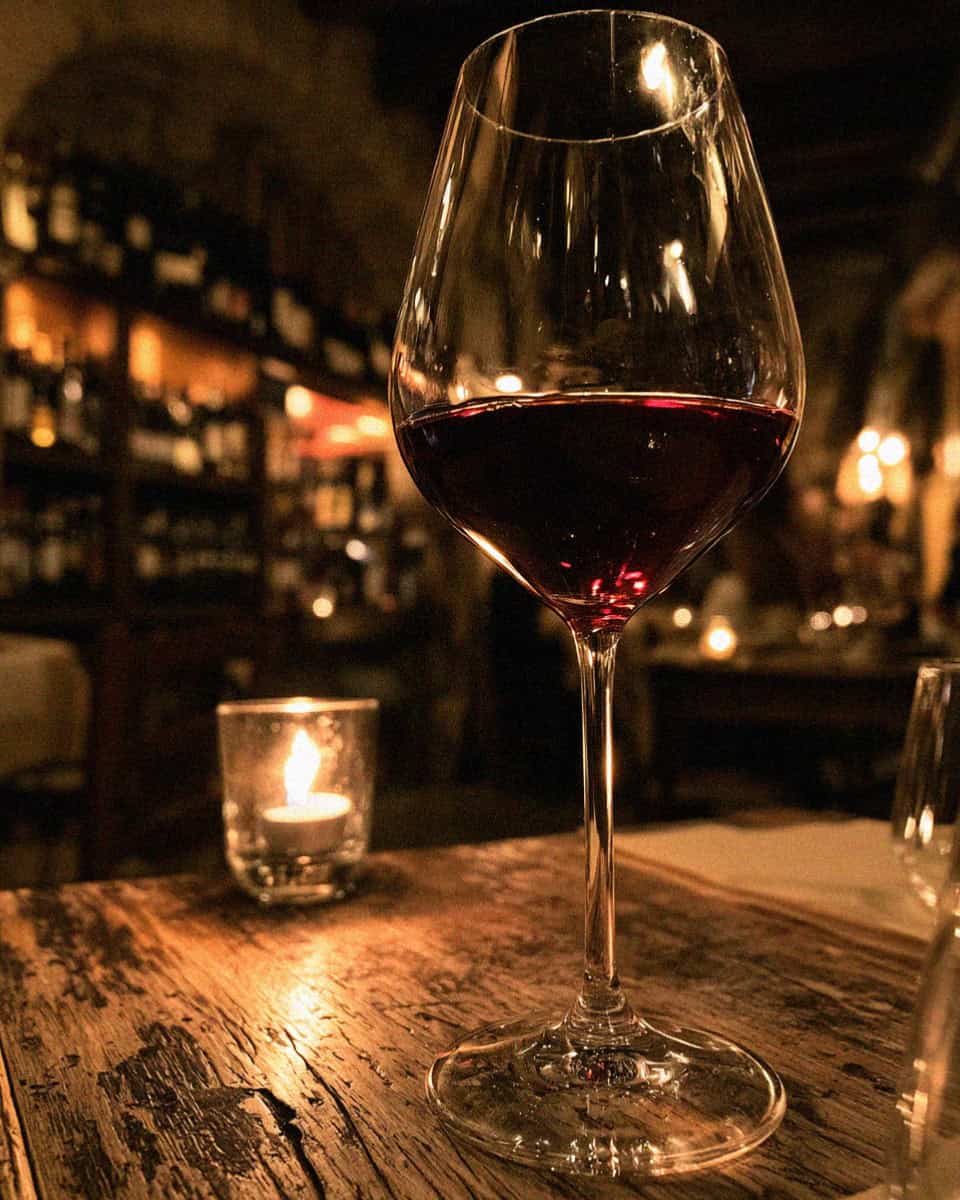
You can be among the vines within twenty minutes of leaving the city, because the Valpolicella begins almost at Verona’s edge. This is the home of Amarone, the great red made from grapes dried for months before pressing, and a day spent visiting a cellar or two, learning how the drying lofts work and tasting Amarone at its source alongside its gentler cousins Valpolicella and Ripasso, is a wine lover’s idea of heaven. The hills themselves are beautiful, terraced and quiet, dotted with villas and old stone villages. A car or a booked wine tour serves best here, as the finest cellars sit up narrow lanes the buses do not reach.
Soave, the walled wine town
East of the city, the little town of Soave gives you a fairytale in miniature: a compact medieval centre wrapped in intact walls, a hilltop castle looking down over the rooftops, and the crisp white wine that carries the town’s name grown on the slopes all around. It is an easy half-day, reached by a short train and bus hop or a twenty-minute drive, and it pairs a castle climb with a tasting of Soave in a way that feels almost too neat. Come in autumn for the harvest, or on a spring morning when the walls are quiet.
Vicenza and the villas of Palladio
For lovers of architecture, Vicenza is a short train ride away, around half an hour, and it is a revelation. This is the city of Andrea Palladio, the Renaissance architect whose calm, classical buildings shaped country houses from England to America, and its centre is a UNESCO-listed gallery of his work, crowned by the Teatro Olimpico and the Basilica Palladiana. Just outside town stand two of his most famous villas, La Rotonda and the frescoed Villa Valmarana. A day here is a masterclass in proportion and grace, and the city itself is elegant and unhurried.
Mantua, a Renaissance stage set
A little further, but well worth it, Mantua (Mantova) sits ringed by its lakes about forty minutes south by train, a jewel of the Renaissance that feels like a stage set left standing. The Gonzaga dukes who ruled here built the vast Palazzo Ducale, with Mantegna’s astonishing frescoed camera, and on the edge of town the pleasure palace of the Palazzo Te, giddy with mannerist invention. It is a quieter, more soulful city than its neighbours, and a day among its arcaded squares and ducal rooms lingers long in the memory.
Venice, when the canals call
And then there is Venice, a little over an hour away by fast train and entirely doable in a day if you must. I would never pretend a day does Venice justice, but if your trip does not allow for a night there, Verona makes an easy launch pad: a morning train has you stepping off at Santa Lucia and into the light on the Grand Canal by mid-morning, with a full day for St Mark’s, the back canals and a vaporetto ride before an evening train home. Go early, wander beyond the crowds, and let the city work its strange magic.
Padua, and a note on going further
If you have already seen the closer sights, Padua (Padova) is another rewarding day, about forty-five minutes to an hour by train on the way to Venice. It holds Giotto’s breathtaking Scrovegni Chapel, its frescoes among the greatest in all of Italy and requiring a booked timed entry, along with one of the oldest universities in Europe and the vast pilgrim basilica of Saint Anthony. It pairs neatly with Venice if you want two stops in one direction, or stands alone as a quieter, scholarly counterpoint to Verona’s romance.
For everything on this list, the key is that Verona sits on the fast east-west line and at the mouth of the lake, so most of these places are a simple, cheap train ride with no need to repack. Buy regional tickets at the station or on the app, validate them if the ticket type requires it, and check the last train home, especially from the smaller wine towns where evening services thin out.
How to choose
If you want water and ease, take Lake Garda. If you love wine, give a day to the Valpolicella or to Soave. If architecture and art move you, choose Vicenza or Mantua. And if Venice is not otherwise on your itinerary, steal a day for it from here. With a week in Verona you could do all of them and never repack a bag, which is exactly why the city makes such a rewarding base.
Frequently Asked Questions
What is the best day trip from Verona?
Lake Garda, and specifically Sirmione, is the closest and most rewarding, about thirty minutes away with a moated castle, Roman ruins and warm thermal water. For wine lovers, the Valpolicella vineyards are even nearer.
Can you visit Lake Garda from Verona without a car?
Yes. A regional train reaches Peschiera del Garda in about fifteen minutes, and buses run from Verona to Sirmione and the other lake towns. A car helps for the quieter shores but is not needed for a Sirmione day.
Is Venice a good day trip from Verona?
It is easily done, a little over an hour each way by fast train, though a day cannot do Venice justice. If you have no night there, Verona makes a fine launch pad; go early and wander beyond the busiest routes.
Where can you go wine tasting near Verona?
The Valpolicella, home of Amarone, begins almost at the city’s edge and is best explored by car or a booked tour. For a white-wine day, the walled town of Soave to the east pairs a hilltop castle with tastings of its namesake wine.
Related
Read next: Victoria’s complete guide to Lake Garda, where to eat in Verona, and Victoria’s complete guide to Verona.