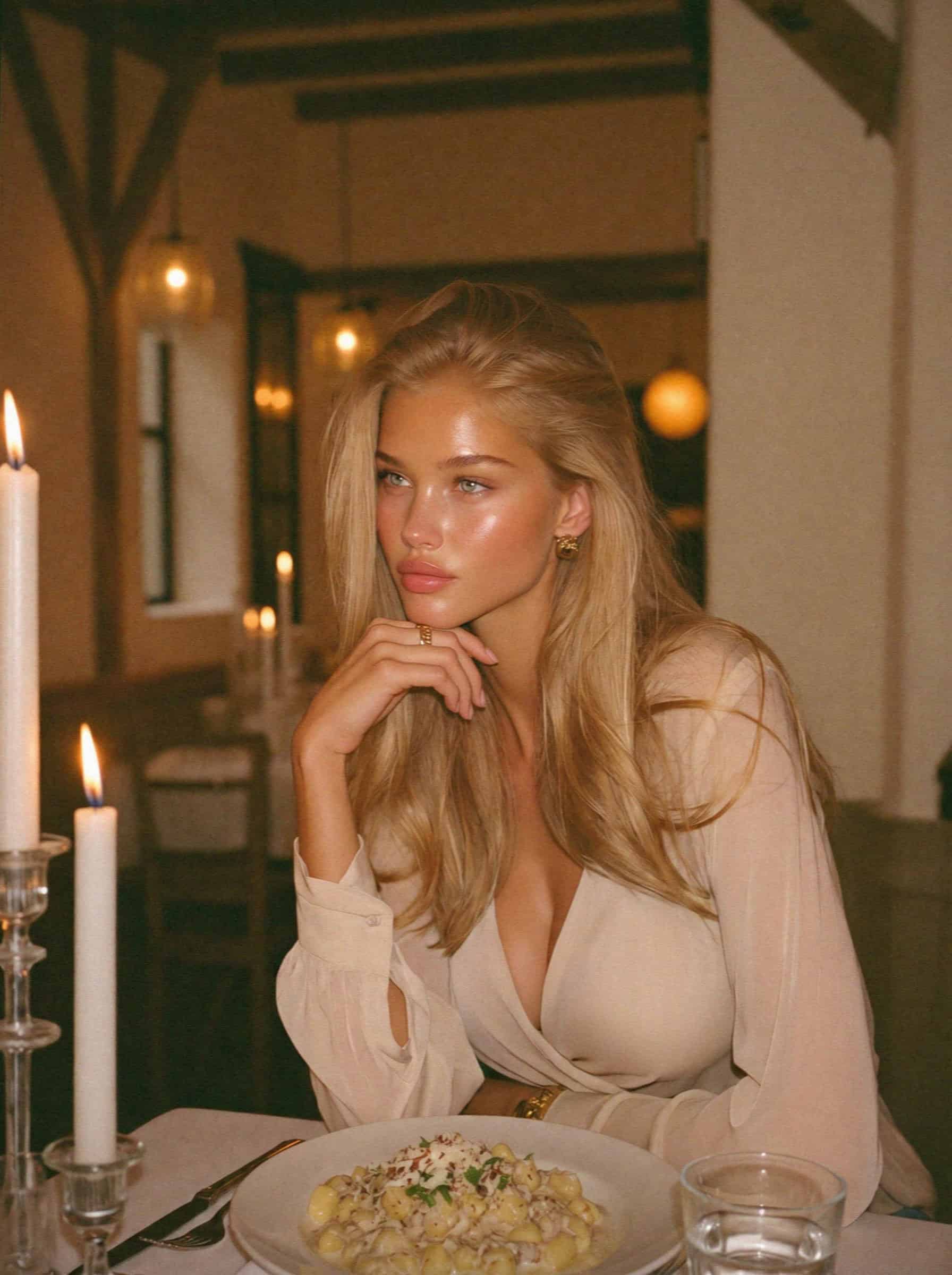
Verona eats the way it lives, warmly and without fuss, on food tied so closely to the land and the river that you could almost draw a map of the region from a few good dinners. This is the capital of the Valpolicella, so the wine is as much the point as the plate, and the local table leans hearty and honest rather than delicate. I have had some of my happiest meals in Italy at plain wooden tables in this city, a plate of gnocchi and a glass of something dark and serious, and I have also marked an occasion at one of its grand kitchens. Here is what to eat, what to drink and where I would book.
The dishes to try
Verona is, quietly and completely, obsessed with gnocchi. The little potato dumplings are so beloved that the carnival crowns a Papà del Gnocco who parades with a giant fork, and you should order them at least once, whether dressed simply with butter and sage or with a rich tomato and horse-meat ragù that the locals call pastissada. That last dish, pastissada de caval, a slow stew traditionally of horse, is a genuine Veronese speciality with medieval roots; it is not for everyone, and no one will mind in the least if you choose the gnocchi with butter instead.
Beyond gnocchi, look for risotto all’Amarone, creamy and stained purple by the great local wine; bollito misto, a trolley of boiled meats served with the peppery Veronese bread sauce called pearà; and bigoli, a thick, rough, hand-pressed spaghetti served with duck ragù or with anchovies. In the cold months the city smells of pandoro, the tall golden star-shaped cake that was invented right here in Verona, and its older cousin the nadalin. Save room.
Plan Your Visit to Verona
A few things I booked and loved. These help support the blog, at no cost to you.
- Where I stayed: search Verona hotels
- Verona Arena and attraction tickets
- Rent a car to explore the area
- Stay connected: get a travel eSIM
This section contains affiliate links. If you book through them I may earn a small commission, at no extra cost to you.
Olive oil, cheese and the other treasures
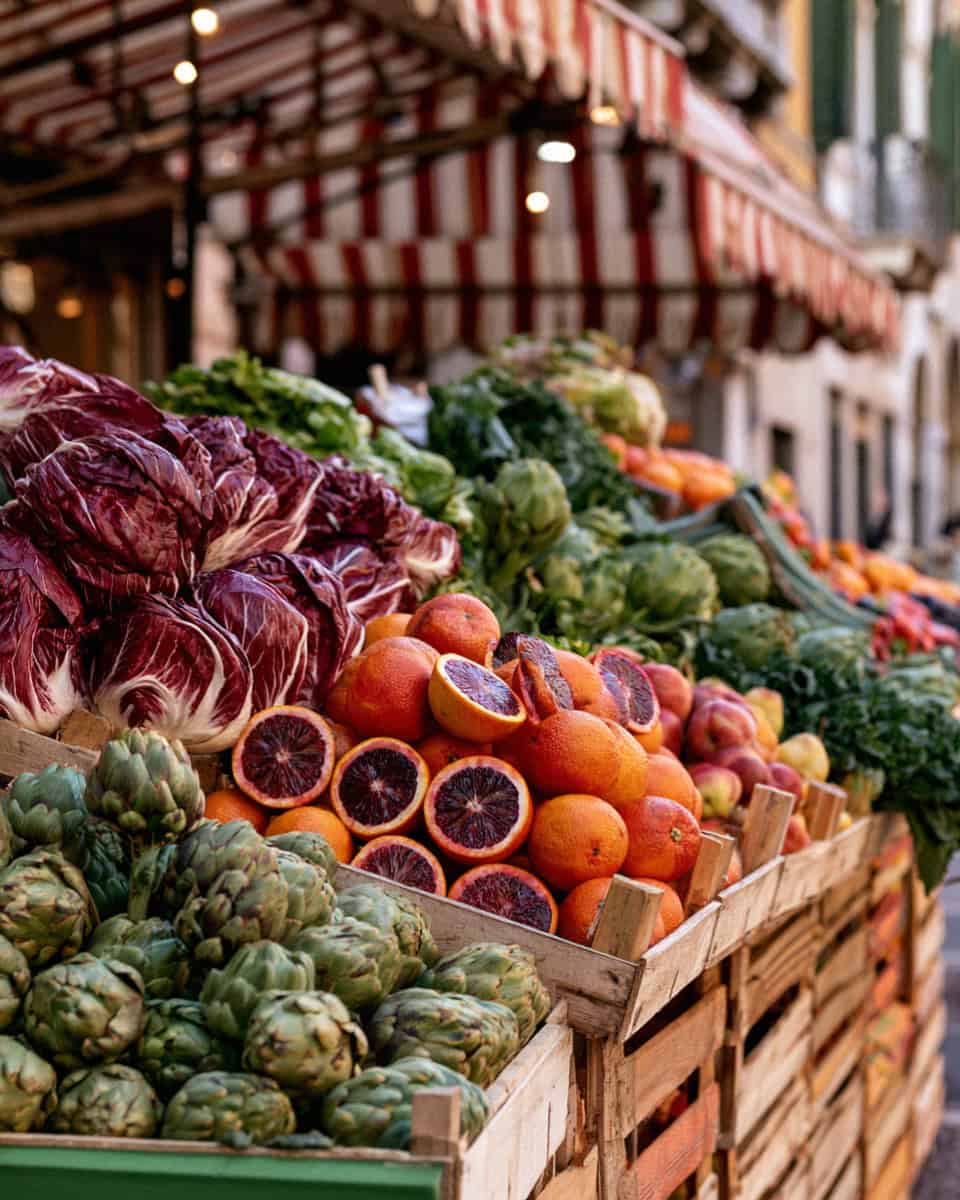
The plain and the hills around Verona are generous. Monte Veronese is the local mountain cheese, nutty and firm; Lessinia honey and chestnuts appear on autumn menus; and the shores of Lake Garda just to the west produce a delicate, almost sweet extra-virgin olive oil from Europe’s northernmost olive groves, which turns up drizzled over everything with good reason. A morning stroll through the stalls of Piazza delle Erbe, or the covered market nearby, is the quickest way to understand what the Veronese actually eat.
The wines, which are the real headline
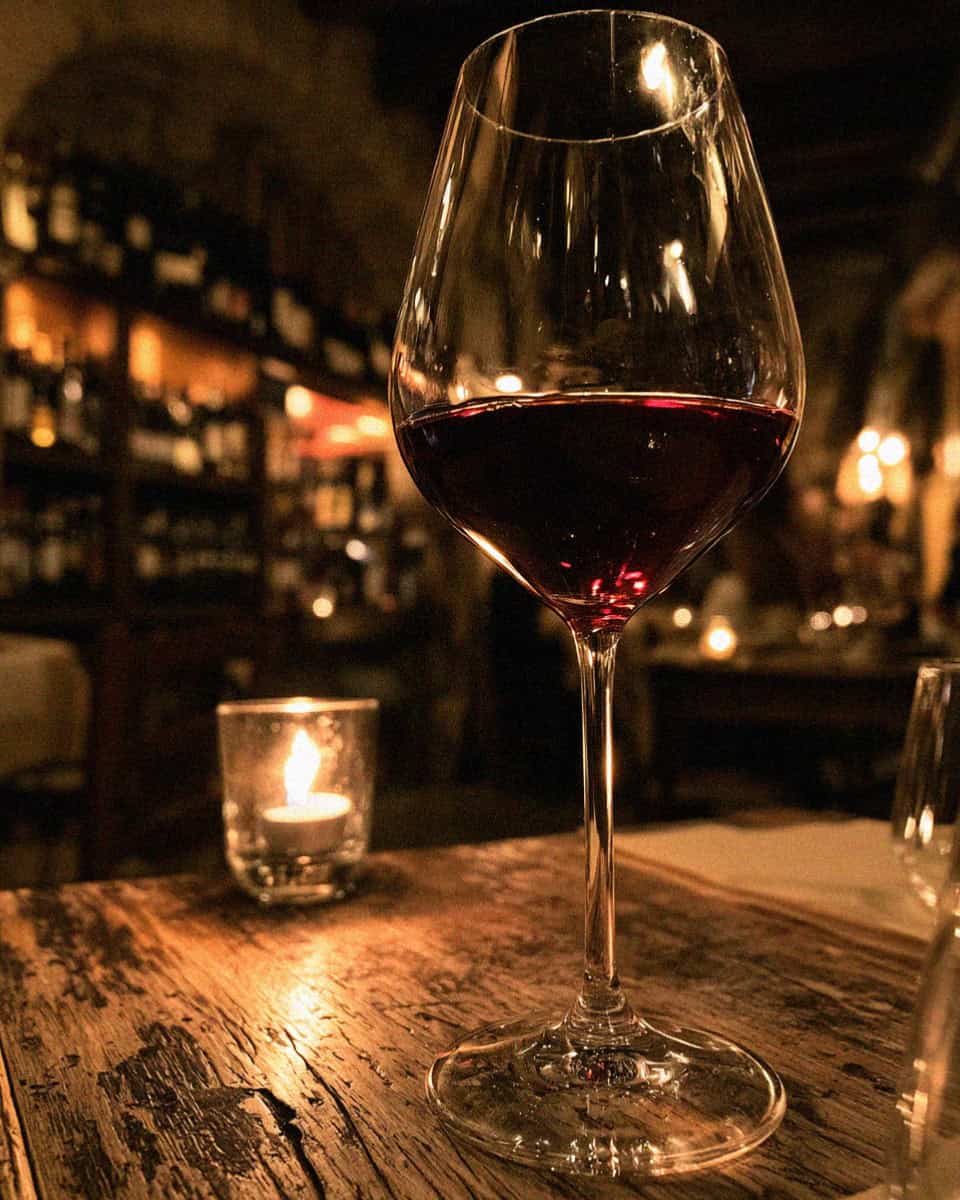
This is one of Italy’s great wine cities, and knowing a little transforms a meal. The star is Amarone della Valpolicella, a powerful, velvety red made from grapes left to dry for months before pressing, deep and warming and built for a cold evening and a plate of braised beef. Its everyday cousin Valpolicella is bright and cherryish, while Ripasso, made by re-fermenting Valpolicella on the Amarone skins, sits richly in between and is often the smart-value order. For something sweet, seek out Recioto della Valpolicella, the dessert wine from which Amarone was born. And from the flat land just west come the crisp white Soave, the gentle red Bardolino and the fresh Custoza, the wines for a warm lunch. Verona takes all this so seriously that it hosts Vinitaly each April, the largest wine fair in the world.
Where to eat well
For a grand occasion, Verona holds a three-Michelin-star table in Casa Perbellini 12 Apostoli, where the chef Giancarlo Perbellini cooks in one of the oldest restaurant sites in Italy, its cellars descending past Roman remains; book far ahead and go hungry. For refined but less rarefied cooking, the city has a clutch of respected kitchens such as Il Desco and Locanda 4 Cuochi, the latter a smart, modern bistro much loved by locals; do re-check current stars and openings before you plan around them.
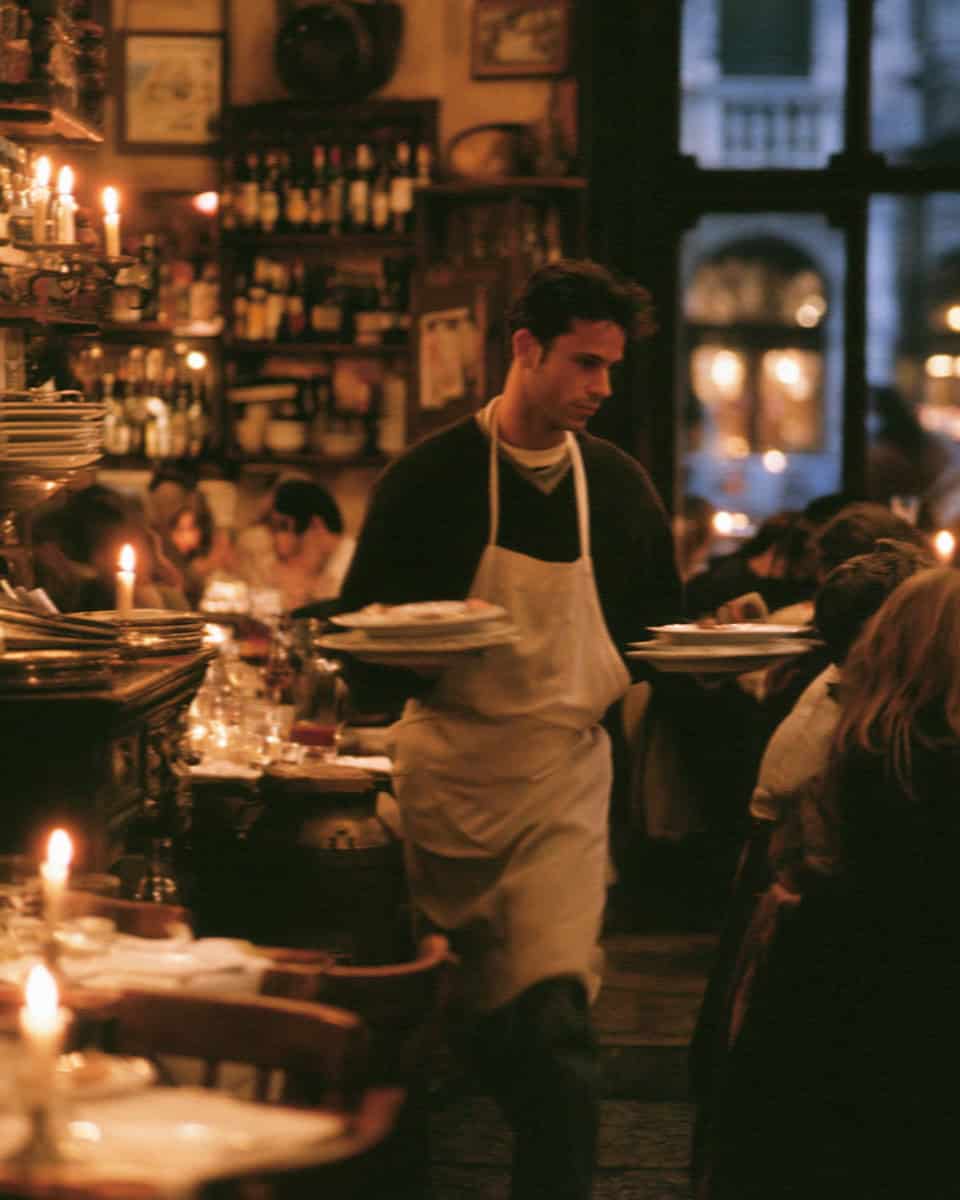
For the true taste of the place, though, I would steer you to the osterie, the old wine taverns where Verona has eaten and drunk for centuries. Look for a bàcaro or osteria around Piazza delle Erbe, along Corso Sant’Anastasia and in Veronetta across the river, where a few euros buys a glass of Valpolicella and a plate of gnocchi or cured meats amid a happy local crush. A stand-up aperitivo in Piazza delle Erbe as the light goes, spritz in hand, is a Verona ritual I never skip. And for the rooftop version, the bar of the Hotel Milano looks straight at the floodlit Arena.
A simple ordering plan
If you want one classic Veronese meal, this is how I would build it: start with an aperitivo and a few cichetti in Piazza delle Erbe, sit down to bigoli or risotto all’Amarone, follow with pastissada and polenta or the gnocchi if you would rather, and finish with a small glass of Recioto. Drink Ripasso if you want the region in one affordable bottle, or splash out on an aged Amarone if the evening deserves it.
The coffee, the sweets and the aperitivo hour
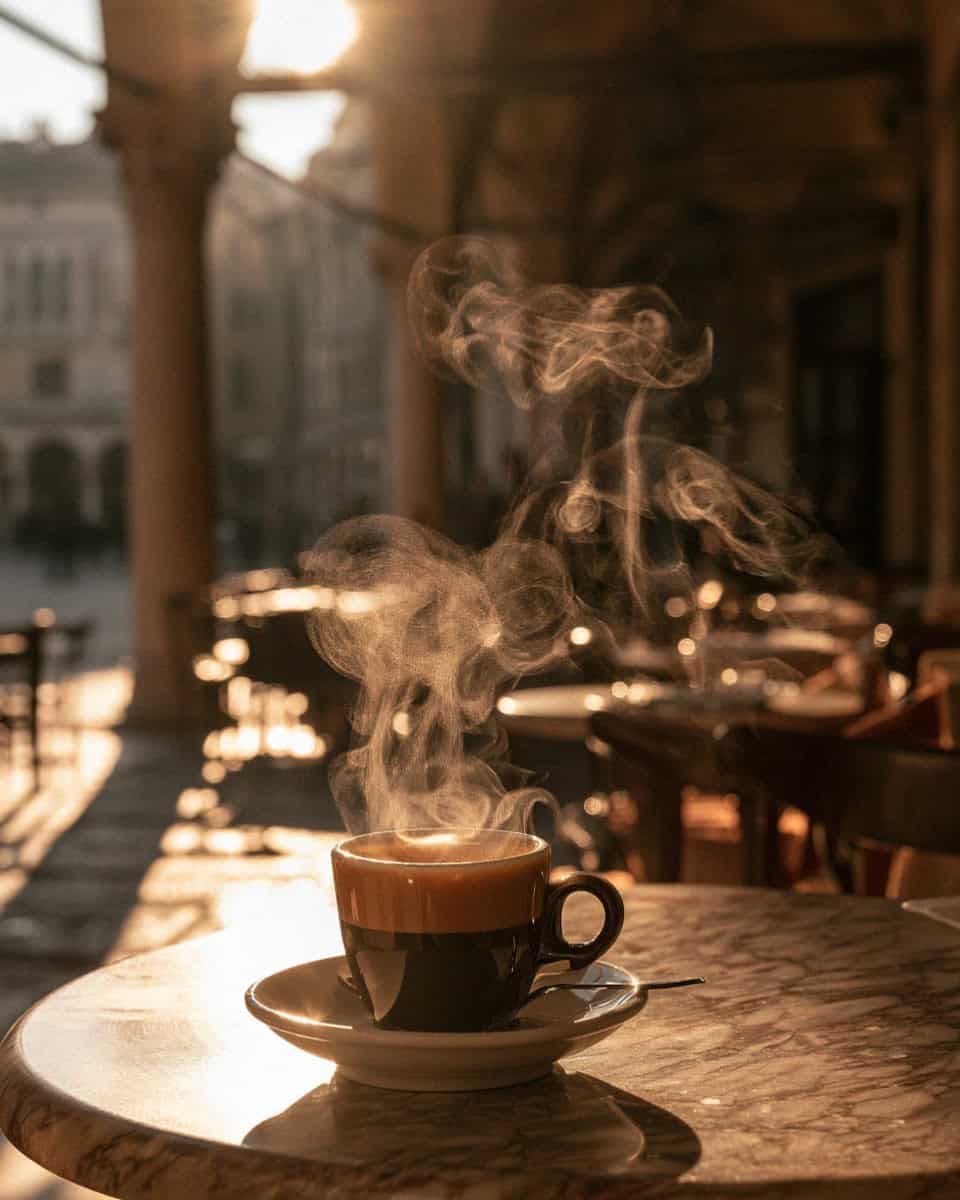
No Verona day is complete without its small rituals. Mornings begin at a caffè counter with an espresso and a pastry taken standing, the Italian way; the historic cafés around Piazza Bra and Piazza delle Erbe are lovely for a slower sit if you would rather watch the square wake up. In the afternoon, seek out the local sweets: beyond pandoro and nadalin at Christmas, look for baci di Giulietta and sospiri di Romeo, the paired almond and hazelnut biscuits the city named for its lovers, and the almond brittle called mandorlato from nearby Cologna. A gelato eaten while wandering the marble streets is never a wrong decision.
But the ritual I would never miss is the aperitivo. As the light goes, the Veronese gather to stand with a spritz or a glass of Valpolicella and a few nibbles before dinner, and there is no finer place to join them than a table or a patch of pavement in Piazza delle Erbe as the façades turn gold and the swifts wheel overhead. Order an Aperol or a Select spritz, or better still a glass of the local wine, and simply let the evening arrive. It is the cheapest luxury in the city and, some nights, the best thing you will do.
Frequently Asked Questions
What food is Verona known for?
Gnocchi above all, along with risotto all’Amarone, bollito misto with the peppery pearà sauce, bigoli pasta, and the slow horse-meat stew pastissada. Verona is also the birthplace of pandoro, the golden Christmas cake.
What is the best wine to drink in Verona?
Amarone della Valpolicella, the powerful red made from dried grapes, is the local star. For everyday drinking and better value, order a Ripasso; for a warm lunch, the crisp white Soave or the light red Bardolino from nearby Lake Garda.
Does Verona have a Michelin-starred restaurant?
Yes. Casa Perbellini 12 Apostoli holds three Michelin stars and is the city’s flagship fine-dining table, set in one of the oldest restaurant sites in Italy. Book well ahead, and re-check current stars before planning.
Where do locals eat in Verona?
In the old osterie and bàcari, the traditional wine taverns around Piazza delle Erbe, Corso Sant’Anastasia and across the river in Veronetta, where a glass of Valpolicella and a plate of gnocchi cost very little amid a lively local crowd.
Related
Read next: the best things to do in Verona, the best day trips from Verona for the Valpolicella wine country, and Victoria’s complete guide to Verona.