Venice looks small on a map and is anything but, because you move at the pace of your own feet and the boats. That is the first thing to make peace with, and once you do, the city opens. You will not tick off a list here so much as let the days accumulate, one bridge and one campo at a time. What follows is a frame you can stretch or shorten: a full first day for the heart of the city, a second for the market and the art quarter, a third that leans out to the islands, and a fourth that catches a train to the mainland. Take one day or take all four. Venice rewards whichever you choose, and it rewards slowness most of all.
A note before we begin. There are no cars, so you walk, and when your feet tire you take the vaporetto. A single ride runs around 9.50 euro and lasts about 75 minutes, which makes the passes the sensible buy if you plan to hop about: roughly 25 euro for a day, 35 for 48 hours, 45 for 72, and about 65 for a week. Line 1 is the one to learn first, the slow boat that threads the whole Grand Canal.
Day one, the heart of the city
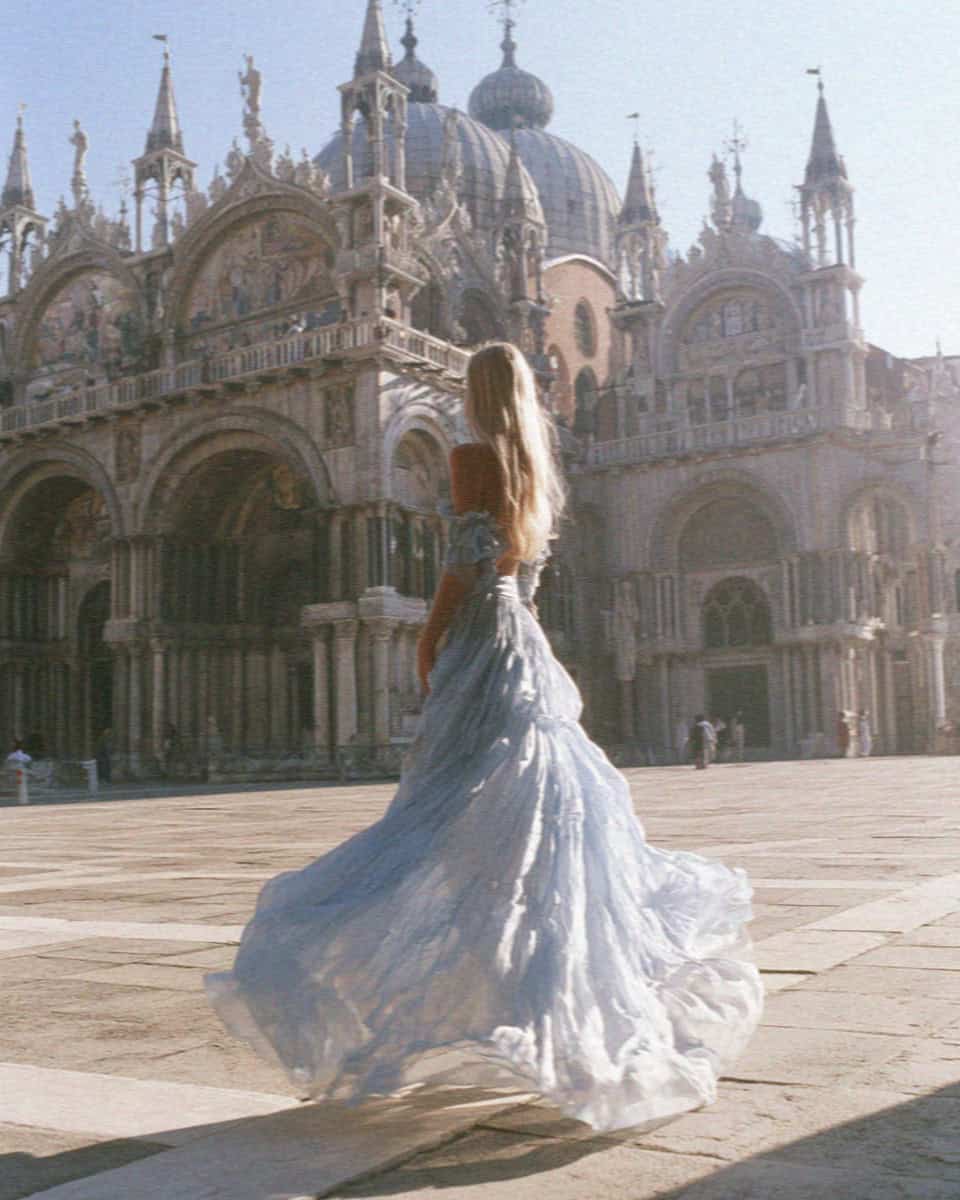
Begin in San Marco, the centre, and begin early. If you can drag yourself out for sunrise, do it. An empty St Mark’s Square at first light, the pigeons not yet gathered and the cafe orchestras still asleep, is one of those things you will keep long after the trip is over. The basilica itself is free to enter, though a timed booking of a few euros will save you the queue and is well worth it. Inside, tip your head back and let the gold mosaics do their work; the floor beneath you rolls like a gentle sea, warped by centuries of soft ground.
Next door, the Doge’s Palace asks around 30 euros, and that ticket folds in the St Mark’s Square museums, so it earns its keep. The palace is all gilded councils and painted ceilings until you cross the Bridge of Sighs and the mood turns cool and close in the old prisons. It is a proper morning’s worth.
For the view, the Campanile in the square runs about 12 to 15 euros and lifts you above the rooftops. If the line is long, and it often is, here is a quiet swap I make again and again: take the little boat across to San Giorgio Maggiore and climb the campanile there instead. Same city laid out below, plus you get San Marco itself in the frame, and a fraction of the crowd.
Spend the afternoon simply lost. Put the map away and follow the narrow calli wherever they lead. You will surface in a quiet campo with a wellhead in the middle and a single cat, and that is the point. When your legs ask for it, board Line 1 and ride the Grand Canal end to end, watching the palazzi slide by from the water, which is how they were always meant to be seen. For more ways to fill the corners of a day, my guide to the best things to do in Venice has plenty to fold in.
Plan Your Visit to Venice
A few things I booked and loved. These help support the blog, at no cost to you.
- Where I stayed: search Venice hotels
- Skip-the-line tickets for the main sights
- A Venice city pass
- Stay connected: get a travel eSIM
This section contains affiliate links. If you book through them I may earn a small commission, at no extra cost to you.
Day two, the Rialto, Dorsoduro and a sunset
Start at the Rialto, over in San Polo, and start hungry. The market here has fed the city for a thousand years, and the fish stalls in particular are worth the early alarm; by mid-morning the best of it is packed away. Wander the produce arcades, buy a paper cone of something, and stand on the Rialto Bridge for a few minutes before the day fills it.
From there, cross into Dorsoduro, which is my favourite sestiere and the one I would live in given the chance. This is the art quarter. The Gallerie dell’Accademia holds the great Venetian painters, and a short walk on brings you to the Peggy Guggenheim Collection, a light and surprising house of modern work on the Grand Canal. You need not do both in one day; pick the one that suits your mood and give it proper time.
In the afternoon, drift down to the Zattere, the long sunny promenade that faces the Giudecca Canal. Order a coffee or something colder, watch the boats, and do very little. As the light softens, this southern edge of the city becomes the place to be. Sunsets over the water here are quietly spectacular, and you will not be alone in thinking so, though there is room enough for everyone.
If you have set aside the budget for a gondola, this is a lovely stretch to take one, though you will find quieter water for it away from the main routes. Reckon on around 80 to 90 euros for about half an hour by day, and note that the price is per gondola, not per person, so it is a kinder cost split among a few of you. Agree the route and the fare before you step in.
Day three, the islands (or a slower loop)
On the third day, lean outward. Boats to the northern islands leave from Fondamente Nove, on the quiet top edge of the city. Murano is closest, about ten minutes across, and it is the home of Venetian glass; you can watch a furnace at work and walk canals that feel like Venice with the volume turned down. Carry on another half hour or so, and Burano appears, its fishermen’s houses painted every colour there is, a photographer’s dream and a genuinely joyful place to eat lunch. If you have the appetite for one more, tiny Torcello sits just beyond, where the city more or less began, and its ancient Byzantine cathedral holds a golden mosaic that has outlasted everything around it.
That is a full and happy day, and it does involve a fair bit of boat time. If islands do not tempt you, or if the weather has turned, take a slower loop through Cannaregio instead. This is the quiet north of the city, threaded with long straight canals and lined with local bars. It holds the Jewish Ghetto, the oldest in the world and a moving, dignified quarter well worth an unhurried afternoon. Or head east into Castello, wider and greener than the rest, out towards the Biennale gardens where, in the right year, the art spills across the park.
Day four, a mainland day trip
By the fourth day you may be ready for a change of key, and the train station is easier to use than you expect. Padua is the closest reward, around 25 to 40 minutes away, and the reason to go is the Scrovegni Chapel, where Giotto’s frescoes glow blue from wall to ceiling. Booking ahead is essential; the visit is timed and short and utterly worth the effort.
Verona sits a little over an hour off, a handsome city of a rosy stone with a Roman arena still very much in use. And if villas are your thing, the Palladian houses strung along the Brenta canal make a gentler, more rural day, best reached by tour or a hired boat. I have gathered the practicalities for all of these in my guide to day trips from Venice, so you can pick the one that fits your energy.
A seven-day version
Given a week, I would not simply add more sights; I would add more air. Keep the four days above as your spine, then give yourself a whole day for the islands rather than rushing them, and a separate slow day for Cannaregio and Castello. Add a second mainland trip, so Padua and Verona each get their own morning. And leave one full day with nothing planned at all. That empty day, the one where you sit in a campo and let Venice come to you, is often the one people remember most. A week also lets you take Line 1 at night at least once, when the palazzi are lit, and the water is black, and the whole thing feels like a private theatre.
A few tips to make the days flow
Buy the right vaporetto pass for your stay and validate it before you board. Wear shoes you can walk miles in, because you will. Book the timed things ahead, the basilica and the Scrovegni especially. Carry a small bottle and refill it at the public fountains, which run cold and clean. Eat away from the main squares, a couple of turnings back, where the locals go. And build in nothing at least once a day, because the accidental discoveries are the ones you will talk about at home. For the fuller picture, my complete guide to Venice pulls all the threads together.
Frequently Asked Questions
How many days do you really need in Venice?
Two days will show you the heart of it, the basilica and the square, the Rialto and Dorsoduro. Three lets you add the islands without rushing, and four gives you a mainland trip as well. If you can spare a week, the extra days are best spent slowing down rather than adding sights.
Is a vaporetto pass worth it?
If you plan more than three or four rides in a day, yes. A single fare is around 9.50 euro, so a day pass at roughly 25 euro pays for itself quickly, and the longer passes work out cheaper still per day. If you intend to walk almost everywhere and take only the odd boat, singles may serve you better.
When is the best time to see St Mark’s Square?
At sunrise, without question. Come early, and you will have the square almost to yourself, with the light low and the crowds still abed. It is free to walk, the basilica is free to enter with a small timed booking, and the whole scene is transformed by the quiet.
Are the islands worth a full day?
They are, if you have the time. Murano, Burano and Torcello each have their own character, and the boat rides between them are part of the pleasure if a full day of water feels like too much, a slower loop through Cannaregio or Castello makes a fine alternative closer to home.