There are cities you visit and cities you surrender to, and Venice has only ever belonged to the second kind. You cannot stride here. There are no cars to catch, no straight lines to follow, no way to be anywhere in a hurry, and the moment you accept this, the city opens to you. What follows is not a checklist so much as an order of surrender, the things I return to on every visit, arranged the way I would actually do them if you gave me a few unhurried days. Some are the grand set pieces you already have in mind. Others are quieter, and those are the ones you will remember longest.
What to book before you come
Venice punishes improvisation more than anywhere else in Italy. The queue for the Doge s Palace in July is two hours long and the one for the Basilica is worse, and both of them are avoidable entirely by buying a slot in advance. These are the five I would have in hand before I got on the train.
- The Doge s Palace, reserved entry. Forty five thousand people have rated this 4.6, which makes it one of the most booked things in Italy. Go for the Bridge of Sighs and stay for the armoury and the prisons, which almost nobody expects and which are the better half.
- St Mark s Basilica and the Doge s Palace together. The Basilica queue is the one that ruins mornings. Take the combined ticket and do both in a single run rather than crossing the piazza twice.
- Murano and Burano, with a guide. 4.5 from eight thousand people. Burano is the reason: a fishing island where every house is a different colour because the fishermen needed to find their own front door in the fog. Half a day, and it gets you off the crush of San Marco.
- The airport bus, Marco Polo to Piazzale Roma. 4.7 from over thirty one thousand people. Book it before you fly. The alternative is a water taxi at roughly ten times the price, which is lovely once and absurd twice.
- A vaporetto pass. Individual tickets here are punishingly expensive and the pass pays for itself in about four rides. Line 1 down the Grand Canal at dusk is the best value sightseeing in the city.
- A pasta and tiramisu class. 4.9 from over thirteen hundred people, and a genuinely good use of an afternoon when the crowds have made the streets unwalkable.
Getting lost is free, and it is the best thing here. So is the Rialto market first thing, every campo in Cannaregio, and the walk out to the Zattere at sunset.
Wake for St Mark’s Square before the crowds
The single kindest thing you can do for yourself in Venice is to see Piazza San Marco at seven in the morning. I mean it. By ten the square belongs to the tour groups and the pigeons and the sheer press of bodies, but at first light it is almost empty, the arcades still in shadow, the marble washed clean by the night, and you can stand in the centre and understand for a moment why people have been coming here for a thousand years. The cafes are only just setting out their chairs. The light comes low across the water and catches the gold of the Basilica’s mosaics above the doors.
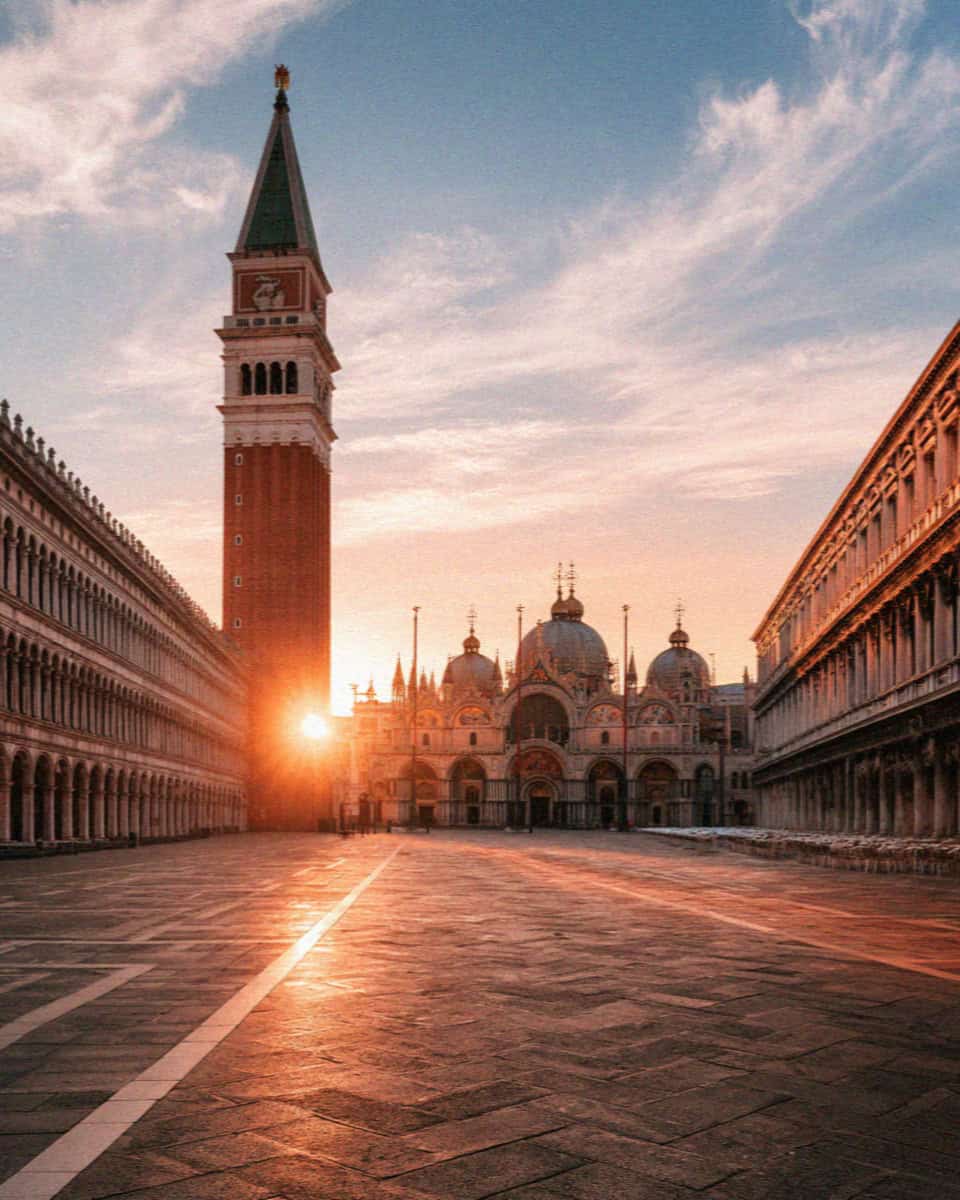
St Mark’s Basilica is free to enter, which surprises people, and the queue that snakes across the square is the price of that. For a few euros you can book a timed entry and walk straight in, and on a busy day I would do it without hesitation. Once inside, look up and let your eyes adjust to the gloom until the gold ceilings begin to glow. The Pala d’Oro, the jewelled altarpiece behind the high altar, costs a few euros more, as does the climb to the loggia and terrace where the bronze horses stand, and the whole square spreads out below you. That terrace is worth every step. Go early, dress with your shoulders covered, and leave the big bag at the hotel because it will not be allowed in.
Plan Your Visit to Venice
A few things I booked and loved. These help support the blog, at no cost to you.
- Where I stayed: search Venice hotels
- Skip-the-line tickets for the main sights
- A Venice city pass
- Stay connected: get a travel eSIM
This section contains affiliate links. If you book through them I may earn a small commission, at no extra cost to you.
The Doge’s Palace and the Bridge of Sighs
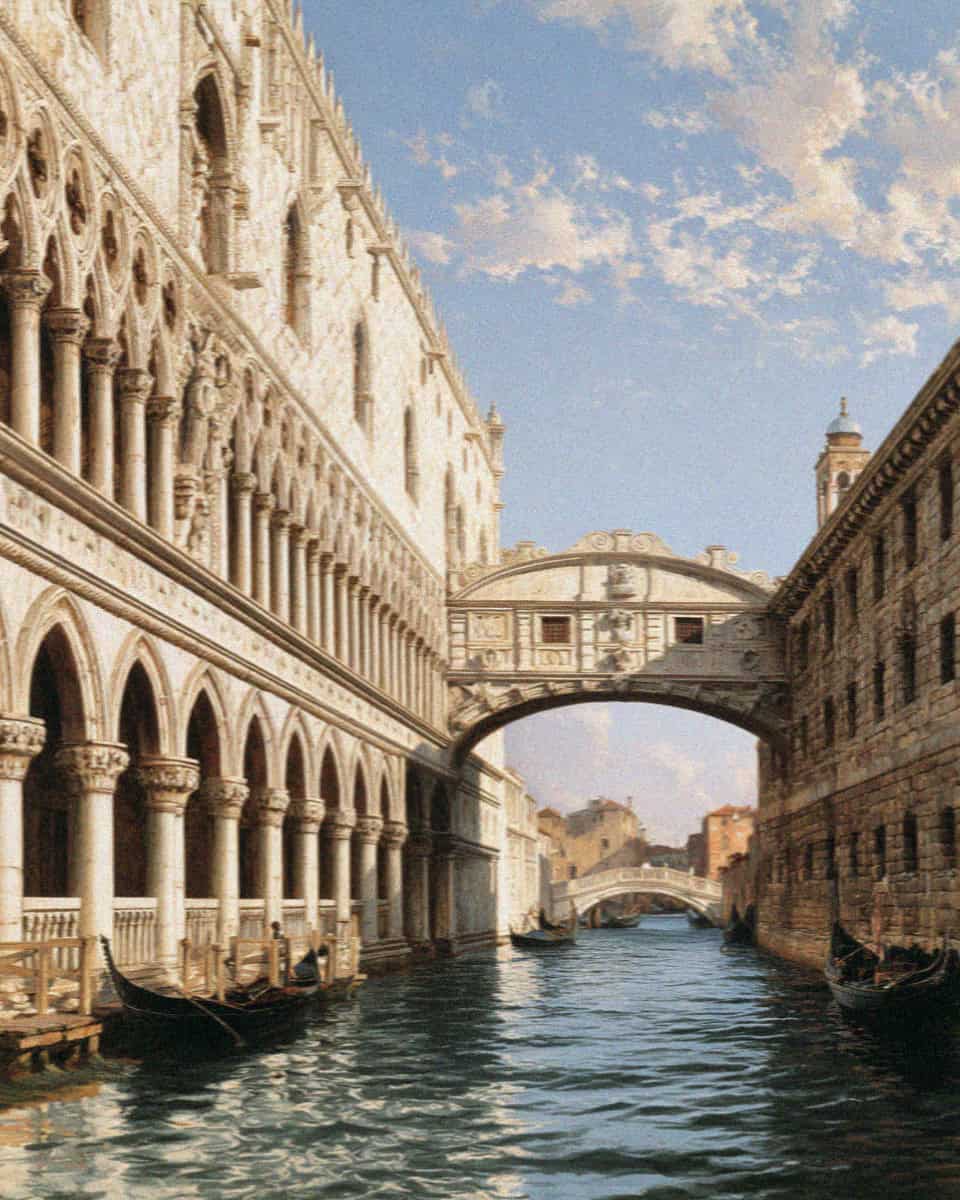
Next door stands the Doge’s Palace, and I would give it a proper couple of hours rather than a rushed hour. This was the seat of the whole Venetian Republic, the place where the city governed itself and its empire, and the scale of the state rooms is meant to overwhelm you. It did then, and it does now. The great council chamber with its enormous Tintoretto, the golden staircase, the map rooms, all of it speaks of a power that once ran half the Mediterranean.
The part everyone remembers, though, comes near the end, when the route crosses the small enclosed bridge over the canal to the old prisons. This is the Bridge of Sighs, named for the prisoners who are said to have glimpsed their last sight of Venice through its stone lattice. From inside it is a cramped, sad little passage, and that is rather the point. A ticket to the palace, somewhere around thirty euros, also lets you into the museums around St Mark’s Square, so keep it safe.
Climb for the view, but choose your tower
You will want to look down on all of this from a height, and there are two ways to do it. The obvious one is the Campanile in the square itself, the tall brick bell tower with a lift to the top, somewhere around twelve to fifteen euros. The view is magnificent, and the queue can be long.
The one I send friends to is across the water. Take the vaporetto one stop to the island of San Giorgio Maggiore and climb the campanile of Palladio’s white church there. The view is arguably better, because it looks back at Venice itself rather than out from its centre, and you will often have it almost to yourself while the crowds sweat in the square. You can read more about both in my guide to the best photo spots in Venice, because the light on that particular view, late in the afternoon, is something I have never quite got over.
Ride Line 1 down the Grand Canal
If you do only one thing on the water, ride the number 1 vaporetto the full length of the Grand Canal. A single ticket is around nine euros fifty and buys you seventy-five minutes, though if you are here more than a day the tourist travel cards make far more sense, roughly twenty-five euros for a day, up to sixty-five for a week, so it is worth checking the current bands against your plans.
Line 1 is the slow boat, stopping everywhere, and that is exactly why you want it. Sit at the front or the back where the air moves, and let the palaces slide past, four centuries of them, their doors opening straight onto the water, their marble faces stained and beautiful and slightly tilted. It is the grandest cheap sightseeing in Europe. I have done this ride a hundred times, and I still fall silent for it every time.
The Rialto bridge and the market behind it
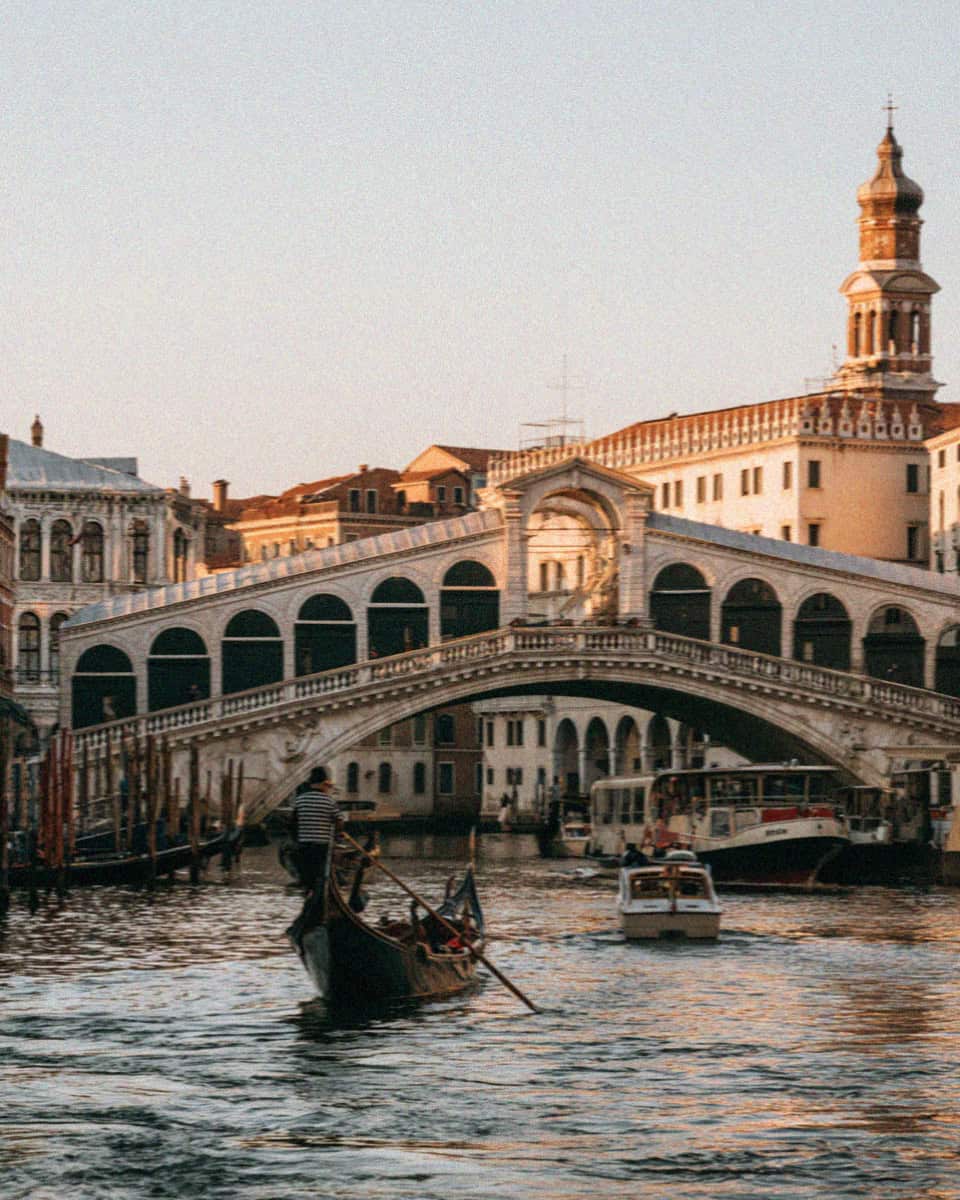
The Rialto bridge is the oldest of the crossings over the Grand Canal, and it is always thick with people photographing it and being photographed on it. See it, by all means, from the water and from the steps. But the real reason to come is tucked just behind it on the San Polo side, where the market has stood for something like seven hundred years.
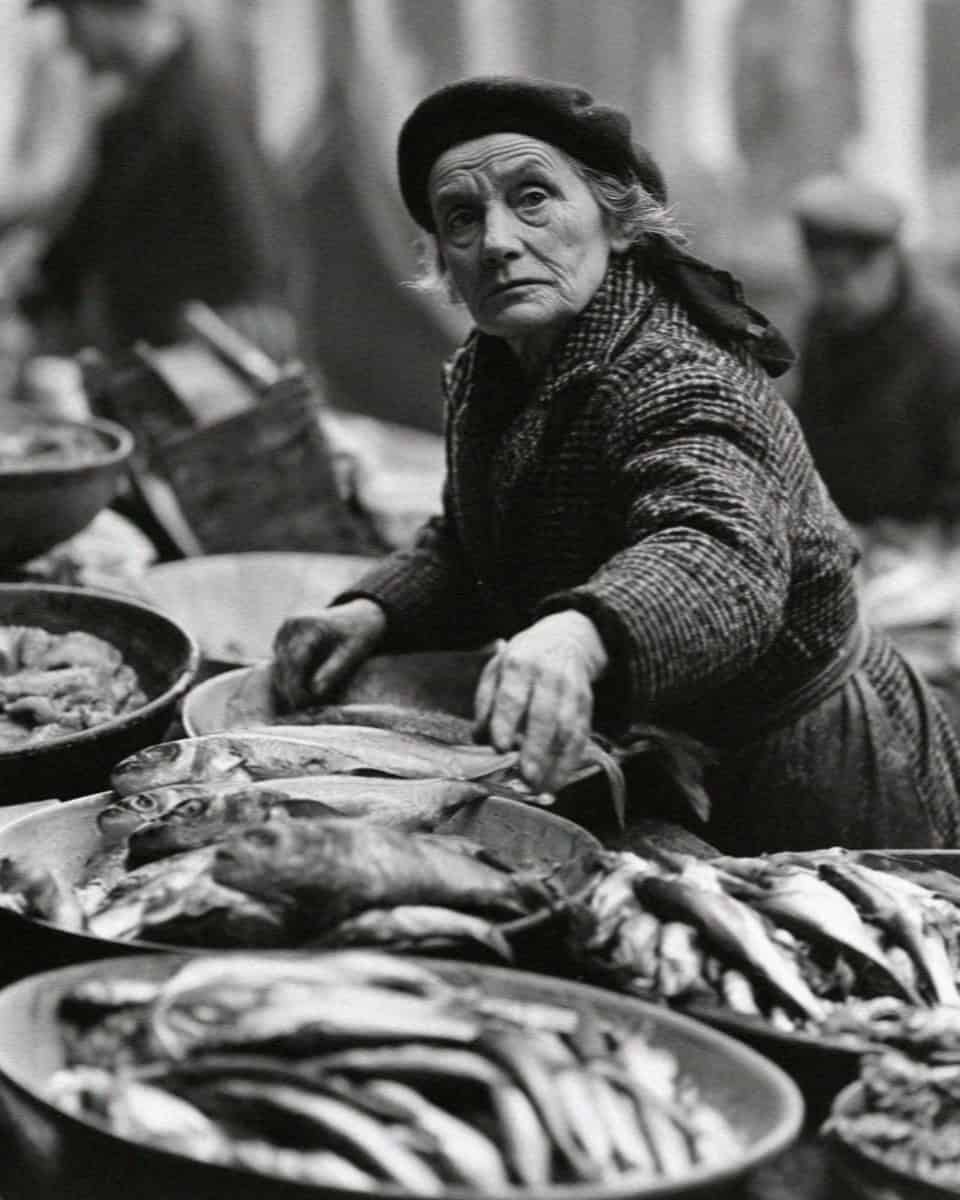
Go in the morning, and go hungry for the sight of it rather than the food. The produce stalls pile up artichokes and radicchio, and whatever the lagoon gardens have sent in, and beyond them the fish market lays out the strange silver harvest of the Adriatic on beds of ice. It closes on Sundays, and the fish side closes Mondays too, so a weekday morning is the moment. This is where the city actually feeds itself, and standing in it you feel closer to Venice than in any museum.
Take a gondola, but take it properly
I will not tell you to skip the gondola, because that would be a lie about what I do myself. I will tell you how to do it so that it feels like Venice and not like a queue. The price is fixed by the city, somewhere around eighty to ninety euros for about thirty minutes in the day and a hundred to a hundred and ten after seven in the evening, and that is per boat, not per person, for up to five people. So share it. Find another couple, or bring your own, and split it.
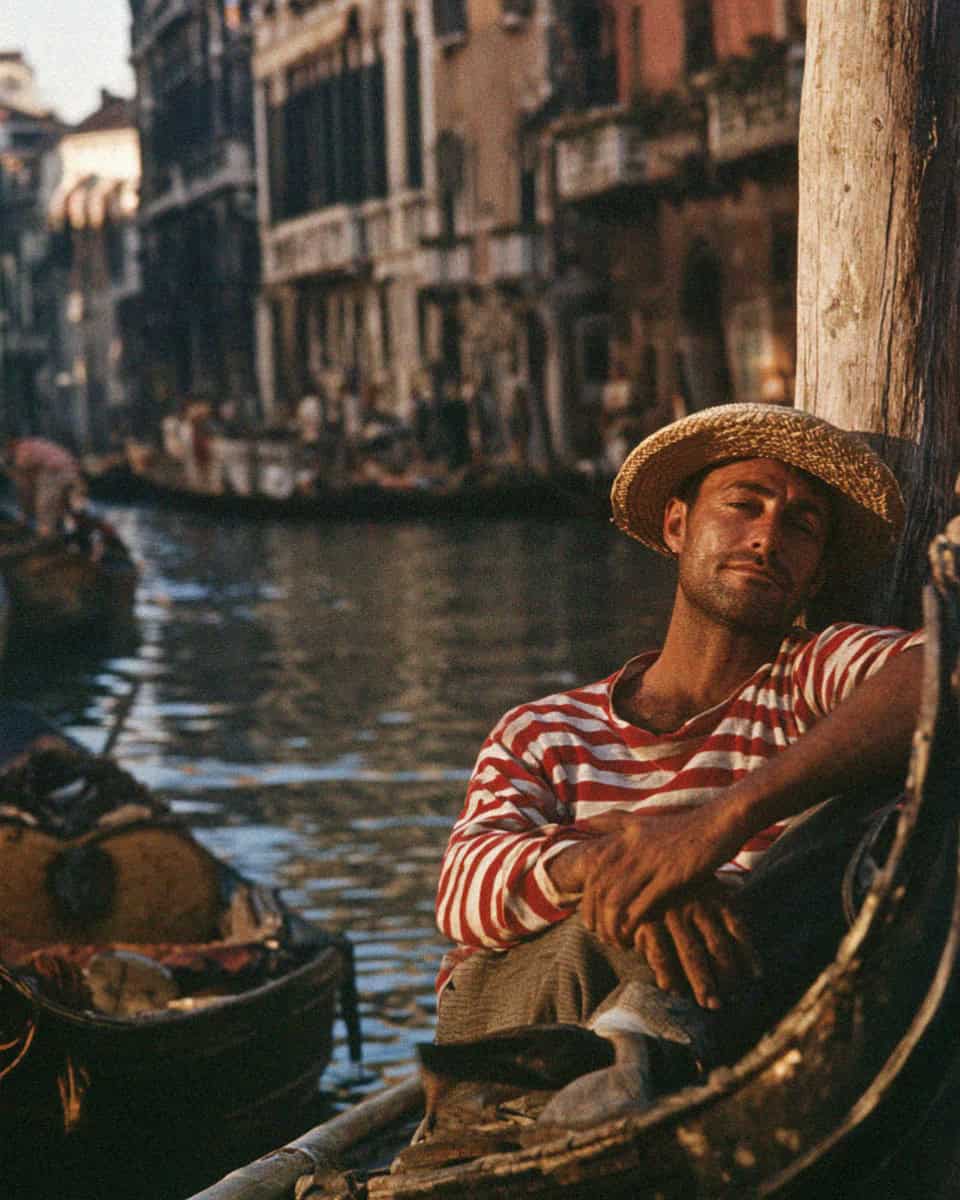
Then do two things. Go at dusk, when the light turns the water to pewter, and the day-trippers are at dinner. And ask, gently, to stay on the small back canals rather than the churning traffic of the Grand Canal. In the narrow rii, with the walls close and the water still and the only sound the oar, the whole silly romantic idea of it suddenly becomes true.
Get deliberately lost, then wander into Dorsoduro
Set aside at least one afternoon with no destination at all. Put the map in your pocket, pick a direction away from the crowds, and walk until you have no idea where you are. This is not a hardship in Venice. It is the whole point of the place. You will find empty campi with a single well-head and a church, washing strung between windows, a workshop, a bridge over a canal so quiet you can hear your own footsteps.
Let that wandering carry you into Dorsoduro, the sestiere on the far side of the Accademia bridge. It is where a good deal of Venice actually lives, full of students and small bars and long sunny fondamente along the Giudecca canal. Of all the districts it is the one I would choose to stay in, and the one where getting lost pays the richest dividends.
A little art, and only a little
Venice can drown you in art if you let it, so choose one thing and see it well. In Dorsoduro you have a clear choice. The Accademia holds the great Venetian painters, Bellini and Carpaccio and Titian, room after room of the city painting itself at its height. Or, a few minutes’ walk along the canal, the Peggy Guggenheim Collection, an unfinished palace on the Grand Canal that the great collector filled with the twentieth century and then lived in. They are utterly different moods, one deep and gilded, one bright and modern, and either makes a perfect hour. Do not attempt both in a day. Venice is not a place for cramming.
An evening bacaro crawl
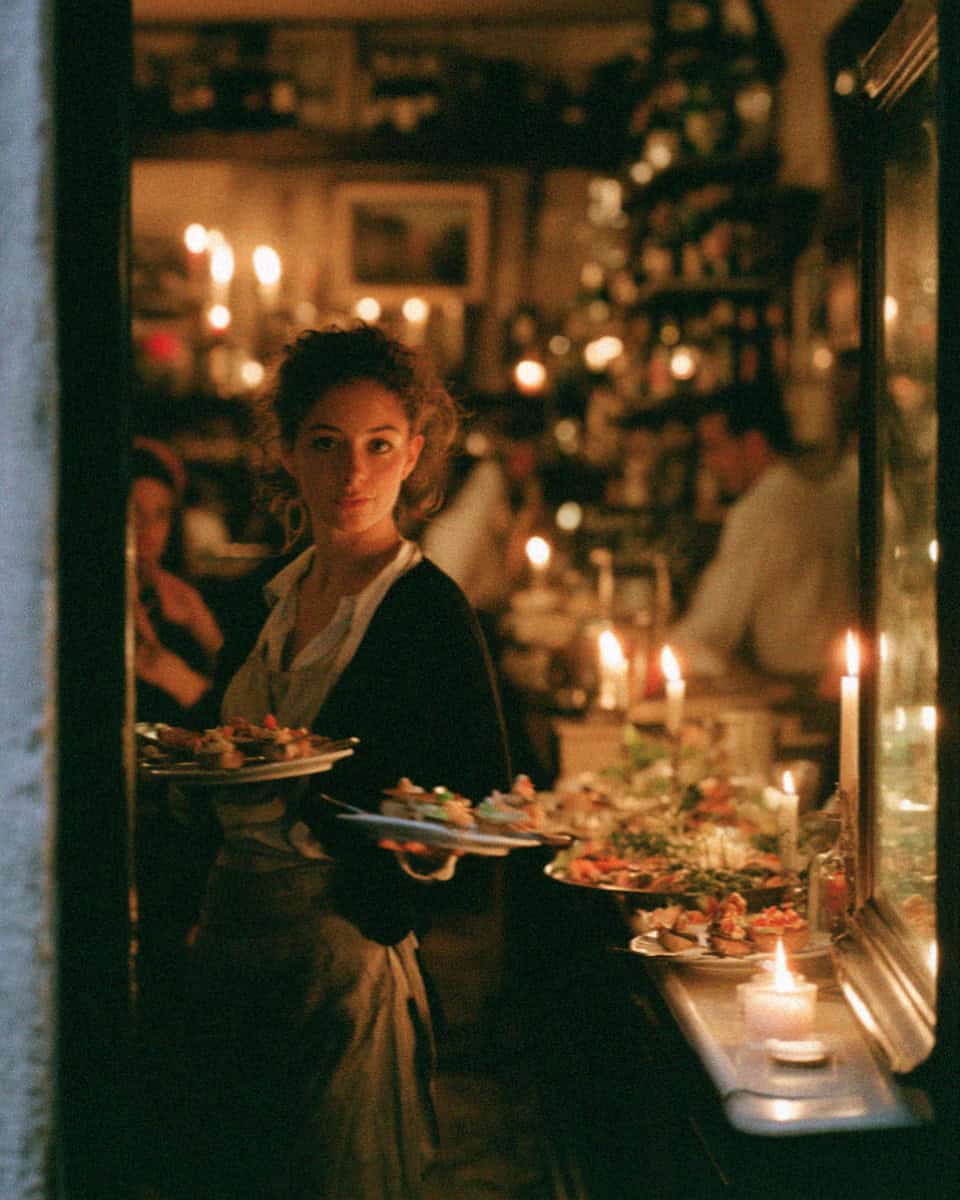
When the sun goes down, do as the Venetians do and go for a giro di ombre, a wander between the little bars called bacari. In each you order cicchetti, small plates and things on bread, a fried olive, a spoon of creamed salt cod, a half sandwich, and a small glass of wine, an ombra, and you stand at the counter or spill out into the calle, and then you move on to the next. It is cheap, sociable, endlessly good fun, and about as close to being a local as a visitor gets. I have written more about where to find the best of them in my guide on where to eat in Venice, but honestly the joy is in following your nose from one to the next.
And a nod to the islands
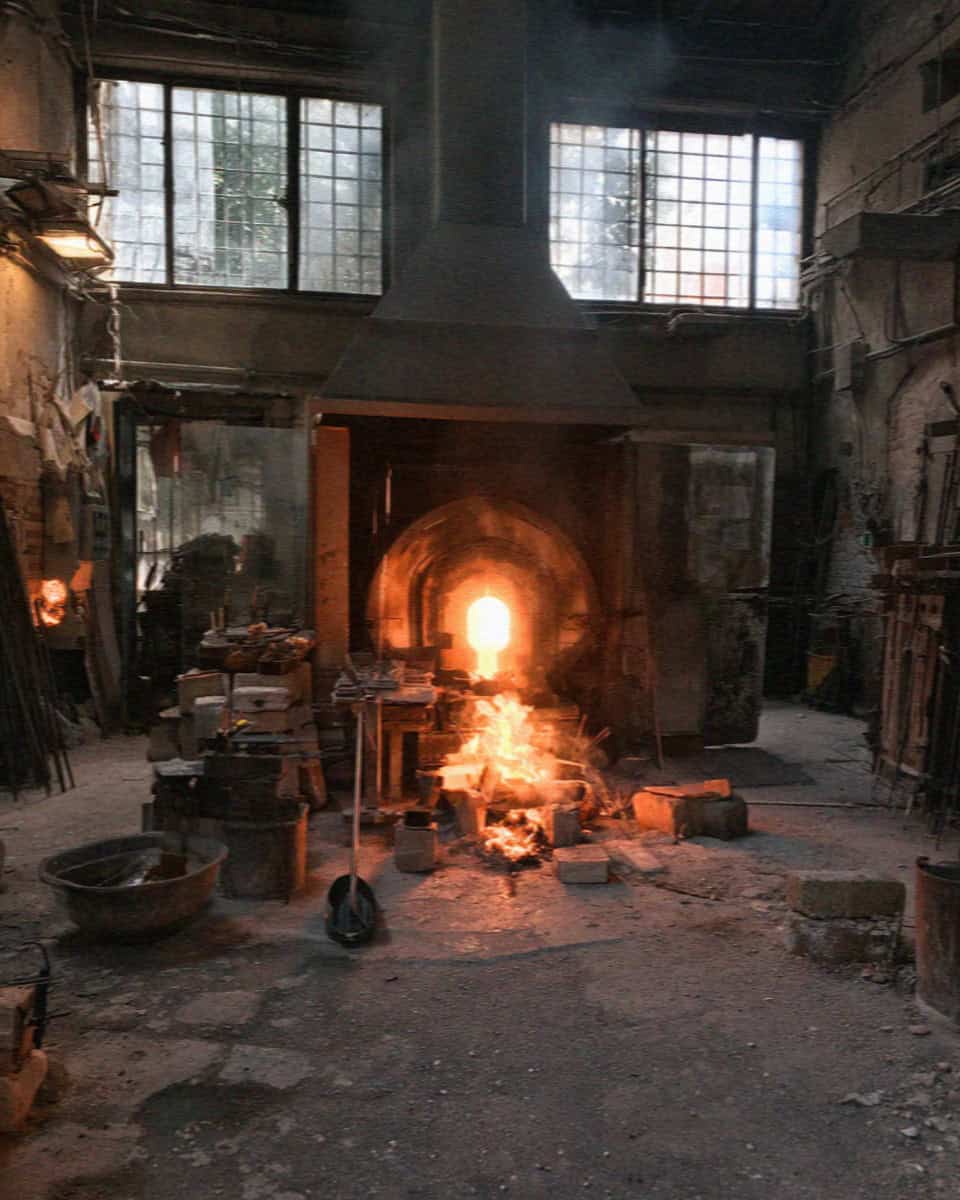
Finally, know that the lagoon is bigger than the city, and the islands deserve a whole day rather than a hurried afternoon. Murano for its glass furnaces, Burano for its painted fishermen’s houses and its lace, and quiet, half-empty Torcello for the oldest cathedral in the lagoon and a sense of where Venice began. Give them their own morning start and their own slow pace. I have set out how I string the three of them together in my Venice itinerary, and I would not try to fold them into a day that also holds St Mark’s.
A note on tickets
A little planning saves a great deal of standing about. For the Basilica, the loggia, the Pala d’Oro and the Doge’s Palace, book online in advance where you can, and carry a scarf or a layer that covers your shoulders for the churches. For the water, decide honestly how much you will ride before you buy: a single fare suits a light day, but two or three journeys already make a 24-hour card worth it, and the multi-day cards add up quickly in your favour. Prices drift year to year, so treat every figure here as a soft band and check the current rates before you go. And keep your palace ticket, because it opens more doors than you might expect.
Frequently Asked Questions
What is the one thing I should not miss in Venice?
If I had to choose a single thing, it would be riding Line 1 the full length of the Grand Canal, ideally in the late afternoon. It costs almost nothing, needs no booking, and shows you more of the city’s soul than any museum. That said, standing in an empty St Mark’s Square at seven in the morning runs it very close.
How many days do I need to do Venice properly?
Three full days is the sweet spot. That gives you a day for the great set pieces around St Mark’s, a day to get lost and wander Dorsoduro with a little art and a bacaro crawl in the evening, and a whole separate day for the lagoon islands. Two days can be done, but you will feel rushed, and Venice punishes rushing.
Is a gondola ride worth the money?
Yes, if you do it well. The fare is fixed at roughly eighty to ninety euros in the day and a hundred or so in the evening, per boat for up to five people, so share it and the cost per head becomes reasonable. Go at dusk and ask to stay on the small back canals rather than the crowded Grand Canal, and it stops feeling like a tourist trap and starts feeling like magic.
When should I visit the Rialto market?
Go in the morning; the earlier the better, when the stalls are full and the light is soft. Remember that the market closes on Sundays, and the fish market closes on Mondays as well, so aim for a weekday between roughly Tuesday and Saturday. Bring a camera and an appetite, and buy some fruit even if you are only passing through.