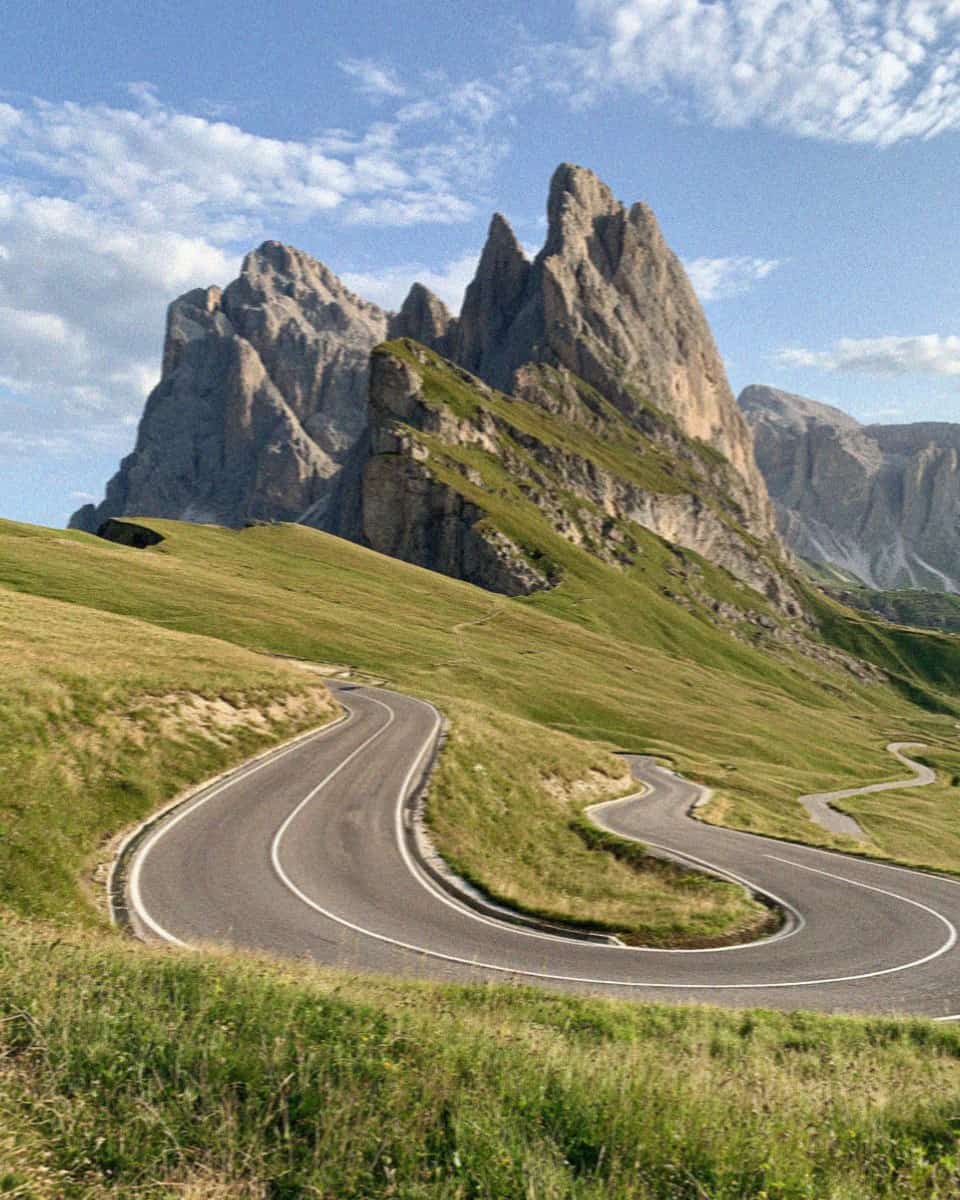
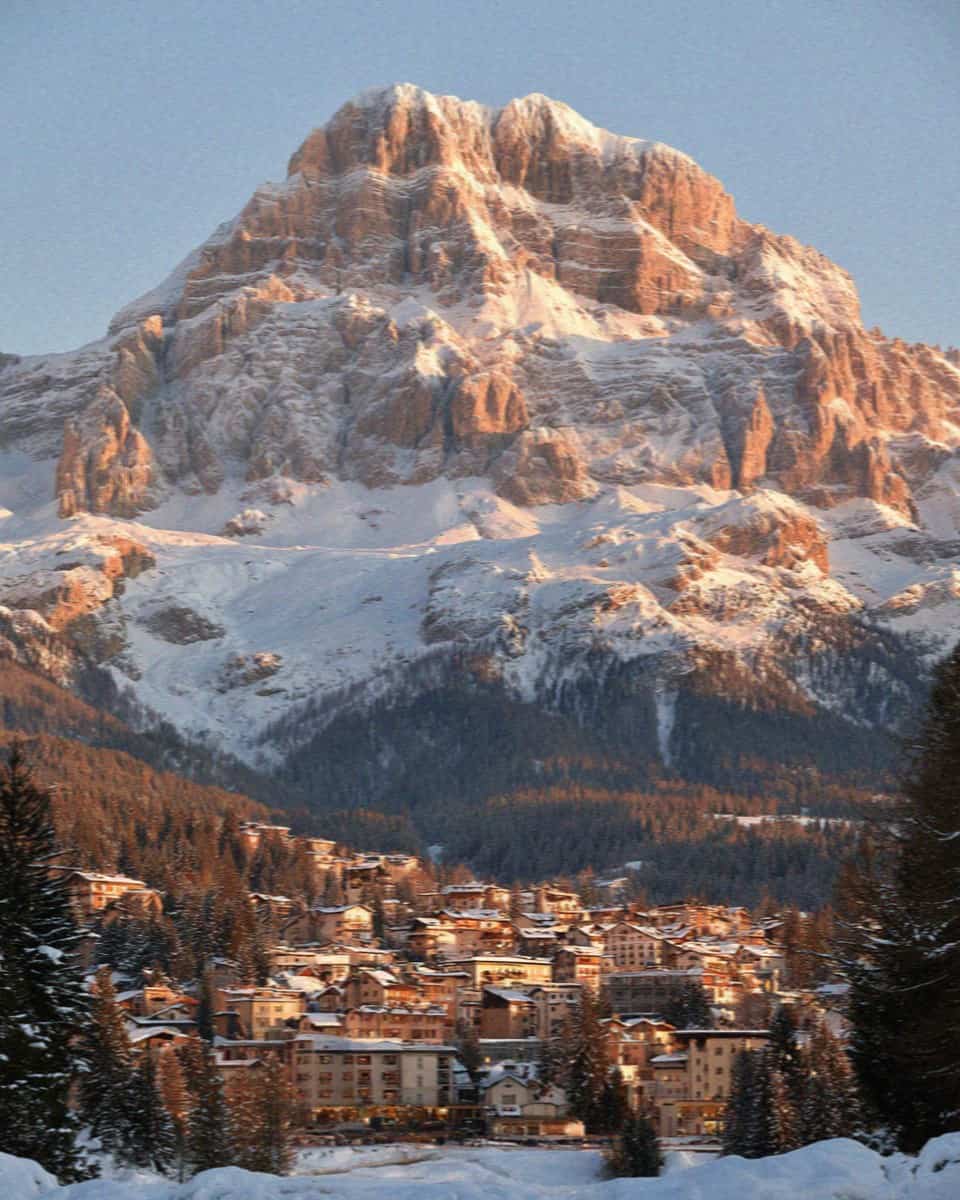
The Dolomites feel remote in the way all the best mountains do, and yet they are closer than their drama suggests. You can land at a small Italian airport in the morning, watch the plains give way to foothills over lunch, and be standing under pale limestone towers by the time the light goes golden. The trick is knowing which door to come in through, because the range has no single front gate. It spreads across three provinces, and the base you choose, whether that is Cortina in the Veneto or Ortisei up in South Tyrol, quietly decides your whole journey. Here is how I actually get there, and what I would do in your position.
Arriving by air
The two airports I use most are Venice and Innsbruck, and which one suits you depends entirely on your base.
For Cortina d’Ampezzo and the eastern Dolomites, Venice Marco Polo is the obvious choice. It sits about two hours’ drive from Cortina, with a straightforward run up the valley once you clear the lagoon traffic. Treviso, Venice’s smaller low-cost airport, is a touch closer at roughly one hour fifty. For the western valleys, the calculus shifts. Marco Polo to Ortisei in Val Gardena is more like three hours twenty, which is a long transfer after a flight, so I would think harder here.
If your heart is set on Val Gardena, Alpe di Siusi or the South Tyrol side, look north. Innsbruck, just over the Austrian border, is only about an hour thirty from Ortisei and around two hours forty from Cortina, and the descent over the Brenner into Italy is a lovely way to begin. Verona is another good western gateway at roughly two hours fifteen to Ortisei, and Bolzano’s small airport, when flights suit, is barely an hour away. Milan and Munich both work if the fares are right, but budget four to five hours of driving and treat them as long days rather than quick hops.
Plan Your Visit to the Dolomites
A few things I booked and loved. These help support the blog, at no cost to you.
- Where I stayed: search Dolomites hotels
- Rent a car to explore the area
- Stay connected: get a travel eSIM
This section contains affiliate links. If you book through them I may earn a small commission, at no extra cost to you.
Arriving by train
There is one thing worth saying plainly. There is no train to Cortina. The railway that once climbed there is long gone, now a cycling path, so rail travellers heading east always finish by road. The western valleys are far better served, and if you dislike driving, the train is genuinely the elegant way in.
The gateway station is Bolzano (Bozen), reached easily on the main Brenner line. From Verona it is about an hour thirty, from Venice via Verona a little under three hours, and from Innsbruck around two hours coming the other way, over the pass. Fast Frecce and cheaper regional trains both stop here, and I tend to book the Frecciarossa in advance for the good fares.
From Bolzano you switch to the regional buses, and the connection is smoother than it sounds. The SAD network, part of the excellent South Tyrol integrated system, runs services up into the valleys, with the Val Gardena buses generally routing via Ponte Gardena (Waidbruck) on the valley floor before climbing to Ortisei, Santa Cristina and Selva. Reckon on roughly an hour and a bit up to Ortisei. Timetables and live connections are all on the suedtirolmobil site, which I would bookmark before you travel, and the same buses serve the other South Tyrol valleys if you are heading somewhere quieter.
Arriving by coach
For Cortina, the coach is the answer if you would rather not drive, and it is a good one. Two operators run direct services from Venice, and both are comfortable and reliable. Cortina Express and ATVO both link Venice Marco Polo airport (with stops at Mestre and, in season, Venice Mestre station) to Cortina in about two hours, sometimes a shade more depending on the run. In the busy winter and high-summer periods the frequency is decent, but in shoulder season services thin out, so always check the timetable against your flight and book ahead. These coaches sell out around holidays and big race weekends, and a reserved seat is worth the small premium for the peace of mind.
If you are pairing this guide with the practicalities of when to come, my thoughts on the best time to visit will help you judge how busy those coaches are likely to be.
Hiring a car
I will be honest about this. For most people, most of the time, I would hire a car. The Dolomites reward flexibility more than almost anywhere I know, because the finest moments tend to happen at the edges of the day, a dawn light on the Sassolungo or an empty pass at dusk, and those are precisely the hours the buses do not run. A car lets you chase weather, change plans, and drive the great high roads, the Gardena, Sella and Pordoi passes, that are half the point of being here.
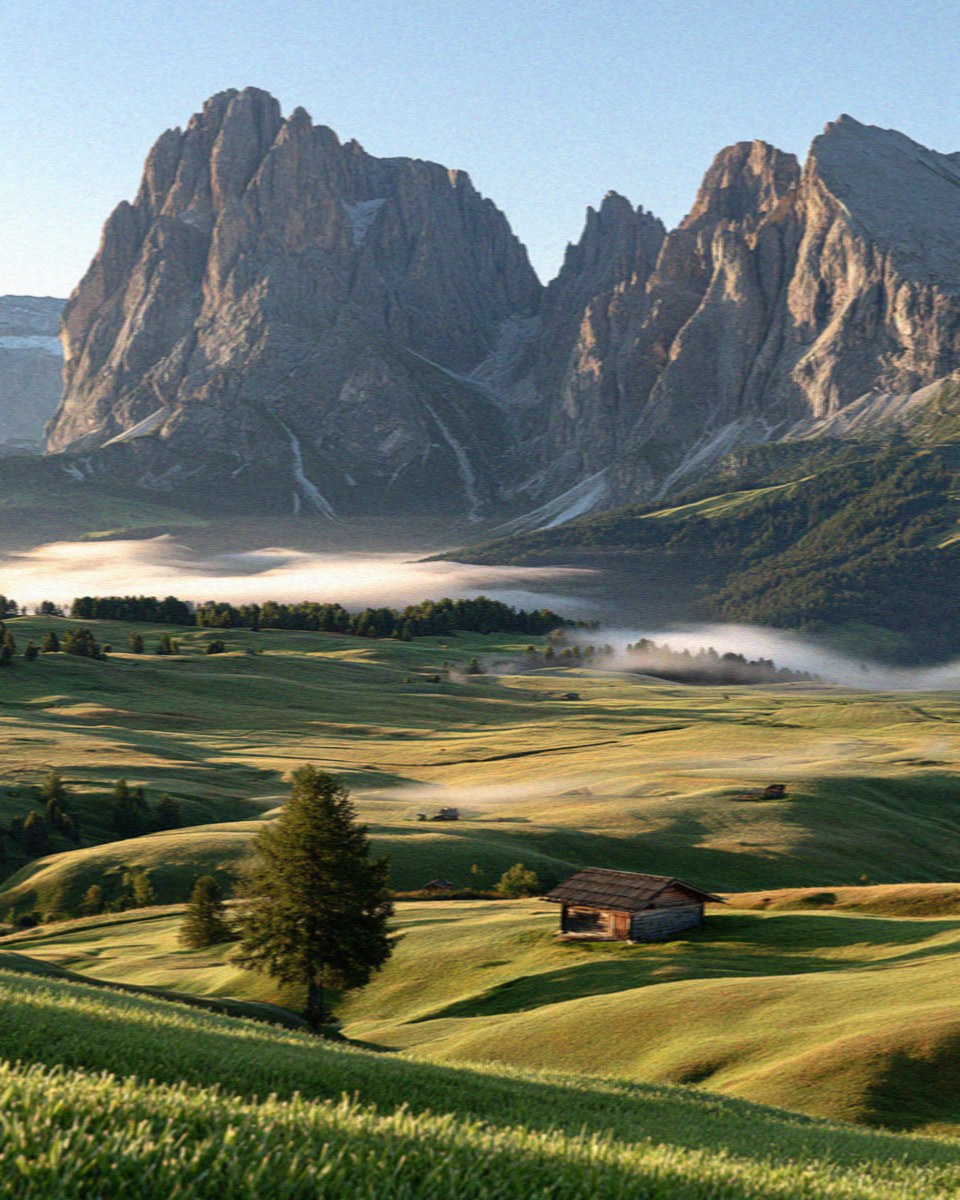
A few honest cautions. The mountain-pass driving is spectacular but demanding, all switchbacks and blind hairpins, so it is not the day to be tired or in a rush, and cyclists and motorbikes are everywhere in summer. Parking in the villages can be tight and metered, and some of the loveliest valleys, notably the Alpe di Siusi plateau, close to private cars during the day in high season, which is by design and no bad thing. In winter the rules matter. From roughly mid-November to mid-April, Italian mountain roads require winter tyres or snow chains carried in the car, and the hire company should sort this if you ask, but confirm it explicitly when you book a winter trip. Do not assume it is included.
Getting around without a car
You can absolutely do the Dolomites carless, and in the western valleys I would say it works beautifully. South Tyrol’s public transport is a model of how mountains should be run. If you are staying in Val Gardena or nearby, ask your hotel about the guest mobility cards, which are often included with your stay and cover the local buses, and look at the region’s own passes, the Mobilcard and the museum-and-transport combinations, which turn the whole SAD and rail network into something close to unlimited travel. In summer the valley buses are frequent, the cable cars do much of the vertical work, and dedicated hiking shuttles reach the trailheads that matter.
Cortina and the eastern side are a little more car-centric, but far from impossible in the warmer months, when local Dolomitibus services and seasonal shuttles connect the town to the passes and the famous walking areas. The key is to plan around the timetables rather than against them, start early, and accept that the last bus down is a genuine deadline. Where you base yourself changes all of this, so it is worth reading where to stay alongside this guide, and my complete guide to the Dolomites ties the whole picture together.
Frequently asked questions
Which airport is best for the Dolomites?
It depends on your base. For Cortina and the east, Venice Marco Polo (about two hours) or Treviso (about one hour fifty) are best. For Val Gardena, Ortisei and the South Tyrol west, Innsbruck (about one hour thirty) or Verona (about two hours fifteen) are closer and easier, with Bolzano barely an hour away when flights suit.
Can I reach the Dolomites without hiring a car?
Yes, especially in the west. Take the train to Bolzano and the SAD regional buses up into the valleys, and lean on South Tyrol’s mobility cards and summer shuttles. For Cortina, the direct Cortina Express or ATVO coaches from Venice airport get you there in about two hours. You will simply be tied to timetables.
Do I need winter tyres to drive there?
In the colder months, yes. From roughly mid-November to mid-April, Italian mountain roads require winter tyres or snow chains carried in the vehicle. If you are hiring, confirm with the company that the car is properly equipped rather than assuming it is included.