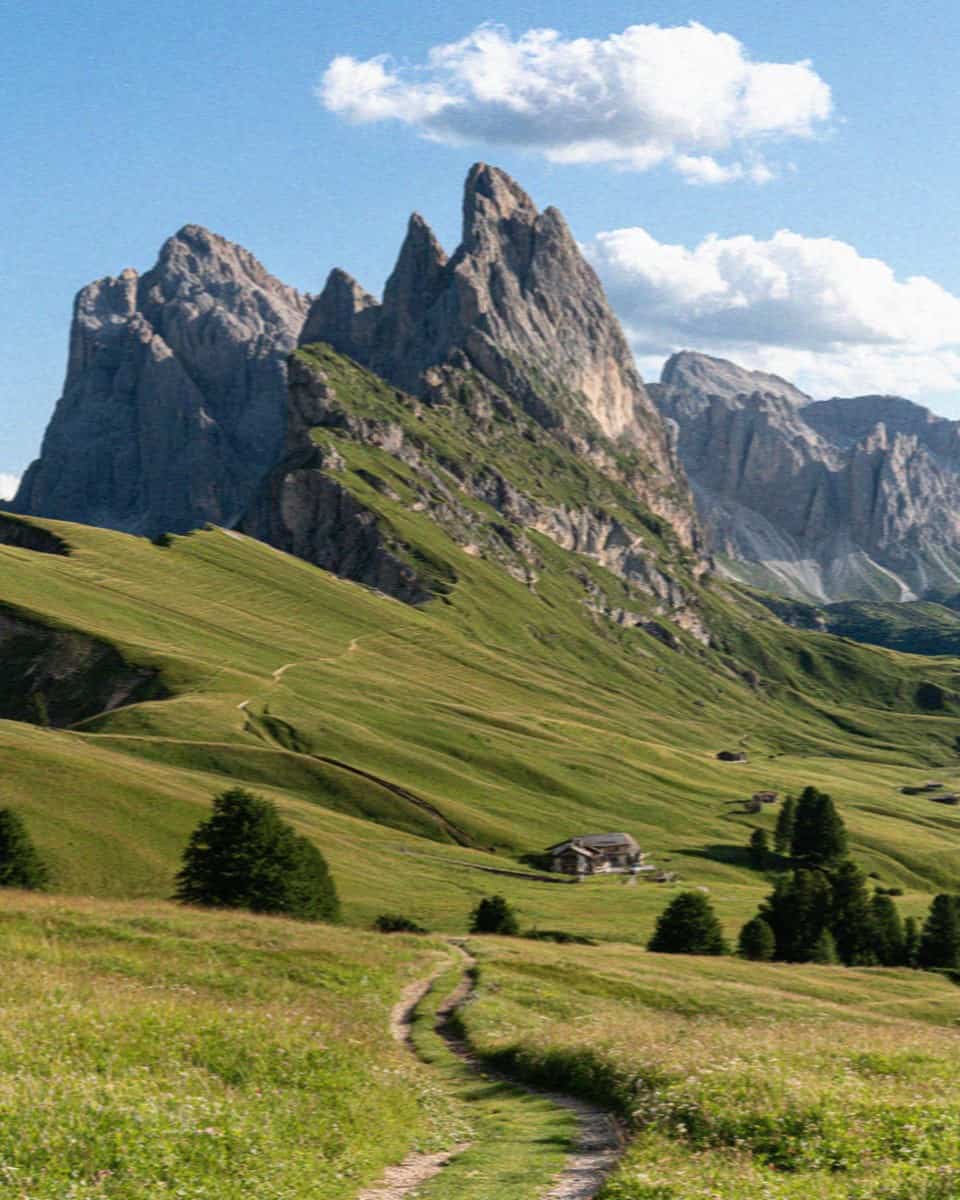
I am often asked, usually over dinner and usually by someone who has just booked flights, when they ought to go to the Dolomites. The honest answer is that there is no single best time, only a best time for the sort of trip you have in mind. These mountains keep two entirely separate lives. For half the year they are a walking country of green meadows and open huts, and for the other half they are one of the great ski regions of the Alps. In between sit two quiet shoulder seasons when a surprising amount is simply shut. Knowing which door you are walking through matters more here than almost anywhere else I write about.
So let me walk you through the year as I have come to know it, month by month, with an honest word on what is open, what the weather tends to do, and how many other people will be sharing the view. If you want the wider picture first, I have gathered everything into Victoria’s complete guide to the Dolomites.
The seasons in brief
High summer, from late June to early September, is when everything works. Every lift is turning, every rifugio is serving, and the walking is at its glorious best. It is also the busiest and priciest stretch of the year. September is my personal favourite, the sweet spot of warm, settled days and thinner crowds. Late September into October brings the larches turning gold, a spectacle worth planning a trip around on its own. Winter, roughly early December to mid-April, is the ski season across the linked Dolomiti Superski network. And then there are the two shoulders, November and again the weeks from mid-April into May, when many lifts and mountain huts close entirely and the valleys go quiet. Fall into one of those by accident and you will find a beautiful region with half its doors locked.
Plan Your Visit to the Dolomites
A few things I booked and loved. These help support the blog, at no cost to you.
- Where I stayed: search Dolomites hotels
- Rent a car to explore the area
- Stay connected: get a travel eSIM
This section contains affiliate links. If you book through them I may earn a small commission, at no extra cost to you.
Winter: December to mid-April
The ski season generally gets going in early December and runs to around the middle of April, weather and snow permitting. What makes the Dolomites extraordinary in winter is the Dolomiti Superski pass, which links twelve separate ski areas under one ticket, something on the order of 1,200 kilometres of piste. The crown of it is the Sellaronda, the circuit that loops right around the Sella massif in a single day, from one valley to the next by lift and run. You can ski it clockwise or anti, and either way you finish grinning.
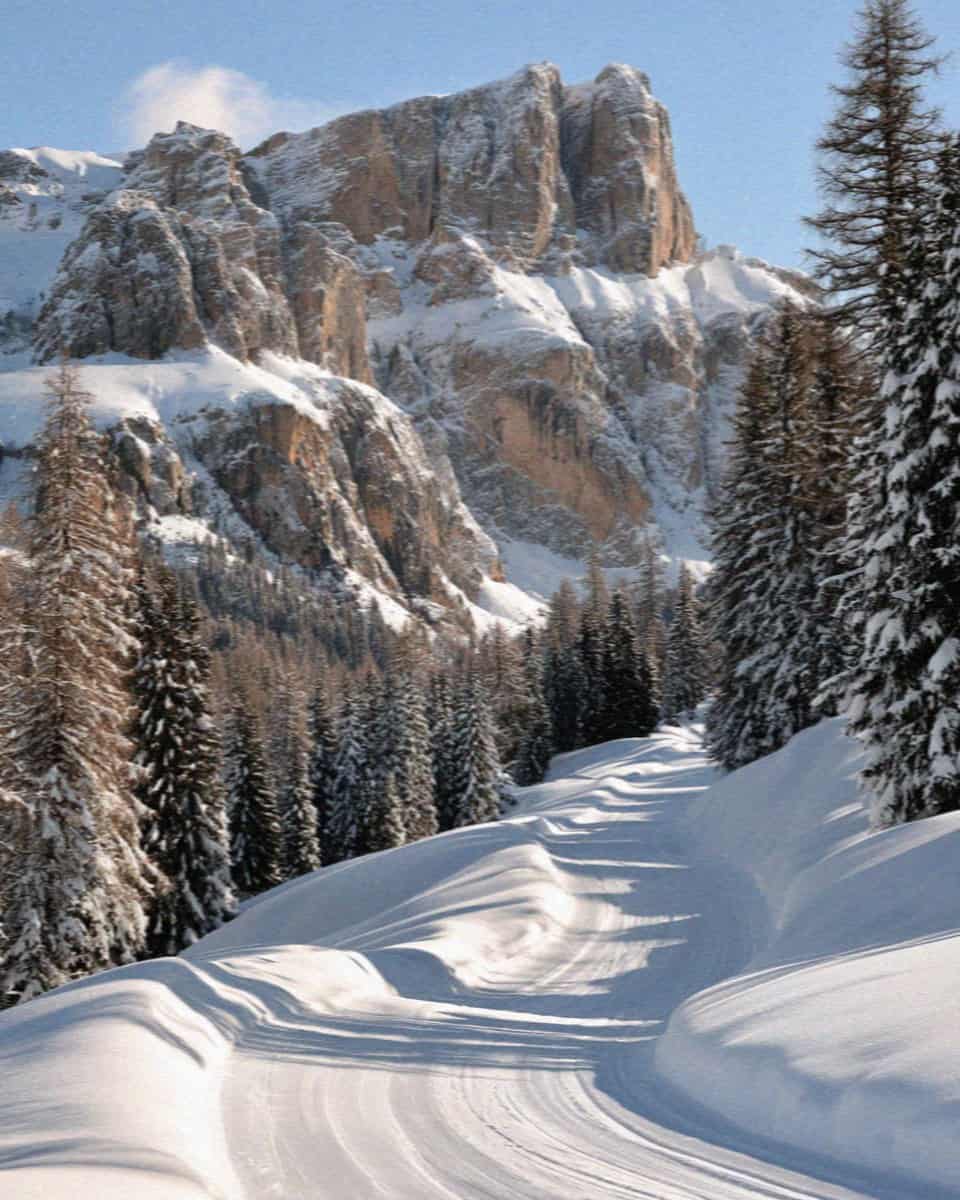
The peak weeks are the ones you would expect, Christmas and New Year, and then February through to early March, when the school holidays land and prices climb accordingly. If you want the skiing without the crush, aim for the middle weeks of January, when the snow is reliable and the queues are shorter, or the back end of the season in late March and early April, when the days are longer and the sun has real warmth in it. Snow cover is well supported by machine, so even a lean winter usually skis better than the forecasts suggest.
The spring shoulder: mid-April to late May
This is the first of the two seasons I gently steer people away from. Once the lifts close in April, there is a long pause. The high trails are still under snow, the rifugios have not yet opened, and a good number of cable cars sit idle while maintenance is done. The valleys are green and lovely, and the towns are peaceful, but the high country that you came for is largely out of reach. May improves as it goes on, and the lower valley walks around the meadows and villages can be a delight in late spring, but do not arrive expecting to get high into the mountains. If you want the peaks and the huts, you are still a few weeks early.
Early summer: June
June is when the region wakes properly, though it does so unevenly. In the first half of the month some lifts are still coming online and a few of the higher rifugios have yet to open their doors, so it pays to check the specific ones you are counting on rather than assume. By the second half of June most of the network is running and the huts are serving, and the reward is meadows at their absolute best, thick with wildflowers, and daylight that stretches close to nine in the evening. Weather in June is the least settled of the summer, with a real chance of afternoon thunderstorms building over the peaks, so I walk early and keep an eye on the sky. Crowds are still moderate, and prices have not yet reached their August peak. It is a lovely, slightly wild time to come if you do not mind a little uncertainty.
High summer: July and August
This is the full flowering of the walking season, and everything is open. Every lift turns, every hut is staffed, the via ferrata routes are clear of snow, and the long days let you cover real ground. If you have never done it, this is when the classic hut-to-hut traverses are at their most reliable. I have gathered my favourites in the best hikes and via ferrata.
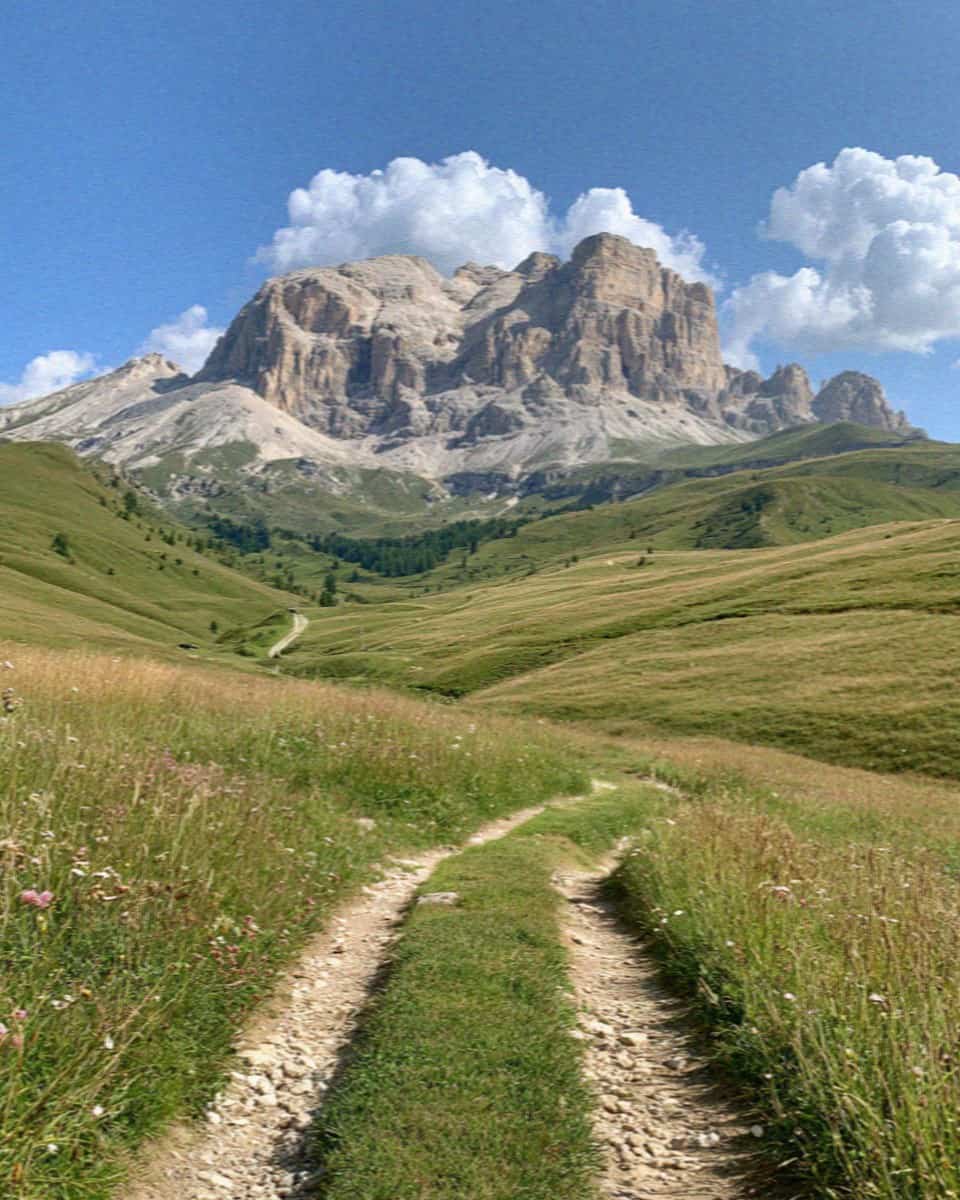
The trade is people and price. August in particular, and above all the middle two weeks when Italy itself is on holiday, is the busiest and most expensive stretch of the entire year. The honeypots, Tre Cime di Lavaredo, Lago di Braies, Seceda, fill early and stay full, and car parks at the famous trailheads can close by mid-morning. My advice is simple. Book your huts and your hotels months ahead, start walking at dawn, and let the crowds have the middle of the day. Weather is at its most stable now, warm and bright, though afternoon storms still brew in the heat. For everything worth building a summer around, see the best things to do.
The sweet spot: September
If you pinned me down to one month, I would say September. The summer heat eases into warm, clear, settled days, the light turns long and golden, and the crowds thin markedly once the schools go back at the start of the month. The lifts are still turning and the rifugios are still serving, at least through most of September, so you keep the full run of the high country while shedding much of the August throng. Prices soften too. The one caveat is that as the month wears on, some huts and lifts begin winding down, so towards the end you should confirm that your particular route is still fully served. But for the balance of weather, access and peace, September is hard to beat.
The golden weeks: late September and October
There is a second, quieter reason to come late. As the season turns, the larches that fringe these valleys shift from green to a burning gold, and for a couple of weeks the lower slopes glow. It is one of the loveliest sights in the Alps and, to my mind, underrated. The timing wanders year to year with the weather, but the back half of October is usually the safe bet. Do be aware that this beauty arrives just as the region begins closing down. Through October, lifts and rifugios shut in waves, most of them by the middle of the month, and the higher you want to go the more you must check. Come for the colour, walk the accessible valley trails, and do not count on the high huts.
The autumn shoulder: November
And so to the second season I would avoid. November is the quiet close of the year. The summer infrastructure has gone to sleep, the lifts are largely still, the huts are shut, and the ski season has not yet begun. The mountains are often wrapped in cloud and the towns feel shuttered. Unless you have a specific reason to be there, and a warm hotel to retreat to, I would let November pass and come either side of it.
Frequently asked questions
What is the single best month to visit the Dolomites?
For most people who want to walk, September. You get warm, settled days and the full run of open lifts and huts, but with noticeably fewer people and gentler prices than in August. For skiing, aim for January or late March instead.
When can I actually hike high in the mountains?
Broadly from the second half of June through to early October. Before mid-June the high trails are often still snowbound and the huts closed, and by mid-October the lifts and rifugios are shutting in earnest. July, August and September are the dependable months for high-level walking and hut-to-hut routes.
Which months should I avoid?
November, and the weeks from mid-April into late May. These are the two shoulder seasons when many lifts and mountain huts close entirely, the high trails are out of reach, and a good deal of the region is simply shut. Beautiful, but frustrating if you have come for the peaks.