The question I am asked more than any other about these mountains is not which trail to walk, but where to put down a suitcase. It matters more here than almost anywhere I know. The Dolomites are not one place but a scatter of valleys, each with its own dialect, its own patron peak, its own idea of what a holiday should feel like. Choose the wrong base and you spend your week in the car. Choose well and the mountains come to your window before breakfast. What follows is how I think about it, valley by valley, with honest notes on who each one suits, how it feels, what it costs, and where I would actually book.
If you are still deciding on dates, routes and the shape of the trip as a whole, start with Victoria’s complete guide to the Dolomites and my notes on how to get to the Dolomites. This guide assumes you have a rough plan and now need a bed.
Val Gardena: the easy all-rounder
If you asked me to recommend one base for a first visit, especially without a car, I would send you to Val Gardena. Three villages string along the valley, each with its own character. Ortisei is the elegant one, a pretty pedestrian centre with woodcarving workshops and a cable car that lifts you straight onto the Alpe di Siusi. Santa Cristina in the middle is quieter and more residential. Selva sits highest, closest to the great rock walls of the Sella and Sassolungo, and is my choice if you want to fall out of bed and onto a lift.
What makes Val Gardena so easy is the transport. A guest card comes with most stays and covers the local buses, so a car becomes almost optional. The season is long here, roughly May to November, longer than many valleys. Prices run the full range. At the top, Hotel Gardena Grödnerhof in Ortisei is a genuine five-star with a serious spa. In the comfortable middle you have four-star houses like Dorfhotel Beludei in Santa Cristina, and for something gentler on the wallet there are simple B&Bs and guesthouses in all three villages. Expect four-star half-board to sit in the mid to upper hundreds per night in peak summer, less in the shoulder weeks. My fuller thoughts live in Victoria’s guide to Val Gardena and Ortisei.
Plan Your Visit to the Dolomites
A few things I booked and loved. These help support the blog, at no cost to you.
- Where I stayed: search Dolomites hotels
- Rent a car to explore the area
- Stay connected: get a travel eSIM
This section contains affiliate links. If you book through them I may earn a small commission, at no extra cost to you.
Cortina d’Ampezzo: the glamorous name
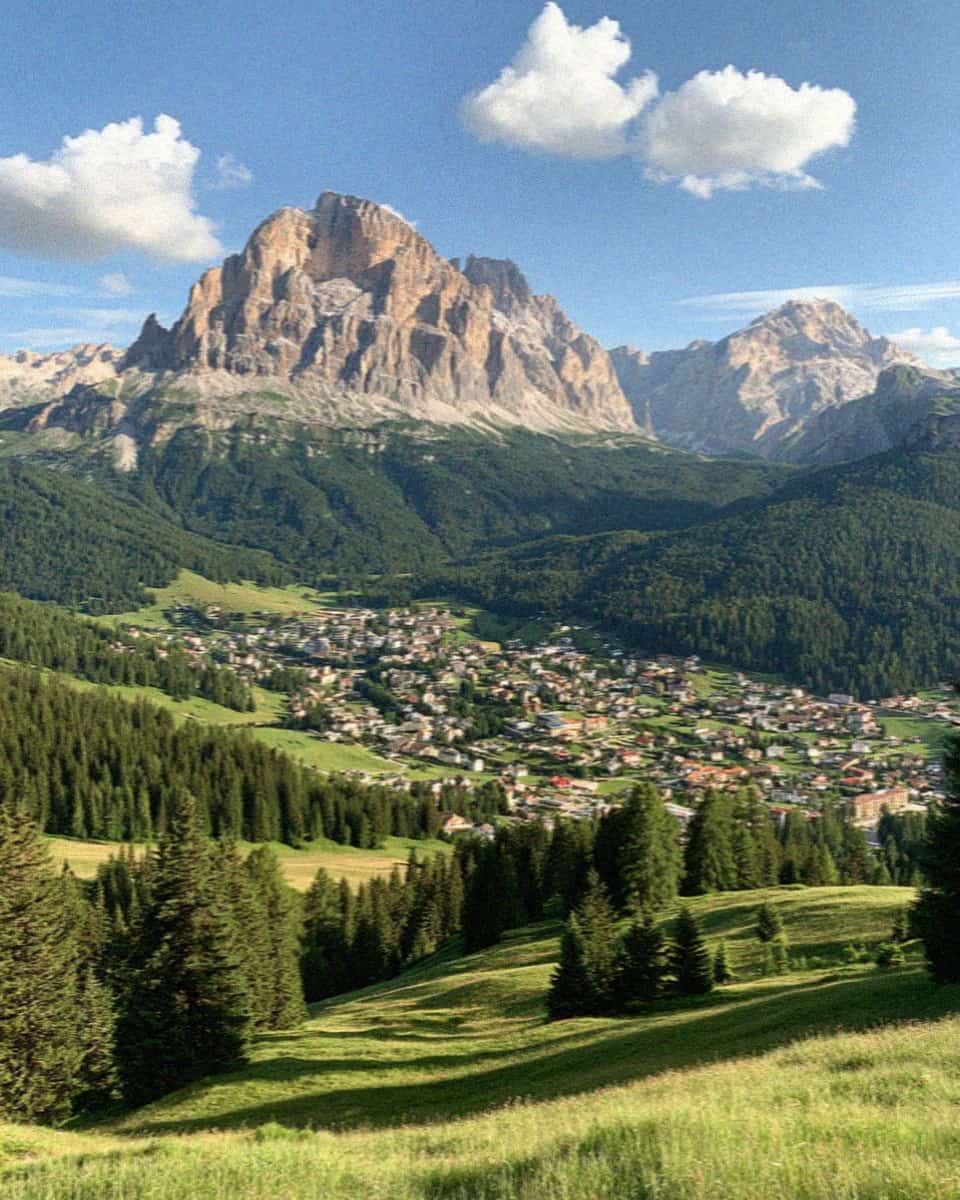
Cortina is the one everyone has heard of, and after co-hosting the Winter Olympics in February 2026 its name is more polished than ever. It is a proper town rather than a village, with a pedestrianised centre, good shops, and a ring of theatrical peaks. The great advantage for walkers is that many of the finest hikes here do not depend on a cable car. The disadvantage is cost and, in August, crowds.
Cortina suits travellers who want a lively evening after the trail, who like a choice of restaurants, and who do not mind paying Belluno-resort prices for the privilege. The luxury end is well served by design-led four-stars such as Hotel de Len, and there is a scattering of characterful mid-range houses like Baita Fraina above the town, but genuine budget beds are scarce and book out early. If Cortina is calling you, I have written a dedicated guide to Cortina d’Ampezzo.
Alta Badia: for the table as much as the trail
Alta Badia is where I send people who care about dinner. The villages of Corvara, San Cassiano and La Villa hold an extraordinary concentration of family-run hotels, many with Michelin-level kitchens, all set beneath the Ladin peaks between two nature parks. This is the Sella Ronda’s front garden, so it is superb for both hiking and, in winter, skiing.
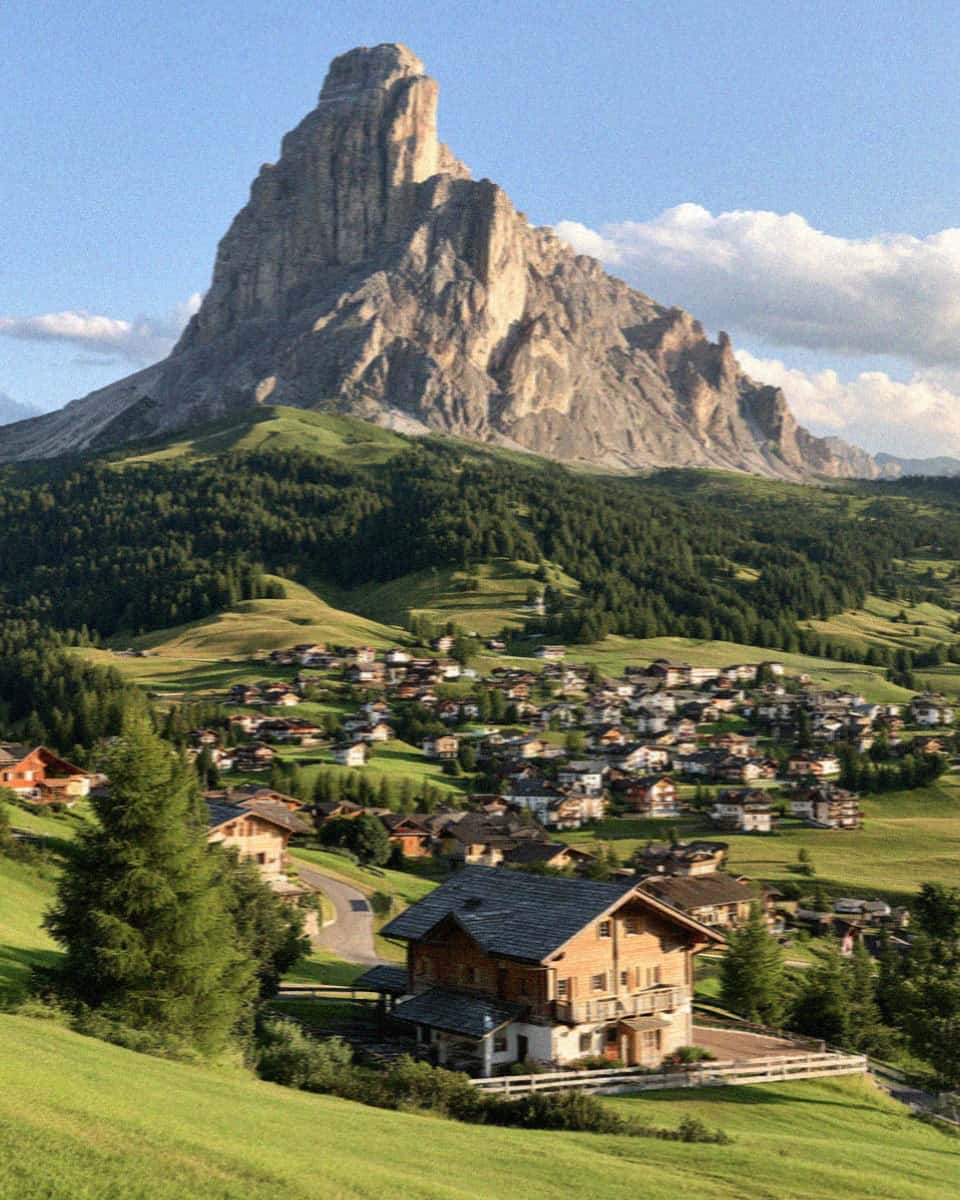
The character here is quietly luxurious rather than showy. Corvara is the busiest and most convenient hub. San Cassiano is smaller and arguably the most refined. La Villa sits comfortably in between. Prices lean high, though not uniformly so. The famous Hotel La Perla in Corvara is a five-star institution, while there are dependable four-stars like Hotel Posta Zirm alongside it, and half-board is very much the local habit. Come for the walking, stay for the food, and budget accordingly.
Val di Funes: the postcard valley
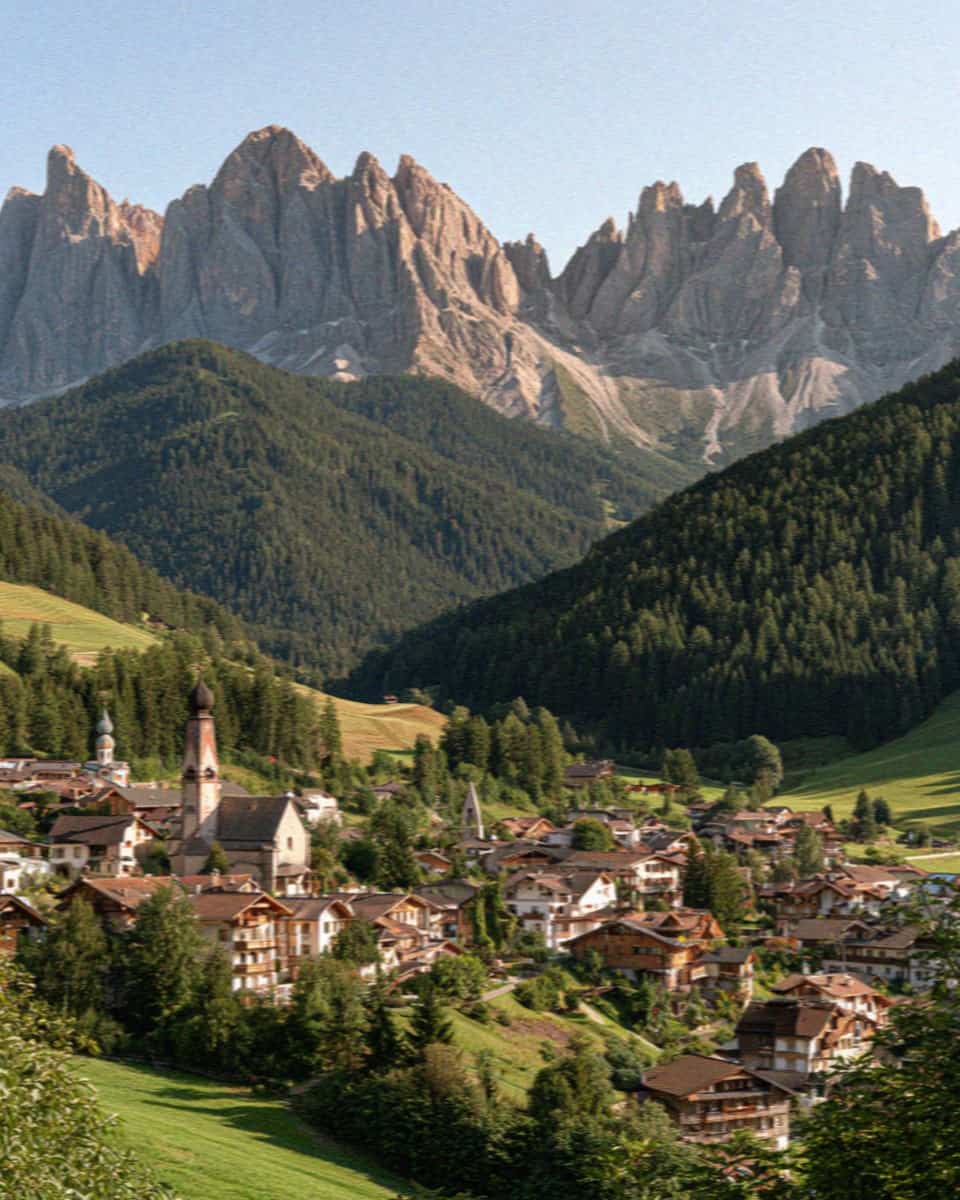
Val di Funes is the valley you have already seen, whether you know it or not. The little church of Santa Maddalena standing alone in green pasture beneath the serrated Odle peaks is one of the most photographed scenes in the Alps. It is a place for romance and slow mornings rather than convenience. There are no big lift systems and no nightlife to speak of. What there is instead is quiet, and light that photographers chase at dawn and dusk.
This valley suits couples, photographers, and anyone who wants the Dolomites at their most pastoral. Accommodation runs to comfortable four-stars such as Hotel Tyrol in Santa Maddalena, with Odle views and half-board worth taking, plus a good number of farm stays and family guesthouses at friendlier prices. Do note that you will want a car here, or a willingness to work with the local bus timetable.
Up on the Alpe di Siusi: sleeping on the meadow
The Alpe di Siusi, or Seiser Alm, is the largest high alpine meadow in Europe, a rolling green sea beneath the Sassolungo and Sciliar. Staying up on the plateau itself is one of the special indulgences of these mountains, because you get the two best hours, the pink of dawn and the emptying-out of dusk, entirely to yourself.
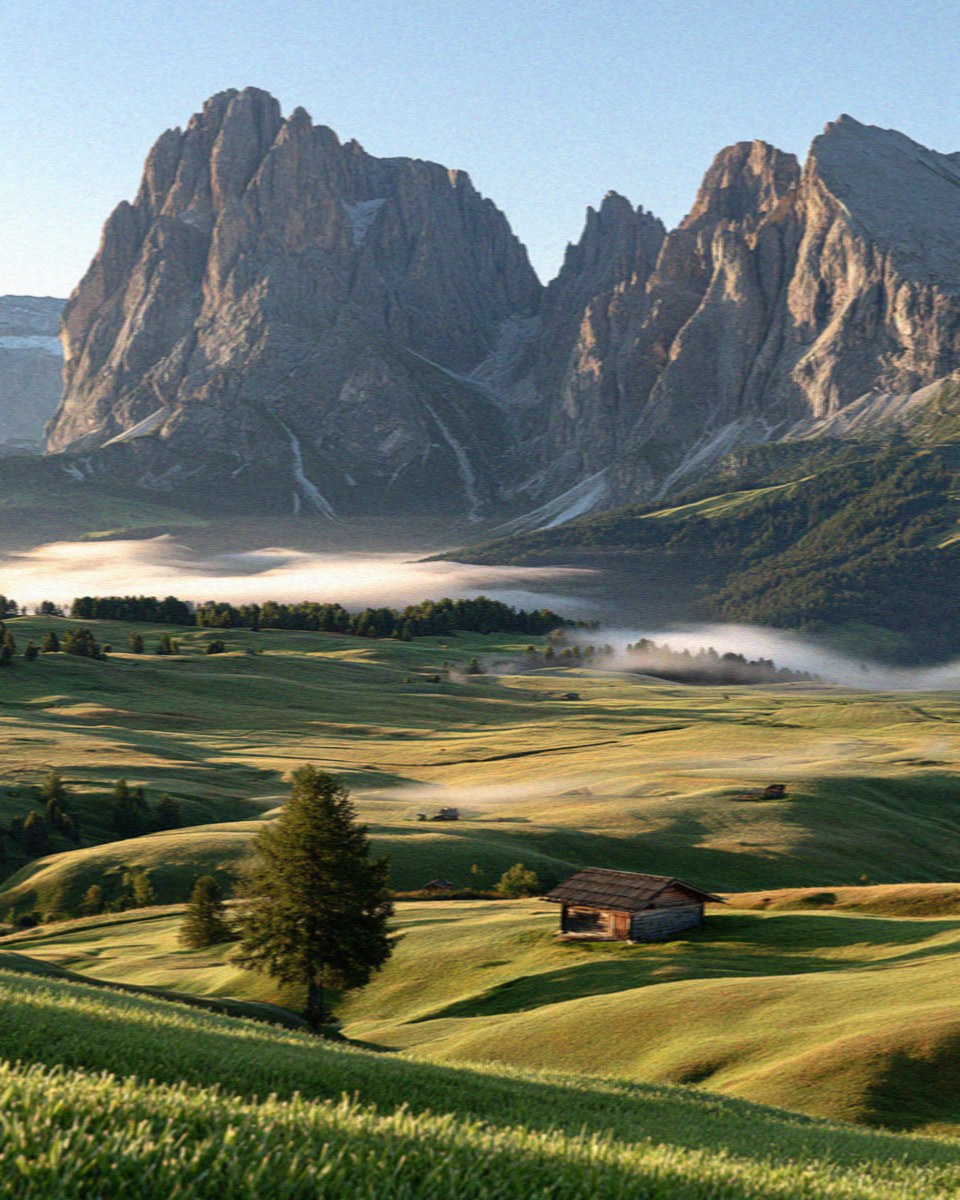
There is a catch, and it is the daytime car ban. During the cable-car season the access road is closed to general traffic between roughly 9am and 5pm, with entry otherwise only by online reservation. Crucially, if you are staying up top your hotel arranges a permit: you can usually drive on arrival day, and during your stay you may typically come and go before 10am or after 5pm. In practice this means you arrive, park, and let the meadow do the rest. Hotels range from the serene five-star COMO Alpina Dolomites to more traditional houses like Hotel Steger-Dellai and the wellness-focused Sporthotel Sonne. This is a base for relaxation and scenery rather than a long day-hiking itinerary, and prices reflect the rarity of the setting.
Val Pusteria: Dobbiaco and San Candido for Tre Cime and Braies
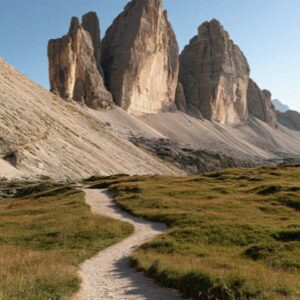
If your heart is set on the two headline sights of the northern Dolomites, the Tre Cime di Lavaredo and the impossibly green Lago di Braies, then base yourself in the Val Pusteria around Dobbiaco (Toblach) or San Candido (Innichen). These are handsome South Tyrolean market towns with a railway line, which makes them unusually easy to reach and pleasant to potter around on a rest day.
Dobbiaco sits closest to Braies, about a quarter of an hour by car, while San Candido offers the widest choice of beds, from budget guesthouses through to a smart adults-only Post Hotel. One planning note that catches people out: Lago di Braies now restricts car access between 1 July and 15 September, roughly 9am to 4pm, so you either arrive early, come late, or use the shuttle. Good accommodation this side of the range includes climate-conscious four-stars such as Naturhotel Leitlhof near San Candido. This is my pick for anyone who wants the famous images without the famous parking stress.
Val di Fassa and Canazei: the Trentino side
Cross onto the Trentino side and you reach Val di Fassa, with Canazei as its liveliest hub. This valley speaks Ladin like Val Gardena but tends to feel a touch less polished and a touch better value, which is no bad thing. Canazei and neighbouring Campitello sit right on the Sella Ronda circuit and at the foot of the road up to the Pordoi and Sella passes, so for drivers wanting to tick off the great mountain passes it is superbly placed.
The character is bustling and outdoorsy rather than refined, with a good spread of three and four-star hotels and apartments, and prices that generally undercut Cortina and Alta Badia. It suits active families and anyone who wants a friendly, unpretentious base with excellent access to the Marmolada, the highest peak in the range.
Mountain huts: the rifugi
No account of where to stay here is complete without the rifugi, the mountain huts perched high on the passes and cols. Spending a night in one is not merely accommodation, it is the experience: dinner in a timber dining room as the light goes, the peaks to yourself at dawn, and none of the day-trippers.
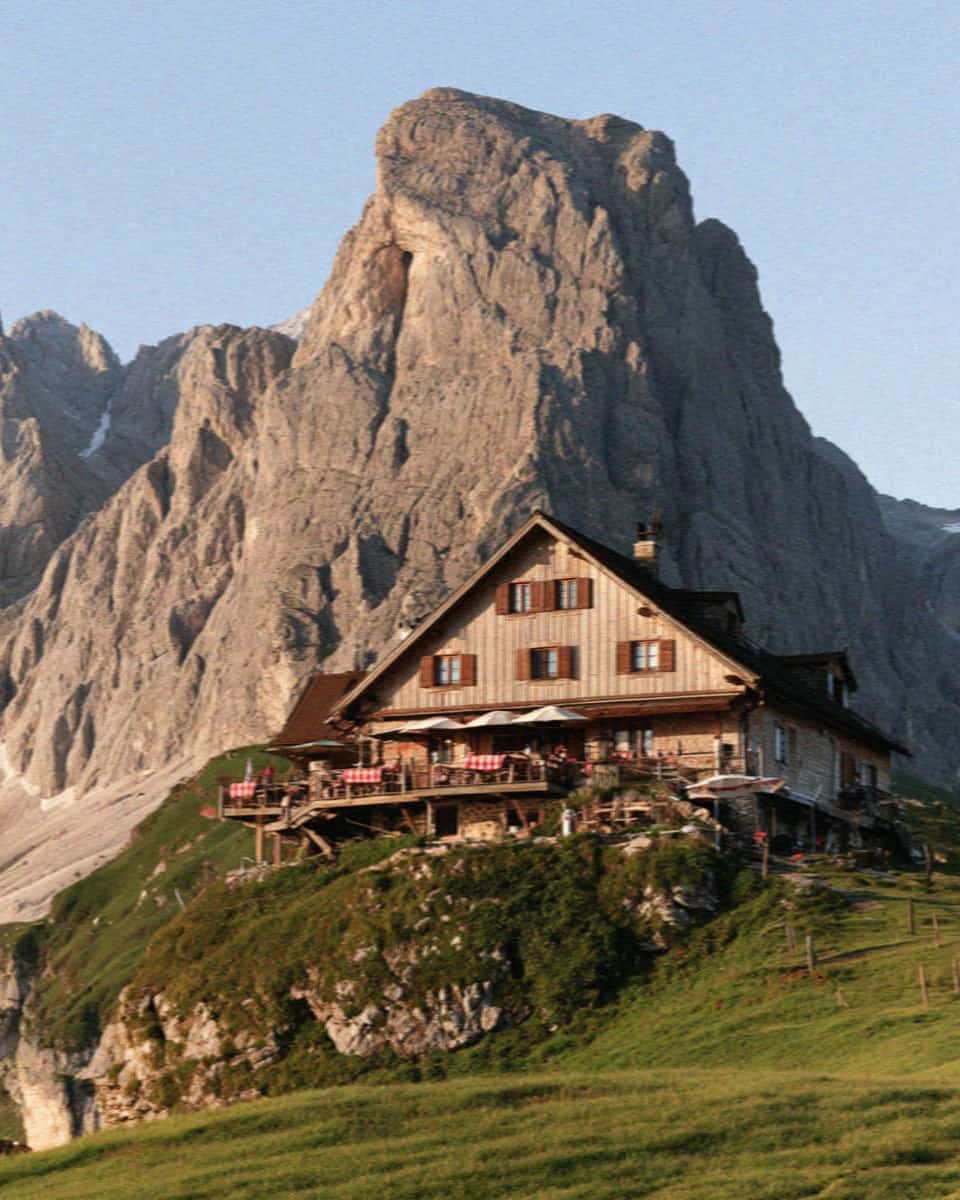
Be realistic about what they are. Most offer a mix of shared dormitories, or Lager, and a handful of private rooms, with half-board the norm. As of 2026 a dormitory bed with dinner and breakfast tends to run in the region of €80 to €95 for non-members, with private rooms higher; joining an alpine club such as the CAI brings a meaningful discount and rescue cover. There is no central booking portal, so you contact each hut directly, and for popular huts in July and August you should do so months ahead. September is quieter and often kinder in every way.
Which base for what
For an easy, car-optional first visit, choose Val Gardena. For town life and theatrical peaks, Cortina. For the finest dinners, Alta Badia. For photographs and quiet, Val di Funes. For dawn on the meadow, sleep up on the Alpe di Siusi. For the Tre Cime and Lago di Braies, base in the Val Pusteria at Dobbiaco or San Candido. For value and the great passes, Val di Fassa. And for at least one unforgettable night, climb up to a rifugio and let the mountains keep you.
Frequently asked questions
What is the best base in the Dolomites for a first visit without a car?
Val Gardena. Its three villages, Ortisei, Santa Cristina and Selva, are linked by frequent buses covered by the guest card, and cable cars lift you straight onto the high plateaus, so you can have a full week of walking without ever turning a key.
Can I drive up to my hotel on the Alpe di Siusi?
Yes, but with conditions. The access road is closed to general traffic during the day in season, roughly 9am to 5pm. Overnight guests get a hotel permit and can usually drive on arrival and departure days, and otherwise come and go before about 10am or after 5pm.
How far ahead should I book a rifugio?
For popular huts in July and August, three to six months ahead is sensible, as there is no central booking system and you must contact each hut directly. In September the pressure eases considerably, and a couple of weeks is often enough.