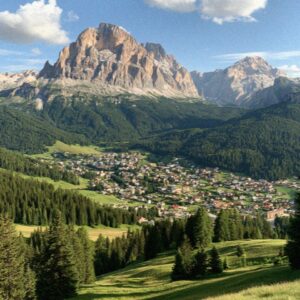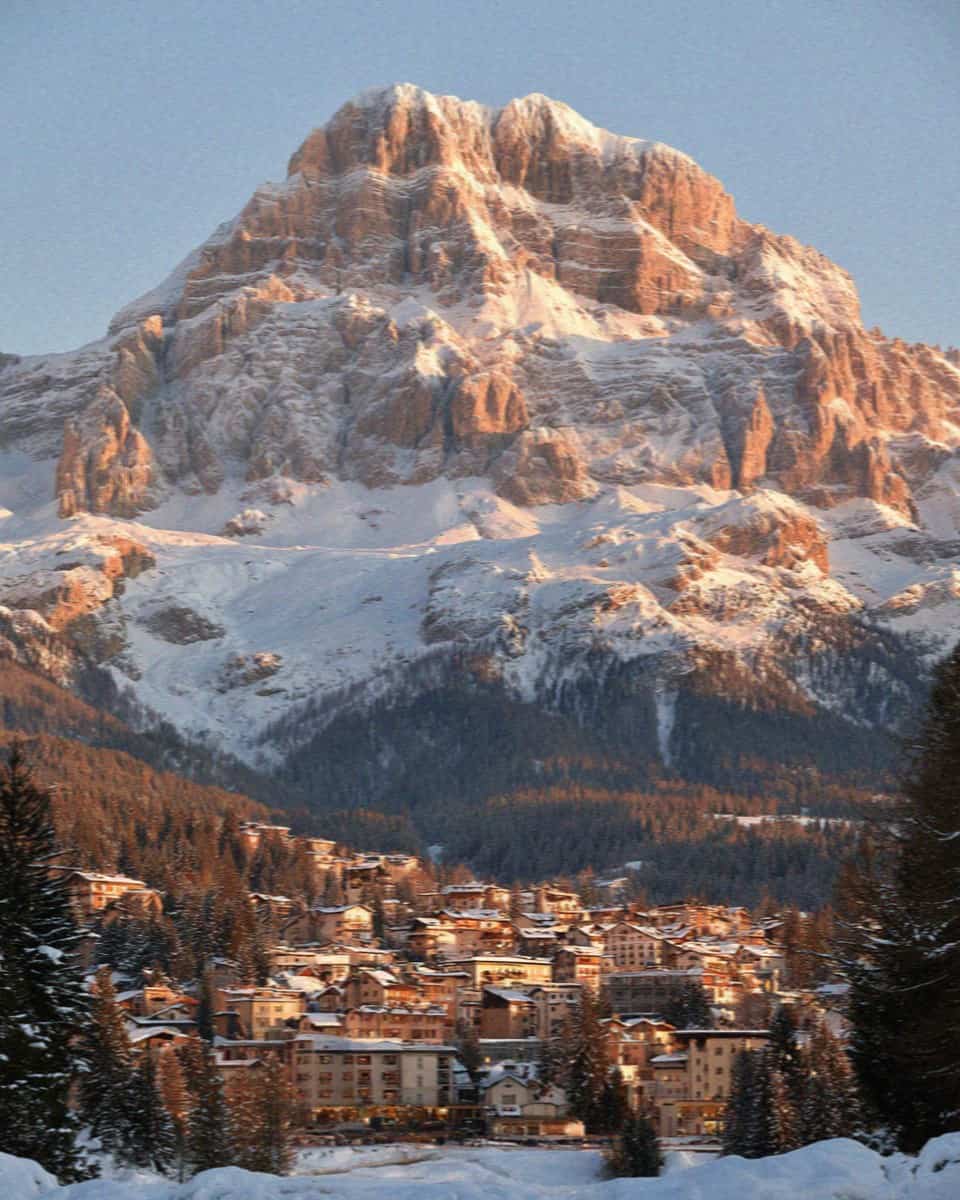
Some towns you arrive in, and some you arrive above. Cortina d’Ampezzo belongs to the second kind. Whichever road you take, you drop down into a wide green bowl ringed by pale towers of rock, and the town lies at the bottom of it like a coin in the palm of a hand. The arrival never loses its effect. In February 2026 the town co-hosted the Winter Olympics with Milan, and for a fortnight the eyes of the sporting world were on this valley. The crowds have gone home now, and what remains is what was always here: the Queen of the Dolomites, quietly getting on with being beautiful.
What to book before you come
Cortina is a resort town with a car park problem and a lift system, and like the rest of the Dolomites almost nothing here is bought in advance. What is worth booking is a guide, because the good walking above Cortina is exposed and the weather turns fast, and the one lake day that defeats most people who try it alone.
- A guided trek in South Tyrol. Tailored to what you can actually do. The via ferrata routes above Cortina are not a thing to work out from a blog post, mine included.
- Lago di Braies as a day tour. Rated 4.9, and it handles the summer access permit that turns private cars away at the barrier.
- The Venice day trip through Cortina. 4.9 from over a thousand people. Relevant here in reverse: if somebody is joining you for a day from Venice, this is how they get up.
Every trail, the Tre Cime loop and the whole of the walking above the town are free. The cable cars are paid on the day, and in the shoulder seasons half of them are simply shut.
The Queen of the Dolomites
Cortina sits in the Ampezzo valley in the far north of the Veneto, at a little over 1,200 metres, and it has been the grandest of the Dolomite resorts since long before the 1956 Games put it on the map. The title Queen of the Dolomites is not marketing, or not only marketing. It is a matter of the ring of peaks that stands around the town, and no other resort in the range can match the roll call.
To the west rise the Tofane, three great buttresses that catch the last light of the day. North stands the Pomagagnon, the long serrated wall you see from the main street. East is Cristallo, all snowfields and grey couloirs, and south of that the Sorapis massif, which hides one of the loveliest lakes in the Alps in its lap. Further out, over the Falzarego pass, are the Cinque Torri, five stubby towers beloved of climbers, and the great cliff of Lagazuoi. Taken together they make an amphitheatre, and Cortina is the stage at the centre of it. For the wider picture, I have written a complete guide to the Dolomites that puts it all in context.
Plan Your Visit to the Dolomites
A few things I booked and loved. These help support the blog, at no cost to you.
- Where I stayed: search Dolomites hotels
- Rent a car to explore the area
- Stay connected: get a travel eSIM
This section contains affiliate links. If you book through them I may earn a small commission, at no extra cost to you.
Getting there
Cortina has no railway station of its own, which is part of its charm and part of its expense. Most people arrive by car, and a car earns its keep here, because the mountain roads and passes are half the pleasure. From Venice it is around two and a half hours; from Innsbruck, over the Brenner, a little more. If you would rather not drive, the Cortina Express and Flixbus coaches run from Venice Mestre and Marco Polo airport straight into town, and the nearest railway stations, Calalzo di Cadore and Dobbiaco, are linked to Cortina by local bus.
The Corso Italia and the evening passeggiata
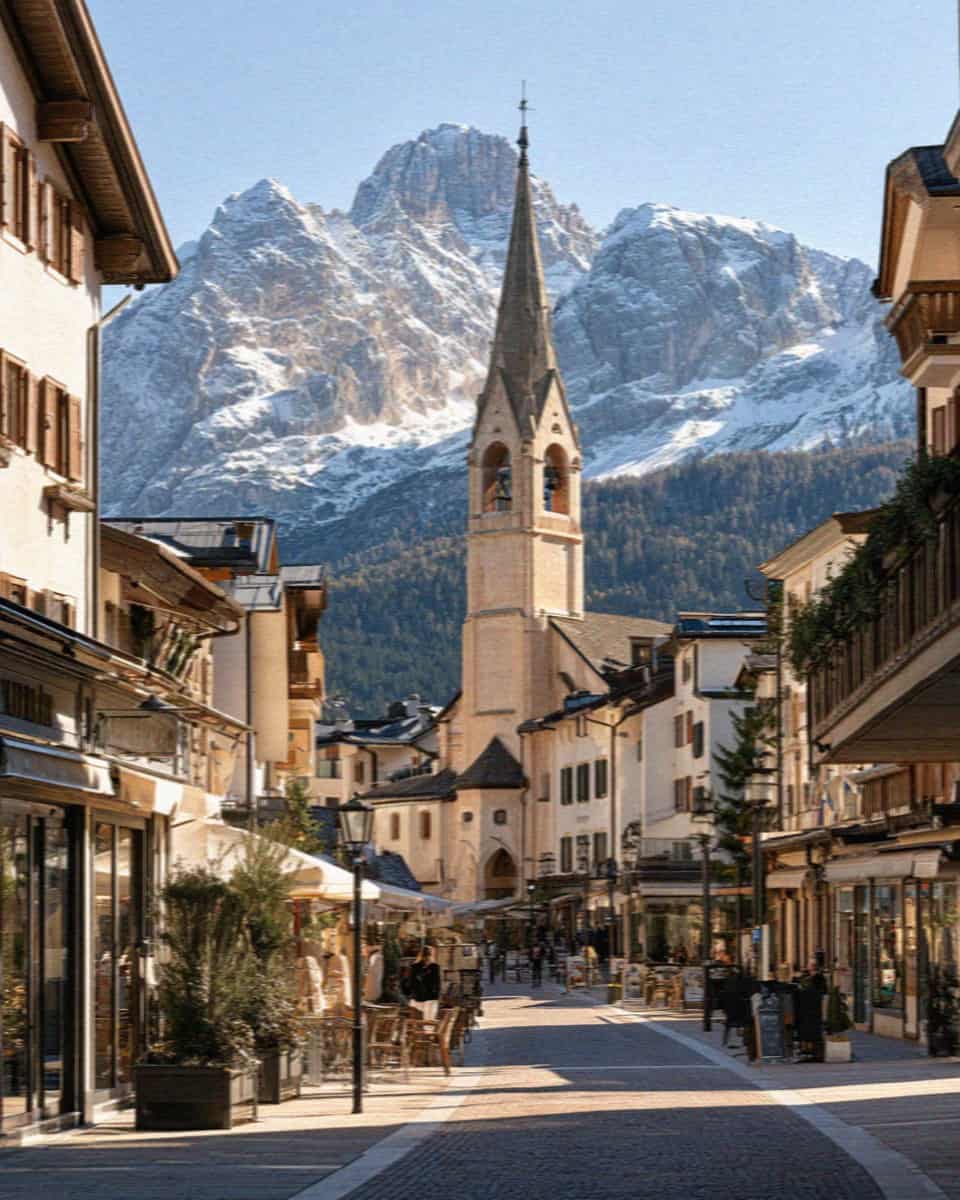
For all its mountains, Cortina is above everything a town for walking about in, and the ritual that defines it is the evening passeggiata along the Corso Italia. This is the pedestrian spine of the centre, lined with shops that would not look out of place in Milan, and around six o’clock the whole town seems to come out to stroll it. There is real fur and real money on display, and old boys in loden coats who have clearly been doing this walk for fifty years, all of it presided over by the campanile of the parish church. What I would do is take the passeggiata slowly, stop for an aperitivo somewhere with tables on the street, and simply watch. You do not need to spend a great deal to enjoy the theatre of it, though you certainly can if you wish.
Into the mountains by cable car
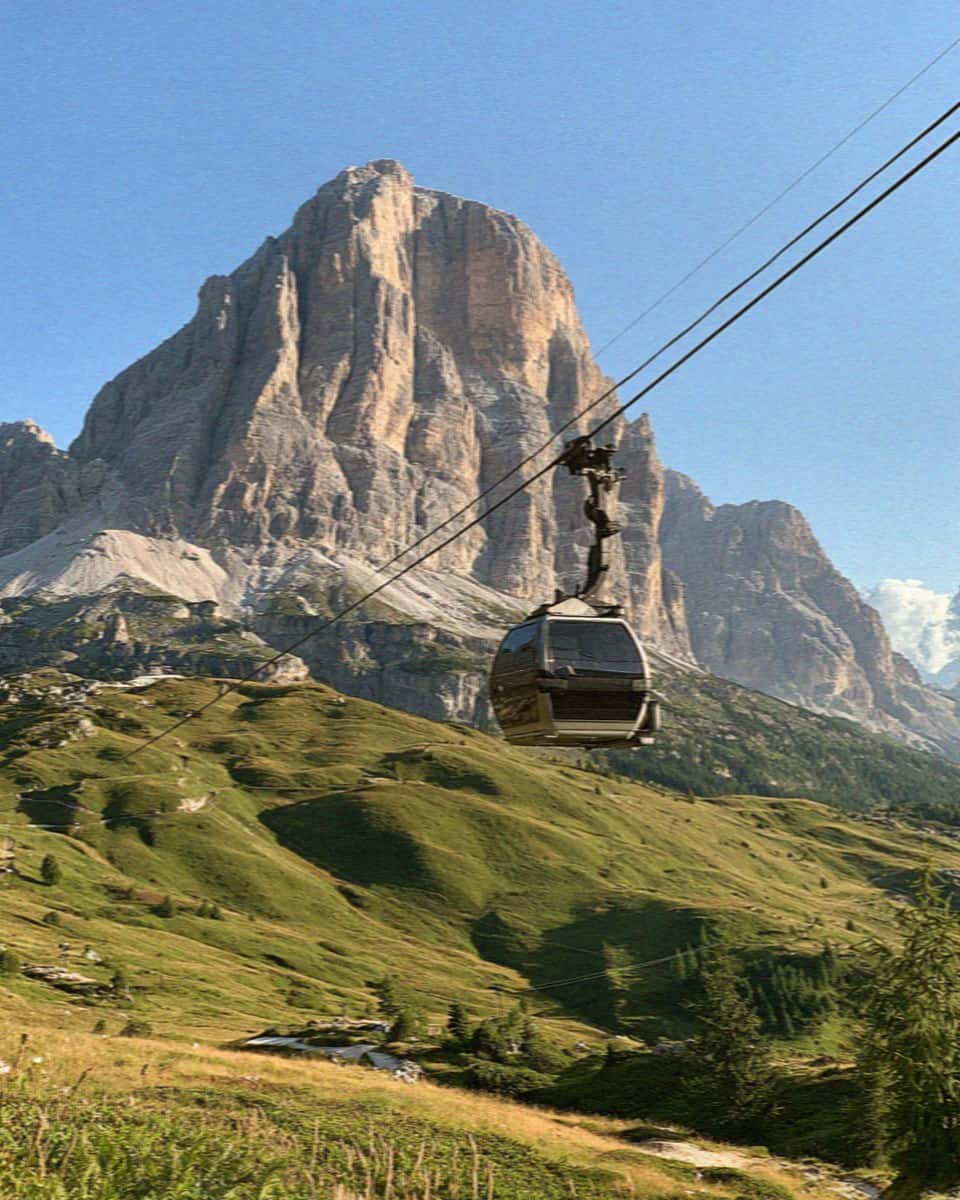
The genius of Cortina is that the high peaks are a lift ride from the middle of town. The grandest cable car is the Freccia nel Cielo, the Arrow in the Sky, which climbs in three stages to Tofana di Mezzo at 3,244 metres, one of the highest points you can reach in the Dolomites without lacing up climbing boots. On the other side of the valley, the Faloria cable car rises to a sunny plateau of easy walks and a good rifugio terrace, and it is the one I send people to when they want the panorama without the altitude.
Both run in summer as well as winter, though opening dates shift year to year, so it is always worth checking before you set out. If you are weighing up which lifts and trails are worth the effort across the range, my guide to the best hikes and via ferrata goes into the detail.
The Cinque Torri and Lagazuoi war museums
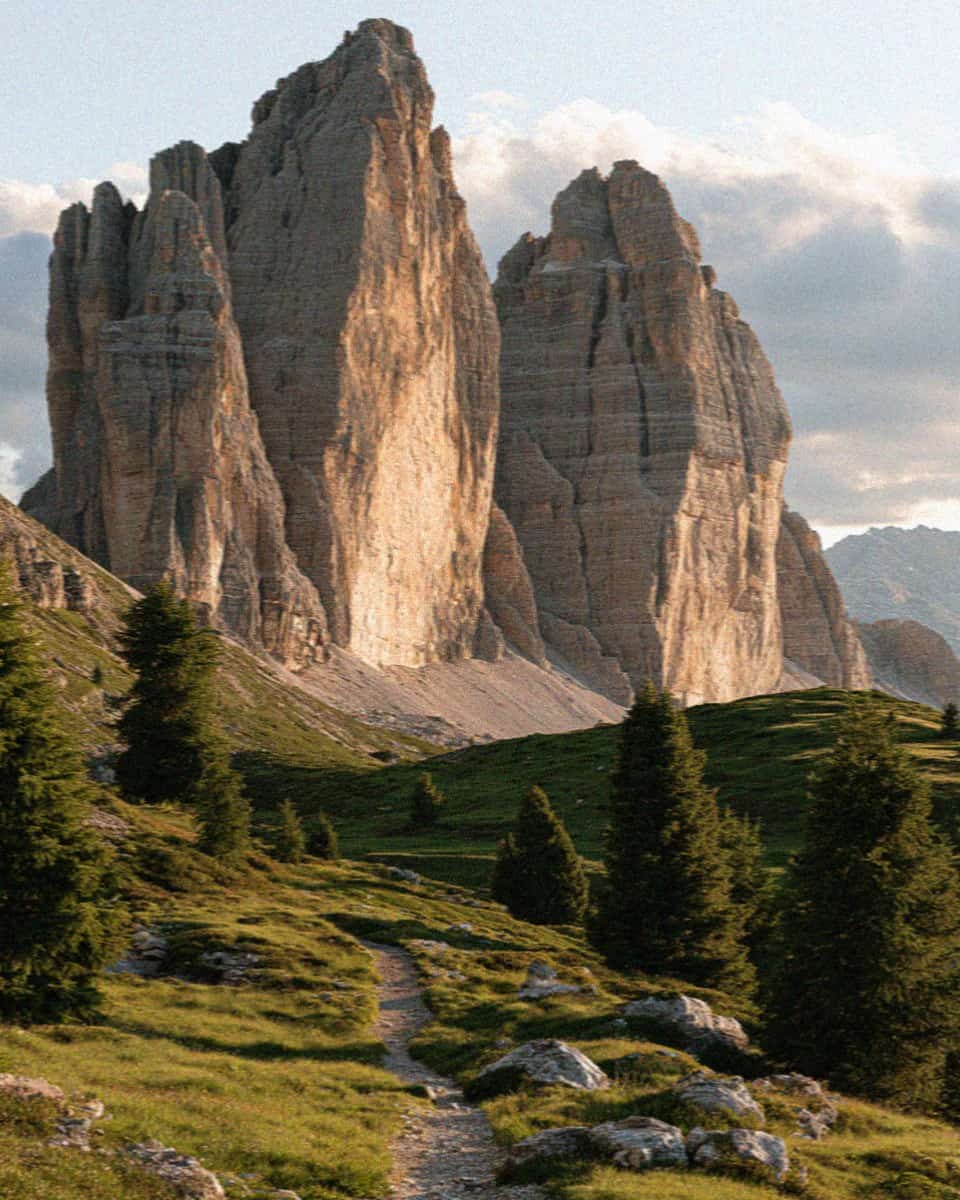
Not every mountain here is only about the view. The front line of the First World War ran straight through these peaks, and the Cinque Torri and Lagazuoi are among the most moving open-air museums I know. Below the five towers, reached by a short chairlift from the Falzarego road, the Italian trenches have been restored, and you can walk the stone emplacements where men held this ground through winters at altitude. The two huts nearby, Rifugio Scoiattoli among the towers and Rifugio Averau a little higher, both do excellent lunches.
Across the pass, the Lagazuoi cable car lifts you to 2,752 metres in a few minutes. From the top you can descend through the war tunnels, the galleries the soldiers dug and mined into the rock itself, though you will want a torch and a head for confined spaces. The terrace of Rifugio Lagazuoi has, to my eye, the finest view of any hut in the Dolomites, so come up for lunch even if you never set foot in the tunnels.
Lakes and viewpoints
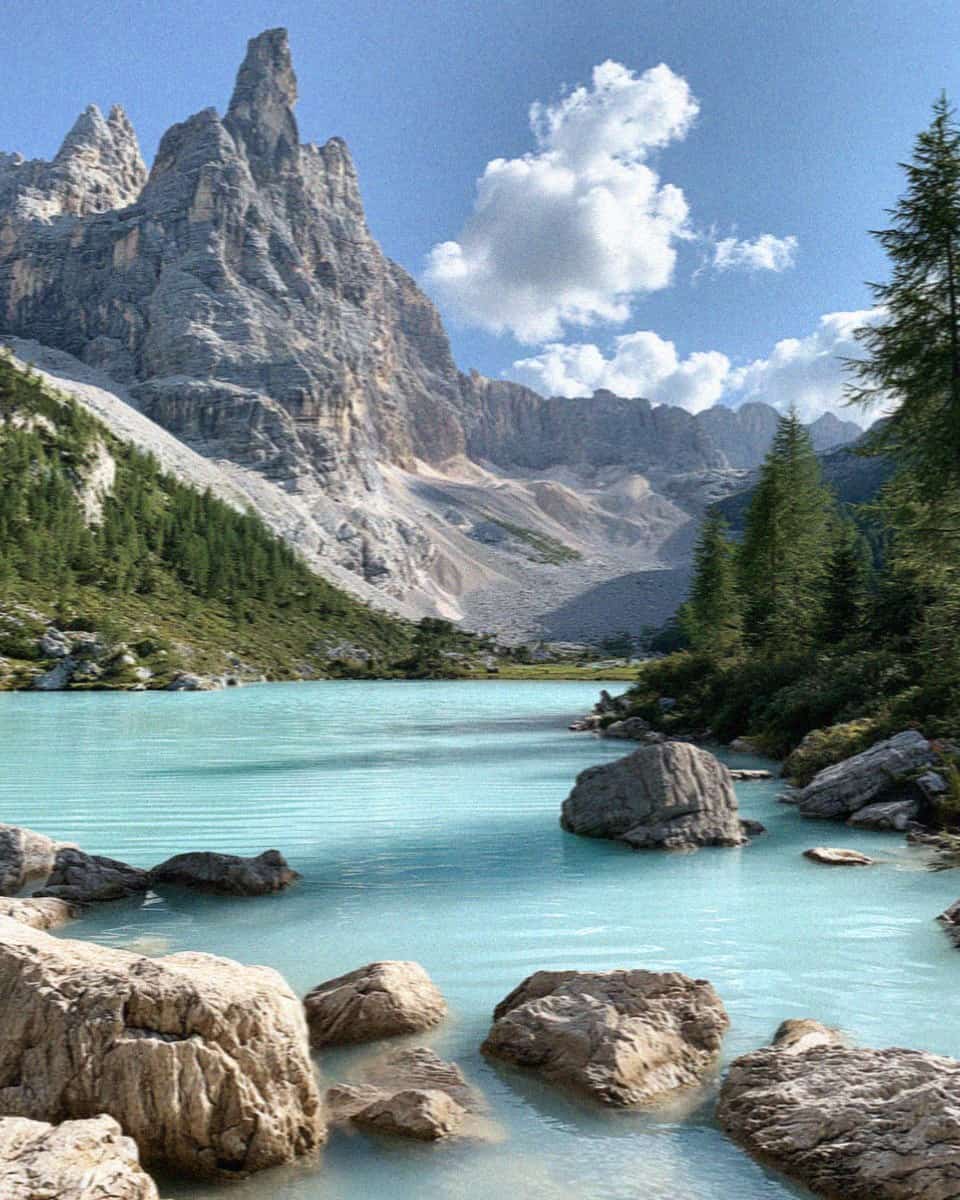
The single walk I recommend most often from Cortina is the one to Lago di Sorapis, a glacial lake of an unreal milky turquoise cupped beneath the Sorapis walls. The path starts at the Passo Tre Croci, a short drive east of town, and it is around eleven and a half kilometres there and back, taking most people four hours or so. It is not difficult in the mountaineering sense, but there are a few narrow, exposed passages secured with steel cables and a short ladder or two. Anyone comfortable holding a cable will be fine; anyone unsteady on a drop will not enjoy it. Go early, before the trail fills.
North of Cortina lies Lago di Misurina, a larger lake you can drive to and stroll around, with the Sorapis peaks reflected in it on a still morning. From near there, the toll road climbs to the Tre Cime di Lavaredo, the three most famous towers in the Alps. Take note of the 2026 rules: the road up to Rifugio Auronzo now costs around forty euros for a car and requires a booking made online in advance, so do not simply turn up. Above Misurina, the short but steep climb to the Cadini di Misurina viewpoint delivers one of the most photographed scenes in the range, a fan of grey spires falling away beneath your feet.
The Olympic legacy
Cortina’s Olympic story did not begin in 2026. It first hosted the Winter Games in 1956, and the elegant oval of the Stadio Olimpico del Ghiaccio, the Olympic ice stadium, has stood in the centre ever since. For the 2026 Games it was renewed and hosted the curling, while the women’s alpine racing ran down the Olympia delle Tofane piste above and the sliding events took place at the rebuilt Eugenio Monti track. Standing above the town is the Trampolino Italia, the great ski jump built for 1956, no longer used but preserved as a monument to that first Olympic summer. You can visit the ice stadium for public skating in season.
Where to stay
Cortina has always been an expensive town, and the Olympics did nothing to soften that, so I will be honest about the bands. At the top sit the grand names: the Cristallo, a palatial belle époque hotel above the town, and the Rosapetra Spa Resort, a more contemporary luxury a little way south, both firmly in the upper band. In the middle, the Hotel de Len is a handsome, sustainably minded four-star in the centre with a rooftop spa, and the Ancora on the Corso Italia has the best position in town. For something warmer and gentler on the wallet, the Baita Fraina, a converted farmhouse on the southern edge with its own fine restaurant, is where I would send friends. For a wider survey, see my notes on where to stay in the Dolomites.
Where to eat, and the casunziei
You cannot claim to have eaten in Cortina until you have had casunziei all’ampezzana, the local half-moon ravioli filled with beetroot, so that they bleed a deep pink into the plate, and finished with melted butter, smoked ricotta and a scatter of poppy seeds. They are earthy and slightly sweet and quite unlike anything else in Italian cooking. In town, the tables along the Corso do them well; out of town, the rifugi are half the pleasure. El Brite de Larieto, a working farm turned restaurant in the woods east of town, is a place I return to for its own cheeses and unfussy mountain cooking. My round-up of the best things to do has more on where a good meal and a good walk meet.
The best time to come
If you want the passeggiata, the flowers and the high walks, come from late June to mid-September, with July and August the busiest and the priciest. For the mountains at their most golden and the crowds thinning, I love the second half of September, when the light has gone soft and low. Winter is the ski season, busier and dearer than ever after the Olympics, though the pistes remain some of the most glamorous in the Alps. The stretch I would avoid is late April and early May, when the lifts pause and the high trails still hold snow.
Frequently asked questions
Do I need a car in Cortina d’Ampezzo?
Not strictly, as coaches link the town to Venice and buses reach the nearby passes, but a car opens up the whole valley and its lakes with far less waiting about, especially if you plan to reach trailheads like the Passo Tre Croci.
Is the walk to Lago di Sorapis difficult?
It is moderate rather than hard, around four hours there and back, but there are a few short exposed sections secured with steel cables and a ladder or two. Anyone happy to hold a cable on a narrow ledge will manage it comfortably. Go early to beat the crowds.
Is Cortina worth visiting after the 2026 Olympics?
Very much so. The Games came and went, but the ring of peaks, the elegant Corso Italia, the war museums and the mountain lakes are all still here, and the town is better equipped than ever. If anything the quieter months after the Olympics are the ideal time to have the Queen of the Dolomites more to yourself.