I have arrived in Milan by train more times than I can count, and the city always greets me the same way: a rush of grey stone, a flash of gold, and the smell of espresso pulled too fast. People tell me Milan is a place you pass through on the way to the lakes. I disagree. Give the city two unhurried days, stretch it to three if you can, and it repays you generously.
What follows is the itinerary I actually walk, grouped by neighbourhood so your feet and the metro do the least possible arguing. I have built in the one booking that trips everyone up, and I have left room for a long lunch, because rushing Milan is a small tragedy.
Day 1: the historic centre, from the Duomo to your first Negroni
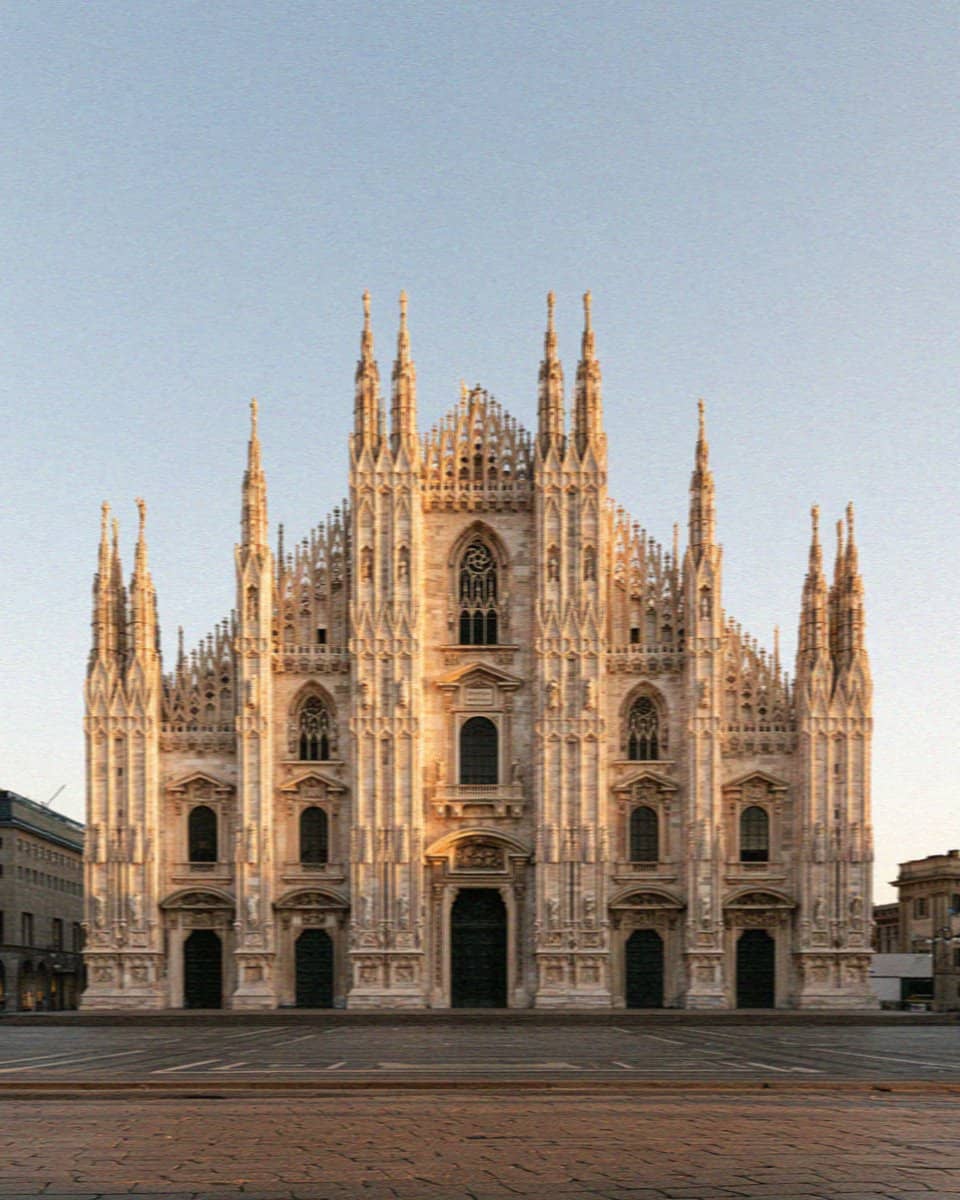
Start early, before nine, at the Duomo di Milano. I like to reach Piazza del Duomo while it is still half empty, when the marble is pink with morning light. Book your rooftop ticket online the night before and choose the lift rather than the stairs if you value your knees. Up on the terraces you walk among the spires and the famous golden Madonnina, with the whole plain spread out below. Give yourself an hour up top and another below inside the cathedral. Shoulders and knees must be covered, so pack a light scarf.
By around half past eleven, cross into the Galleria Vittorio Emanuele II, the glass-roofed arcade that connects the Duomo to La Scala. The mosaics and the soaring iron dome are worth the detour. Tradition says you spin your heel on the bull in the floor mosaic for luck. I always do, quietly, when no one is watching.
The Galleria delivers you to Piazza della Scala and the Teatro alla Scala. Unless you have secured evening tickets, I suggest the small museum instead, which lets you peek into the red-and-gold auditorium between rehearsals. It is a fifteen-minute stop that tells you everything about how seriously this city takes its music.
Now for lunch. Walk five minutes north-east into the Quadrilatero della Moda, the golden rectangle of Via Montenapoleone, Via della Spiga and Via Sant’Andrea. Even if you have no intention of buying a handbag, the window-dressing here is a form of theatre. I take a light lunch at a cafe on the fringes, then wander the streets slowly.
By early evening you want to be somewhere with a spritz in hand, because the sacred Milanese ritual of aperitivo waits for no one. From roughly six o’clock, bars fill and the small plates come out with your drink. I usually make my way toward the Brera edges for a first Negroni, and I always leave real dinner for later, Italian style. If you want my full list of tables, I keep it in my guide on where to eat in Milan.
Plan Your Visit to Milan
A few things I booked and loved. These help support the blog, at no cost to you.
- Where I stayed: search Milan hotels
- Duomo, Last Supper and attraction tickets
- Stay connected: get a travel eSIM
This section contains affiliate links. If you book through them I may earn a small commission, at no extra cost to you.
Day 2: Leonardo, a castle, and the artists’ quarter
The whole of Day 2 hinges on one thing, so let me be blunt about it. The Last Supper cannot be seen on a whim. Leonardo’s mural lives in the refectory of Santa Maria delle Grazie, and visitors enter in small groups for a strict fifteen-minute slot. Tickets are released in batches and sell out weeks ahead, and the site is closed on Mondays. Book the moment you have your dates, or take a reputable guided tour that bundles the entry. I have written the whole booking dance out step by step in how to see the Last Supper in Milan, so do read that before you travel.
Aim for a mid-morning slot if you can. Arrive fifteen minutes early, because latecomers forfeit the entry. Those fifteen minutes in front of the fresco are quiet and slightly reverent, and they pass far too quickly. Afterwards, step into the church of Santa Maria delle Grazie next door, a serene Renaissance space that most people skip in the rush.
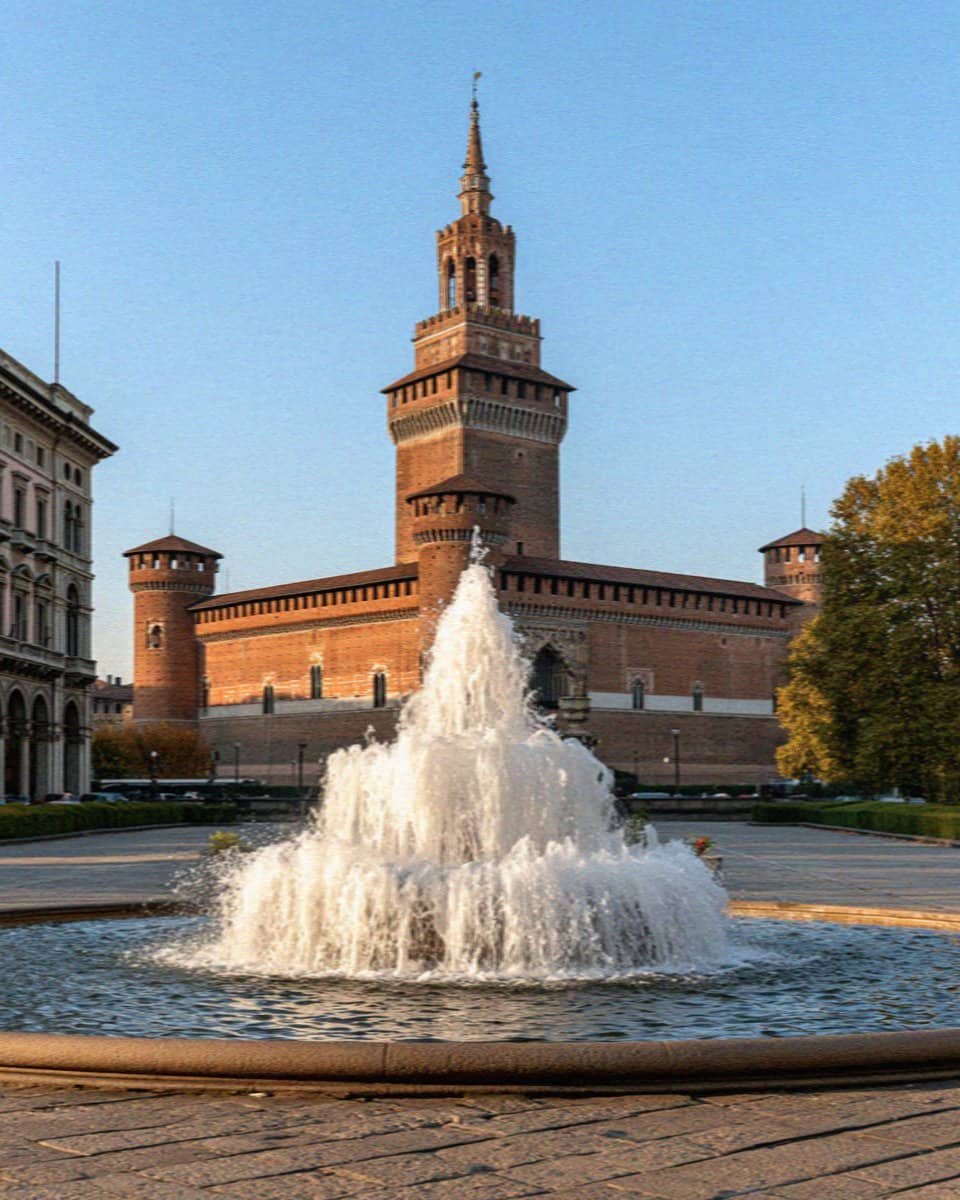
From Santa Maria delle Grazie it is a pleasant fifteen-minute walk east to the Castello Sforzesco. The Sforza Castle is free to wander through its great brick courtyards, and its museums hold Michelangelo’s unfinished final sculpture, the Rondanini Pieta. Behind the castle stretches Parco Sempione, Milan’s green lung. I like to take a slow lunch at one of the park cafes, or buy something simple and sit under the plane trees looking toward the Arco della Pace.
Spend the afternoon in Brera, the artists’ quarter and my favourite corner of the city. The jewel is the Pinacoteca di Brera, one of Italy’s great picture galleries. Do note that it closes on Mondays, so this pairs naturally with a non-Monday Last Supper visit. Give it ninety minutes at least. As the light goes, stay put. Brera is where I always eat dinner in Milan. Book ahead on weekends, because the good places fill.
Day 3: canals in the morning, then art or an escape
Begin Day 3 slowly, down at the Navigli. These old canals in the south of the city were engineered in part by Leonardo, and by morning they are calm and photogenic before the evening crowds arrive. I like a long breakfast at a canalside table, then a wander over the little bridges and through the antique stalls, which spill out in force on the last Sunday of each month.
From here your third day forks, and both paths are lovely. If you want to stay in the city, head back toward the Duomo for the Museo del Novecento, whose twentieth-century collection includes Futurist works by Boccioni. It is closed on Mondays, so check before you set out. My wider list of favourites lives in the best things to do in Milan.
If the weather is fine and you feel the pull of the mountains, give the third day to an escape instead. Lake Como is under an hour by train from Milano Centrale to Como or Varenna. Bergamo, with its walled hilltop Citta Alta reached by funicular, is closer and far less obvious. I have gathered my best routes and timings in day trips from Milan, which will help you decide.
If you only have one day in Milan
It happens, and it is not a disaster. Do the Duomo and its rooftop first thing, walk the Galleria to La Scala, and take a mid-morning Last Supper slot if, and only if, you managed to book it in advance. If you did not, swap in the Pinacoteca di Brera or the Sforza Castle. Lunch in Brera, an afternoon drift through the Quadrilatero, and an aperitivo as the sun drops. One full, well-planned day shows you a great deal of the city’s soul.
Practical booking reminders
- The Last Supper must be booked ahead, weeks in advance, and is closed on Mondays. This is the single thing that shapes your whole trip.
- The Duomo rooftop is far smoother with a timed ticket bought online the day before.
- Many museums close on Mondays, including the Pinacoteca di Brera and the Museo del Novecento, so plan a Monday around the castle, the Navigli and the shops instead.
- La Scala opera tickets are separate from the museum and sell quickly for the good nights.
- Dinner runs late here, so hold your appetite and honour the aperitivo hour first.
For the full picture, including where to stay and how to move around, I keep everything in one place in Victoria’s complete guide to Milan.
Frequently Asked Questions
Is 2 days enough for Milan?
Two days is enough to see the essentials well: the Duomo and its rooftop, the Galleria, the Last Supper, the Sforza Castle and Brera. A third day lets you slow down for the Navigli or slip away to Lake Como or Bergamo, which I always recommend if your schedule allows.
What should I do with one day in Milan?
Prioritise the Duomo rooftop early, the Galleria and La Scala, then a Last Supper slot if you booked one, or the Pinacoteca di Brera if you did not. Lunch and aperitivo in Brera round it off beautifully.
How do I fit in the Last Supper?
Book it the moment you fix your dates, because entry is by timed fifteen-minute slots that sell out weeks ahead, and the site closes on Mondays. If tickets are gone, a reputable guided tour that includes the entry is usually your best route in.