I have always thought Milan is at its most generous not in what it holds, but in what it puts within reach. Give me a morning, a coffee taken standing at the bar, and a ticket bought from a machine at Centrale, and by lunch I can be on a lake terrace, in a walled medieval town, or under the arcades of a former capital. Few cities in Europe are so well placed. The trains are frequent, the fares are gentle, and the distances are short enough that you can be back in the city for an aperitivo without ever feeling you have rushed.
What follows are the escapes I return to again and again, each with how I actually get there by train, roughly what it costs, and, more importantly, why I bother. Prices are for 2026 and are the standard second-class regional fares unless I say otherwise.
Lake Como: the one I would never skip
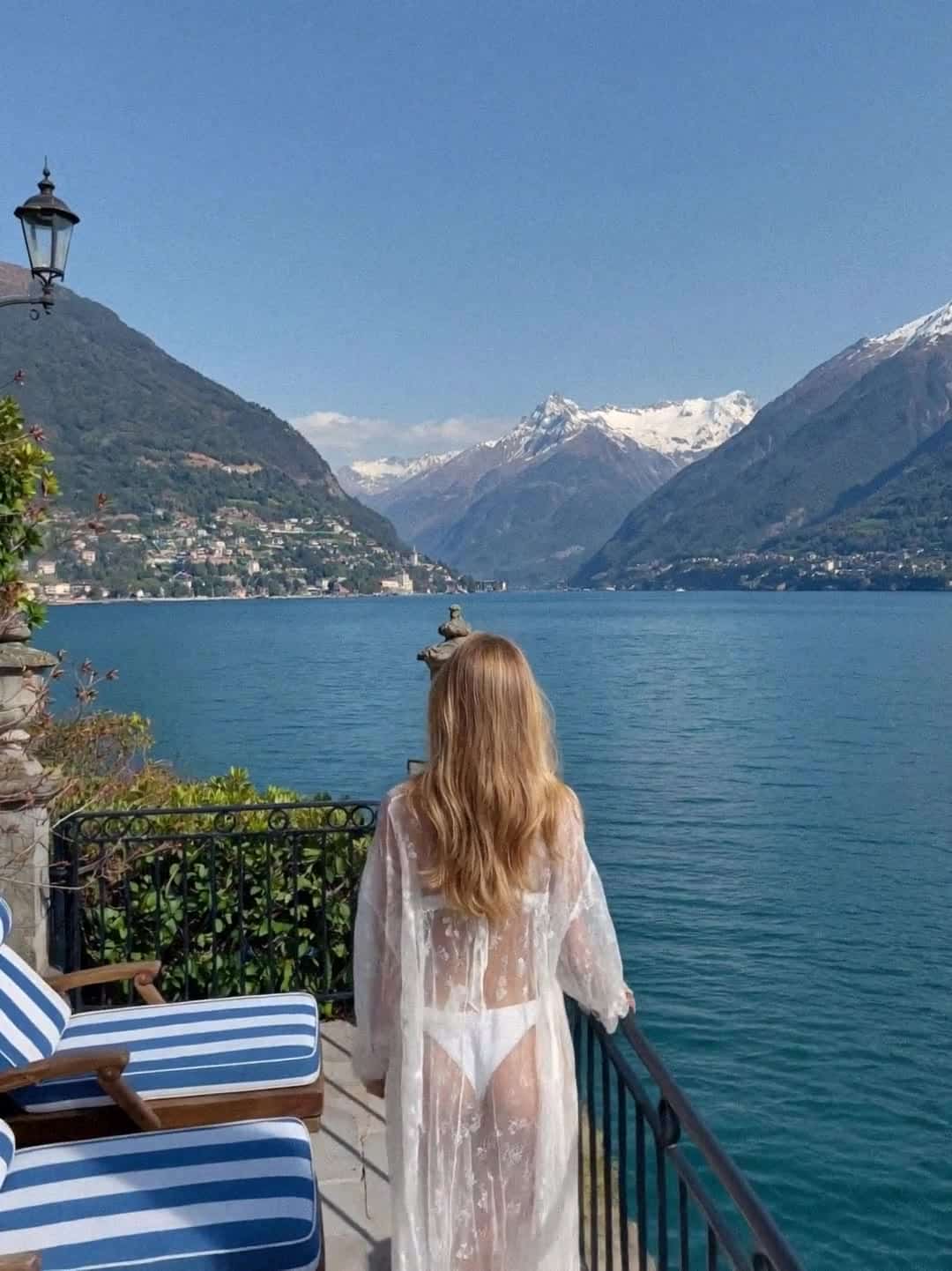
If you do only one thing from this list, make it Como. From Milano Centrale, the regional service to Como San Giovanni takes around 40 minutes and costs roughly 5 euros. From Milano Cadorna, the Ferrovienord line runs to Como Lago, a slower ride of about an hour but one that deposits you a short stroll from the water.
Como town itself is lovely for a morning, but the lake’s real theatre lies further up. For that, I take the Milano Centrale train on the Tirano line to Varenna, a journey of about an hour and around 7 euros. From Varenna’s little station you walk down to the ferry pier, and from there the fast boats stitch together Varenna, Bellagio and Menaggio in a matter of minutes. Bellagio, sitting where the lake’s two arms divide, is the postcard everyone comes for, and it earns it. This is a full day, not a half. For everything I know about which villages reward the effort, I have written Victoria’s complete guide to Lake Como.
Plan Your Visit to Milan
A few things I booked and loved. These help support the blog, at no cost to you.
- Where I stayed: search Milan hotels
- Duomo, Last Supper and attraction tickets
- Stay connected: get a travel eSIM
This section contains affiliate links. If you book through them I may earn a small commission, at no extra cost to you.
Bergamo: the walled city an hour from your desk
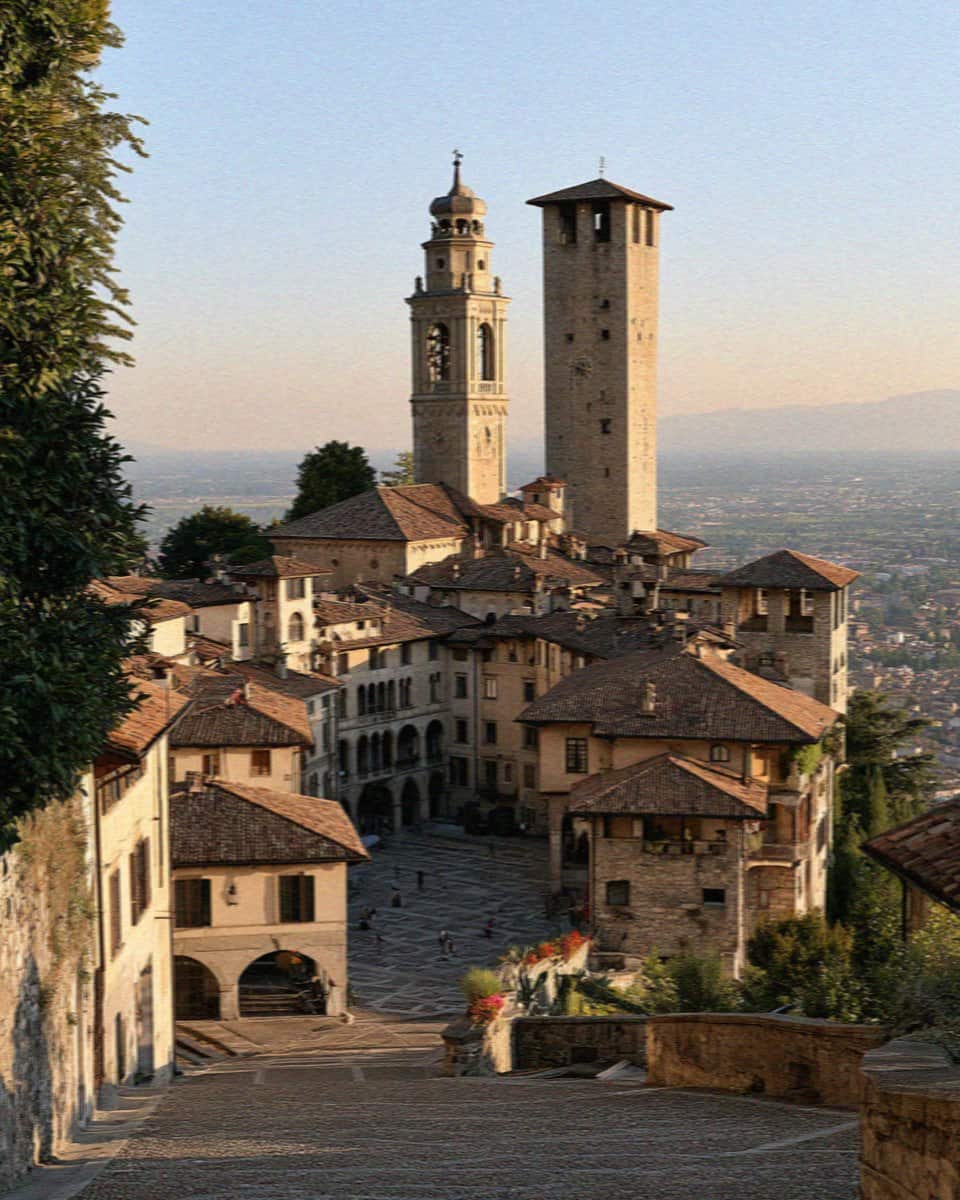
Bergamo is my favourite proof that you do not need a lake to leave Milan behind. The train from Milano Centrale takes about 50 minutes and costs a little under 6 euros, and it delivers you into a city of two halves. The lower town is handsome and modern. The upper town, Citta Alta, is the reason you have come.
From the station I take the funicular, or simply walk up, to the Citta Alta, a Venetian walled city hung above the plain with its ramparts still intact. The Piazza Vecchia is one of the most complete medieval squares in Italy, and the Cappella Colleoni beside the basilica is a riot of pink and white marble. Bergamo is a comfortable half-day if you are brisk, but I always let it become a full one. My longer love letter to the upper town is Victoria’s complete guide to Bergamo.
Lake Maggiore: Stresa and the Borromean Islands
Maggiore is the quieter, more aristocratic sister to Como, and the Borromean Islands are among the most romantic places I know in northern Italy. From Milano Centrale, the regional train to Stresa takes around an hour and twenty minutes and costs roughly 9 to 10 euros. Faster intercity services exist and shave off twenty minutes for a few euros more.
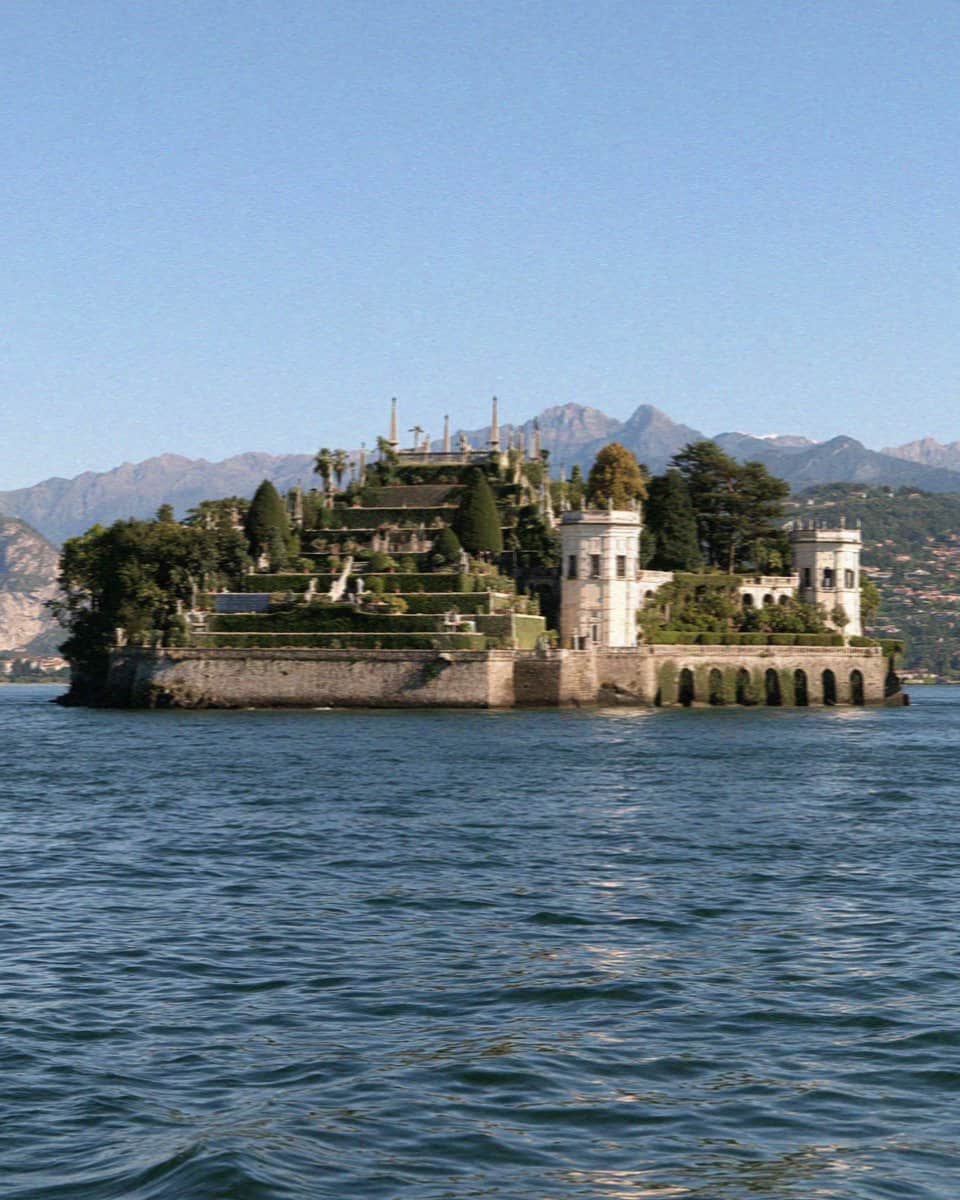
Stresa is a Belle Époque resort of grand hotels and lakeside promenades, but you are really here for the boats. From the pier, a short crossing takes you to Isola Bella, where the Borromeo palace and its extravagant terraced gardens rise straight out of the water like a wedding cake, and to Isola dei Pescatori, a working fishing village where I always stop for lunch. This is a full day. The palaces, the garden hours and the ferry logic are all in Victoria’s complete guide to Lake Maggiore.
Pavia and the Certosa: a serene half-day
Pavia is the trip I send people on when they want something lovely and unhurried without going far. The train from Milano Centrale takes about 30 minutes and costs around 5 euros, and Pavia is a graceful old university town with a covered bridge and quiet cloisters.
But the true prize sits a few stops before Pavia. The Certosa di Pavia, a Carthusian monastery of dizzying marble ornament, is one of the great buildings of the Italian Renaissance. Some trains stop at the Certosa station, from which it is a walk of ten minutes or so through the fields to the gates. Check the timetable, because not every service stops there.
Lake Garda: Desenzano and Sirmione
Garda is the biggest of the lakes and the easiest corner to reach in a day is the south, around Desenzano and Sirmione. The train from Milan to Desenzano del Garda takes a little over an hour, with fares from around 11 to 13 euros on the regional. From Desenzano station you take a bus or a summer ferry across to Sirmione, a narrow peninsula guarded by a moated Scaligero castle, with the Roman ruins of the Grotte di Catullo strung out along the tip. It is popular, so I go early and out of season when I can.
Turin: the elegant capital next door
Turin surprises people who expect only industry. This was the first capital of a united Italy, and it wears that history in its endless arcades, its baroque squares and its grand cafes. The high-speed Frecciarossa and Italo trains from Milano Centrale to Torino Porta Nuova take around an hour, with fares typically from 15 to 30 euros depending on how far ahead you book. I come for the Mole Antonelliana and its wonderful cinema museum, and for the Egyptian Museum, which is second only to Cairo.
Verona: opera, marble and Roman stone
Verona rounds out my list. The high-speed trains from Milano Centrale reach Verona Porta Nuova in about an hour and ten minutes, with fares generally from 12 to 25 euros booked ahead. It is a beautiful, walkable city of rose-coloured marble built around a Roman amphitheatre that still stages opera under the summer stars. It is a comfortable full day, and if you have tickets for the opera season at the Arena, I would happily make it an overnight.
A last, practical word. Buy regional tickets from the machines or the Trenord app and remember to validate paper tickets before boarding. High-speed tickets are cheaper the earlier you book. And do check return times before you set out.
Read also: Victoria’s complete guide to Lake Como and how to get to Milan, both part of Victoria’s complete guide to Milan.