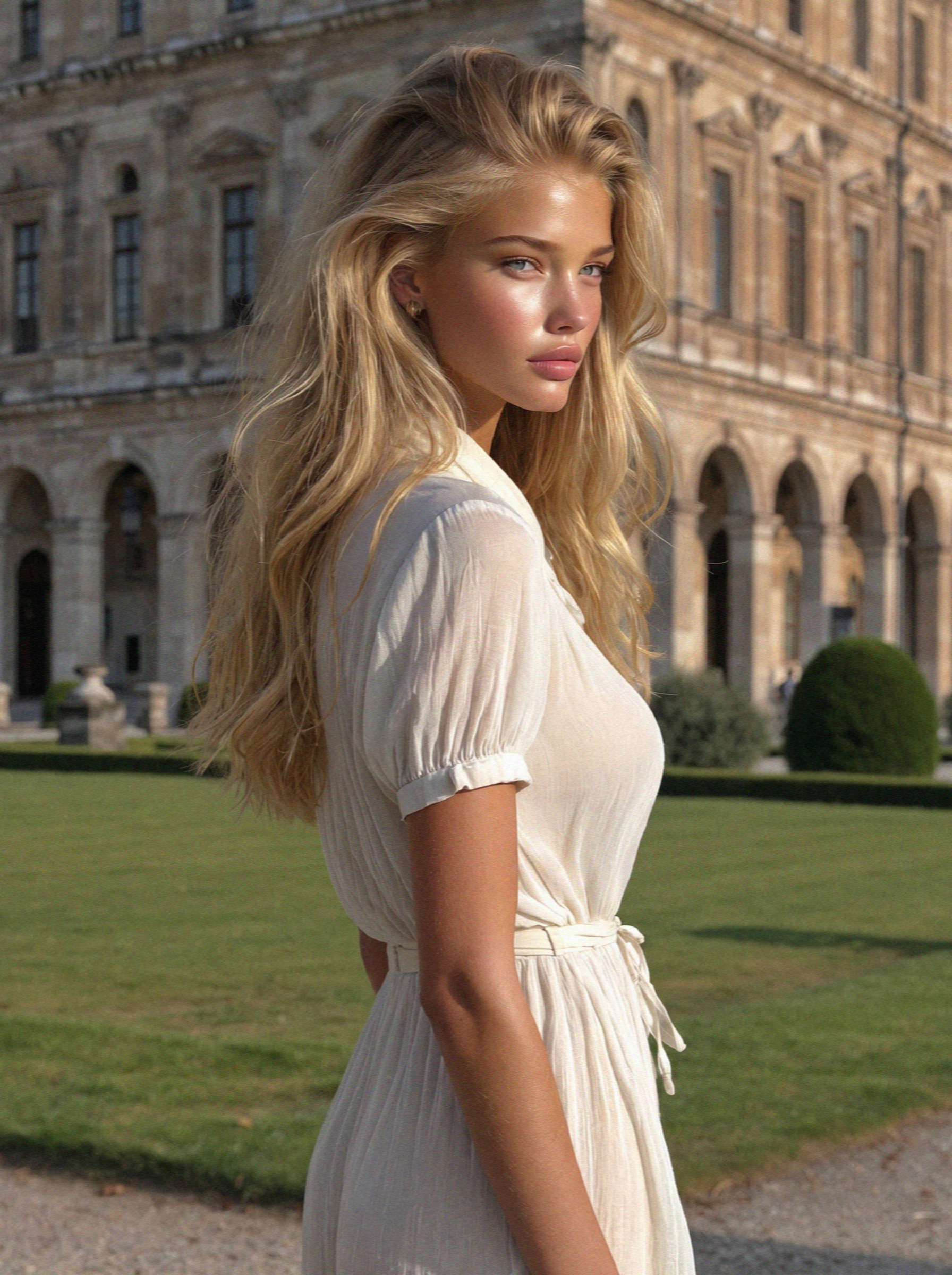
The Basilica of San Francesco is the reason most people come to Assisi, and it is the one place in town I always send friends to first. It is two churches stacked into the hillside, a UNESCO World Heritage Site, the burial place of St Francis, and one of the great churches of Italy all at once. It is also a living, working place of prayer, so I want to say gently up front: this is a guide to visiting well, not just ticking a box. Take your time here. For where this fits into the rest of a trip, see my complete guide to Assisi.
Why it matters
Two things make this basilica extraordinary, and they pull in different directions. First, it holds the tomb of St Francis, the gentle 13th-century friar who gave up wealth for a life of poverty and is a patron saint of Italy, so for millions of pilgrims this is one of the most important places in the Catholic world. Second, it is a treasury of early Italian painting, the walls carrying work by Giotto, Cimabue, Simone Martini and Pietro Lorenzetti at the moment Western art was turning towards realism. That combination, deep faith and revolutionary art, is why it carries UNESCO World Heritage status and why art historians and quiet believers stand in the same nave. Entry is free, which still surprises people given what is inside.
Plan Your Visit to Assisi
A few things I booked and loved. These help support the blog, at no cost to you.
- Where I stayed: search Assisi hotels
- Tickets and things to do in Assisi
- Rent a car to explore the area
- Stay connected: get a travel eSIM
This section contains affiliate links. If you book through them I may earn a small commission, at no extra cost to you.
The Upper Basilica and Giotto’s Legend of St Francis
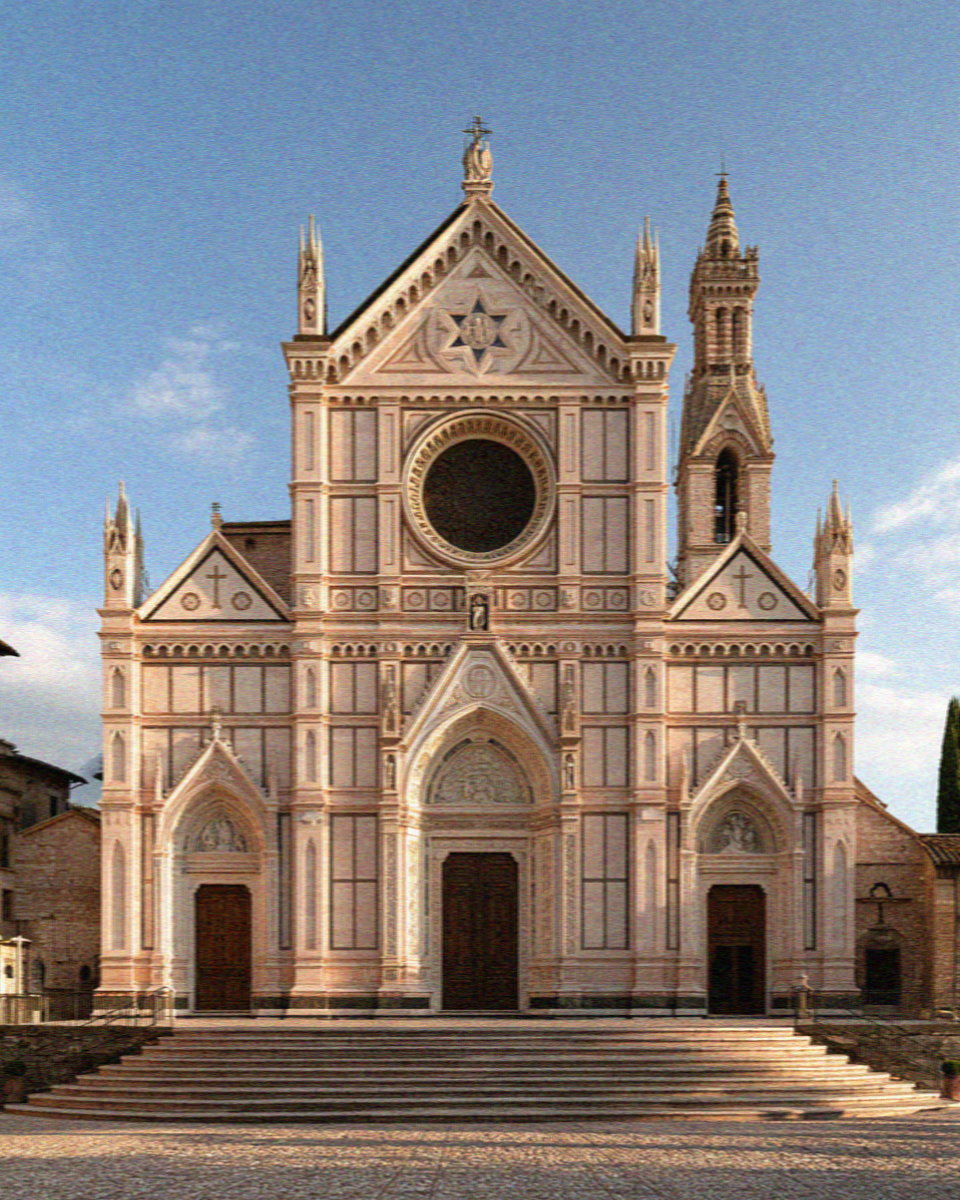
The Upper Basilica is the bright one. It is Gothic, a single soaring nave full of light, and it feels almost weightless after the dimness below. This is where you find the famous cycle: 28 scenes telling the Legend of St Francis, traditionally attributed to Giotto, running around the lower walls of the nave at eye level so the whole story of his life unfolds as you walk. You see Francis giving away his cloak, preaching to the birds, receiving the stigmata, each panel painted with a new tenderness for real gesture and real space that would change European art. Above and in the transepts there is also work by Cimabue, Giotto’s older master, including his powerful, storm-darkened Crucifixion. Give this room proper time. Walk the full circuit slowly, in order, and let the story carry you rather than hunting for the single most famous panel.
The Lower Basilica
The Lower Basilica is the older, darker church, Romanesque and low-vaulted, and its mood could not be more different. Where the Upper church lifts you up, this one folds around you. The light is dim and candle-warm, the ceilings press close, and the frescoes glow out of the shadow as your eyes adjust. Here you find Cimabue’s tender Maestà, the enthroned Madonna with St Francis standing beside her, one of the most quietly moving images in Italy. Simone Martini painted the chapel of St Martin with his elegant, courtly line, and Pietro Lorenzetti left a great Crucifixion and Deposition heavy with grief. It is worth slowing right down in here. The dimness is not a fault to be endured, it is the whole point, a deliberate hush that makes the colours feel like something half-remembered.
The tomb of St Francis
Below the Lower Basilica, reached by stairs from the middle of the nave, is the crypt where St Francis is buried. His stone tomb sits above the altar, surrounded by the resting places of four of his close companions, and the space is small, plain and profoundly quiet. This is the emotional centre of the whole building. Pilgrims come here to pray and simply to sit, and even if you arrive purely for the art you feel the change in the air as you descend. Keep your voice down, move slowly, and if people are at prayer let them be. There is no need to rush the crypt. Standing there for a few minutes, in the low light with the candles, is the part of the visit I remember longest.
Practical visit: hours, entry and etiquette
Entry to the basilica is free. The two churches keep slightly different hours: the Upper church is generally open around 08:30 to 18:00 in winter and a little later, until roughly 18:50, in summer, while the Lower church and the tomb open earlier, from around 06:00, and close around 18:00. Hours shift with the season and with services, so it is worth confirming on the day.
The dress code is real and it is enforced: shoulders and knees must be covered, for everyone, so leave the vest tops and short shorts for later and bring a scarf or light layer if you are visiting in summer heat. There is also no photography inside, anywhere, to protect the fragile frescoes from flash and wear. I know that is hard when the walls are this beautiful, but honestly it is a gift. Put the phone away and actually look. Plan on one to two hours to see both churches and the tomb without hurrying, longer if you love the art.
Best time of day and light
The frescoes indoors look much the same whatever the hour, but the exterior is a different matter. The complex faces roughly southwest, so the stone and the great arcaded piazza below glow warmest in the afternoon and at golden hour, which is when the classic view of the basilica rising against the valley really sings. For the interior, the trick is dodging the tour-bus crowds: arrive right at opening or come back in the late afternoon, and you will find the churches calmer and the crypt closer to the silence it deserves. Midday in high season is the crush, so I plan around it. If photographing the building is your priority, my guide to the best photo spots in Assisi maps out where and when the light lands.
Guided tours
Because so much of what makes this place remarkable is easy to walk straight past, a guide can be worth it here more than almost anywhere in Assisi. A good one will walk you through the 28 scenes in sequence, explain who Cimabue and the Lorenzetti brothers were and why their work mattered, and give you the story of Francis so the pictures come alive. Guided tours are bookable, and if you only take one guided visit in town, this is the building to take it in. If you would rather go at your own pace, read the panels in order and simply give yourself longer.
Getting there
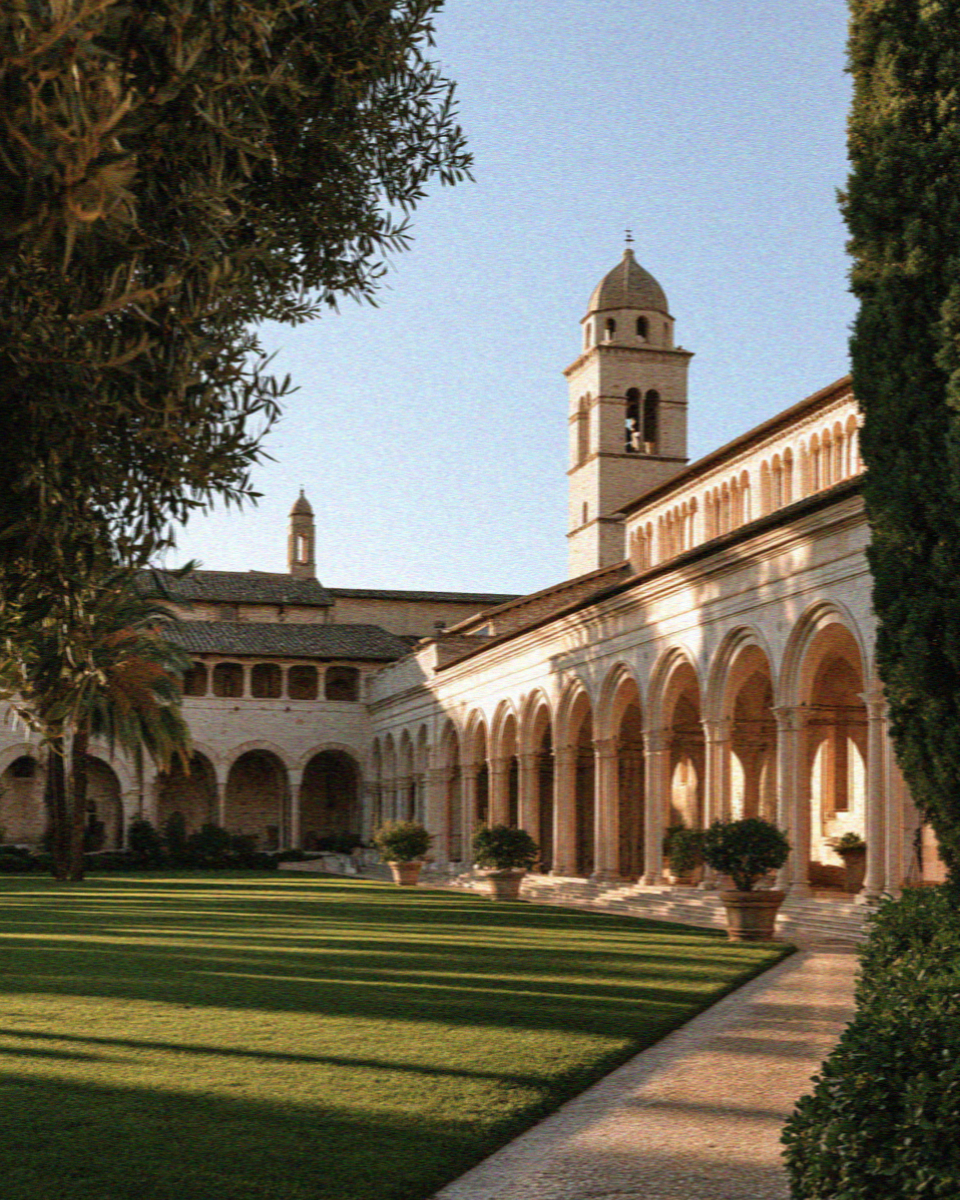
The basilica sits at the lower, western end of the old town, so from the centro storico it is a gentle, mostly downhill walk along Via San Francesco, the lovely sloping medieval street of stone arches that leads straight to it, about ten to fifteen minutes from Piazza del Comune. Coming from the car parks, Giovanni Paolo II is the closest lot to the basilica, while Mojano has escalators and a mechanised walkway that take the sting out of the climb. The historic centre is a camera-enforced ZTL, so do not drive in unless your hotel has arranged access, and remember the streets are steep and cobbled: wear proper shoes. For the full picture of trains, buses and parking, see my guide to getting to Assisi and its day trips.
Frequently Asked Questions
Is the Basilica of San Francesco free to enter?
Yes. Entry to both the Upper and Lower churches and to the tomb of St Francis is free. It is an active place of worship, so a quiet, respectful visit is what is asked of you in return, and donations are always welcome.
What is the dress code for the basilica?
Shoulders and knees must be covered for everyone, and it is genuinely enforced at the door. In summer, carry a scarf or a light layer so you can cover up before you go in. There is also no photography allowed inside, to protect the frescoes.
How long do you need to visit the basilica?
Allow one to two hours to see the Upper church, the Lower church and the crypt properly, more if you want to linger over Giotto’s cycle. Arriving at opening or in the late afternoon helps you avoid the tour-bus crowds and gives the tomb the quiet it deserves.
Once you have stood in the crypt and walked Giotto’s 28 scenes, let the rest of the town unfold around it. The basilica anchors my wider complete guide to Assisi, and it slots naturally into a longer visit: pair it with the other churches and viewpoints in my best things to do in Assisi, fold it into a well-paced day with my Assisi itinerary, and catch the building at its most beautiful with my best photo spots in Assisi. Come warm-hearted and unhurried, and this church will stay with you.