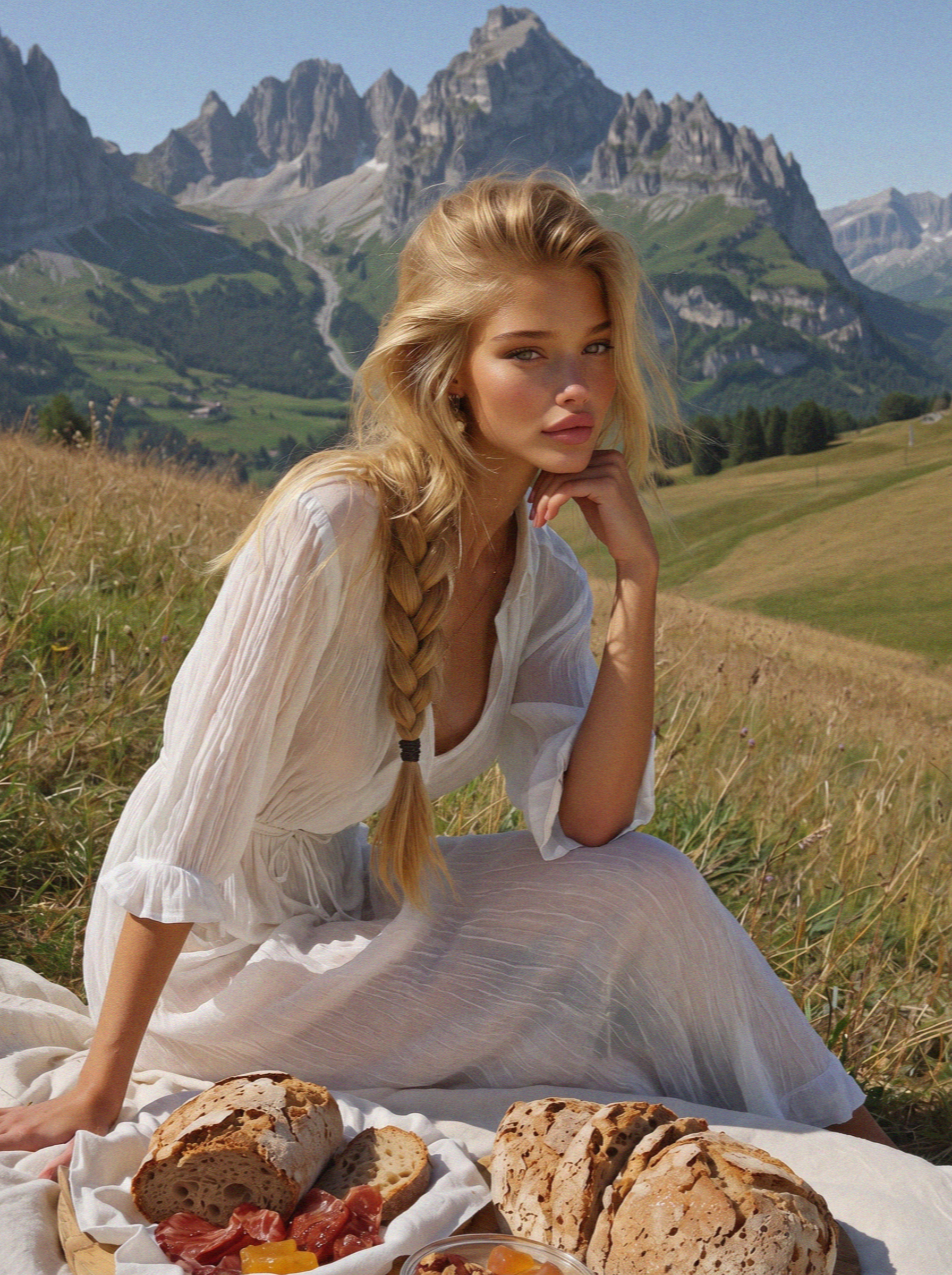
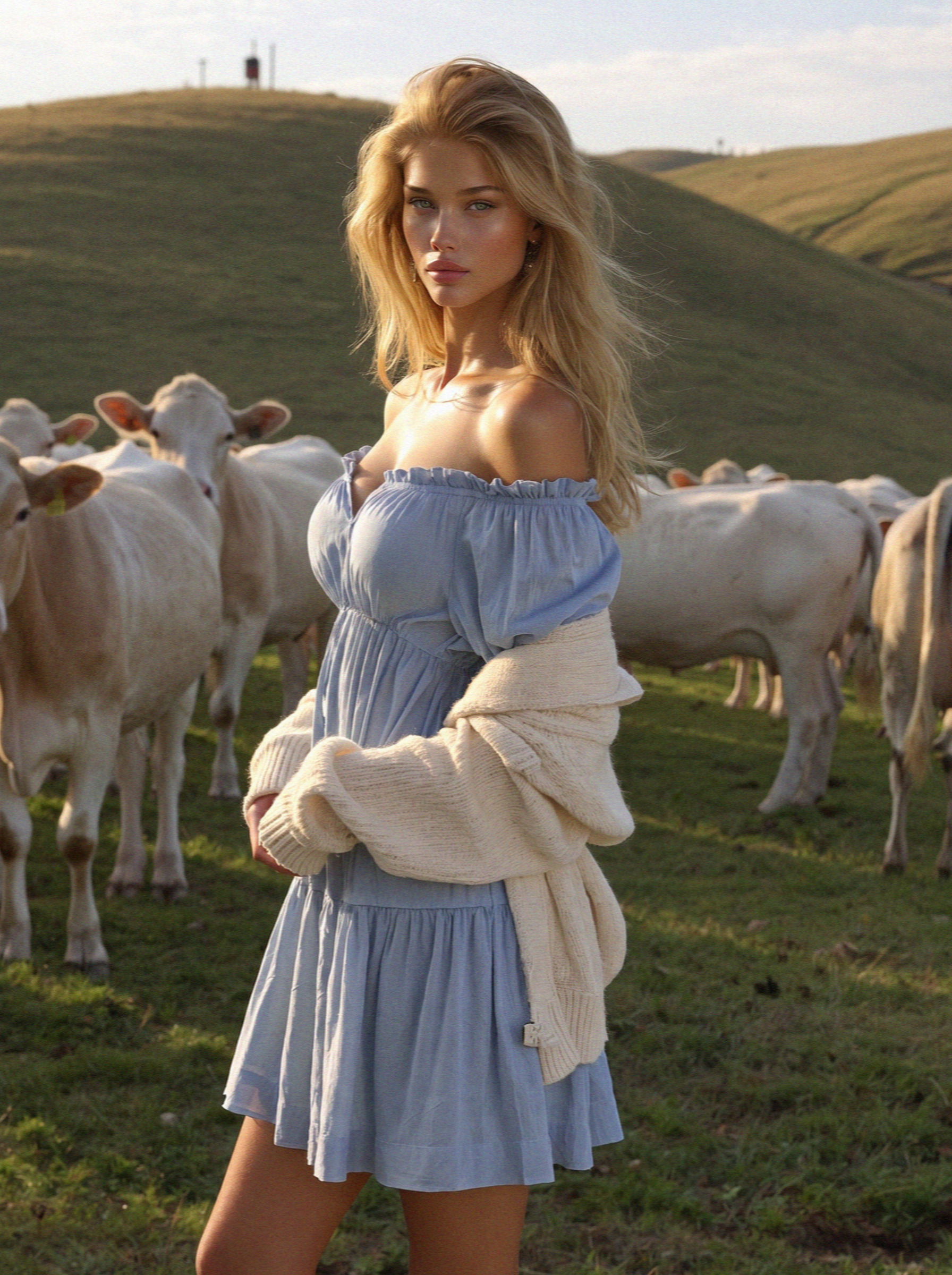
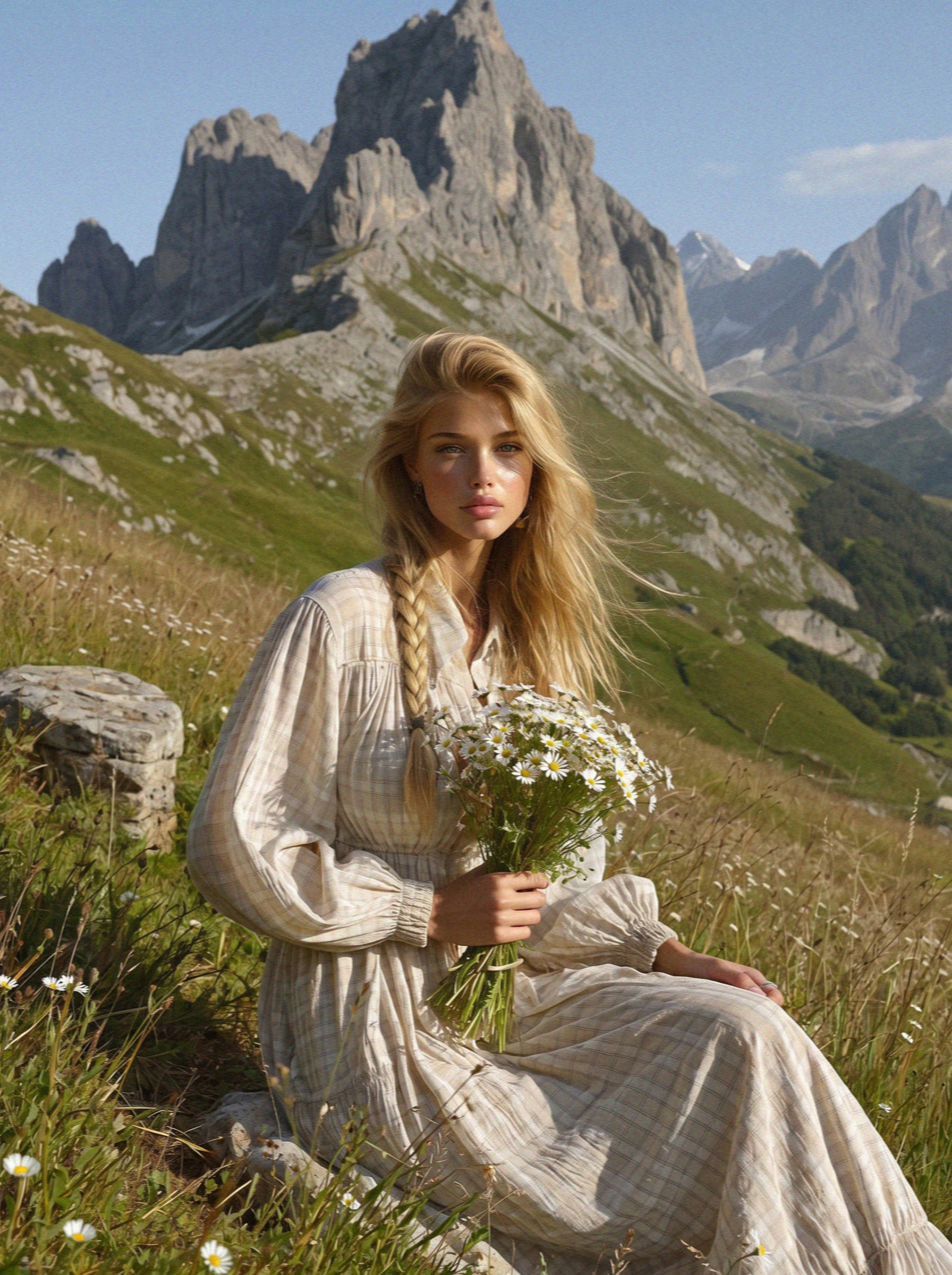
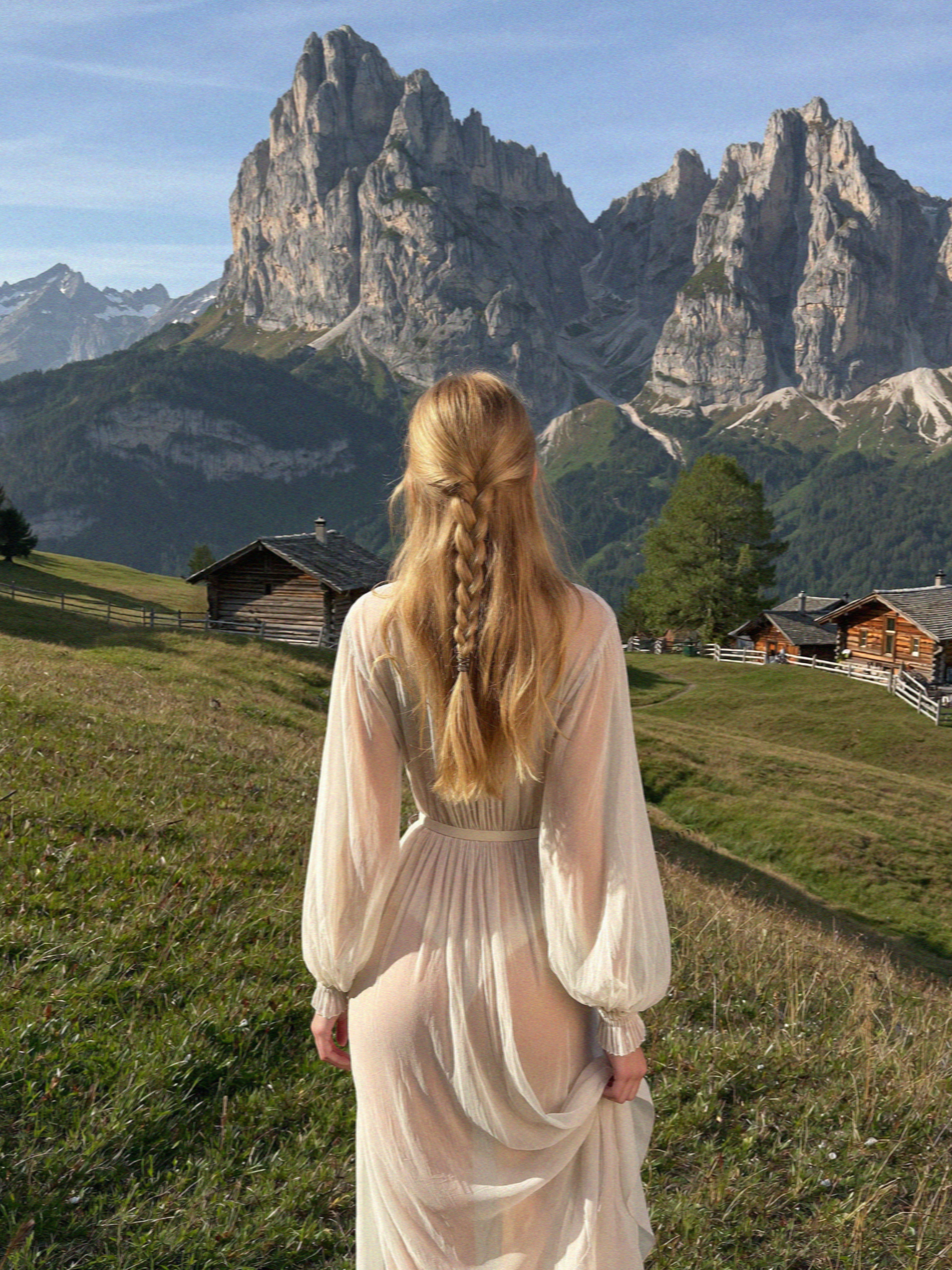
There is a kind of August day up here that the guidebooks do not quite prepare you for, because they are so busy warning you that the Dolomites are cold. High summer on the Alpe di Siusi is not cold. By mid-morning the great meadow had grown warm and loud with insects, the cut hay smelling of honey and something greener beneath it, and the whole rolling sweep of grass rose towards the pale wall of the Sciliar as though someone had laid a lawn at the foot of a cathedral and thought nothing of it. I had braided my hair away from my neck in a loose halo, the way I do when the sun means business, and put on the lightest blue linen I own. By the time we had walked as far as the distant barns, I had stopped pretending I would need the cardigan at all.
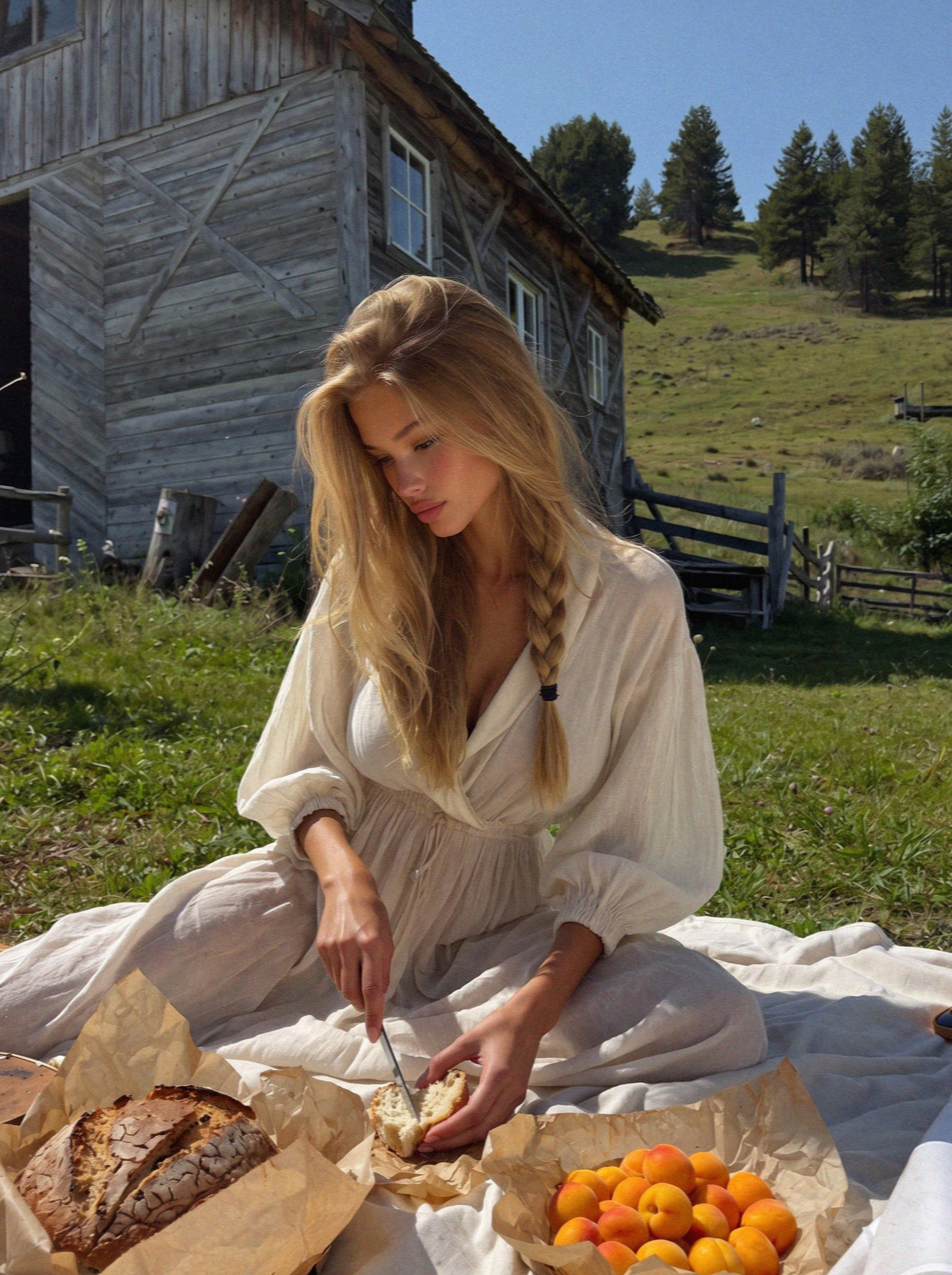
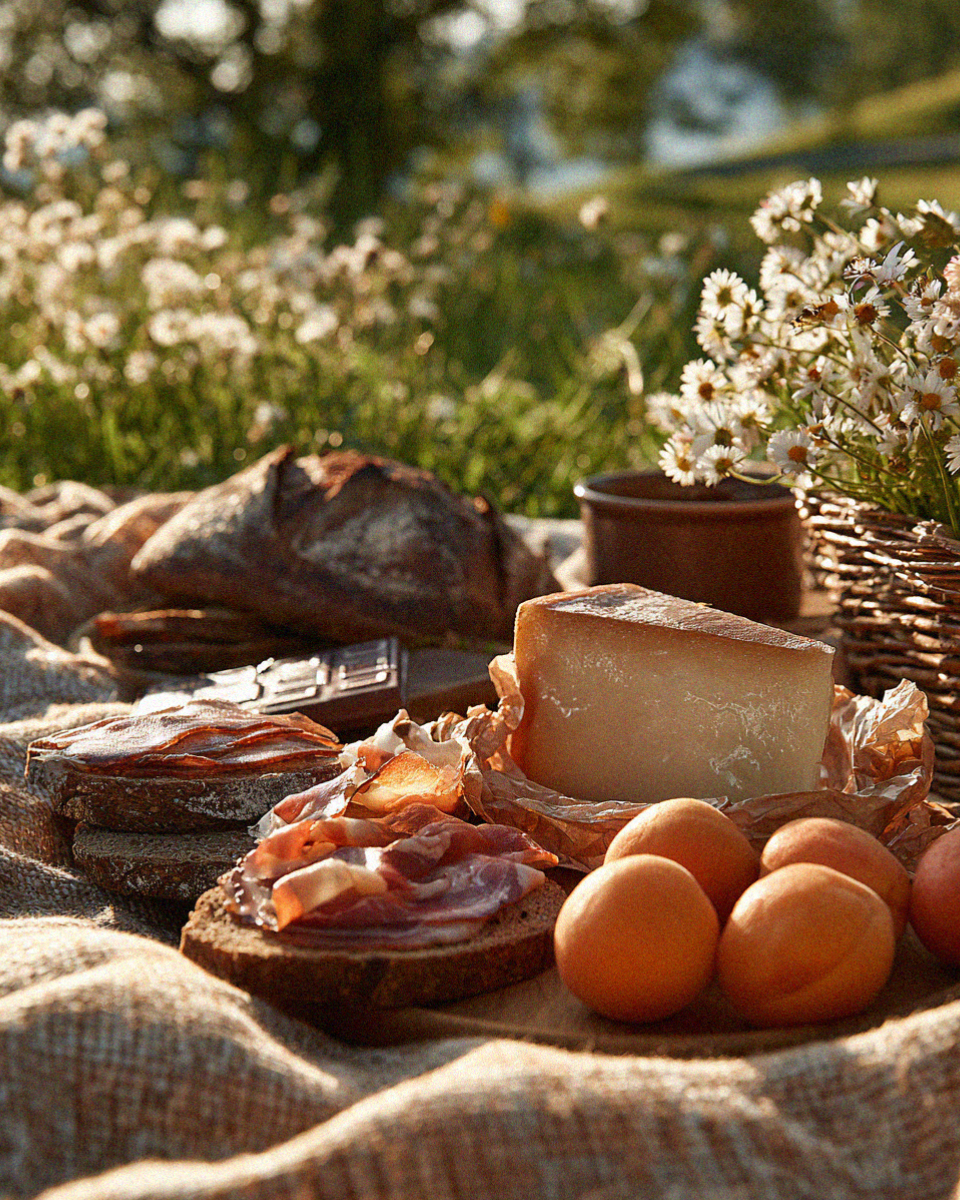
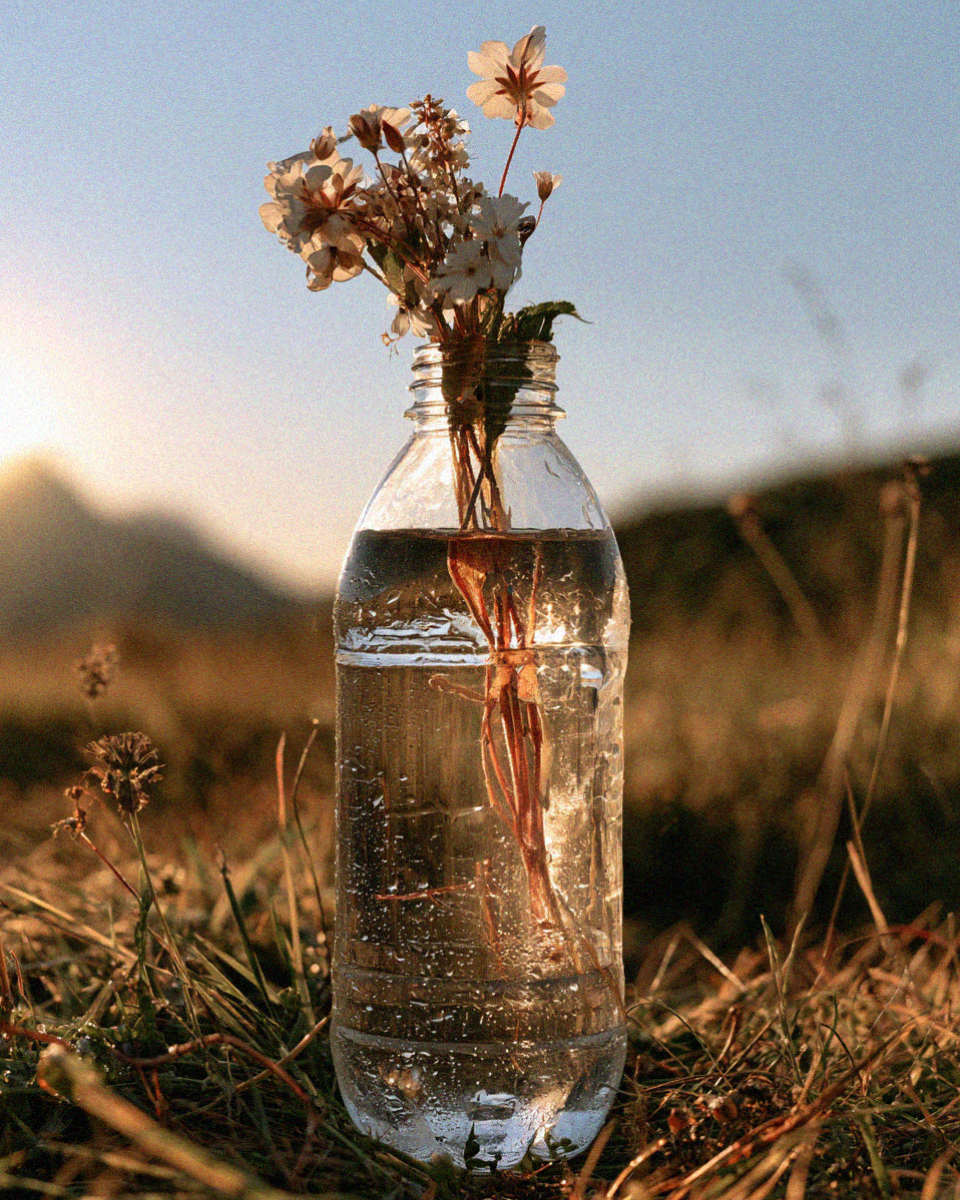
We had come up mainly to do nothing, which is the hardest thing to plan and the loveliest thing to get right. Somebody had packed a proper picnic, and it was a good one: dark bread and speck cut thick, a wedge of mountain cheese sweating gently in its paper, apricots, a bar of hard chocolate already beginning to soften, and a bottle of water we had filled from a wooden trough beside the path. It stayed cold far longer than it had any right to. We spread a blanket in the lee of a leaning hay barn, silvered with age and still somehow standing, and ate slowly while talking about nothing much. The photographer lay back with his hat over his face and, for once, let the light do whatever it wanted.
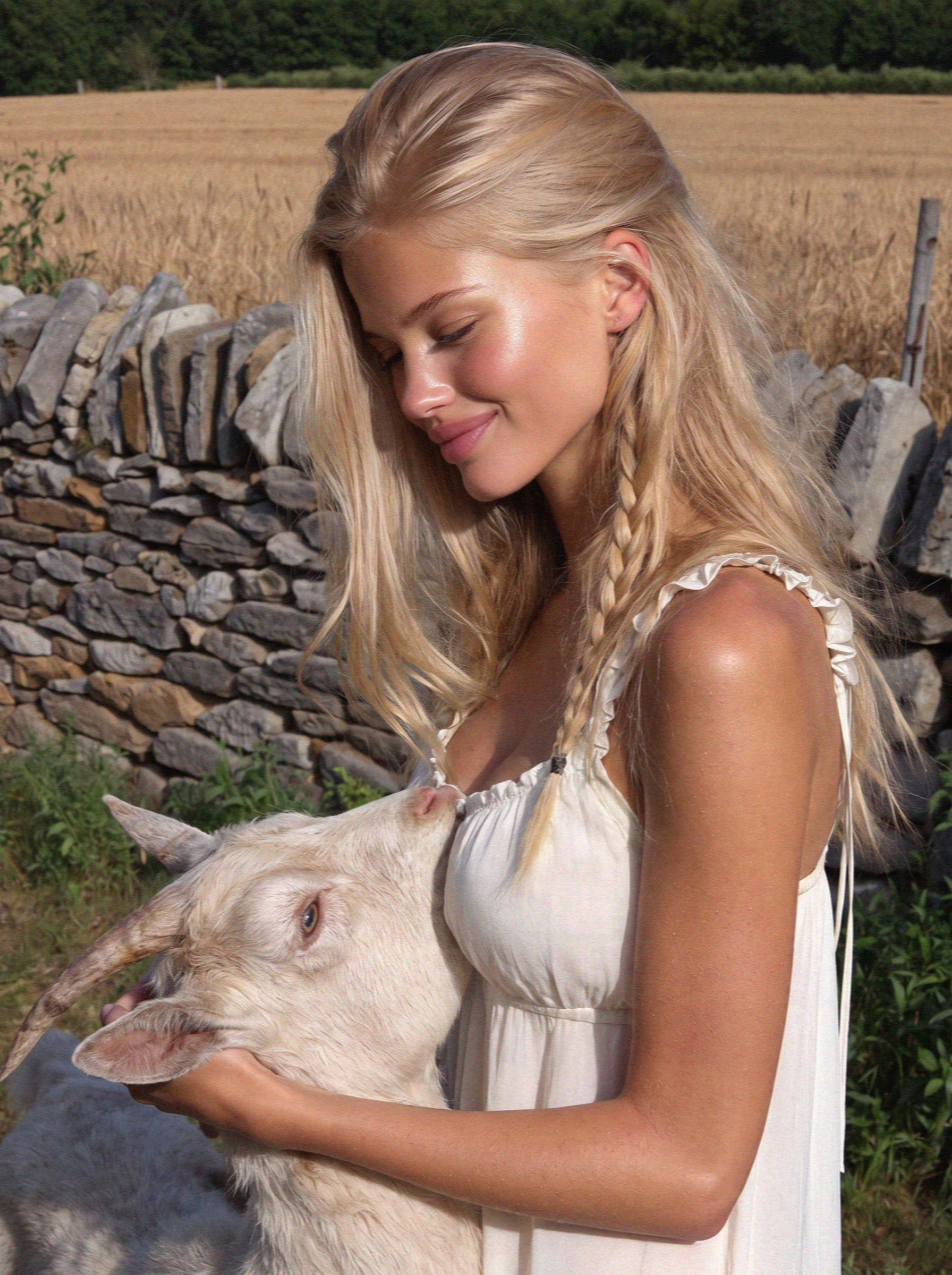
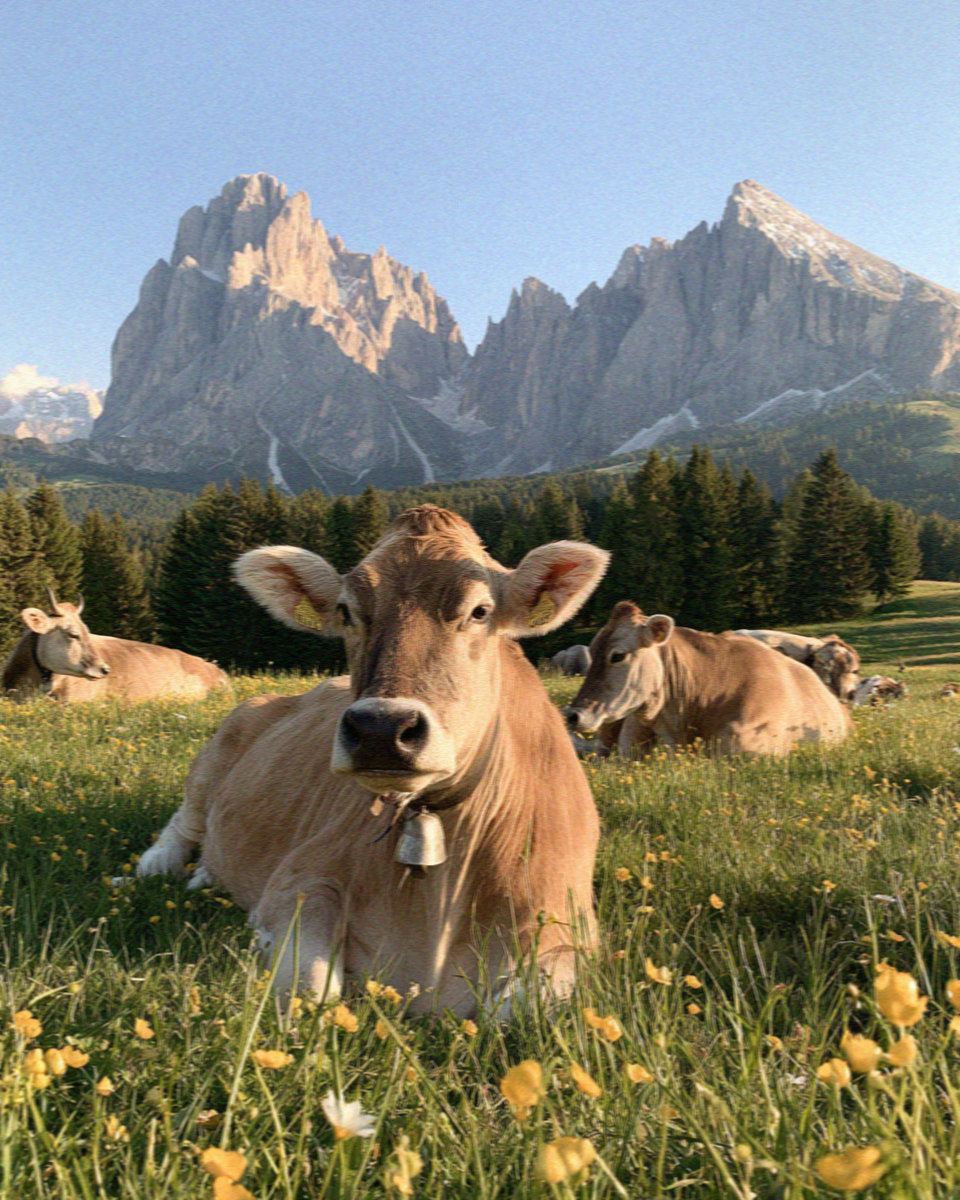
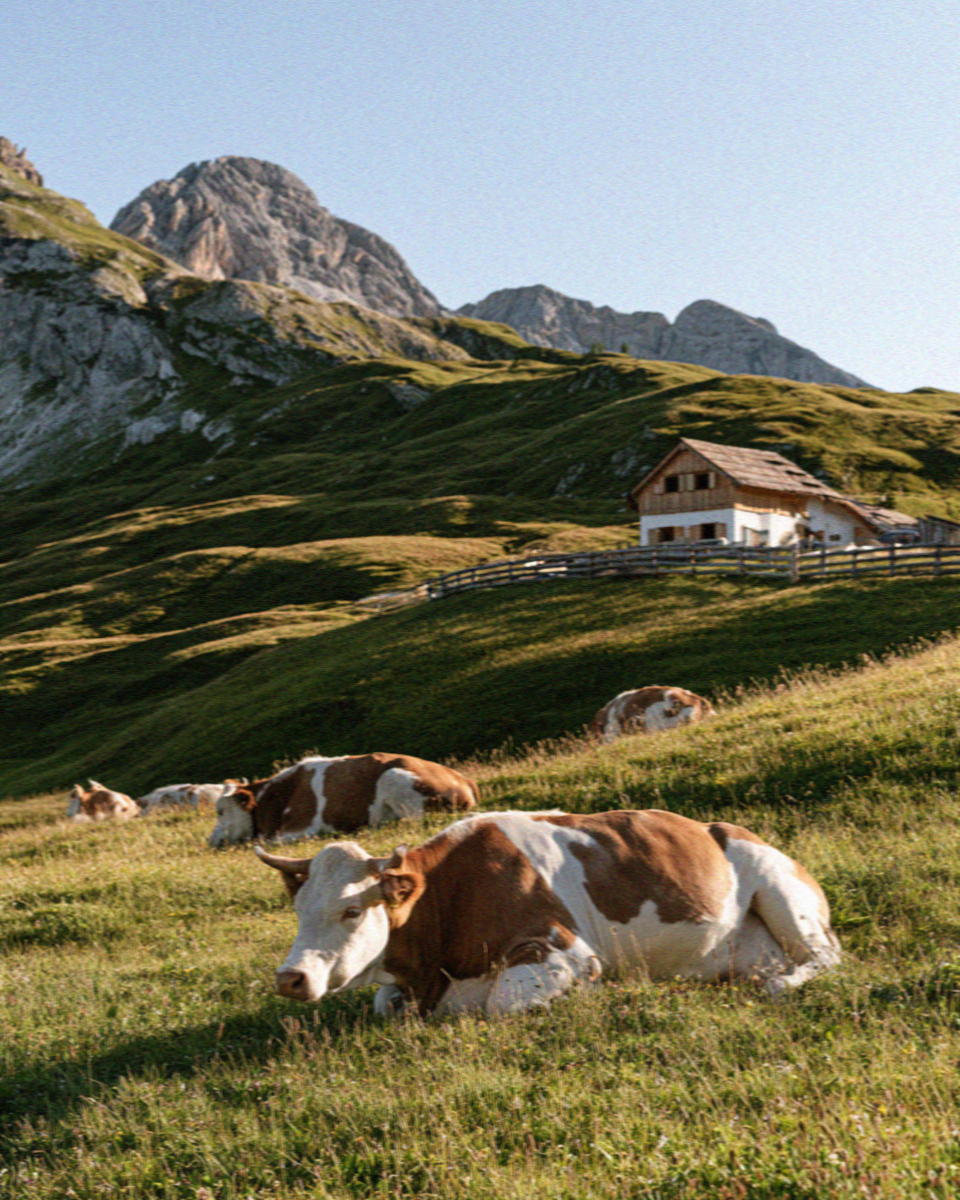
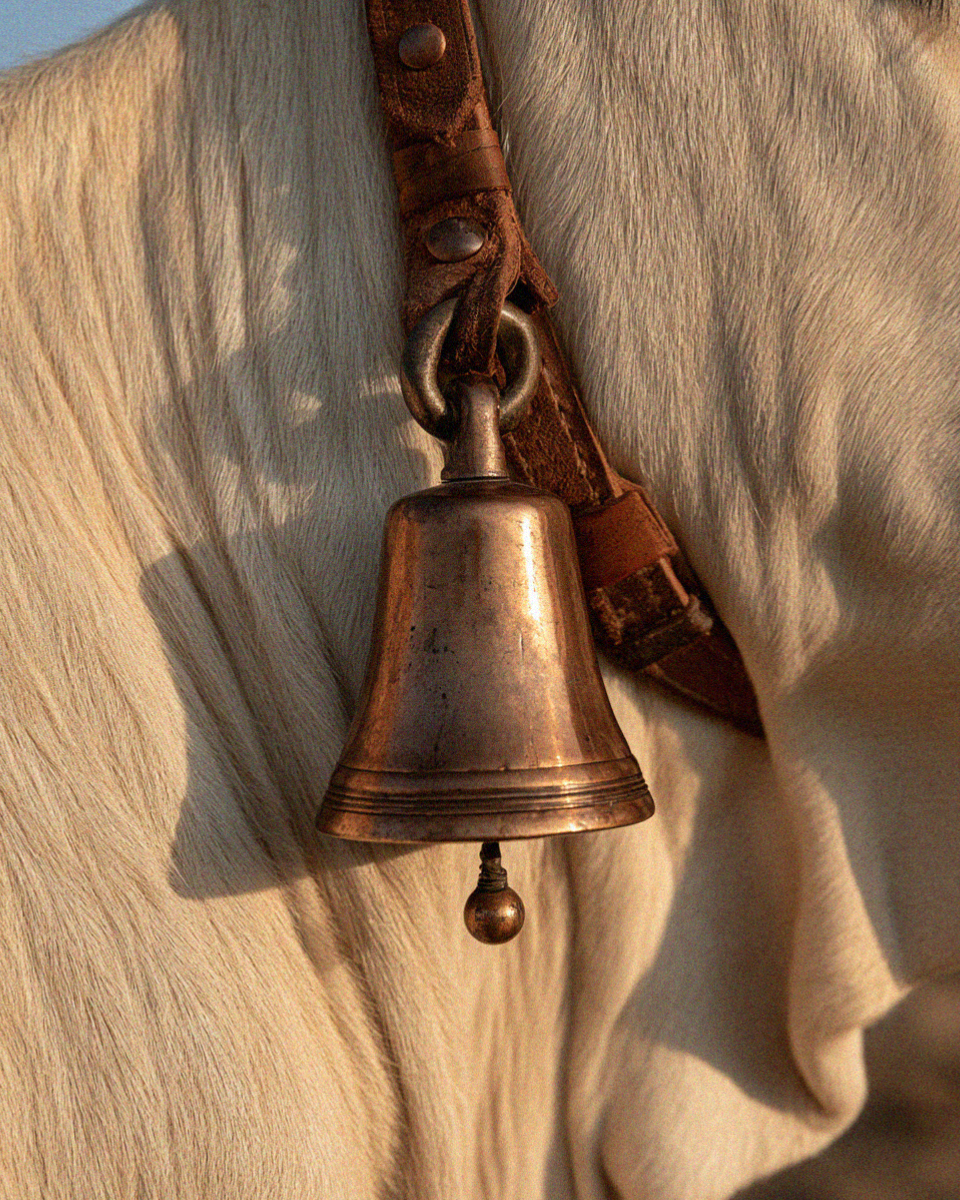
It was the goats that undid me. There were cows first, of course, the pale ones they keep up here with long, solemn faces, their bells sounding in that loose, tuneless way that seems to slow the whole afternoon. Then a little band of goats came picking along the wall below us, unhurried and faintly disreputable, as goats always are. One stopped to look at me with its sideways yellow eye, and I was somewhere else entirely.
My grandmother kept goats near the sea in the south of France, in a stony field that smelled of thyme and dust, and the whole of my childhood returned on the strength of one animal’s expression: the cold morning air she let into the house on purpose because she said it made the place feel alive, the coffee, the wildflowers she gathered without ever seeming to bend for them, the sea just out of sight beyond the pines. I sat in the warm grass on a mountain I had never seen before her, and for a moment I could have been seven years old.
I did not say any of this to the others. You cannot, really. It comes out wrong, or perhaps worse, it comes out perfectly well and then the feeling is gone. Instead, I picked a few of the little alpine flowers, the way she would have, and tucked them into the neck of the water bottle. I let the feeling remain what it was, which was not sadness exactly. It was more like being reminded that we belong to more places than the one in which we happen to be standing.
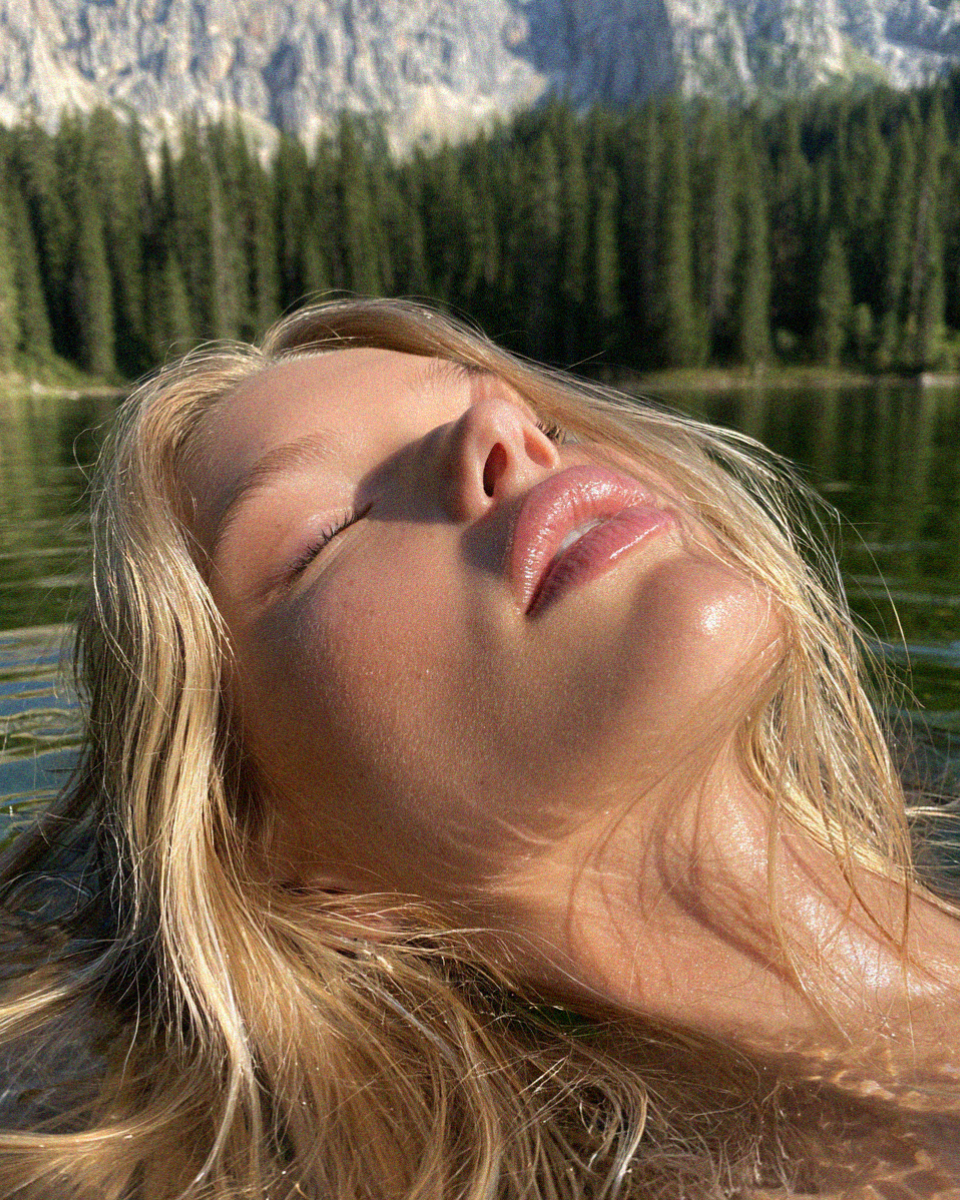
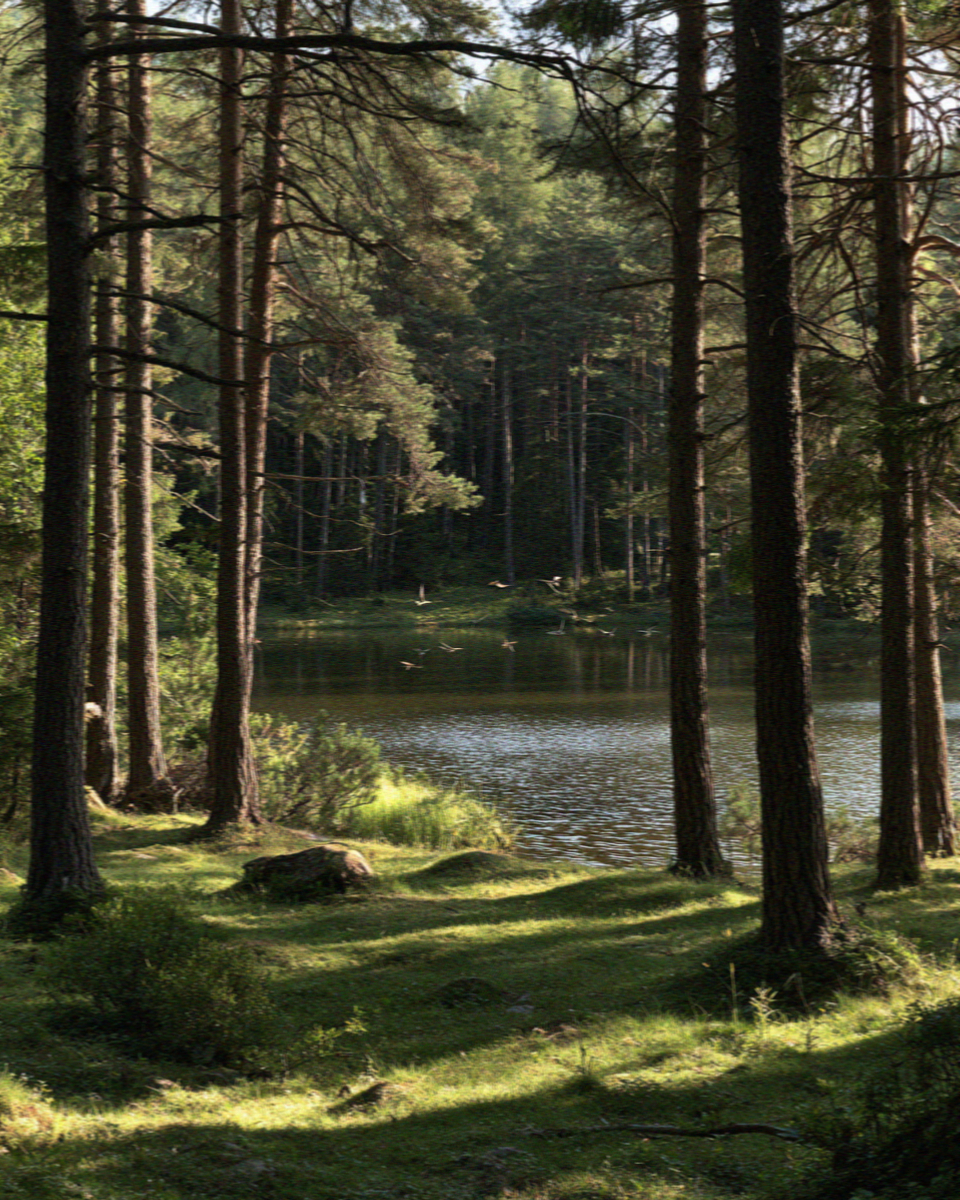
In the afternoon we came down from the high meadow to a lake I had been promised and had not quite believed in, a small green stretch of water lying in the woods below the Sciliar, the kind of lake that has no business being warm at this altitude and somehow is. I put in a hand, then a foot and then, having decided, all of me. The water was warm as a bath left waiting a little too long, brown-gold where the light reached through it and cool only in the deeper places, where your feet suddenly found the cold and sent you kicking back towards the surface, laughing.
We swam out to the middle, turned onto our backs and looked up at the grey towers holding all that summer heat against the water. It was one of those half hours you recognise, even while it is happening, as something you will keep. Afterwards I lay on the grass at the edge of the lake to dry, my halo braid slowly coming loose, and watched the swifts cut low across the surface. I did not reach for the notebook once.
By evening the meadow had turned gold, then blue in the hollows, and the cowbells came down from the mountain in a long, straggling line as someone above us brought the herd in for the night. I stood at the edge of the path and let them pass, breathing in their warm animal smell and the dust rising around their hooves. One goat gave me that same yellow, sideways look as it went by, and I thought, not for the first time on this journey, that the places that undo you are almost never the grand ones.
It is the small warm animal, the open field, the water that should have been cold and was not.
I went inside when the last bell had faded. I slept the way you sleep only after a day spent almost entirely outdoors, and dreamed, I think, of the sea.
V.
More from the Dolomites


If you are planning your own days up here, my complete guide to the Dolomites has the practical shape of a visit.