Florence is one of the most photogenic cities in the world, a place where a terracotta dome floats above the rooftops and the river turns to gold at dusk. But the best pictures are not always where the crowds are, and the difference between a good photograph and a great one here is usually a matter of standing one bridge over, or arriving an hour earlier. These are my favourite places to photograph the city, and how to shoot each one well.
Piazzale Michelangelo
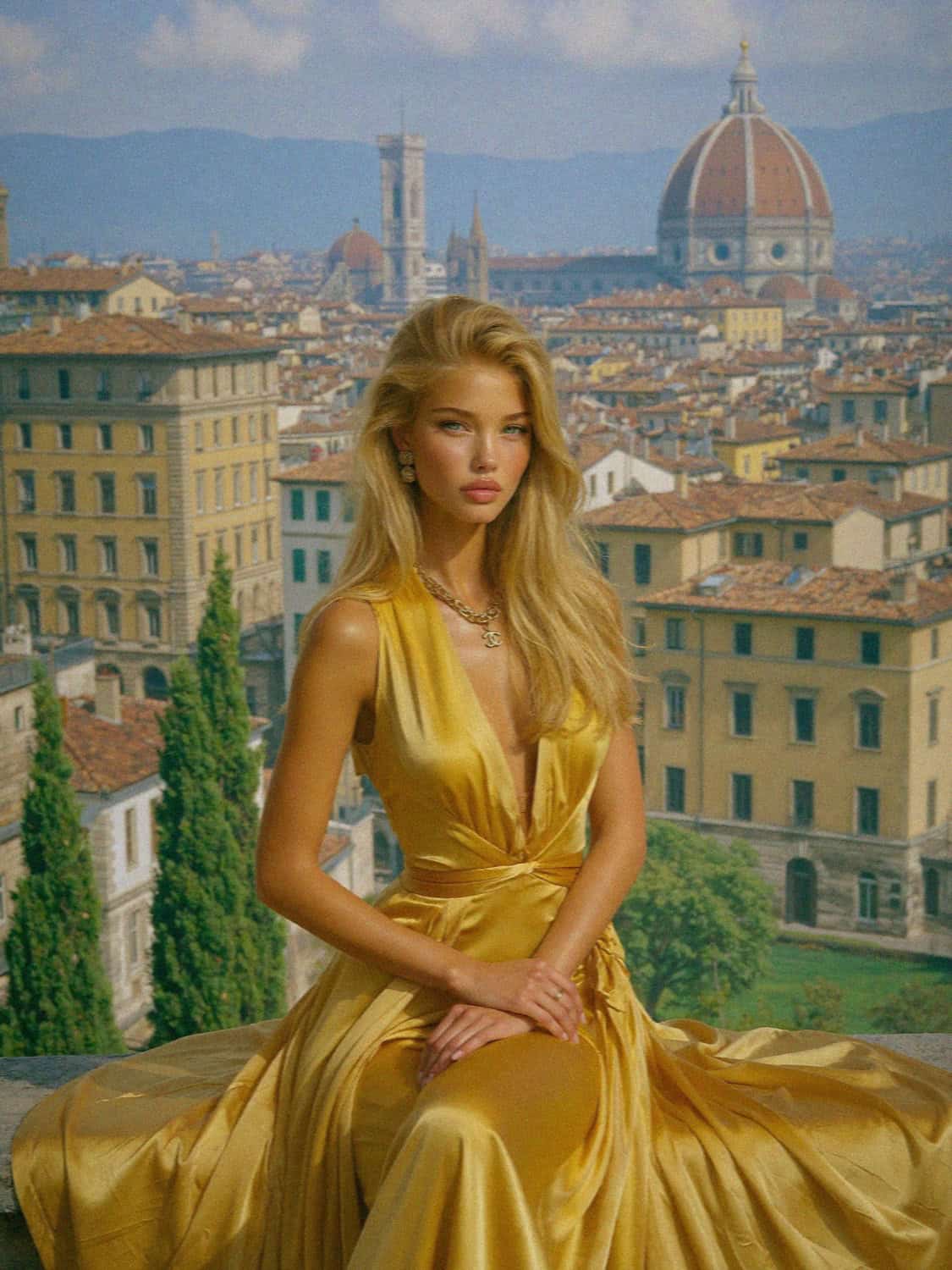
The classic panorama. From this great terrace on the south bank, the whole of Florence unfolds below you, the dome, Giotto’s tower, the Palazzo Vecchio, the bridges strung across the Arno. It is the postcard view, and at sunset it is spectacular and very crowded. Come at least forty-five minutes before sunset to claim a spot at the stone balustrade, or, for something different, arrive at dawn when you may have the terrace almost to yourself and the light comes soft and pink from the east. A bronze replica of the David stands in the centre of the square if you want him in the frame.
The Rose Garden and Bardini Garden
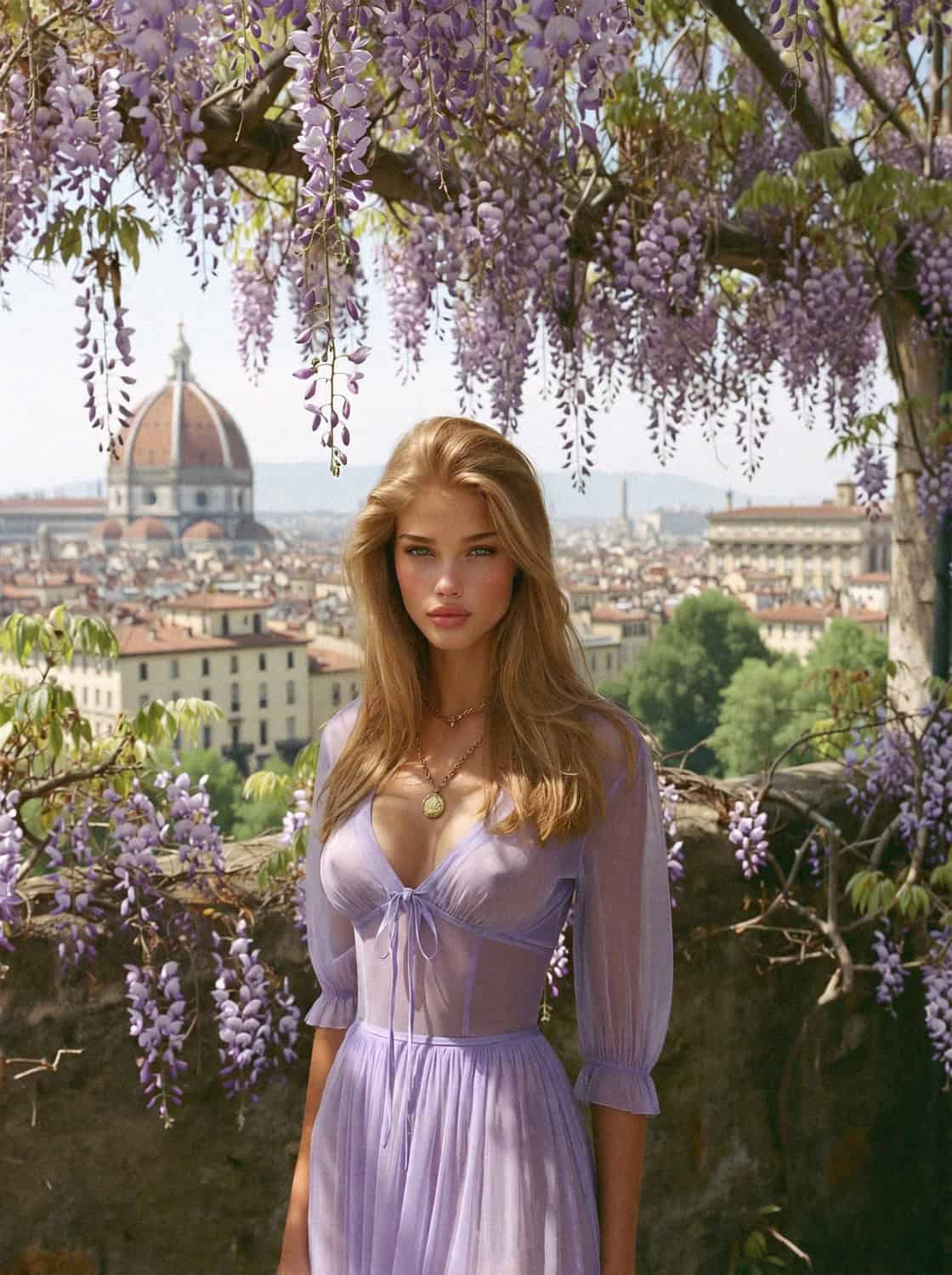
Just below Piazzale Michelangelo, two gardens offer the same sweeping view with a fraction of the crowds and a foreground of flowers. The Giardino delle Rose (Rose Garden) is free, terraced down the hillside with over 350 varieties of rose and Japanese sculptures, and the dome framed through the blooms is one of the loveliest compositions in the city, best in the late-spring bloom. The Bardini Garden, which charges a small entry fee, is famous for its tunnel of wisteria that flowers in April, a cascade of lilac over a stone pergola with Florence beyond, and because you pay to enter, you can often have the view to yourself.
The Ponte Vecchio, from the right angle
Everyone photographs from the Ponte Vecchio; the secret is to photograph the Ponte Vecchio itself, and for that you want the next bridge upstream, the Ponte Santa Trinita. From there the old bridge sits perfectly over its own reflection, its jumble of shops glowing at golden hour. Come at sunset, when the low light hits the bridge face-on and the river carries the colour, or at blue hour just after, when the shop windows light up.
The Duomo, up close and from above
The cathedral is almost too big to photograph whole from the piazza, so play with the details, the marble geometry of the facade, the doors of the Baptistery, the striped flank of the nave down a narrow side street. For the dome from above, the terraces of the bell tower and the dome walkway itself give you the rooftops falling away in every direction. And for the shot of the dome rising over the city, there is nowhere better than the panoramic viewpoints on the south bank.
San Miniato al Monte
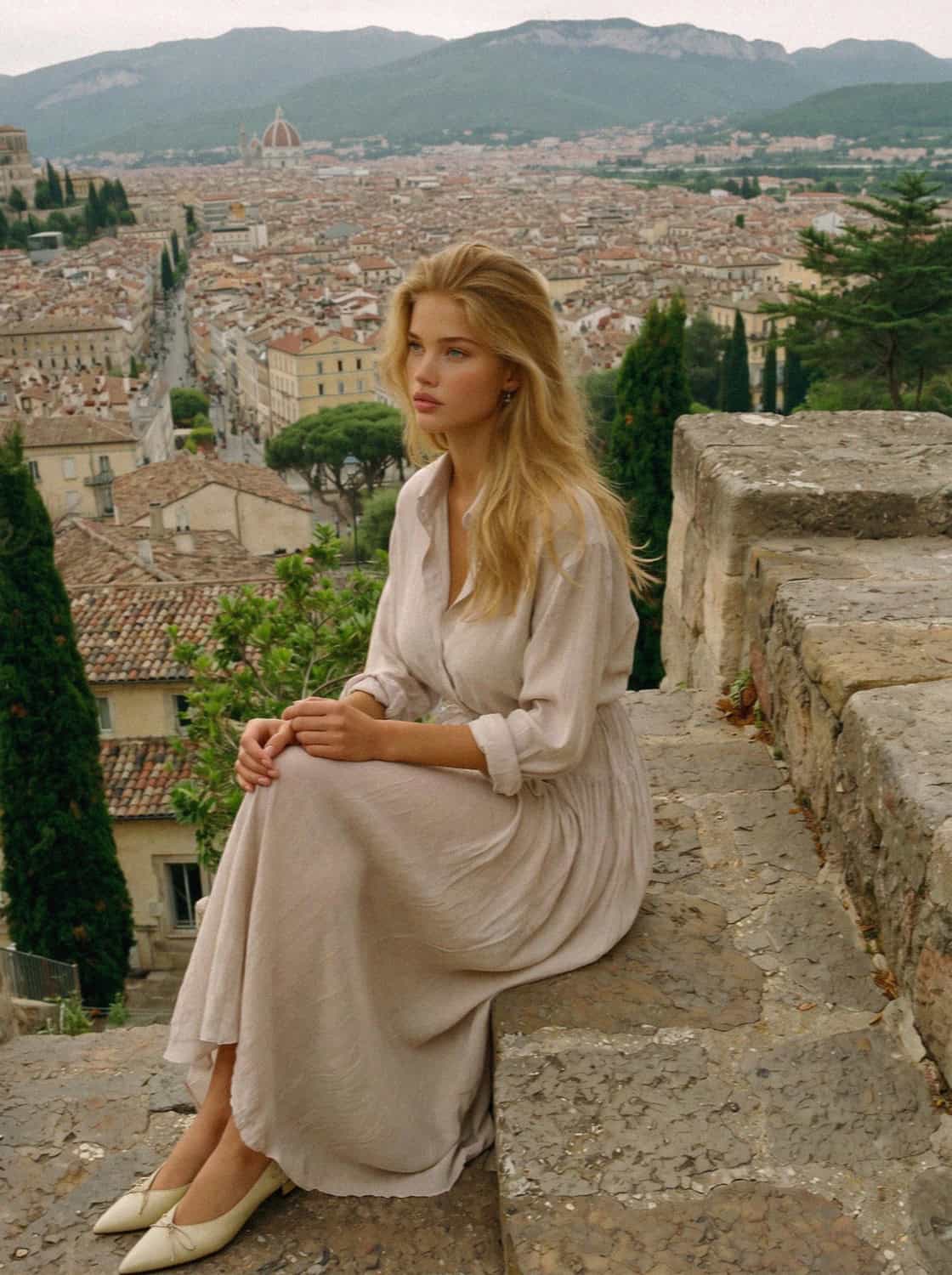
Climb a few minutes higher than Piazzale Michelangelo and you reach San Miniato al Monte, an eleventh-century Romanesque basilica with a marble facade and a monastery beside it. The terrace here gives you the same panorama as the crowded piazza below but framed by cypress trees and the ancient church, a far more atmospheric foreground, and there are almost never crowds. Time it for the golden hour before sunset, when the low light warms the marble and gilds the city, and stay for the monks’ sung vespers inside if the timing lines up.
Piazza della Repubblica and the centre
Down in the city, a few spots reward a photographer’s eye. The grand Piazza della Repubblica has an antique carousel that glows beautifully at blue hour and makes a lovely foreground with the arch behind. The narrow streets that suddenly open onto the striped flank of the Duomo give you those dramatic “reveal” shots. And the Loggia dei Lanzi on Piazza della Signoria lets you frame centuries-old statues against the crowd, best early before the square fills.
The streets and the details
Some of my favourite Florence photographs are not of monuments at all. Look for the artisan workshops of the Oltrarno with their doors open onto the street; the little arched wine windows set into palazzo walls; the leather stalls of San Lorenzo; a Vespa parked against ochre plaster; washing strung across a narrow lane in the morning light. Shoot early, before the streets fill, when the low sun runs down the length of the alleys and the city belongs, for an hour, to the people who live in it.
Practical tips for shooting Florence
A few things learned the hard way. The Ponte Vecchio and Piazzale Michelangelo are busiest between about five and seven in the evening, so if you want them without crowds, shoot at dawn instead: the light is just as lovely and you will have the railings to yourself. Tripods are frowned upon or banned inside most museums and churches, so plan to shoot handheld indoors and save the tripod for the outdoor viewpoints at blue hour, when a long exposure turns the river to glass. Bring some reach as well as a wide lens, the dome seen from across the Arno needs the compression of a longer focal length to fill the frame, while the narrow streets and garden foregrounds want something wide. Golden hour lasts only minutes on the terraces, so arrive early, choose your composition before the colour comes, and be ready. And dress for the cobbles and the climbs: the best light falls at the very start and end of the day, exactly when you will be walking up to San Miniato or down along the river, so comfortable shoes matter as much as the camera. Finally, a polarising filter helps enormously in the middle of the day, cutting the haze over the rooftops and deepening the blue of the Tuscan sky behind the dome.
Frequently Asked Questions
What is the best view of Florence?
Piazzale Michelangelo on the south bank gives the definitive panorama, the whole city with the dome at its centre. For the same view with fewer people and flowers in the foreground, the Rose Garden and Bardini Garden just below the terrace are quieter alternatives.
Where is the best place to photograph the Ponte Vecchio?
Not from the bridge itself but from the next bridge upstream, the Ponte Santa Trinita, where the Ponte Vecchio sits framed over its reflection in the Arno. Shoot at sunset for warm light on the shops, or at blue hour when their windows glow.
When is the best light for photos in Florence?
Early morning and the hour around sunset. Dawn gives you empty streets and soft light; golden hour lights the dome, the river and the Ponte Vecchio beautifully. The middle of the day is harsh and crowded, so use it for interiors and markets instead.
Can you see the wisteria tunnel in Florence?
Yes, in the Bardini Garden, where a pergola tunnel of wisteria flowers each April with the city visible beyond. It is one of Florence’s most photographed spring sights; because the garden charges entry, it is far less crowded than the free viewpoints nearby.
Is Piazzale Michelangelo free?
Yes, the terrace is free and open at all hours, which is why it fills at sunset. Arrive at least forty-five minutes early for a place at the railing, or come at dawn for the same view in soft light with almost no one there.
Read also: The Best Things to Do in Florence | The Perfect Florence Itinerary | The Complete Guide to Florence