Some links in this guide are affiliate links. If you book through one, this site may earn a small commission, at no extra cost to you. How this works.
There is a version of Florence you can see in a rushed day, ticking off the David and the dome and calling it done, and there is the Florence I love, which reveals itself slowly across churches and gardens and markets and a long lunch. This is the fuller list: the things I would genuinely tell a friend not to miss, arranged so you can build your own days around them.
What to book before you come
Florence is the city where turning up without tickets costs you the trip. The Uffizi, the Accademia and the dome are all timed entry, all sell out weeks ahead in season, and the same day queue for the David has been known to run past three hours. Book these before you book your train.
- Michelangelo s David, skip the line. Fifteen thousand ratings. He is far larger than the photographs prepare you for and the unfinished Prisoners in the corridor leading up to him are, for me, the better half of the room.
- The Uffizi, skip the line with an audio guide. The other unmissable one. Go late in the day rather than at opening, when the tour groups have thinned and you can stand in front of the Botticellis without being moved along.
- Brunelleschi s dome. Four hundred and sixty three steps, no lift, and a timed slot that must be reserved. The climb goes between the two shells of the dome, which is the part nobody tells you about and the reason to do it.
- The Uffizi and Accademia together, with a guide. 4.7. If you are only here two days, this is the efficient answer: both collections, in order, with someone explaining why the order matters.
- A pasta class with unlimited wine. 4.9 from nearly fifteen thousand people, which is a remarkable number for a cooking class. Book it for the evening of a museum day.
- A Chianti winery afternoon. The hills start twenty minutes outside the city and almost nobody staying three days goes to see them.
- Pisa, Siena and San Gimignano in a day. 4.6 from over eleven thousand people. A long day and a lot of coach, but it is how most people see Siena at all.
The Duomo exterior, the Ponte Vecchio, San Miniato al Monte and the walk up to Piazzale Michelangelo at sunset are all free. So is the inside of the cathedral itself, which surprises people who have just paid for the dome.
Stand beneath Brunelleschi’s dome
Begin where the city begins, at the cathedral of Santa Maria del Fiore. The green, white and pink marble facade is dazzling, but it is the terracotta dome that makes Florence Florence, an engineering miracle raised without scaffolding in the 1400s and still the largest masonry dome in the world. Entry to the cathedral is free; the climb to the top of the dome (463 steps, booked ahead on a Brunelleschi Pass) is one of the great city views in Europe. Even if you do not climb, stand in the piazza at opening time before the crowds thicken and simply look up.
Meet the David at the Accademia
Michelangelo’s David is the one sculpture that lives up to every expectation and then exceeds it. Over five metres of marble, carved when the artist was in his twenties, he stands in a purpose-built domed tribune at the Accademia. Book a timed morning slot, give yourself an hour, and do not rush past the unfinished Prisoners in the corridor before him, figures that seem to be struggling out of the raw stone.
Lose a morning in the Uffizi
The Uffizi holds the world’s finest collection of Renaissance painting, and Botticelli’s Birth of Venus and Primavera alone are worth the trip. Book the earliest slot, start at the top and work down, and let yourself linger rather than trying to see everything, no one absorbs the whole gallery in one visit, and the pleasure is in the few rooms that stop you.
Cross the Ponte Vecchio
The oldest bridge in Florence has carried a row of shops since medieval times, goldsmiths and jewellers now, their little wooden shutters closing like treasure chests at night. It is busy by day, so I cross it early or at dusk, when the golden light comes off the Arno and the buskers set up. For the best photograph of the bridge itself, walk one bridge upstream to the Ponte Santa Trinita and look back.
Explore the Palazzo Vecchio and Piazza della Signoria
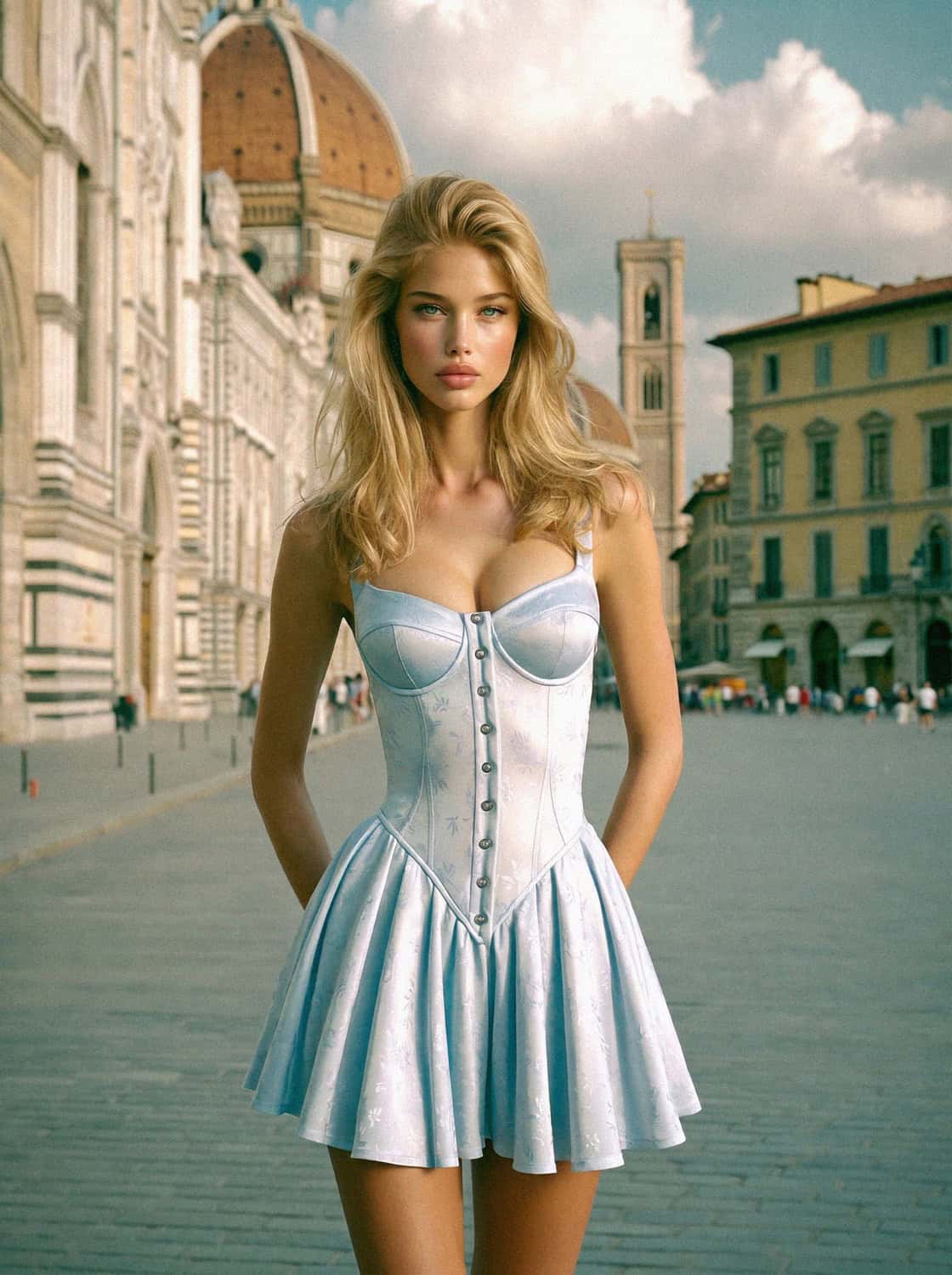
Piazza della Signoria is Florence’s open-air sculpture gallery: a copy of the David stands where the original once did, and the Loggia dei Lanzi shelters Cellini’s bronze Perseus holding the head of Medusa. Behind them, the fortress-like Palazzo Vecchio was the seat of Florentine power, and its lavish Vasari-painted halls and tower climb are worth an hour. The square is free to wander and best in the early evening.
Cross into the Oltrarno: Pitti Palace and Boboli Gardens

Over the river, the vast Palazzo Pitti was the Medici grand dukes’ main residence. Its Palatine Gallery is hung floor to ceiling with Raphaels and Titians in gilded rooms, and other wings hold the modern art gallery and the costume museum. Behind it stretch the Boboli Gardens, 45,000 square metres of Renaissance landscaping with fountains, grottoes, avenues of cypress and, from the upper terraces, some of the loveliest views back over the city. On a hot afternoon the gardens are my favourite escape from the crowded centre.
Wander the markets of San Lorenzo
Around the church of San Lorenzo, the market is two things at once: outside, stalls of leather and souvenirs where you are expected to haggle; inside, the two-floor Mercato Centrale, a temple of Tuscan food. The ground floor is butchers, cheesemongers and produce; upstairs is a buzzing food hall for lunch. Even if you do not buy, the ground floor is a feast for the senses.
Climb to Piazzale Michelangelo for sunset
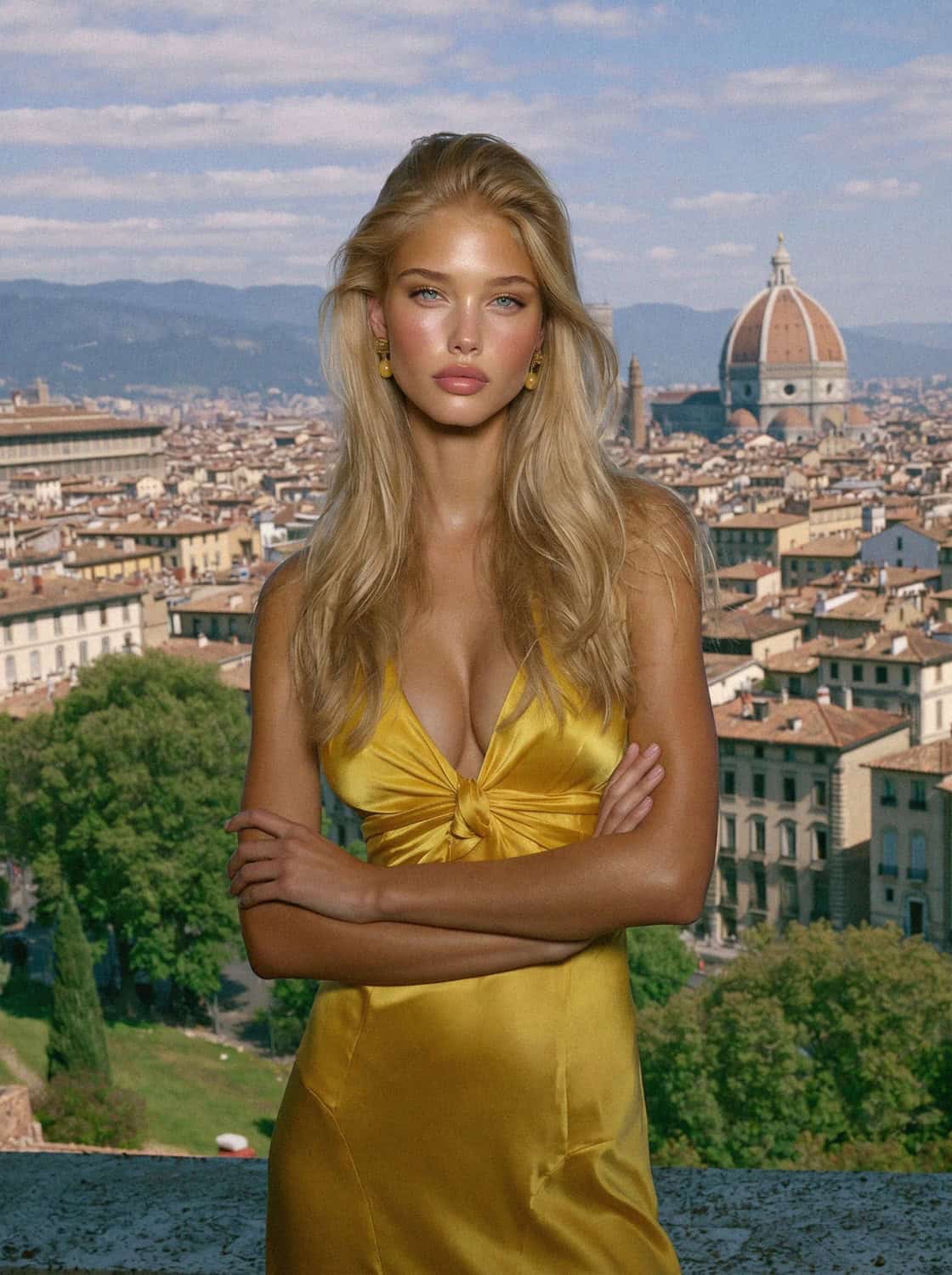
No visit is complete without the walk or bus up to Piazzale Michelangelo, the great terrace on the south bank where the entire city lays itself out below, the dome, the tower, the bridges, the river turning gold. It is popular for good reason, so it is crowded at sunset; for the same view with fewer people, slip into the Rose Garden or the Bardini Garden just below.
See the Basilica of Santa Croce
The Franciscan basilica of Santa Croce is where Florence buries its greatest, Michelangelo, Galileo, Machiavelli, all beneath grand tombs in a soaring Gothic nave, with Giotto frescoes in the chapels. The surrounding neighbourhood, with its leather workshops and quieter squares, is a lovely area to wander afterwards.
See the sculpture at the Bargello
For sculpture, the Bargello is Florence’s quiet treasure and rarely crowded. Housed in a former prison and courthouse, it holds Donatello’s bronze David, the first free-standing nude cast since antiquity, alongside Michelangelo’s youthful Bacchus and works by Cellini and Giambologna. A room here can feel like having the Renaissance to yourself. A few streets away at San Lorenzo, the Medici Chapels hold Michelangelo’s brooding tomb sculptures in the New Sacristy, the allegorical figures of Dawn, Dusk, Night and Day, some of the most powerful marble he ever cut, beneath the vast and gloriously over-the-top Chapel of the Princes.
Climb to San Miniato al Monte
Just above Piazzale Michelangelo stands San Miniato al Monte, an eleventh-century Romanesque basilica that is, for me, the most beautiful church in Florence and one most visitors miss. Its green-and-white marble front, glittering gold apse mosaic and Michelozzo’s Chapel of the Crucifix are wonderful, and entry is free. If you can, come in the late afternoon when the monks sing Gregorian chant at vespers, and step outside afterwards for a view over the city that rivals the terrace below with a fraction of the crowd.
Find the Brancacci Chapel in the Oltrarno
Inside the church of Santa Maria del Carmine, across the river, the Brancacci Chapel holds Masaccio’s frescoes, so revolutionary in their realism and handling of light and perspective that they are often called the Sistine Chapel of the early Renaissance and were studied by the young Michelangelo. It stays peaceful compared with the galleries in the centre, and it is one of the quiet highlights of a slower second or third day.
Frequently Asked Questions
What is the number one thing to do in Florence?
If you do only one thing, climb Brunelleschi’s dome or, if you cannot face the 463 steps, simply stand beneath it in the cathedral piazza. The dome is the symbol of the city and the single sight that defines Florence, and the view from the top over the terracotta rooftops is unforgettable.
How many days do you need in Florence?
Two full days lets you see the big three (Uffizi, Accademia and the Duomo complex) plus the Ponte Vecchio and a sunset at Piazzale Michelangelo. Three days is ideal: it adds the Pitti Palace and Boboli Gardens, Santa Croce, the markets and time simply to wander the Oltrarno.
What is there to do in Florence besides museums?
Plenty. Cross the Ponte Vecchio at dusk, wander the Boboli Gardens, browse the Mercato Centrale, watch sunset from Piazzale Michelangelo or the Rose Garden, explore the artisan Oltrarno, and spend an evening over aperitivo in Piazza Santo Spirito. Florence rewards slow wandering as much as ticking off sights.
Is Piazzale Michelangelo worth it?
Yes, it is the best panoramic view of Florence and free to visit. It is crowded at sunset, so arrive early for a spot at the railing, or for the same view with fewer people head to the nearby Rose Garden or the paid Bardini Garden just below.
Do you need to book everything in advance in Florence?
Only the ticketed sights with timed entry: the Uffizi, the Accademia and the Duomo dome climb should all be booked ahead, especially in high season. Churches, markets, gardens, the Ponte Vecchio and Piazzale Michelangelo need no reservation, so build your free time around them.
Read also: How to Visit the Uffizi, the Accademia and the Duomo | The Best Photo Spots in Florence | The Complete Guide to Florence