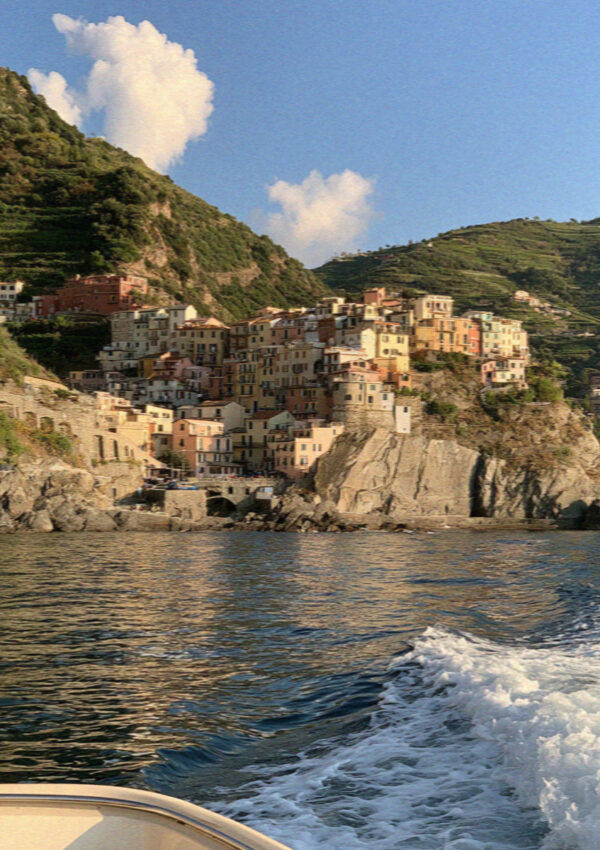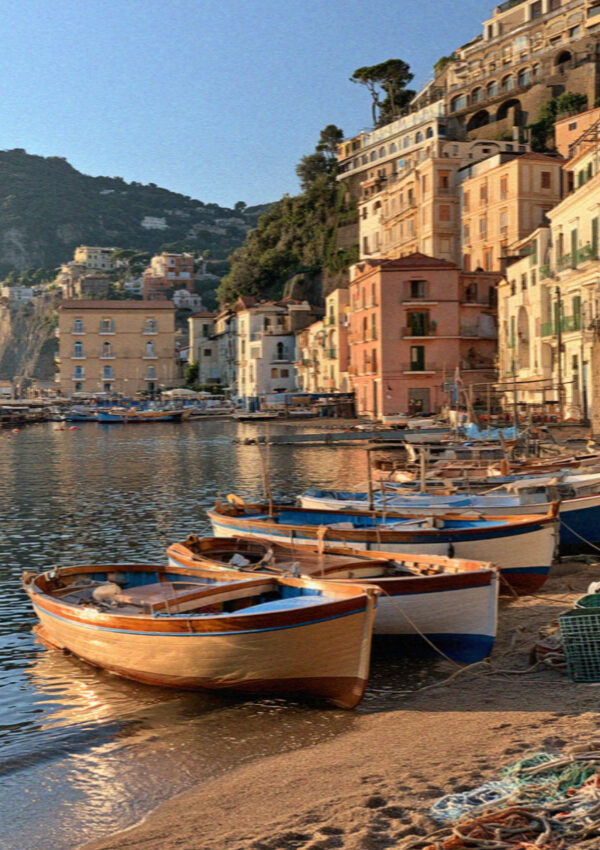
At dusk the tenders begin their crossing. Small, low, running without lights until they clear the moorings, then a lamp at the stern and a wake folding out behind them across the flat water of the bay. They carry people from the shore to the ships, and the ships wait offshore in a long line, lit from within, the way a street looks when you see it from a hill at night.
Cannes in May belongs to the cinema. It also belongs, quietly, to the water.
The 79th Cannes Film Festival runs from 12 to 23 May 2026, and for those twelve days the sea off the Boulevard de la Croisette fills with superyachts. Some belong to studios. Some to brands. Some to people whose names never appear on any screen. If you want the whole of it, the festival and the coast at once, you watch from out there. This piece is a companion to Victoria’s Guide to the Cannes Film Festival, and it is about the yachts.
The Two Anchorages
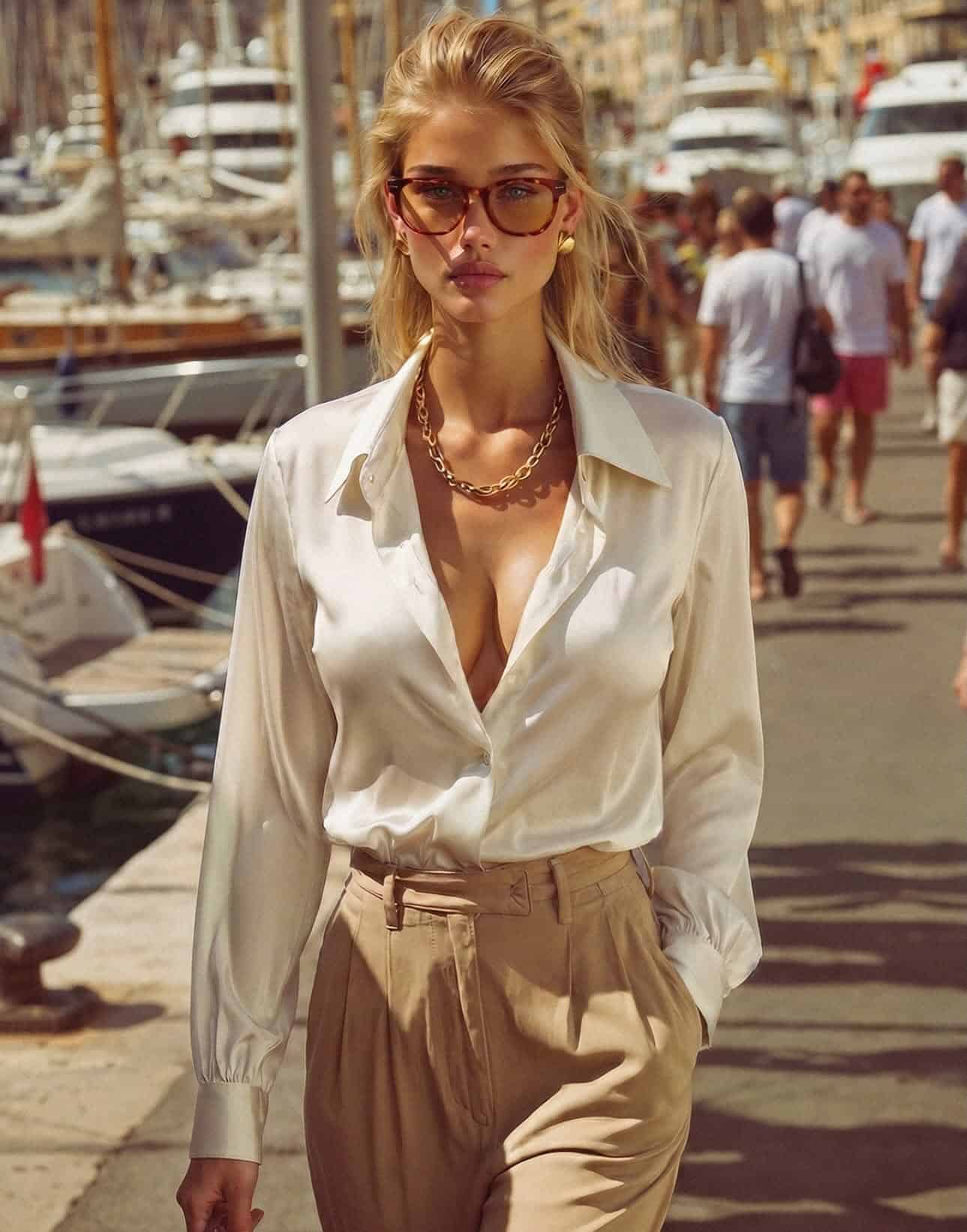
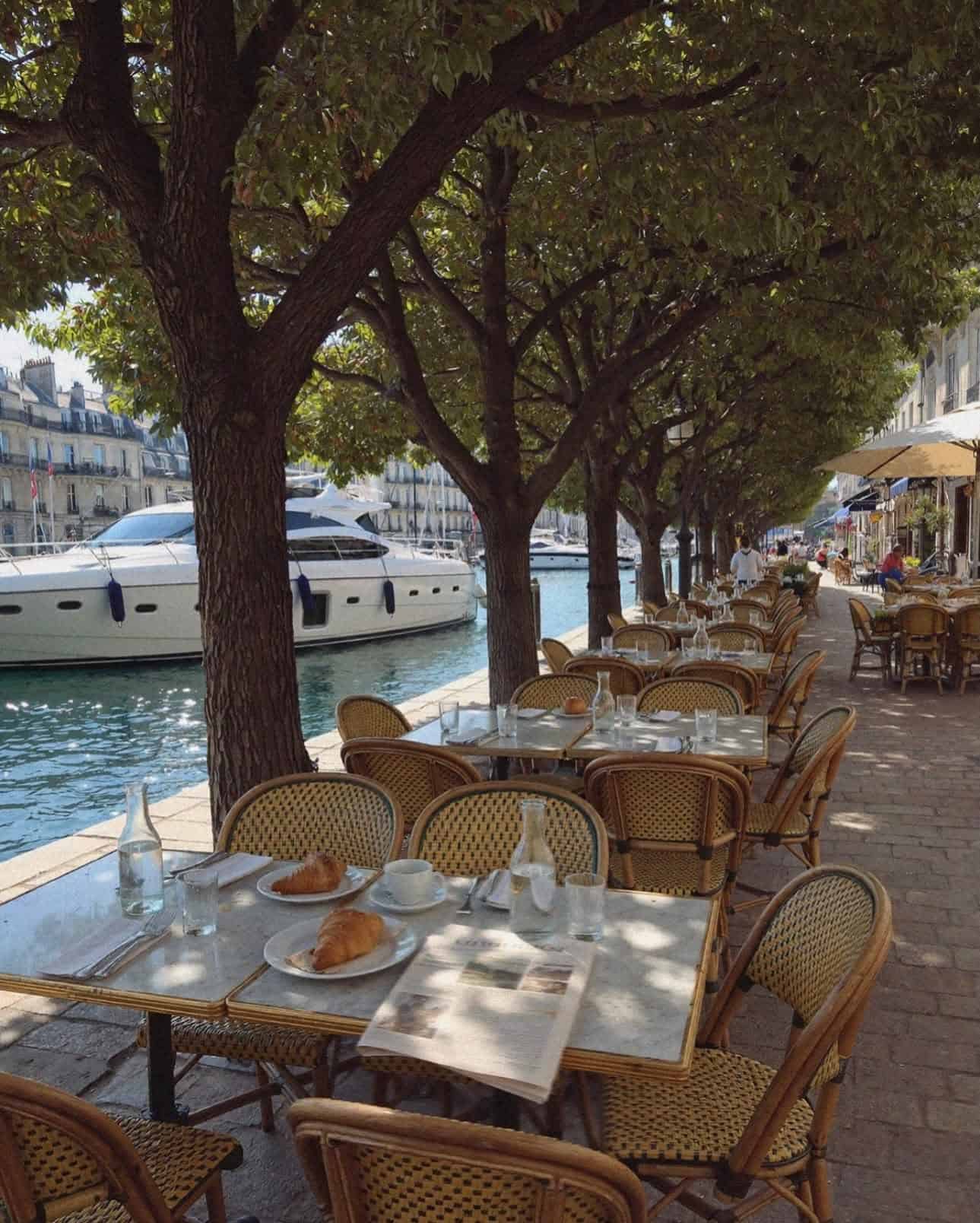
There are two places to be. The first is the Vieux Port, the old harbour beside the Palais des Festivals, where the larger yachts take stern-to berths and the passerelle drops directly onto the quay. From the Vieux Port you step off your deck and walk to a screening. The proximity is the point, and the point is expensive.
The second is the bay itself, the anchorage off the Croisette, where the boats too long for the harbour lie at anchor in open water. The distance is bridged by tender, that small crossing at dusk repeated a hundred times a night. It is less convenient and, to my eye, more beautiful. You look back at the shore, the hotels along the Croisette burning gold, the red steps of the Palais somewhere in the middle of it, and the whole festival becomes a thing you observe rather than a thing you are inside.
How You Get Aboard
There are three routes, and they cost differently.
The first is the full charter. You take a yacht for the week, crew and chef and tenders included, and it is yours to sleep on, to work from by day and to open to guests by night. This is what the studios do. It is the most complete way to be in Cannes and the most costly, and I will come to the numbers.
The second is per-day hospitality. Certain yachts sell the deck by the day, a berth for lunch and meetings and a place to receive people, without the weekly commitment. Brands take these to host. It is the sensible middle.
The third is the invitation, which cannot be bought and is the only one that matters to most people who ever set foot on these decks. You are asked to a party. You cross at dusk. You do not own the boat and you never will, and it does not lessen the evening at all.
The Parties on the Water
By day the yachts are offices. Deals are done on the aft deck under an awning, laptops open beside the champagne buckets, agents in linen doing the ordinary business of the industry in an extraordinary place.
By night they become something else. The parties held on the water are among the most sought-after of the festival, precisely because the water keeps people out. There is no queue to argue your way past. There is only the tender list, and you are on it or you are not. Music carries across the bay in a way it never does on land, thinned and made strange by the distance, so that from the Croisette you hear a party you were not invited to and it sounds like weather.
The dressing is the dressing of the festival, black tie loosened by sea air. The photography happens, as it always does, though rarely of the boats themselves. What is remembered is the crossing back, late, the shore lights doubling on the water and the engine low.
For the land side of the same nights, I have written separately on Cannes Film Festival Parties and Nightlife.
The Monaco Parallel
Sixty kilometres east along the same coast, the Monaco Grand Prix does an almost identical thing. Port Hercule fills with superyachts, the decks become grandstands, and the race is watched from the rail with a glass in hand. I have stood on those decks, and the resemblance to Cannes is close enough to be uncanny. Same coast, same boats in many cases, moving from one event to the next a few weeks apart, the crews barely changing the linen.
The difference is what you are watching. In Monaco the spectacle is the noise, the cars, the closed circuit running below the terraces. In Cannes the spectacle is quieter and further off, the red steps, the arriving cars, the light of the shore. If the Grand Prix version calls to you, I have set it down in full in Victoria’s Guide to the Monaco Grand Prix.
Rough Costs and When to Book
The numbers are large and they are honest. A full weekly charter of a proper superyacht during the festival runs from roughly 150,000 euros at the smaller end to well past a million for the largest boats, and the festival dates carry a premium on top of the ordinary summer rate. Below that, a day charter of a modest motor yacht can be had for a few thousand euros, enough to lie in the bay for an afternoon and watch. Per-day hospitality packages sit in between, priced by the boat and the day, and are worth asking about early.
On timing, the rule is simple. The prime berths in the Vieux Port and the best boats are spoken for far in advance, often the previous autumn, sometimes a year out. If you are chartering, begin in winter. If you are hoping for hospitality or a party invitation, cultivate it in the spring and be gracious about the answer. The water rewards people who plan and is closed, entirely, to those who arrive hoping.
Where you sleep the rest of the week still matters, on the boat or off it. I have gathered the shore options in Where to Stay for the Cannes Film Festival.
Frequently Asked Questions
Can you charter a yacht just for the festival dates?
Yes, and most people do exactly that, taking the boat for the twelve days or for a shorter stretch within them rather than the full season. Expect a festival premium above the normal weekly rate, and expect the good boats to be gone if you leave it late. The brokers who work these dates plan them the previous year, so the earlier you reach them the more you have to choose from.
Do you need to charter, or can you just be invited?
Most people who spend an evening on these yachts never pay for the boat at all. They are invited. The parties run on tender lists and personal invitation, and no amount of money buys a place on one you were not asked to. If you are not chartering, the route in is the people you know and the events you are drawn into, which is a slower and less certain thing than a booking, and often more memorable.
Vieux Port berth or anchor in the bay?
The berth in the Vieux Port gives you the walk, off the deck and straight to the Palais, and it costs accordingly and books first. The anchorage in the bay gives you the view, the whole shore laid out and the tender crossing at either end of the night. If convenience is what you are buying, take the harbour. If it is the sea and the distance, stay out in the bay.
How does it compare to the Monaco Grand Prix scene?
Very closely, and often with the same boats. Both fill a harbour on the same coast with superyachts used as floating grandstands and party decks, a few weeks apart in the same spring. Monaco is louder, built around the race and the circuit below. Cannes is quieter and turned toward the light of the shore. If you love one you tend to love the other, and many people do both in a single May.
V.
Read also: Victoria’s Guide to the Cannes Film Festival