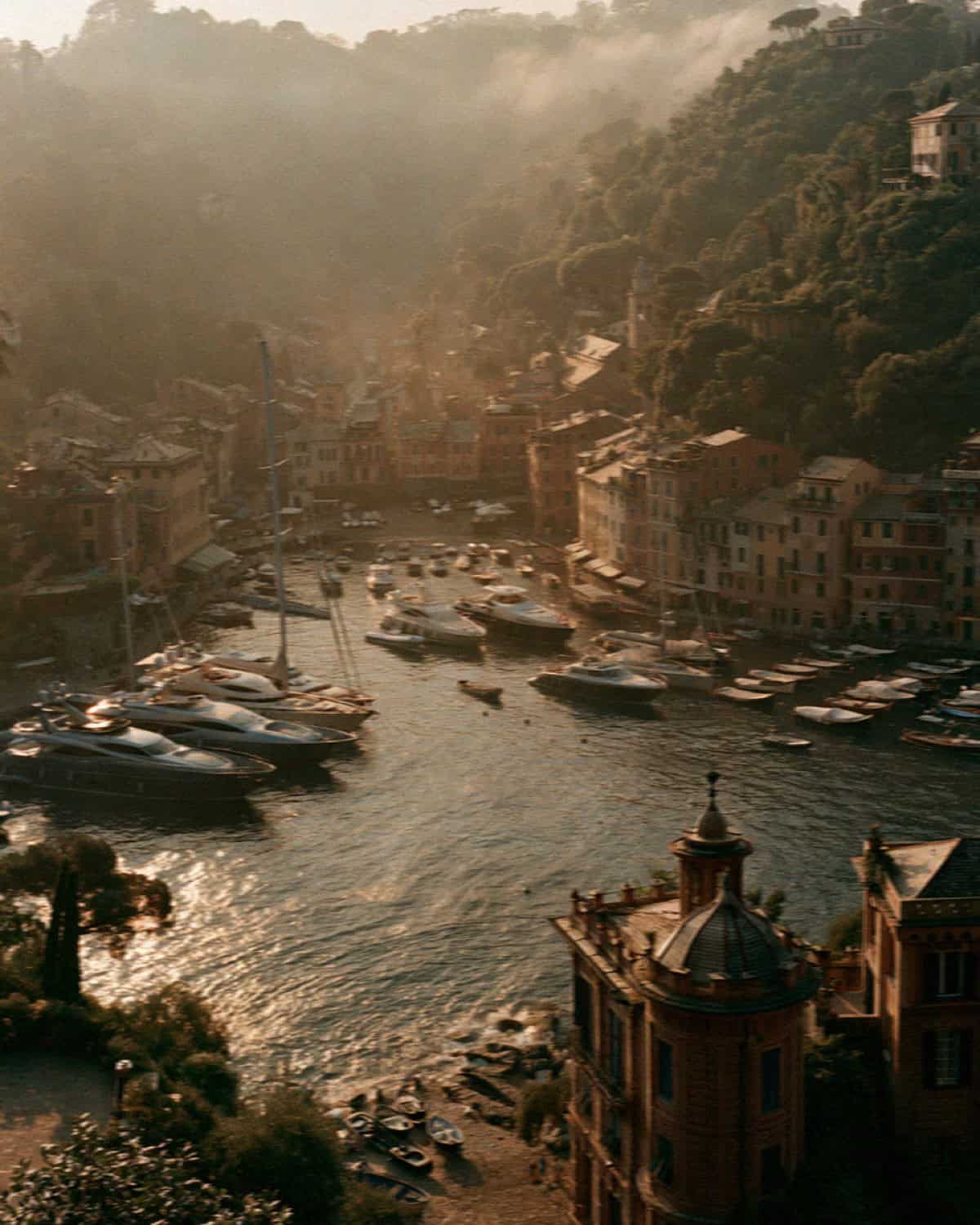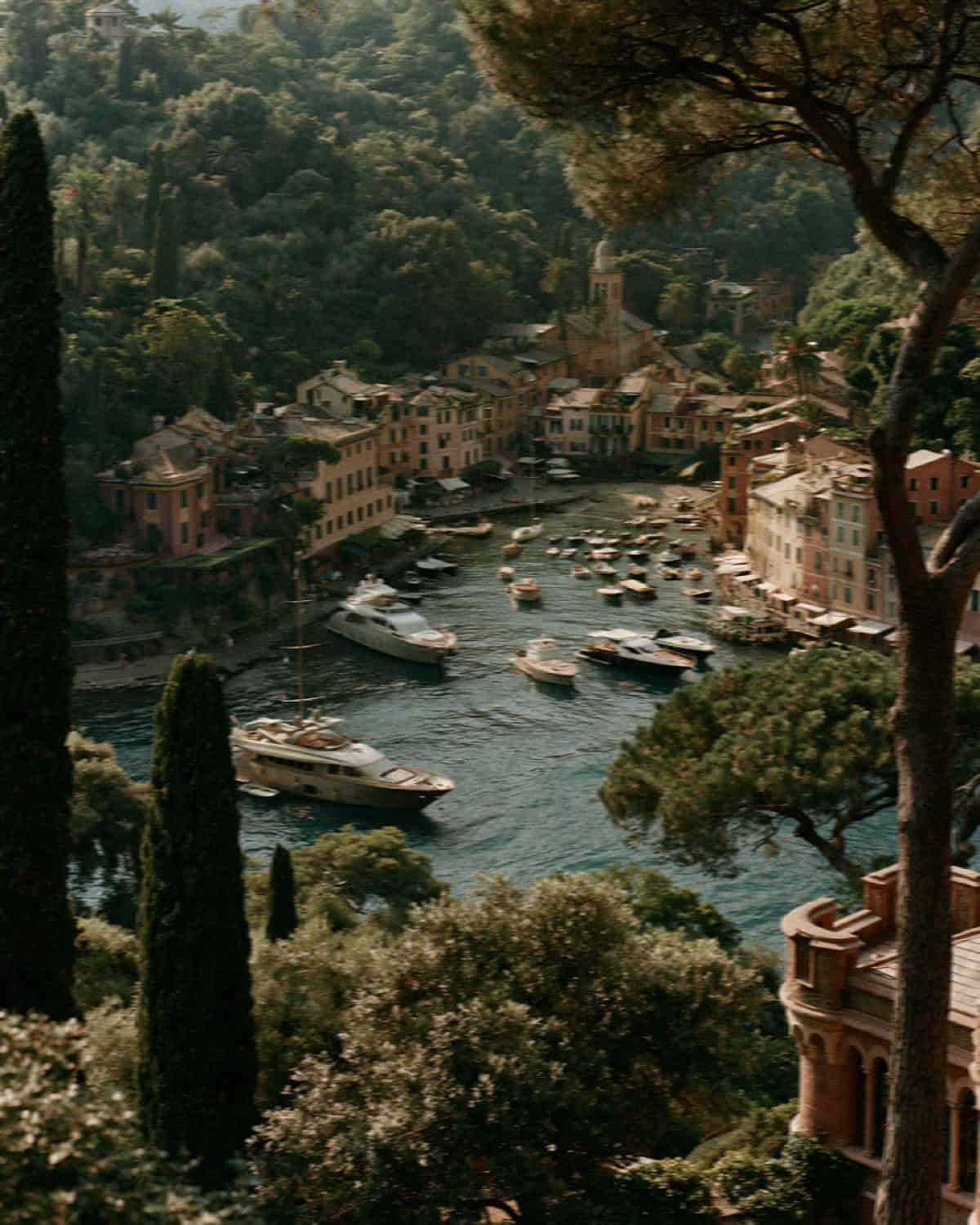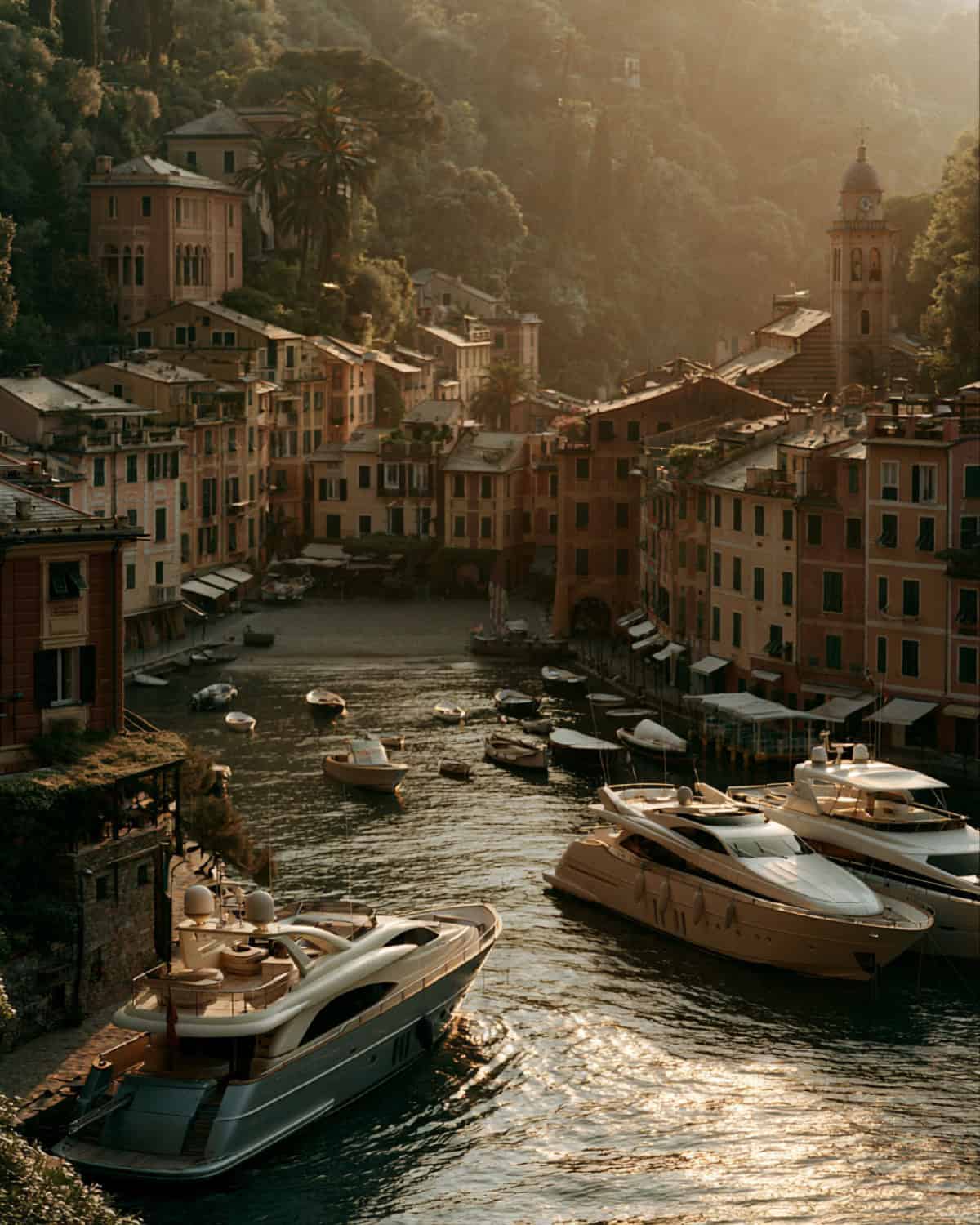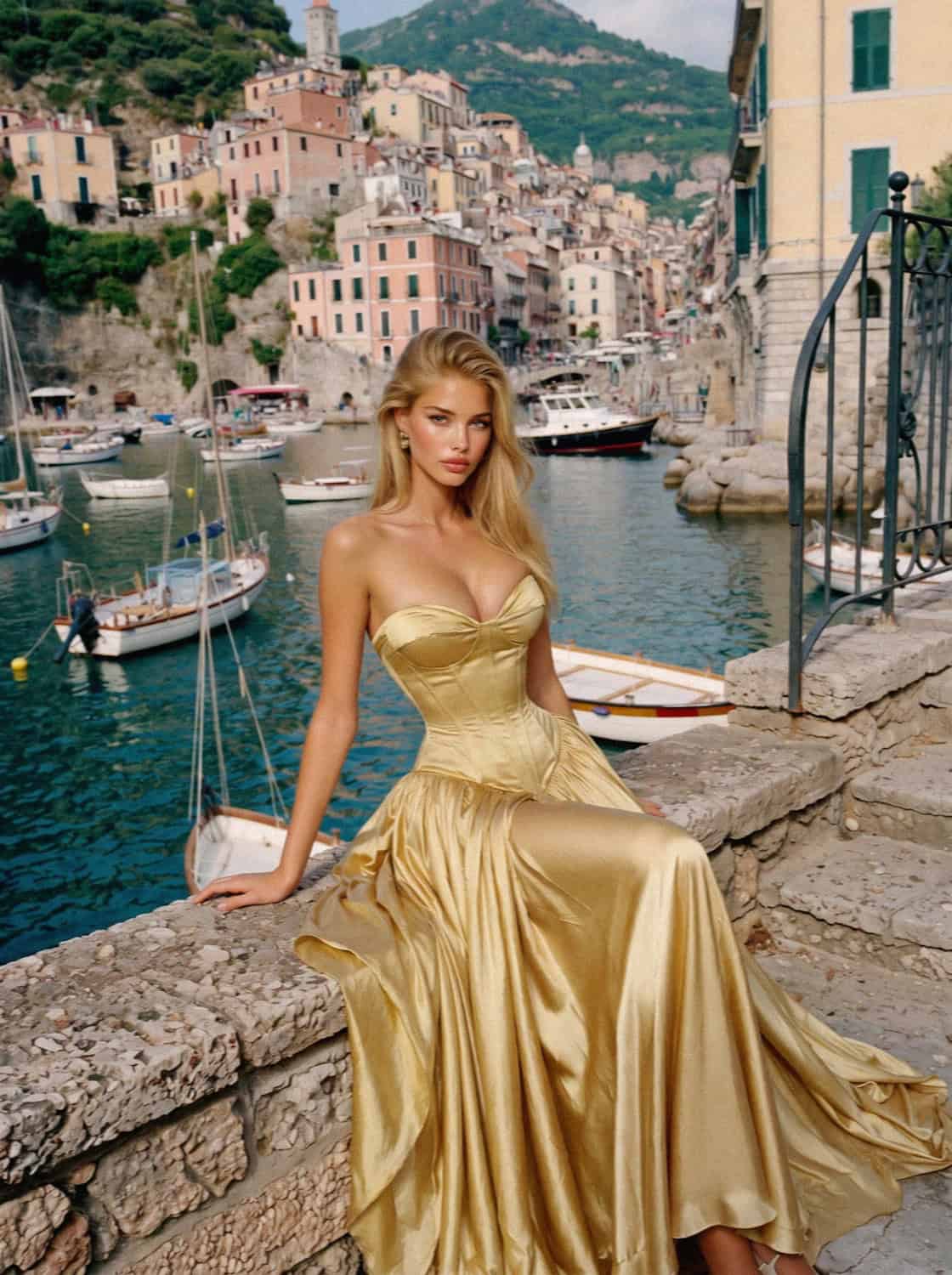
You arrive in Portofino, and it is smaller than you imagined, and then, almost immediately, it feels exactly the right size. The road ends because there is nowhere left for it to go. The hills fold themselves gently into the sea, and the town settles into the last crease of them, a handful of ochre, rose and faded green houses standing shoulder to shoulder around a harbour that somehow seems too small for all the beauty it holds.
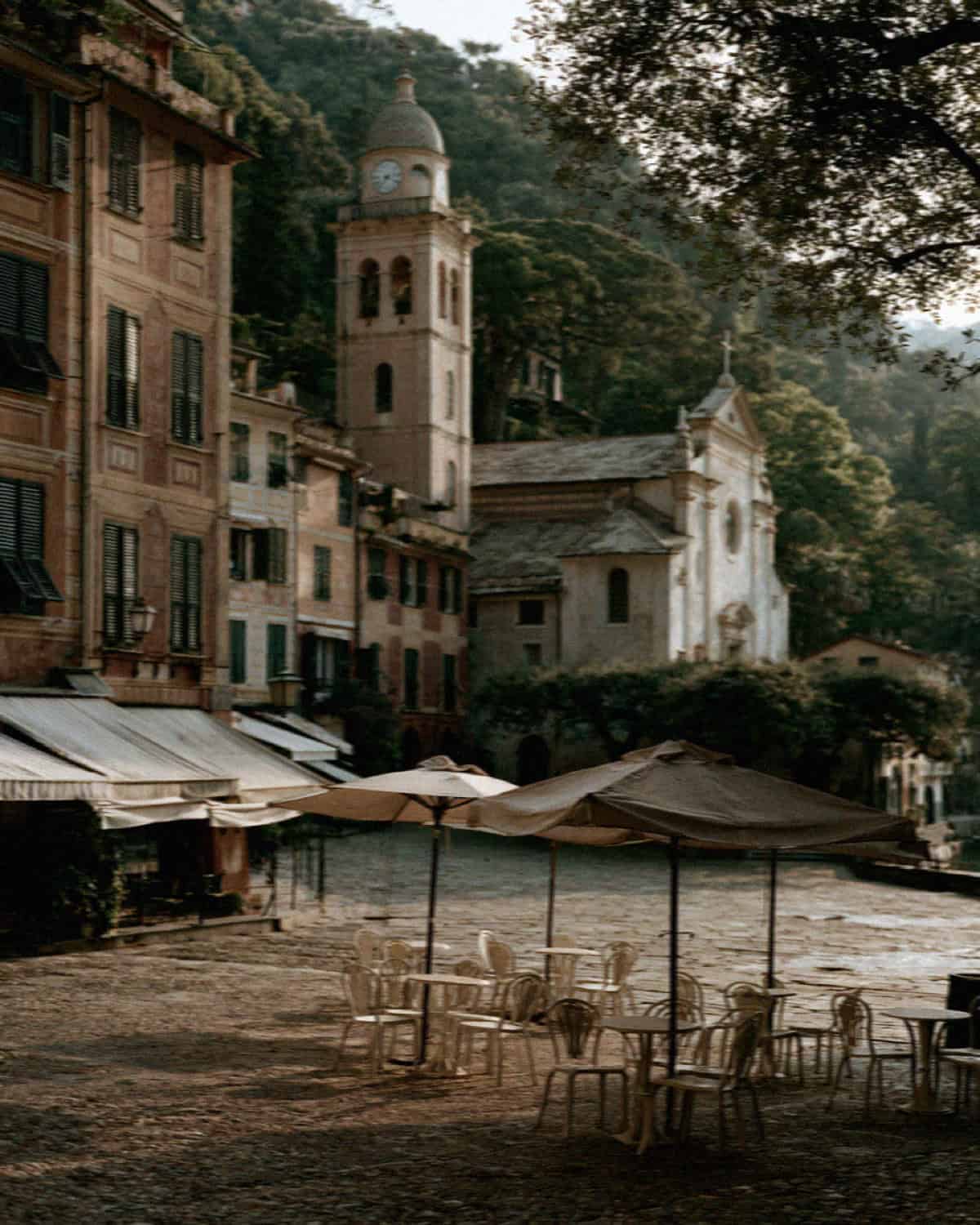
I arrived in the morning, while the light was still deciding what kind of day it wanted to become. The boats had not quite woken. A man was hosing down the stones of the piazzetta, and the water ran between the café tables before slipping over the edge of the quay. For a moment the whole square smelled of salt, clean stone and yesterday’s espresso. I found a chair where the pastel houses leaned into their own reflections and ordered a coffee I did not especially want, simply because it gave me permission to stay a little longer.

That is the thing nobody quite prepares you for. There is remarkably little to do in Portofino. There is no museum you feel obliged to visit, no queue you are expected to join, no monument demanding your attention. There is only the harbour, and the changing light upon it, and the quiet privilege of sitting beside both. It sounds easy until you try it. We have become so accustomed to collecting experiences that we sometimes forget how to simply keep one company.
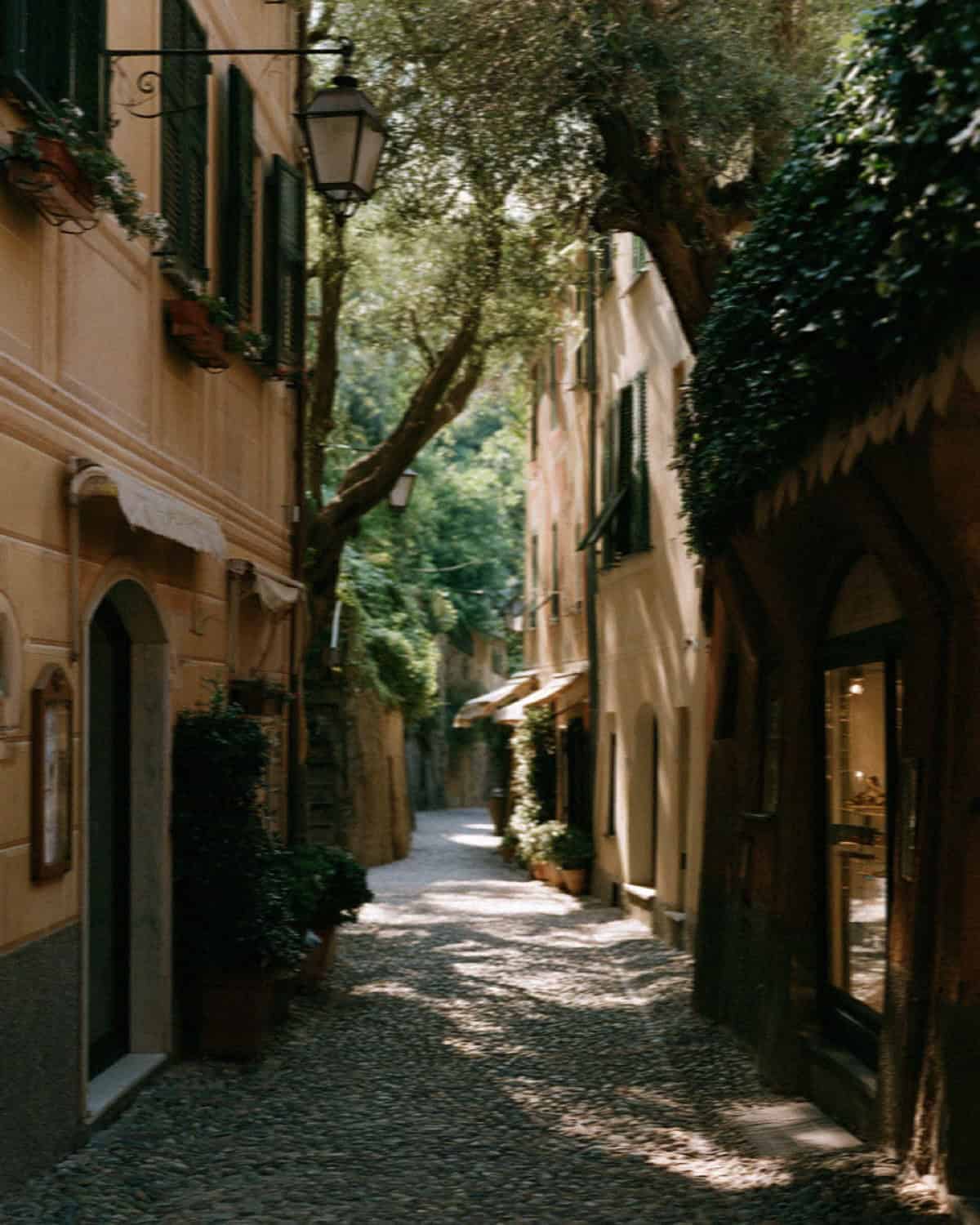
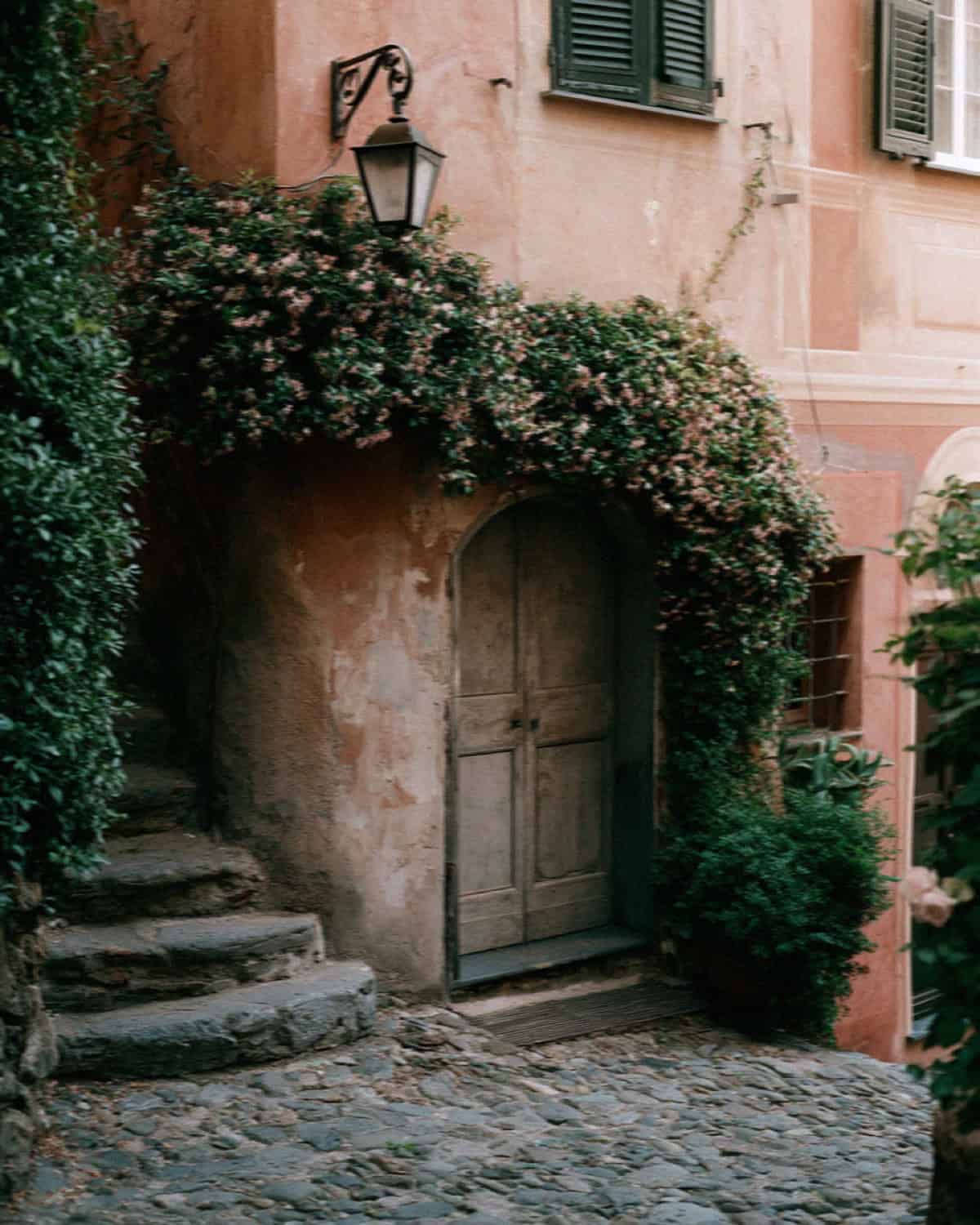
After coffee, I wandered into the caruggi, the narrow lanes that climb away from the water, so close together in places that you could almost touch both walls at once. The little shops kept their doors open against the warmth. Linen. Leather. A tiny jeweller with only three rings resting on grey velvet. I wanted all of it and carried none of it away. I have learned that in places like this, wanting is often the sweeter half of the story. Owning only confirms that the object could never quite live up to the street that introduced you to it.

Later I followed the path behind the town, climbing through olive trees and dark pines toward Castello Brown, the old fortress that has watched over this harbour for centuries. It is not a difficult walk. Nothing in Portofino ever seems especially far away. You climb only enough for everything below to rearrange itself into a little world you feel you could almost hold in your hands: the boats scattered like toys, San Giorgio bright against the headland, and the sea stretching farther than the eye can persuade itself to follow until blue quietly becomes light.
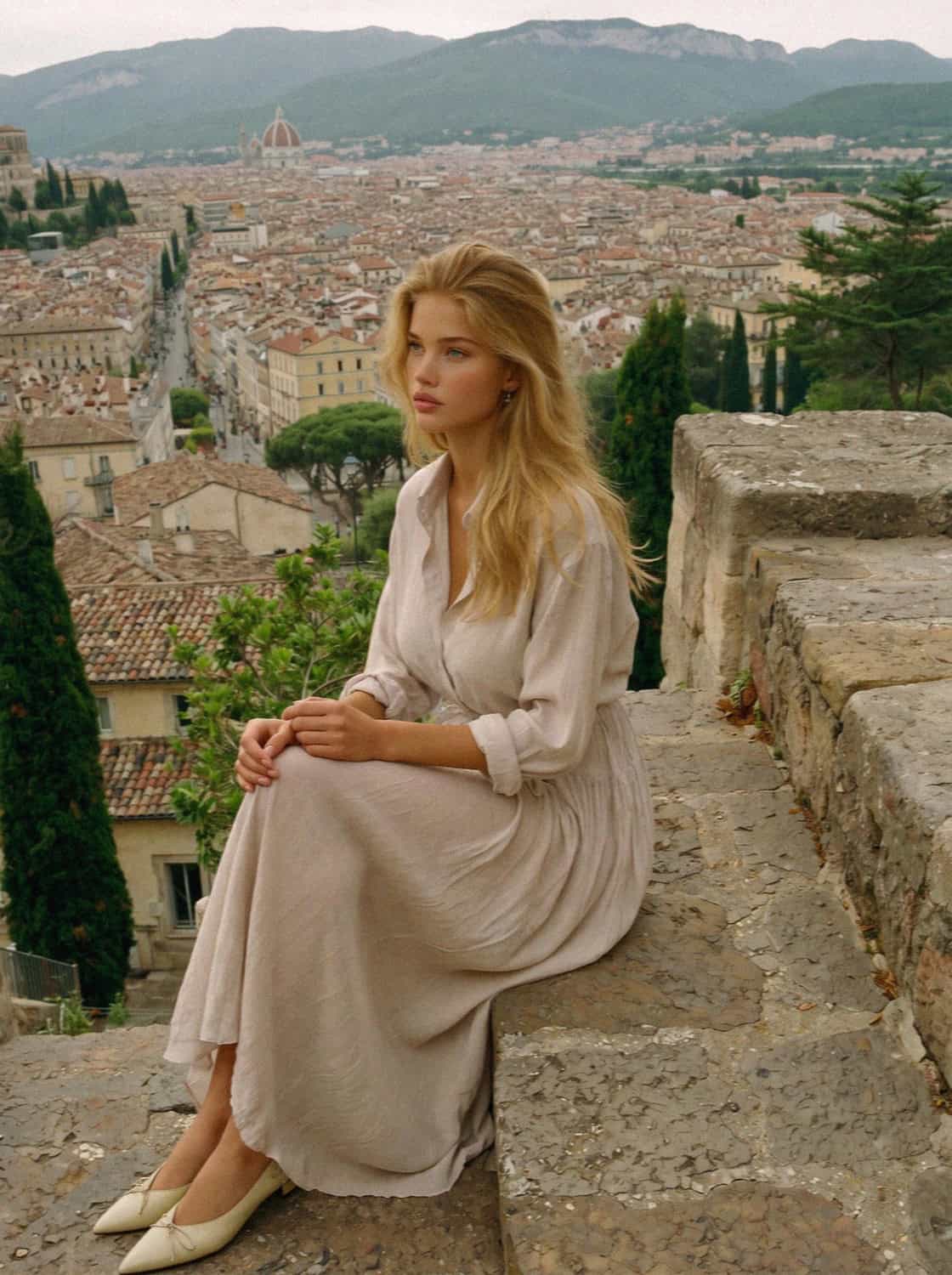
I stood beside the old wall for a long while. Two English voices appeared behind me on the path. They reached the viewpoint, looked out across the bay, and fell silent without discussing it. I smiled to myself. Some views seem to ask that of us.
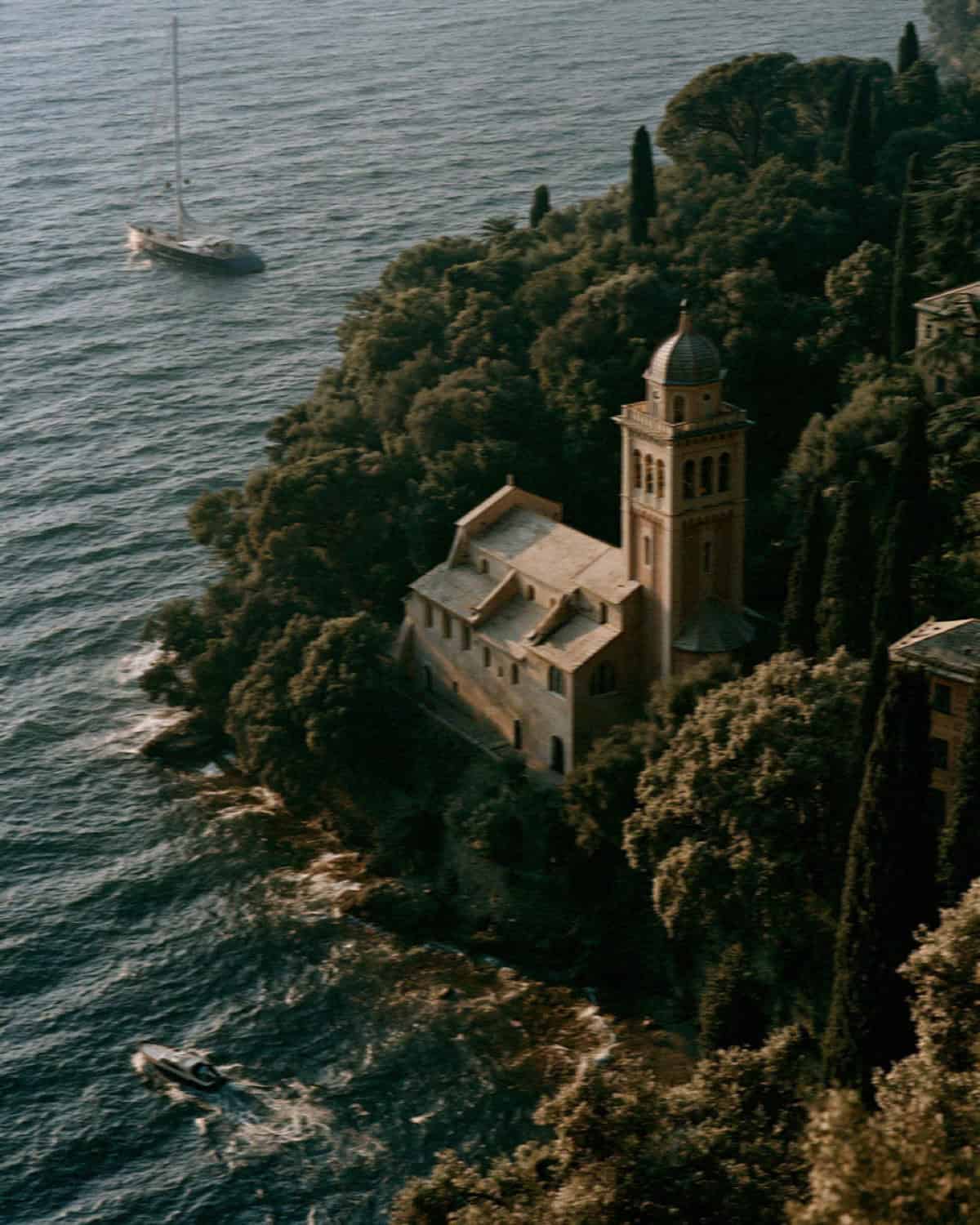
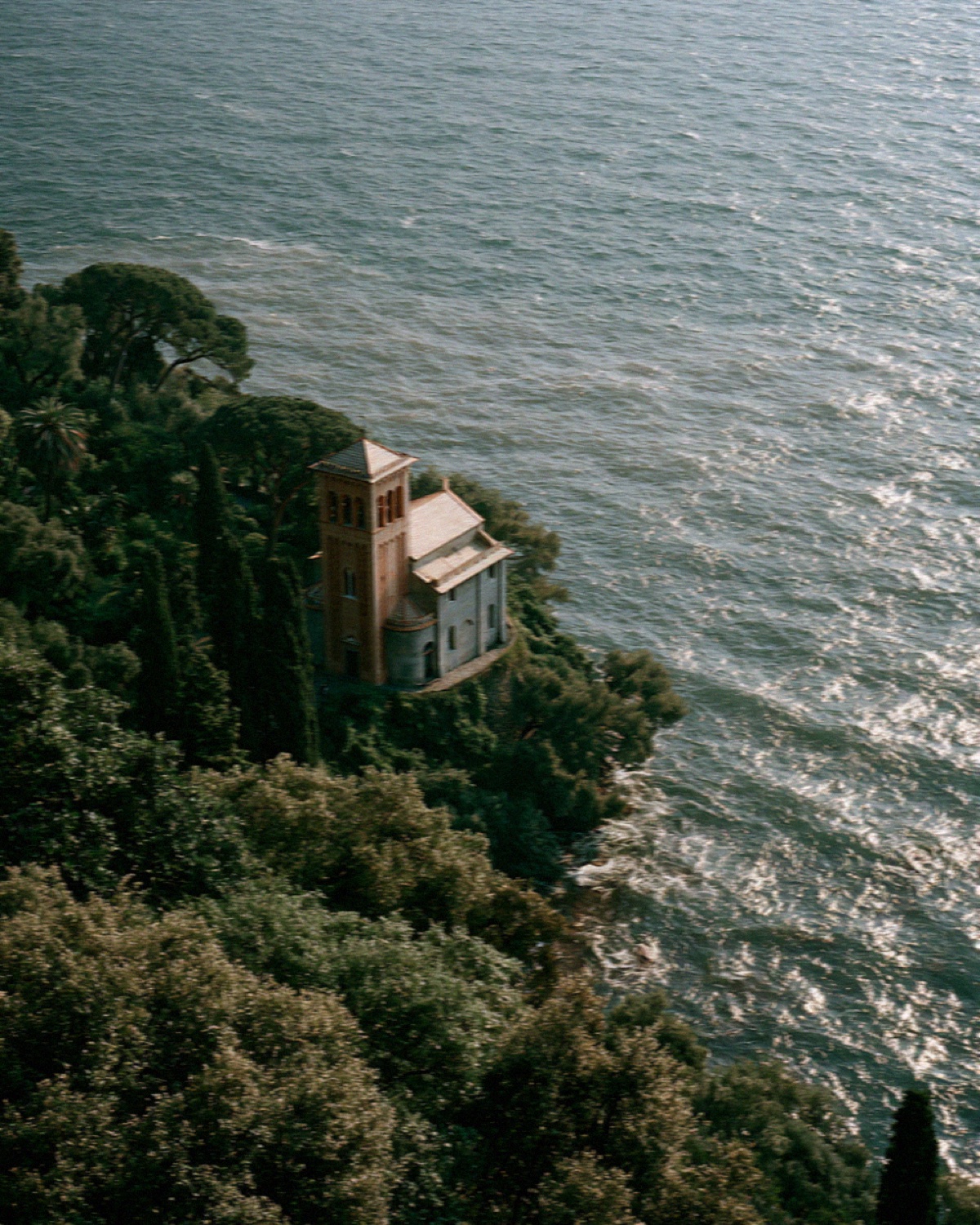
I found San Giorgio almost by accident, although perhaps that is how every good place in a town like this is meant to be discovered. The little church sits quietly above the harbour, sun-bleached outside and wonderfully cool within. There was no one else there. Only the scent of old wax, the price of a candle, and the sound of the sea drifting through a doorway someone had propped open with a wooden chair.
I lit one, the way I always have, and stood in the doorway while it burned. A quiet thank you for the morning, for the water, for the small grace of being here at all. Then I watched a single sailboat draw an unhurried white line across the mouth of the bay.
By afternoon the town had changed completely. It does that. Around noon the day-trippers arrive and the piazzetta begins to hum with conversation and footsteps and camera shutters. Then, almost as quietly, evening gathers them all back again, leaving Portofino to those of us who decided not to rush away.
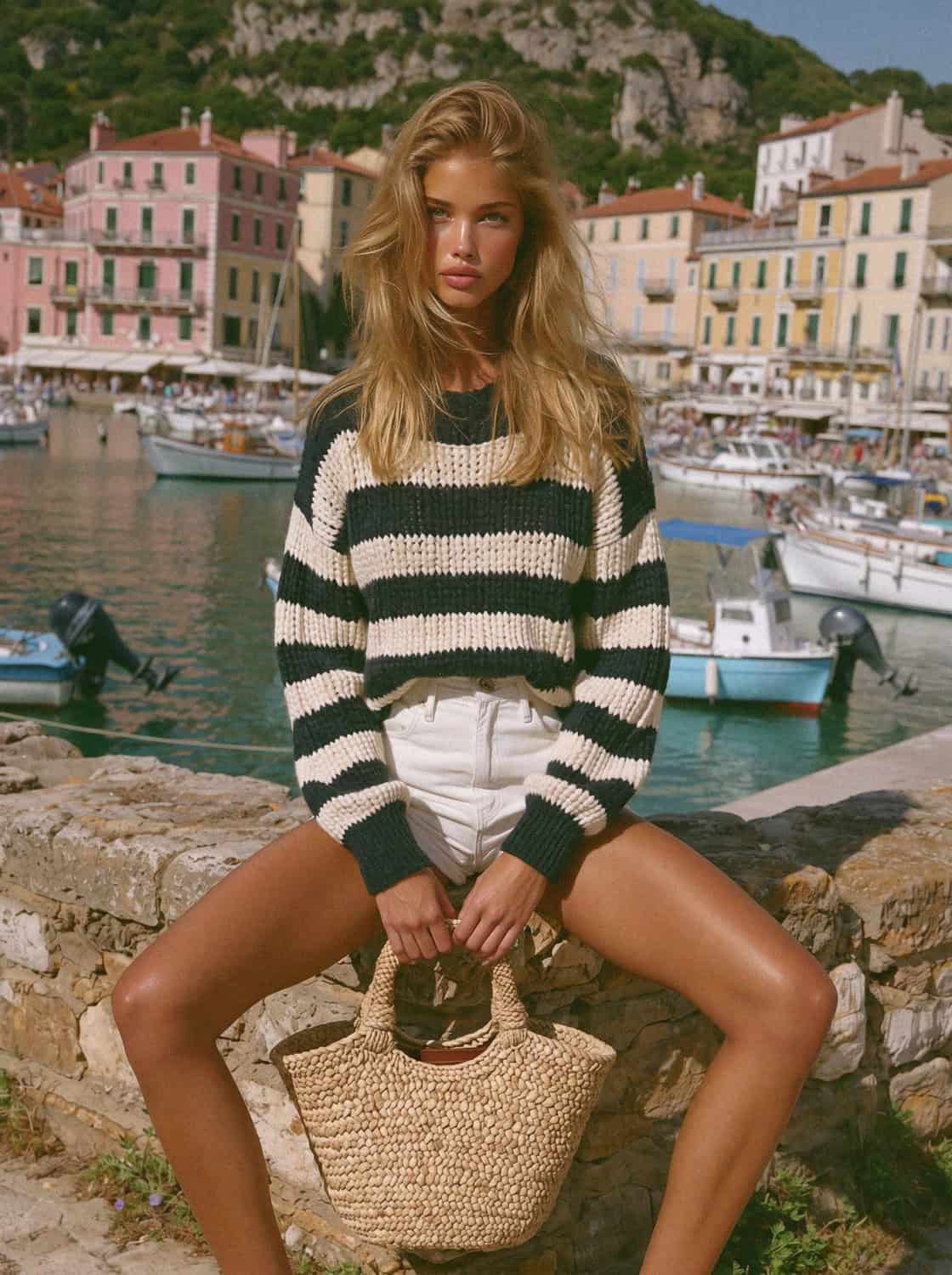
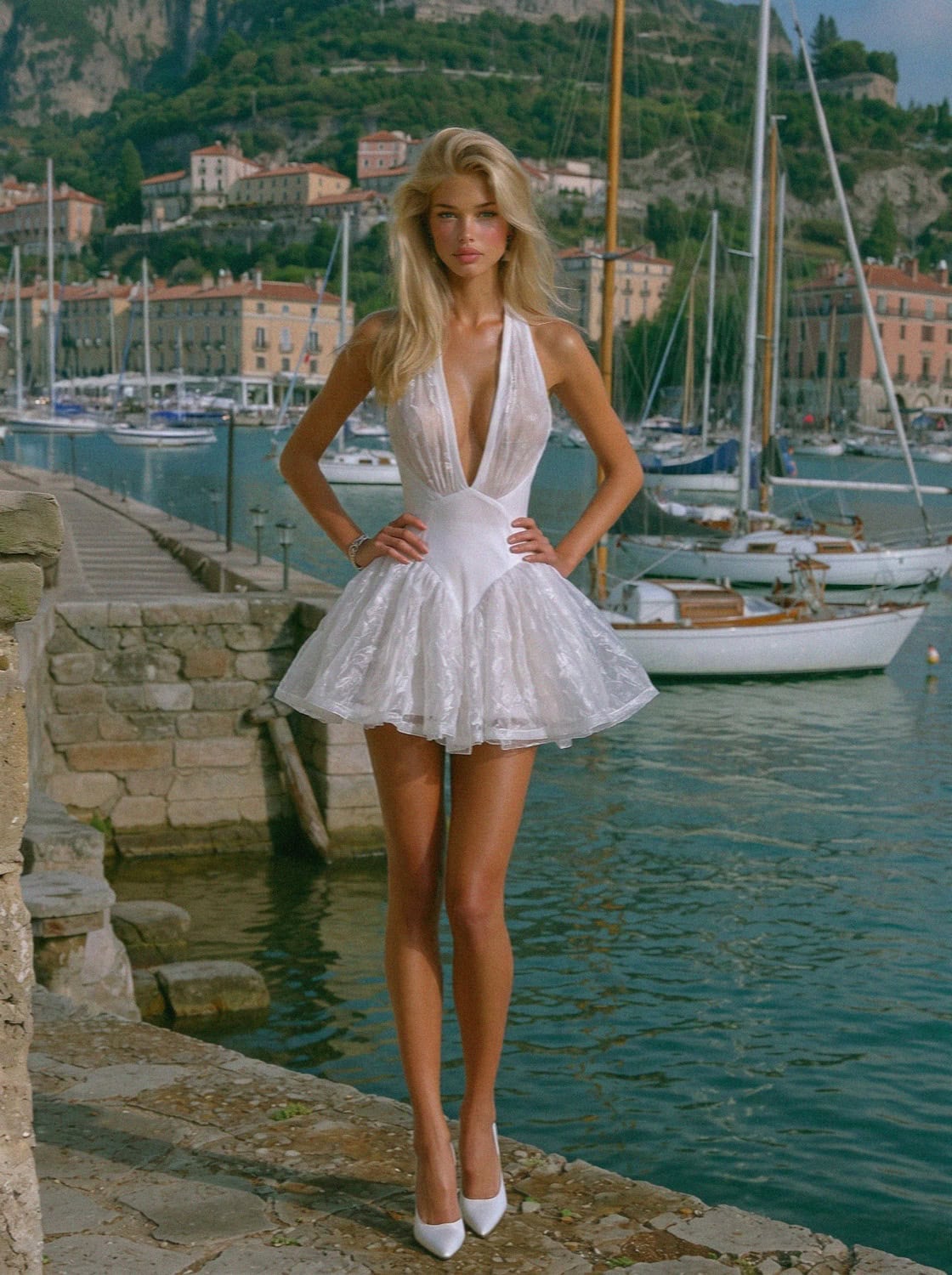
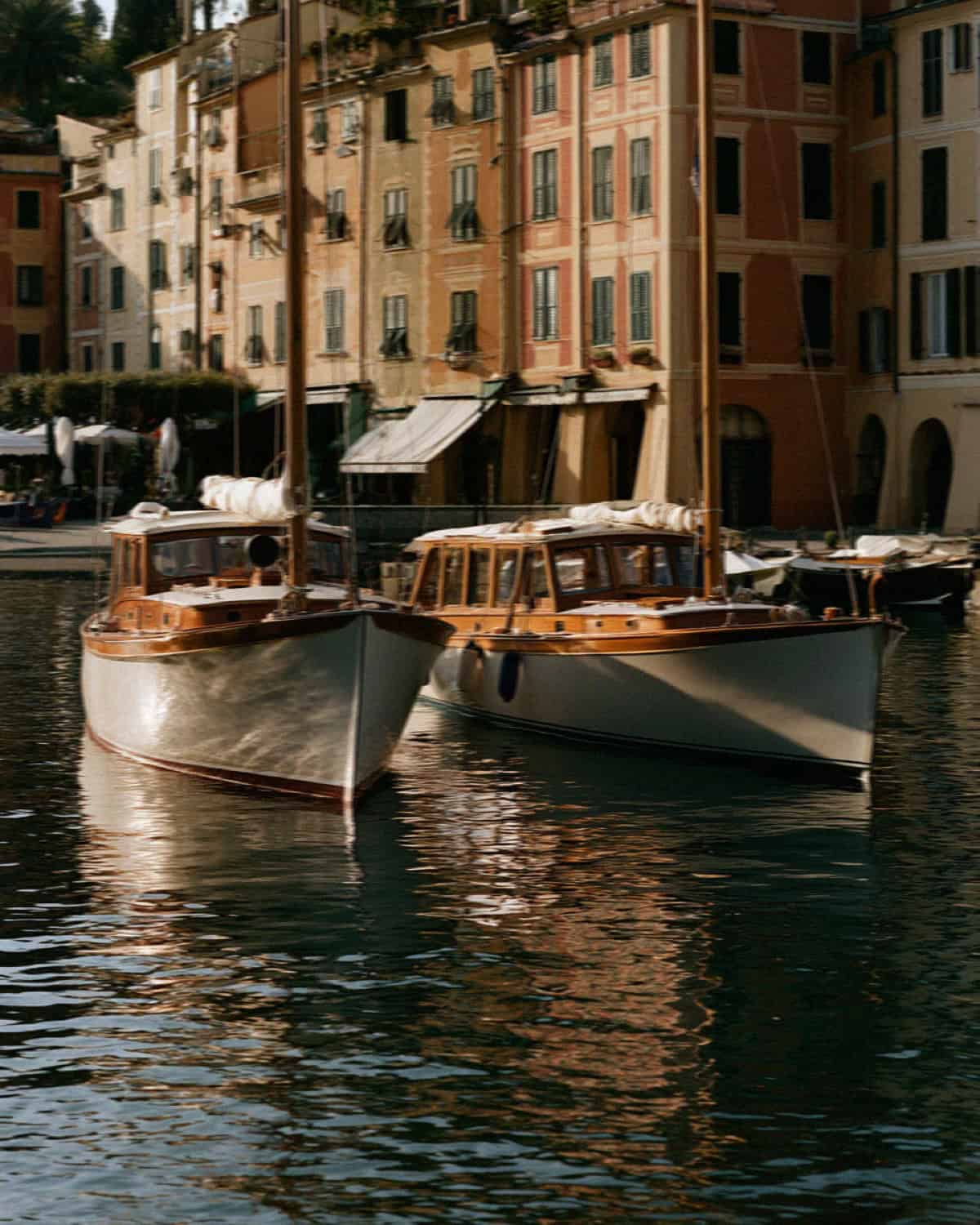
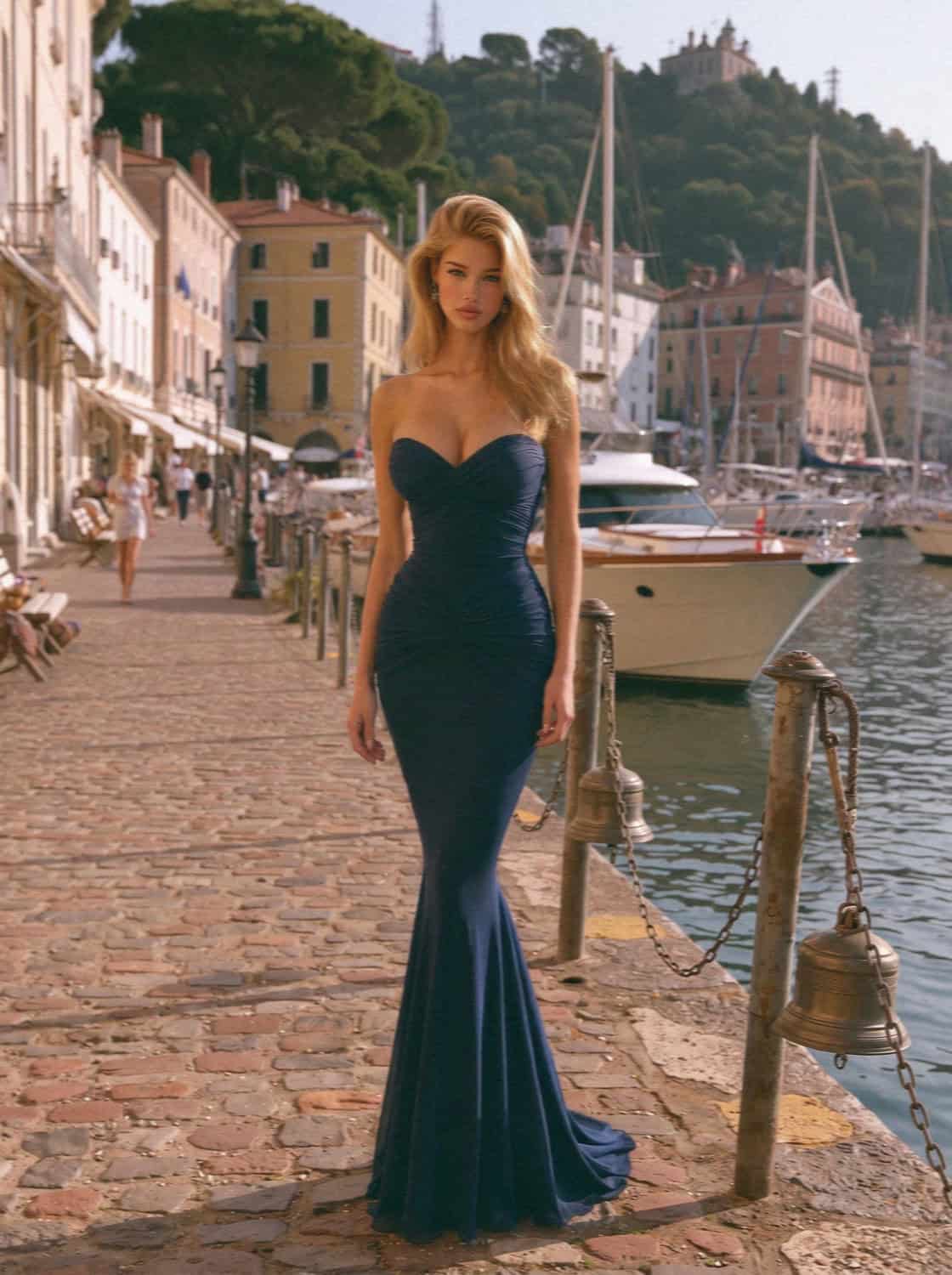
I let myself drift with the afternoon for a while. I sat beside the harbour with an Aperol the colour of the coming sunset and watched a polished wooden boat, all varnish and brass, ease against the quay. A family dressed entirely in white stepped ashore without once looking back at the harbour they had just crossed. I watched it instead. Somebody should.
Later a small boat carried me out into the bay. Only for an hour. Only far enough that Portofino became something looking back at me instead of the other way around. From the water the town seems even less believable, that impossible gathering of colour beneath the green hillside, glowing as though someone had quietly lit it from within. The captain switched off the engine, and we drifted together without speaking. It may have been the best conversation I had all day.
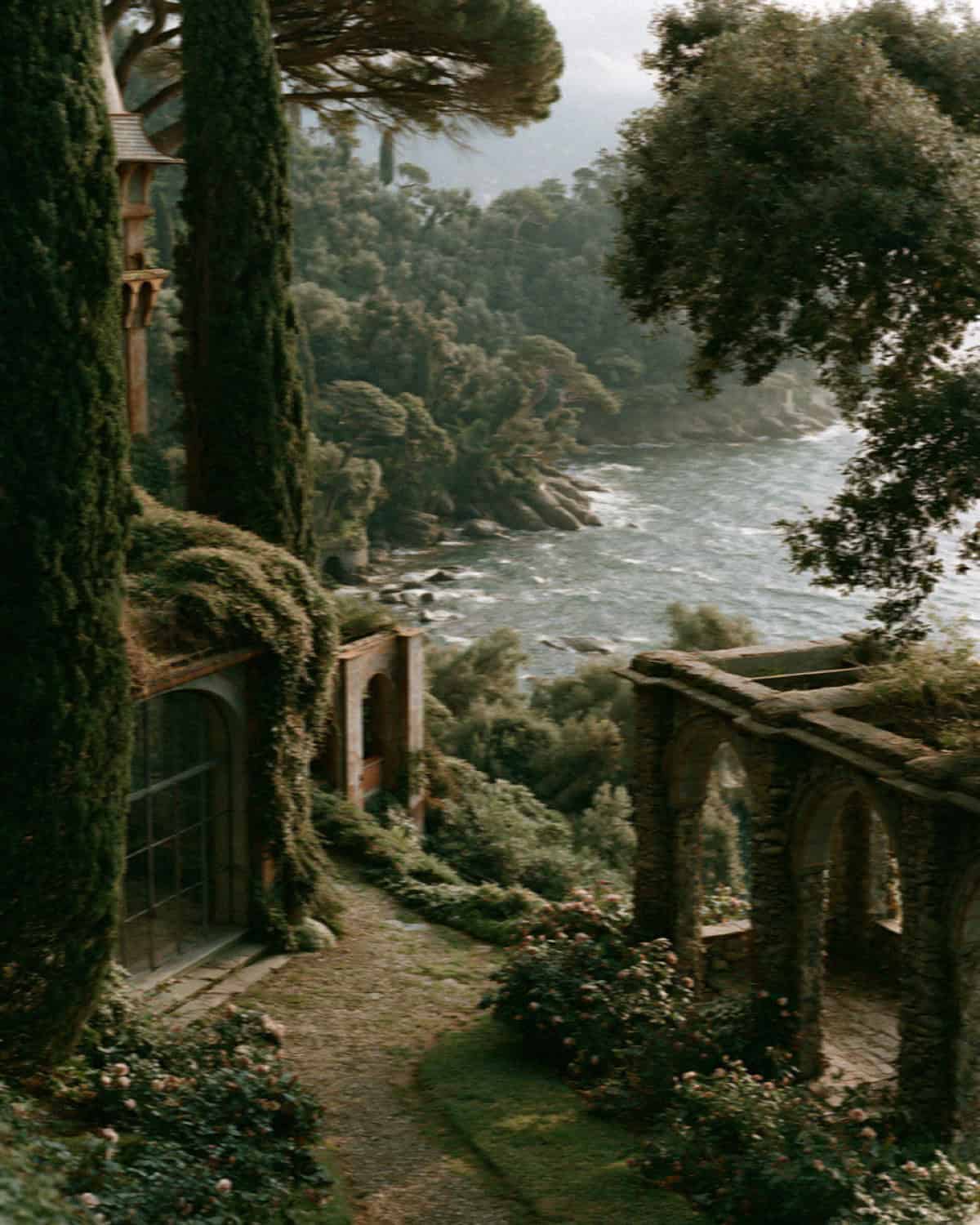
I am staying up the hill, where the gardens tumble down in terraces toward the sea. There is a pool the same deep green as the water below and a pergola that lets purple flowers fall gently across the old stone. Toward the end of the afternoon I sat there while the shadows lengthened and the harbour slowly turned from silver to gold and then into something softer than either.
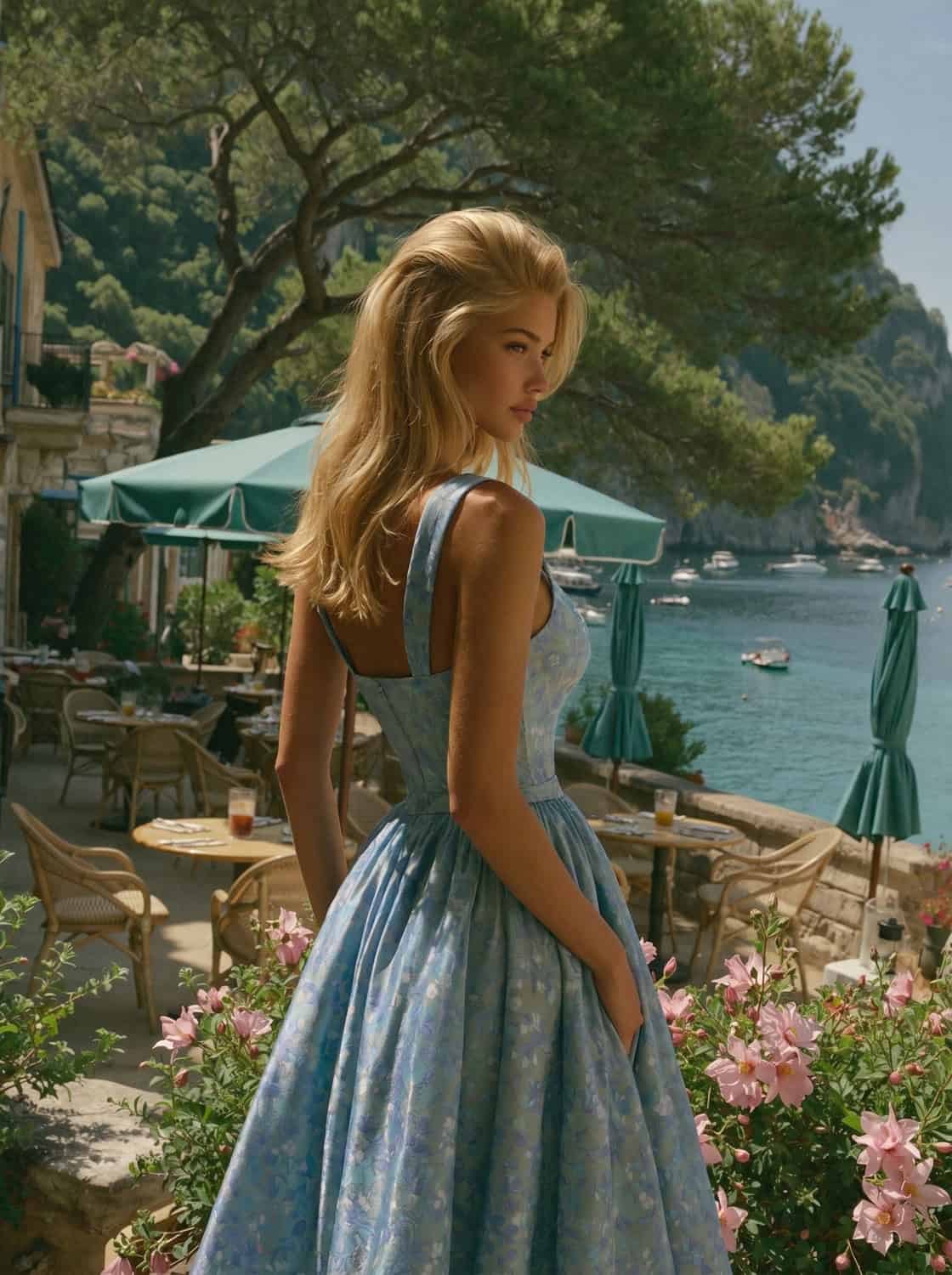
A waiter appeared beside me with a negroni before I had asked for one. He had simply noticed the moment. I liked that very much. In Portofino, people seem to care for you the way the weather does, quietly, almost before you realise you need anything at all.
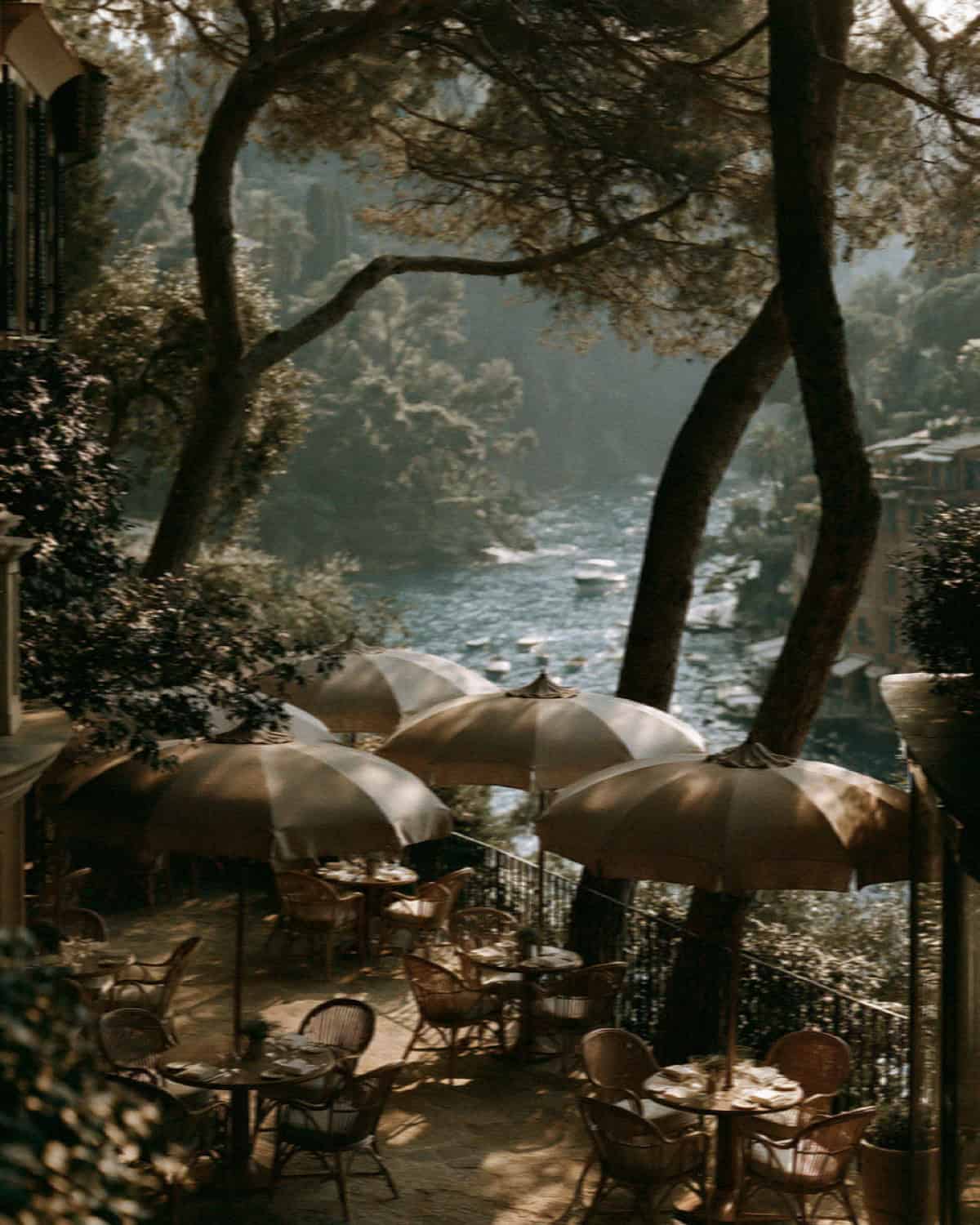
Dinner was outside, as it always seems to be here. String lights appeared above the tables one by one while the last boats knocked softly against the dock. Someone nearby laughed with the particular contentment of having had exactly enough wine. I ate slowly. The local wine was cool and uncomplicated and perfect for the evening. I found myself thinking how strange it is that happiness can arrive so gently, and stranger still that even while you are living it, some part of you already knows you will spend years trying to find your way back.

Tomorrow I want to follow the coast toward Paraggi, that little emerald cove between here and Santa Margherita where striped umbrellas stand beneath the pines, and the sea turns the most impossible shade of green. I caught only a glimpse of it on the drive in, but it has stayed with me ever since.
Tonight, though, I am on the terrace. The lights below are disappearing one by one, and the sea is doing that curious thing it always seems to do after dark, where it stops being something you look at and becomes something you listen to.
I did not come here searching for anything in particular.
Perhaps that is exactly why I found so much.
The last boat has gone quiet in the harbour.
I should sleep.
Not yet.
V.