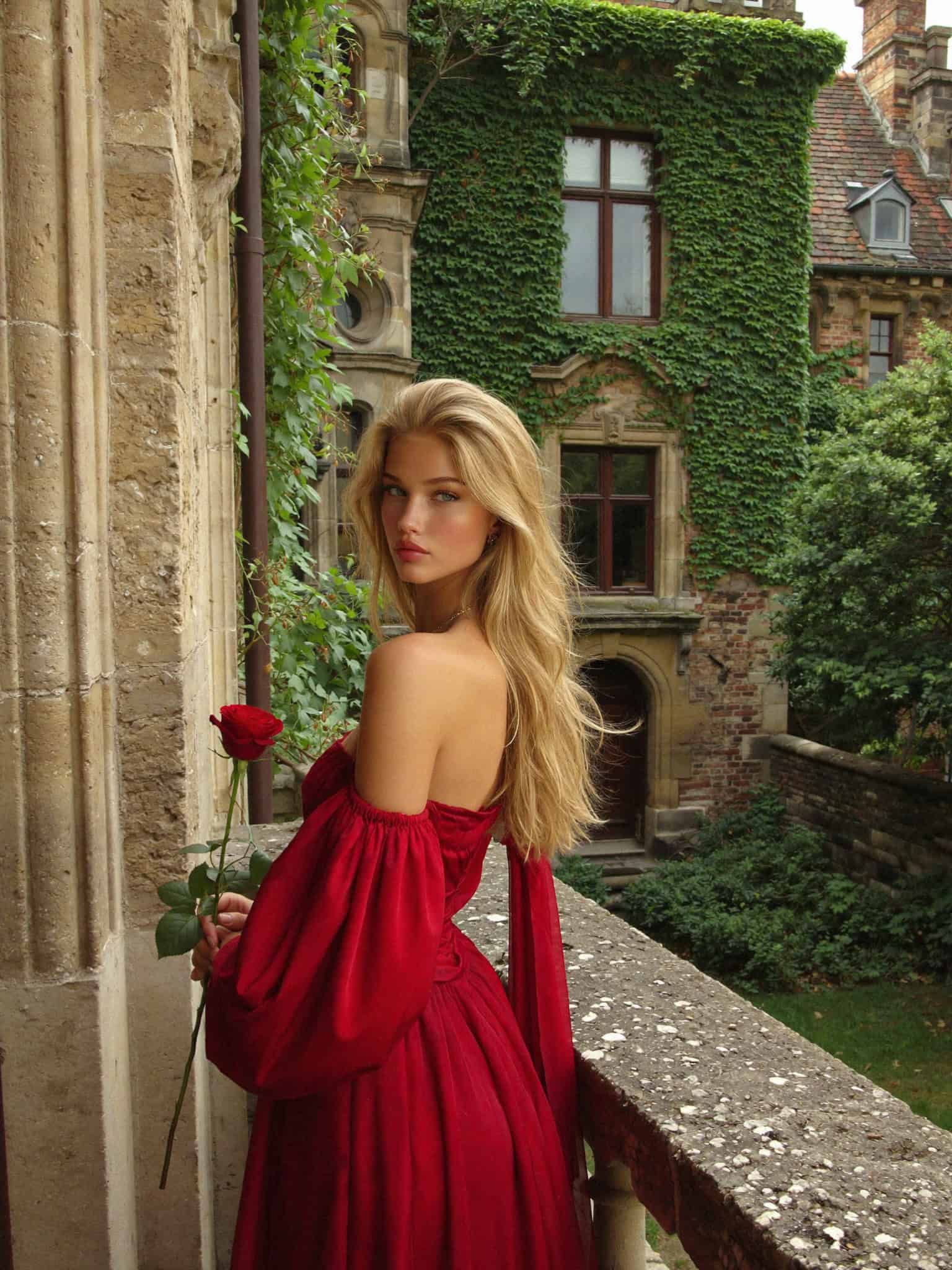
There is a small courtyard in the middle of Verona where several hundred strangers stand at any one time, shoulder to shoulder, looking up at a balcony and thinking about love. It is the Casa di Giulietta, Juliet’s house, though Juliet never lived there because Juliet never lived at all, and the balcony itself was added to the old building less than a century ago, long after Shakespeare had already made the city famous. None of this seems to trouble anyone, and I found that rather comforting. People will happily queue in the summer heat for the symbol of something, even knowing it is only a symbol, because the thing itself is so difficult to find, and perhaps even more difficult to hold on to.
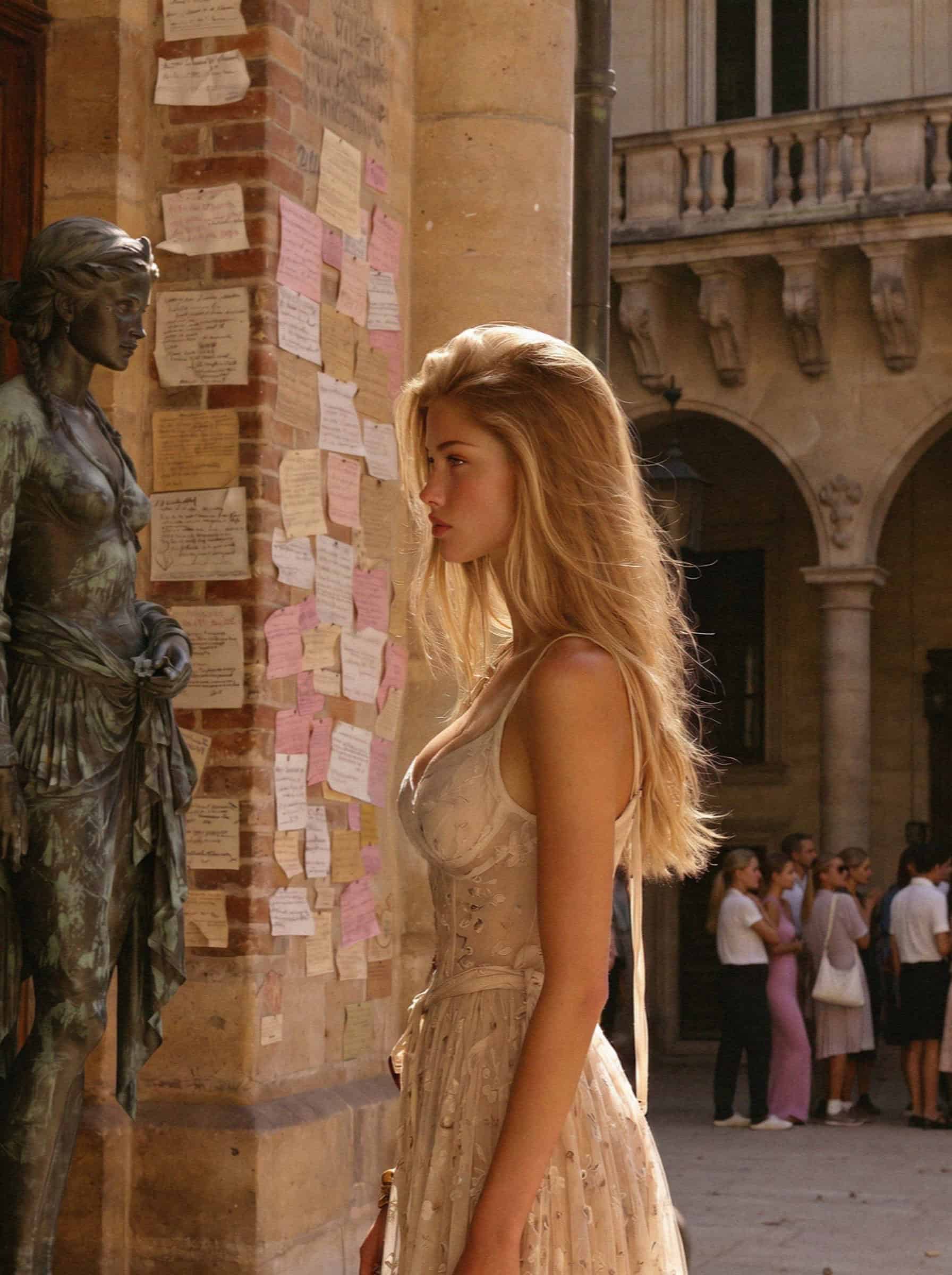
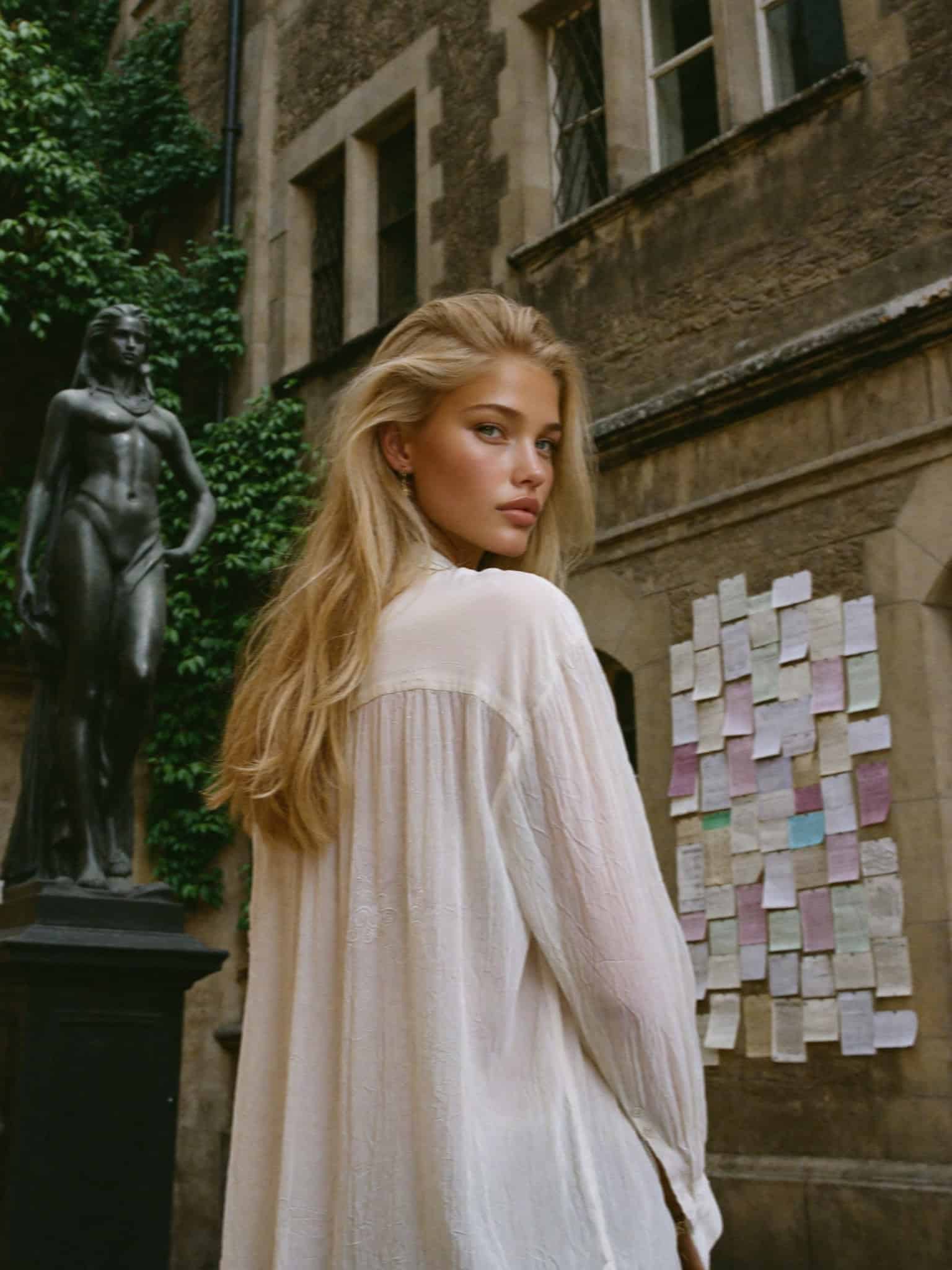
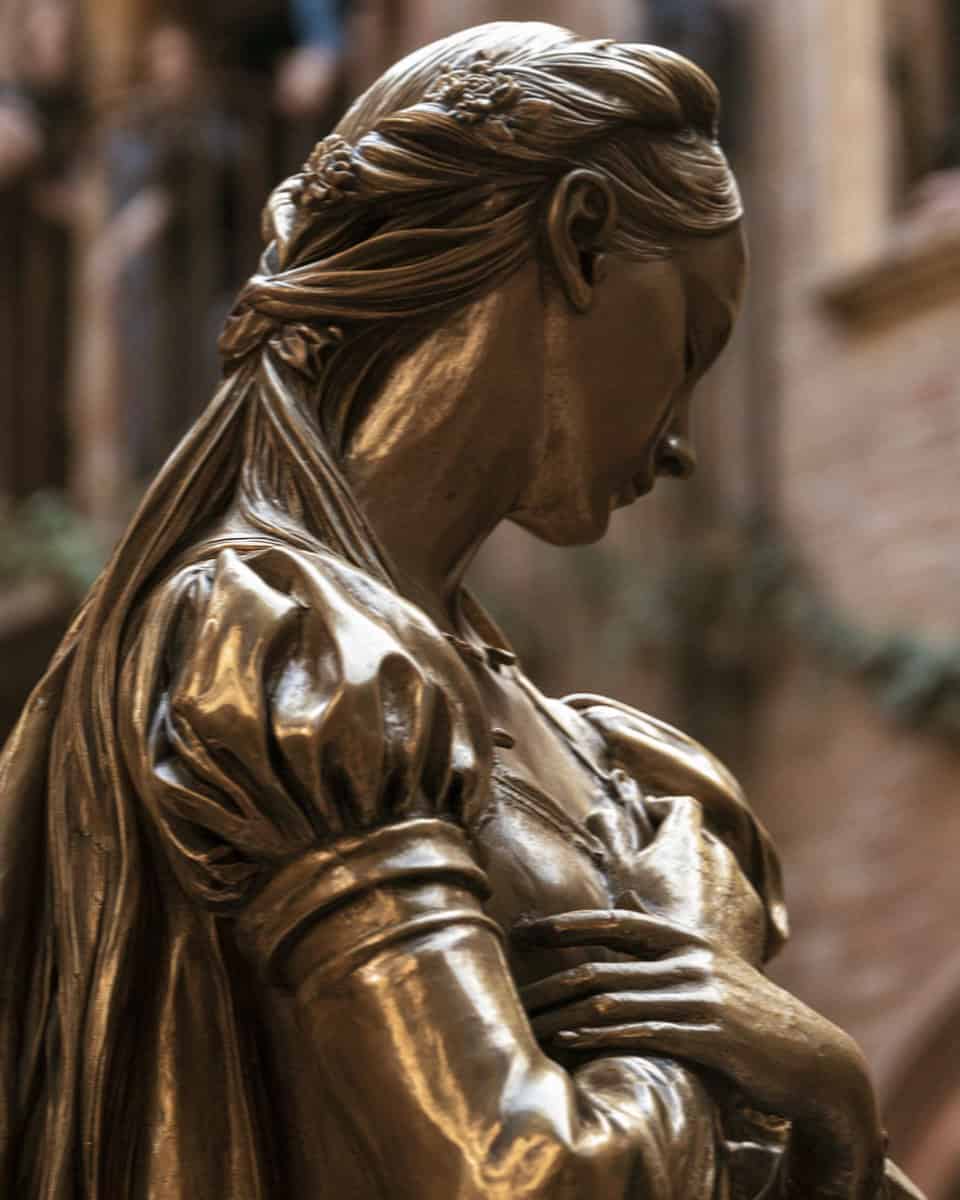
In one corner stands a small bronze Juliet, and her right breast has been polished to a bright gold by the hands of the people who touch it, one after another, every day, hoping for a little luck in love. I watched them for quite a while. They laughed as they reached for her, teased one another, posed for photographs, yet almost every face softened for the briefest moment before their hand made contact. It was only half a second, but it was enough to remind me that very few of us are ever quite as detached as we pretend to be. I thought about touching the statue myself for much longer than I expected to. In the end I left her to everyone else. The archway leading into the courtyard is covered with notes, layer upon layer, hearts and initials and tiny confessions pressed against the stone with tape, chewing gum and hope. The city clears them away, and before long they are back again. They are always back.
What stayed with me was not the balcony itself, which is rather smaller than the crowd beneath it seems to imagine. It was the letters. People write to Juliet. Real letters, in careful handwriting, posted from countries all over the world or left quietly in Verona for someone to find. For many years now a group of volunteers has answered every one of them. I cannot quite stop thinking about that. Somewhere, someone sits at a kitchen table and tells their most private thoughts to a girl who never existed, and somewhere else another stranger takes the time to write back. I read a handful that had been displayed nearby. A woman wondering whether she should keep waiting for the man she loved. A boy, who could not have been much older than fifteen, asking simply how you are supposed to know when something is real. There was nothing polished about them. No cleverness. Just people admitting, in their own handwriting, that they did not know what to do. I think we are all far less certain about love than we allow ourselves to appear.
The balcony celebrates the beginning of love because beginnings are beautiful and uncomplicated. They ask very little of us beyond hope. It is easy to fall in love with the first chapter of a story. It is everything that follows which quietly asks more of us. Standing there, I found myself thinking not about Romeo climbing into the garden, but about all the ordinary years that come afterwards, the mornings that never appear in plays, the difficult conversations, the forgiveness, the quiet loyalty, the grief that sometimes arrives without asking permission. Those seem to me the greater love stories, though they are rarely the ones that visitors queue to celebrate.
Perhaps that is why my thoughts wandered home for a while. My parents met long before I was born, in a city far from Verona, and although I was too young to understand their love properly, I remember enough to know that love and loss often travel together. I do not think this is a sad thought. It feels more like an honest one. Loving someone has never been a promise that nothing will ever change. If anything, it is choosing to love despite knowing that one day everything will.
After leaving the courtyard I wandered towards Piazza delle Erbe, where the market has stood in one form or another since Roman times. I bought a peach from one of the fruit stalls and managed to eat it while walking through the square with considerably less grace than I had imagined. Juice found its way onto my hand almost immediately, and I accepted that there are some pleasures which refuse to be made elegant. Around me the square carried on exactly as it always has, people ordering coffee, children chasing pigeons, waiters weaving effortlessly between tables, and I wondered how many visitors before me had stood in exactly the same place believing, just for a moment, that they had somehow slipped into another century.
From there I crossed into Piazza dei Signori, where Dante still watches over the square with his familiar seriousness. My aperitivo became warmer than I intended because I kept forgetting to drink it while watching the light move slowly across the old façades. Travelling has taught me that I am very good at sitting still for much longer than I ever plan to. I tell myself I will stay for ten minutes and somehow an hour disappears without asking.
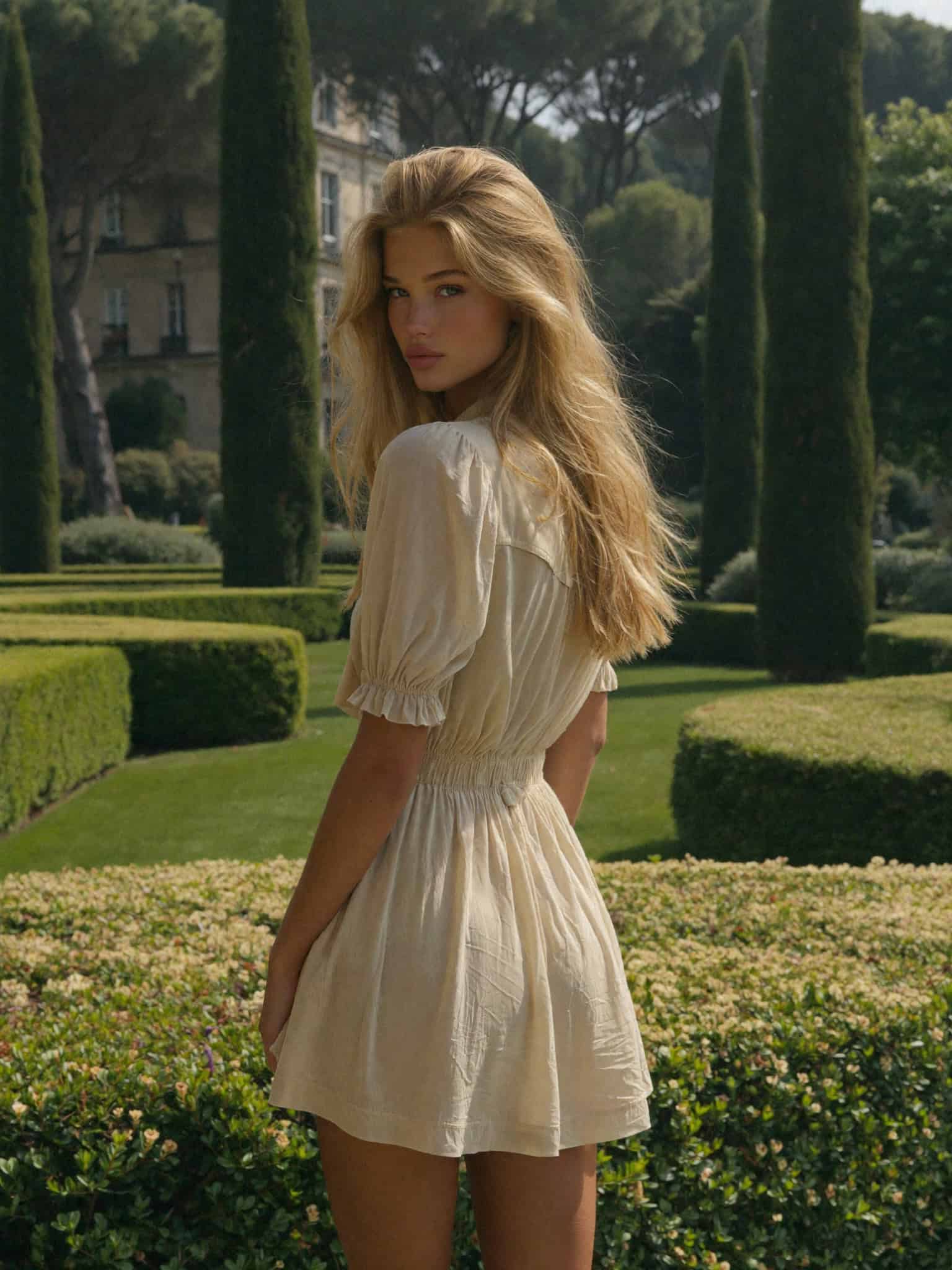
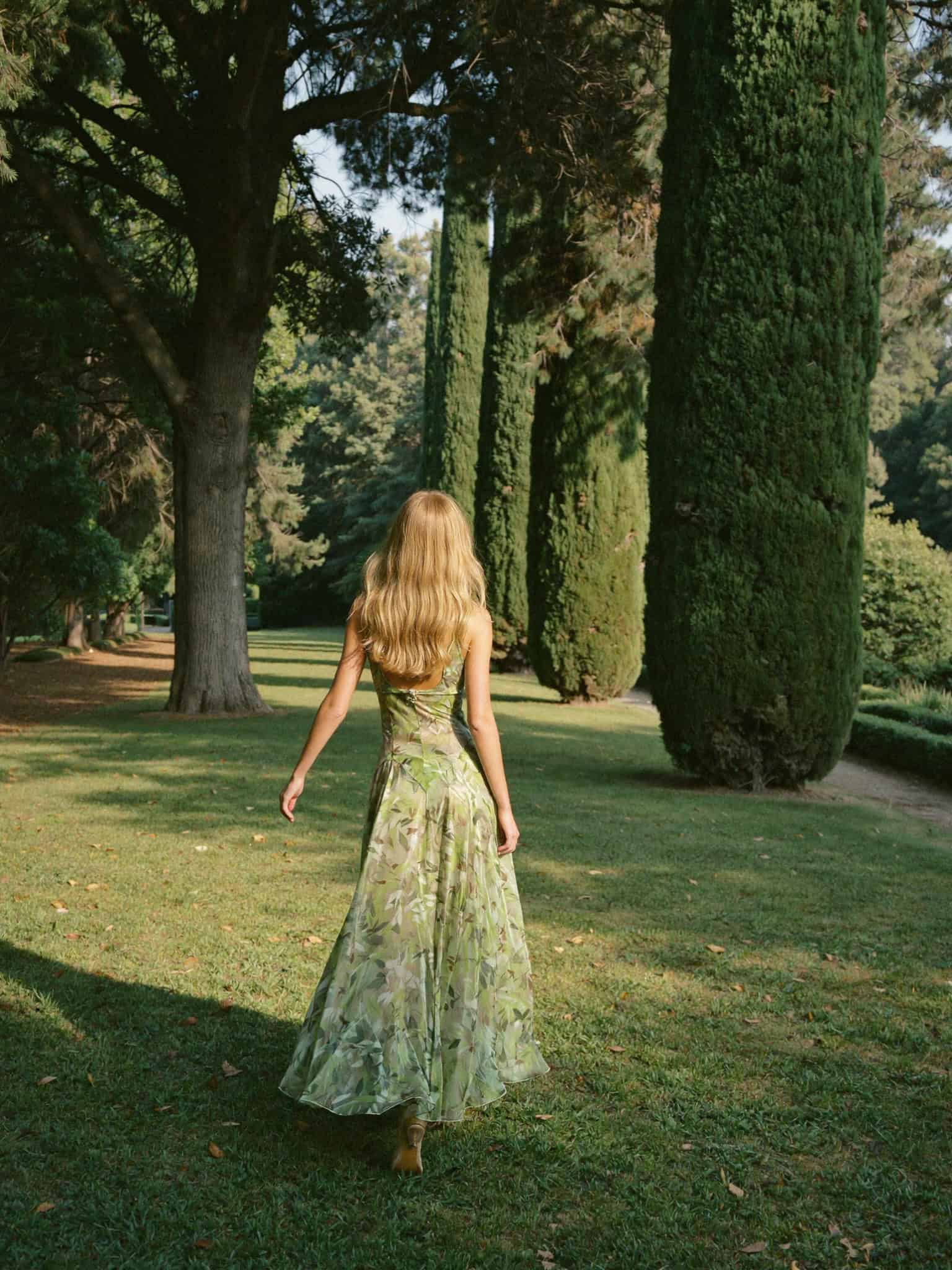
By the early evening I climbed towards Giardino Giusti, the Renaissance garden that rises quietly above the city. There are clipped hedges, impossibly tall cypress trees and long avenues that seem designed for slow conversations rather than hurried footsteps. I read that lovers were once encouraged to lose one another among the hedges before finding each other again, and I smiled at the thought. Somehow that seemed a kinder symbol than the balcony below. Not love at first sight, but love that occasionally loses its way and chooses to keep looking.
I telephoned my oldest friend from a bench beneath the trees, the one I have had since school in Paris. She would have laughed mercilessly at the queue beneath Juliet’s balcony and then, I suspect, quietly written a letter herself once nobody was looking. She was the first person to tell me that my writing deserved to be taken seriously, long before I believed her, and she still reminds me now, usually on exactly the days I pretend not to need reminding. We can disappear into our own lives for weeks and somehow continue the same conversation without either of us wondering where it paused. There are statues for famous lovers all over the world. I am not sure there are enough for old friends.
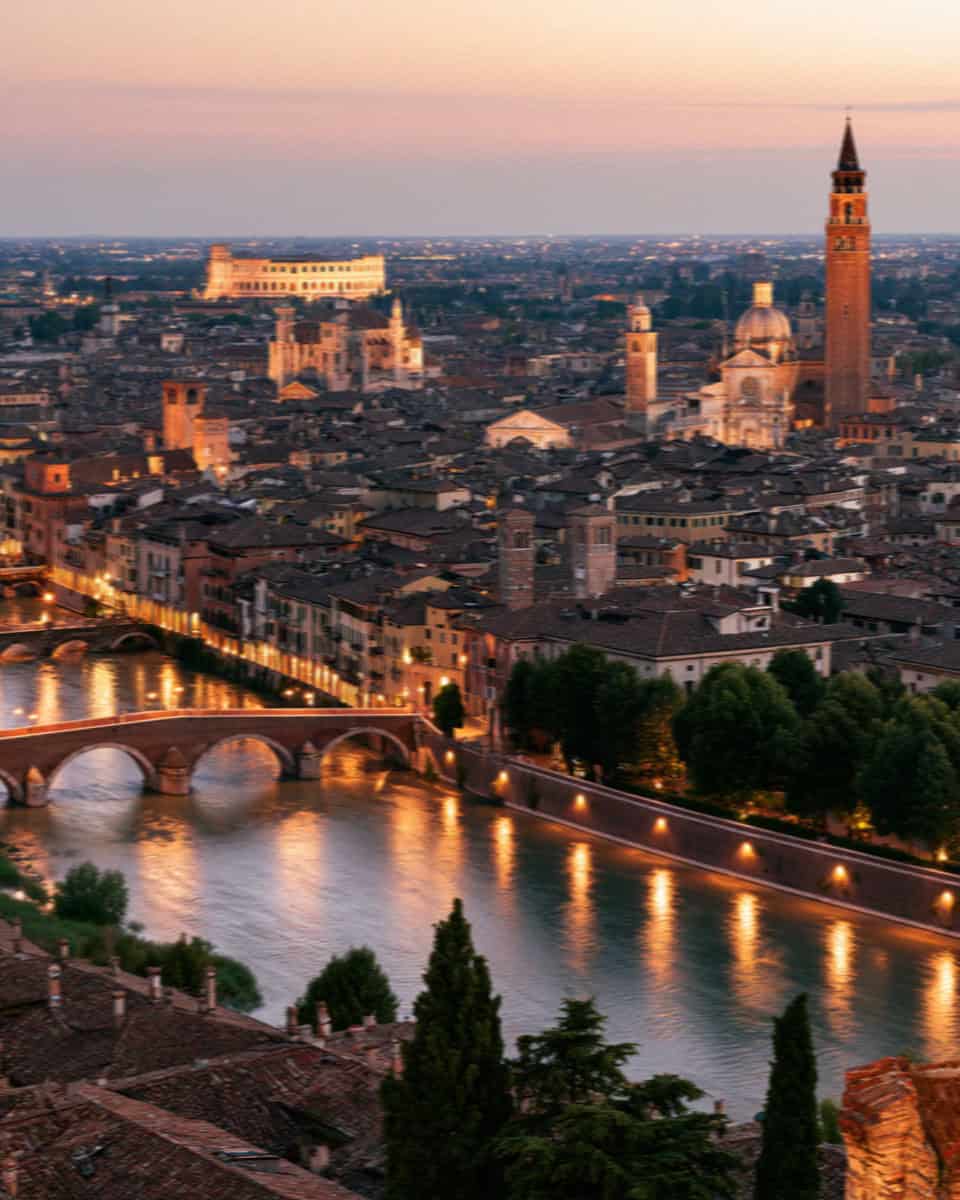
As evening settled over Verona I wandered to Ponte Pietra and stood looking across the Adige while the stone slowly turned the colour of warm rose beneath the fading light. Swifts darted overhead so quickly they were almost impossible to follow, and the river carried little pieces of the sunset away beneath the arches. I thought again about the letters waiting for Juliet and tried to imagine what I might have written if I had brought an envelope with me.
The truth was that I could not think of a question.
Not because I have found all the answers, but because I realised I was content, at least for that evening, to leave a few things unanswered. There is a quiet sort of freedom in that. We spend so much of our lives trying to solve everything immediately that we forget some questions are happier when they are simply allowed to accompany us for a while.
Perhaps that is what the courtyard gives people more than anything else. Not certainty, and certainly not perfect love, but permission to admit that the heart is still a mystery. Everyone arrives carrying their own version of it. Some leave a letter. Some touch the statue. Some simply stand beneath the balcony and look up for a moment before walking away again.
I left without doing any of those things.
Some places change you by giving you answers. Others simply return you to yourself with slightly better questions.
I think Verona belongs to the second kind.



If you are bound for the city of the balcony yourself, my complete guide to Verona has the practical shape of a visit.
My other Verona night, at the opera in the Arena, is here: A Candle, and Then the Music.