Naples is, to my mind, the greatest eating city in Italy, and it is not close. This is the birthplace of the pizza, the home of a hundred fried things and a hundred sweet ones, a city where food is not a nicety but a religion, argued over on street corners and defended to the death. And gloriously, it is cheap; some of the best things you will eat here cost a couple of euros and are handed to you in a paper cone. Come hungry, and let me show you what to eat and where.
Pizza, the Whole Point
Let us start where Naples starts. The Neapolitan pizza, the pizza napoletana, is a specific and protected thing: a soft, blistered, leopard-spotted disc with a puffed, airy crust, cooked in seconds in a screaming wood-fired oven, meant to be eaten fresh, folded, and fast. The two classics are the marinara (tomato, garlic, oregano, no cheese) and the margherita (tomato, mozzarella, basil), and a true Neapolitan pizzeria will do them better than anywhere on earth.
The names to know: L’Antica Pizzeria da Michele, the shrine, doing only marinara and margherita for over a century, with a queue out the door and a ticket system; Gino Sorbillo on Via dei Tribunali, the most famous of the modern greats; Di Matteo, also on Tribunali, beloved and cheap; Starita in the Materdei quarter, historic and wonderful; and 50 Kalò, out toward Mergellina, for a lighter, contemporary take. You cannot go far wrong. Expect to pay only a handful of euros for a margherita in the classic places, and to wait for a table; it is worth every minute.
Plan Your Visit to Naples
A few things I booked and loved. These help support the blog, at no cost to you.
- Where I stayed: search Naples hotels
- Pompeii, museums and Naples tickets
- Stay connected: get a travel eSIM
This section contains affiliate links. If you book through them I may earn a small commission, at no extra cost to you.
Street Food, the Real Naples
The other great Neapolitan tradition is fried food eaten standing up. Seek out a friggitoria and order the pizza fritta, a whole pizza folded into a calzone and deep-fried, stuffed with ricotta, provola and pork; it is enormous, glorious and costs almost nothing. Get a cuoppo, a paper cone of mixed fried seafood or fried vegetables and croquettes, and eat it as you walk. Try frittatine, little fried nests of pasta, and crocchè, potato croquettes. Di Matteo and the friggitorie of the centro storico do these beautifully. This is how Naples really eats, and it is some of the best cheap food in the world.
The Sweet Things
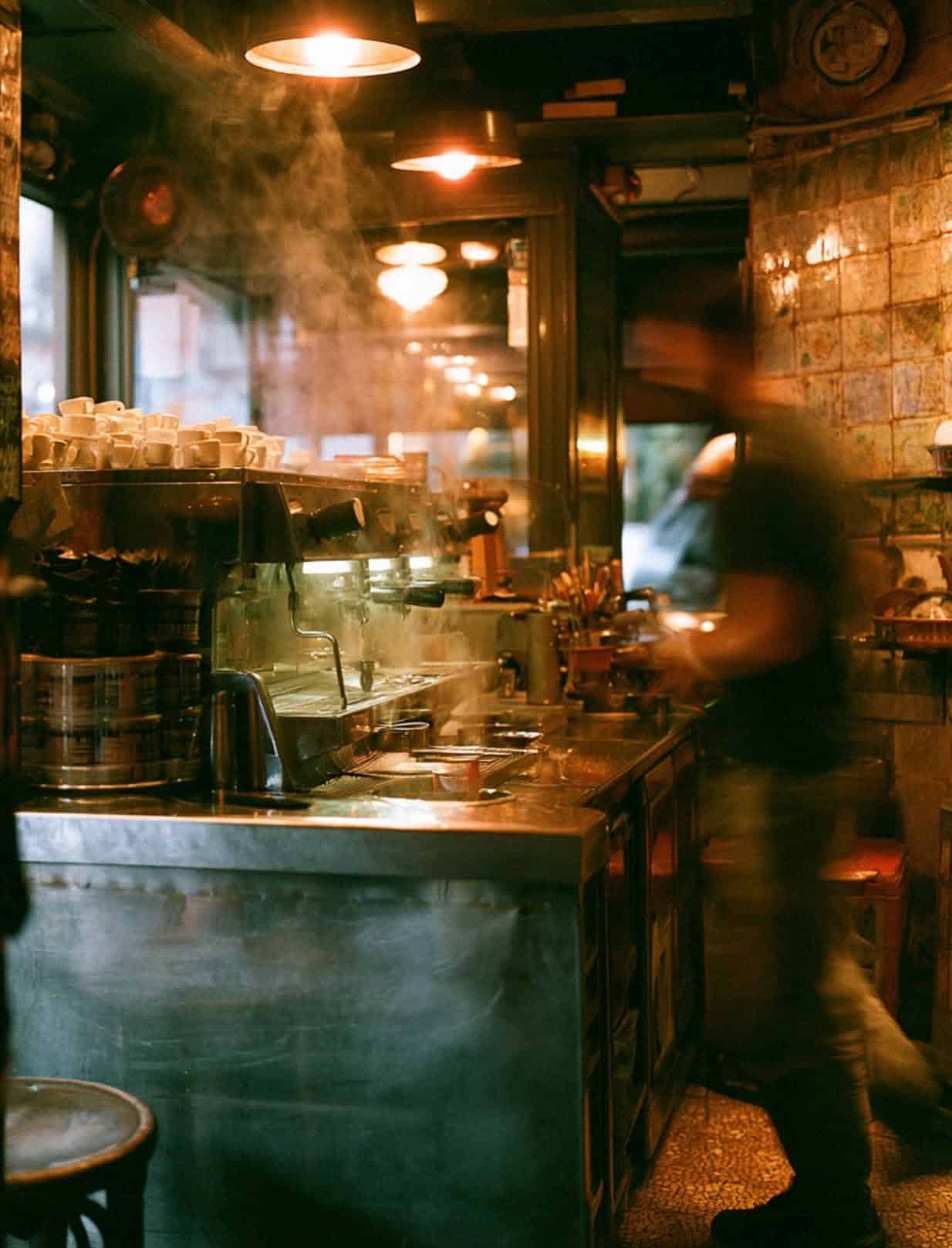
Naples has a sweet tooth to match its savoury one. The queen is the sfogliatella, a shell-shaped pastry of paper-thin, crackling layers filled with sweet ricotta and candied peel, best eaten warm; the crisp riccia and the softer frolla are the two kinds. The oldest and most famous place is Attanasio, tucked near the station, but Scaturchio in Piazza San Domenico and Mary’s are wonderful too. Then there is babà, a mushroom-shaped sponge soaked in rum, and the fiocco di neve at Poppella in the Sanità, a cloud of a bun filled with sweetened milk cream that people cross the city for. Do not leave without a proper Neapolitan coffee either, short, strong and often already sugared; it is a point of local pride.
Where to Sit Down

When you want a table and a longer meal, Naples delivers there too. In the seafront quarters of Chiaia, Santa Lucia and the Borgo Marinari below Castel dell’Ovo, you will find lovely trattorie and seafood restaurants looking out at the bay; this is the place for a plate of spaghetti alle vongole, fried anchovies, or the local spaghetti alla puttanesca and genovese, the slow Neapolitan onion-and-beef ragù. In the centro storico, classic trattorie serve honest, generous Neapolitan home cooking at gentle prices. And wherever you are, look for the mozzarella di bufala from the nearby countryside, some of the best in Italy.
My Advice
Do not over-plan your eating in Naples; the city is one big open-air kitchen and you can barely take a wrong step. But do these things: eat at least one pizza in a proper old-school pizzeria and accept the queue; eat one meal entirely of street food, standing up, from a friggitoria; have a sfogliatella warm from the oven with a coffee; and splurge one evening on a seafood dinner by the water. Pace yourself, skip the tourist-menu places near the very busiest sights, and follow the locals; the fuller and scruffier the place, the better it usually is.
Frequently Asked Questions
What food is Naples famous for?
Above all, the Neapolitan pizza, born here and protected as a tradition, in its classic marinara and margherita forms. Naples is also famous for fried street food, the pizza fritta and the cuoppo cone; for sweet pastries, the ricotta-filled sfogliatella and the rum-soaked babà; for mozzarella di bufala; and for slow-cooked dishes like the genovese onion ragù and spaghetti alle vongole.
Where can I eat the best pizza in Naples?
The legendary names are L’Antica Pizzeria da Michele, Gino Sorbillo and Di Matteo on Via dei Tribunali, Starita in Materdei, and 50 Kalò near Mergellina. All serve superb wood-fired Neapolitan pizza for just a few euros. Expect queues at the most famous places, especially da Michele, which serves only marinara and margherita.
What is a sfogliatella?
A sfogliatella is Naples’s most famous pastry, a shell-shaped case filled with sweet ricotta and candied peel. The riccia version has crisp, flaky layers; the frolla is a softer shortcrust. They are best eaten warm. Famous places include Attanasio near the station, Scaturchio and Mary’s. Don’t miss the babà, a rum-soaked sponge, either.
Is street food in Naples good?
It is some of the best cheap food anywhere. Look for a friggitoria and try the pizza fritta, a deep-fried stuffed pizza, and the cuoppo, a paper cone of fried seafood or vegetables and croquettes. Frittatine (fried pasta nests) and crocchè (potato croquettes) are wonderful too. Most of it costs only a euro or two and is eaten standing up.
How much does it cost to eat in Naples?
Naples is one of Italy’s most affordable food cities. A classic margherita pizza costs only a handful of euros, street food a euro or two per item, and a pastry and coffee very little. A sit-down trattoria meal with wine is still very reasonable, and even a seafood dinner by the sea is gentler on the wallet than in most Italian cities.
Read also: The Best Things to Do in Naples | Where to Stay in Naples | The Complete Guide to Naples
V.