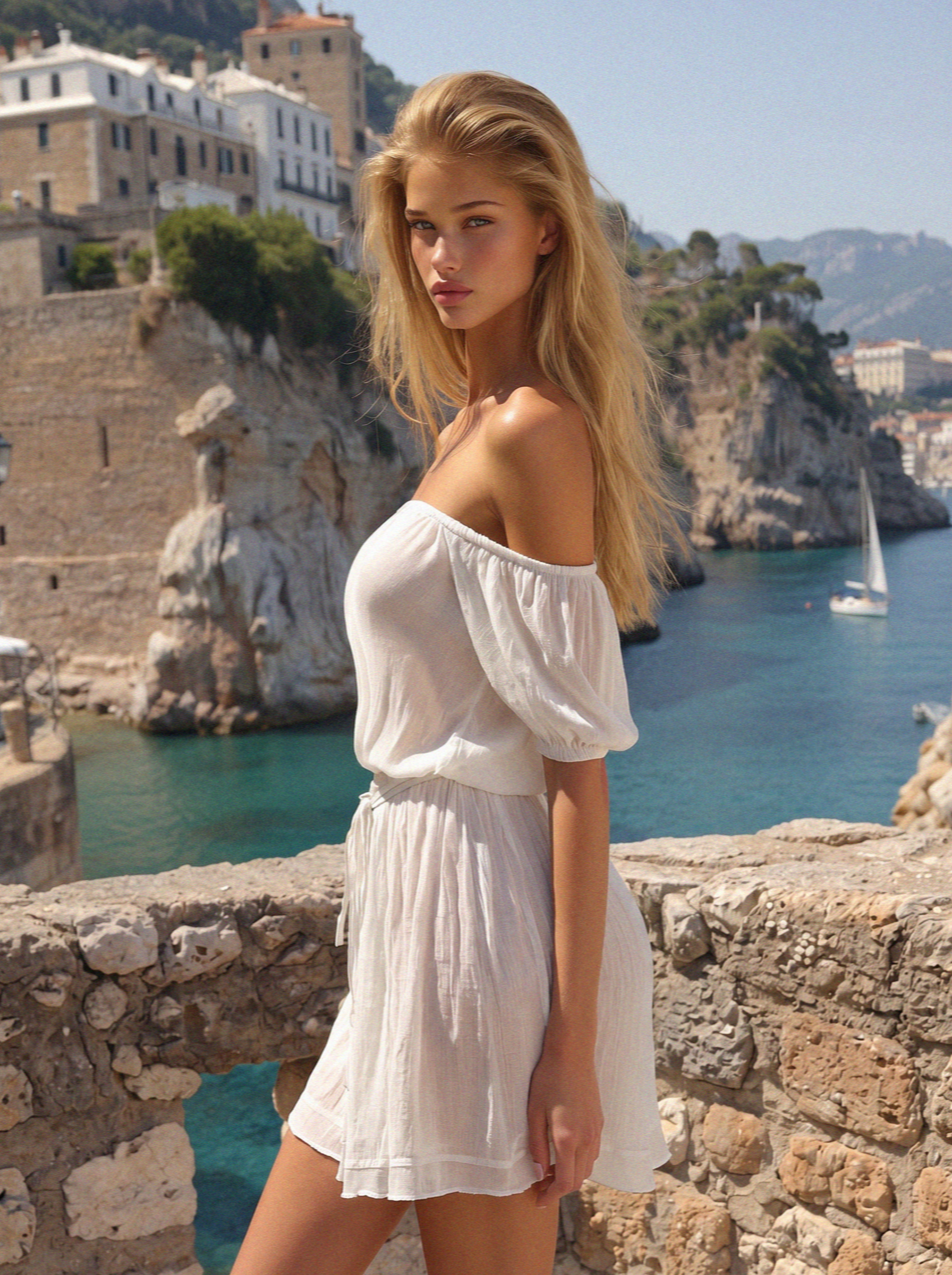
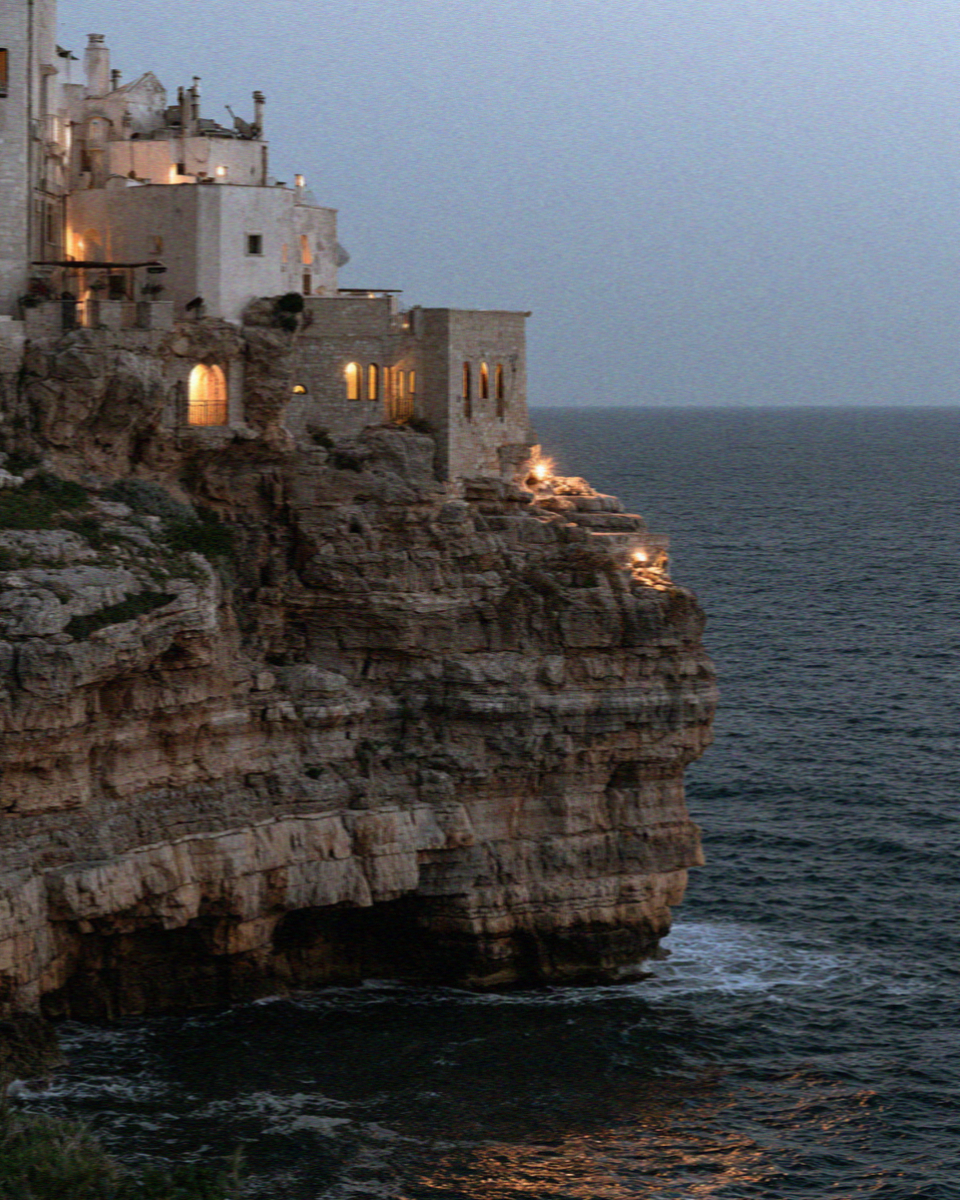
Polignano a Mare is a town built on the edge of a cliff, and the first thing you should know is that the edge is not a figure of speech.
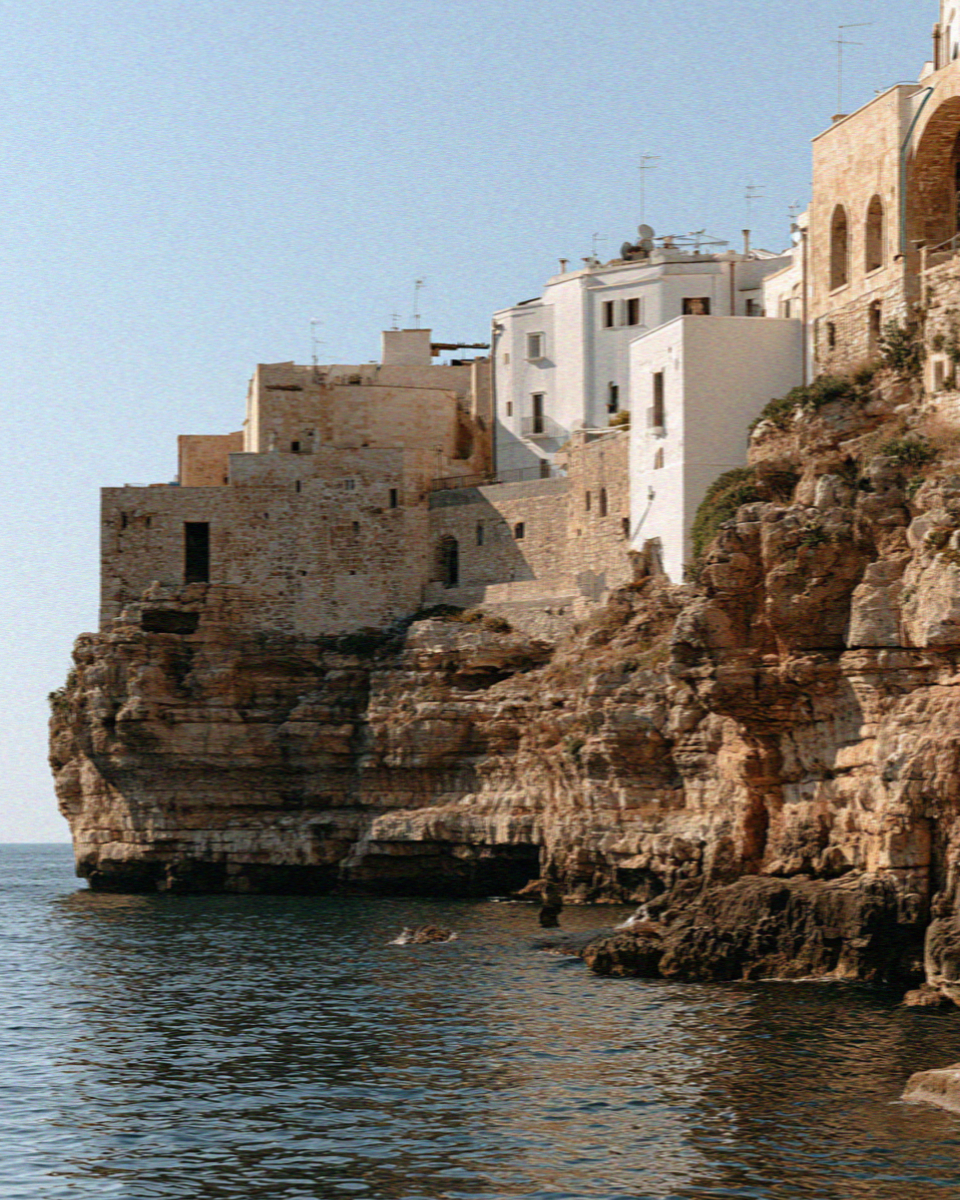
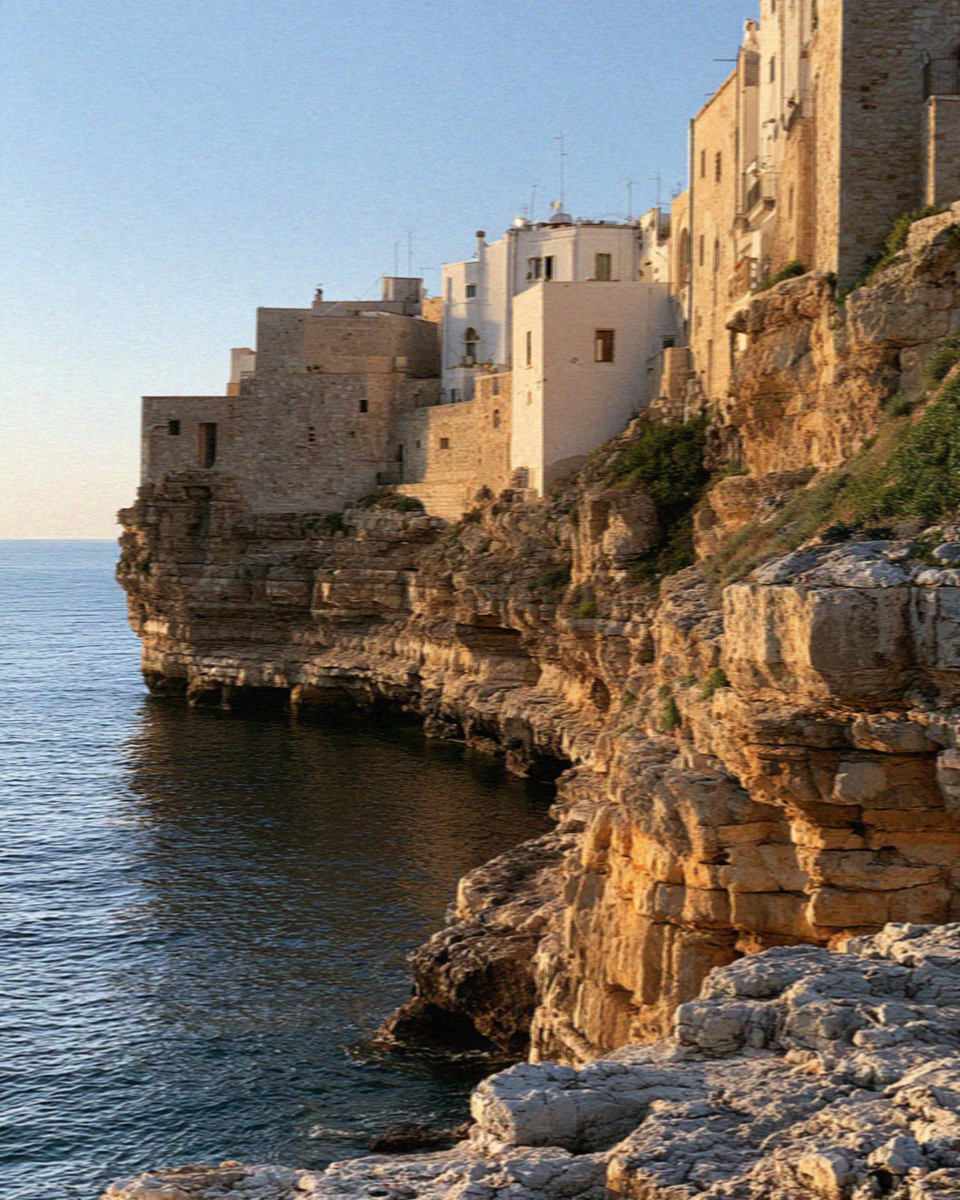
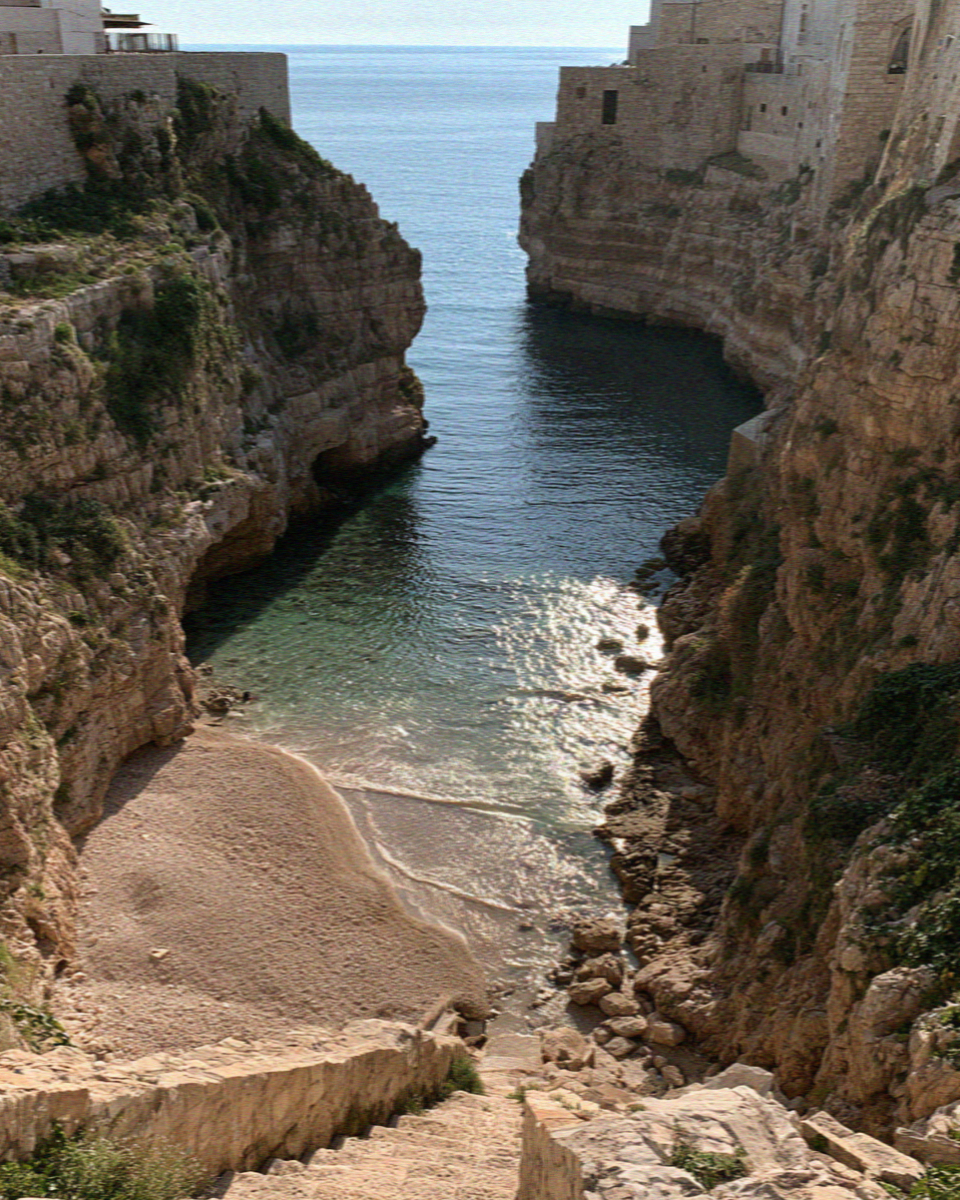
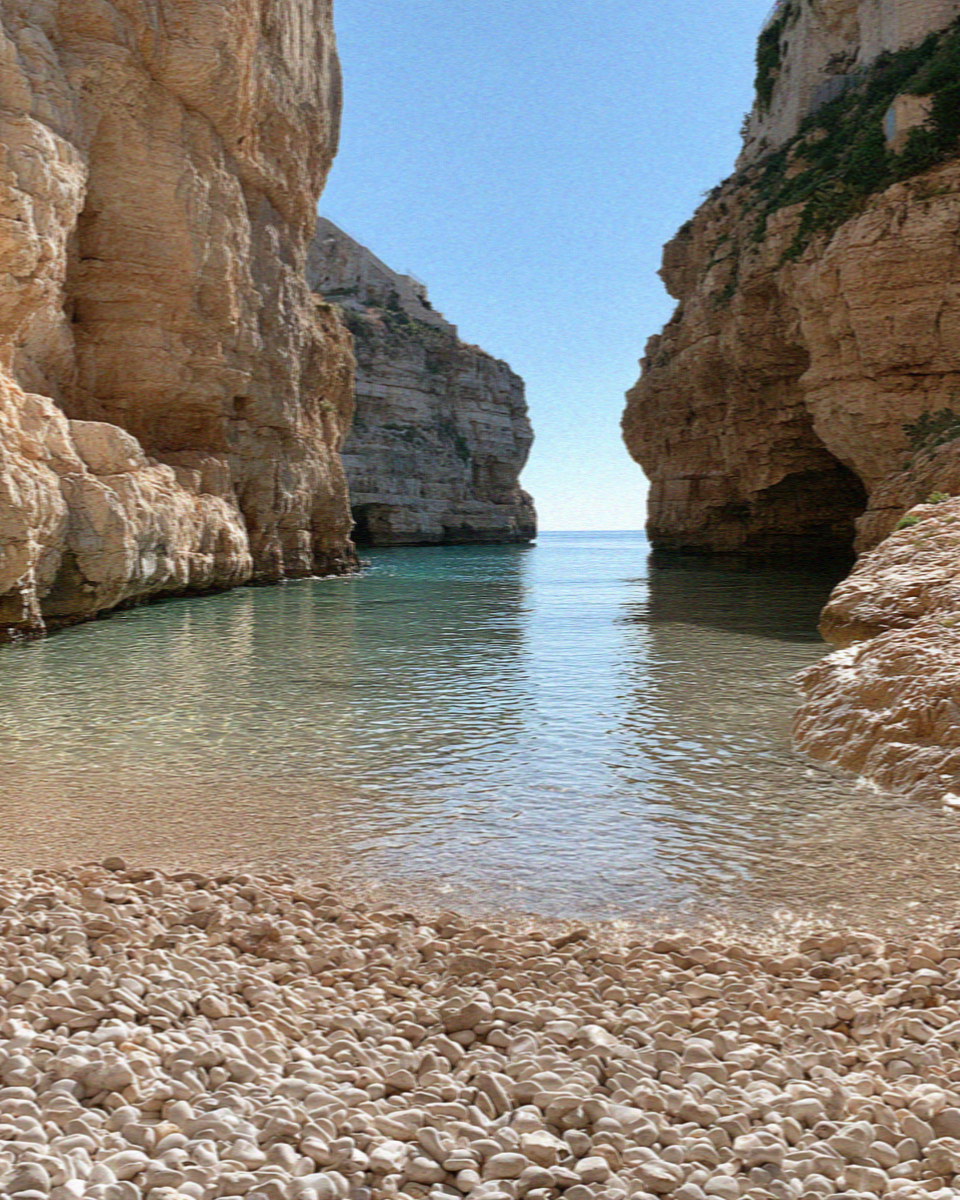
The houses stop where the limestone stops. Whitewashed walls run right up to a drop of twenty metres and then there is nothing but air and the Adriatic, which here is a blue that photographs badly because nobody believes it. Underneath the town the rock is riddled with sea caves. Between two of the cliffs there is a ravine, and at the bottom of the ravine there is a small pebble cove, and that cove is the reason most people have heard of the place at all.
It is about forty minutes south of Bari on the coastal railway. It takes a morning to walk end to end. And it has, in the last ten years, gone from a Puglian town that Italians knew about to a town the whole internet has seen.
That is worth knowing before you come, because it shapes everything. Polignano rewards the early and punishes the late. Nearly all of what follows is a version of that one idea.
What to book before you come
The town costs nothing. The caves under it are the one thing you cannot see from the land, and in July and August the good boats go days ahead.
- The speedboat run to the caves, with an aperitif. The most booked thing in this town, 4.8 from over four and a half thousand people. It goes into the Grotta Palazzese from the water.
- A private boat to the caves. Rated 4.9. Worth the difference at sunset, when the shared boats are full and the cliff face is doing the thing everyone photographs.
- The ninety minute group tour. The shorter, cheaper version on a larger boat. Fine with children, or on a single day.
Lama Monachile, the old town and the terraces over the water are all free.
Why come at all
Because it is genuinely beautiful, and because the beauty is a specific kind that is rare.
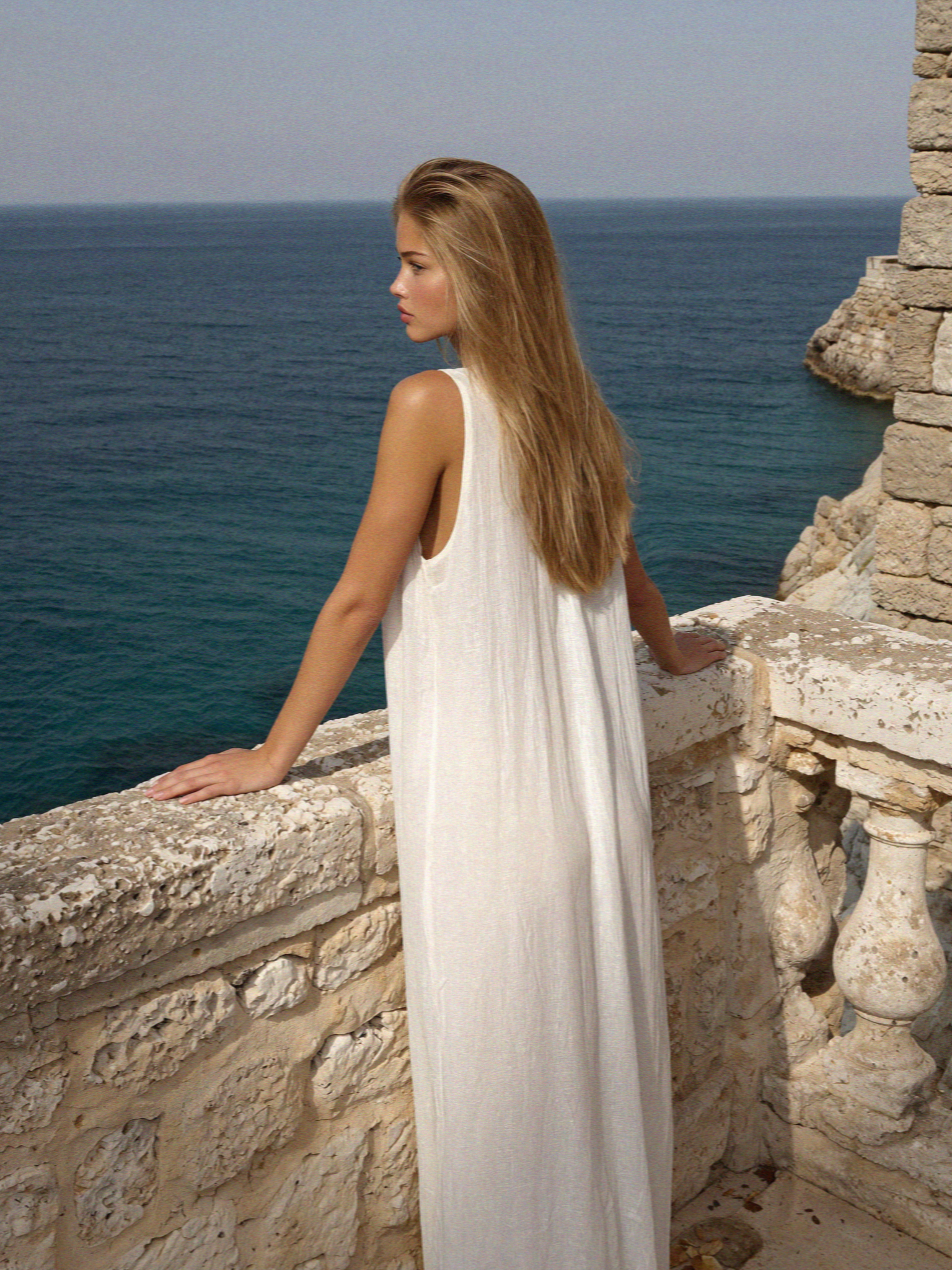
Most pretty Italian coastal towns are pretty from a distance. You photograph them from the next headland. Polignano is the opposite: it is best from inside, standing on a terrace at the end of an alley you did not know led anywhere, with the sea directly below your feet and the whole town at your back. The old centre is small and dense and white, and it opens onto the sea again and again, always without warning.
There is also a lightness to it. This is a town that put its most famous son on the seafront in bronze with his arms open, singing. Domenico Modugno was born here, and the song he wrote is the one everybody in the world can hum: Nel blu, dipinto di blu, better known as Volare. Locals will tell you about it within about four minutes of meeting you.
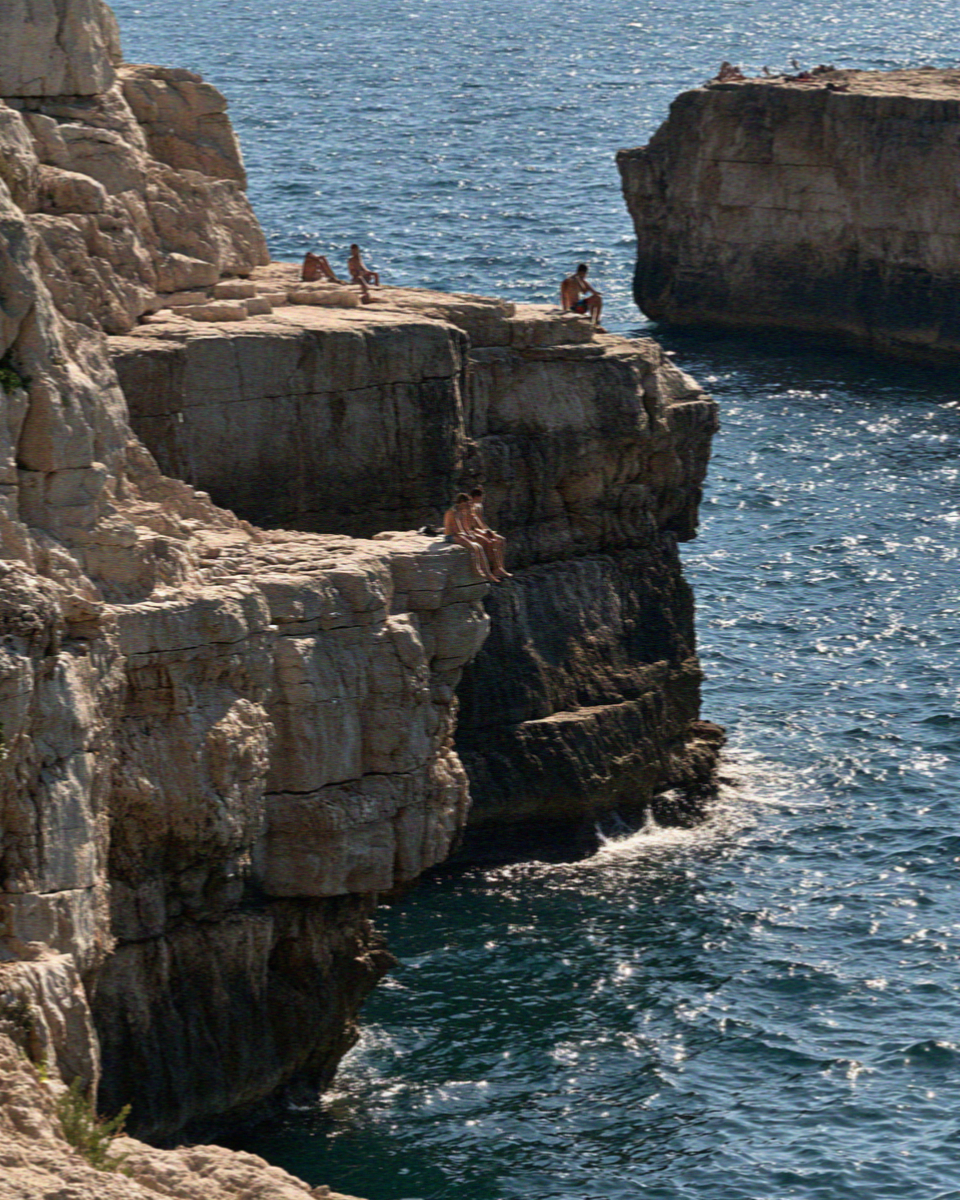
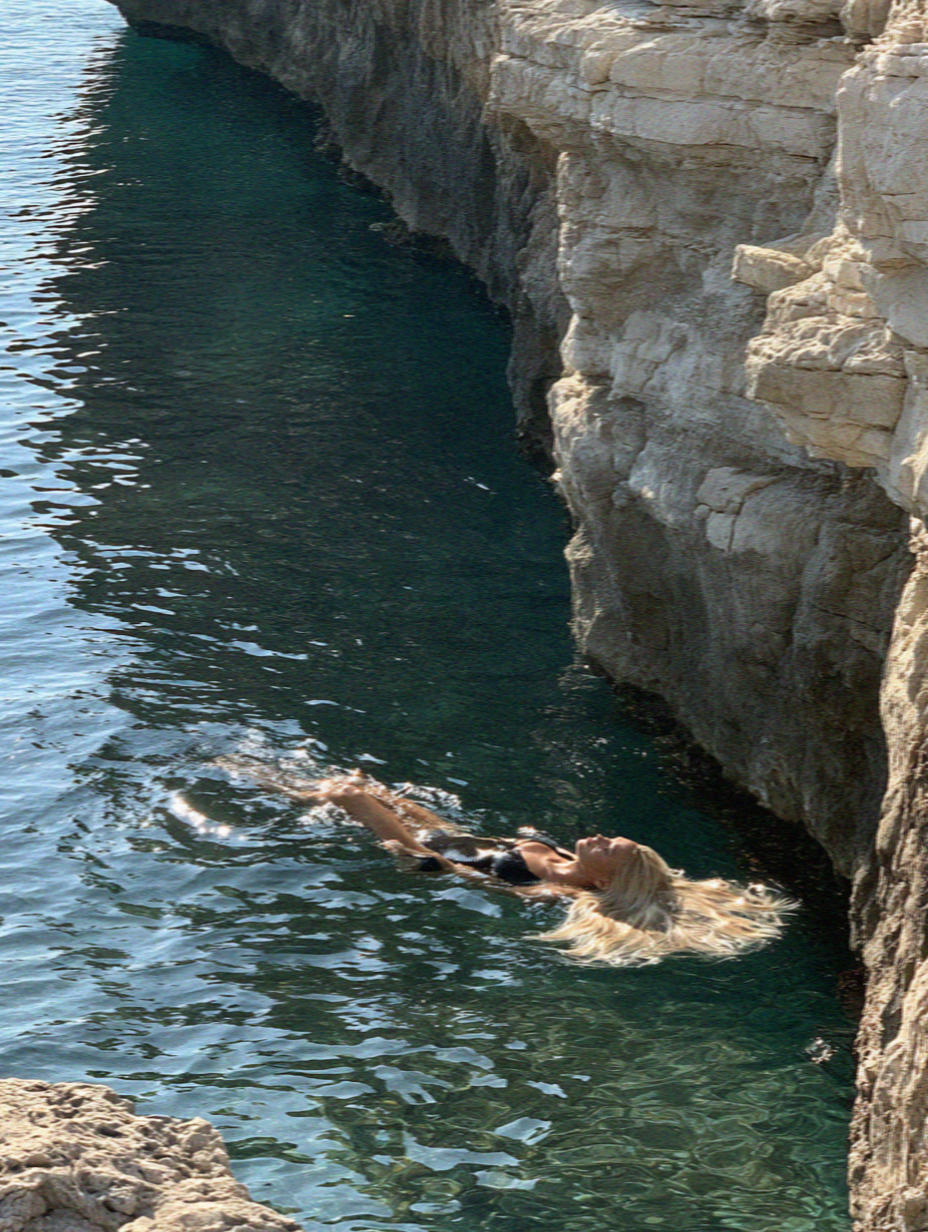
And it is a swimming town. Not a lounging-on-sand town, a swimming town. The water is deep, clear, cold in a good way, and you get into it off rock.
Plan Your Visit to Polignano a Mare
A few things I booked and loved. These help support the blog, at no cost to you.
- Where I stayed: search Polignano a Mare hotels
- Sea caves and Polignano boat tickets
- Stay connected: get a travel eSIM
This section contains affiliate links. If you book through them I may earn a small commission, at no extra cost to you.
A short word on why it looks like this
The town is built on soft limestone, and soft limestone and the sea have been arguing here for a very long time.
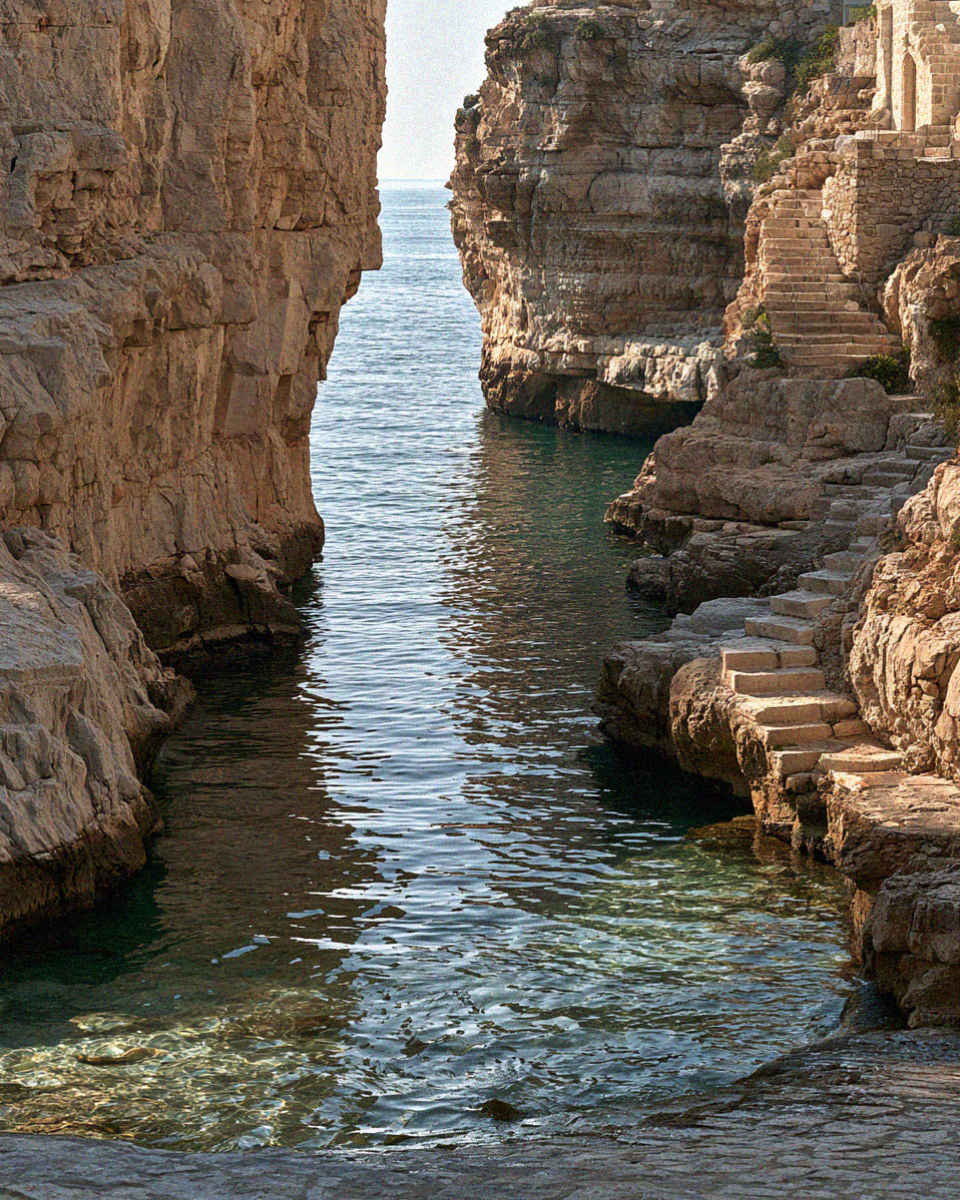
The sea has been winning slowly. It has hollowed the cliff underneath the houses into a network of caves, some open to the water, some opening upward into the town itself. It has cut the ravine that Lama Monachile sits in, which is not a valley but a lama, a dry karst gully that carries water only when it rains hard. And it has left the whole settlement standing on an overhang with the drop on three sides.
That is why there is no beach to speak of, why the swimming is off rock, why the boat trip is the thing to do, and why every alley in the old town dead-ends in a view. The geology decided the town, and the town has been leaning into it since the Romans put the Via Traiana through here on the way to Brindisi.
Best time to visit
May and June, or September and October. That is the honest answer and it is not close.
July and August are hot and very full. The cove fills by nine in the morning and stays full. In the shoulder months the sea is still warm, the light is better, and you can walk the old town without queueing to get down a staircase.
The sea itself is comfortable from June through October. August is the warmest at around 26C. February is the coldest at about 13C, and winter days sit between 12 and 13C, which is pleasant for walking and useless for swimming.
One date to know: the Red Bull Cliff Diving World Series comes to Polignano and the 2026 edition is scheduled for 25 to 27 September. Around thirty-five thousand people pack the cliffs, the rooftops and the balconies to watch divers go off a platform above the cove. It is spectacular and the town is completely transformed. Whether that is a reason to come or a reason to avoid the dates depends entirely on you, but do not book that weekend by accident. Reconfirm the dates before you plan around them.
Season by season, briefly.
Spring, from about April, is the town waking up. Bougainvillea comes out along the walls, the light is clean, and you can walk the centre at any hour. The sea is still too cold for most people until late May. Some seasonal restaurants and boat operators are not open yet, which is the trade-off.
Summer is when everything runs and everything is full. Long evenings, every boat going, every table taken, and a cove that fills before nine. If you can only come in August, come in August, but move your day to the edges: early morning and after seven.
Autumn is the one I would pick. September still has summer water and September light is better than August light. October is quieter again, warm enough to swim into the middle of the month, and the town starts to feel like it belongs to the people who live in it.
Winter is beautiful and specific. Twelve to thirteen degrees, big Adriatic weather, waves coming into the ravine, almost nobody about, and a lot of the seasonal town shut. Come for the stone and the sea, not for a holiday.
I have gone month by month, with sea temperatures and what each season actually feels like, in the best time to visit Polignano a Mare.
Top things to do
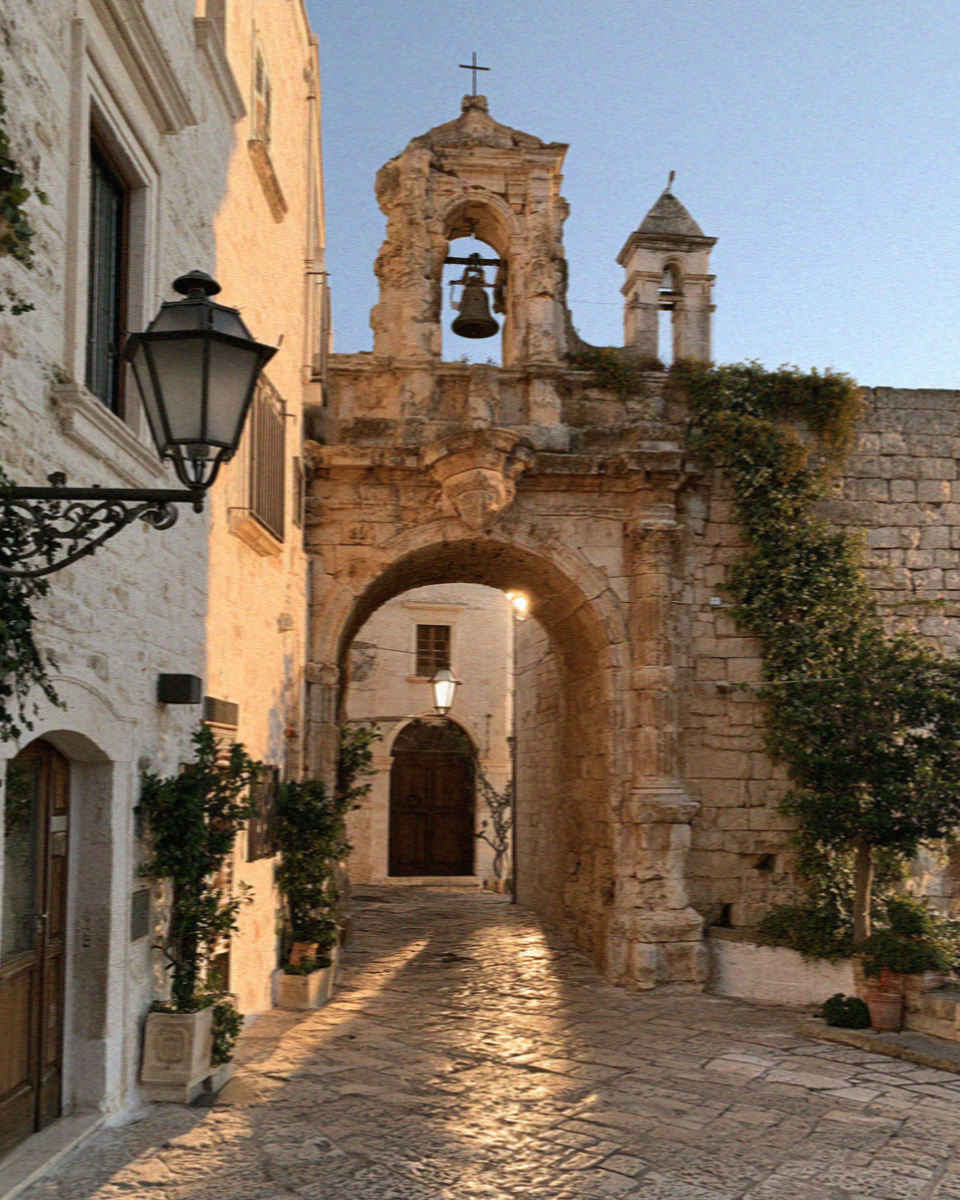
The old town is the main event and it is free.
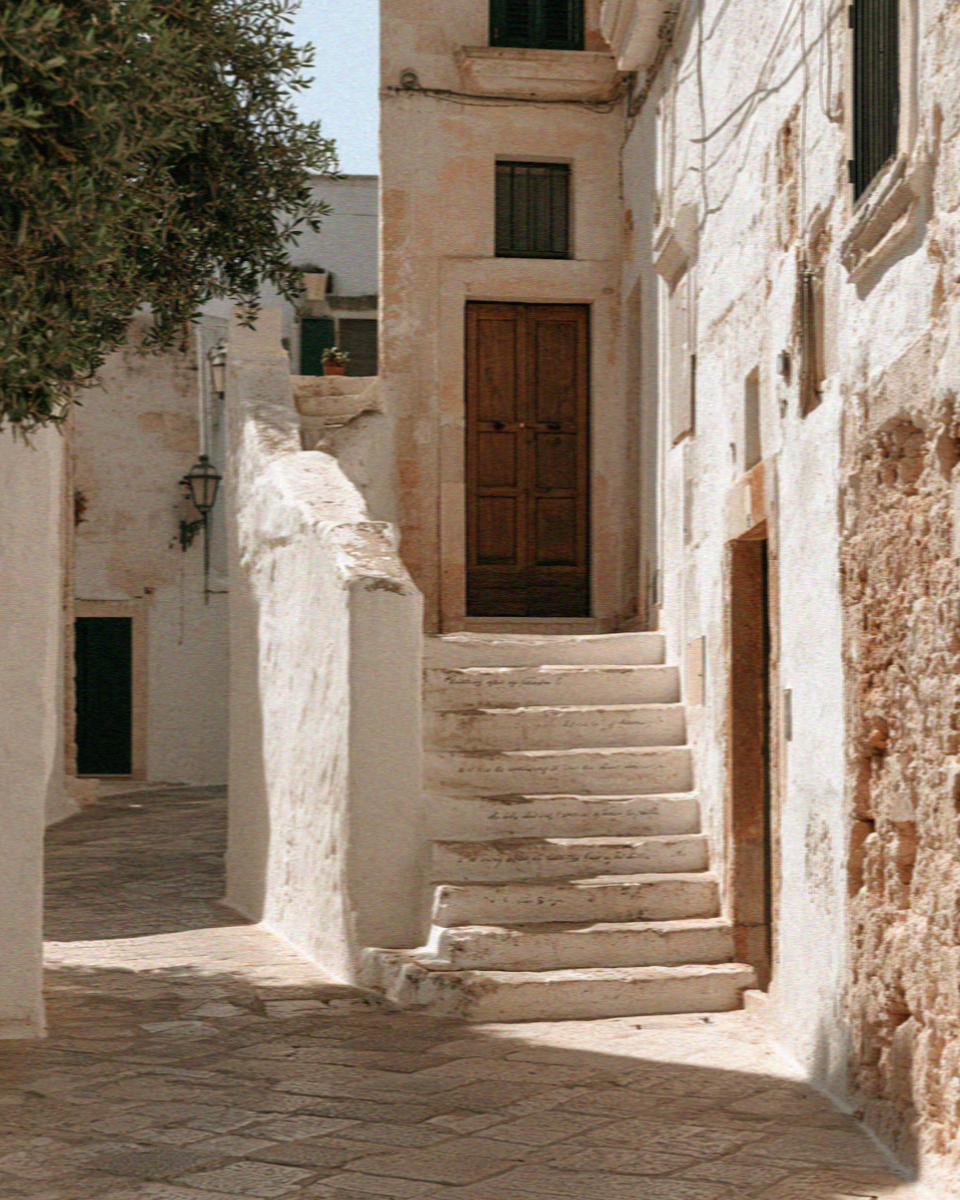
You enter through the Arco Marchesale, a sixteenth-century gate that was once the only way into the walled town, with the ruined shell of a fifteenth-century church still perched above it. Through the arch the streets go narrow and white and the noise drops.
Then you get lost on purpose. The centro storico is small enough that you cannot really go wrong, and its whole pleasure is the way it keeps delivering you to the sea. Terrazza Santo Stefano is the one everybody photographs, a small balcony over open water. There are half a dozen others with no names.
Look down as you walk. A local poet who signs himself Guido il Flâneur has painted lines of verse onto walls, doors and steps all over the centre, thickest along Via Commedia delle Mura. It sounds twee and it is not. Coming across a line of Italian poetry on a step at seven in the morning, with nobody about, is one of the better things this town does.
Down on the seafront, the Modugno statue stands three metres tall in bronze, arms out, mid-song. It was made by the sculptor Hermann Mejer and it is the most photographed man in Puglia. People queue to stand beside him with their arms up. Join in, it is that sort of town.
Then there are the things that are not on any list. The Ponte Borbonico, the bridge over the ravine, which is a viewpoint disguised as infrastructure. The small churches in the centre, cool and dim and empty in the middle of a hot afternoon. The cliff-diving platform bolted to the rock above the cove, which sits there all year looking implausible.
And the single best free thing: pick an alley you have not walked, follow it toward the noise of the sea, and see where it puts you out. It works nearly every time.
The full list, in the order I would actually do it, is in the best things to do in Polignano a Mare.
The beaches
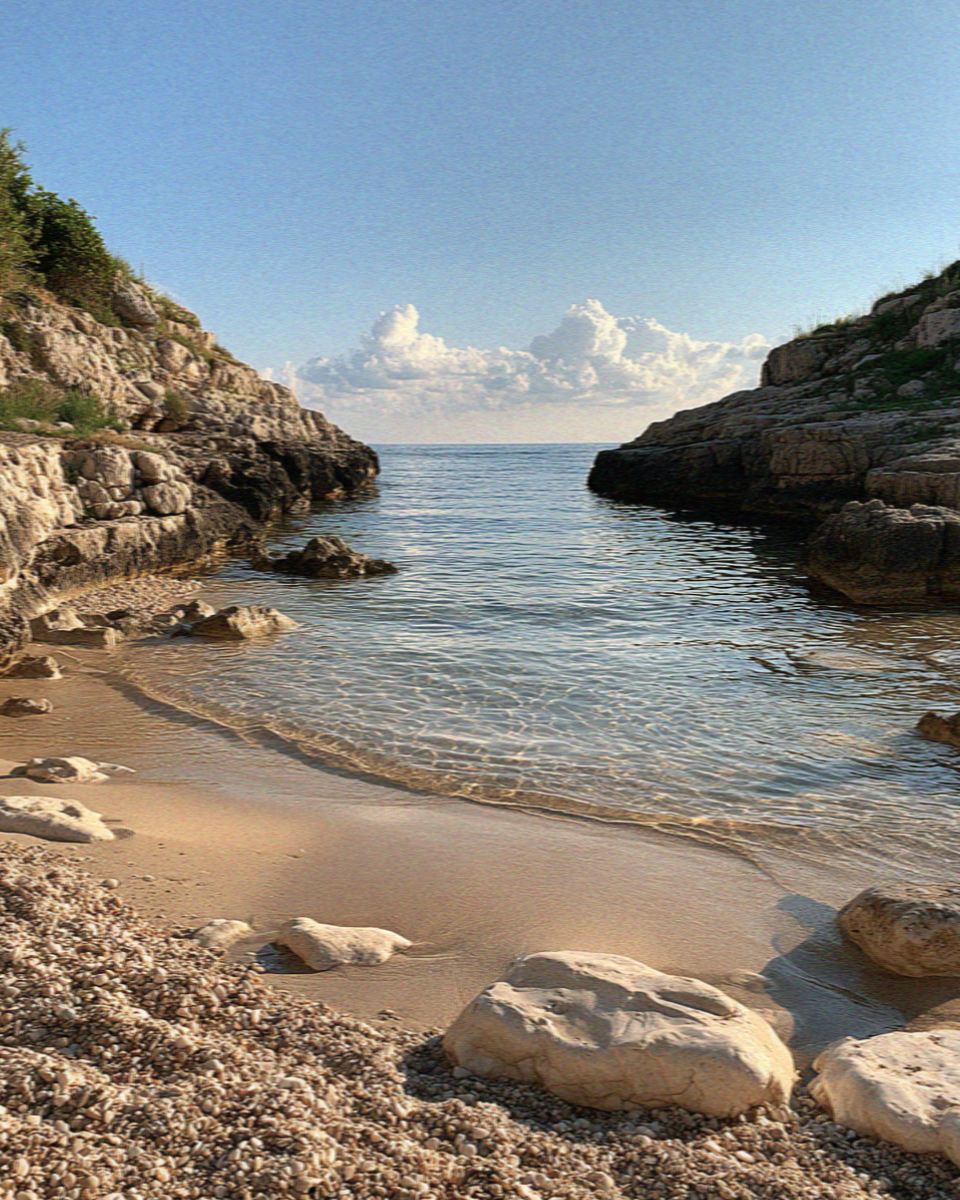
Set your expectations correctly and you will love them. Arrive expecting the Amalfi Coast and you will be confused.
These are coves, not beaches. Pebble and rock, mostly, with limestone walls around them and water that goes deep fast. There is very little sand anywhere.
Lama Monachile, also called Cala Porto, is the famous one: a narrow strip of pale pebbles at the bottom of the ravine, between two near-vertical cliffs, reached by stone stairs. It is beautiful and it is small, and in July and August it is full by nine in the morning. Be on those stairs before half past eight or accept that you are there to look, not to lie down.
Away from it the coast opens up. Cala Paura is about a kilometre and a half from the centre, a set of rocky inlets where the bottom drops away almost immediately, which makes it excellent for snorkelling and for going in off the rocks. Porto Cavallo, south of town near San Vito, is one of the few places with actual sand and a gentle entry, which makes it the family answer. Cala Incina is rocky and good for snorkelling.
One practical thing that matters more than it sounds: bring water shoes. Every entry here except San Vito is over rock, and bare feet lose.
Which cove suits which kind of day, and how to time each one, is in the best beaches in Polignano a Mare.
Getting out on the water
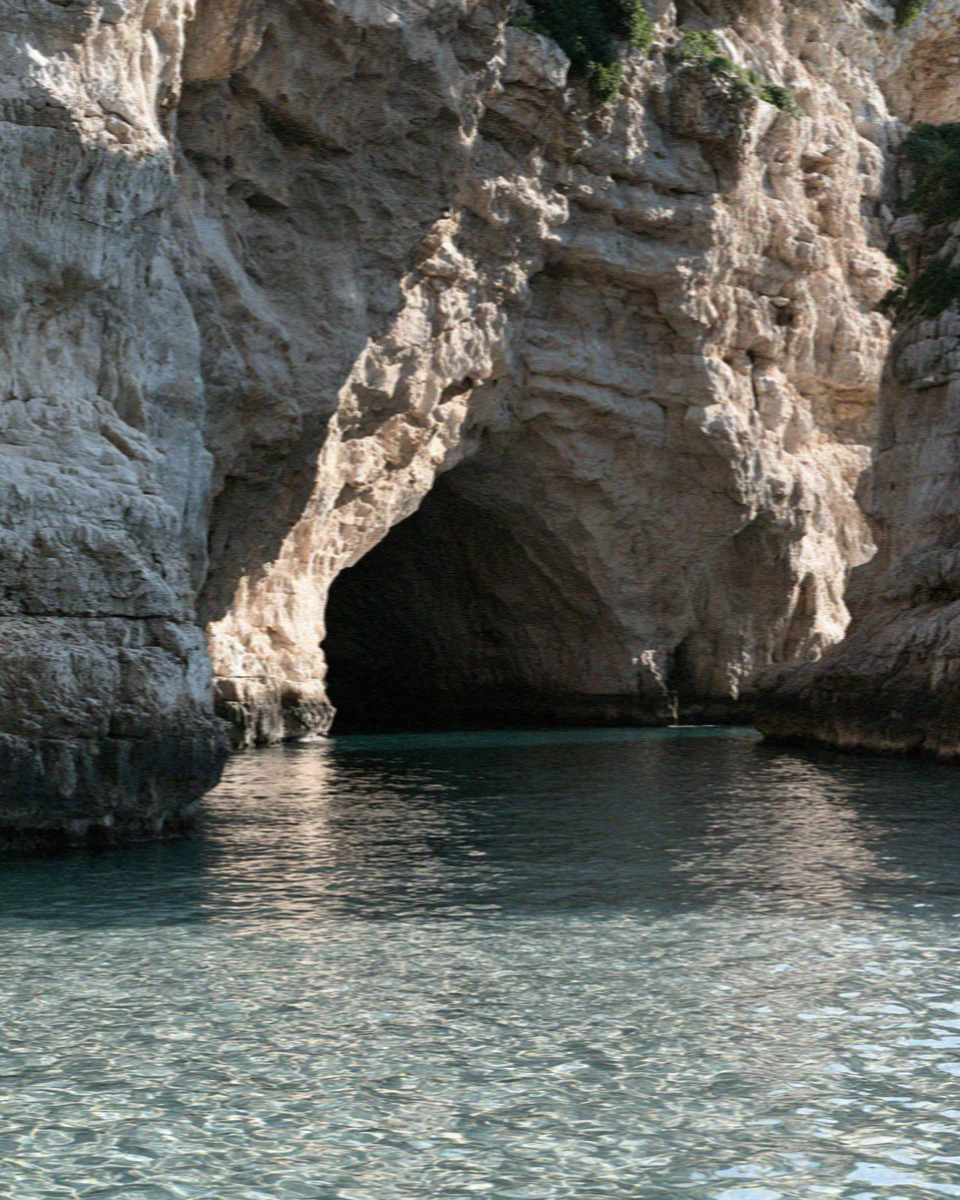
If you do one paid thing here, do this.
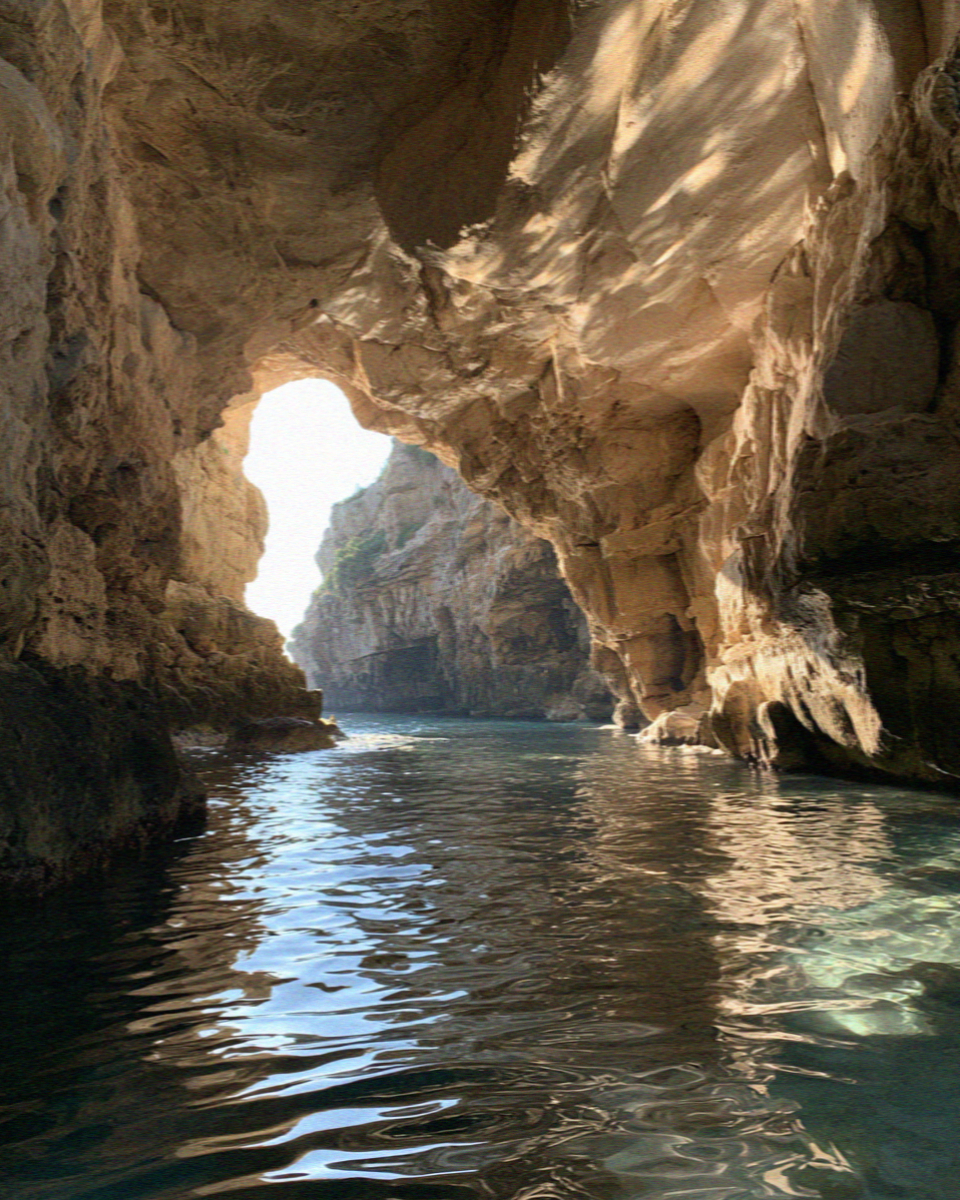
The cliffs below the town are hollow. Boats run out of Cala Ponte Marina and work along the coast into a series of sea caves, and you cannot see any of it from land. The list of names is long and half of them are worth the trip on their own: Grotta Palazzese, Grotta Azzurra, Grotta Piana, Grotta delle Rondinelle, Grotta Ardito, Grotta degli Innamorati, the Grottone, past Scoglio dell’Eremita and Cala Port’Alga.
Tours come in roughly 1.5, 3 and 4.5 hour shapes. The short one is a look. The longer ones stop so you can swim in coves you could not otherwise reach, with ladders off the boat, and usually end with a prosecco.
The full rundown, including which length to book and what to take, is in Polignano a Mare boat tours and the sea caves.
Where to eat and drink
Two things here are famous and one of them is a coffee.
Ristorante Grotta Palazzese is the cave restaurant, set inside a limestone hollow in the cliff with the sea underneath the tables. You have seen it photographed even if you have never heard its name, and the prices reflect that: à la carte runs 250 euros a head for one to three dishes, 280 for four, 300 for five. It is open late spring and summer only, dinner sits in two-hour turns, and you have to book through their own site. Whether it is worth it is a real question and I answer it honestly in the food guide.
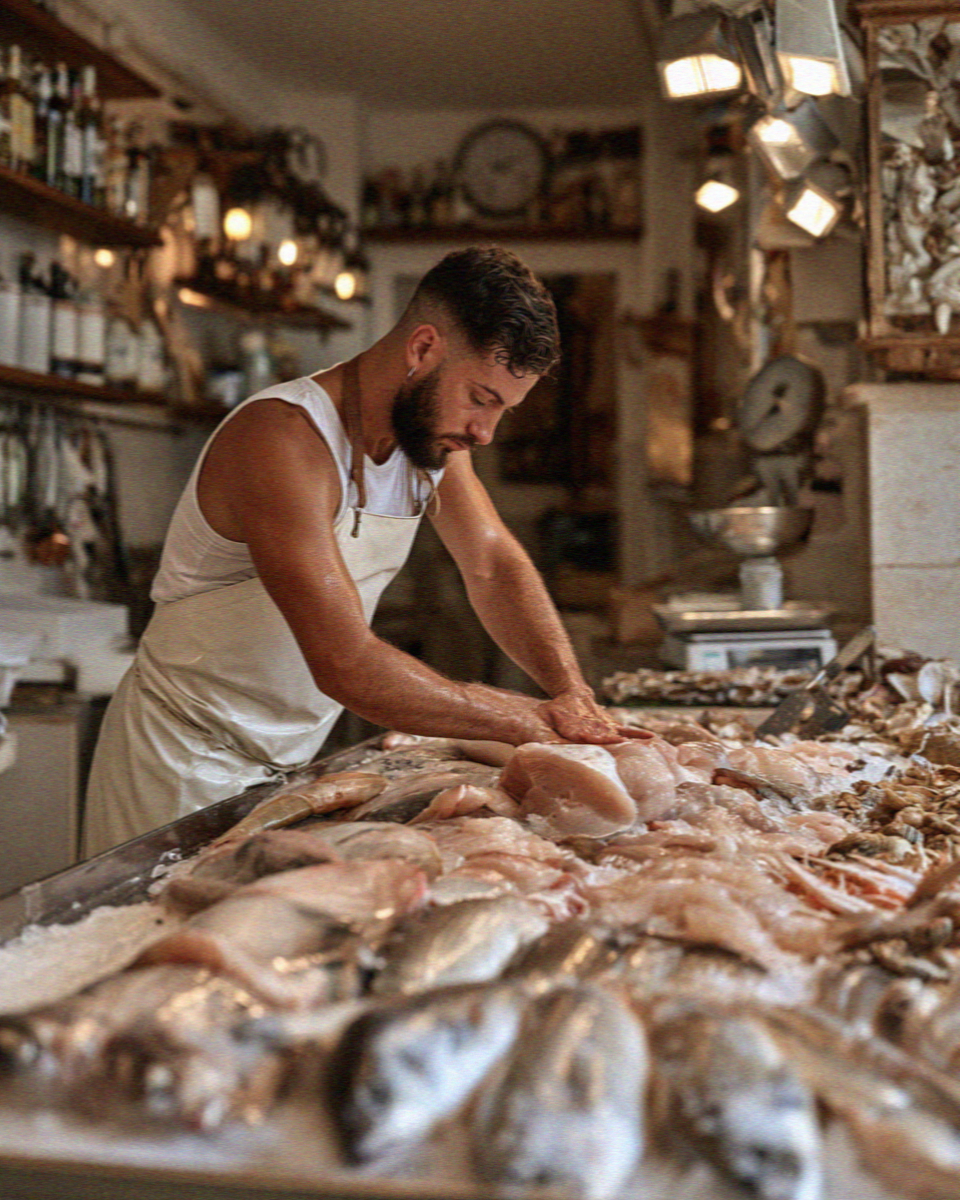
At the other end, Pescaria on Via Mazzini is informal seafood done properly, raw and cooked, eat in or take away, and it is where I would actually send you.
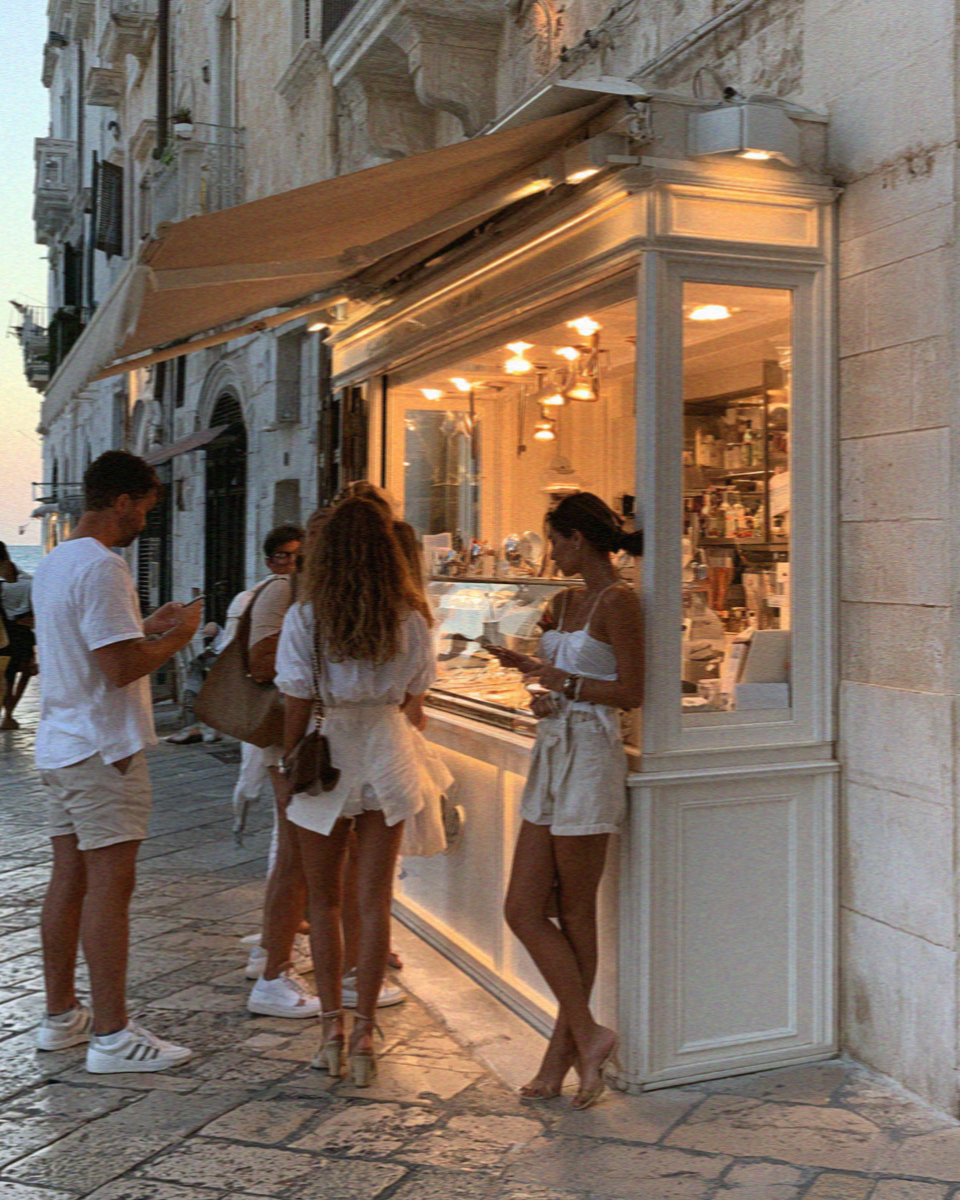
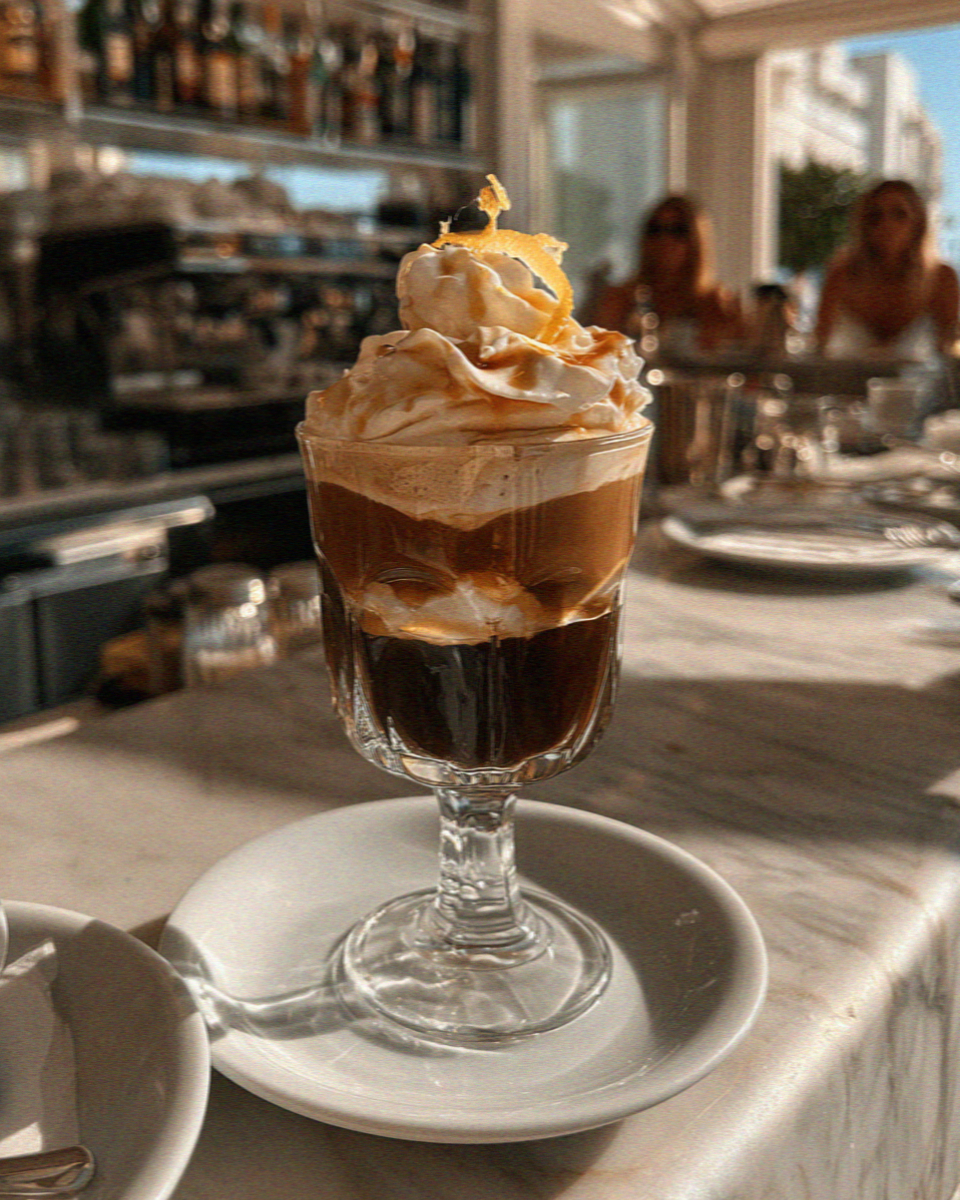
And then the coffee. The caffè speciale was invented here, at Mario Campanella, Il Super Mago del Gelo on Piazza Giuseppe Garibaldi: espresso with cream, amaretto and lemon zest, served warm in a glass. It is not a coffee with things in it. It is its own drink.
All of it, with what to order and what to skip, is in where to eat and drink in Polignano a Mare.
Where to stay
The decision is simple: inside the old town or outside it.
Inside means whitewashed walls, sea from the window, and the town at six in the morning when it belongs to nobody. It also means no car anywhere near you, a suitcase over cobbles, and some noise in season. Hotel Covo dei Saraceni sits on the water with a rooftop terrace and is the easy well-located choice, from around 195 dollars a night. Smaller boutique rooms like San Michele Suite and Malcandrino put you deeper in the lanes.
Outside means resorts with pools and parking, Pietrablu Resort & Spa among them, and a short drive in. Entry-level rooms across the town start around 96 dollars.
The one thing I would say to anyone deciding: stay the night. Polignano as a day trip is a different and much worse town. The whole thing changes at seven in the evening when the buses have gone.
Areas, trade-offs and specific properties are in where to stay in Polignano a Mare.
Photography
This is a town people come to photograph, so it is worth being straight about where the pictures actually are.
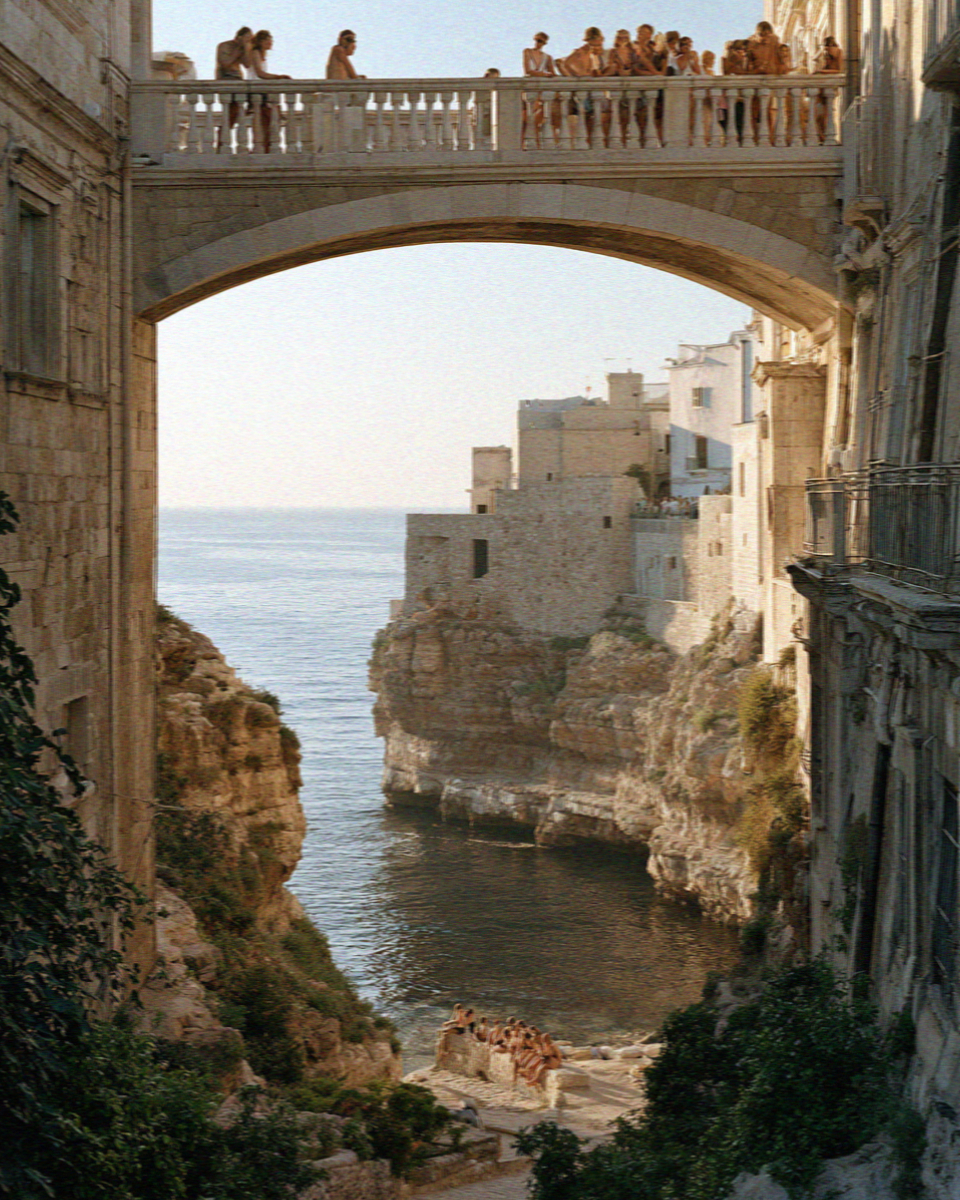
The Ponte Borbonico, the old bridge over the ravine, gives you the shot everybody knows: straight down into the cove between the cliff walls. Go at first light or accept forty people beside you.
Terrazza Santo Stefano and the smaller unnamed terraces give you the open sea and the cliff edge. The painted verses on Via Commedia delle Mura are the detail shot. And the best wide view of the town is not from the town at all, it is from the water, which is another argument for the boat.
Where to stand and when, in the best photo spots in Polignano a Mare.
A suggested day, and a suggested two
One day, done right: be in the old town by half past seven. Walk it empty. Down the stairs to the cove before half past eight. Swim. Up for a caffè speciale. Late morning boat out to the caves. Long informal seafood lunch. Sleep it off somewhere shaded. Aperitivo on a terrace at six. Dinner late. Walk the lanes again at eleven when they are lit and quiet.
Two days lets you add the quieter coves, a proper afternoon at Cala Paura, and a half-day out to Monopoli or the trulli.
The hour-by-hour version is in the Polignano a Mare itinerary.
Getting there, getting around, and the car problem
Polignano sits on the Bari to Lecce coastal line. From Bari Centrale it is a regional train of roughly 25 to 40 minutes depending which one you catch, fares in the region of 3 to 5 euros, and about 35 direct trains a day. The station is a walk from the old town. For most people this is simply the answer.
If you drive, understand this before you arrive: the old town is a ZTL. A limited traffic zone, clearly signed, strictly enforced, and fines in Puglia run 80 to 100 euros. Do not drive in to have a look. Park outside and walk. Piazzale San Francesco, just south of the zone off Via San Lorenzo, is the convenient one, and there is a 220-space lot about seven minutes’ walk from Piazza Aldo Moro at 1.50 euros an hour.
Once you are here you walk. The town is small and most of it is closed to cars anyway.
Day trips
Polignano is a good base for the coast and a decent one for the interior.
Monopoli is the obvious pairing and the easiest, a few minutes down the same coastal line. It is bigger than Polignano, less polished, and has a proper working harbour full of blue boats. If Polignano feels like a set on a busy day, Monopoli is the antidote and it has better beaches.
Bari is half an hour north on the same train. The old city, Bari Vecchia, is a knot of lanes where women make orecchiette on tables in the street, and the basilica holds relics that have drawn pilgrims for nine hundred years. Easy as a half day.
Inland is a different Puglia entirely. Alberobello is the trulli town, thousands of conical drystone roofs, a UNESCO site and unashamedly touristed, and still worth seeing once because there is nothing else like it. Ostuni is the white town, stacked on a hill above olive groves, and it is the one people fall for.
Matera is the long one, a couple of hours each way, and it is not really a day trip. Cave dwellings cut into a ravine, inhabited for millennia, abandoned in shame in the fifties and now a European Capital of Culture. If you can give it an overnight rather than a day, do.
Times, connections and which ones are worth a whole day are in getting to Polignano a Mare and the best day trips.
Who it suits
Couples, obviously and almost too much so.
Swimmers and people who like water, absolutely. This is a town for people who want to get in the sea rather than sit beside it.
Photographers, yes, if you will get up early.
Families, with one caveat: the coves are rock and the drops are real. Porto Cavallo and San Vito are the ones that work with small children.
Anyone wanting a resort, no. Stay outside town or go elsewhere.
What to wear
Light and simple, and shoes that handle worn stone.
The old town is all polished limestone and it is slippery in leather soles. Bring water shoes for the coves. Bring a shirt or wrap, both for churches and because the evenings drop cooler than the days suggest, especially in the shoulder months. And bring something you can swim in under your clothes, because you will end up in the water on a day you did not plan to.
Evenings
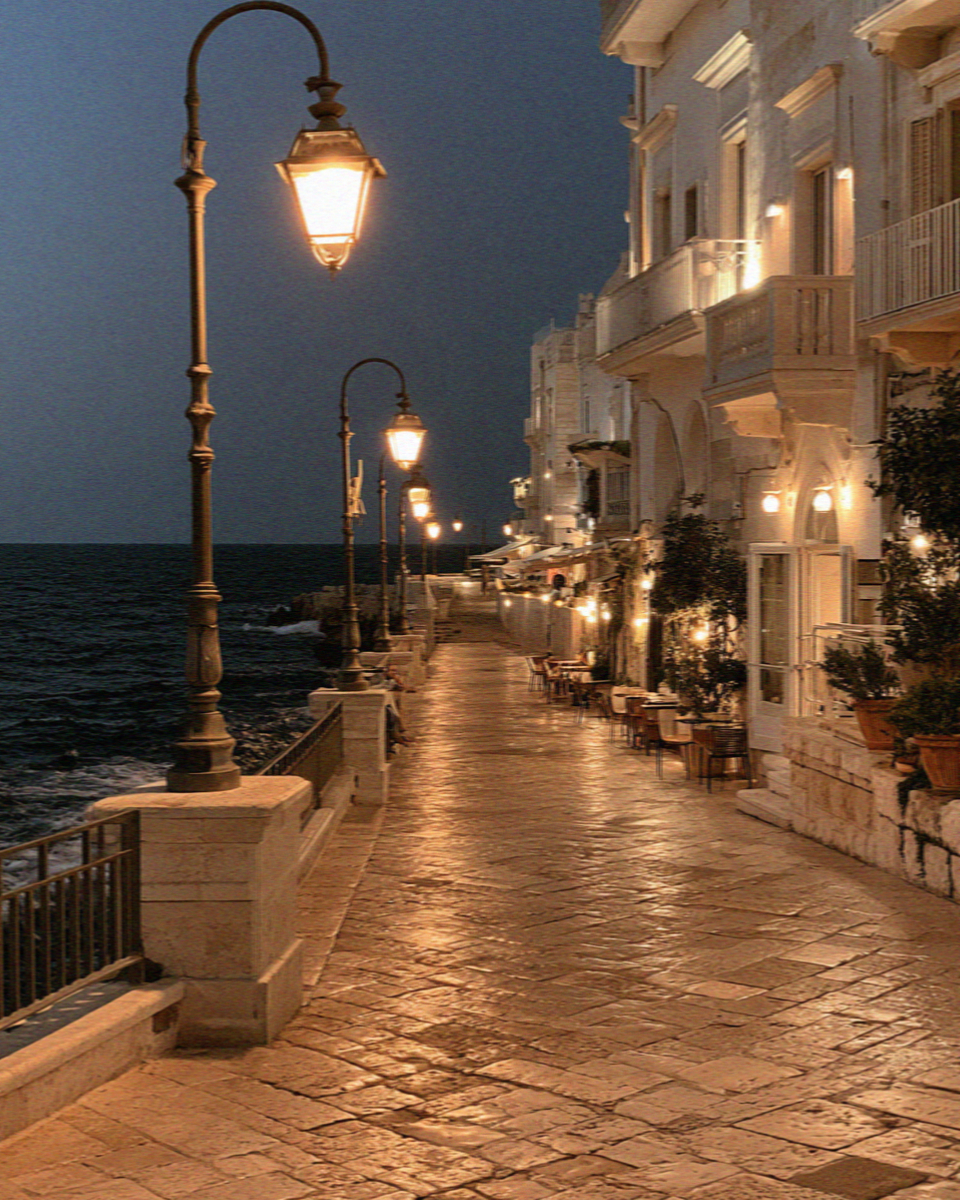
This is when the town is best, and it is the single strongest argument for staying over.
The day visitors leave. The temperature drops. The lanes light up warm and the terraces fill with people who are in no hurry, and the whole place slows into a passeggiata that goes on for hours. The cove below the bridge is floodlit and impossibly green.
You will have seen the town at nine in the morning with three hundred other people. At ten at night you get something closer to what it is.
More images from Polignano a Mare









Your Polignano a Mare Guides
Everything here in detail, guide by guide.
- The Best Things to Do in Polignano a Mare
- A Polignano a Mare Itinerary: One to Two Days
- Where to Stay in Polignano a Mare
- The Best Beaches in Polignano a Mare
- Polignano a Mare Boat Tours and the Sea Caves
- Where to Eat and Drink in Polignano a Mare
- The Best Time to Visit Polignano a Mare
- Getting to Polignano a Mare and the Best Day Trips
- The Best Photo Spots in Polignano a Mare
Polignano a Mare Travel Diaries
- Polignano a Mare, and the Hour Before Nine
- Polignano a Mare – What the Town Is Standing On
- Polignano a Mare – What You Get Instead
More of southern Italy, and everywhere else I have been, sits in the Italy archive.
Frequently Asked Questions
Is Polignano a Mare worth visiting?
Yes, with one condition: come early in the day or stay the night. The town is genuinely beautiful and unusually dramatic, built on a cliff above sea caves with a pebble cove in a ravine at its centre. But it is small and very popular, and between roughly ten and five in high season it is extremely full. Seen at seven in the morning or ten at night it is one of the loveliest places in southern Italy.
How do you get to Polignano a Mare from Bari?
By regional train from Bari Centrale, which takes roughly 25 to 40 minutes depending on the service, costs somewhere between 3 and 5 euros, and runs about 35 times a day. The station is a short walk from the old town. Driving is possible but the historic centre is a strictly enforced limited traffic zone, so you park outside and walk in either way.
How long do you need in Polignano a Mare?
One full day covers the old town, a swim and a boat trip if you start early. Two days is better and lets you reach the quieter coves and take a half day out to Monopoli or the trulli. Many people come as a half-day trip from Bari, which technically works and shows you the town at its worst hour.
Can you swim at Lama Monachile?
Yes, and it is one of the best swims in Puglia, but it is a small pebble cove between two cliffs and it fills fast. In July and August it is crowded by nine in the morning. Arrive before half past eight or swim off the rocks further along the coast instead. Water shoes make the pebbles and the rock entry much easier.
Is Grotta Palazzese worth the money?
It depends what you are buying. The setting, a dining room inside a sea cave in the cliff, is genuinely extraordinary and there is nothing else quite like it. The food is good rather than transcendent, and à la carte runs from 250 euros a head. If you want the room, go and enjoy it. If you want the best meal in town for the money, eat somewhere else and take the boat past the cave instead.
When is the Red Bull Cliff Diving event in Polignano a Mare?
The World Series stop returns to Polignano and the 2026 edition is scheduled for 25 to 27 September, drawing around thirty-five thousand spectators to the cliffs and rooftops around the cove. It transforms the town completely. Confirm the dates directly before booking travel around them.
What is caffè speciale?
A drink invented in Polignano at Mario Campanella, Il Super Mago del Gelo on Piazza Giuseppe Garibaldi. Espresso with cream, amaretto and lemon zest, served warm in a glass. It is a local institution rather than a novelty, and it is worth the queue.
Is Polignano a Mare good for families?
Parts of it. The old town is easy and the evenings are relaxed, but the swimming is mostly off rock with real drops, which does not suit small children. Head for Porto Cavallo or San Vito, south of the centre, where there is some sand and a gentle entry into the water.