Lecce is a long way down. It sits in the heel of Italy, in the Salento, past the point where most itineraries have already turned around and gone home, and the effort of getting there is the first thing anyone will tell you about it. The second thing they will tell you is that it was worth it, which is true, though not always for the reasons people give.
What surprises you is not the ornament. You expect the ornament. What surprises you is that the whole city is made of one material, a soft pale gold limestone quarried out of the ground a few kilometres away, and that this single fact governs everything you see: the depth of the carving, the way the light behaves at either end of the day, the fact that the stone has worn and pitted and gone slightly grey in the rain shadows and slightly warm where the sun reaches it. Lecce is not a monument set down in a town. It is a town built out of itself.
It is also, and this matters for planning, a city with no beach. The Salento has some of the best coastline in Italy on both sides of it, and none of it is here. Lecce is inland, twenty minutes or so from the nearest water, and the whole appeal of staying here is that you can be in a real working city in the evening and on a dune at eleven in the morning. That is a trade most people are happy to make once they understand it.
This guide covers the whole of it: when to come, what to see, what to eat, where to sleep, how to reach the coast, and what a couple of days here should actually look like. Everything is broken out in more detail in the individual guides listed near the bottom.
What to book before you come
Almost everything in Lecce is a facade you can stand in front of for free. The exceptions are the parts of the city underneath it, and the food.
- The baroque and the underground on foot. There is a Roman city down there, and much of the old town stands on cisterns and crypts you would never find alone. 4.6 from over fifteen hundred people.
- A pasta class in a fifteenth century courtyard. Orecchiette by hand, which sounds like a cliche until you watch somebody do four hundred in the time you manage nine.
- The street food and wine walk. Two hours, and the fastest way to learn what a rustico is and where the good one is sold.
Piazza del Duomo, the Roman amphitheatre and every church exterior in the city are free to stand in front of for as long as you like.
The old town
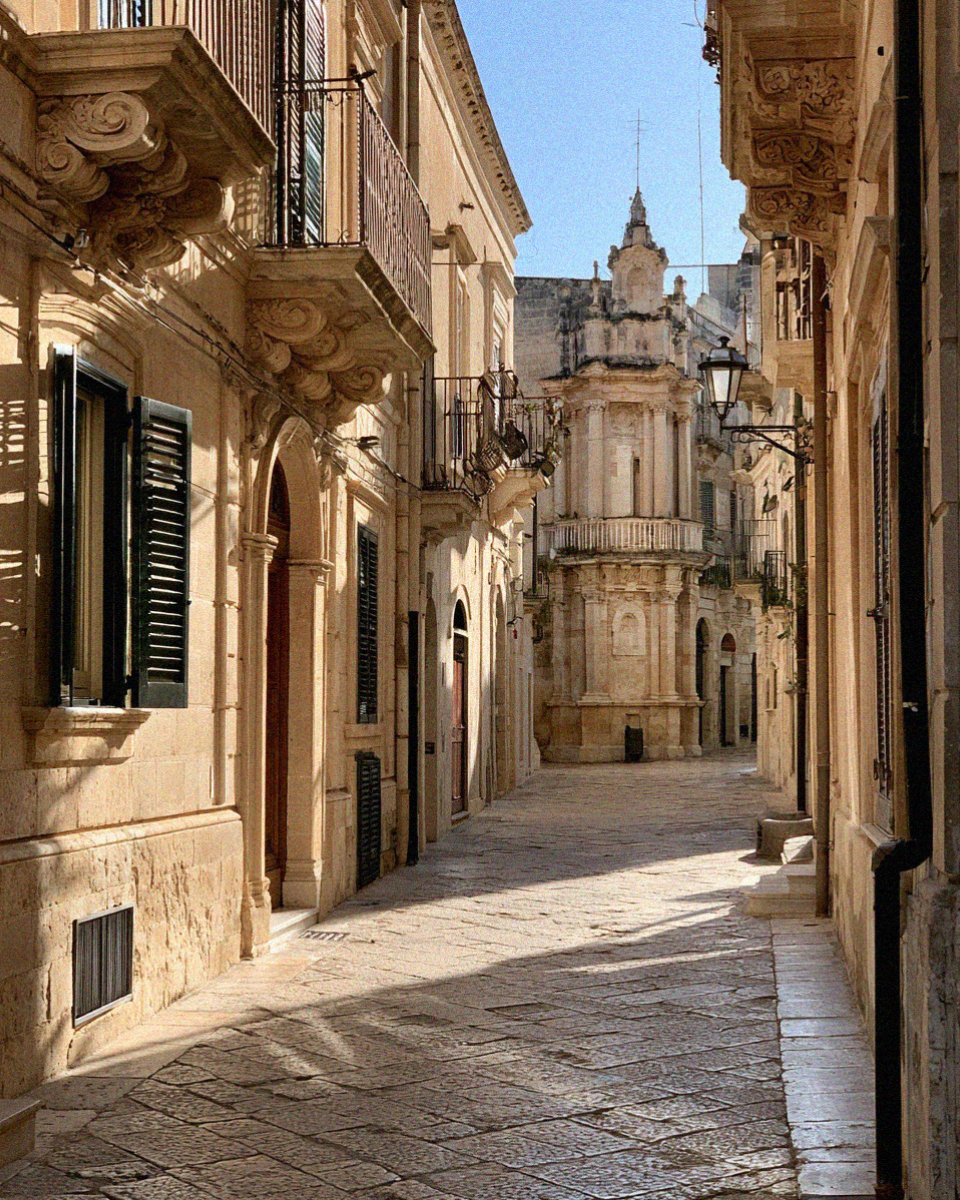
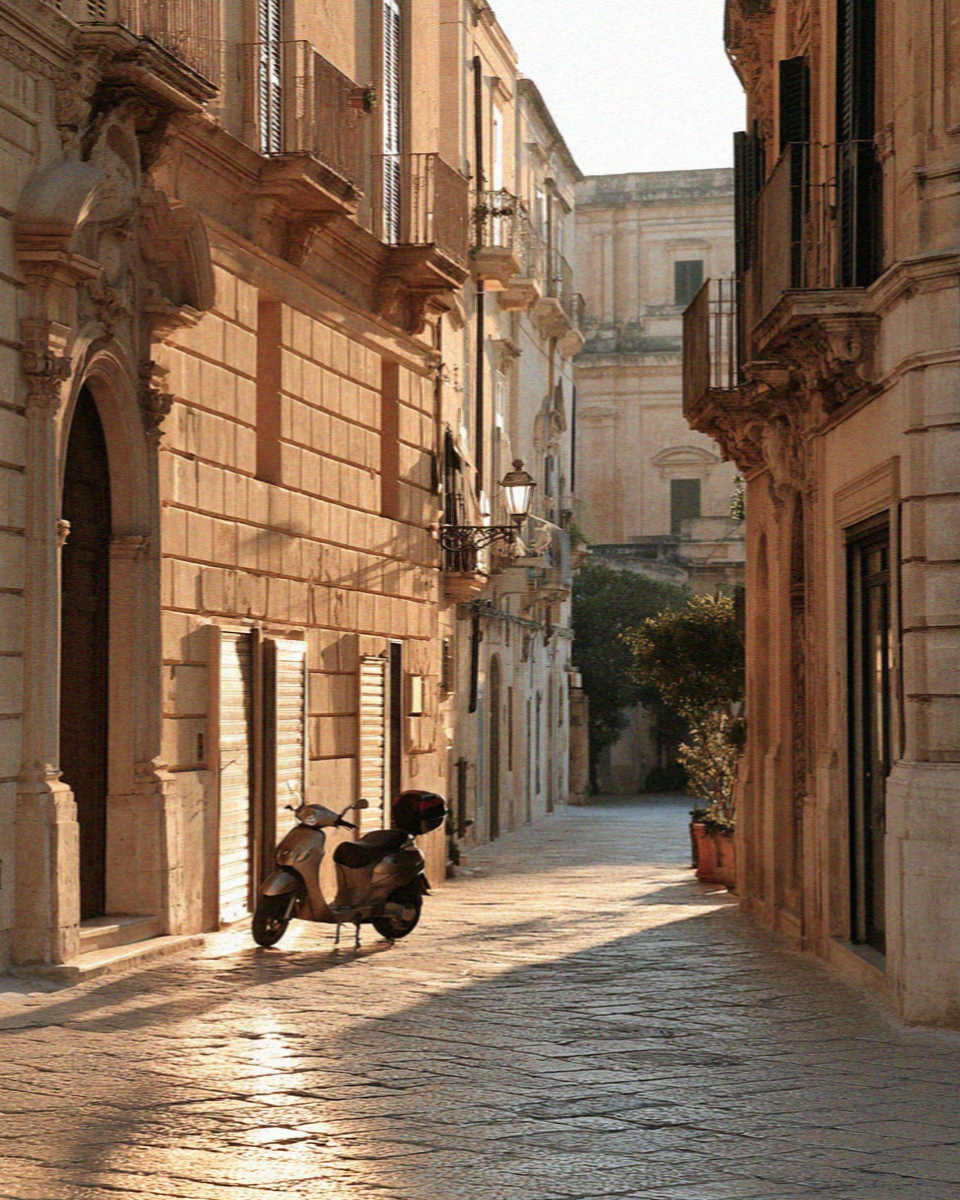
The walled centre is small. Walking from one side to the other takes less than half an hour, and that is only if you do not stop, which you will. What makes it feel larger than it is is the density. Every second building has something carved into it, and the carving is not confined to the churches. Ordinary houses carry balconies held up on scrolled corbels shaped into lions, foliage, faces. Doorways have deep architraves. There are courtyards behind gates that you catch a second of as you pass.
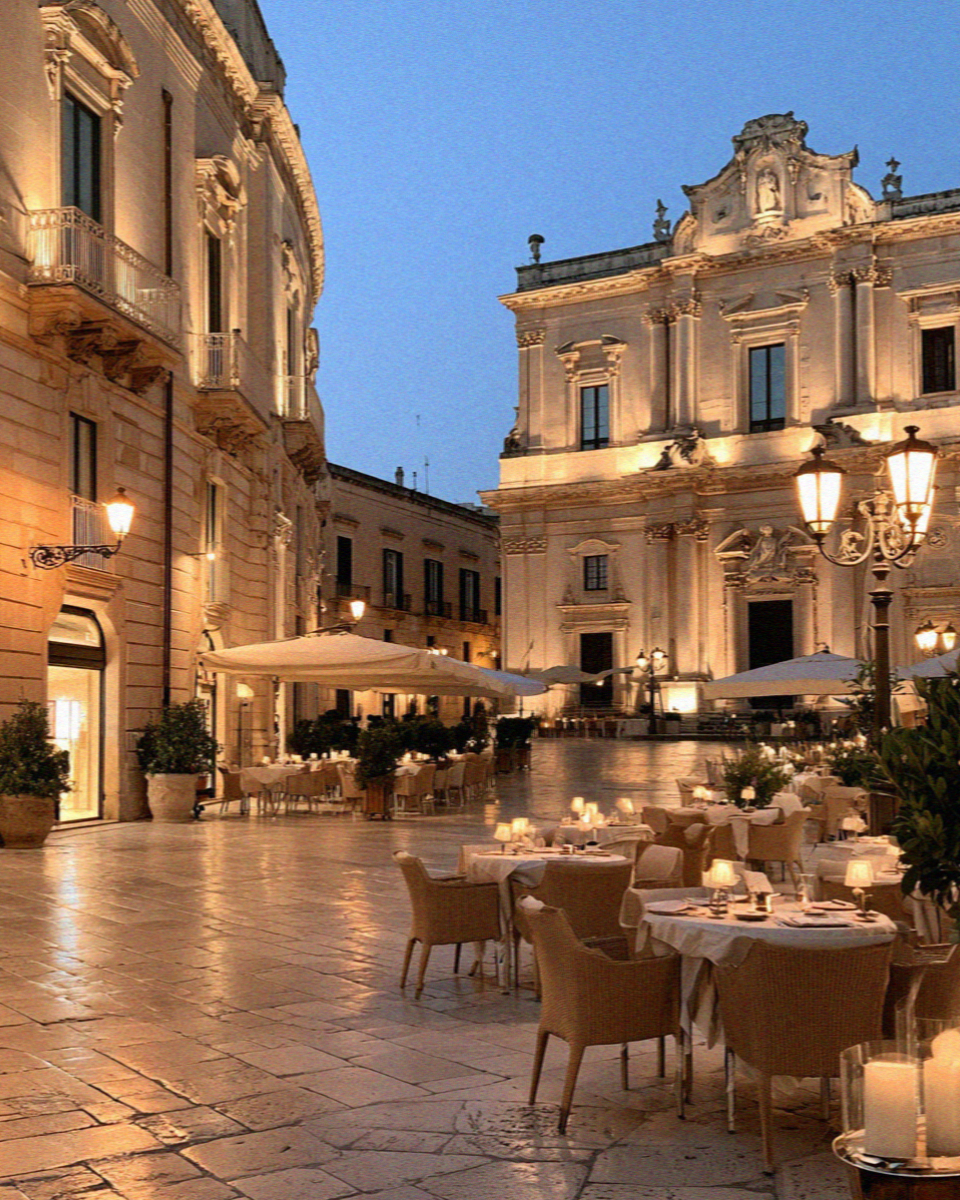
Three spaces organise the whole thing. Piazza Sant’Oronzo is the main square, busy and open, with a Roman amphitheatre sunk into the middle of it. Piazza del Duomo, a couple of minutes west, is the opposite: walled in on three sides with a single gap to enter by, so nothing passes through it and nobody arrives who did not mean to. It is unusual, and it is the single most photographed thing in Lecce for good reason. And Basilica di Santa Croce, north of Sant’Oronzo, which is not a square at all but a facade so worked over that the street in front of it functions as one.
Between them is a grid of lanes that is genuinely pleasant to be lost in, partly because you cannot get lost for long. Shops selling papier-mâché saints sit next to bars selling pastry. There is very little traffic inside the walls. In the morning it is quiet and the shutters are closed, in the middle of the day it empties out because of the heat, and at around seven in the evening the whole city comes back outside at once, which is the hour you plan the rest of your day around.
Plan Your Visit to Lecce
A few things I booked and loved. These help support the blog, at no cost to you.
- Where I stayed: search Lecce hotels
- Walking tours and Lecce tickets
- Stay connected: get a travel eSIM
This section contains affiliate links. If you book through them I may earn a small commission, at no extra cost to you.
The best time to visit Lecce
Late April to June, and September into October. That is the honest answer and it does not have much competition. In those months the daytime temperature sits somewhere around twenty-two to twenty-six degrees, the sea is usable at the ends of that range and lovely in the middle, the light is long and clean, and the old town is busy in a pleasant way rather than a difficult one. If you have flexibility, this is where to use it.
July and August are hot. Not uncomfortably warm, hot, with highs around thirty-one to thirty-four degrees and a peak in the middle of July, and effectively no rain to break it. The detail that catches people out is the night: overnight lows stay around nineteen or twenty degrees, so the city does not cool down properly, and the stone holds warmth well into the dark. You can travel here in August, plenty of people do, but you have to accept that the middle of the day belongs to a shaded garden or an interior and that everything else happens early or late.
August also holds both of the big events. Festa di Sant’Oronzo, for the city’s patron, falls around the twenty-fourth to the twenty-sixth, three days of processions, illuminated arches over the streets, stalls and fireworks. And the Notte della Taranta, the pizzica festival that moves around the Salento villages through the middle and end of the month, finishing with an all-night finale at Melpignano late in the month that has drawn crowds reported at over a hundred thousand. The date of the finale moves from year to year, so check it before you book. Both are genuinely worth seeing. Both land in the hottest, fullest fortnight of the year, at the prices that implies. That is a trade-off, not a recommendation, and I have set out the whole year month by month in my guide to the best time to visit Lecce.
Winter is mild and very quiet. The coastal businesses close, church opening hours shorten to nine until six, and the city goes back to being a provincial capital that happens to be beautiful.
Top things to do in Lecce
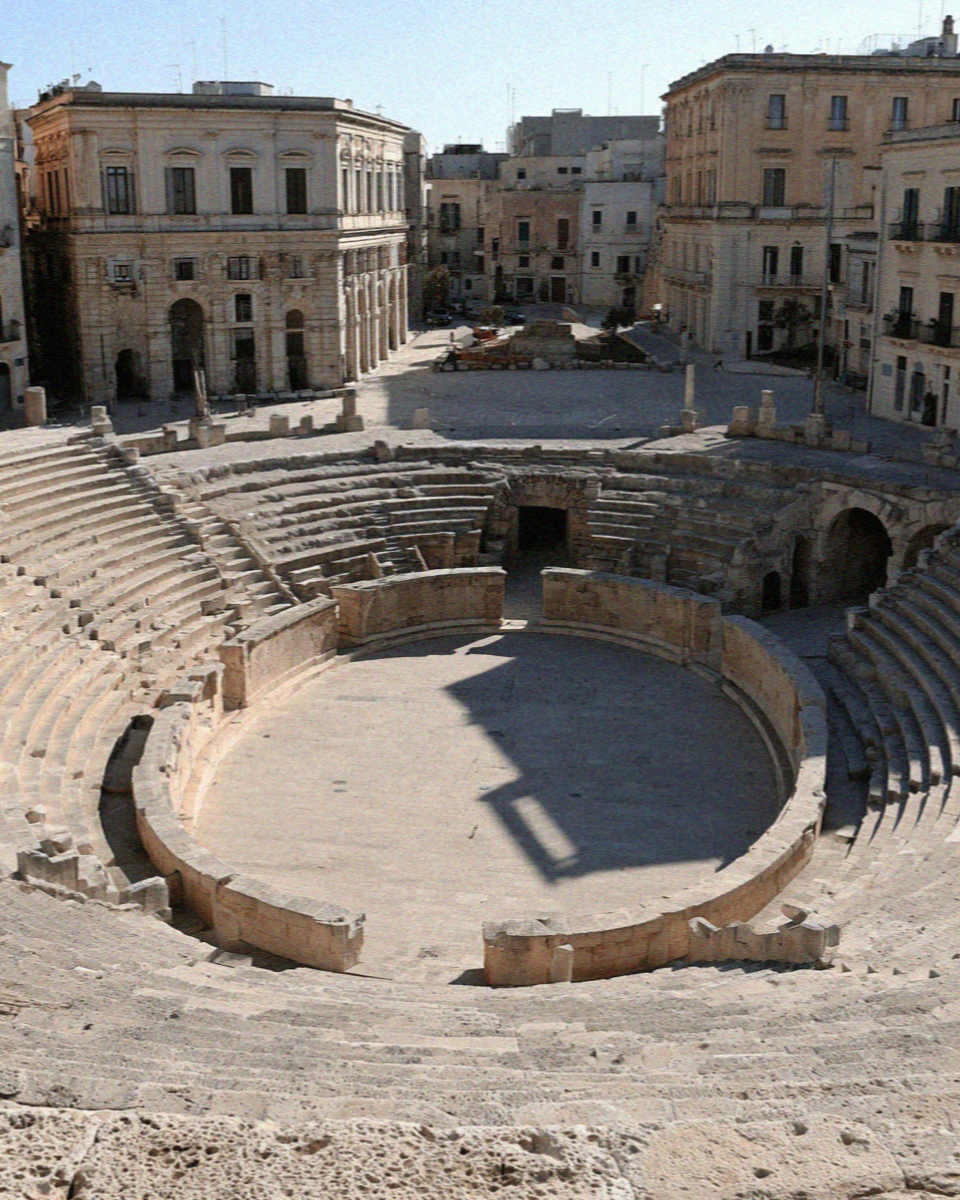
The Roman amphitheatre in Piazza Sant’Oronzo is the one that surprises people, because it is not announced. The floor of the main square simply stops, and several metres below the modern pavement the tiers and the oval sand of a Roman arena carry on. Nobody knew it was down there for centuries, and the digging only began in the early 1900s, after builders working on the square ran into it, which is why you are looking at part of an oval rather than all of one. Roughly a third of the original structure is above ground; the remainder lies beneath the square and the buildings on its rim. At full size it measured about a hundred and two metres by eighty-two, and the ministry that looks after it puts the capacity at twelve to fourteen thousand, rather than the twenty-five thousand you will see quoted almost everywhere. It reopened in October 2025 after two years of works, and you can now go down into it for a few euros rather than only looking over the rail. The hours are seasonal, they favour the afternoon and evening in summer, and it shuts on Mondays, so check before you plan a morning around it. It is still used for performances.
The churches are the other half of it, and they are handled by a single combined ticket, which I will come back to. Museo Faggiano is the one I would not skip: a family started digging in the early 2000s to fix a plumbing problem and kept finding things, and the house is now a vertical section through the city, Messapian remains from the fifth century BC upward through Roman, medieval walls, cisterns, tombs and frescoes. Entry is five euros and it opens daily from half past nine until eight. Allow an hour, more if you like ladders and narrow stairs.
Beyond that: the Castello di Carlo V, a sixteenth-century fortress on the edge of the old town, bigger than anything else of its kind in the region and home to a papier-mâché museum, seen on the guided tour, Wednesday to Sunday; a smaller Roman theatre, separate from the amphitheatre and much less visited, though it is shut for reinstallation works at the time of writing, so check before you walk over; and the Giardini Pubblici Giuseppe Garibaldi behind Santa Croce, a public park laid out in 1830 with pavilions, fountains and real shade, which is where to spend an August afternoon rather than pretending you can walk through one. Everything worth stopping for, roughly in the order I would actually do it, is in my guide to the best things to do in Lecce.
The baroque, and why the stone explains it
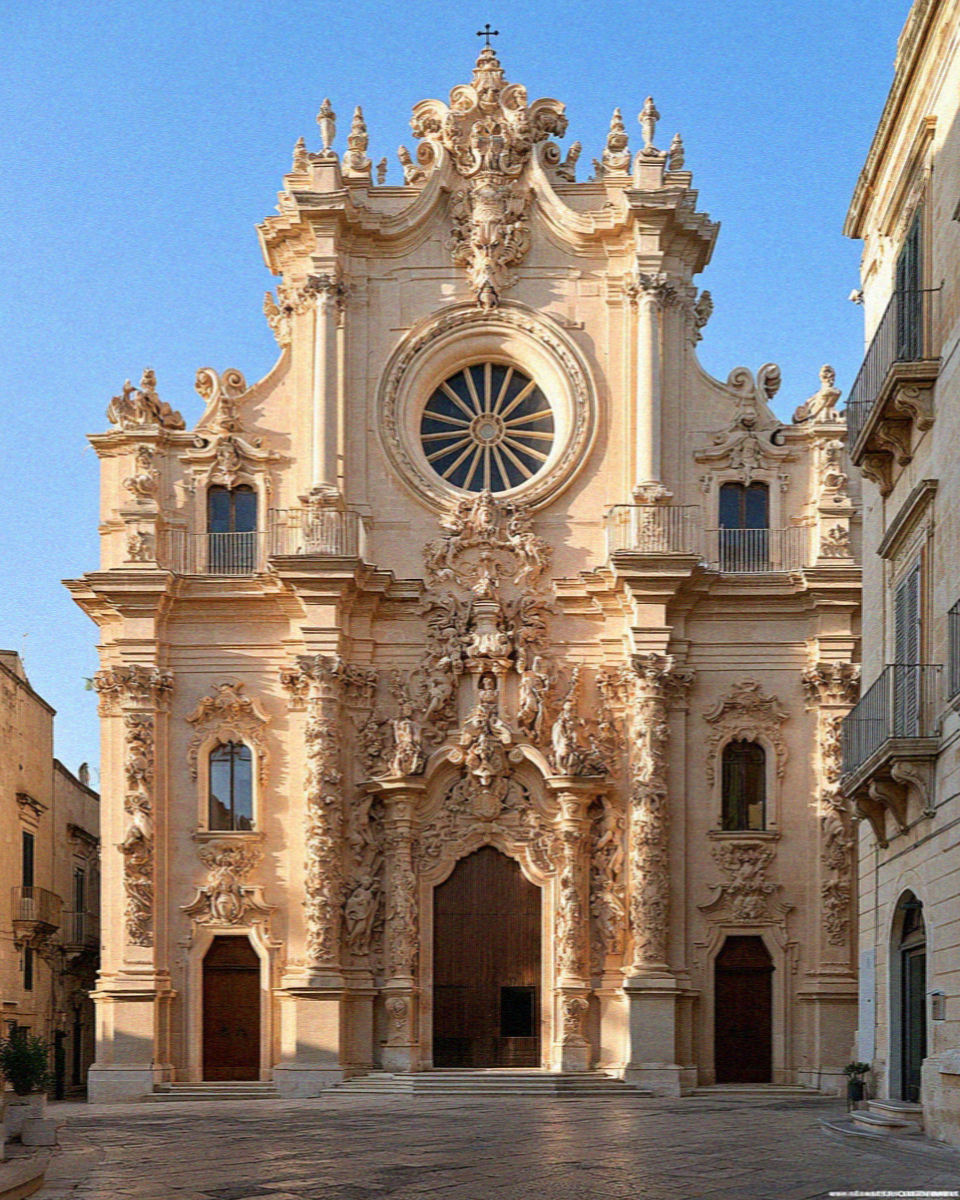
Start with the material and the rest follows. Pietra leccese is a limestone quarried locally, and when it comes out of the ground it is soft enough to be cut with the tools you would use on wood. It hardens on exposure to the air. So a carver in the sixteenth century could work fast, undercut deeply, hollow things out behind and leave a leaf standing free of the wall, and then let the weather set it. That is the whole explanation for why the facades here are so much deeper and busier than baroque elsewhere in Italy. It was not ambition alone. It was that the stone let them.
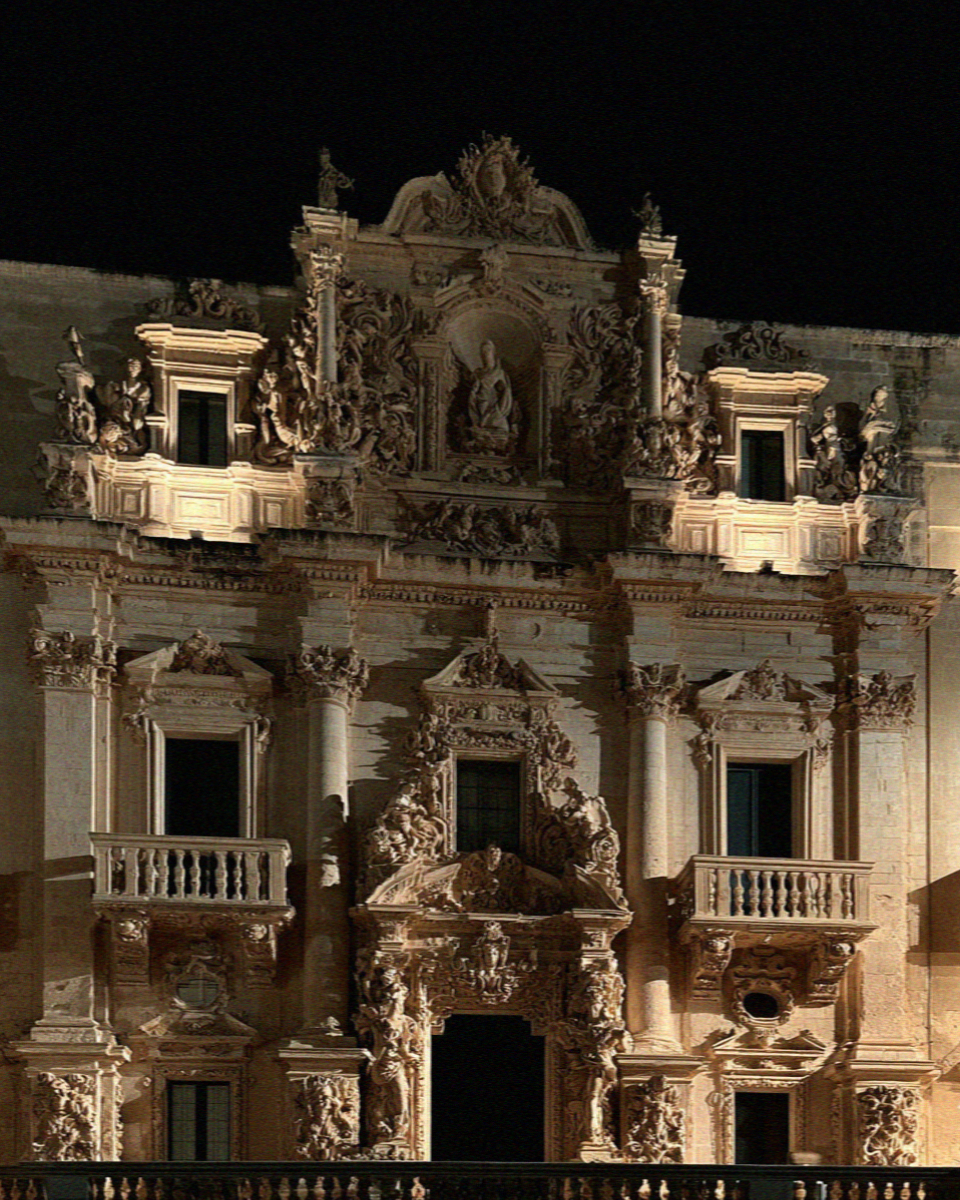
The demonstration piece is the Basilica di Santa Croce, begun in 1549 and finished in 1646, close to a century of work by successive hands. Everything below the rose window has been worked to the point of overflow, beasts and half-figures and leaves packed into one another with no plain surface left anywhere. Stand across the street rather than under it, and give it longer than you think you need, because the pleasure is in picking individual things out. Next door, Palazzo dei Celestini, the former convent, does the same idiom much more quietly and is worth a minute.
For the rest, one combined ticket, LeccEcclesiae, opens six doors instead of six separate transactions, at eleven euros for an adult and less for teenagers and families. The bell tower is not on that ticket, and needs either its own or a dearer version of the combined one. Buy it at the first church you walk into. The single most useful thing about it is the fifteen-day validity with one entry per site, which means the churches do not have to be done in a block; two or three a morning, over several mornings, is far better than six in one hot stretch.
Two practical notes before you go in. Doors close for services and for the quarter of an hour before one starts, so a shut nave at an odd moment is usually a Mass rather than bad luck. And what you wear is a planning decision, not a courtesy: shoulders and knees covered, hat off, and on a thirty-three degree day that has to be settled before you leave the room. The ticket in full, the hours, and the story of the stone, the carving and the papier-mâché trade that grew out of it are in my guide to the baroque of Lecce.
Where to stay
The first decision is inside the walls or outside them, and for a short stay I would say inside without much hesitation. The old town is where the evening happens, and being able to walk back to your room at midnight rather than drive is worth a great deal. The characteristic Lecce room is a conversion inside a palazzo: high vaulted ceilings in bare pale stone, tall shuttered windows, thick walls that stay cool through the afternoon, and often a rooftop terrace looking over the domes and the bell tower. These range from four or five rooms behind an unmarked door to properly serviced hotels, and the good ones are quietly excellent.
There are two things to check before booking. The first is noise. Sound carries in stone lanes, the passeggiata runs late, and a room on a square or above a bar in July will not be quiet at one in the morning. A courtyard-facing room, or one on an upper floor, solves it. The second is parking, and it matters more here than in most Italian cities: the centro storico is a restricted traffic zone, so you cannot simply drive to the door and leave the car outside. Properties inside the walls will either have an arrangement with a garage or will direct you to a car park beyond the gates. Ask before you arrive rather than after, particularly if you are picking up a hire car for the coast.
Staying outside the walls is cheaper, usually easier for the car, and perfectly workable if you do not mind a short walk in. A masseria out in the countryside is a lovely thing in its own right and makes sense if the trip is really about the beaches, though you then lose the evenings in town. I have set out the areas, the trade-offs and what a palazzo conversion is actually like to sleep in in my guide to where to stay in Lecce.
Where to eat and drink
Three things define eating in Lecce, and all three are cheap and eaten standing up. The pasticciotto is a small shortcrust shell about the size and shape of a little boat, filled with warm pastry cream. It is breakfast, and it should be warm, and it is the single most Salentine thing you can put in your mouth. The rustico leccese belongs to eleven o’clock, and if you are at a bar counter at that hour you will watch it happen around you: puff pastry, béchamel and tomato and mozzarella inside, handed over hot enough to be a hazard. And caffè leccese is espresso poured over ice with almond syrup, which sounds like a tourist invention and is not: it is what people drink here when it is thirty-two degrees.
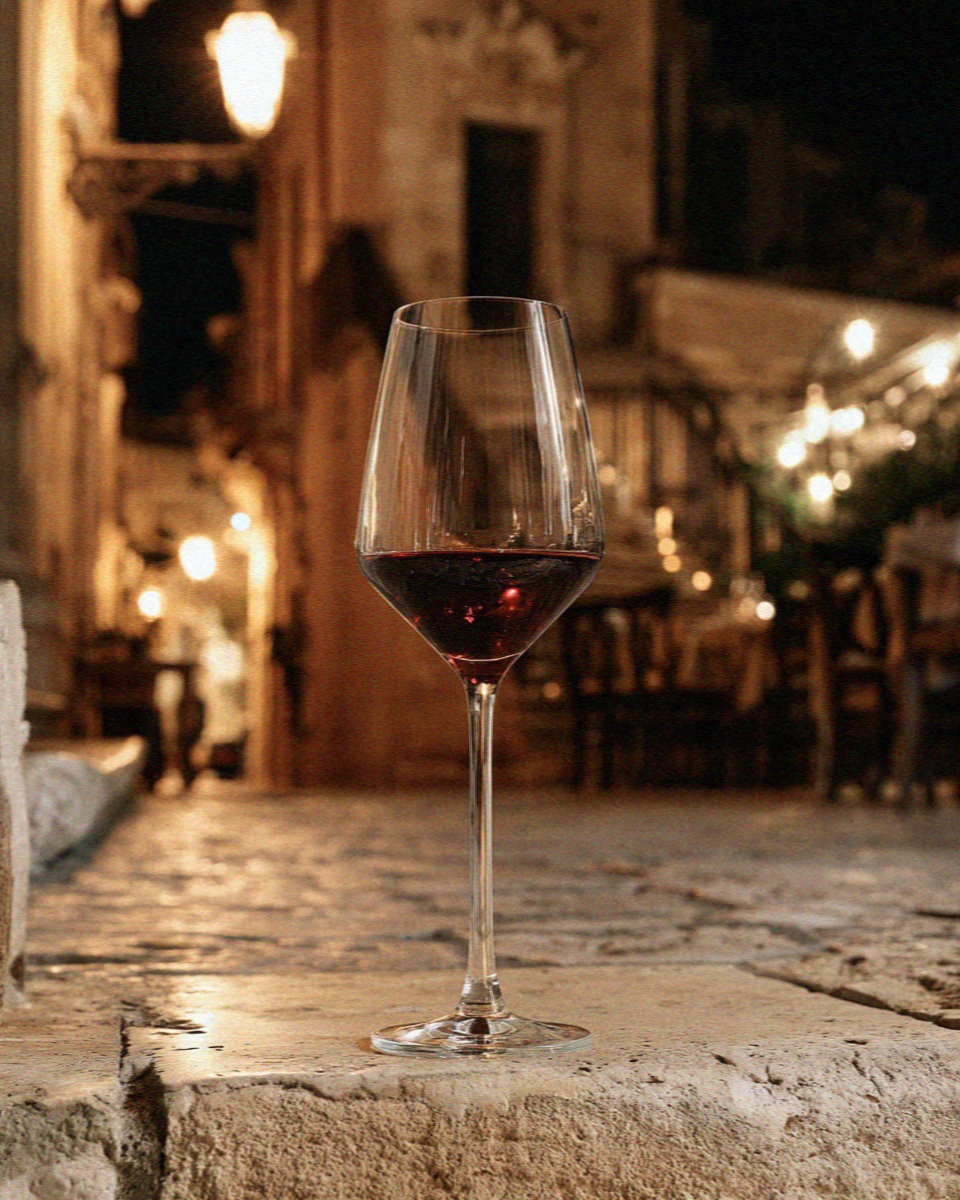
Sit down and the food changes register. Ciceri e tria is the dish to order, a chickpea and pasta plate whose whole trick is that some of the pasta went into hot oil and the rest into water, so no two mouthfuls are quite the same. Fave e cicoria pairs a broad bean purée with wild chicory. Puccia is a filled bread roll and a proper lunch. Pizzi leccesi are breads enriched with onion, tomato and olive. Pezzetti di cavallo, horse meat stewed in tomato, is traditional here and is on plenty of menus, stated plainly because you should know before you order rather than after. The wines are Primitivo, Negroamaro and Salice Salentino, and Negroamaro is the one that belongs to this corner specifically.
For addresses: Caffè Alvino on Piazza Sant’Oronzo is the pasticciotto address, and also does rustici, pucce and pizzi. Natale is the other pasticceria worth the detour. Alle Due Corti is old-fashioned Salentine cooking with a menu written in dialect. Trattoria Nonna Tetti is down to earth and does the ciceri e tria properly. Le Zie Trattoria Casereccia is home cooking of the kind that does not advertise, and you have to be admitted before you can eat. Mamma Elvira is the wine bar. Who eats what at which hour, which is genuinely useful information in this city, is in my guide to where to eat and drink in Lecce.
Photography
Lecce rewards two windows and punishes the one in between. Between roughly eleven and five in summer the sun is directly overhead, the pale limestone throws the light straight back, and the carving flattens out into a white blur with no relief in it at all. Early morning and the last hour or two before dark are when the same facades come back to life, because low light arrives sideways, gets in behind the undercutting and turns every carved leaf and grotesque into a small shadow.
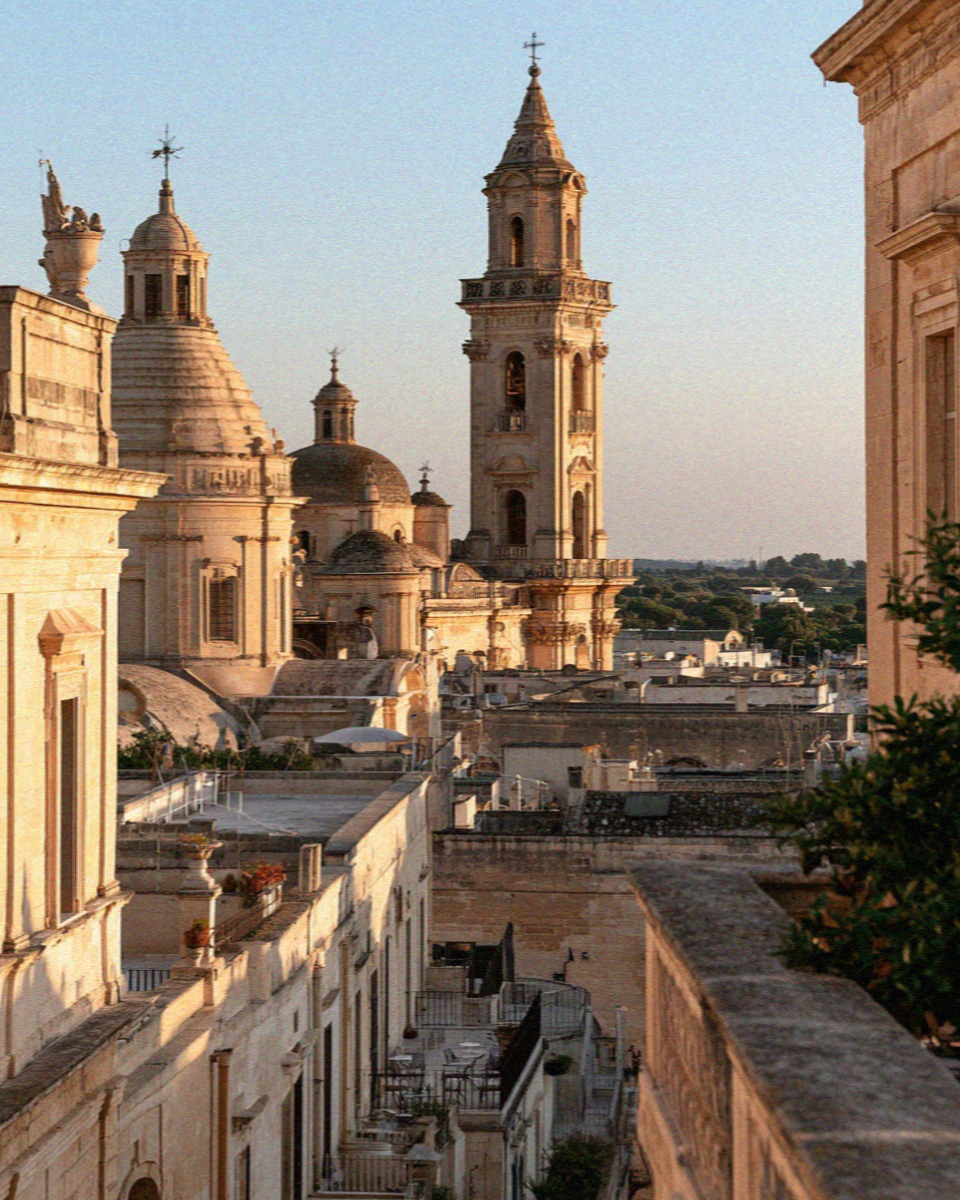
Four things are worth building a plan around. Piazza del Duomo is the best of them, because the single entrance means you can frame the whole enclosed space from one spot with no traffic in it, and because it holds warm light after the open squares have gone flat. The Santa Croce facade needs the raking afternoon sun rather than the front-on midday glare. The campanile in Piazza del Duomo can be gone up, on its own ticket rather than the standard church one, and gives you the rooftops, the domes and, on a genuinely clear day, a line of Adriatic on the horizon. And then there is the layer nobody shoots, which is the balcony corbels: lions, scrolls, faces, carved deep enough to read from the street if you remember to look up.
The other trick is simply being out before the city is. At first light the lanes are empty, the shutters are still down, and you can stand in the middle of a street that will be full by ten. It costs one early alarm. Where to stand, and at what hour, is set out spot by spot in my guide to the best photo spots in Lecce.
The coast, and the two seas
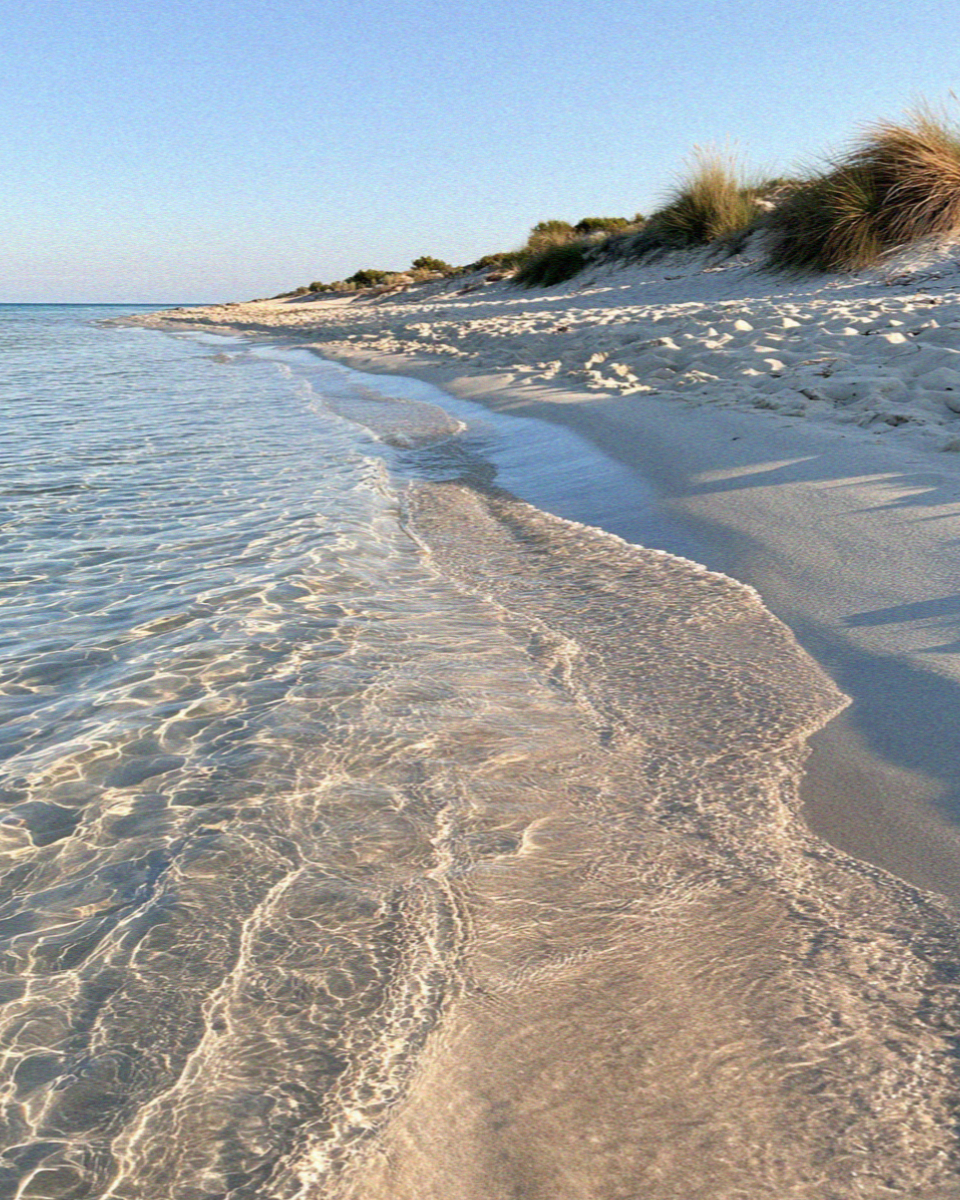
Lecce has no beach. It is worth repeating because a surprising number of people arrive expecting one. What it has instead is a position: the Salento is a narrow peninsula with the Adriatic on one side and the Ionian on the other, and Lecce sits between them, so both coasts are a short drive away and they are genuinely different from each other.
The Adriatic side, to the east, is rockier, clearer and more dramatic. San Cataldo is Lecce’s own local seaside and the closest of everything. Torre dell’Orso is a sandy bay with the two Due Sorelle stacks standing off it, and it is a family favourite. Torre Sant’Andrea is all rock formations and stacks. Baia dei Turchi, near Otranto, is backed by pines. The Ionian side, to the west, has softer sand, shallower water and paler colour: Punta Prosciutto and Torre Lapillo with their dunes inside the Palude del Conte e Duna Costiera park, Porto Cesareo for shallow family water, Pescoluse at the bottom, marketed as the Maldives of Salento and very fine and very shallow, and Porto Selvaggio, where a pine forest runs down to a rocky cove and you walk in from the car park.
Driving times are the useful number. The nearest of them, San Cataldo, Torre dell’Orso, Torre Lapillo and Porto Cesareo, are twenty to forty minutes from the city. The furthest on that list, Pescoluse and Torre Mozza, are about an hour.
One correction, because almost every guide and most of Pinterest still has it wrong. Grotta della Poesia at Roca Vecchia, the sea sinkhole everyone has seen photographs of people jumping into, has been a paid archaeological site since 18 July 2026, five euros if you are not a resident, and getting into the water there is now against the rules and policed. There is no authorised way down to the water. It is a place you go to look at now, not swim in. All of this, coast by coast, is in my guide to the best beaches near Lecce.
Day trips
Lecce works as a base for the whole Salento, and four trips stand out.
Otranto is the easternmost town in Italy, a whitewashed old town behind massive sea walls with an Aragonese castle at one end. The reason to go inside is the cathedral floor, a twelfth-century mosaic covering the entire nave with a tree of life, and the chapel of the martyrs beside it, which holds the remains of the townspeople killed when the town fell to an Ottoman force in 1480. It is about forty-five minutes by car, or about an hour and forty on the FSE local train, often with a change at Maglie.
Gallipoli sits on the Ionian side, its old town on a small island joined to the mainland by a bridge, with a working fishing port and a baroque cathedral in the middle of it. About forty minutes driving, about an hour and twenty by FSE.
Galatina is the one people miss and the one I would send you to. Half an hour inland, and the Basilica di Santa Caterina d’Alessandria there, built at the end of the fourteenth century, is frescoed from floor to vault in a fifteenth-century cycle regularly compared to the Giotto work at Assisi. The town is also where the tarantella cult of the bitten women was centred, which is the root the whole Notte della Taranta grew from, so an August visit joins up in a way it does not for anywhere else on this list.
Santa Maria di Leuca is the tip of the heel, where the Adriatic and the Ionian meet, with a lighthouse and a row of eccentric nineteenth-century villas along the front. It is the longest of the four.
You will see all four sold as a single organised day. It is a great deal of driving for one day and I would not do it that way. Which to pick, what each one takes, and where the trains genuinely work instead of a car, is in my guide to the best day trips from Lecce.
Getting there and getting around
Fly to Brindisi. It is about forty kilometres away, and a taxi or a direct bus does it in thirty-five to fifty minutes. There is also a scheduled coach from the terminal to a transfer point on the edge of Lecce, three quarters of an hour or so, and a third option of taking the airport bus into Brindisi station, a quarter of an hour and roughly every half hour, and finishing by train.
Bari is the long way round and people book it because the flight is cheaper. It is around a hundred and ten kilometres out, against Brindisi’s thirty-nine, and it is two legs: the Ferrotramviaria line from the airport to Bari Centrale, about fifteen minutes and roughly five euros, then a Trenitalia regional or fast train down to Lecce, a little over an hour on the quick ones and about an hour and a half on a stopping service, and approximately ten to fifteen euros. Treat those fares as indicative. It is entirely doable. It is just half a day.
Lecce is the end of the Trenitalia line, which is a pleasant thing to be. There are direct long-distance services from the north as well as regional trains from Bari and Brindisi, and the station is a short walk from the walls. Within the Salento, the separate FSE network runs the local lines: Gallipoli in about an hour and twenty, Galatina on the same line and closer, Otranto in about an hour and forty. Fares are low, a few euros.
And then the thing that actually shapes your trip: a car is effectively required for the coast. The buses that reach the sand are seasonal, sparse and not built around a visitor’s day, so anyone hoping to see two beaches between breakfast and dinner will need keys. If your Lecce is churches, pastry and evenings, you need no car whatsoever. If it includes a single beach day, hire one for that day. Budget a few euros for a summer beach car park and a short walk at the end of it. Remember the restricted zone inside the walls when you plan where to leave it. All the connections, in detail, are in my guide to getting to Lecce and around the Salento.
Suggested itineraries
Two days is enough for the city itself and it is what most people have. The shape that works is dictated by the heat rather than by geography: be out in the old town early, when the lanes are empty and the light is low, be somewhere with a roof over you or a tree above you from roughly noon until five, and come back out at six when everyone else does. Day one takes the amphitheatre, Piazza del Duomo, the campanile and Santa Croce, with the LeccEcclesiae ticket bought at the first church you reach and spread across both days rather than spent in one exhausting morning. Day two is the quieter half: Museo Faggiano, the castle, a papier-mâché workshop, the public gardens in the worst of the afternoon, and a proper sit-down dinner rather than a standing one.
Three days is better, and the third day should leave the city. Take it to the coast if the weather is right, half an hour or so to the nearest of the beaches and back in time for the evening. Or take it to Galatina and Otranto together, which pairs an hour of frescoes with an afternoon on the sea walls.
Four or five days and the calculation changes again: you can hold Lecce as your evening city and use the days for both coasts, Leuca at the tip, and the villages in between, which is the version I would recommend to anyone who has the time and a hire car.
Whichever you choose, do not stack the churches. The ticket is valid for fifteen days and one entry per site precisely so you do not have to. The full hour by hour version, built around the middle of the day rather than pretending it does not exist, is in my Lecce itinerary for two to three days.
More images from Lecce

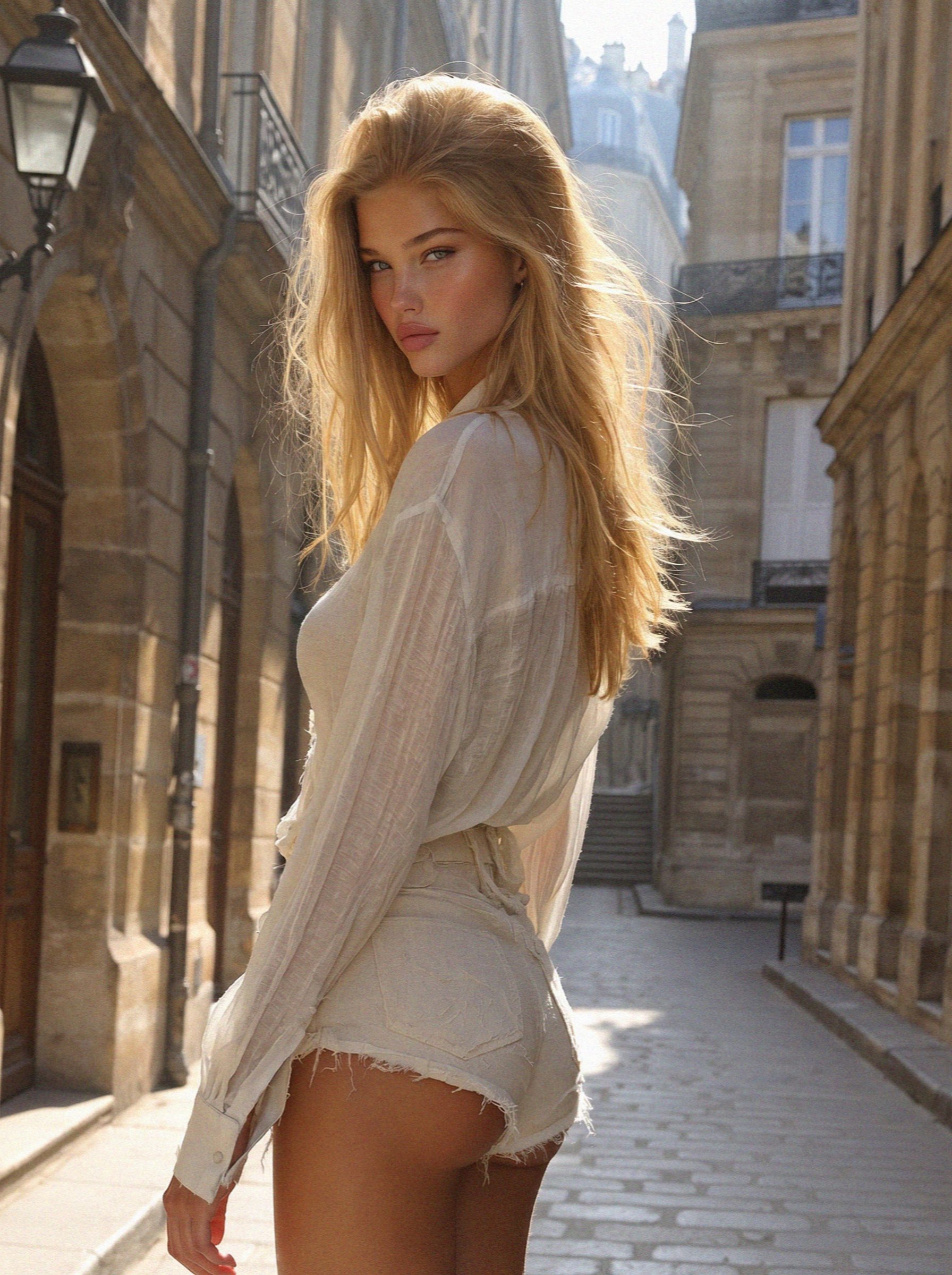
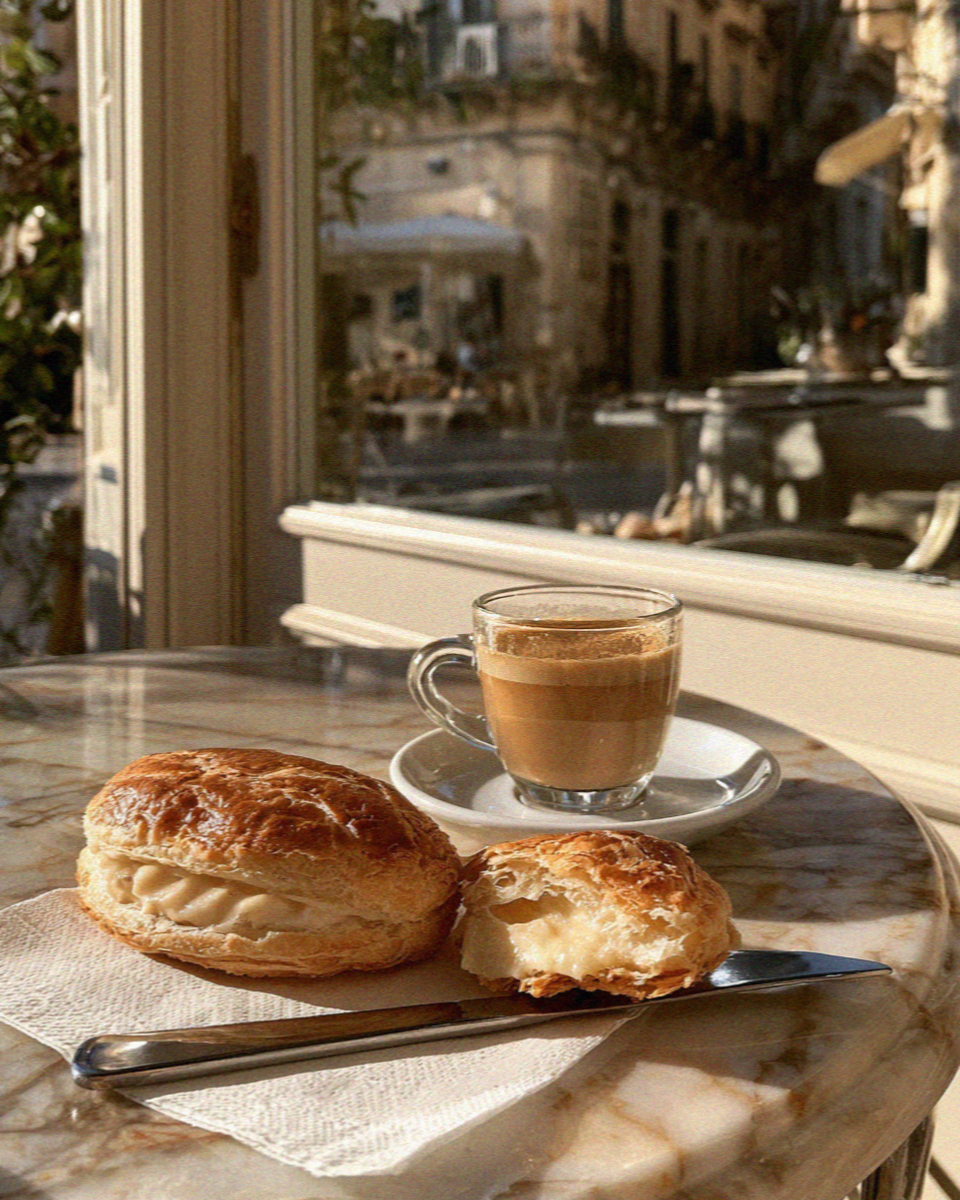
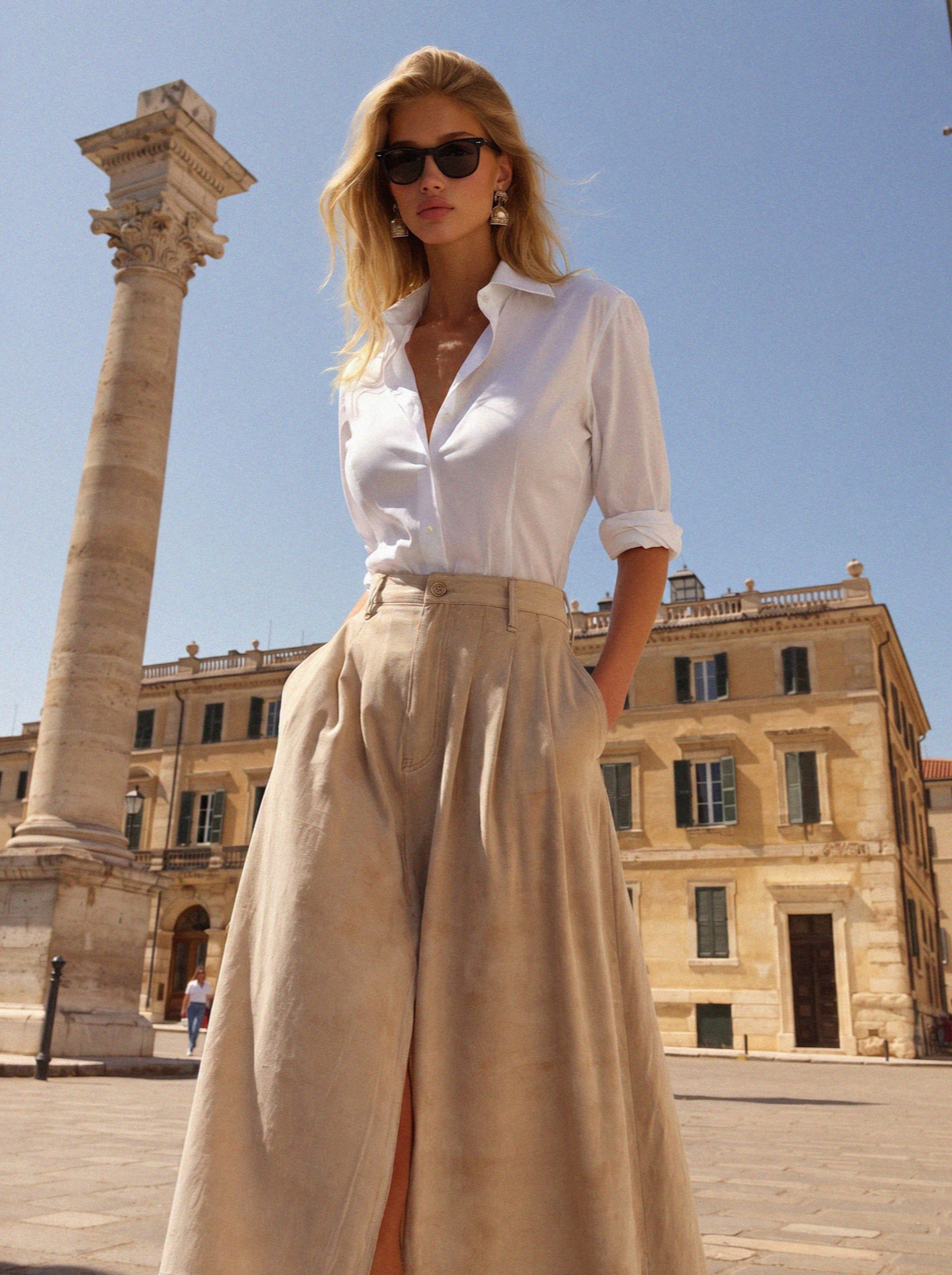
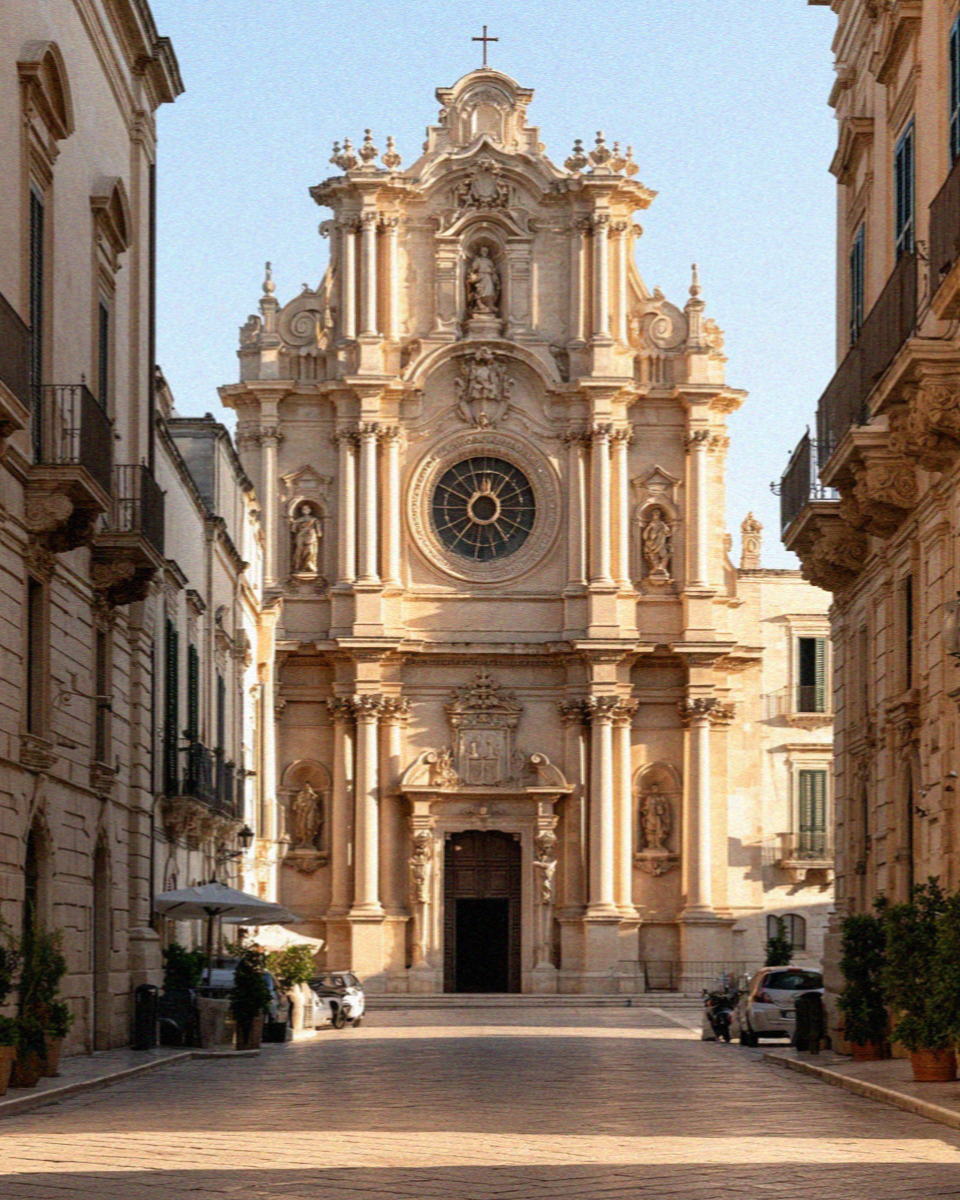
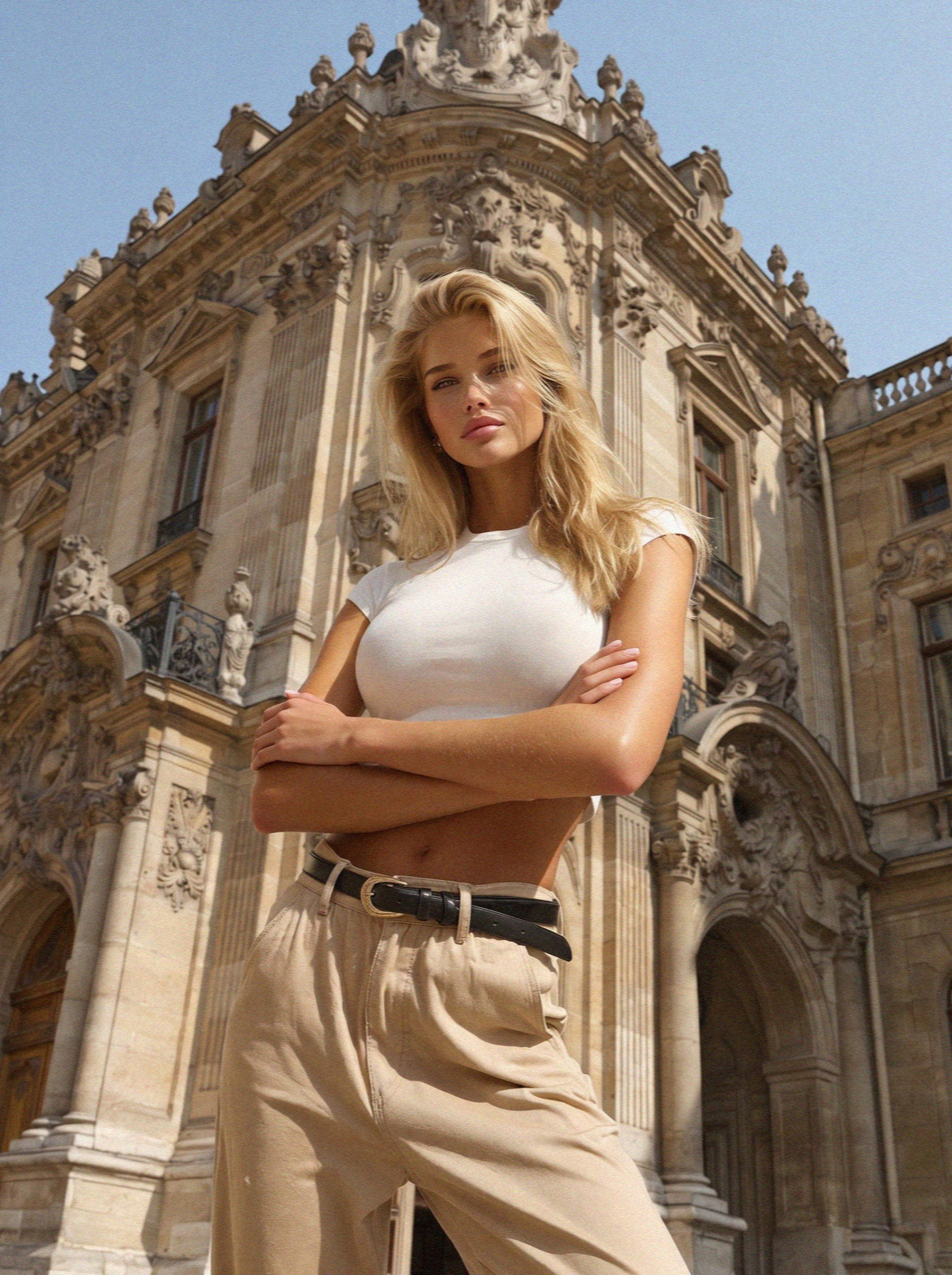

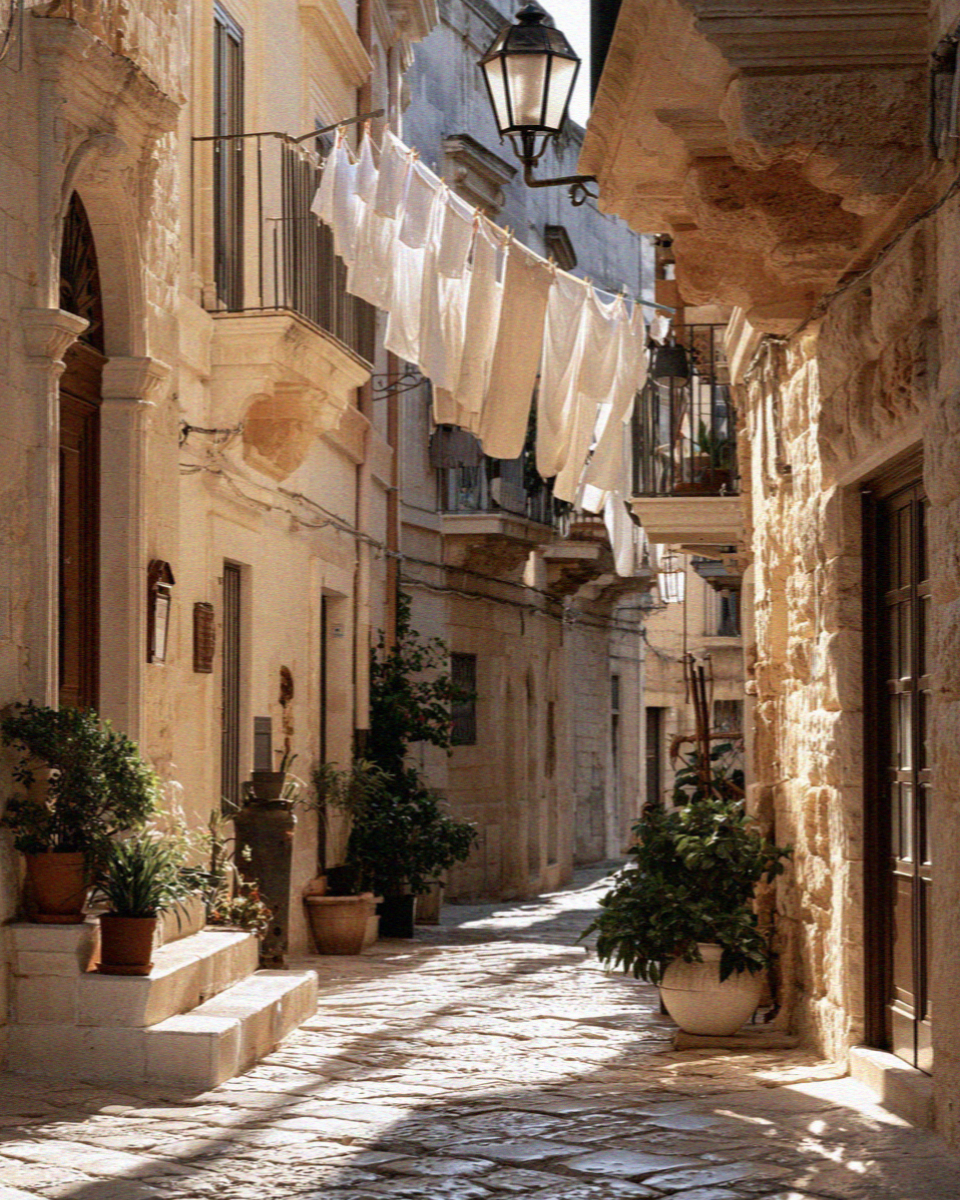
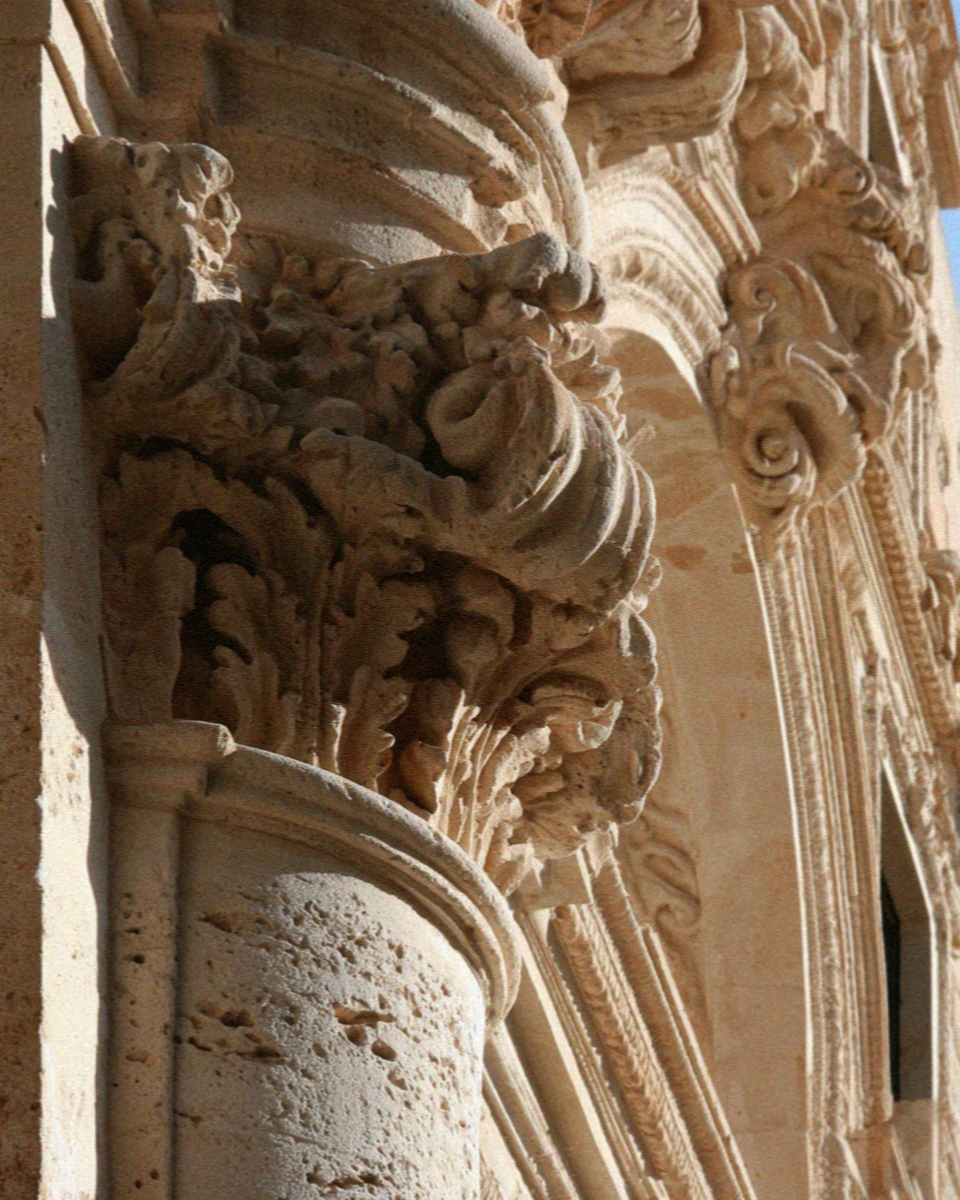
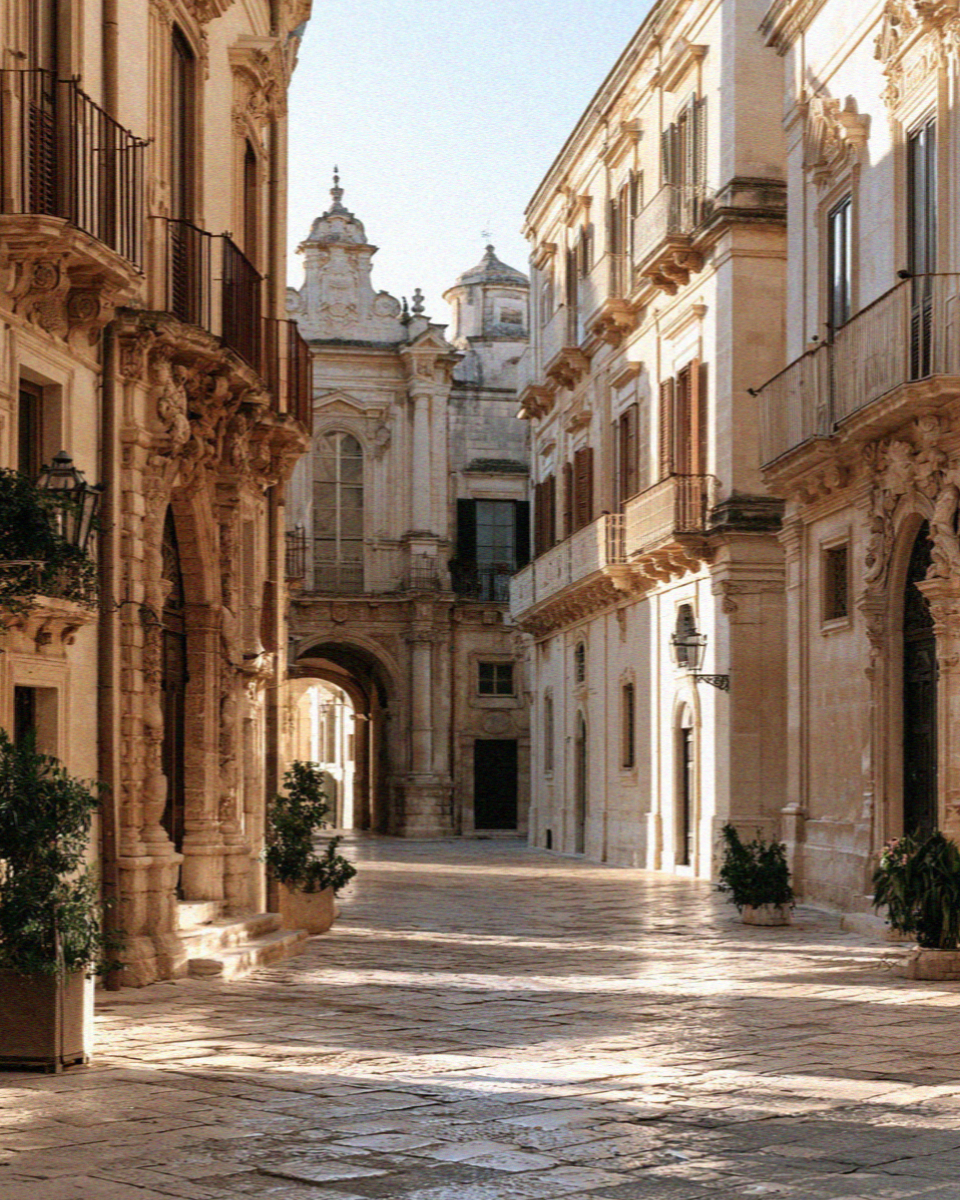

Your Lecce Guides
Everything here in detail, guide by guide.
- The Best Things to Do in Lecce
- A Lecce Itinerary: 2 to 3 Days
- Where to Stay in Lecce
- The Best Time to Visit Lecce
- The Best Photo Spots in Lecce
- Where to Eat and Drink in Lecce
- The Baroque of Lecce
- The Best Beaches Near Lecce
- The Best Day Trips from Lecce
- Getting to Lecce and Around the Salento
Lecce Travel Diaries
Frequently Asked Questions
How many days do you need in Lecce?
Two days covers the city properly, which is what most people give it. The old town is compact and the sights are close together, so the limit is not distance, it is the middle of the day, when the heat pushes you indoors for several hours. Three days is the better answer, because it lets you keep the city for mornings and evenings and use one full day for the coast or for Galatina and Otranto. Four or five days makes sense only if you have a car and intend to see both the Adriatic and the Ionian sides.
When is the best time to visit Lecce?
Late April to June, or September into October. Daytime temperatures sit around twenty-two to twenty-six degrees in those windows, the light is good, and the old town is busy without being difficult. July and August reach highs of thirty-one to thirty-four degrees with almost no rain and overnight lows around nineteen or twenty, so the city never really cools off. Winter is mild and quiet, but the coast largely shuts and church opening hours shorten to nine until six.
Does Lecce have a beach?
No. Lecce is inland and has no coastline of its own, which catches people out. What it does have is a position between two seas: the Adriatic to the east and the Ionian to the west, both reachable in twenty to forty minutes to the nearest beaches and about an hour to the furthest of the well-known ones. San Cataldo is the closest, and it is the stretch the Leccesi themselves use.
Do you need a car in Lecce?
Not for the city. The old town is walkable, there is very little traffic inside the walls, and the centro storico is a restricted traffic zone, so a car is more of a problem than a help there. You do need one for the coast, where the bus network thins out to almost nothing and the good beaches sit at the end of roads no timetable serves properly. The practical answer is to stay car-free in Lecce and hire for the specific days you are going to the sea.
How much does it cost to visit the churches in Lecce?
Eleven euros for an adult on the LeccEcclesiae combined ticket, five for a twelve to seventeen year old, twenty-four for two adults travelling with children. That one purchase admits you to six places: the cathedral and the crypt beneath it, Santa Croce, Santa Chiara, San Matteo, the old seminary building on Piazza del Duomo and the sacred art museum inside it. You get fifteen days and one visit each, and the doors are open until nine at night through the summer half of the year, until six from October.
Can you still swim at the Grotta della Poesia?
No. The rule changed on 18 July 2026. Both the Grande and the Piccola now sit inside a paid archaeological site, five euros if you do not live there, and going into the water in any form is against the rules and policed as such. There is no authorised way down to the water. The reasons given are visitor numbers, protection of the limestone cliffs and the ancient inscriptions, and the risk of the crag collapsing. The charge came in for the 2026 summer season and is set to run to the end of September, with the intention of making it permanent, so check the season if you are travelling outside it. Almost every photograph you have seen of people jumping in predates all of this. Go to look at it, not to swim.
Which airport should I fly into for Lecce?
Brindisi, at about forty kilometres, which a taxi or a direct bus covers in thirty-five to fifty minutes and a scheduled coach to the edge of the city in around three quarters of an hour. Bari is roughly a hundred and ten kilometres out and requires two legs, the Ferrotramviaria line to Bari Centrale in about fifteen minutes for around five euros, then a train of somewhere between seventy and ninety minutes for roughly ten to fifteen euros. Bari works if the flight is much cheaper. It just costs you half a day.
Is Lecce worth visiting?
Yes, with one condition: come for the city rather than the sea, and treat the beaches as a bonus. What makes Lecce unusual is not that it has a few good monuments, it is that one quarry supplied the whole old town and that the stone it supplied was soft enough to be cut to a depth almost nowhere else in the country attempted. Add a Roman arena sunk into the main square, a food culture built on three cheap and specific things, and an evening passeggiata that fills the squares every night, and it earns the journey down.