Cagliari is a working capital city that happens to have eight kilometres of white sand inside its bus network, a flamingo colony behind the beach, and a Bronze Age civilisation an hour up the road. It is not a resort. That is the whole reason to come.
Most people who fly into Sardinia are met at the airport and driven somewhere else, usually north, usually to a coast that was designed. Cagliari is the opposite of designed. It is a port city built up a limestone ridge over three thousand years by Phoenicians, Carthaginians, Romans, Pisans, Aragonese and Spaniards, and every one of them left something in the stone. Then at the bottom of the hill there is a beach that the whole city uses on a Tuesday evening in September.
This guide covers what to see, where to stay in each of the four old quarters, what to eat, when to come, how to get here and how to get out to the beaches and the archaeology. Everything below is covered in more depth in its own guide, and every one of those is linked from here.
What to book before you come
Cagliari is a cheap city and most of what I would send you to is free. Three things are worth arranging, and one of them is not in the city at all.
- A boat along the Devil s Saddle. The headland east of the city seen from the water, which is the only angle that makes sense of it.
- The city underground. Cagliari is built on limestone and there is a great deal of it hollowed out beneath the streets you are walking.
- A food walk. Fregola, culurgiones and the bottarga nobody warns you about. The fastest way to work out what is Sardinian rather than simply Italian.
The Poetto beach, the flamingos on the salt pans and the terrace at the Bastione are free. Full detail in my guide to the best things to do in Cagliari.
The city on the rock
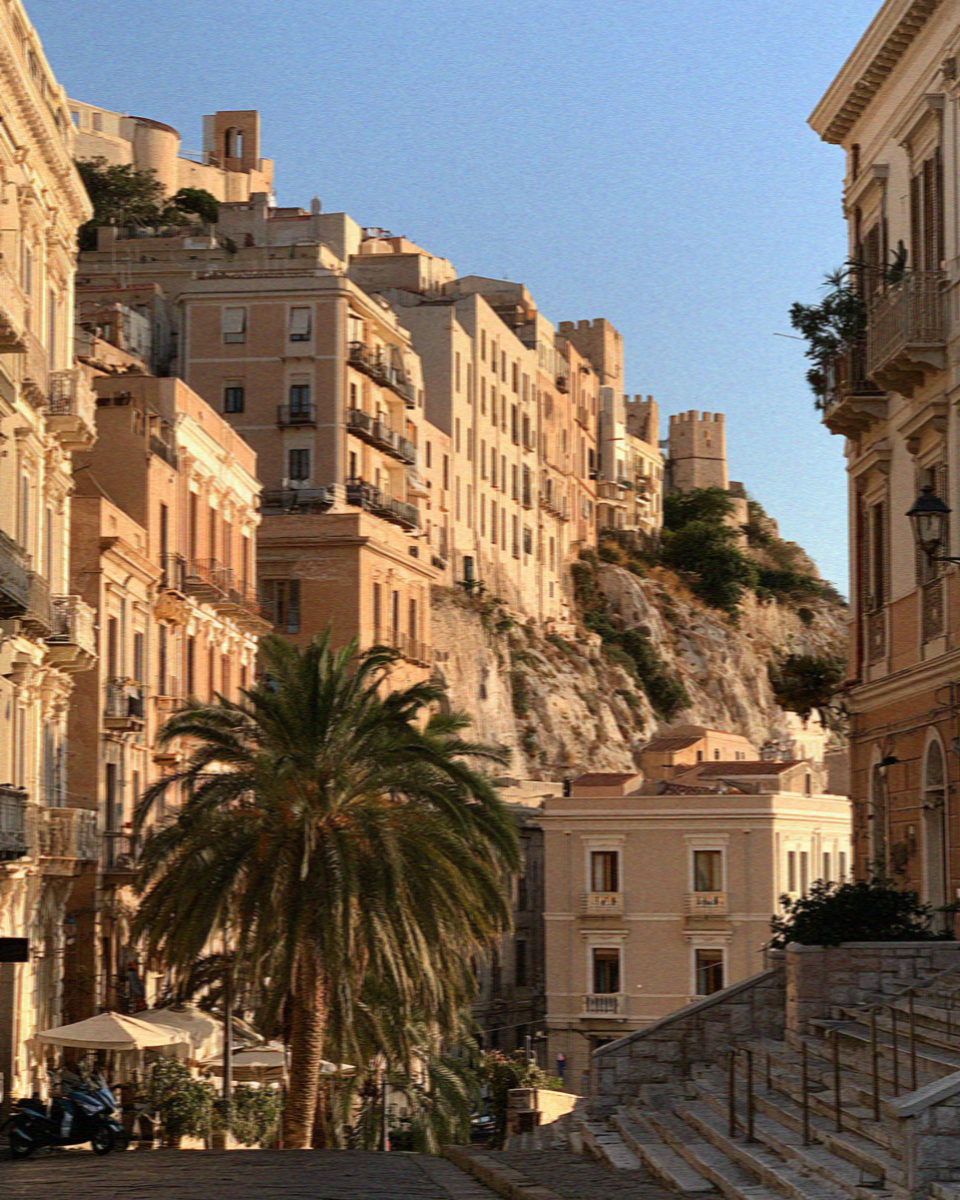
The old city is four districts, and understanding them is most of understanding Cagliari.
Castello is the walled upper town on the ridge, and it is the postcard: medieval lanes barely wide enough for a car, the cathedral, the university, the archaeological museum, and the viewpoints that make everybody stop walking. It is also steep, and the parking is genuinely difficult, which matters more than it sounds.
Marina is the flat grid between Castello and the port. It is where you eat, and it is closest to the ferries.
Stampace sits on the other side, more lived-in, better value, still central.
Villanova is the quiet residential quarter, low houses and bougainvillea, five minutes from everything and about a third of the noise.
The two things everyone climbs to are the great limestone terrace above Piazza Costituzione and the medieval tower on Via Santa Croce. Both are open daily, roughly 10:00 to 17:00 in winter and with a long afternoon break in summer, and both cost around 3 euros. The tower was built in 1307 as part of the Pisan defences and you can still climb it. The terrace is much later, built between 1896 and 1902, and it is the one where you will lose half an hour without meaning to.
The full list, in the order I would actually do it, is in my guide to the best things to do in Cagliari.
Plan Your Visit to Cagliari
A few things I booked and loved. These help support the blog, at no cost to you.
This section contains affiliate links. If you book through them I may earn a small commission, at no extra cost to you.
A city with a beach in it

Poetto runs for seven or eight kilometres from the headland at one end to Quartu Sant’Elena at the other, and it is a proper beach: pale sand, water that stays shallow and clear for the first hundred metres.
What makes it unusual is that it is a city beach in the literal sense. You get the PF or PQ bus from Piazza Matteotti, just off Via Roma, and you are there in about fifteen or twenty minutes for around 1.50 euros. People come after work. There are kiosks and beach clubs charging roughly 5 to 12 euros for a sunbed and umbrella, and there are long free public stretches at the western end that are perfectly good, which is the honest advice rather than the glamorous one.
At the western end the land rises into a limestone headland known as the Devil’s Saddle. A steep path climbs it from behind the Calamosca hotel to a viewpoint over the whole gulf and the remains of an Aragonese tower. It is short, it is completely exposed, and it should be done early or late rather than in the middle of the day.
I have put the beach, the buses and the walk together in my guide to Poetto beach and the Devil’s Saddle.
The flamingos, which are real

Behind Poetto there are over 1,600 hectares of former salt pans, and they are full of greater flamingos. Not occasionally. Year round, with the numbers peaking on spring and autumn migration.
The Molentargius-Saline regional park is free, open from dawn until dusk, and reachable on the same beach bus: get off at Ospedale Marino and walk about ten minutes to the gate. There are boardwalks and hides, and on a still evening the birds feed close enough that you do not need a long lens.
I want to be clear about how strange this is. You can be in a medieval lane at four in the afternoon, on a bus at half past, and standing in front of several hundred flamingos by five. Very few European cities can offer that, and almost nobody comes to Cagliari for it.
A very short history, because it explains the city
Cagliari is old in a way that is easy to miss because so much of it is still in use.
The Phoenicians were here first, trading along this coast from around the eighth century BC. Carthage took it, then Rome took it from Carthage, and the amphitheatre cut into the hillside is what Rome left. After that came the Byzantines, then the Pisans, who built the walls and the tower on Via Santa Croce in 1307, then the Aragonese and the Spanish, who held it for four hundred years and left their language in the street names and their taste in the churches.
Underneath all of that is the part nobody expects: a Bronze Age civilisation that built seven thousand stone towers across this island and left no writing at all. That is the layer you go inland to see, and it is older than everything above.
The city was heavily bombed in 1943 and much of the lower town was rebuilt afterwards, which is why the grid near the port feels newer than the ridge above it. Knowing that stops you wondering why the two halves do not match.
Where to stay
Which quarter you choose changes the trip more than which hotel you choose.
Stay in Castello for the atmosphere and the views, and accept the stairs. Stay in Marina if it is your first time, because it is flat, it is where the restaurants are, and it is walkable from the port. Stay in Stampace for better value with no real loss of convenience. Stay in Villanova if you want quiet and do not mind a ten minute walk.
Rooms in the central districts start somewhere around 70 to 80 euros a night outside high season and climb steeply through July and August. Castello and Marina carry the premium.
The area by area breakdown, including which streets are noisy in summer and where the luggage problem bites, is in my guide to where to stay in Cagliari.
Where to eat, and what is actually Sardinian
Sardinian food is not Italian food with a sea view. It is its own thing, and Cagliari is the easiest place to learn it.
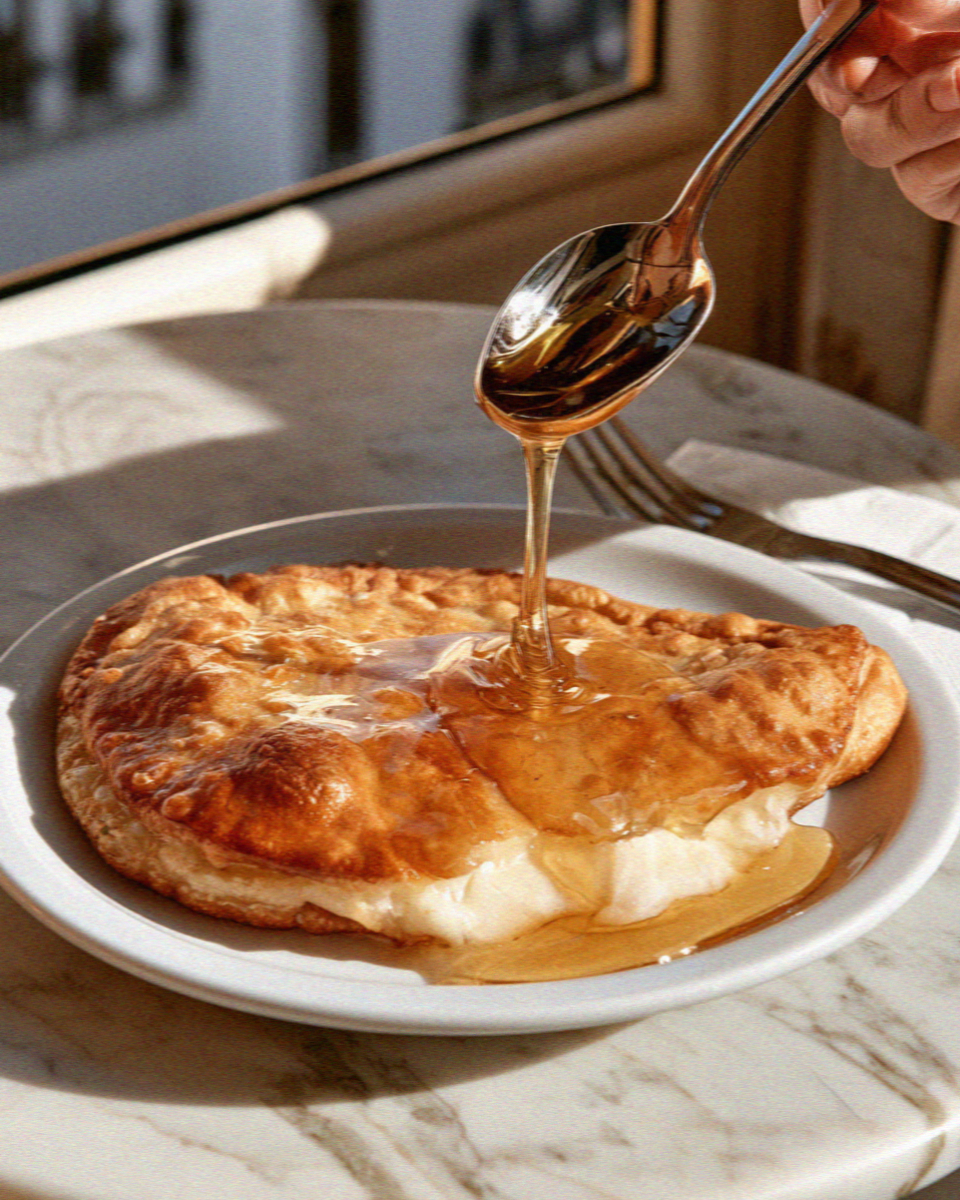
Order fregola, small toasted semolina pearls, usually with clams. Culurgiones, potato and mint parcels closed with a plaited seam along the top that looks like stitching. Bottarga, cured grey mullet roe, grated over pasta, salty and strange and worth persisting with. Malloreddus alla campidanese, saffron gnocchetti with a sausage ragu, and the Campidano is exactly the plain behind this city. Pane carasau, the flatbread. And seadas to finish, a fried pastry disc filled with soft cheese under bitter honey.
Drink Vermentino if you want white and Cannonau if you want red. Both are Sardinian and both are everywhere.
The market at San Benedetto is the other half of this. Fish downstairs, produce upstairs, mornings only, closed on Sunday. Go even if you are not cooking.
The restaurants, the market and what a normal dinner costs are in my guide to where to eat in Cagliari.
The archaeology, which is the real reason to come inland
Two sites near Cagliari are genuinely world class, and they are completely different from each other.
Nora sits on a promontory at Pula, about 35 km southwest. It was Phoenician first, then Punic, then Roman, and the theatre, the baths and the mosaic floors are right on the water. Part of the city is under the sea and you can see the wall lines through the shallows. Opening hours run roughly 09:00 to 20:30 in high summer, shortening to 17:00 by late autumn, and tickets are in the region of 6 to 8 euros depending on whether you include the tower. There is a free audio guide app called Norapp.
Su Nuraxi di Barumini is an hour inland and is UNESCO listed. It is the best preserved nuraghe on the island: a massive central tower of unmortared stone ringed by four more and surrounded by the crowded circular foundations of a whole village. Adult entry is 15 euros, and the important detail is that you cannot wander in on your own. Visits are guided, groups leave every half hour, the tour runs about an hour, and the last one goes an hour before closing.
There are around seven thousand nuraghi on Sardinia and nobody is certain what they were for. Standing inside one, looking up through the corbelled stones to a circle of sky, is the closest you get to an answer.
Both have their own guides: Nora, the Roman city on the water and Su Nuraxi di Barumini.
The beaches beyond the city
Poetto is the everyday beach. The famous ones need a car.
East, towards Villasimius, is about an hour, and that stretch has the white sand and granite coves people picture when they picture Sardinia. Costa Rei is only about fifteen minutes further on, so the two pair naturally into one long day. Solanas is closer and has a large car park.
South, towards Chia, you get dunes held together by juniper and a watchtower on the headland, which is a different and slightly wilder landscape.
Parking is the thing that decides your day rather than the weather. Most beach car parks on this coast are paid in season, they fill early, and the fines at the popular ones are enthusiastically enforced. Arriving before about ten in the morning solves almost every problem.
The beaches, the drive times and the parking are in my guide to the best beaches near Cagliari.
When to come
Late March to June, and September to November. May and June are the sweet spot for the city, September and October for the sea.
May sits around 20 to 25C with the water at about 19C, which is swimmable if you are reasonably hardy. June reaches about 26C. September is the best compromise of all: highs around 24C and the sea at its warmest of the year. Even October holds 21 to 23C in the water, which is why the shoulder here runs later than people expect.
July and August are hot, full and expensive, and every parking problem above is at its worst.
The one date to know is 1 May, when the Sant’Efisio procession takes the saint from Cagliari to Nora and back behind oxen and gilded carts, with thousands walking in traditional dress. It is one of the longest processions in Italy and the round trip covers about 65 km on foot over several days. Either come for it deliberately and book far ahead, or avoid the date.
Month by month is in my guide to the best time to visit Cagliari.
Getting here and getting around
Cagliari Elmas airport is 7 km out, and the train is the answer: the station sits in the airport grounds, joined to the terminal by a covered walkway of a few hundred metres, and runs into Cagliari Centrale in about six minutes for 1.30 euros, roughly every twenty minutes. A taxi is around 20 to 25 euros.
By sea, Grimaldi runs year round from Civitavecchia (about 13 hours), Naples (about 15) and Palermo (about 12), with fares starting somewhere in the 35 to 45 euro range for a seat. These are overnight crossings and a cabin is the difference between arriving rested and arriving wrecked.
In the city you walk, and you take the bus to the beach. For anything beyond that, hire a car. I would not pretend otherwise: Nora, Barumini, Villasimius and Chia are all materially harder without one.
The detail is in my guide to getting to Cagliari and around it.
Day trips
Beyond the two big archaeological sites there is a whole inland Sardinia most visitors never see: hill villages of stone houses, the flat Campidano plain with its vines and stubble, small working harbours down the coast where the boats are still boats rather than decoration.
None of it is spectacular in the way the coast is spectacular. All of it is more interesting.
The list, with drive times, is in my guide to the best day trips from Cagliari.
The things people miss
Four, in rough order of how much they are worth.
The salt pans in the evening. Everyone who goes to Molentargius goes in the middle of the day. Go in the last hour of light instead, when the birds feed close to the boardwalks and the water turns the colour of the sky.
The lift and the stepped shortcuts. Castello has a public lift and several stepped cut-throughs that remove most of the climb. If you are staying up there, find the one nearest your door on your first evening. It changes the whole trip and almost no guide mentions it.
The crypt under the cathedral. The church above is free and worth ten minutes. The crypt below it is the part that stays with you, carved and crowded and much older in feeling than the interior above.
The eastern end of Poetto. Almost everyone stops at the first stretch, near the headland, because that is where the bus arrives. Walk or drive fifteen minutes towards Quartu and the crowd thins to almost nothing on the same sand.
What it costs
Cagliari is noticeably cheaper than the Sardinian coasts to the north, and cheaper than most Italian cities of its size.
- Coffee at the bar: around 1 to 1.50 euros.
- A plate of pasta in a Marina trattoria: roughly 10 to 14 euros.
- Dinner for two with wine, no whole fish: around 60 to 80 euros.
- A central room outside high season: from around 70 to 80 euros, doubling in August.
- City bus, single: about 1.30 to 1.50 euros.
- The main sights: about 3 euros each for the terrace and the tower, free for the cathedral and the flamingo park.
- Su Nuraxi di Barumini: 15 euros including its compulsory guided tour.
- A sunbed and umbrella at Poetto: roughly 5 to 12 euros, or nothing at all on the free stretches.
The costs that surprise people are fish priced by weight, which can turn a modest dinner into an expensive one, and beach car parking in July and August. Neither is a scandal, but both are worth asking about before you commit.
Who it suits
Couples do well here, because the evening is the best thing the city does and it costs nothing.
Families do better than in most Italian cities, because of the beach. Poetto’s shallow gradient means small children can walk out a long way, the bus is easy, and the flamingo park is a genuinely good hour with a five-year-old.
Solo travellers are comfortable. It is a working city rather than a resort, the centre is small and walkable, and eating alone in Marina attracts no attention at all.
Anyone interested in archaeology should treat this as one of the better bases in the Mediterranean, and I do not say that lightly. The museum, Nora and Barumini within an hour of each other is a rare combination.
Anyone who wants a designed resort should go north. That is not a criticism of either place, but they are different holidays and the mistake is expensive.
What to pack
Nothing exotic, but three things people forget.
Shoes with grip. The upper town is worn limestone, the archaeological sites are uneven, and the headland path is loose and dusty. Sandals will let you down at least once.
Sun cover for the beach. There is no natural shade at Poetto and none at Nora, so a hat and an umbrella or a good sunscreen habit matter more here than in a city with plane trees.
A layer for the evening. The mistral can pick up sharply after dark in spring and autumn, and a warm afternoon becomes a cool dinner faster than you expect.
Dress is relaxed. This is a working port city, not a resort, and there is no scene to dress for.
The evening, which is the point

Cagliari does not really begin until about eight.
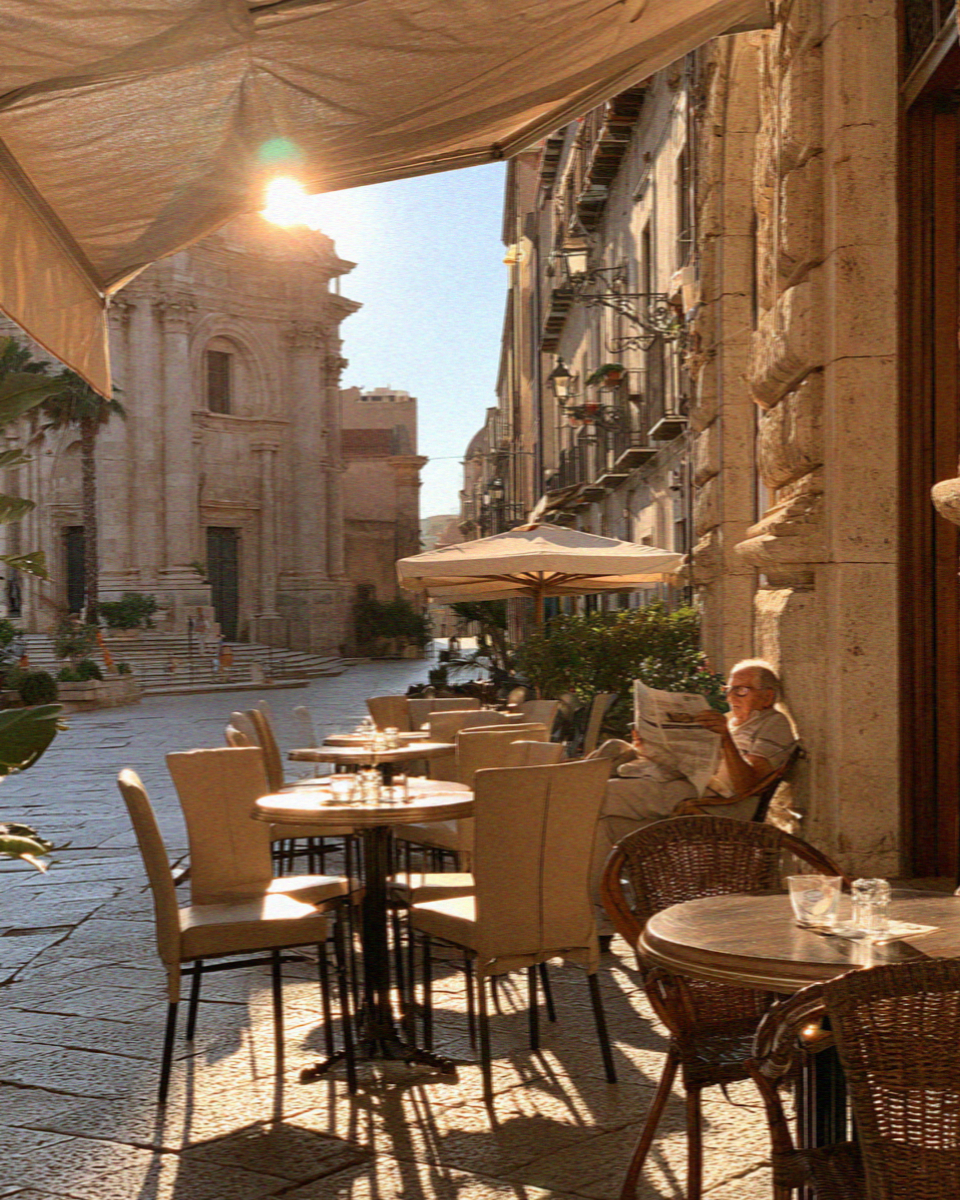
The lanes in Marina fill with tables. The heat comes back out of the stone. People walk under the arcades along the waterfront and up into Castello, and the whole city seems to be outside at once, which is a thing southern cities do and northern ones cannot fake.
You will not find a curated scene here. You will find a normal Italian city being itself on a warm night, and after a week on a designed coast that is an enormous relief.
How long you need
Two full days covers the city properly. Three lets you add one archaeological site without rushing. Four or five, with a car, and you can have the city, both sites and two beach days without ever feeling like you are ticking things off.
The day by day version is in my Cagliari itinerary.
More images from Cagliari



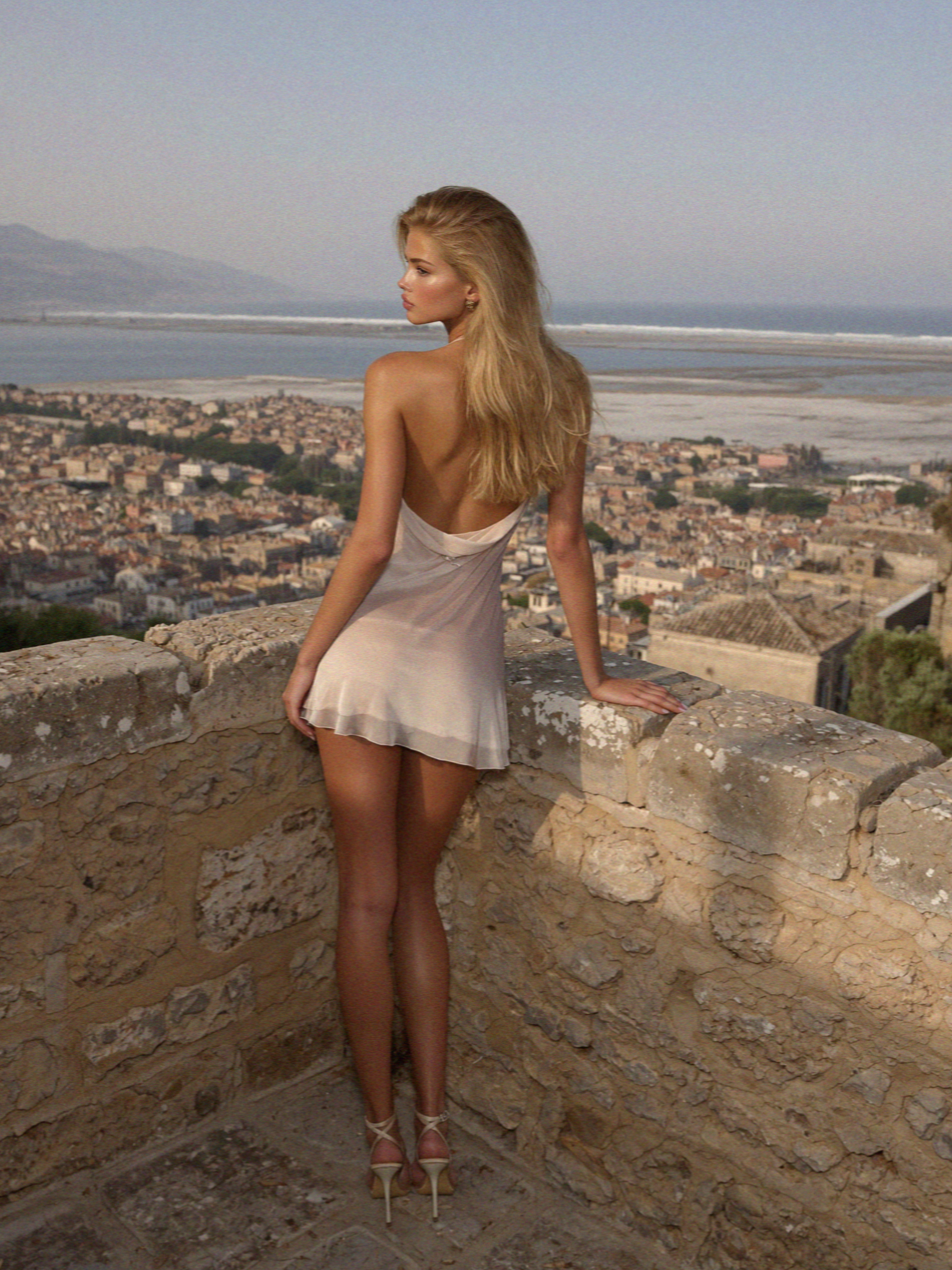




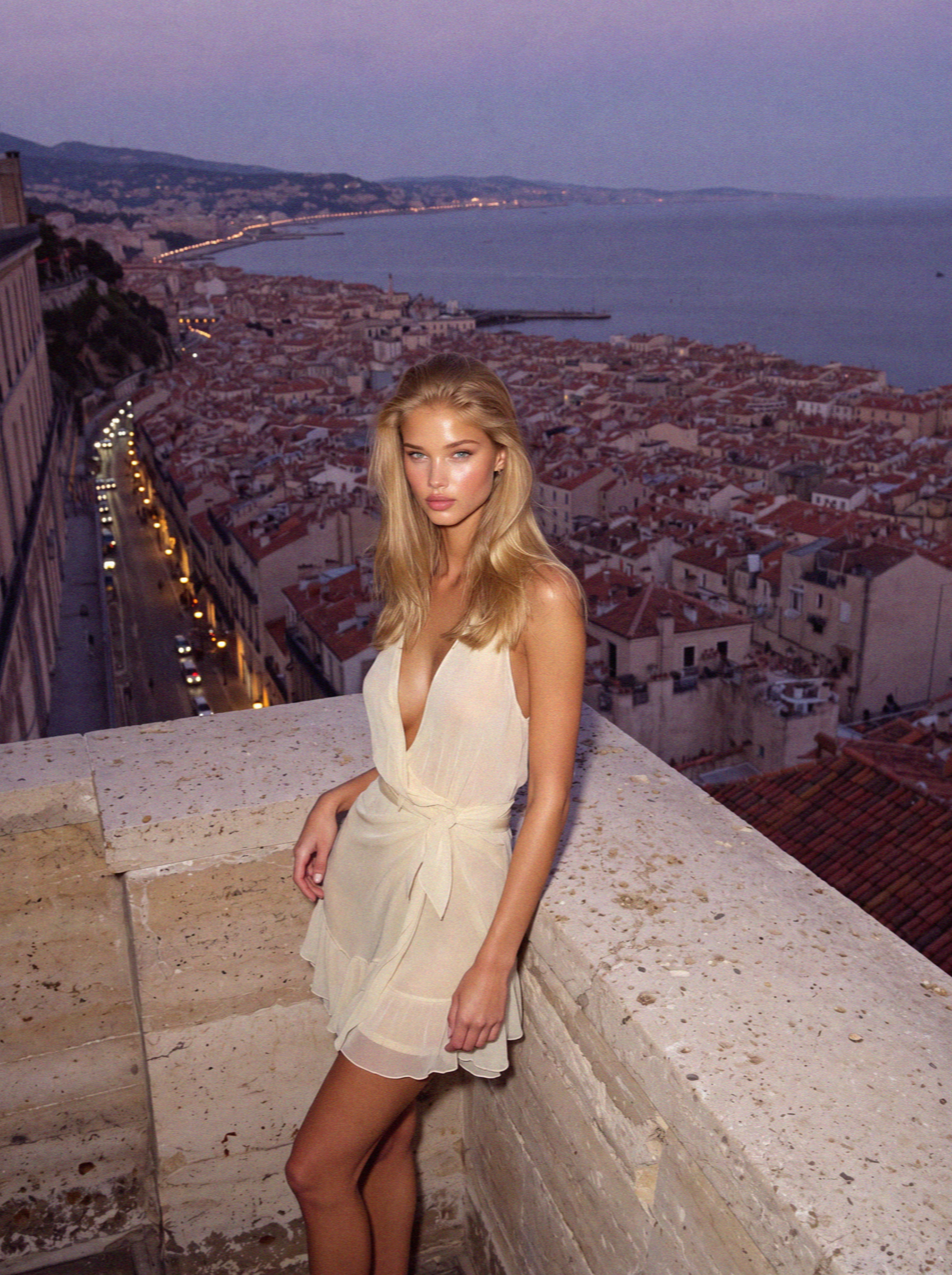

Your Cagliari Guides
Everything here in detail, guide by guide.
- The Perfect Cagliari Itinerary: 2 to 3 Days
- The Best Things to Do in Cagliari
- Where to Stay in Cagliari
- Where to Eat in Cagliari
- The Best Time to Visit Cagliari
- How to Get to Cagliari and Around It
- Poetto Beach and the Devil’s Saddle
- The Best Beaches Near Cagliari
- Nora: The Roman City on the Water
- Su Nuraxi di Barumini and the Nuraghic South
- The Best Day Trips from Cagliari
Cagliari Travel Diaries
Frequently Asked Questions
How many days do you need in Cagliari?
Two full days is enough for the city itself: the upper town, the museum, the market and an evening in Marina. Three days lets you add Nora or Barumini. With four or five and a hire car you can fit the city, both archaeological sites and two beach days at a comfortable pace.
Is Cagliari worth visiting, or should you go straight to the coast?
It is worth visiting, and it is the part of Sardinia most people skip. It is a real city with three thousand years of layers, the island’s best museum, a genuine beach on the bus network and flamingos behind it. If your whole trip is a resort coast, a couple of days here is the corrective.
How do you get from Cagliari airport to the city centre?
Take the train. The station is in the airport grounds, a covered walk of a few hundred metres from the terminal, and it reaches Cagliari Centrale in about six minutes for 1.30 euros, roughly every twenty minutes. A taxi runs about 20 to 25 euros with a minimum daytime fare around 17.
Can you get to Poetto beach without a car?
Yes, easily. The PF and PQ buses leave from Piazza Matteotti just off Via Roma and take fifteen to twenty minutes for around 1.50 euros. The same buses reach the flamingo park: get off at Ospedale Marino and walk about ten minutes.
Do you need a car in Cagliari?
Not in the city, where a car is a liability rather than a help, especially in the upper town where parking is difficult. You do need one for the beaches beyond Poetto, and for Nora and Barumini, unless you take a guided day tour.
When is the best time to visit Cagliari?
Late March to June and September to November. May and June are best for the city, September and October for swimming, with the sea holding 21 to 23C into October. July and August are hot, crowded and expensive.
What food is Cagliari known for?
Sardinian rather than mainland Italian: fregola with clams, culurgiones, bottarga grated over pasta, malloreddus alla campidanese, pane carasau, and seadas with bitter honey to finish. Vermentino and Cannonau are the local wines.
Can you visit Su Nuraxi di Barumini on your own?
No. Entry is by guided tour only, with groups leaving every half hour and the last departure an hour before closing. The tour runs about an hour and adult entry is 15 euros, which also covers the Casa Zapata museum complex.
The journal
The reference version of Cagliari is above. The other version, the one about the salt pans and the light on the limestone and what the city does after dark, is in my diary from Cagliari.