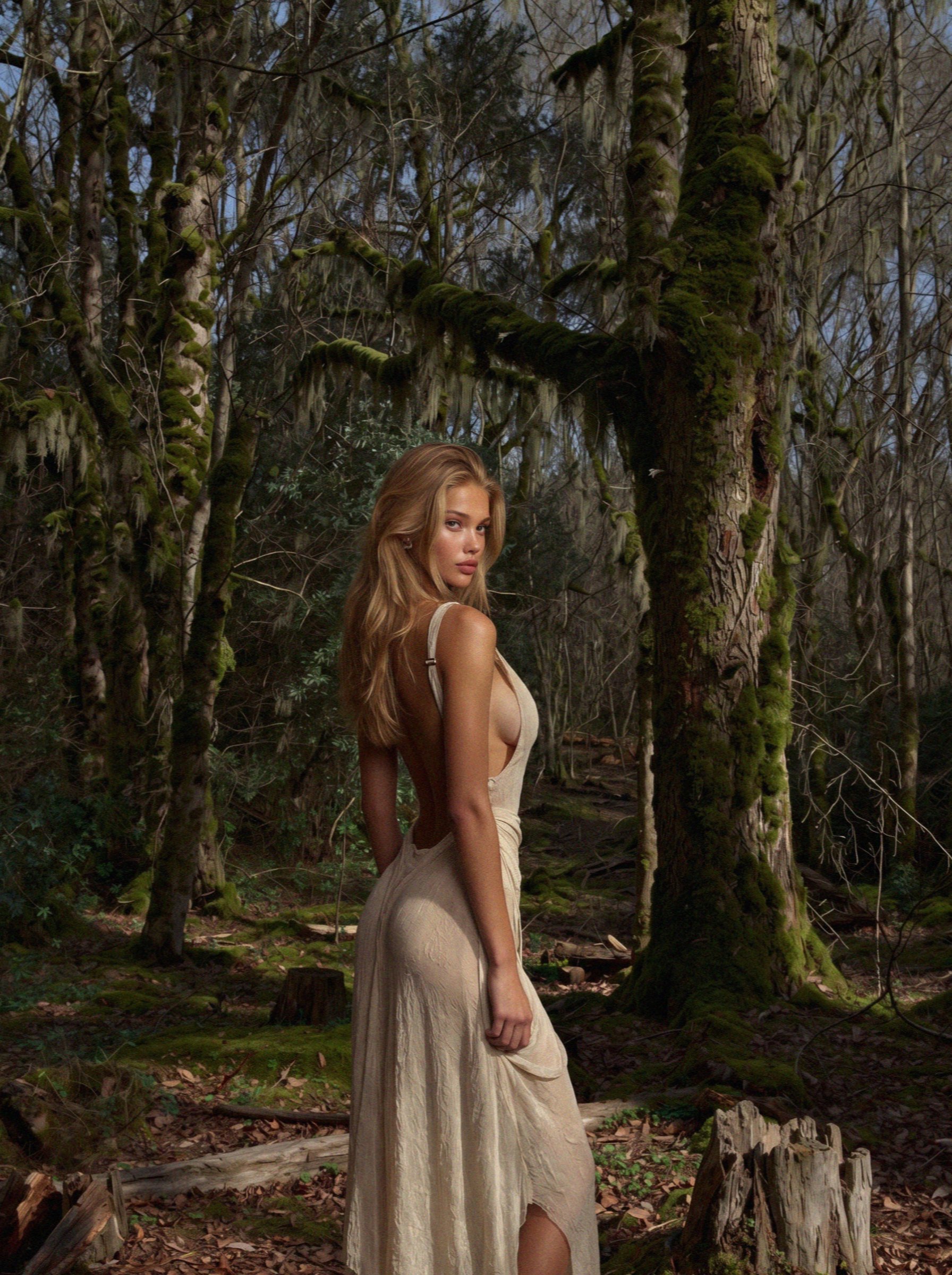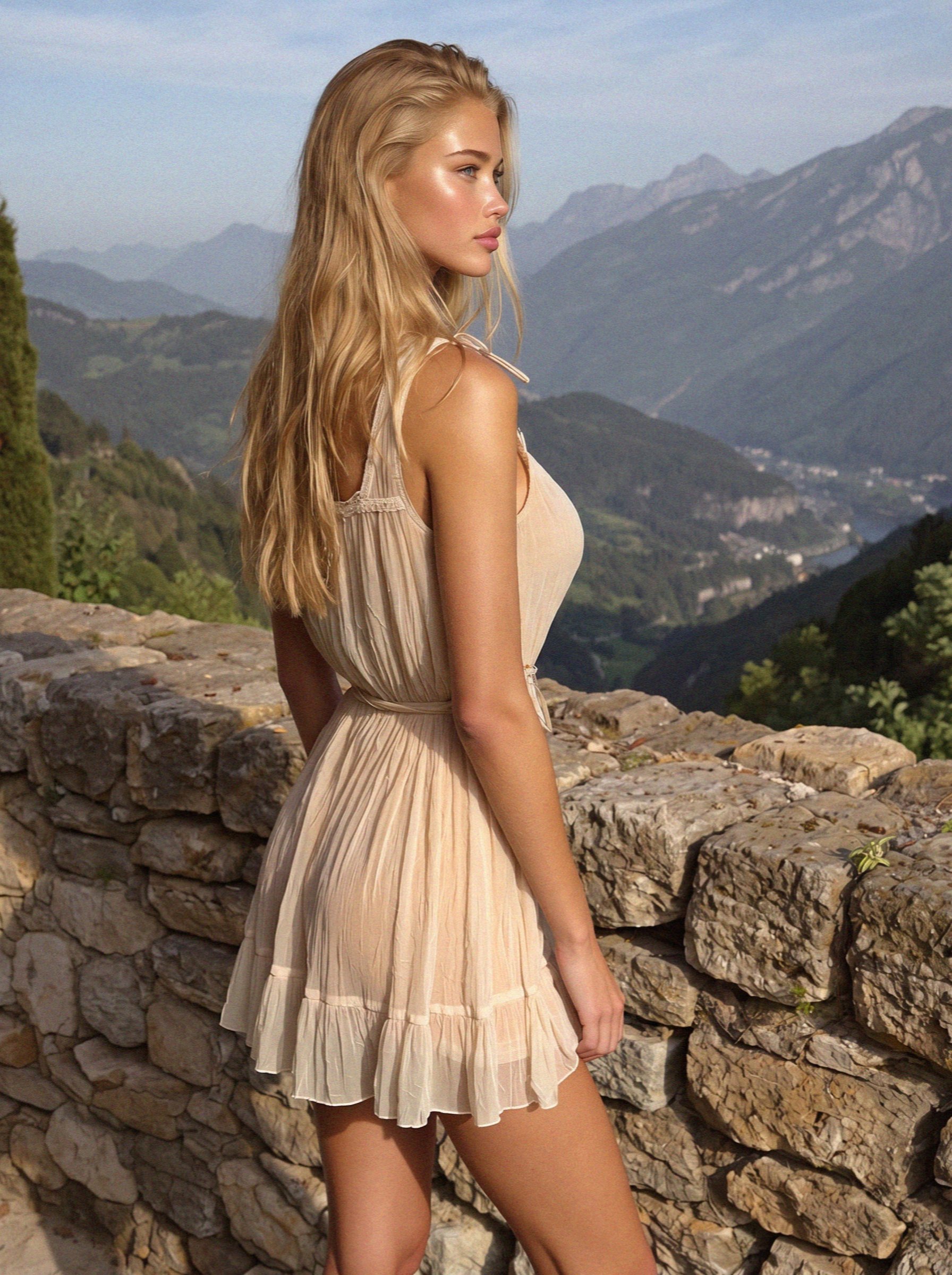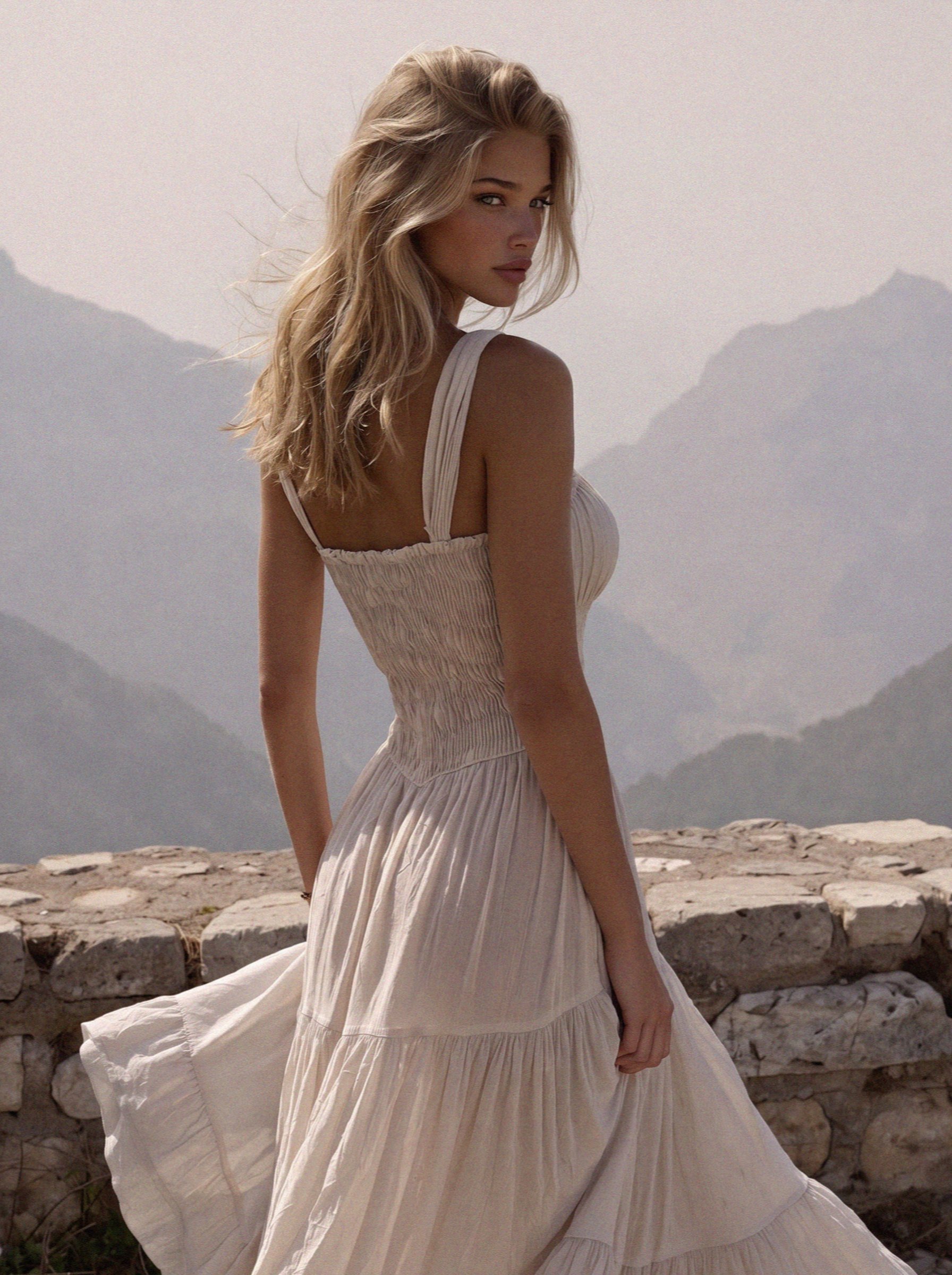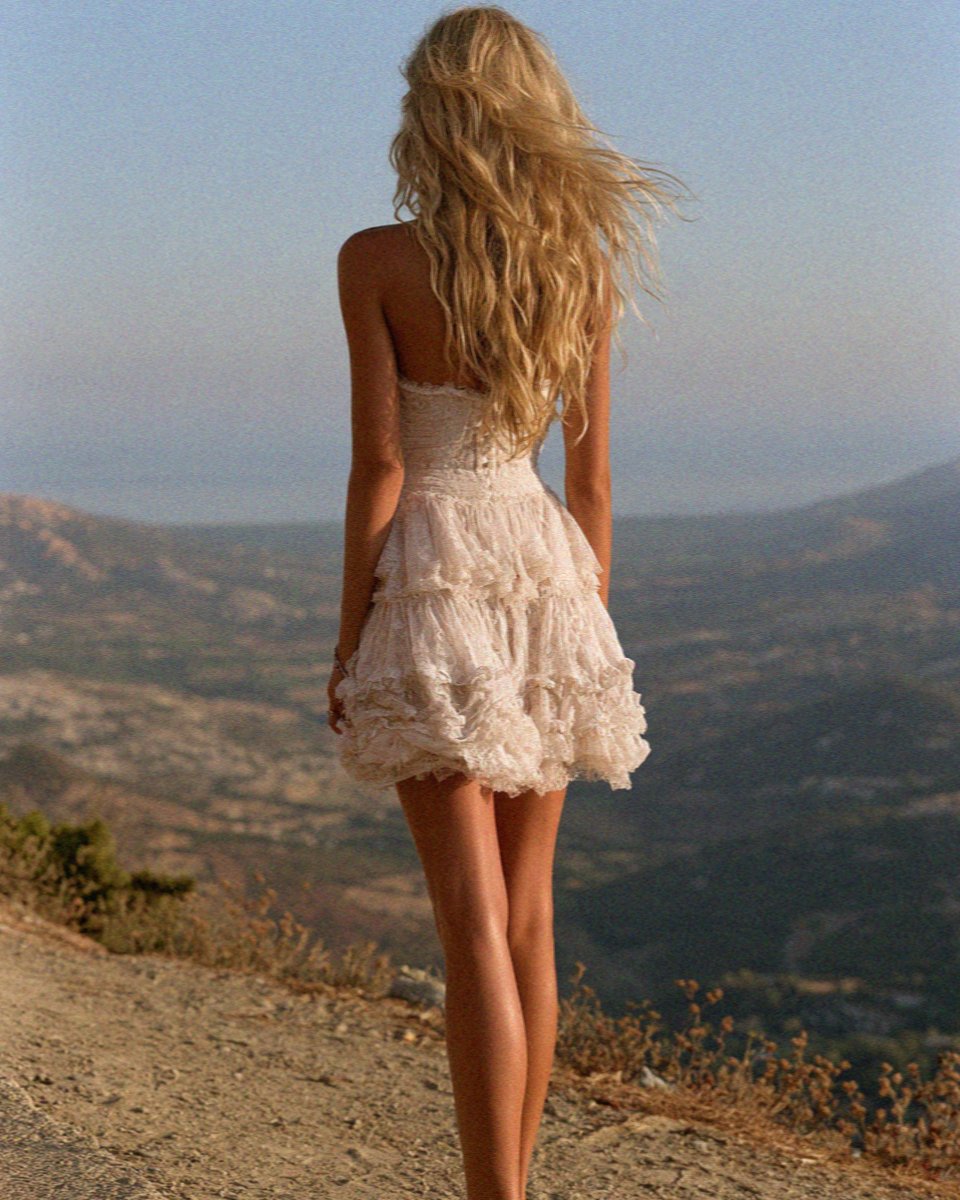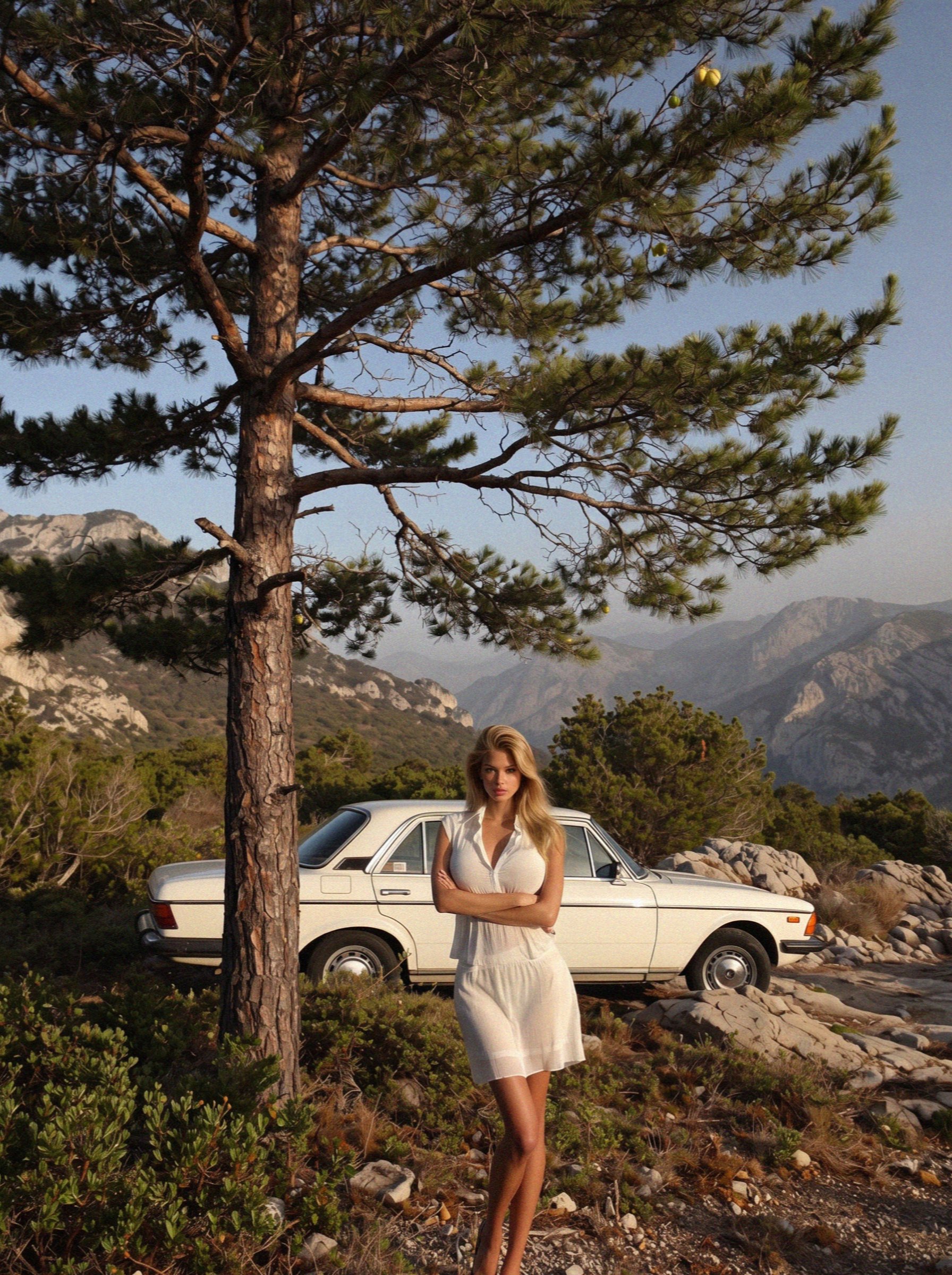
Forty minutes from the beach I was cold.
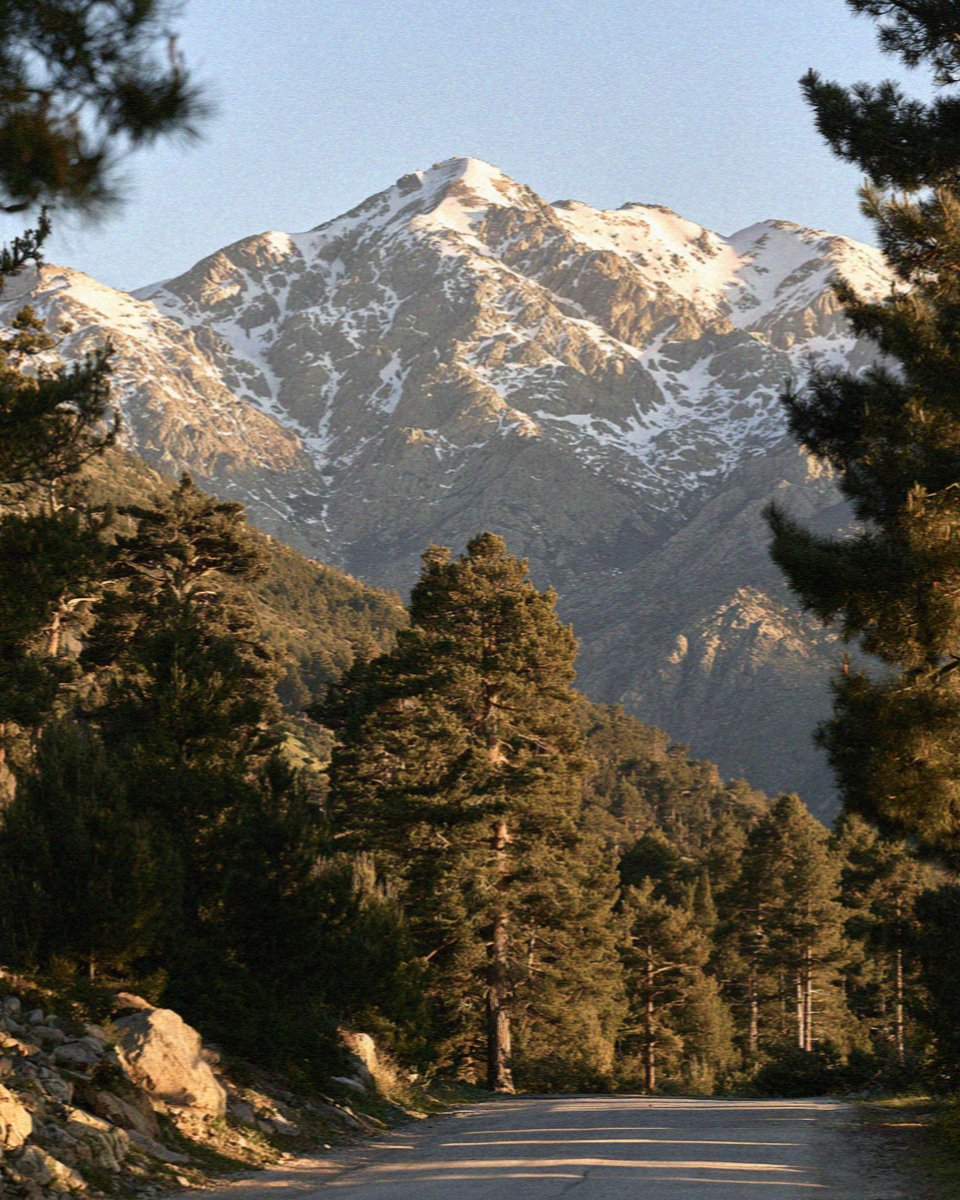
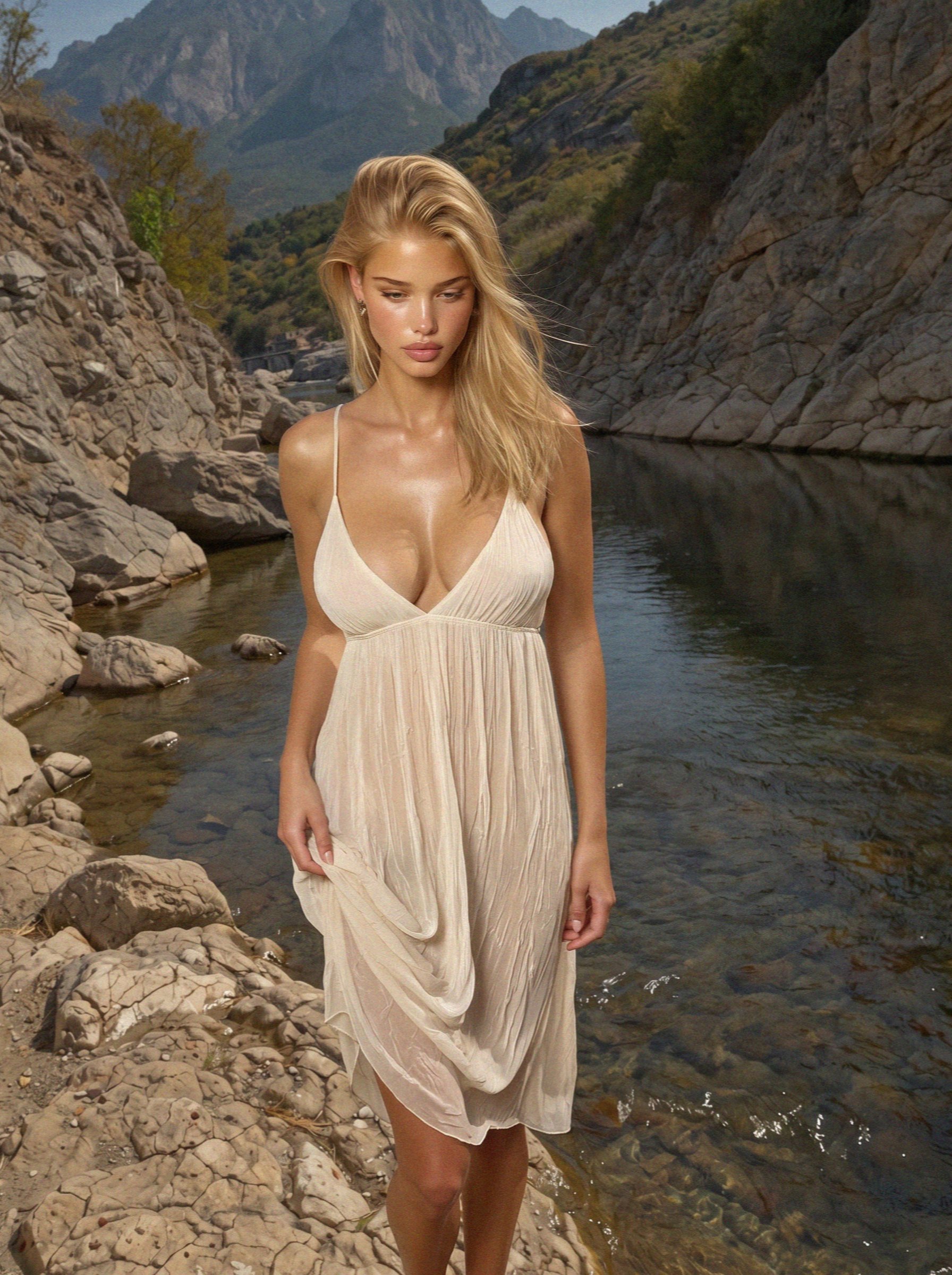
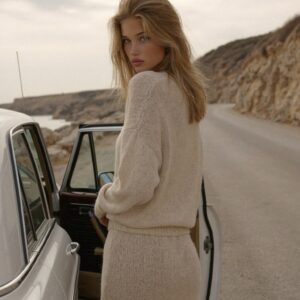
Properly cold, in a dress that had been correct all week, standing next to the car with my arms crossed like somebody’s aunt. Below me and behind me the sea was still doing its blue thing. Up here there was a wind coming down off something with snow on it in June, and a smell of pine instead of salt, and not one other car.
That is the part I had wrong. I knew the island had mountains. Everybody knows the island has mountains, it is on the front of the ferry brochure. What I had not understood is that the mountains are not scenery you look at from the coast road. They are a place. You can be lying on white sand at nine and be somewhere with a completely different climate by ten, and almost nobody does it, because the cars all turn along the sea.
I wrote in my own guide that the interior is a day and not an afternoon. I then gave it an afternoon the first time, which is why I went back.
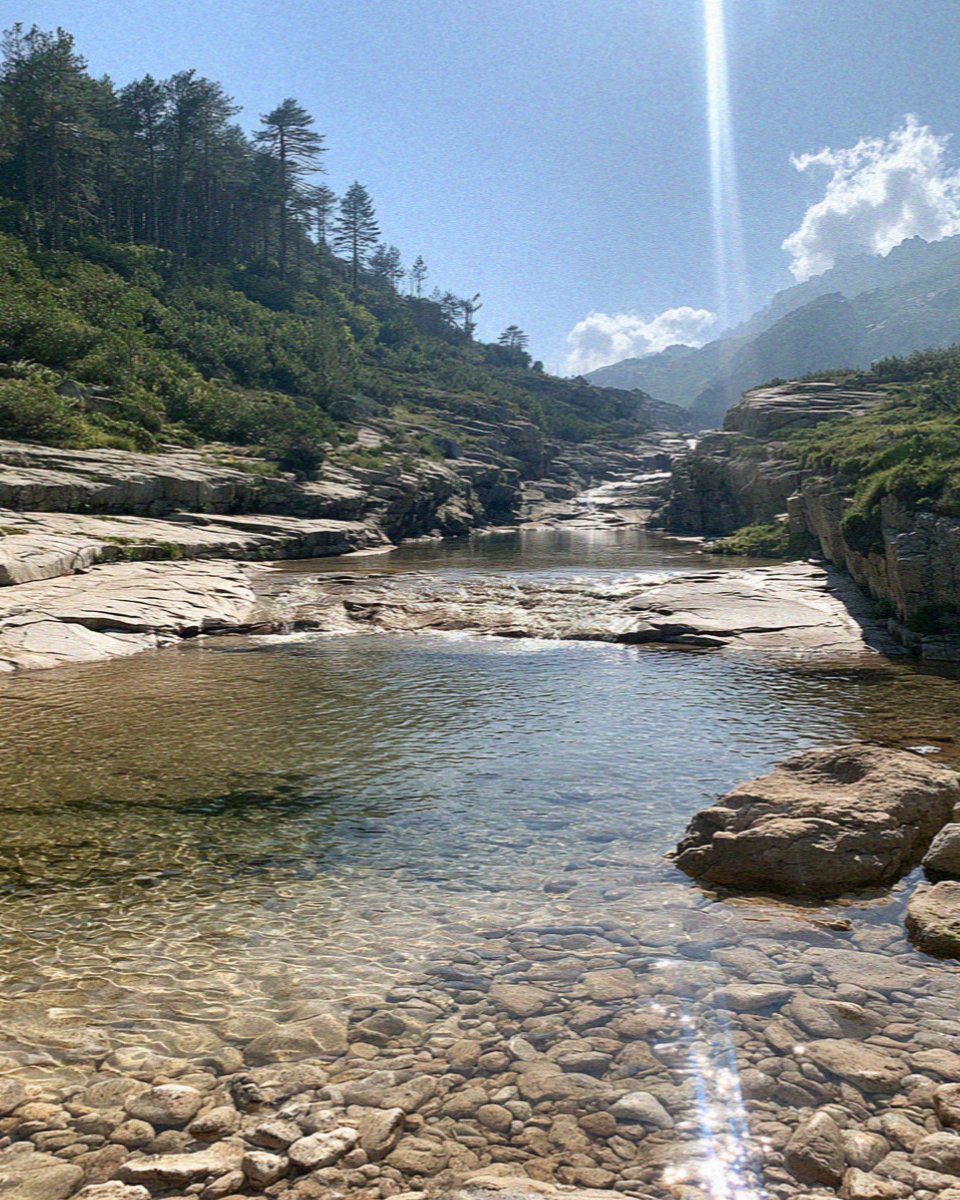
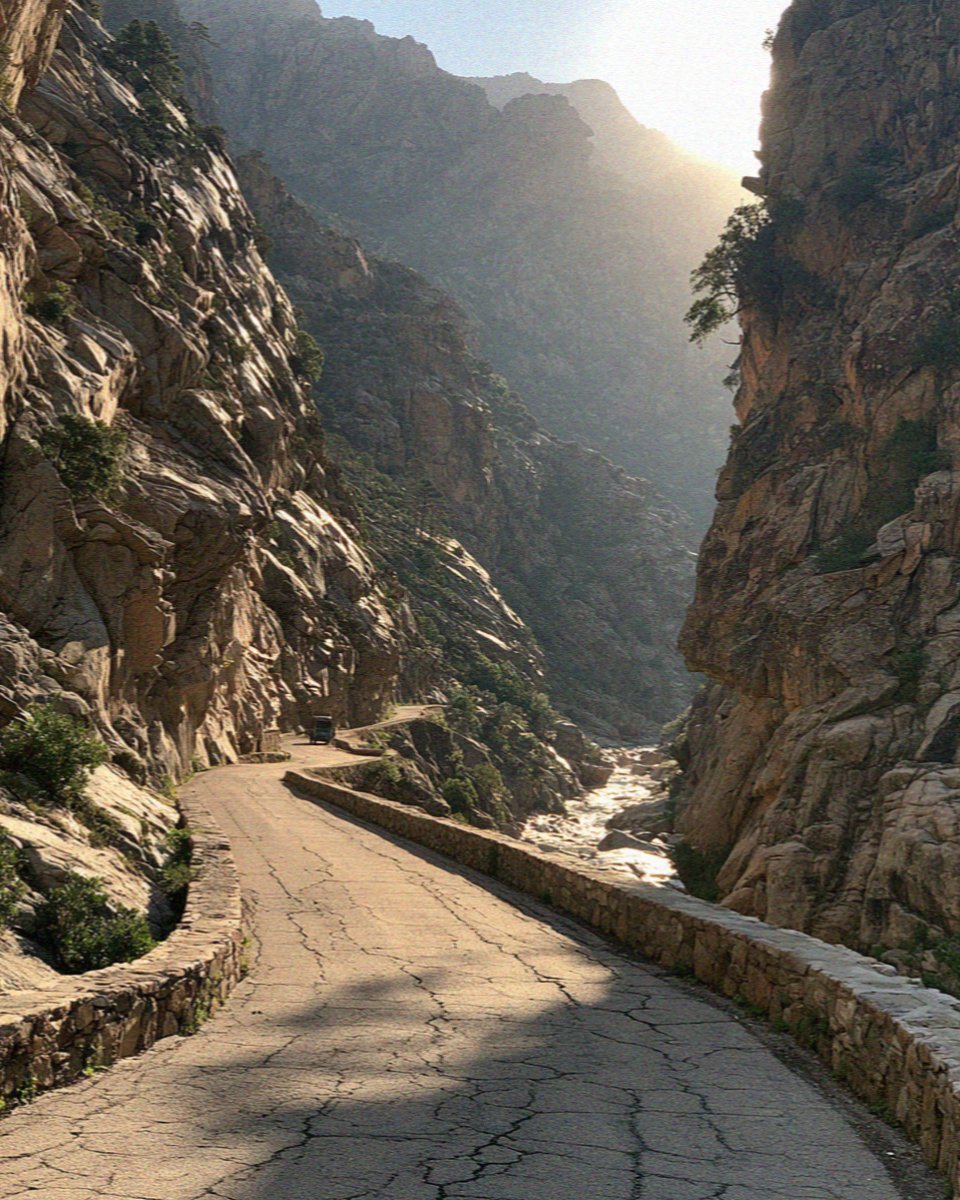
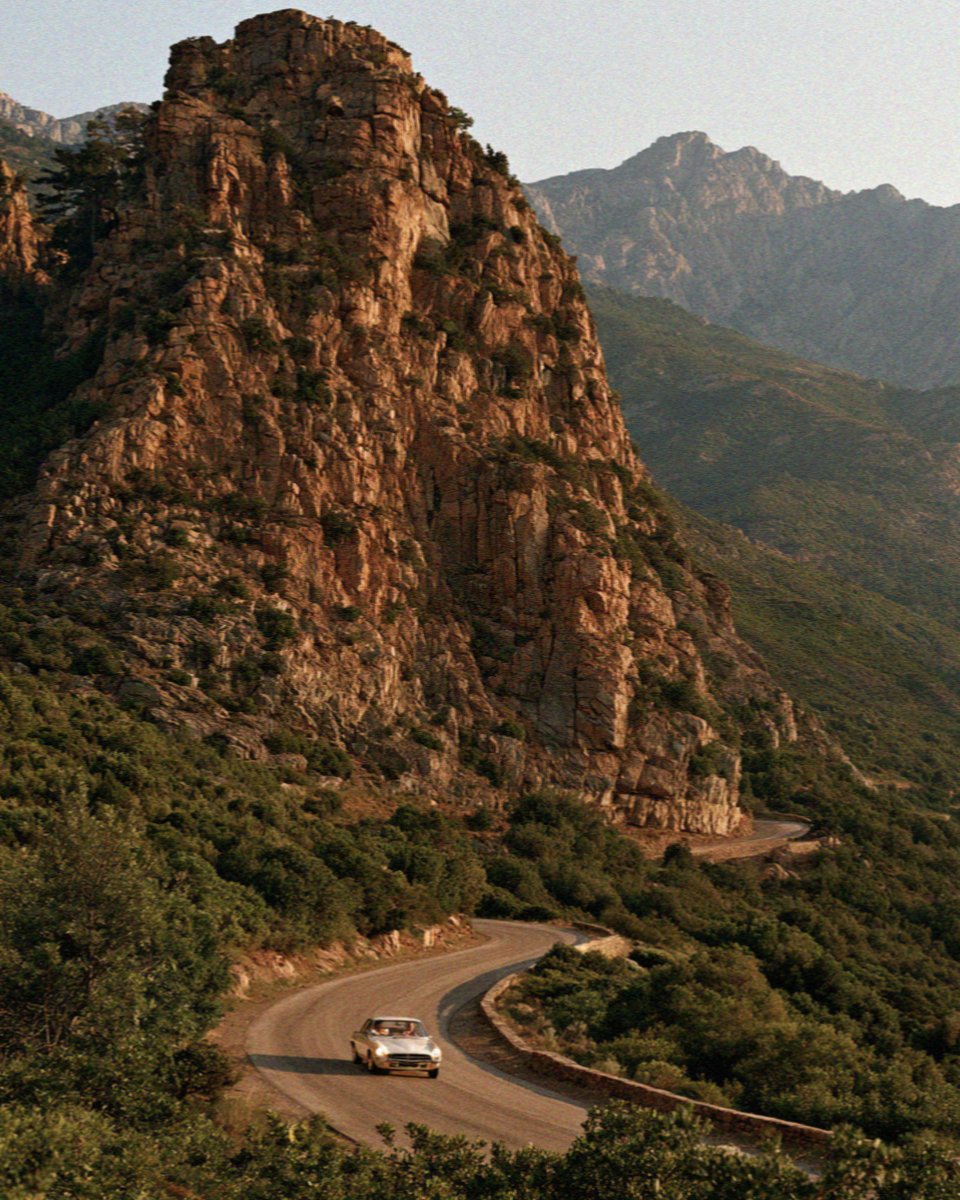
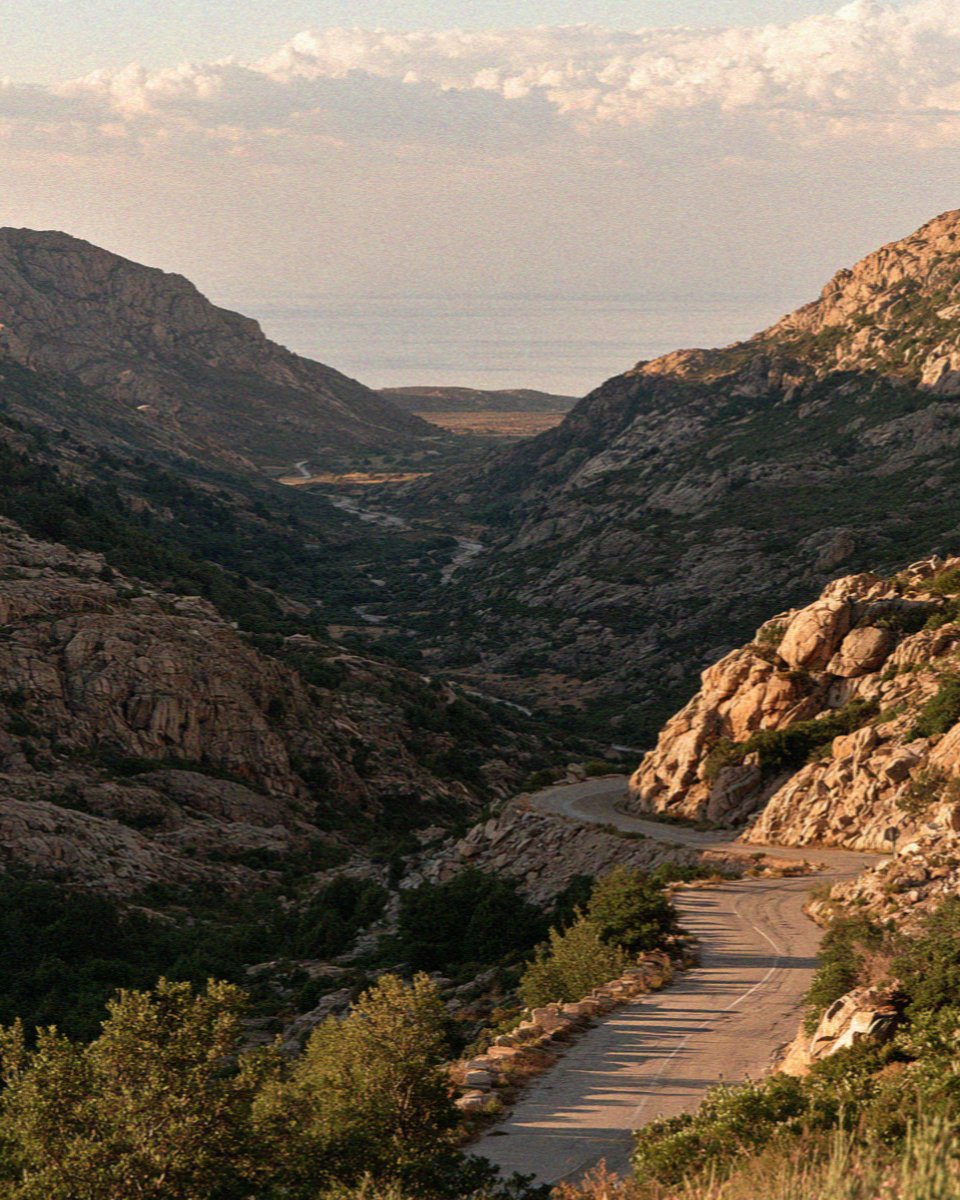
The road up the gorge is one lane with places to pass, and the places to pass are a matter of opinion.
You meet a van coming down and one of you reverses, and it is generally understood that the one who reverses is the one who is not local. I reversed four times before lunch. The fourth time the man raised two fingers off the wheel without otherwise moving and I have decided that is the mountain version of the harbour chin.
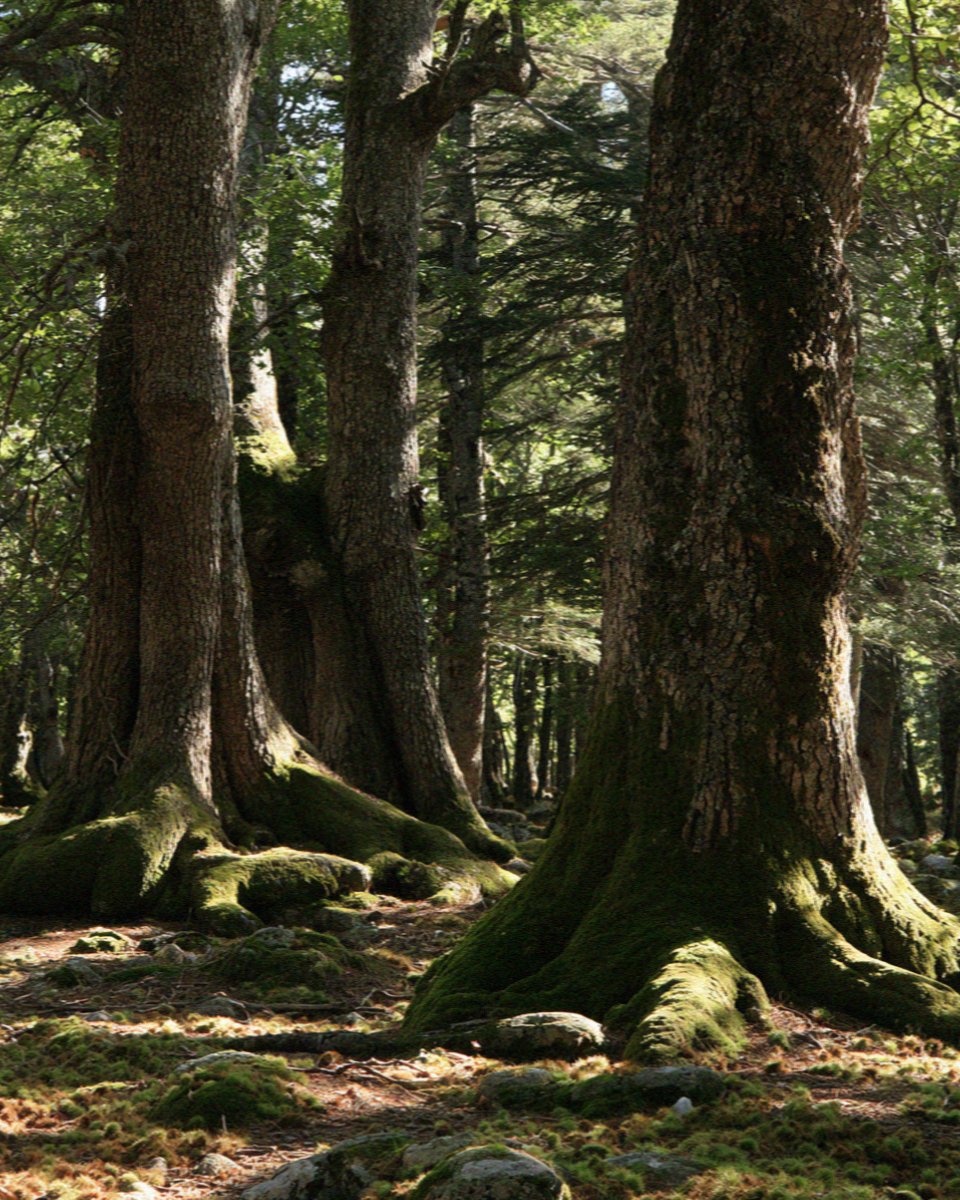
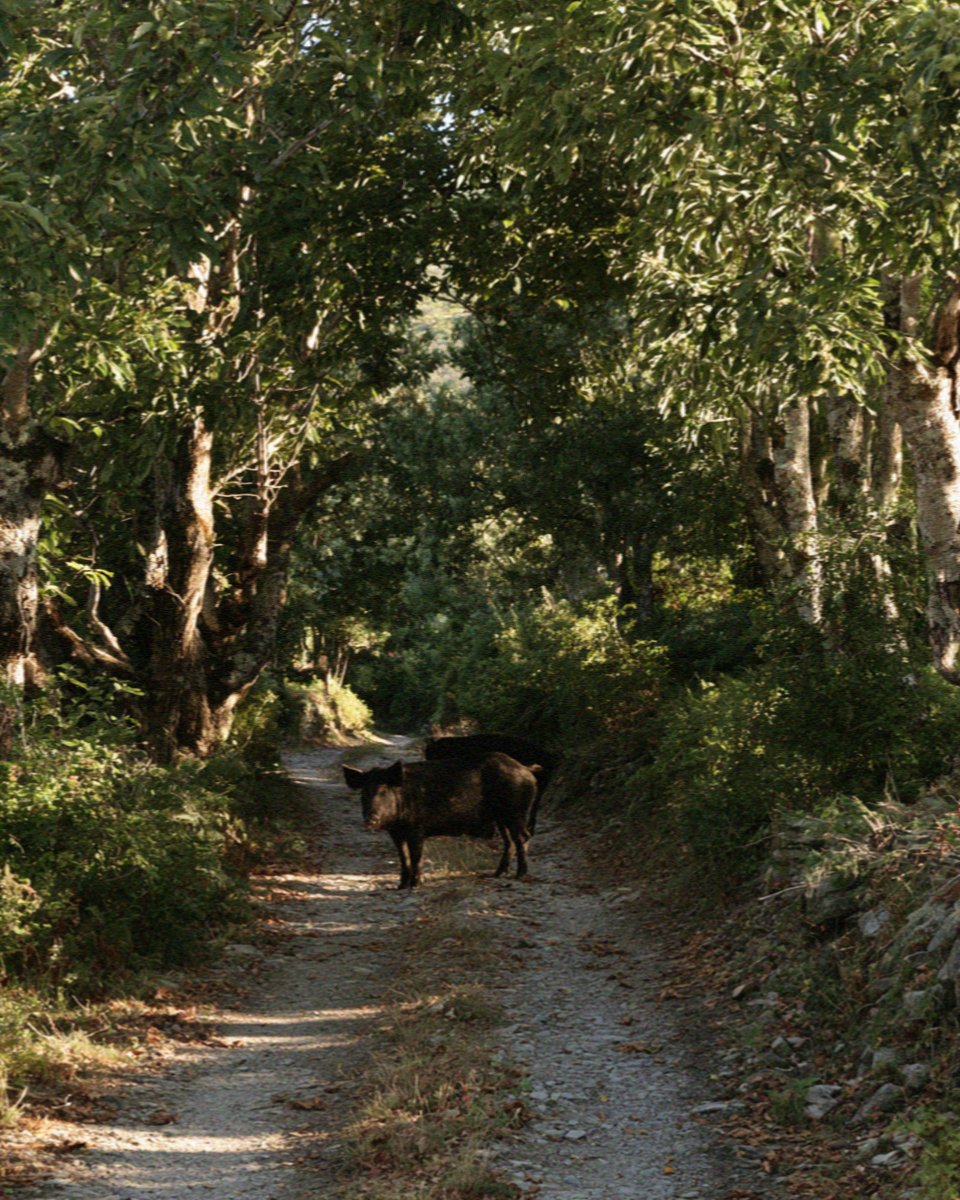
Then the trees close over, and it is chestnut. Miles of it. The trunks are enormous and mossed on the north side and the light comes down through them in pieces, and the whole floor is last year’s husks. Pigs live in there. Not kept, exactly. They come out onto the road when they feel like it, black and rangy and entirely self-employed, and they eat what falls, which is chestnuts and acorns, which is why the ham tastes the way it does. I had read that sentence a dozen times. I had not understood that it meant pigs, in the actual road, looking at me.
The water is the reason people come, and it is worth it, and I want to be accurate about it.
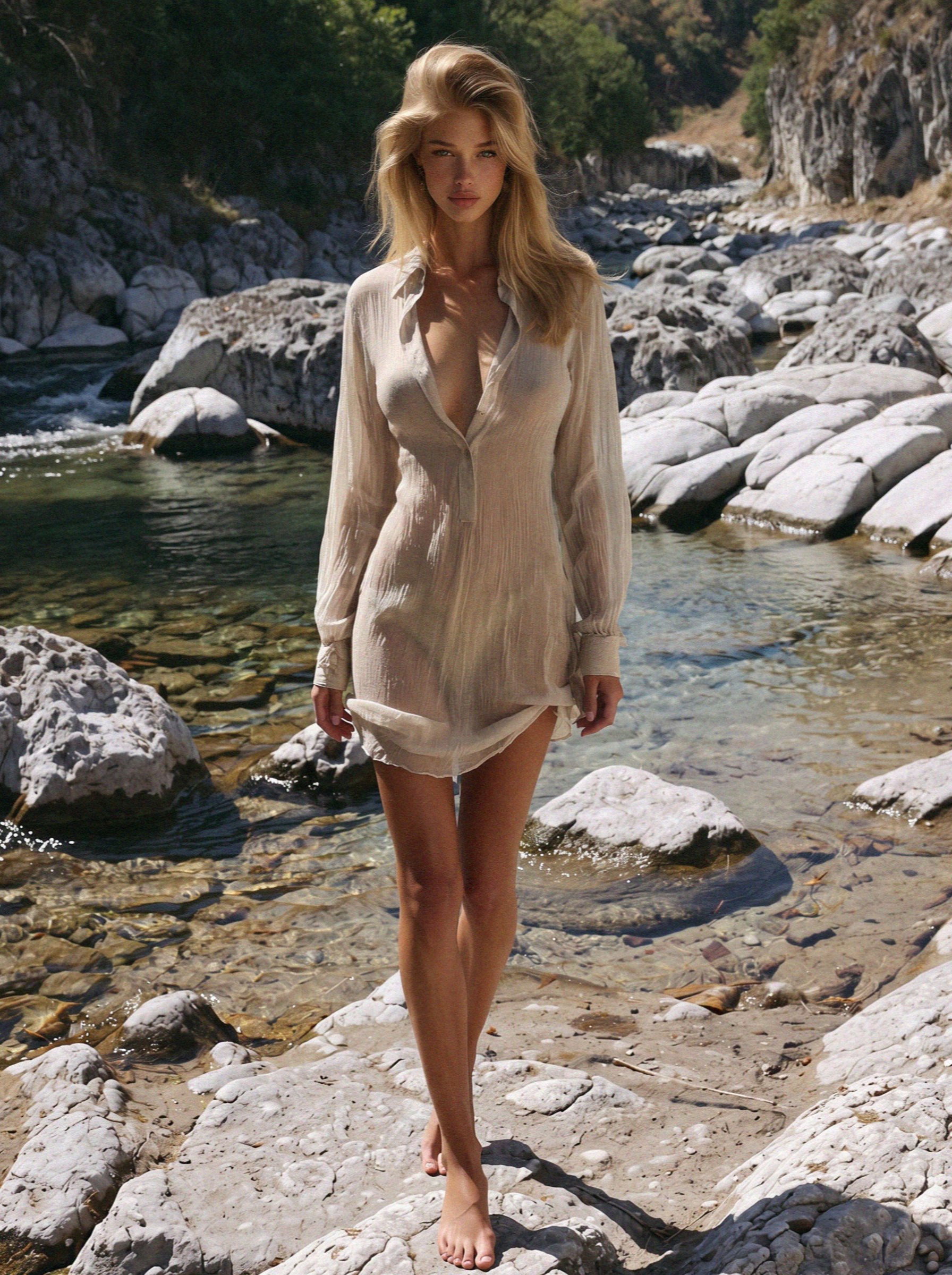
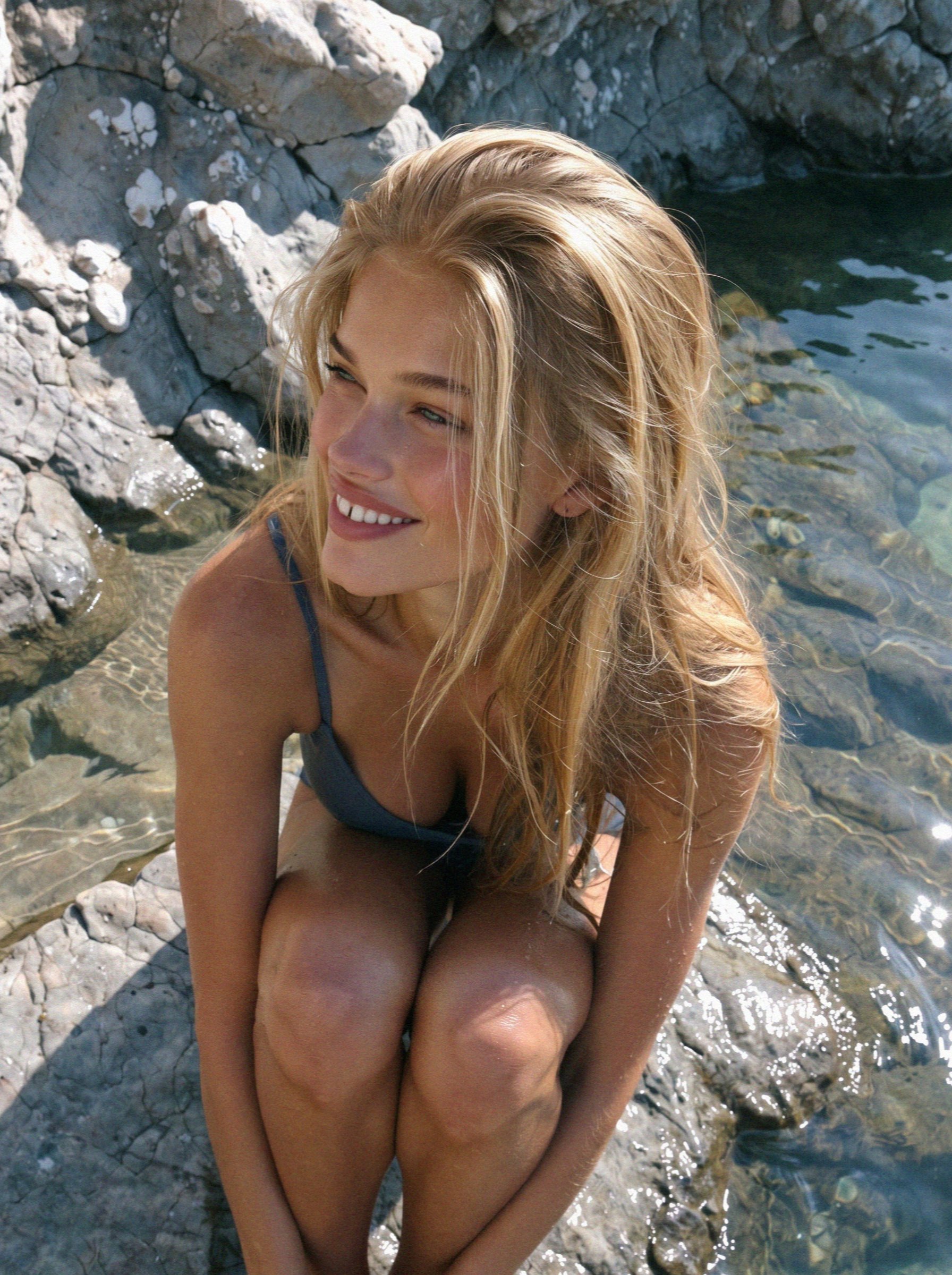
It is granite, so the pools are not green or brown, they are colourless and completely clear, and you can see every stone at the bottom of something four metres deep with no distortion at all. And it is snowmelt. The guidebooks say cold. Cold is not the word. It is the kind of cold that is an event, that empties your head of everything else in about a second and a half, and you come up making a noise you did not choose.
I got in twice.
The second time was better, the way it always is, and I lay on the rock afterwards with my hair flat to my skull and did not think about anything for possibly twenty minutes, which for me is close to a medical achievement.
There were maybe nine people at that pool. It was the middle of a Saturday in September. Forty minutes down the hill there were several thousand on the sand.
Go early, though. The road is narrow and the little car park at the top fills by the middle of the morning, and after that people just stop wherever, and then nobody can get up or down and everybody is furious in two languages.
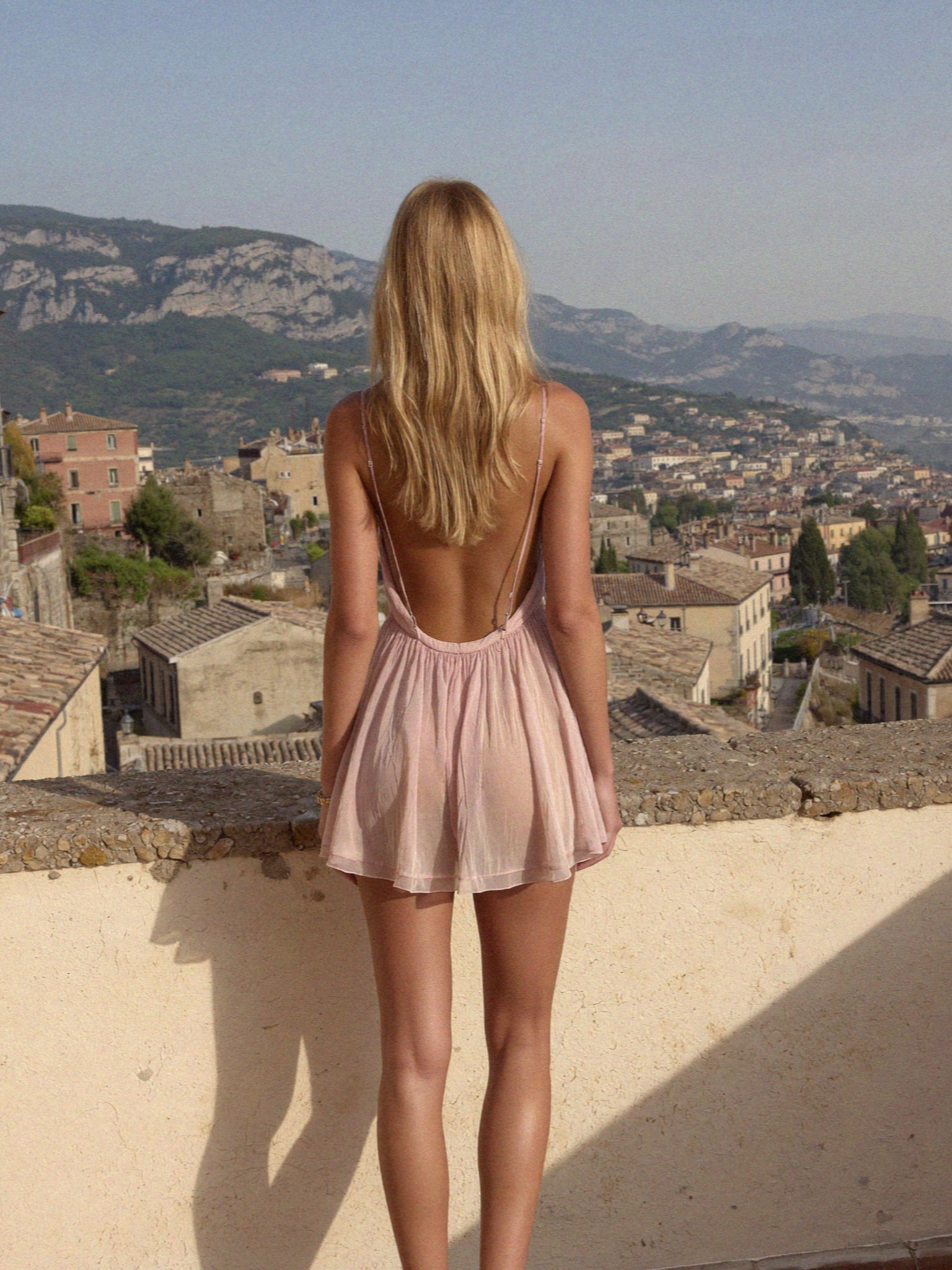
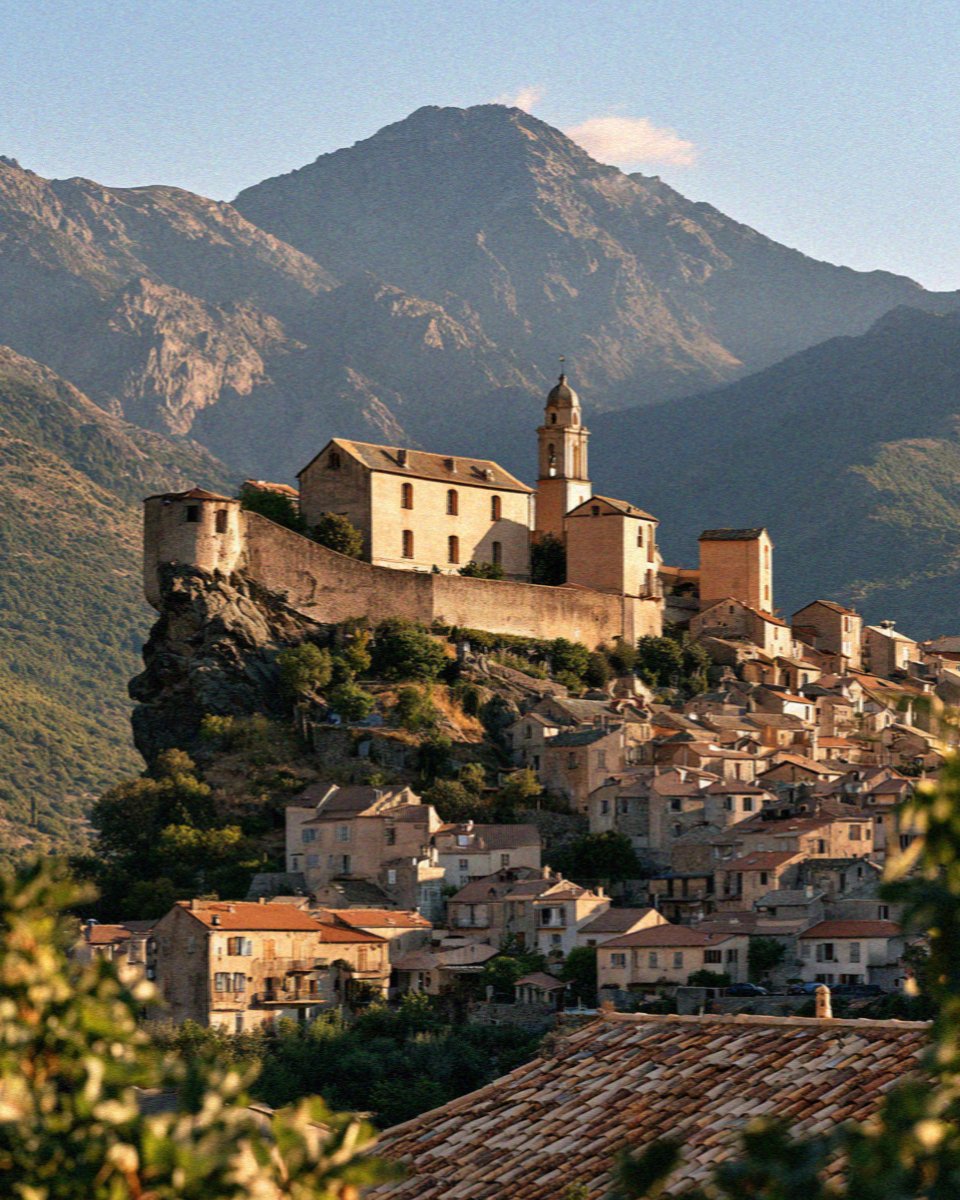
In the afternoon I came back down to Corte and walked up into the old town, which is built on a rock in the middle of an island, which is about as far from the sea as it is possible to get here and is exactly where they put it.
I said in my last entry that the villages are up in the hills with their backs turned, because for five hundred years anything arriving by sea was a problem. It is one thing to write that. It is another to stand in a citadel with mountains on every side and understand that the sea is the direction the trouble came from, and that these people arranged their entire civilisation around not looking at it.
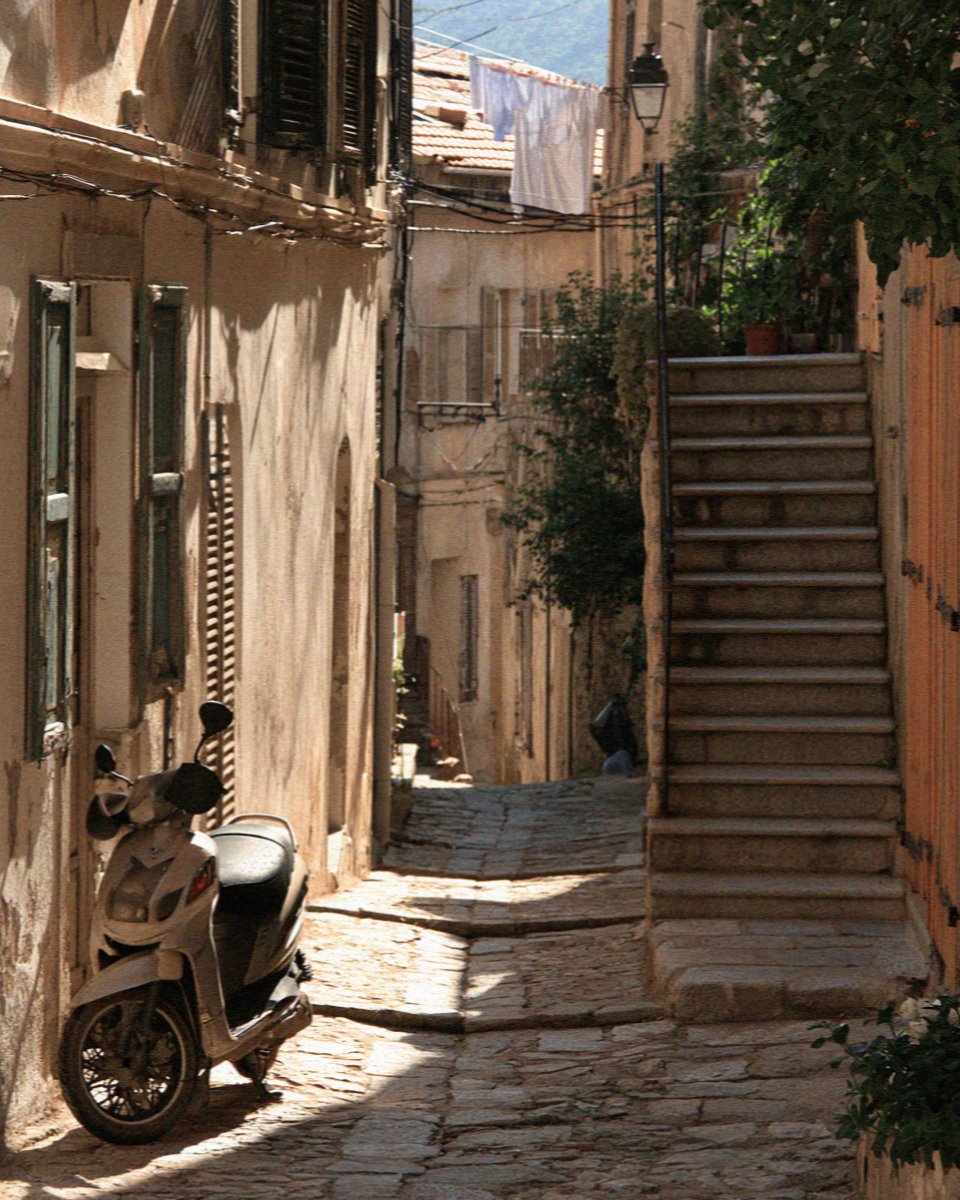
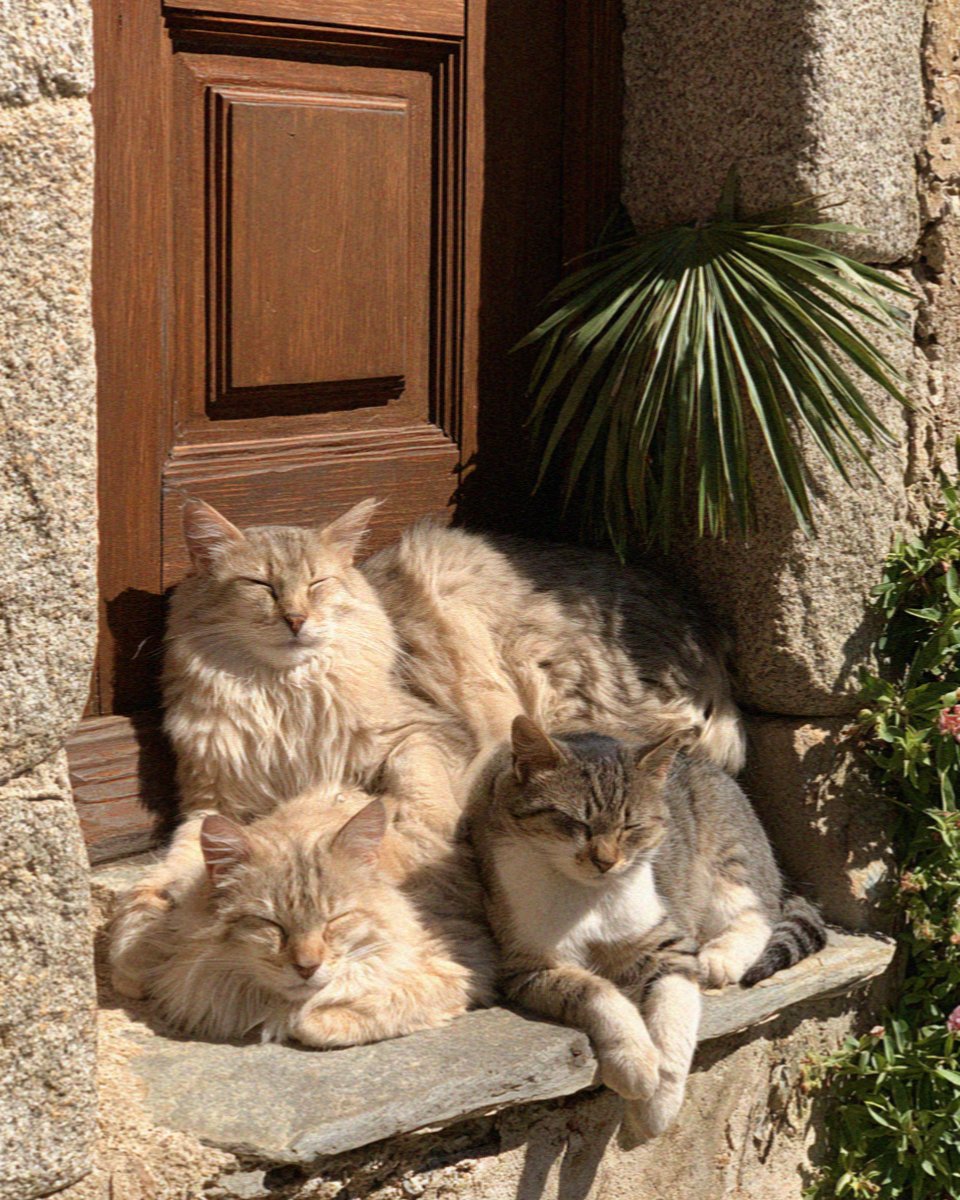
The town is a student town now and a bit shabby and I liked it enormously. Steep lanes, a lot of shutters, three separate cats asleep in the same doorway in a way that suggested negotiation.
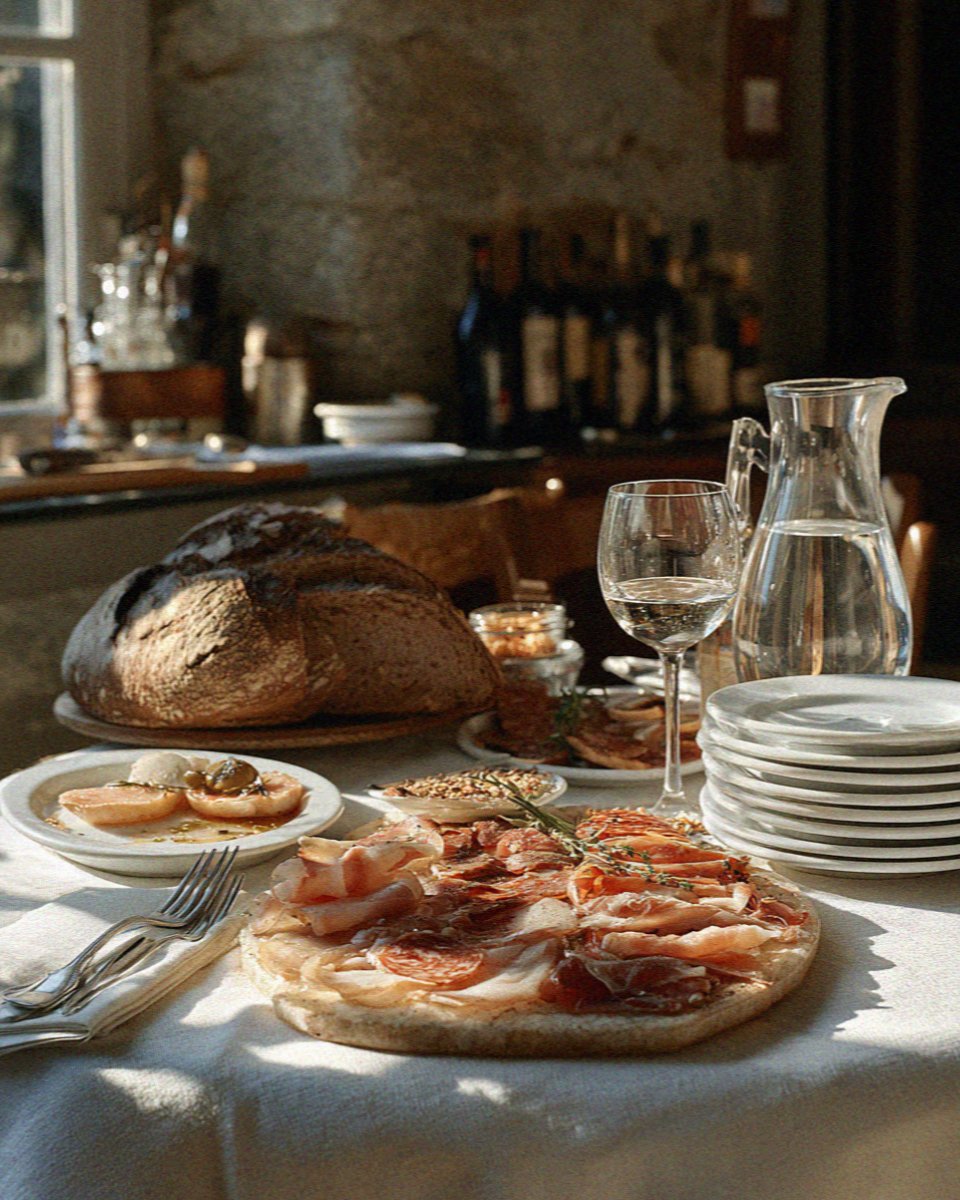
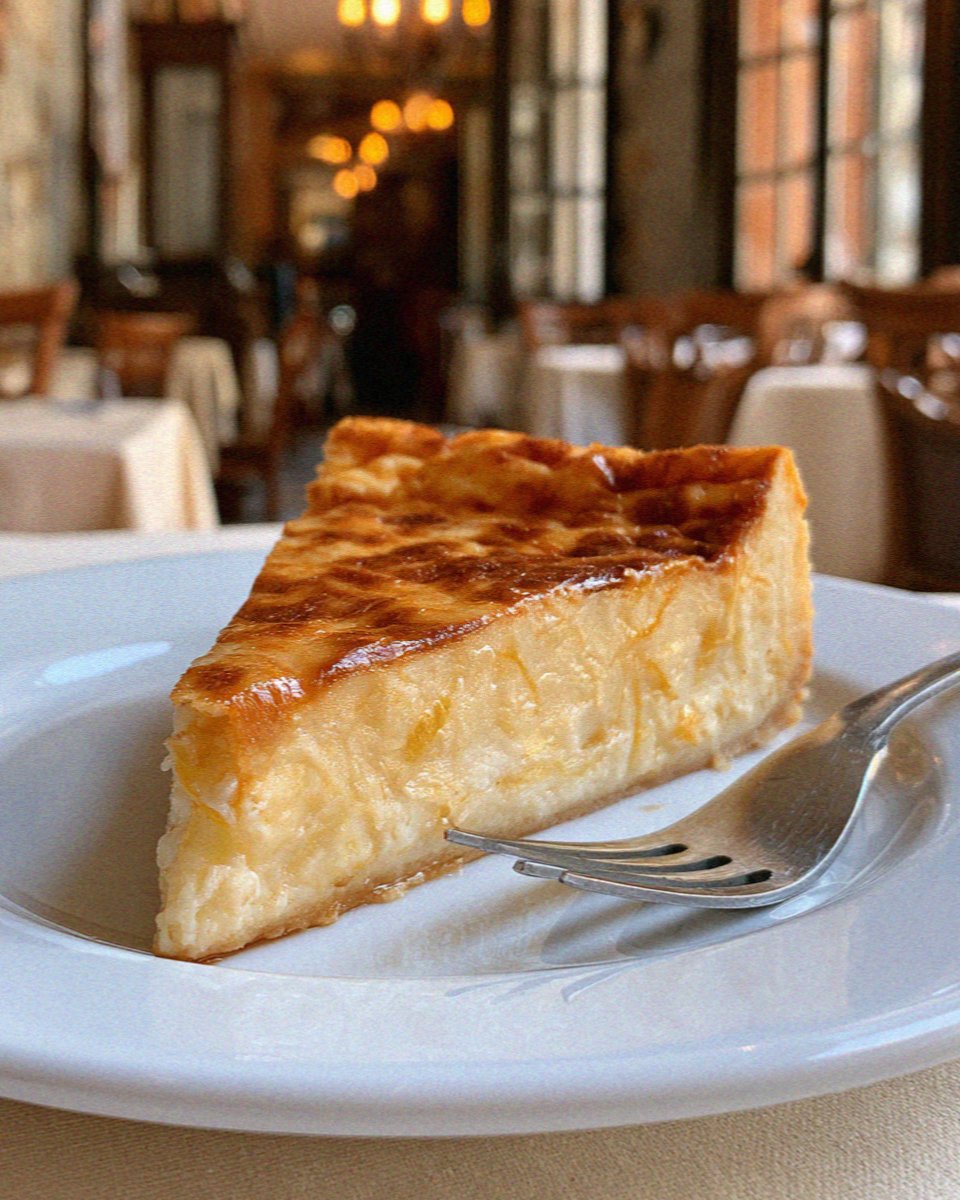
I ate at a place with a fixed menu and no choices, which is my favourite kind of place, and had charcuterie and a stew and then a slice of fiadone, which is the island’s cake and has no pastry at all, just sheep’s cheese and eggs and sugar and an unreasonable quantity of lemon zest.
And here is the thing I keep turning over.
The cheese in fiadone is brocciu, and brocciu is only made while the sheep and goats are milking, roughly December to July. It was the middle of September. So what I ate was made with something frozen months ago, or it was made with something that is not brocciu.
I asked. The woman was completely unbothered and said, more or less, yes, obviously, come back in the spring.
I have thought about that answer more than the cake deserved. There was no apology in it and no defensiveness either. The season is the season. The thing exists when it exists and the rest of the year you have a version of it, and everybody local knows, and nobody minds, and the only person for whom this is information is the one who came in September and read about it on an aeroplane.
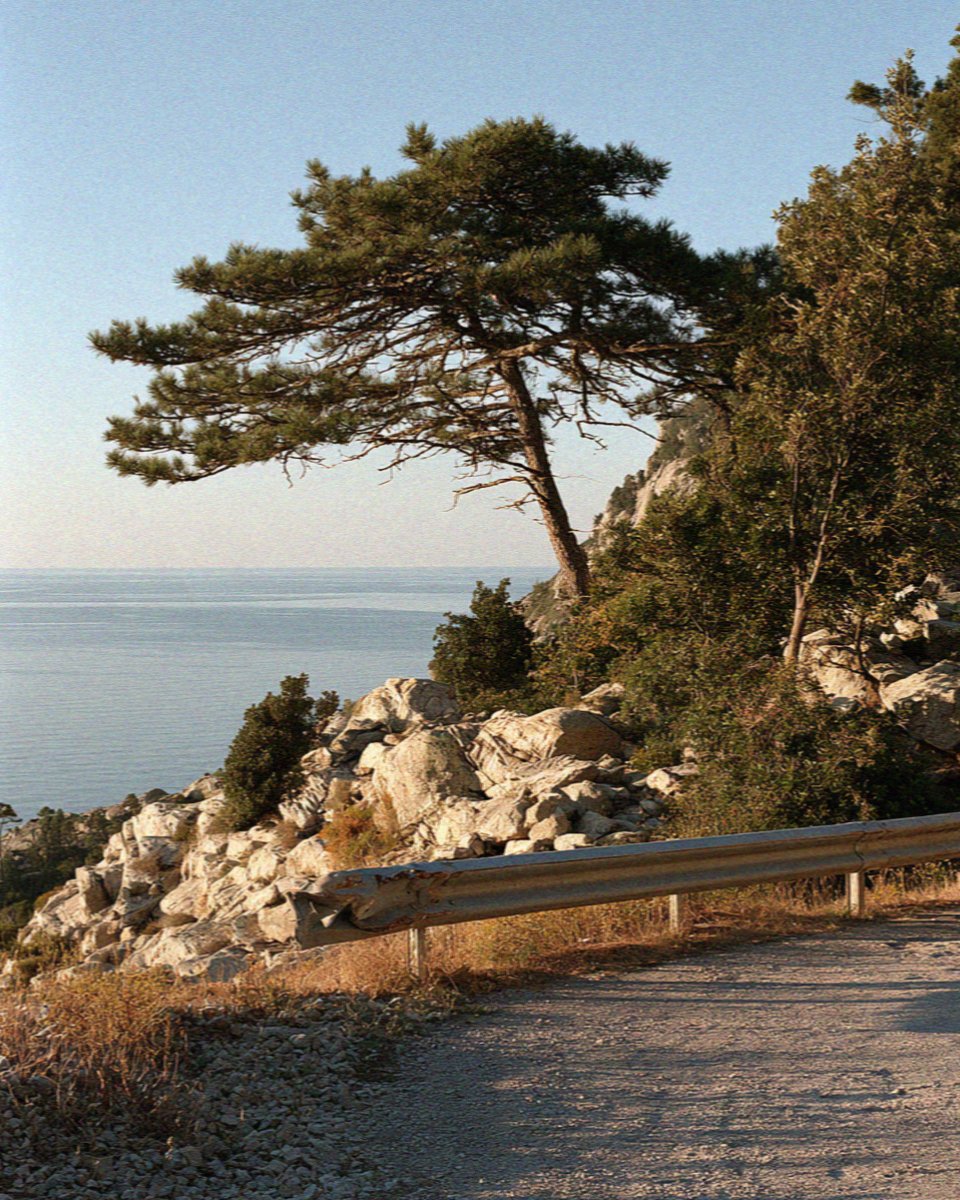
The drive down was an hour of switchbacks with the light going amber on the rock, and I stopped once, at a place where you can see the whole valley open out and the sea beyond it going flat and pale.
At the Loire house the water in the river was always too cold and we were made to get in anyway, and there is a particular indignation you feel at nine years old that I recognised exactly this morning, standing on a granite slab in Corsica with my arms crossed, aged twenty-four.
Nobody warns you about that either.
V.
This is a diary from the interior of Corsica. The practical version, the roads and the ferries and how long you need, is in my complete guide to Corsica, the day itself is in the best things to do in Corsica, what to eat and when it is actually in season is in where to eat in Corsica, and the morning on the coast before this one is in the island that is not France.
More images from Corsica