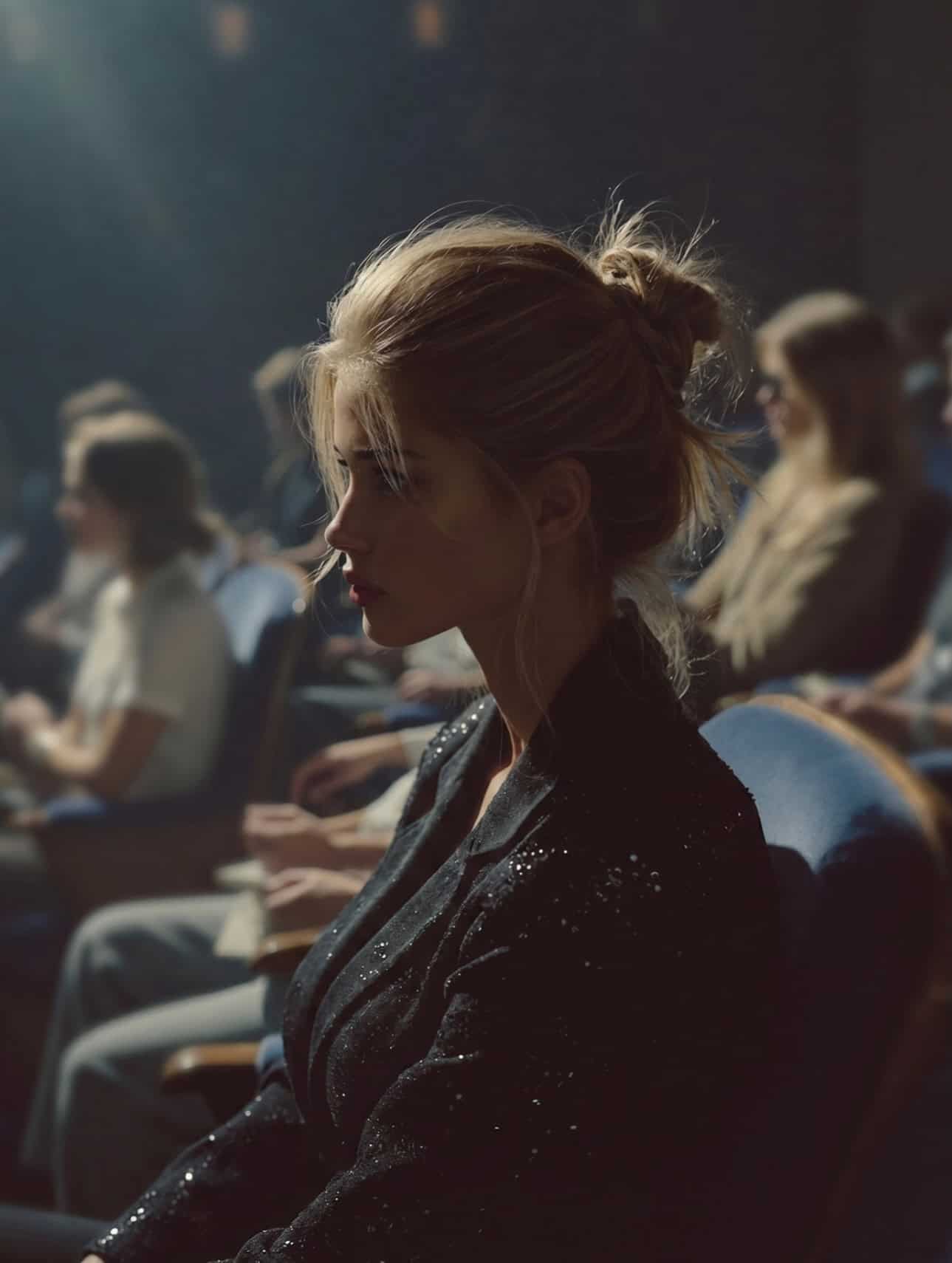
The last night of Cannes has a quiet that the rest of the fortnight never has. By the time the awards are read inside the Grand Théâtre Lumière, the crowds along the Croisette have thinned, the tenders have stopped crossing the water, and the town seems to hold its breath for the one envelope that matters.
I watch for it every year. I have loved films longer than I have loved almost anything. What follows is not the full accounting; the complete list lives in a hundred other places by now, but the handful I carried home from the 79th festival and cannot quite put down. For the festival itself, how it works and where to stand, there is my guide to the Cannes Film Festival.
The one that took the Palme
The Palme d’Or went to Fjord, directed by Cristian Mungiu, and I was glad in a way I rarely am about a jury’s decision. His is a cinema of held shots and withheld comfort, the camera refusing to look away from the things most films cut around. You leave one of his films the way you leave a long conversation you did not want to have and are grateful, afterward, that you did.
For Mungiu it was a second Palme, arriving nearly two decades after 4 Months, 3 Weeks and 2 Days took the same prize in 2007. There are directors who win this once and spend the rest of their lives in its shadow. To return and win it again is a quieter, heavier thing. The critics agreed with the jury this year, which almost never happens here, and Fjord gathered up most of the independent prizes on its way out the door.
The ones I keep thinking about
Andrey Zvyagintsev took the Grand Prix for Minotaur, and he remains, to me, one of the few directors alive who can make the political feel like something whispered across a kitchen table. The score, by Evgueni and Sacha Galperine, has not left me. I have caught myself humming it in the mornings without meaning to.
The film that undid me quietly was Coward, by Lukas Dhont, who has always understood young men and the tenderness they are taught to bury. The jury could not choose between its two leads, Valentin Campagne and Emmanuel Macchia, and so gave them the acting prize together, which felt exactly right. Some performances only make sense as a pair.
And then there was the evening that belonged to no competition at all. Barbra Streisand was given an honorary Palme d’Or, and because she could not travel to receive it, Isabelle Huppert accepted it for her, one screen legend standing in for another. The room understood the gesture before a word was said.
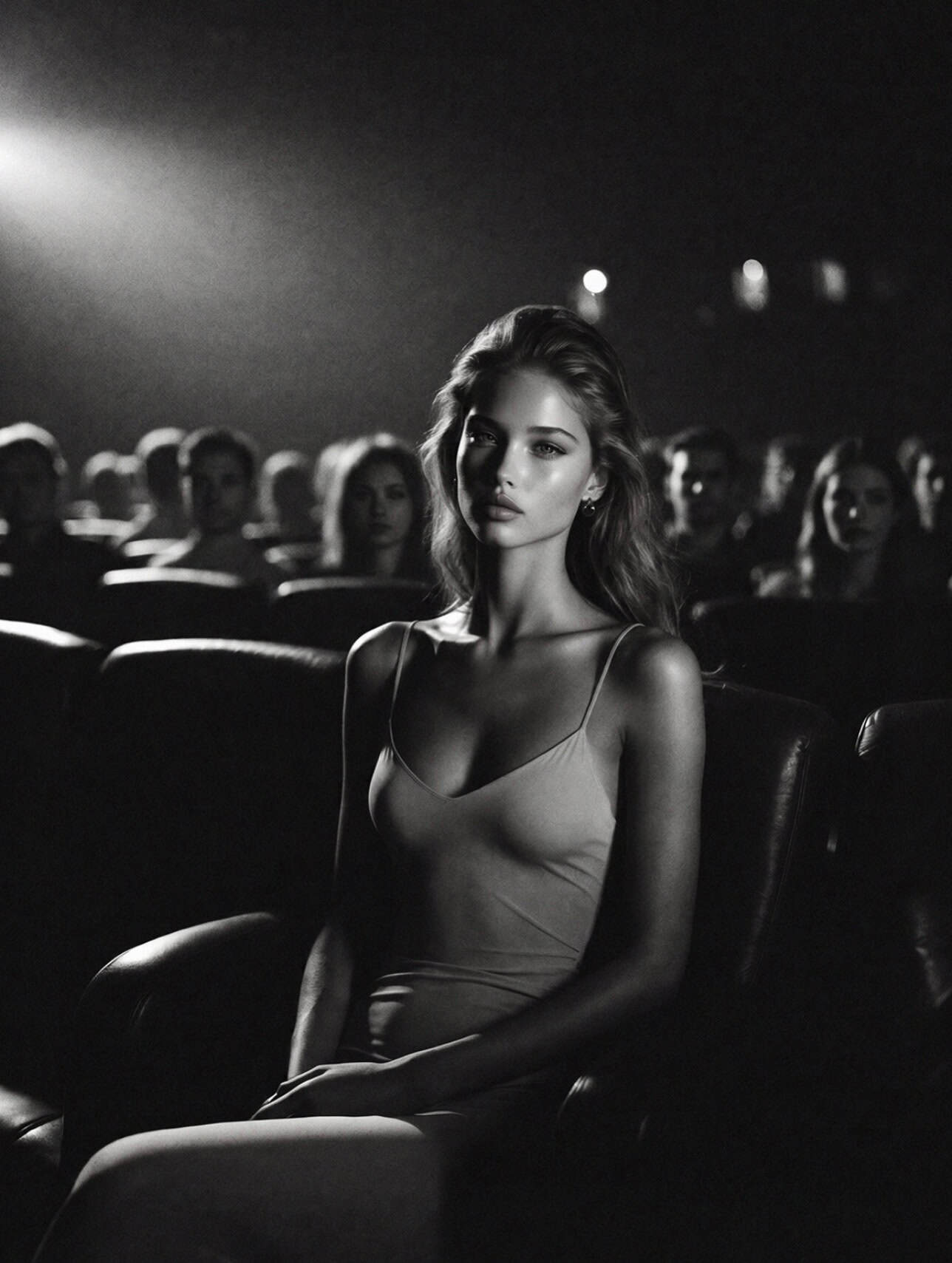
I will admit my favourite prize of the fortnight is never the one on the main list. The Palm Dog, the least official and most beloved award Cannes gives, went to a dog named Yuri for a film called La Perra. The festival takes its cinema with total seriousness and then, once a year, hands a collar to a dog. I have always loved it for that. It is the festival admitting, briefly, that none of this has to be so solemn.
The temperature of the year
Every festival has a temperature, and this one ran warm. A jury that lets the critics agree with its Palme, then splits its acting prizes so that four performers rather than two go home lifted, is a jury that wanted to spread the light around. There were more good performances this year than there were prizes to hold them, and you could feel the room straining, gently, to be generous.
The town emptied the way it always does, in a single morning, the barriers coming down and the carpet rolled away and the ordinary light returning to the people who live here the rest of the year. What stayed was the films. It is the only thing that ever really stays.
Who won the Palme d’Or at Cannes in 2026?
The Palme d’Or at the 79th Cannes Film Festival went to Fjord, directed by Cristian Mungiu. It was his second Palme d’Or, after 4 Months, 3 Weeks and 2 Days in 2007. The festival ran from the twelfth to the twenty-third of May, 2026, with Park Chan-wook as jury president.
V.
Read also: Victoria’s Guide to the Cannes Film Festival