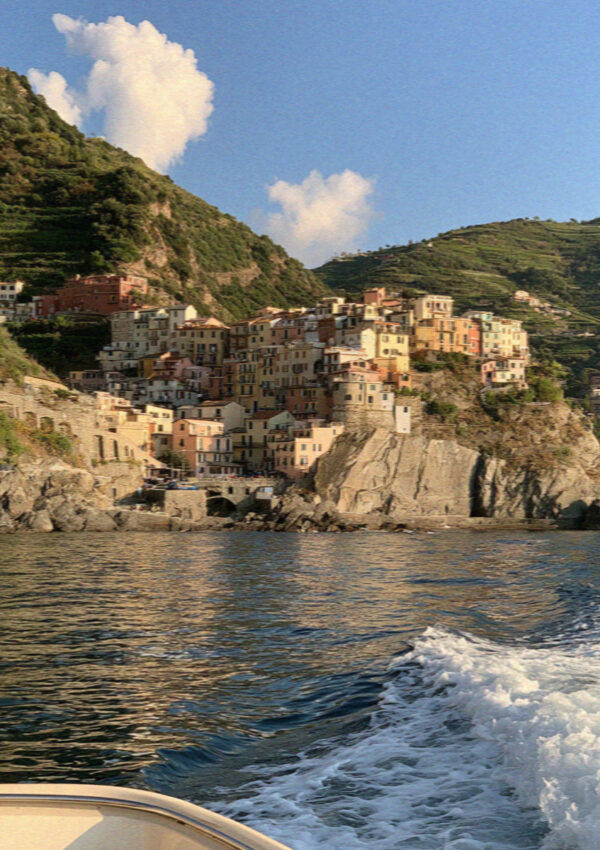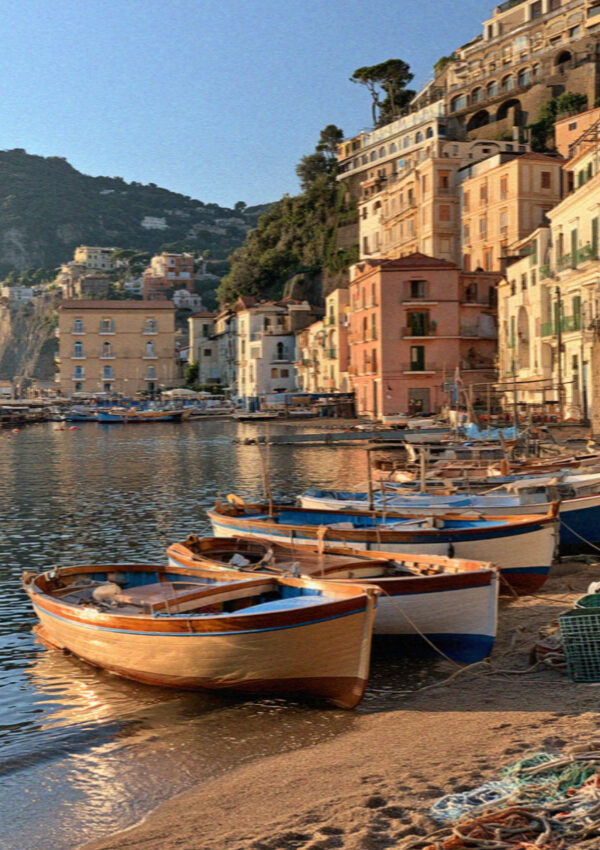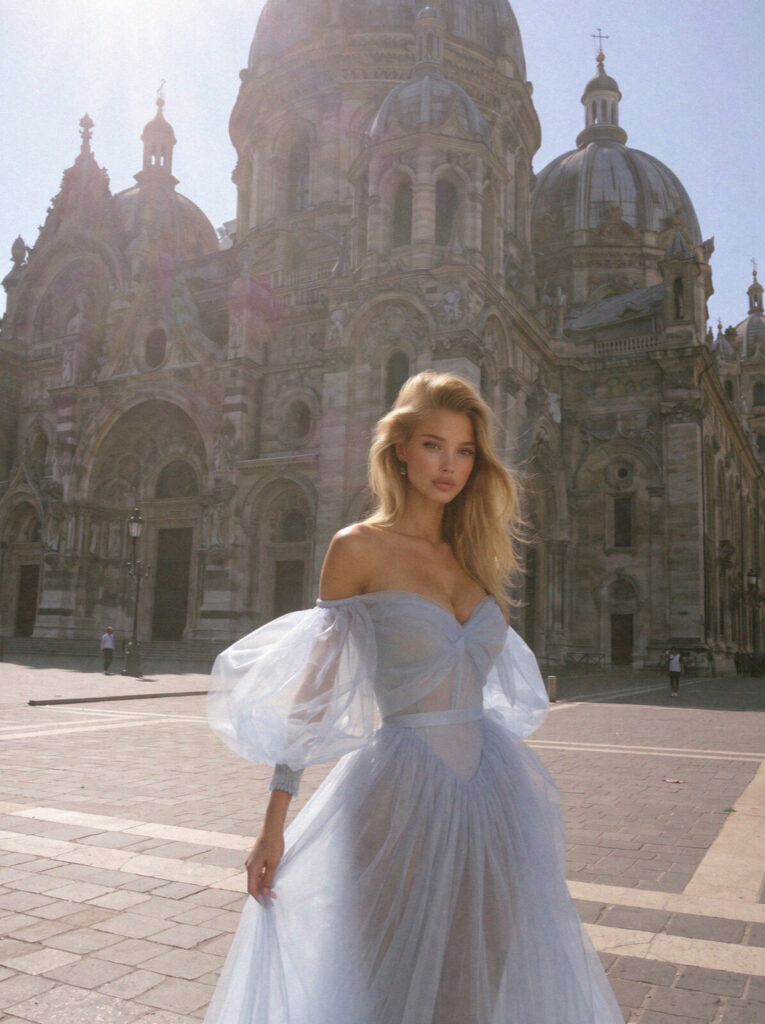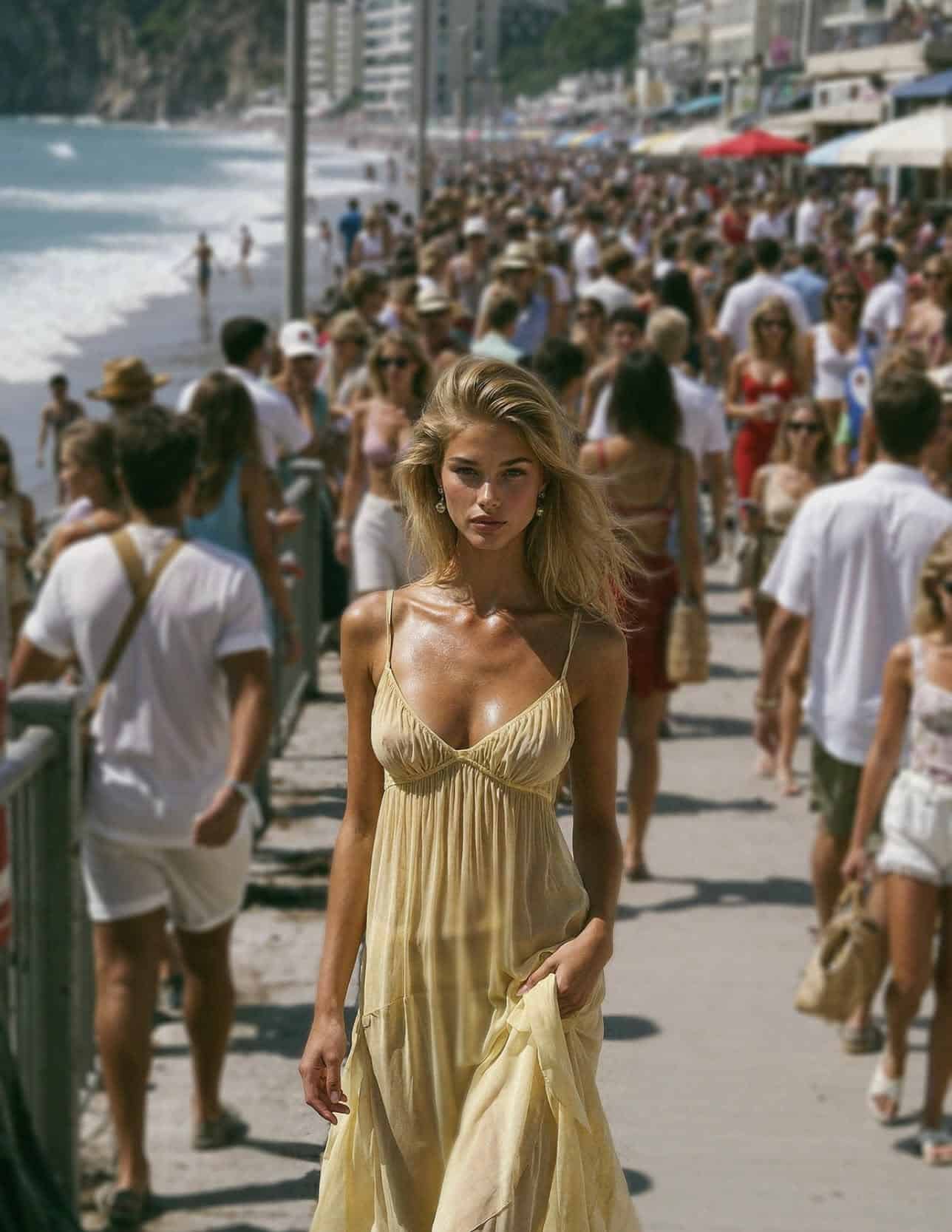
The Croisette in the last hour before evening does something to the light. The sea turns from blue to a beaten silver, the palms throw long shadows across the pavement, and everyone walking toward the Palais seems, briefly, to have been lit for a scene they did not audition for.
I have loved films longer than I have loved anything. Before I understood clothes or cities, I understood the dark of a cinema, the way a room full of strangers agrees, for two hours, to believe the same thing at the same time. Cannes is the one place on earth that treats that agreement as something close to sacred, and it does so for twelve days every May.
I have walked the Croisette at nearly every hour the festival keeps. I have watched the arrivals from inside the crowd and from a balcony above it, waited out the long afternoons when the town belongs entirely to the industry, and stood near the water at midnight when the yachts are still lit, and the last party has not yet decided to end. I know how this fortnight works, and how little of it most people ever see. This is what I know.
What the Cannes Film Festival Is
The Festival de Cannes has been held on this stretch of the Côte d’Azur since 1946. It was conceived before the war, in part as an answer to a Venice festival that had fallen under the influence of fascism, and it was meant from the start to be a place where films could be judged as films rather than as politics. The war delayed it. The first edition finally opened in the autumn of 1946, and the festival has grown, almost without interruption, into the oldest and most important gathering in cinema.
At its centre is a single prize. The Palme d’Or, a small golden palm frond, has been awarded since the middle of the 1950s, and it remains the most coveted award in world cinema after the Academy Awards, and to many filmmakers more coveted still. A Palme can change the shape of a director’s life in an evening. It is decided by a jury of filmmakers and actors, led each year by a president, who watch the competition films together in the dark and argue over them in private until the closing night.
For most of the year, Cannes is a pretty Riviera town of around seventy thousand people, with an old quarter on the hill, a working fish market, and a bay full of pleasure boats. For two weeks in May it becomes the centre of an entire art form. The population of the town effectively doubles. The hotels along the Croisette turn into embassies for the film industries of the world, and the whole place organises itself around a building at the western end of the promenade.
It is really three things at once, and the confusion of the place comes from trying to see them separately. It is a competition, where the jury weighs the films in contention for the Palme. It is a marketplace, the Marché du Film, the largest film market in the world, where the business of cinema is conducted in booths and hotel suites out of sight of the cameras. And it is a spectacle, the red carpet and the gowns and the flashbulbs, the part the world actually sees. All three run at once, in the same square kilometre, for the same twelve days.
Understanding the Fortnight
The festival runs about twelve days in the middle of May, and once you understand how it is organised it stops feeling like chaos and starts feeling like a city with its own map. The heart of it is the Competition, the small group of films, usually around twenty, chosen to vie for the Palme d’Or. These are the films the jury judges, and the ones the world’s critics file into the Grand Théâtre Lumière to see first.
Around the Competition sit the other official selections. Un Certain Regard gathers the newer, stranger, more adventurous voices, and has its own jury and its own prize. The Out of Competition premieres are the big films that come to Cannes for the carpet rather than the contest. There are Midnight Screenings for genre and provocation, and Cannes Premieres and Special Screenings besides. And then there are the two parallel festivals that run alongside the official one, organised independently: the Directors’ Fortnight and the Critics’ Week, the latter devoted entirely to first and second films. Between them these sidebars have launched as much important cinema as the main competition ever has.
Underneath all of it runs the Marché du Film, the market, invisible to the crowds outside but the reason a great deal of the industry is really here. Films are bought and sold, financed and pitched, in a warren of stands beneath the Palais and in suites up and down the Croisette. The glamour is the surface. The market is the engine.
The days have a rhythm you learn quickly. Mornings and afternoons belong to the screenings and the market. The evenings belong to the Montée des Marches, the walk up the steps in black tie for the gala premieres. The whole fortnight builds toward the closing night, when the jury reads out the awards and one film is lifted above the rest.
Plan Your Visit to Cannes
A few things I booked and loved. These help support the blog, at no cost to you.
This section contains affiliate links. If you book through them I may earn a small commission, at no extra cost to you.
Getting In: Badges and the Public
The one thing to understand before you come is that Cannes is not, at its heart, a public festival. The main screenings are for accredited industry and press, not for tourists with tickets. Accreditation comes as a badge, granted by profession and ranked in a quiet hierarchy that governs who gets into which screening and in what order. You do not buy your way into a competition premiere. You are invited, or you are credentialed, or you wait outside.
That sounds forbidding, and for the competition films it is. But it does not mean there is nothing here for the rest of us. The Cinéma de la Plage screens films for free every evening on the beach, a mix of restored classics and the occasional premiere, open to anyone who arrives early enough for a deckchair under the stars. The arrivals on the carpet can be watched from the barriers. The town, the market’s public edges, the whole atmosphere of the place, all of it belongs to anyone who comes. I set out exactly who gets in, how the badges work, and how everyone else can still be part of it, in my guide on how to attend the Cannes Film Festival.
The Palais and the Red Carpet
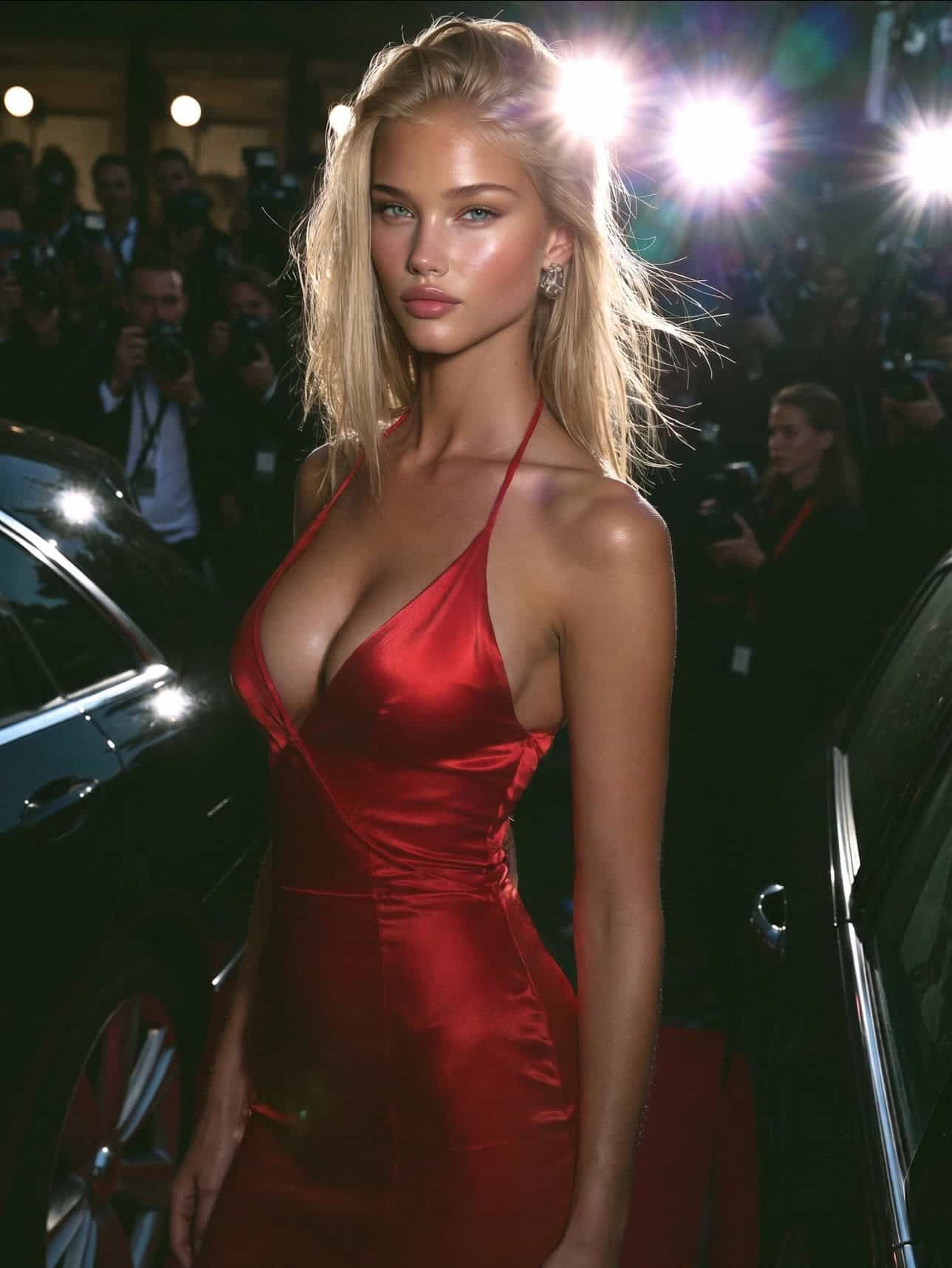
Everything turns on one building. The Palais des Festivals et des Congrès sits at the western end of the Croisette, a low modern block that opened in the early 1980s and that the industry has affectionately called the Bunker for as long as anyone can remember. It is not beautiful. It does not need to be. Inside it holds the Grand Théâtre Lumière, a hall of some two thousand three hundred seats where the gala premieres are shown, along with the smaller Debussy and Bazin theatres and the great subterranean sprawl of the market.
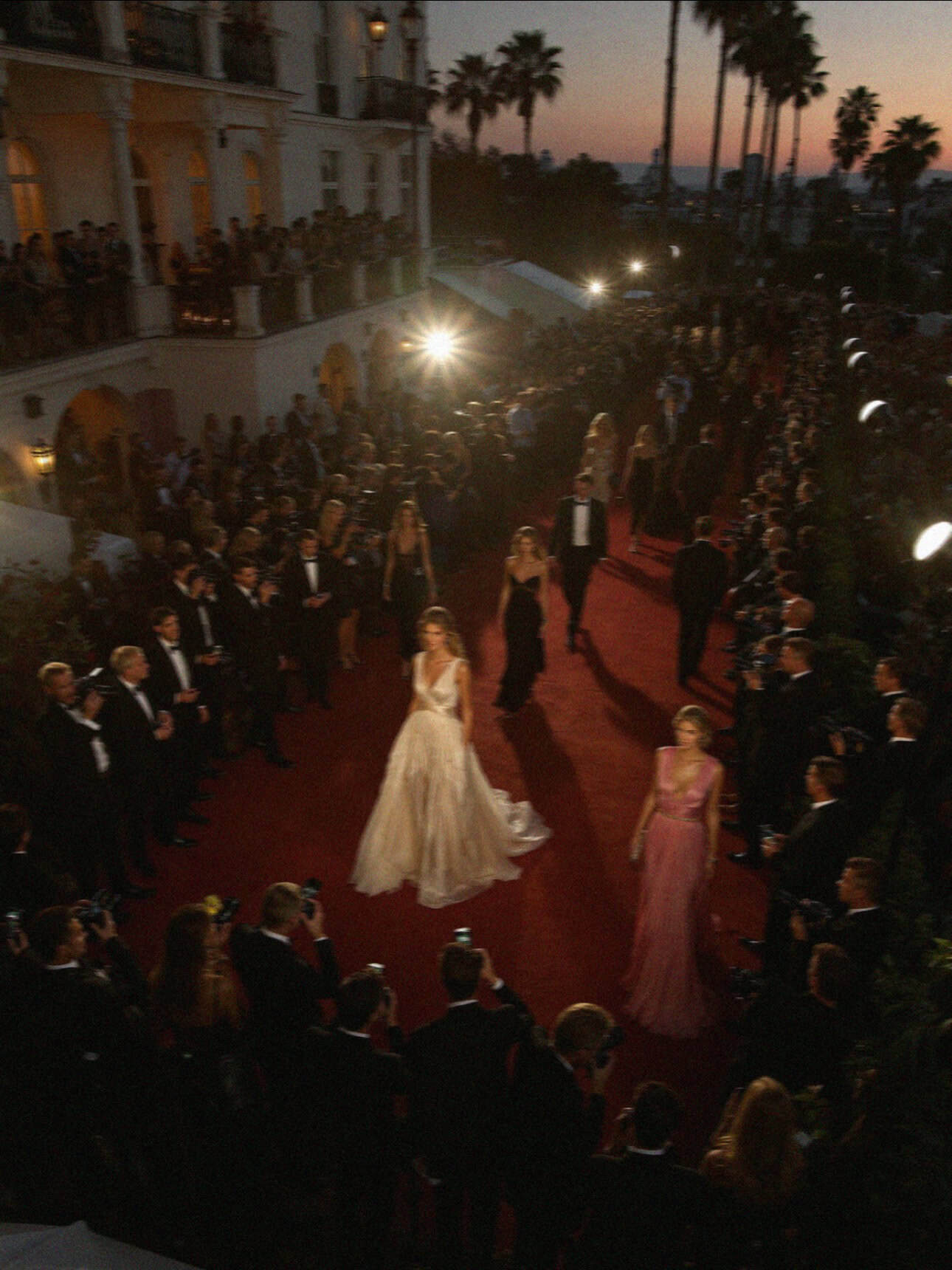
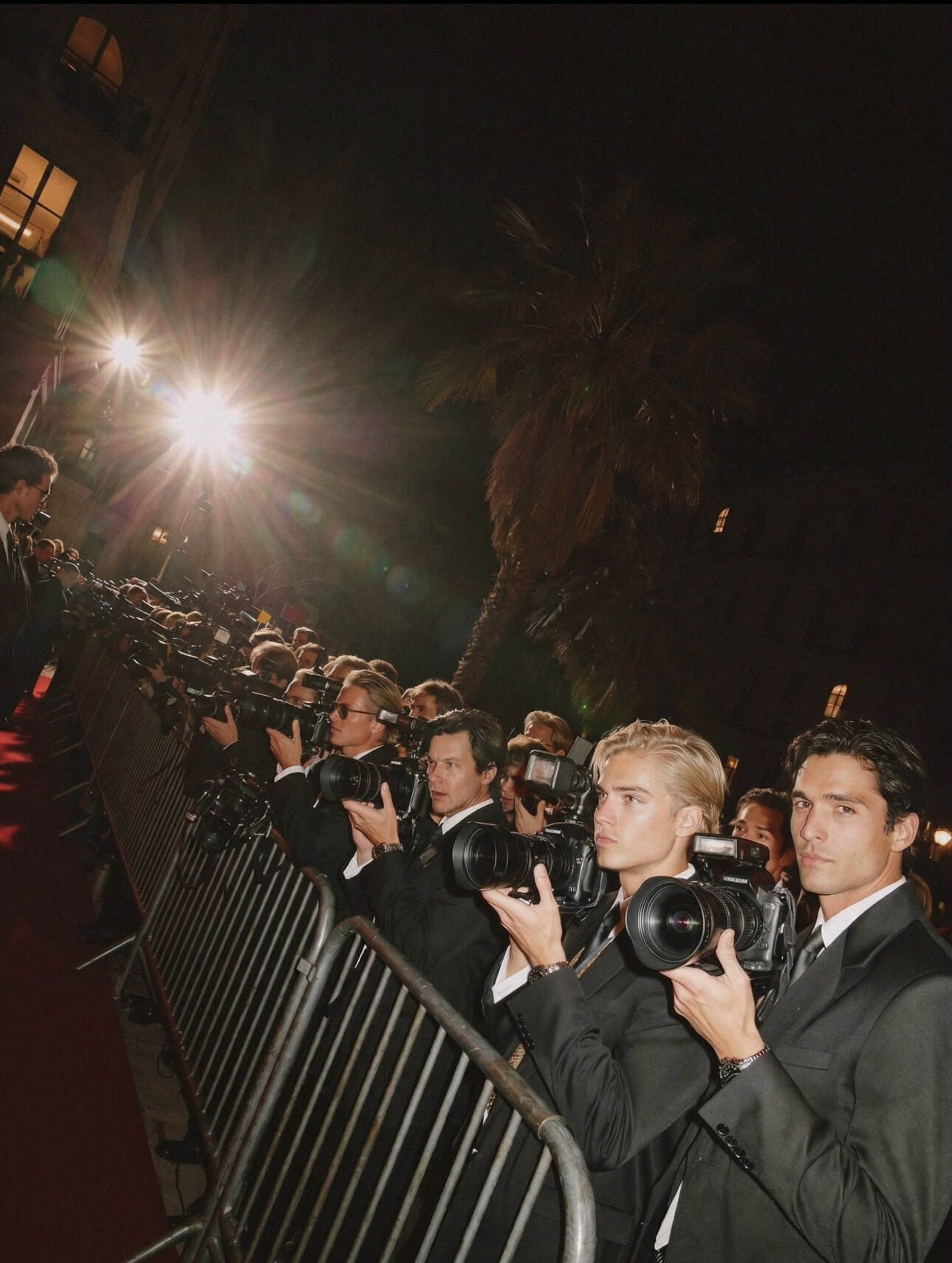
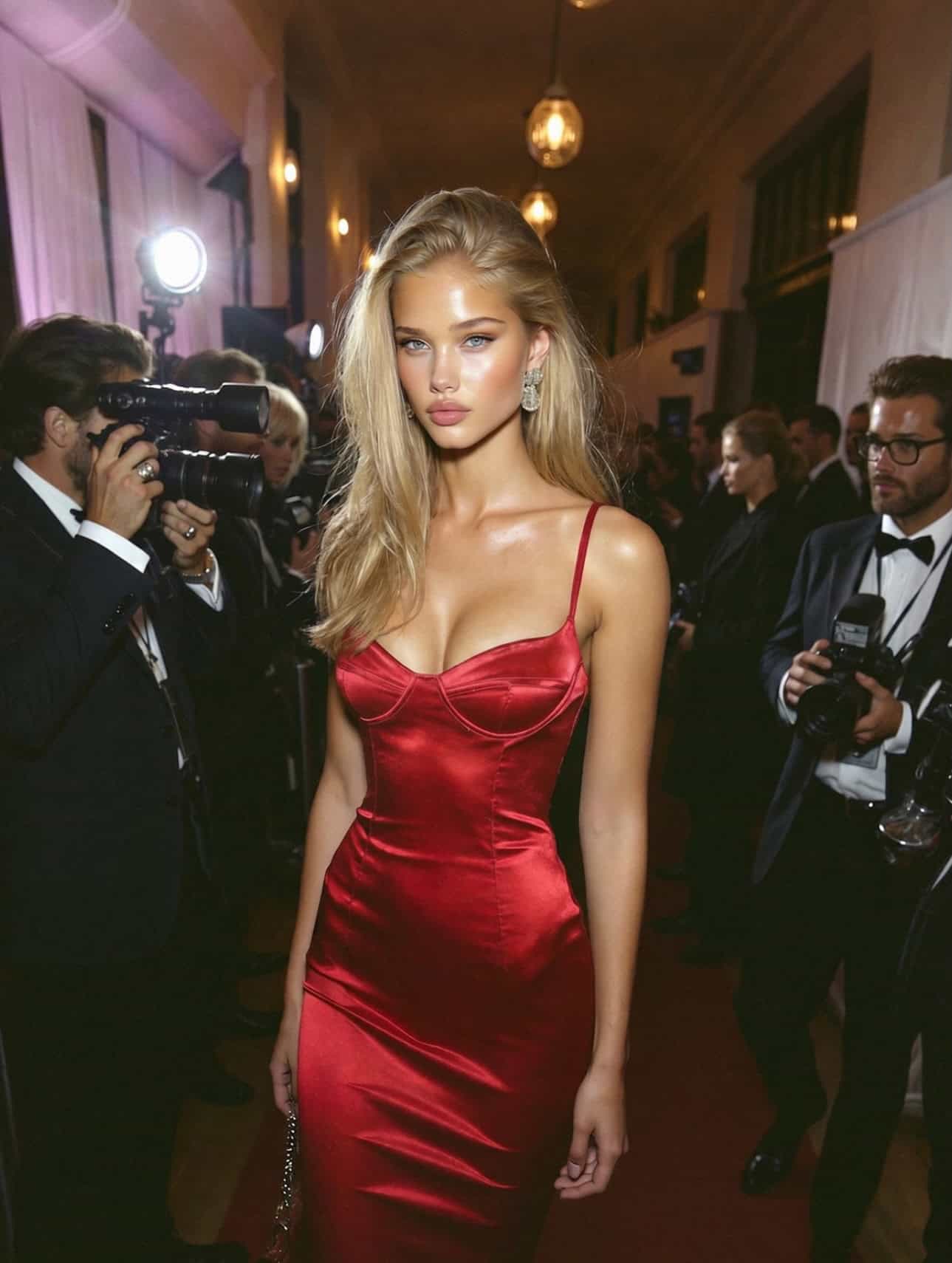
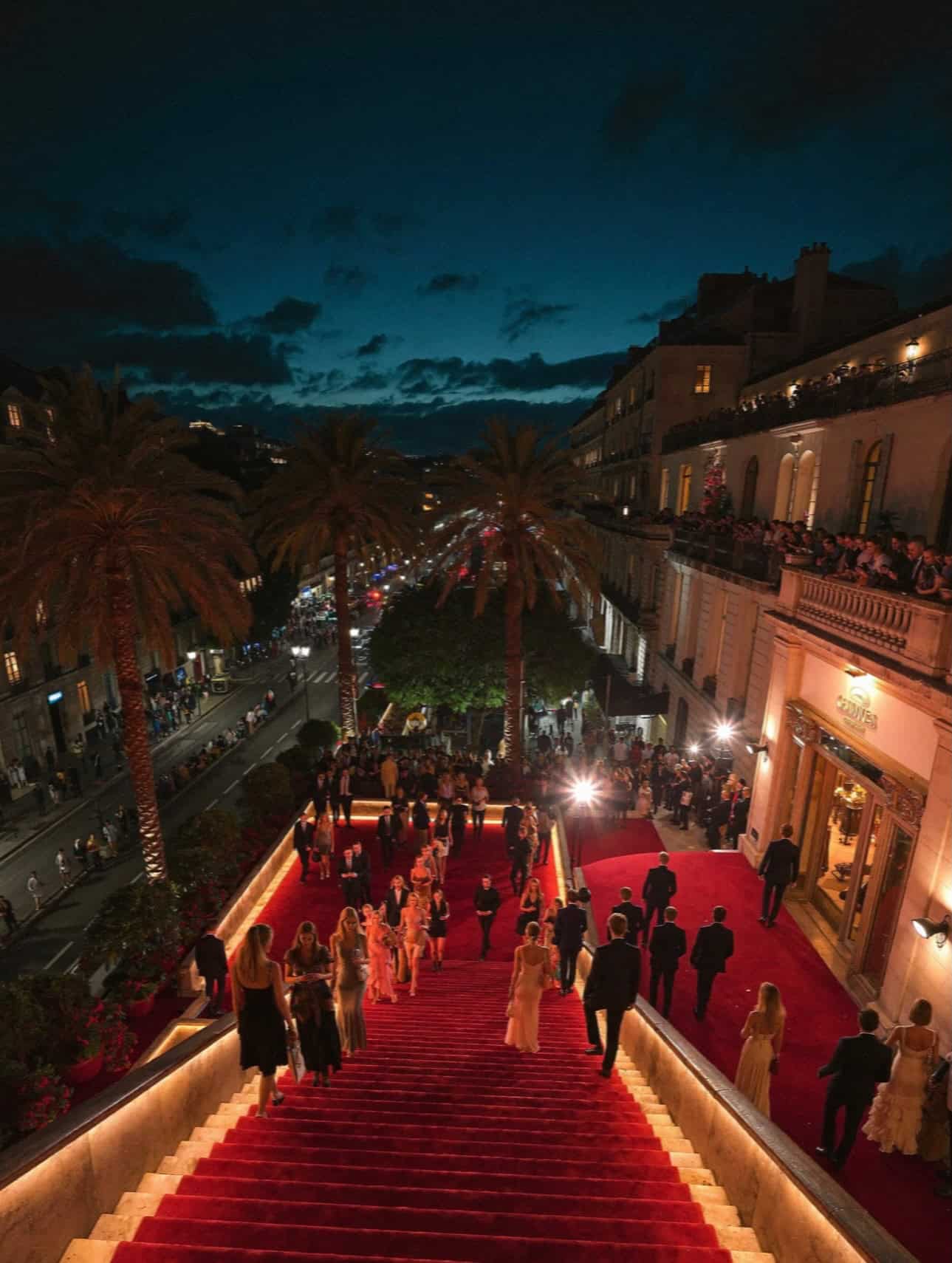
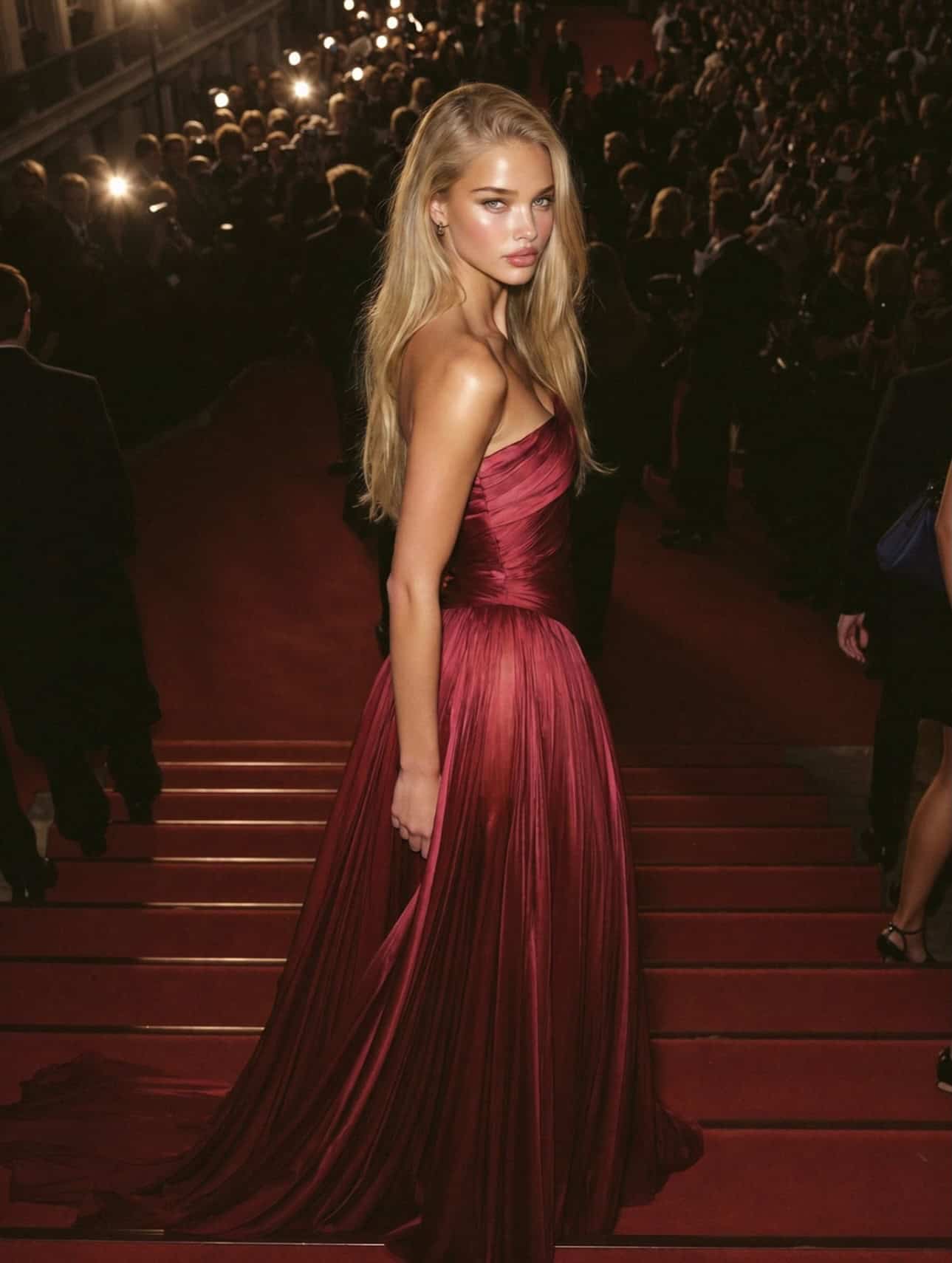
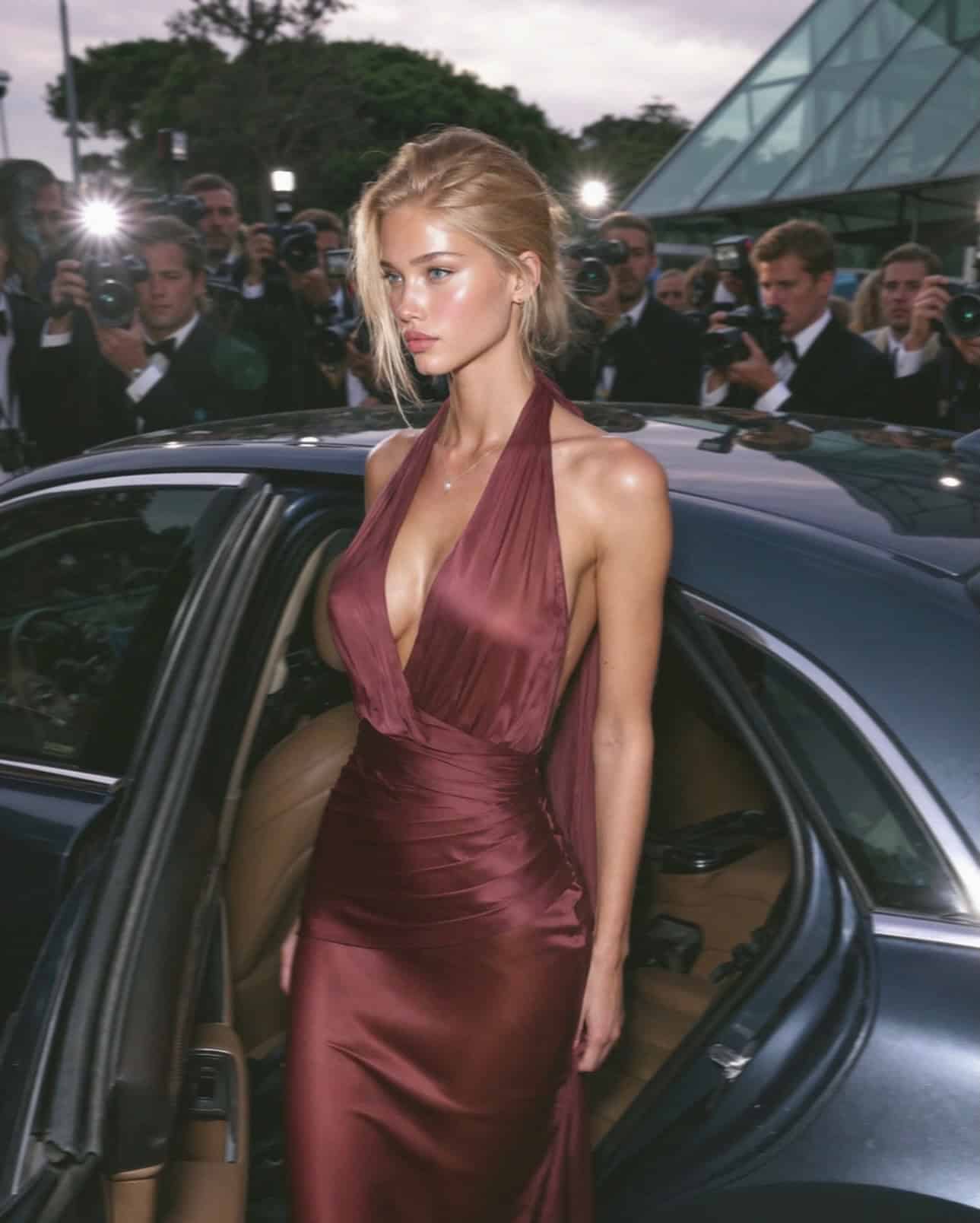
Its red steps, the Montée des Marches, are the most photographed stretch of carpet in the world. Each evening the stars ascend them in black tie to the Lumière, pausing on the way up for the wall of flashbulbs, and the ritual of that climb is as much a part of Cannes as any film in competition. Along the Allée des Étoiles beside the Palais, the handprints of the filmmakers who have passed through are set into the ground, a quiet museum you can walk in daylight when the carpet is empty.
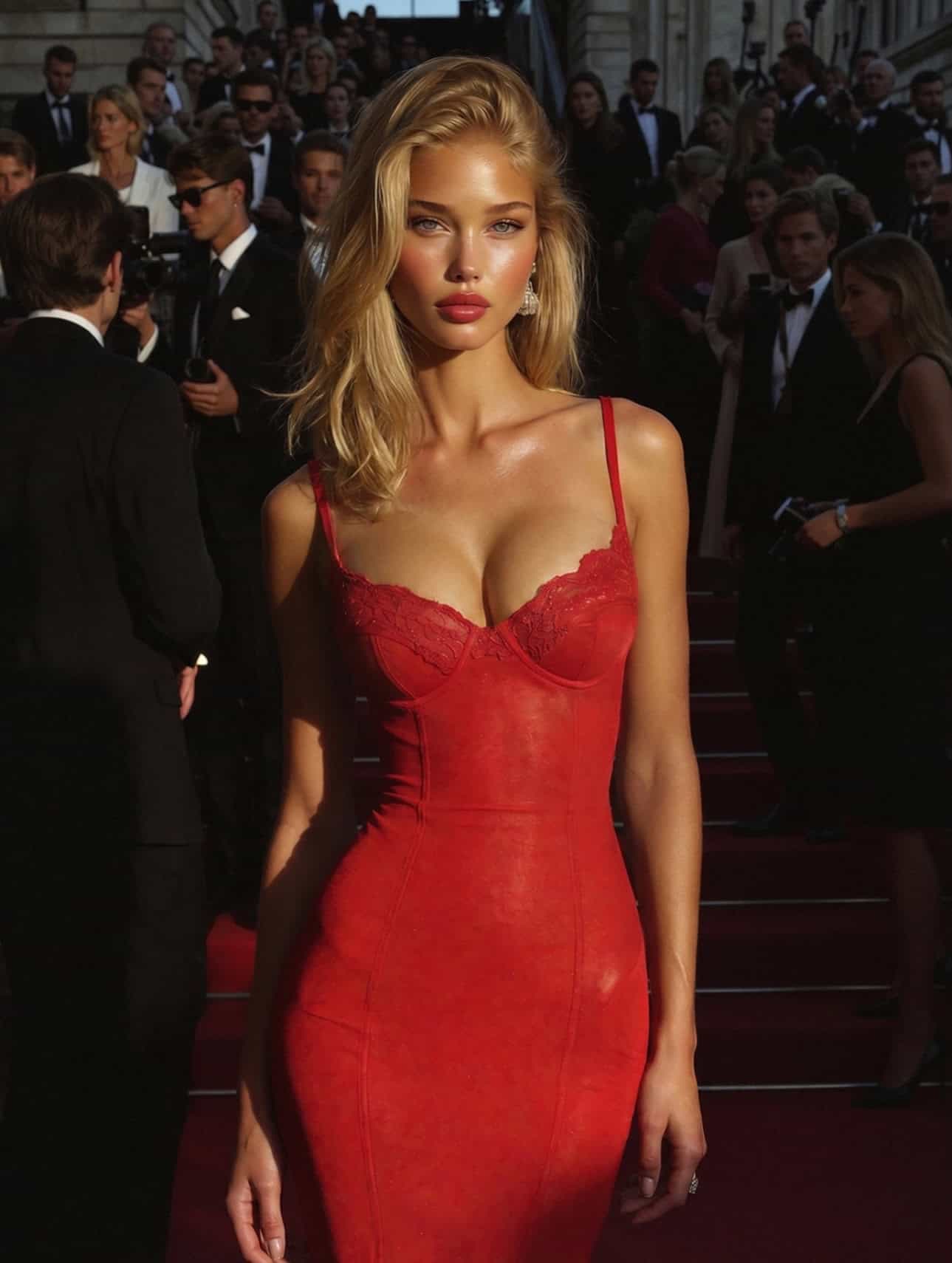
It is easy to be cynical about a red carpet until you have stood near one. What happens on those steps is a kind of collective holding of breath, a town and an art form agreeing, for a few minutes, that beauty and seriousness can share a staircase. The dress code is enforced more strictly here than almost anywhere, and the climb itself has its own unwritten choreography. I wrote about the Palais, the steps, the theatre, and the golden statue everyone is climbing toward in my guide to the Palais des Festivals and the red carpet.
The Films: A Cinephile’s Cannes
Everything I have said about hotels and yachts and carpets is true, and none of it is why I come. I come for the films. So do the people whose opinion of the festival I actually trust.
Think of what has been shown here first, before the world had decided anything about it. Fellini’s La Dolce Vita took the Palme in 1960 and gave a decade its name. Scorsese’s Taxi Driver won it in 1976. Coppola brought Apocalypse Now here in 1979, unfinished, and it won anyway. Tarantino changed the shape of American film with Pulp Fiction and a Palme in 1994. Malick’s The Tree of Life won in 2011, and Bong Joon-ho’s Parasite in 2019, on its way to rearranging what a foreign-language film could do in the world. To sit in the Lumière is to sit in the room where those verdicts were first delivered.
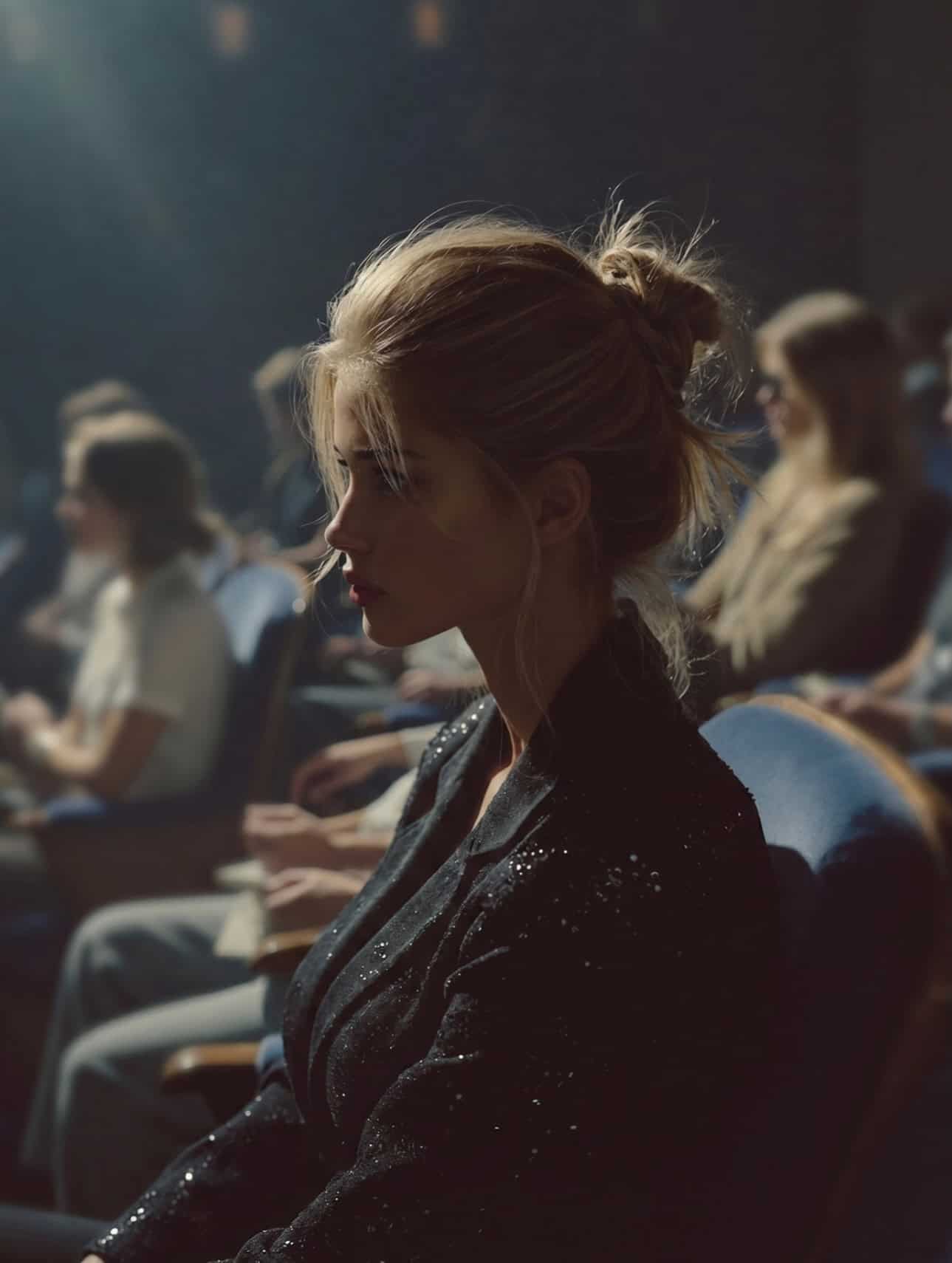
The thrill of a Cannes screening is the thrill of not yet knowing. There is no consensus to lean on, no reviews to have read, only two thousand people meeting a film at the same instant. I have felt a whole audience realise, at the same moment, that it was watching something that would last. It is the closest thing I know to a shared held breath. And you do not need a badge to touch it. The free evening screenings on the beach put a restored classic up on a large screen with the sea behind it, and watching an old film that way, with the waves under the dialogue, is its own kind of education.
If you want the record of a single year, I wrote about the films I carried home from the most recent festival, the ones I cannot quite put down, in Cannes 2026: the films I keep thinking about.
Getting There
Cannes is easier to reach than its reputation suggests. Nice Côte d’Azur Airport, the second busiest in France, sits about thirty minutes away along the coast, which makes it one of the most accessible glamorous places in Europe. From Nice the train runs down to Cannes in roughly the same time, frequently and for only a few euros, and it leaves you a short walk from the Croisette. During the festival, when the roads clot and the parking disappears, the train is quietly the smartest way in and out.
For those who want the approach from the air, there are helicopters, a short hop from Nice that turns the arrival into part of the event. For those set on a car, I would gently suggest basing it outside the centre and coming in by other means, because Cannes in May is a town built for walking that has been asked to hold far too many vehicles. I set out every route in, with the timings and the fares and the honest advice about arriving in high season, in my guide on how to get to Cannes.
Where to Stay
The Croisette is lined with the grand hotels that have watched the festival for a century, and during those two weeks in May they become the most sought-after addresses on the coast.
The InterContinental Carlton is the grande dame, a Belle Époque palace that has stood on the Croisette since 1911, its white facade and twin cupolas as much a part of the festival’s image as the Palais itself. The Hôtel Martinez is its Art Deco counterpoint from the 1920s, calmer and more discreet, and home to the Michelin-starred La Palme d’Or. The Hôtel Barrière Le Majestic is the white landmark right beside the Palais, which during the festival puts you a few steps from the carpet. The JW Marriott is the modern choice, with a rooftop pool that looks out over the bay.
All of them book out months ahead for the festival, often a year, at rates that reflect exactly how much everyone wants to be on that stretch of pavement. There are gentler ways to stay close, in Antibes or Juan-les-Pins or along the line into Nice, all a short train ride away, and there are those who take the water entirely and sleep aboard a chartered yacht in the bay. I go through where I would stay, the character of each address, and when each one books out, in my guide to where to stay for the Cannes Film Festival.
What to Wear
The evening premieres on the steps are strict black tie, and Cannes holds to the formality more seriously than almost anywhere left in the world. Floor-length gowns for women, tuxedos with a black bow tie for men, the full grammar of another era. There is a long-standing convention that women wear heels on the carpet, one that caused real controversy the year a number of women were reportedly turned away for wearing flats, and more recently the festival has drawn firmer lines still, barring full nudity and the most voluminous gowns from the red carpet on grounds of decency and of simple movement.
The daytime is another world entirely, all linen and sunglasses and shoes you can actually cross the Croisette in. Dressing for Cannes is really the discipline of dressing for a day that runs from the beach at noon to a premiere at midnight, and the women who look most right are the ones who planned for that in advance. I laid out how I think about it, the rules on the steps, and what I would pack, in my guide to what to wear to the Cannes Film Festival.
The Table: Where to Eat
Cannes eats well when you know where to look, and during the festival the good tables vanish early, so the knowing is half the battle.
La Palme d’Or at the Martinez is the town’s great room, a Michelin table named, of course, for the prize, and the place to build one serious evening around. For something older and less ceremonious, Astoux et Brun near the old port is the seafood institution people queue for, a marble counter of oysters and shellfish that has been feeding Cannes for generations. The Croisette has its line of beach restaurants with their feet almost in the sand, best at lunch with the light on the water. A street back from the port, the covered Marché Forville is where I would go first in the morning, for the Provençal produce and the ordinary life of the town. And up the hill above the old harbour, the lanes of Le Suquet hold the simpler, more local tables and the best view of the lights coming on across the bay.
Book before you arrive, without exception. I go through where I would eat, from the grand rooms to the market stalls, in my guide to where to eat in Cannes during the festival.
The Nights
The nights at Cannes are their own festival, and the most coveted of them all is not in Cannes at all. The amfAR gala, the Cinema Against AIDS evening, is held out along the water at the Hôtel du Cap-Eden-Roc in Cap d’Antibes, and it has become the single most sought-after invitation of the fortnight, a charity night of a fashion show and an auction where the whole constellation of the festival gathers in one garden above the sea.
Closer to hand there are the yacht parties in the harbour, the beach clubs that run late, the long nights out at Port Canto where the festival tends to end up after midnight, and a hundred private evenings tied to films and fashion houses that you will only reach if the right name is on the list. Most of it is invitation-only, and I would not pretend otherwise. I wrote about the amfAR gala and the rest of the after-dark festival, and the honest reality of getting in, in my guide to Cannes Film Festival parties and nightlife.
The Yacht Scene
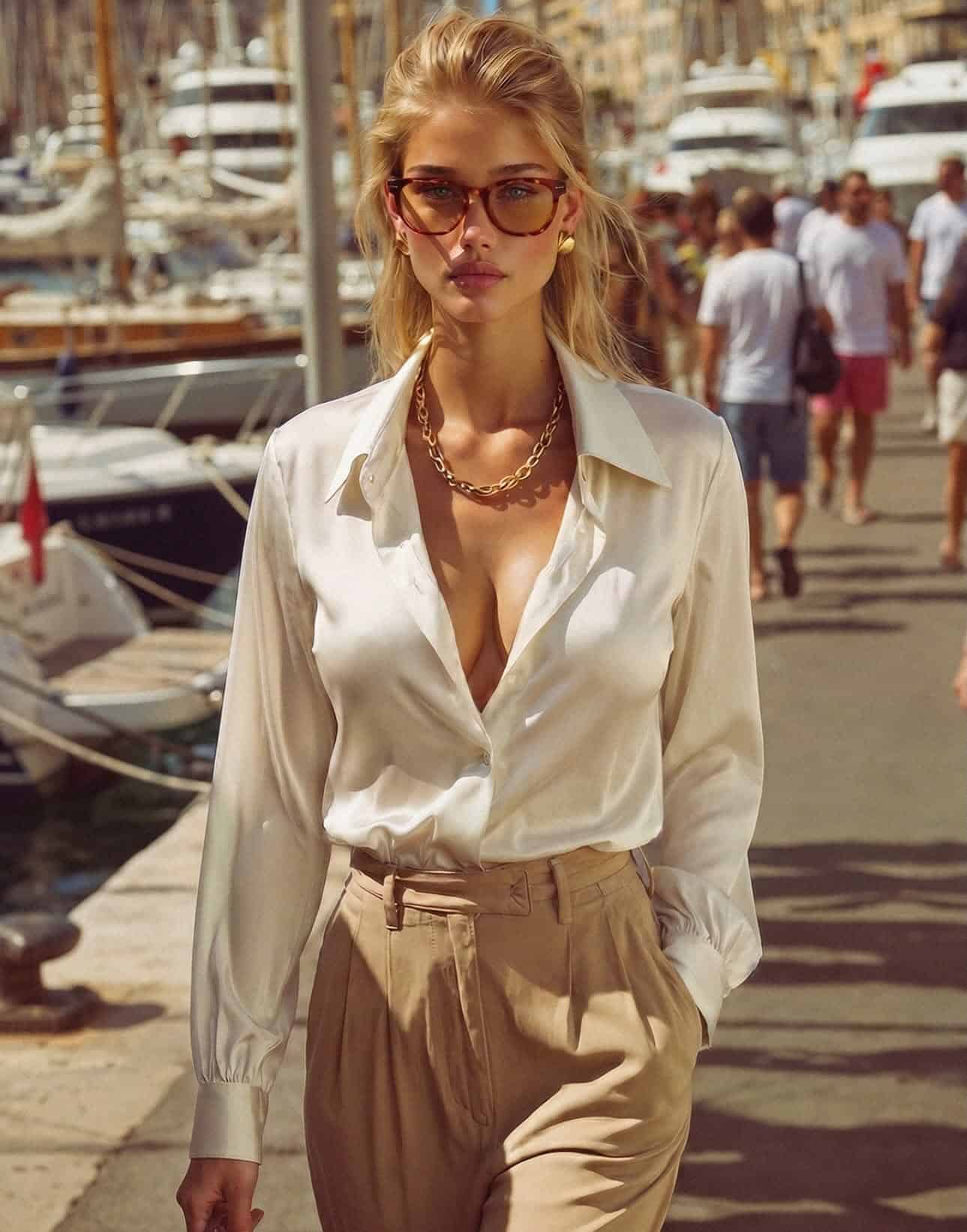
During the festival, the bay fills with superyachts, anchored off the Croisette and berthed along the Vieux Port beside the Palais and out at Port Canto. By day they are floating offices for the studios and the brands, where meetings happen on shaded decks with the town laid out behind. By night they are the parties, lit from within, tenders crossing the dark water between them.
If the scene feels familiar, it should. It is the same coast and nearly the same crowd as the Monaco Grand Prix a little further east, where the yachts fill Port Hercule in exactly the same way, and many of the same boats simply move along the water from one event to the next. I wrote about the boats, the charters, the hospitality, and how anyone actually gets aboard in my guide to the yacht scene at the Cannes Film Festival.
The 2026 Festival
The 79th edition ran from the twelfth to the twenty-third of May, 2026, with the South Korean director Park Chan-wook presiding over the jury. The official selection is unveiled each April, screened across the fortnight, and settled on the closing night, which is the one evening the whole festival is secretly built toward.
This year the Palme d’Or went to Cristian Mungiu for Fjord, his second Palme nearly two decades after his first, and the critics agreed with the jury in a way they almost never do. I wrote about that film and the others I carried home from the fortnight, the ones I cannot quite put down, in Cannes 2026: the films I keep thinking about.
Practical Notes
When to book. The festival falls in the middle of May. The palace hotels and the best yacht berths go a year ahead, and the closer options along the coast fill not long after. If you intend to come, treat the booking as the first decision, not the last.
Accreditation. The competition screenings need a professional or press badge, granted by role rather than bought. If you are not in the industry, the festival is still yours through the free beach screenings, the arrivals, and the town itself. The full picture is in the guide to attending.
The weather. Mid-May on the Riviera is warm and bright more often than not, in the low twenties, with the occasional afternoon of rain that sends the carpet crews scrambling with umbrellas. Pack for sun and for one cool evening by the water.
An escape. When the town becomes too much, the Îles de Lérins lie a short boat ride offshore, two quiet islands of pine and monastery and swimming coves. An afternoon out there resets everything, and it is the thing I recommend most to anyone staying the full fortnight.
The town. Cannes is small and walkable, and the whole festival lives within a short stretch of the Croisette and the old port. You will do it all on foot, which is the right way to do it.
A Closing Thought
People come to Cannes for the gowns and the yachts, and the gowns and the yachts are real, and I would be lying if I said I did not love them. But that is not why I return.
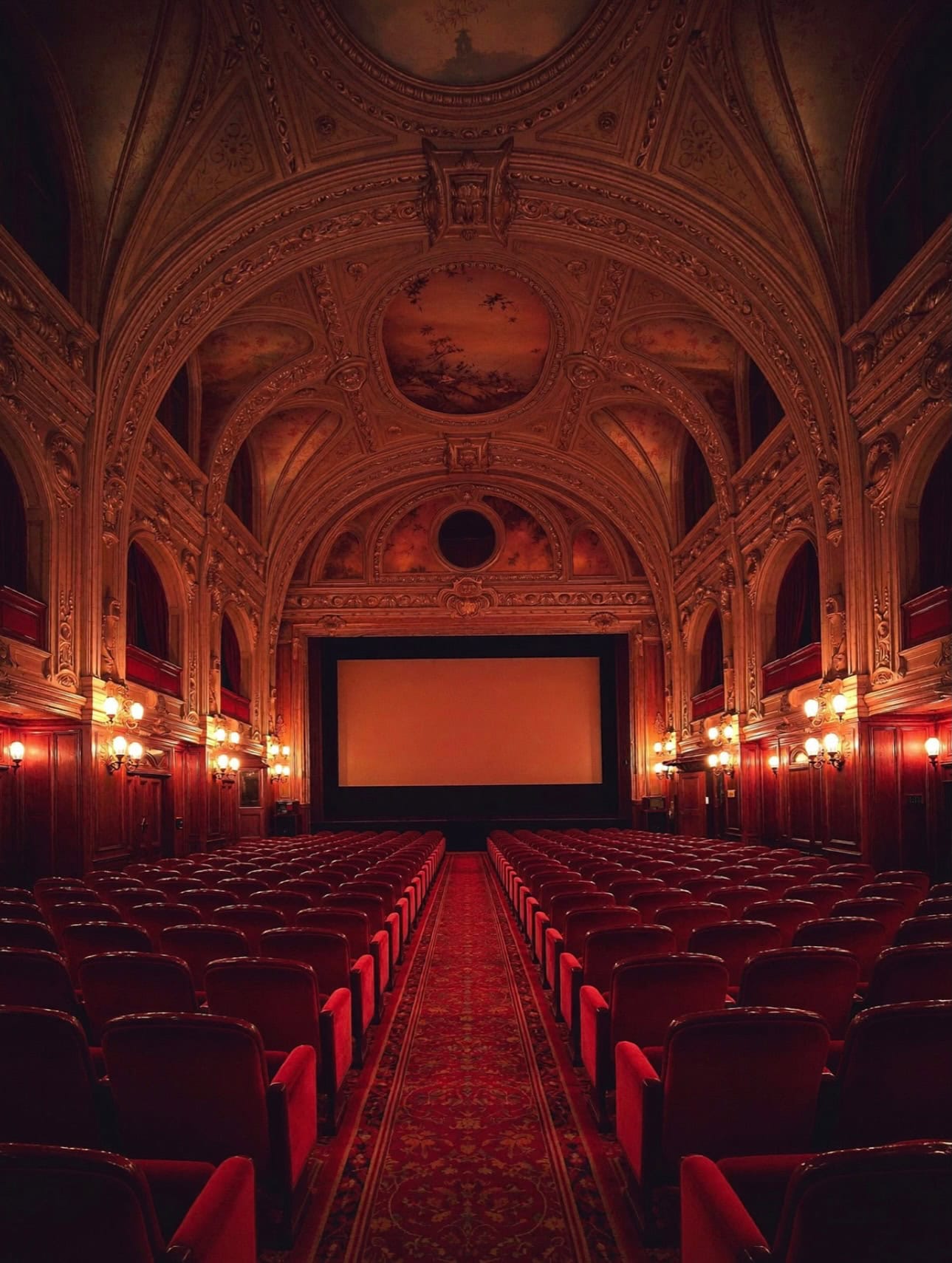
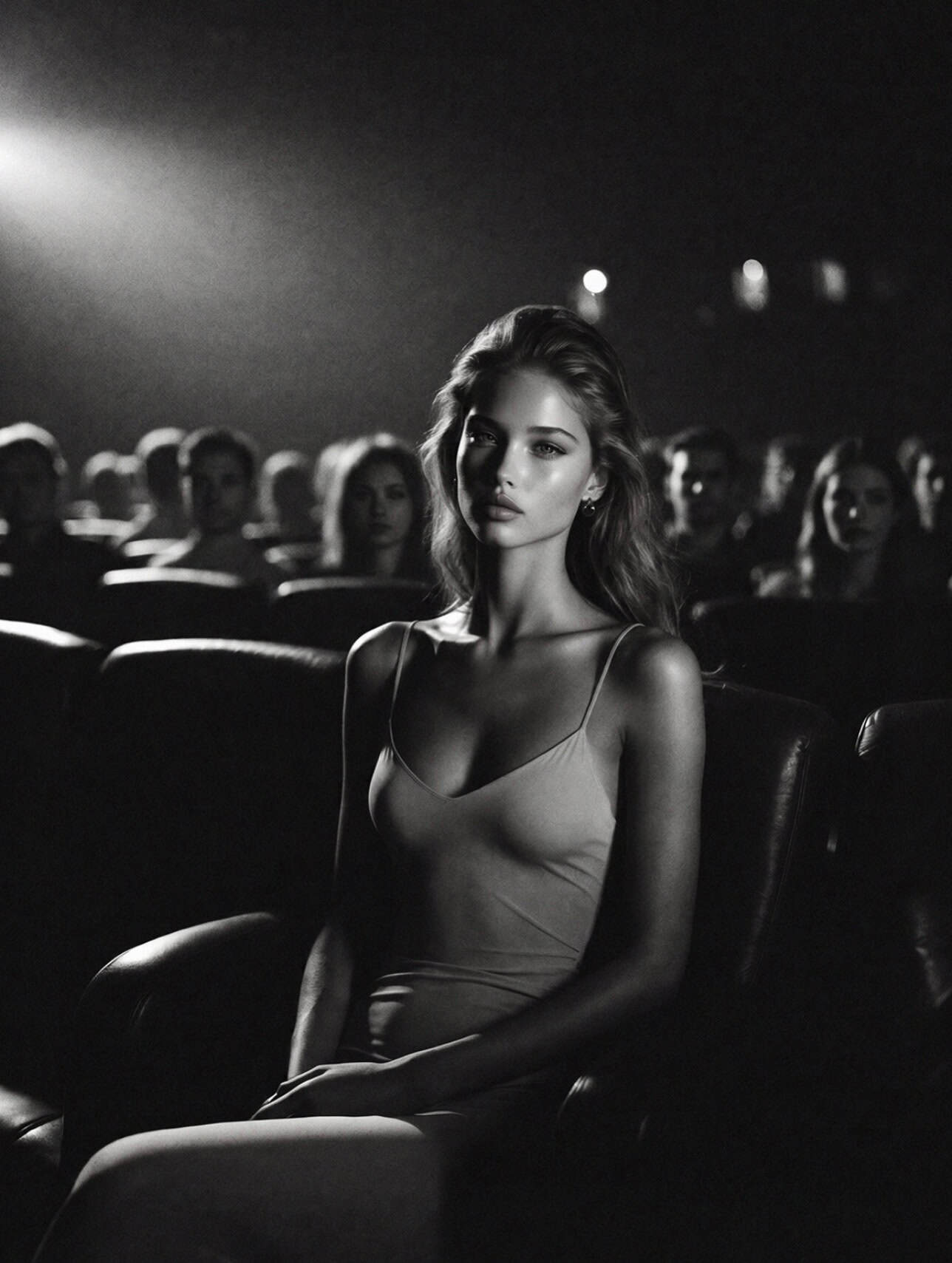
I return for the dark room. For the two hours when the town at its most extravagant agrees to sit still, in the dark, and watch a piece of work by someone who gave years of their life to it. The sea is outside the whole time, the lights are on the water, the party is waiting. And for those two hours none of it matters more than the screen. That is the secret of the place, underneath everything else. It still believes, more than anywhere I have been, that films are worth all of this.
You already know whether that is a thing you would cross a continent for. I did. I do, every May.
V.
More images from Cannes


Cannes Film Festival Guides
- The Palais des Festivals and the Red Carpet
- How to Attend the Cannes Film Festival
- How to Get to Cannes
- Where to Stay for the Cannes Film Festival
- What to Wear to the Cannes Film Festival
- Where to Eat in Cannes During the Festival
- Cannes Film Festival Parties and Nightlife
- The Yacht Scene at the Cannes Film Festival
Frequently Asked Questions
Can the public attend the Cannes Film Festival?
Not in the way most people imagine. The festival is an industry event and its screenings require accreditation, so the general public cannot simply buy a ticket to a premiere. You can still feel it, though: the town, the Croisette and the famous red-carpet steps are public, and the free open-air Cinema de la Plage screens films on the beach in the evenings.
When is the Cannes Film Festival held?
It runs for about twelve days in the second half of May each year (in 2026 it ran from 12 to 23 May). The industry market is at its busiest in the first days, while the biggest premieres and the starriest red carpets are spread across the middle and the closing weekend.
How do you get to Cannes?
Fly into Nice Cote d’Azur airport, about thirty minutes up the coast, then continue by train or transfer. Cannes sits on the main coastal railway, so trains from Nice, Antibes and Monaco run frequently and drop you a short walk from the seafront.
What do you wear to the Cannes Film Festival?
Evening premieres are strictly black tie: floor-length gowns for women and a proper tuxedo for men, and it is checked at the foot of the steps. Daytime on the Croisette is elegant resort dressing. There is a fuller guide to what to wear to the Cannes Film Festival.
Where do you stay for the festival?
The Croisette palace hotels, the Carlton and the Martinez among them, are the front-row choice and book out far in advance. Quieter, better-value rooms sit just back from the seafront or along the coast. See where to stay for the Cannes Film Festival for the options.
Is Cannes expensive during the festival?
During festival week, yes. Hotel rates on the Croisette climb steeply and the best tables need booking well ahead. Basing yourself slightly outside the centre and travelling in by train keeps it far more manageable.
What is the Marche du Film?
It is the business market that runs alongside the festival, where films are bought, sold and financed. It is the busy, unglamorous engine underneath the glamour, and it fills the first five or six days when the town is at its most frantic.