Venice may be the most photographed city on earth, and it still never quite disappoints, though the images everyone loves are rarely from the obvious spot, and almost never from the middle of the day. I have carried a camera through these alleys in every season, and what I have learned is simple enough to say and harder to practise: get up early, wait for the light to soften at the other end of the day, and let the water do the work. What follows are the places I return to, with honest notes on when to stand there and what you are actually likely to get. For the wider picture of what to see and where to stay, my complete guide to Venice sits behind all of this.
The Grand Canal from the Accademia bridge
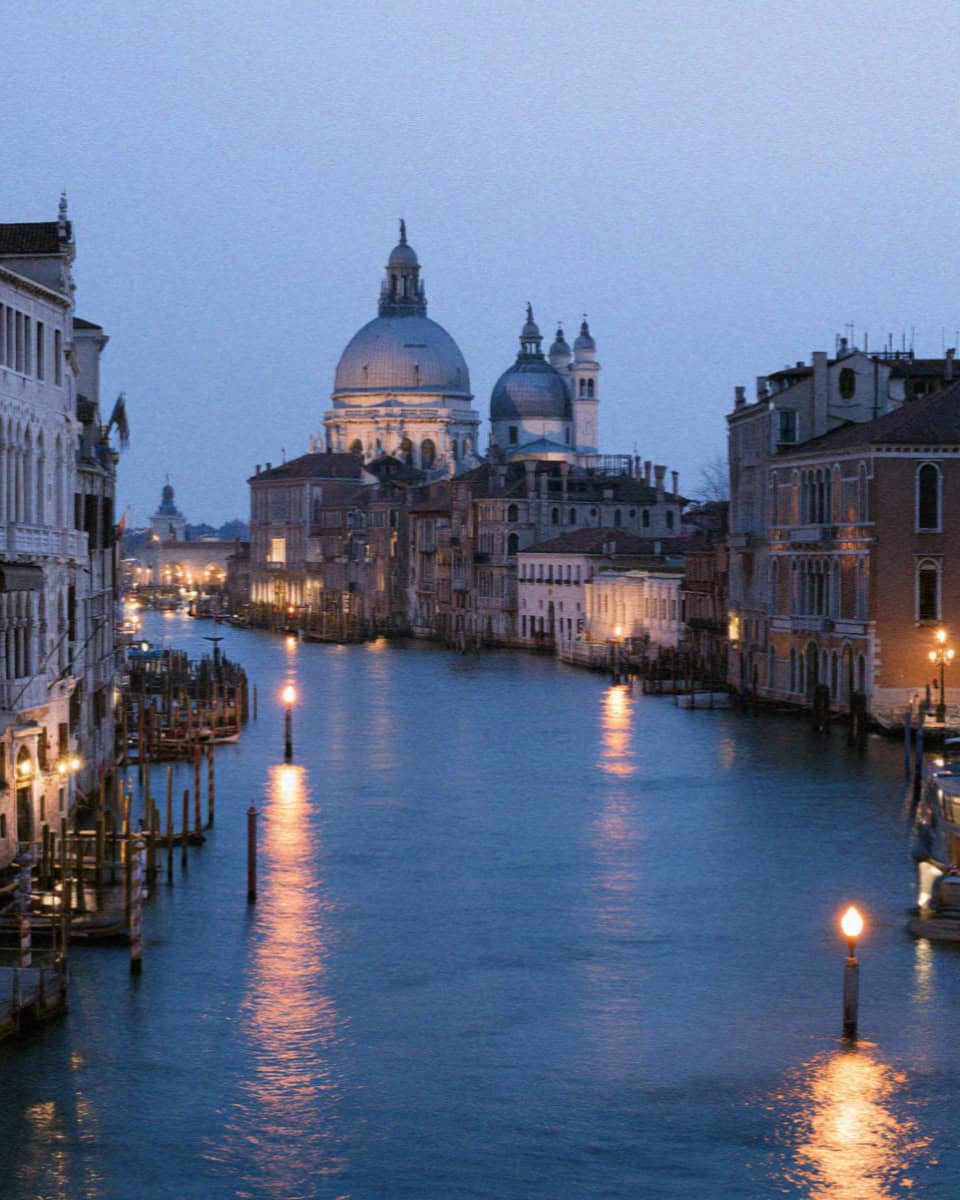
This is the postcard, and it earns its reputation. Stand on the wooden Accademia bridge looking north-east, and the Grand Canal opens out with the great domed church of Santa Maria della Salute closing the view at the far end. Go at blue hour, in that short window after the sun has gone when the sky still holds colour and the lamps come on along the water. The stone turns lavender, the domes go soft, and the vaporetti draw long lines of light across the canal. It is a popular railing, so you will not be alone, but there is room. Arrive fifteen minutes before you think you need to and claim a corner.
Plan Your Visit to Venice
A few things I booked and loved. These help support the blog, at no cost to you.
- Where I stayed: search Venice hotels
- Skip-the-line tickets for the main sights
- A Venice city pass
- Stay connected: get a travel eSIM
This section contains affiliate links. If you book through them I may earn a small commission, at no extra cost to you.
The Rialto bridge and the market side
The Rialto is unavoidable and rightly so, but the honest advice is to photograph it rather than photograph from it in the middle of the day, when the steps are a slow river of people. I prefer the view of the bridge itself from the water’s edge on the market side, early, when the fruit and fish stalls are setting up and the light comes low along the canal. If you do want the classic look down the Grand Canal from the top of the steps, be there at first light. An hour later the same frame is all elbows and selfie sticks. Come back in the evening, and the pale stone warms beautifully.
Piazza San Marco and the Basilica at dawn
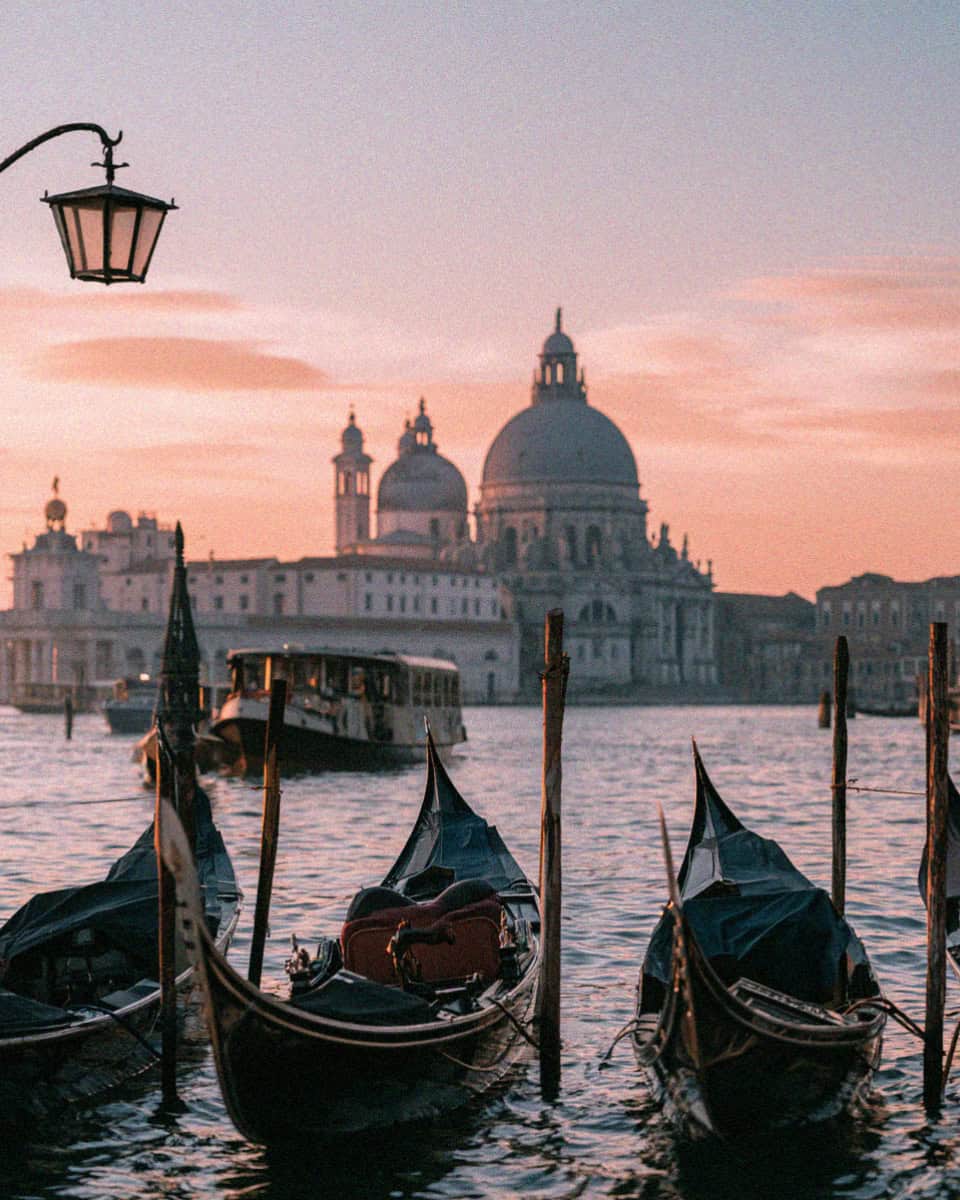
There is one Venice that belongs to the crowds and another that belongs to whoever is willing to set an alarm, and the two barely overlap. Get to Piazza San Marco at dawn, before the tour groups, and you can have the whole square almost to yourself. The Basilica’s mosaics catch the first light, the gondolas rock at their moorings along the San Marco waterfront, and on a still cold morning the mist comes off the basin and softens everything. Bring a wide lens for the square and something longer for the gondolas against the water. This is the single most rewarding early start in the city, and it costs you nothing but an hour of sleep.
The domes from the Campanile, and the quieter tower across the basin
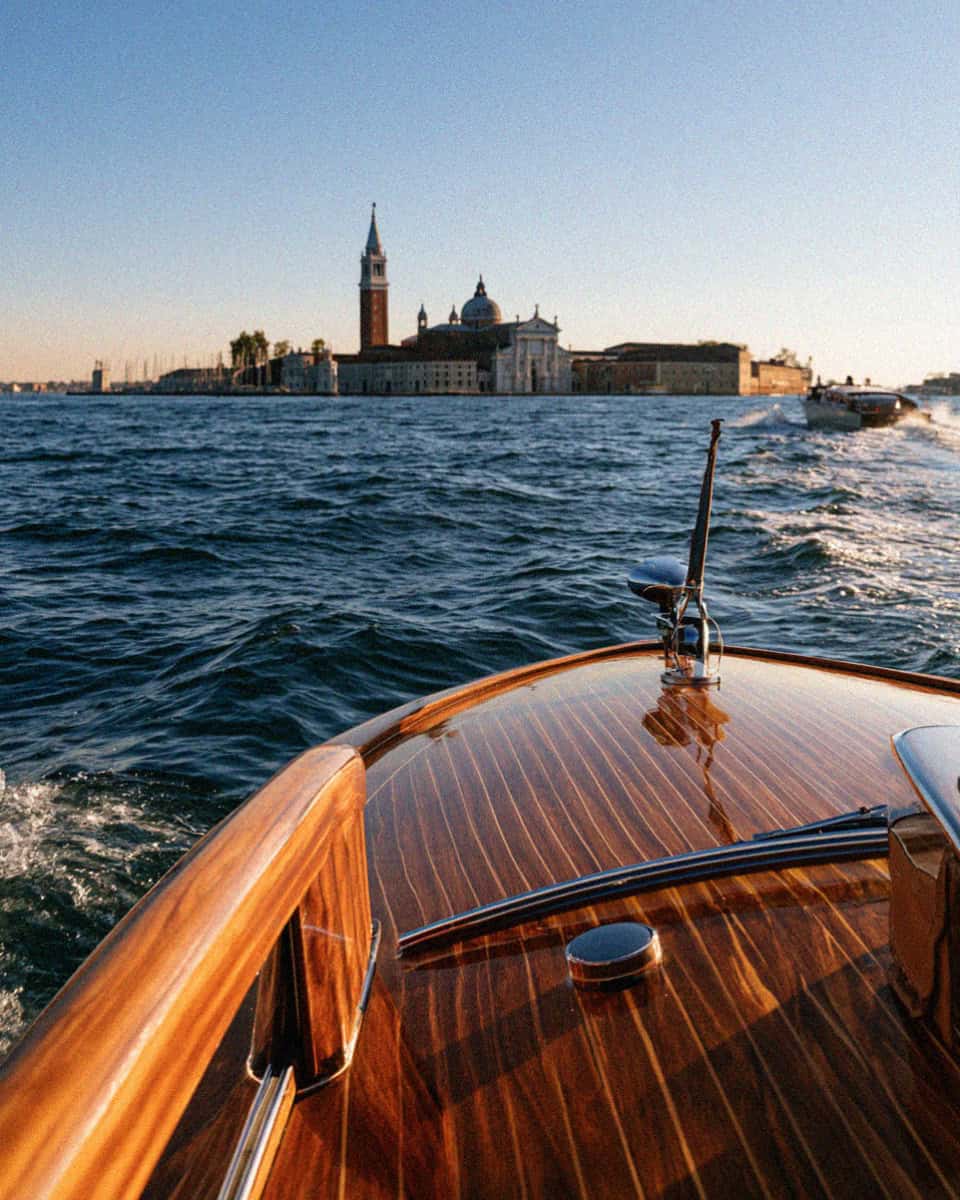
For the view over all the roofs and domes you can climb the Campanile in San Marco, and the panorama is genuinely wonderful, though the queue and the ticket can eat a morning. My quieter preference is the campanile of San Giorgio Maggiore, on the island just across the basin. A short vaporetto hop takes you there, the lift is usually calm, and the reward is arguably the better shot: you are looking back at San Marco, the Doge’s Palace and the whole waterfront, with the Campanile now sitting in your frame rather than under your feet. Late afternoon light rakes across the city from here. It is one of my favourite half hours in Venice.
Burano’s painted houses
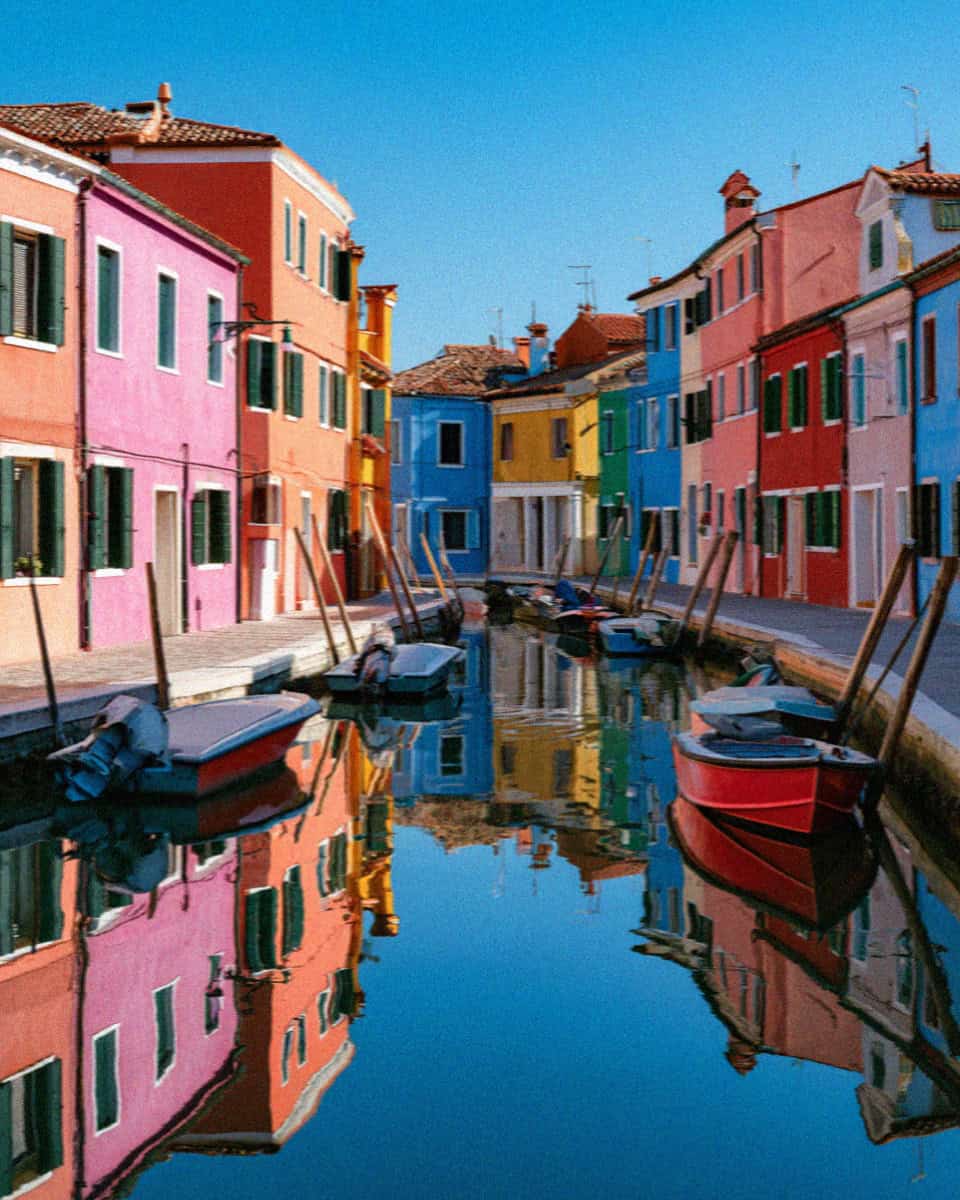
Burano is a forty-minute boat ride out across the lagoon and worth every minute. The fishermen’s houses are painted in confident blocks of colour, coral and cobalt and green, and when a canal lies still you get them doubled perfectly in the water. Go early or stay late, because the day trippers arrive in force from late morning and the small bridges get busy. Wind is the enemy of the reflection, so pick a calm day if you can and shoot the sheltered canals first. If you are weighing up how to fit it in, I cover the logistics in my guide to day trips from Venice.
A quiet back canal with washing overhead
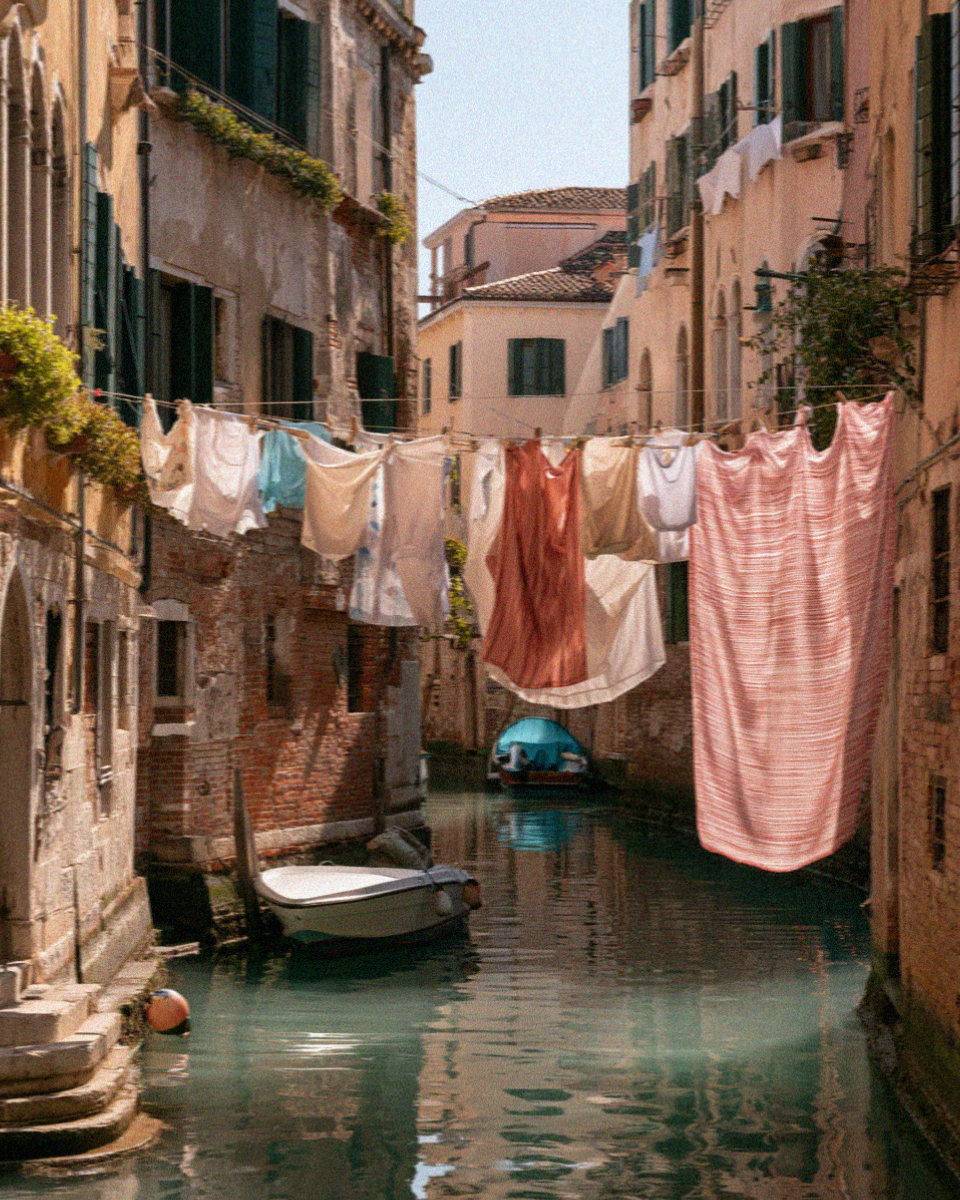
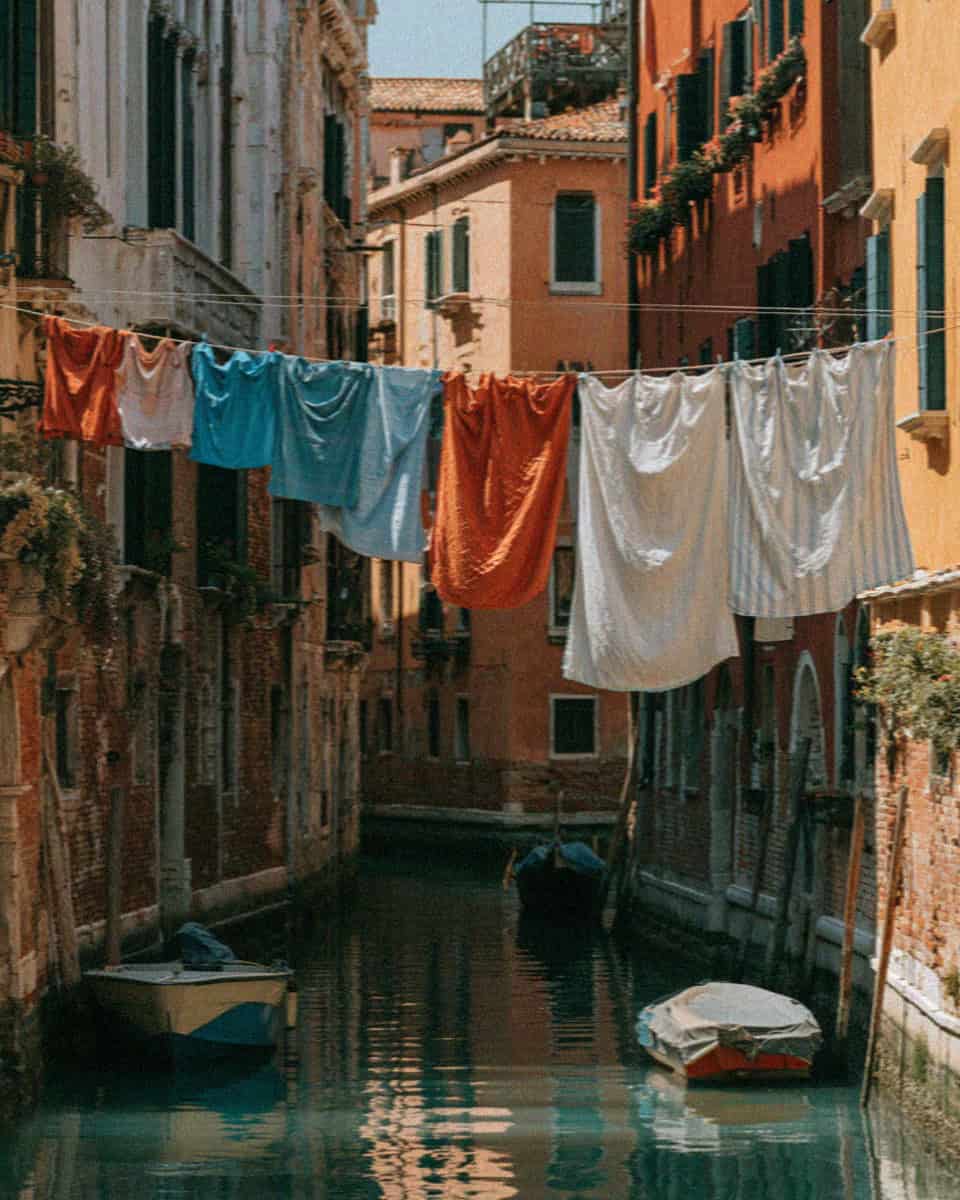
The image that says Venice to me is not a monument at all. It is a narrow back canal with lines of washing strung between the houses, a little bridge, a moored boat, and no one much about. Cannaregio and Castello are full of these, and you find them simply by walking away from the signs to San Marco and getting pleasantly lost. A word that matters: these are people’s homes. Keep your voice down, do not block doorways, and do not point a long lens into windows. The best of these frames come to you when you are quiet and unhurried, so slow right down.
The Libreria Acqua Alta
The bookshop that keeps its stock in a gondola and a clutch of old bathtubs, so the books ride out the floods, has become something of an institution, and yes, it is busy. The two shots people come for are the gondola piled with books indoors and the staircase built out of old volumes in the little courtyard at the back. Go when it opens to beat the queue that forms by mid-morning, be patient and polite in a small space, and buy something while you are there. It is a working shop, not a film set, and it is kinder to treat it as one.
The Zattere at sunset
The long sunlit promenade of the Zattere, on the southern edge of Dorsoduro, looks across the Giudecca canal to the island of Giudecca and its churches. It faces roughly the right way for evening light, so this is where I go to watch the sun go down over water without the crush of San Marco. Find a spot near one of the old timber jetties, let a boat drift into the frame, and wait. There are cafes and a famous gelato stop along here, which makes the waiting easy. It is unhurried Venice at its best.
The Fondamenta della Misericordia reflections
Back in Cannaregio, the Fondamenta della Misericordia runs along a broad canal that, on a windless evening, turns to glass. The row of houses, the bridges and the lamps all lay themselves out again in the water. It is a local, lived-in stretch, lined with bacari and restaurants, and it comes alive after dark. Come at blue hour for the reflections, then stay for a spritz and a plate of cicchetti once the light has gone. Still water is everything here, so an evening with no wind will reward you far more than a bright, breezy afternoon.
Practical tips for shooting Venice
Light is the whole game. Early morning and blue hour are when Venice looks like itself; midday is flat, harsh and crowded, and best spent over a long lunch. Reflections need still water and no wind, so plan your canal shots for calm mornings and windless evenings. Pack light, because you will walk miles over hundreds of bridge steps, and a small camera you actually carry beats a big one you leave behind. A wide lens for the canals and squares and something a little longer for details and gondolas will cover almost everything. Watch your footing near the water, especially in the wet, and if the acqua alta is running, bring boots and photograph the reflections it gives you rather than cursing it. Above all, be quiet and respectful in the residential calli. For more on filling the hours between the good light, see my roundup of the best things to do in Venice.
Frequently Asked Questions
When is the best time of day to photograph Venice?
Early morning and blue hour, without question. Dawn gives you empty squares and soft light at San Marco, and the hour around sunset and just after gives you warm stone and, if the water is still, reflections. Midday is flat and crowded, so I treat it as a break rather than a shooting window.
Do I need special permission to photograph in Venice?
For ordinary travel and street photography, no. You can shoot freely in the public streets, squares and along the canals. Interiors like the Basilica may restrict photography or ban tripods, and commercial shoots need permits, but a person with a camera walking the city is entirely normal here. Just be considerate in residential areas and around people’s homes.
How do I get reflection shots without the water being choppy?
Choose your moment rather than your gear. Reflections need still water, which means little or no wind, so aim for early mornings and calm evenings, and favour the smaller, sheltered back canals over the wide, boat-busy Grand Canal. Burano and the Fondamenta della Misericordia both reward a windless day.
Is Burano worth the trip just for photos?
If you love colour and reflections, yes. The painted houses doubled in a still canal are unlike anything in the main city, and the boat ride across the lagoon is part of the pleasure. Go early or late to avoid the busiest hours, and combine it with Torcello or Murano to make the journey count.