Where to eat in Pisa and Lucca is a question with a happier answer than most people expect, because almost nobody comes here for the food. They come for a leaning tower and a walkable wall, eat one indifferent lunch near a monument, and leave convinced the region is all bruschetta and postcards. That is a shame, because Lucca in particular guards a table tradition of its own: spiced pasta, spelt soup, a sweet aniseed bread you will smell before you see it. Pisa answers with chickpea flatbread eaten standing up. What follows is where I actually go back to, with rough prices and honest caveats about the places you should walk past.
What to eat in Lucca
Lucca cooks like a merchant city that once had money and spices, and its signature dish tells you exactly that. Tordelli lucchesi are plump half-moon pasta parcels stuffed with beef, pork, chard and breadcrumb, seasoned with a whisper of nutmeg and cinnamon, then dressed in a slow meat ragù. Locals spell it tordelli, not tortelli, and they will gently correct you if you get it wrong. It is rich, old-fashioned Sunday food, and a good version is the single most Lucchese thing you can order.
The other cornerstone is zuppa di farro, a spelt soup built on borlotti beans and the nutty, protected grain grown up in the Garfagnana mountains. It is thick enough to stand a spoon in and tastes of nothing you can buy in a jar. In spring, look for garmugia, a bright green soup of fava beans, peas, artichokes and asparagus that only makes sense from roughly April to June. If a menu offers it in November, it came from a freezer, and you should choose something else.
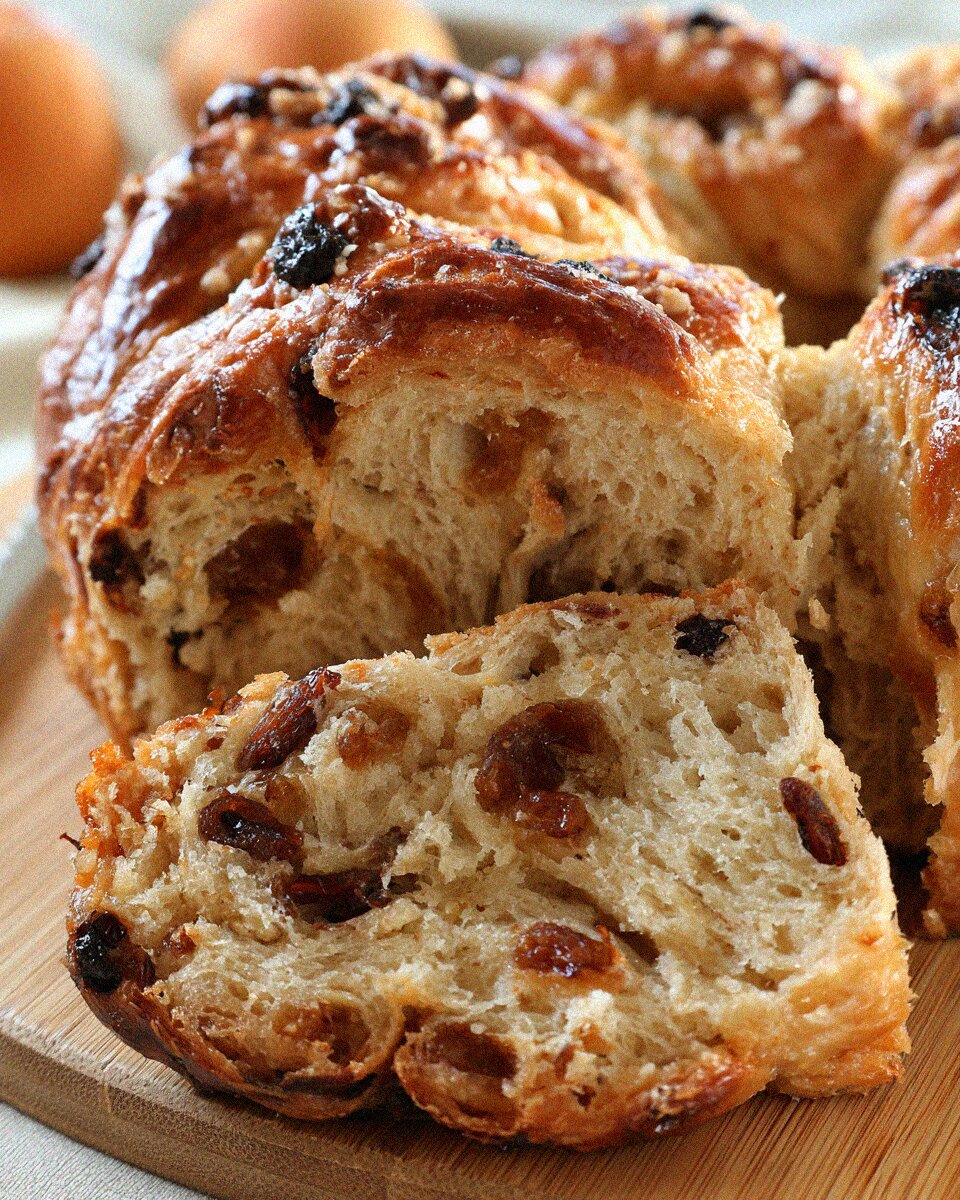
Then there is buccellato, and I will admit a weakness here. It is a ring-shaped semi-sweet bread studded with raisins and aniseed, with a dark glossy crust, and the old Lucchese proverb holds that to visit the city without tasting it is as if you were never here. The place I send everyone is Pasticceria Taddeucci on Piazza San Michele, baking it since 1881, where a small ring runs from around €5 and a larger one climbs towards €15. Slightly stale buccellato, dunked in Vin Santo or in your morning coffee, is arguably even better than fresh. The steam-oven bakery Forno a Vapore Amedeo Giusti on Via Santa Lucia is the other classic address, and doubles as somewhere to grab a slab of pizza al taglio when you cannot face another sit-down meal.
Plan Your Visit to Pisa and Lucca
A few things I booked and loved. These help support the blog, at no cost to you.
- Where I stayed: search Pisa hotels
- Leaning Tower and Cathedral tickets
- Rent a car to explore the area
- Stay connected: get a travel eSIM
This section contains affiliate links. If you book through them I may earn a small commission, at no extra cost to you.
Best trattorias in Lucca
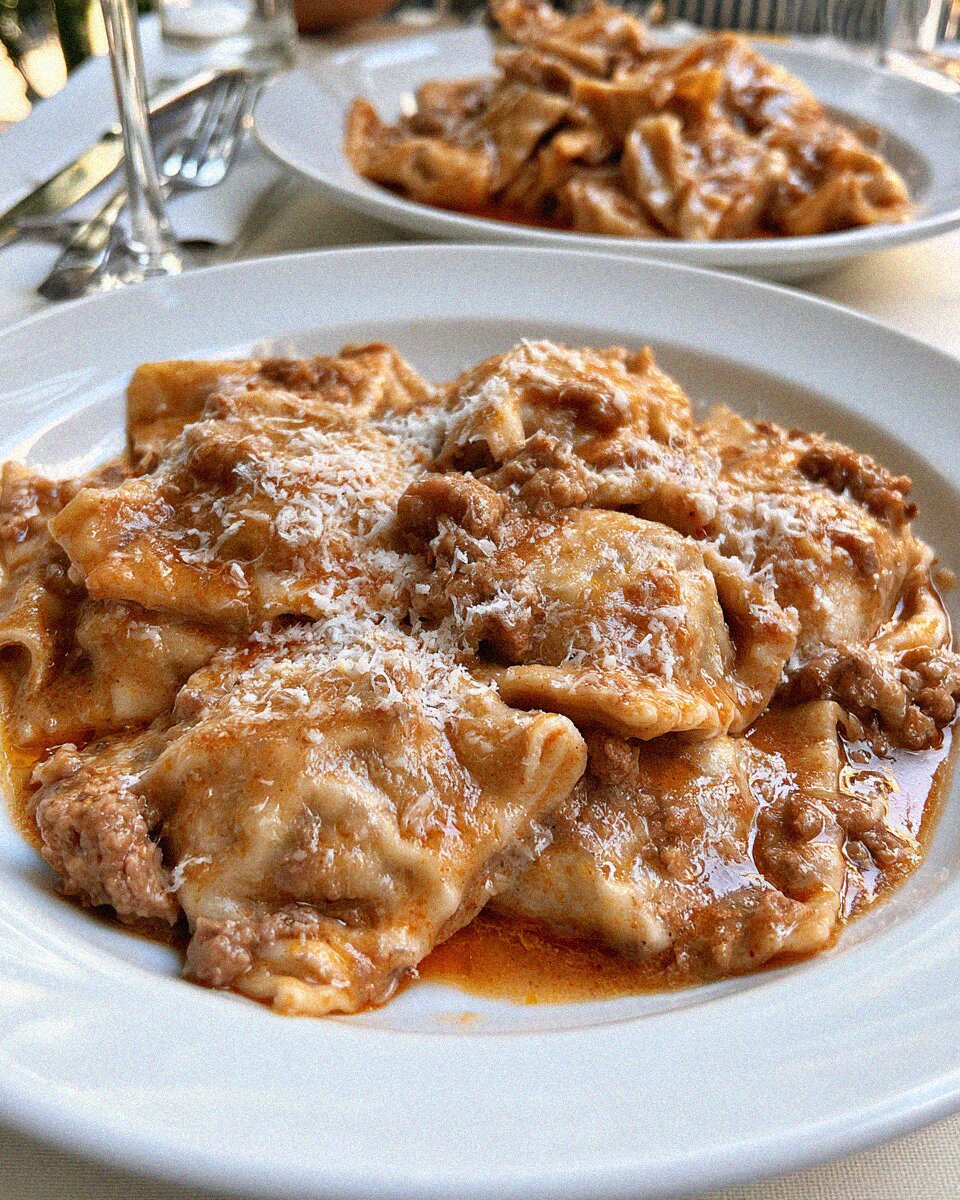
My reliable everyday choice is Trattoria da Leo, tucked down Via Tegrimi just off Piazza San Michele. It is loud, cash-friendly, family-run and unbothered by fashion, the kind of place where the tordelli and the roast meats are honest and a full plate of pasta sits around €9 to €12. Book, or arrive early, because the locals have not abandoned it and neither have I. Two courses with house wine land you comfortably under €30 a head.
For something more polished without tipping into fuss, Buca di Sant’Antonio is the grand old dame, open in some form since the eighteenth century, with copper pans on the walls and a kitchen that treats the classics seriously. It is a proper restaurant rather than a trattoria, so expect mains in the €18 to €26 range and a bill closer to €45 or €50 a head with wine. I save it for a night when I want the tordelli done with ceremony, or the kid roasted the traditional way.
Osteria Baralla, on Via Anfiteatro a few steps from the oval, is my middle ground: a handsome brick-vaulted room, a sensible seasonal menu, farro soup and tordelli both done well, mains generally €14 to €20. It sits close to the tourist current but stays firmly on the right side of it. For one more homely option, Trattoria da Giulio in Pelleria, out towards the western walls, is an old-guard institution where the portions are generous and the room is all elbows and chatter.
Eating on Piazza dell’Anfiteatro
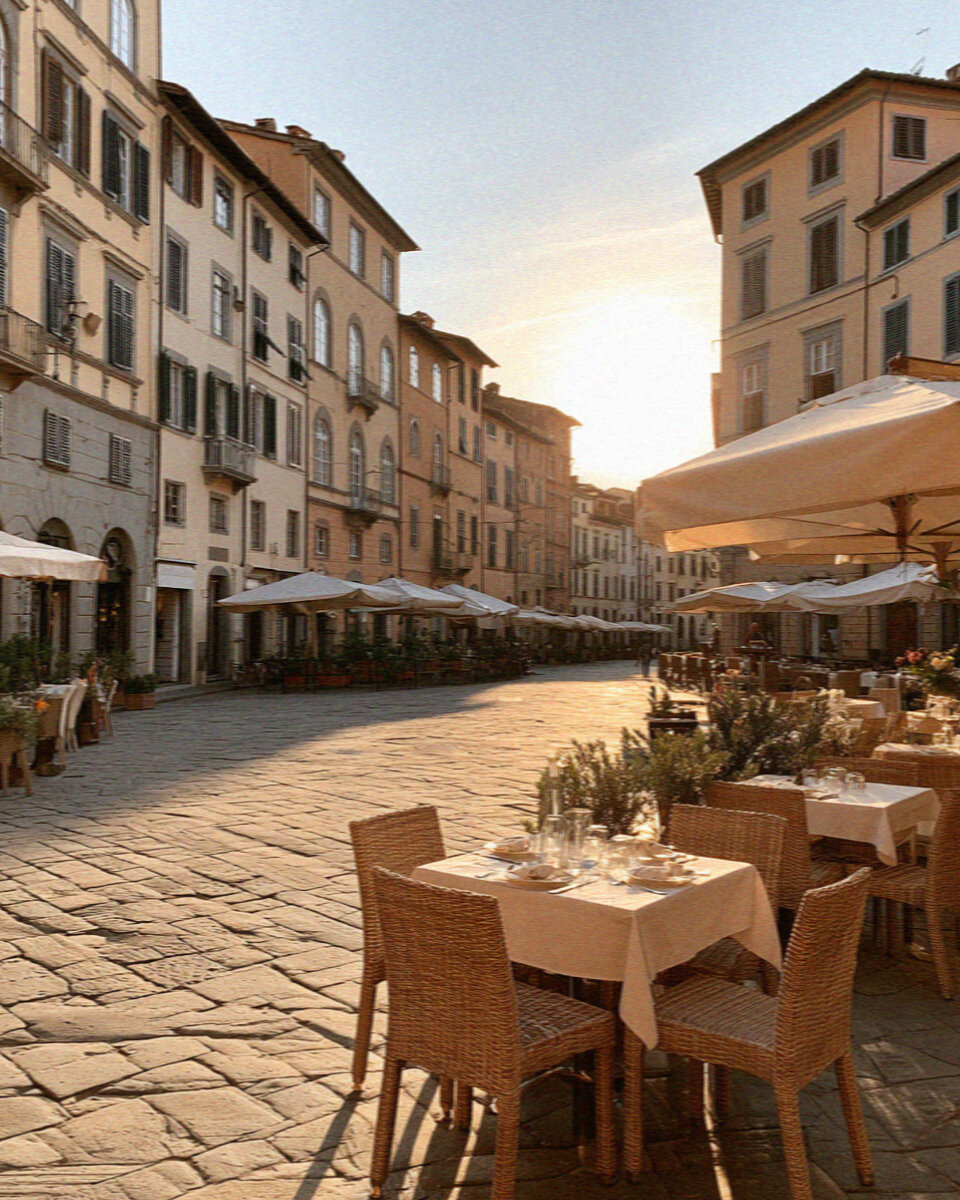
I have to be plain about the Piazza dell’Anfiteatro, because it is the most beautiful dining room in Lucca and, at ground level, one of the least rewarding. The oval was once a Roman amphitheatre, and the ring of houses still follows its curve, so a table on the square is a genuinely lovely thing to look at. The food served at most of those tables is not the reason to sit there. Prices carry a view tax, the pasta tends to be competent at best, and the waiters have seen a thousand people who will never return.
My honest advice: come to the piazza for an aperitivo or a gelato, take the photograph, feel the strange enclosed hush of the place in the early evening, and then walk two or three streets out for dinner. A spritz and a bowl of olives while the light drops is worth every cent of the premium. A full meal usually is not.
What to eat in Pisa
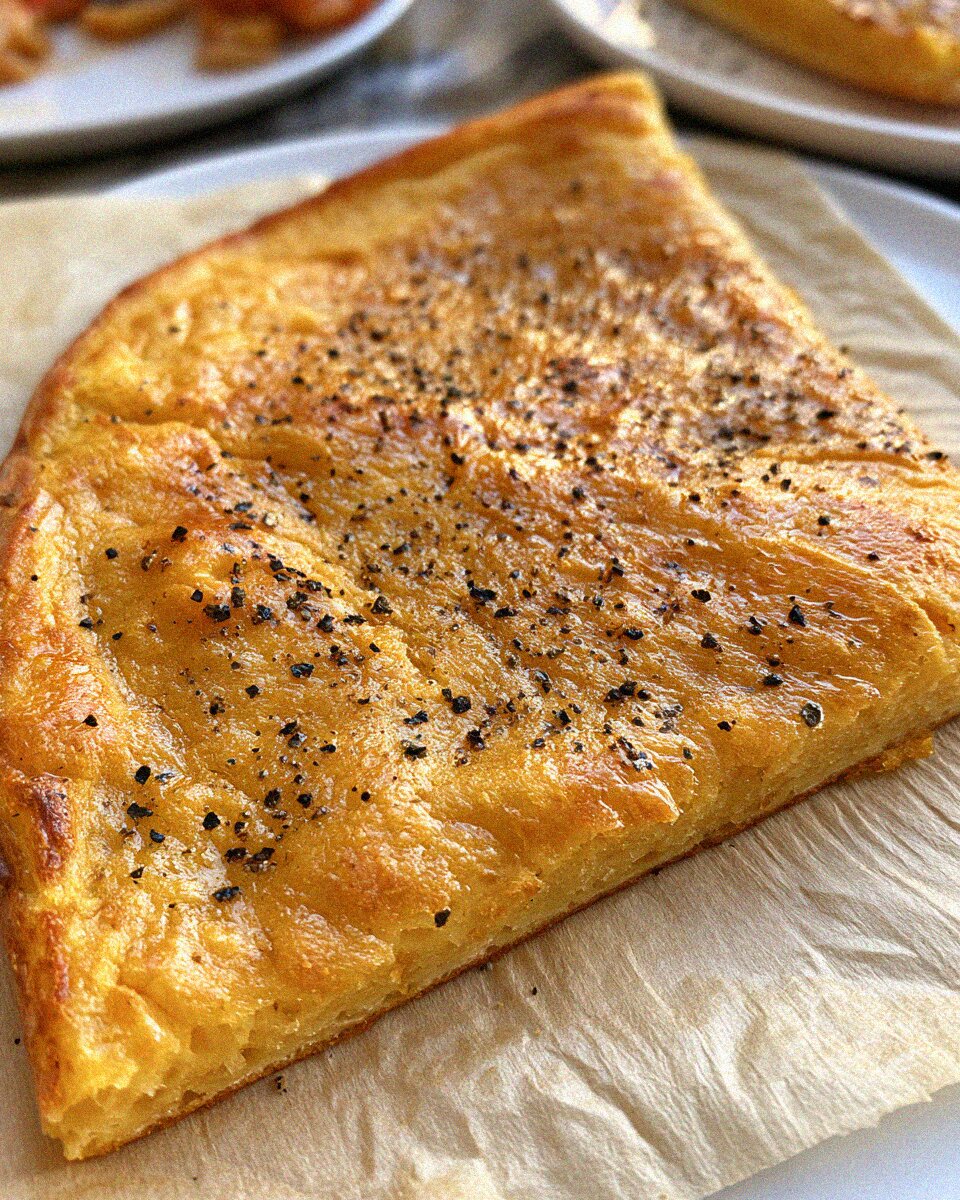
Pisa eats faster and looser than Lucca, and its great local food is a snack. Cecina, sometimes called torta di ceci, is a thin golden flatbread made from nothing but chickpea flour, water, olive oil and salt, baked in a wide copper pan in a hot wood oven until the top blisters and the inside stays soft and custardy. You buy it by the slice, dust it with black pepper, and eat it in your hand, often folded into a bread roll in a gloriously carb-on-carb move the Pisans call a cecina in mezzo. A slice costs somewhere between €2 and €3, which makes it the best-value bite in either city.
The other dish worth chasing is bordatino, a thick peasant soup of cannellini beans, black cabbage and cornmeal that comes from the poorer coastal kitchens around Pisa and Livorno. It is heavy, warming winter food, more common in autumn and winter than in the heat of summer, and a good bowl tells you more about how ordinary people here have eaten for centuries than any tower ever will. Pisa is also close enough to the coast that fresh fish and baccalà, salt cod, turn up regularly on the better menus.
Where to eat in Pisa
For cecina, the name everyone knows is Pizzeria Il Montino, on a little square off Via del Monte, an unglamorous, much-loved institution where you queue at the counter for cecina and spuma, the local soft drink, for a couple of euros a slice. It is the Pisan lunch, and it is nearly always right. Nearby, La Tana on Via San Martino turns out reliable slices for around €2.50 if Il Montino is heaving.
For a sit-down meal with proper Pisan and Tuscan cooking, I point people to Osteria dei Cavalieri, near the university on Via San Frediano, a warm room where the seasonal menu runs through soups, beans, meat and fish and mains sit around €14 to €20. It stays busy with locals as well as visitors, which is always the sign I trust most. Book for dinner, because the tables are few.
Wine of the Lucchesi hills
The countryside above Lucca makes wine that rarely leaves the province, which is precisely why you should drink it while you are here. The Colline Lucchesi DOC covers the hills that rise north and east of the city, producing supple Sangiovese-based reds and a growing number of characterful whites, while just to the east the small Montecarlo DOC has quietly made elegant whites, often blending Trebbiano with French grapes, since long before it was fashionable. Neither is a trophy label, and that is the appeal: honest, food-friendly bottles at kind prices.
These same hills also press some of the finest extra-virgin olive oil in Tuscany, grassy and peppery and green. Ask your waiter for a local wine rather than a name you recognise, and order it by the quarter-litre carafe; you will spend a few euros and learn far more about the place than any imported label could teach you.
Gelato and coffee
My gelato loyalty in both cities belongs to Gelateria De’ Coltelli, an organic maker with a shop on Pisa’s Lungarno Pacinotti overlooking the river and a second counter in Lucca. The flavours are seasonal and unusually pure, the pistachio and the fruit sorbets especially, and a small cone runs around €3 to €4. In Lucca, Gelato Anfiteatro on Piazza Anfiteatro is a perfectly good scoop to eat while you circle the square.
For coffee, the ritual matters more than the address. In Pisa I like standing at the bar along Borgo Stretto, the arcaded shopping street where the old cafés keep proper marble counters, ordering an espresso for around a euro and drinking it in the two minutes it is meant to take. In Lucca, any bar on Piazza San Michele or Piazza Napoleone will do the same job. Sit down and the price roughly doubles for the table; that is not a scam, it is simply how Italy works, and the view is often worth it.
Frequently Asked Questions
What food is Lucca famous for?
Lucca is best known for tordelli lucchesi, spiced meat-filled pasta parcels in a slow ragù, and for buccellato, a ring of semi-sweet aniseed and raisin bread. Zuppa di farro, a hearty spelt and bean soup from the Garfagnana mountains, and the spring soup garmugia round out the local repertoire, all of it washed down with wine from the Colline Lucchesi hills.
What is the local street food in Pisa?
Cecina, a thin chickpea-flour flatbread baked in a wood oven and sold by the slice for two or three euros, is the classic Pisan street food. Locals often fold it inside a bread roll and dust it with pepper. Il Montino is the most famous place to try it. In colder months, look out for bordatino, a thick bean, cabbage and cornmeal soup from the coastal kitchens nearby.
Is it worth eating on Piazza dell’Anfiteatro in Lucca?
The square is one of the loveliest settings in the city, but the food at most of the tables around it is mediocre and priced for the view. My honest suggestion is to enjoy an aperitivo or a gelato there for the atmosphere, then walk a couple of streets out to a proper trattoria such as Osteria Baralla or Trattoria da Leo for your actual meal.
Once you have eaten your way through both cities, the rest of the trip falls into place easily. Pair this with my guide to the Best Things to Do in Lucca, slot the meals into the itinerary, and check the Best Time to Visit so you catch garmugia in spring and buccellato in autumn. Everything ties back to my complete guide to Pisa and Lucca.