Some landscapes are beautiful. Tuscany is composed. The rolling hills, the lone cypresses, the farmhouses set just so on a distant ridge, it all looks arranged, as if a painter got there first and the land grew to match. Most of the images you have in your head of Tuscany come from one small area, the Val d’Orcia, south of Siena, and this is my guide to finding those exact views, plus the others worth chasing. Bring a car, get up for sunrise at least once, and be prepared to gasp.
The Val d’Orcia: The Heart of It
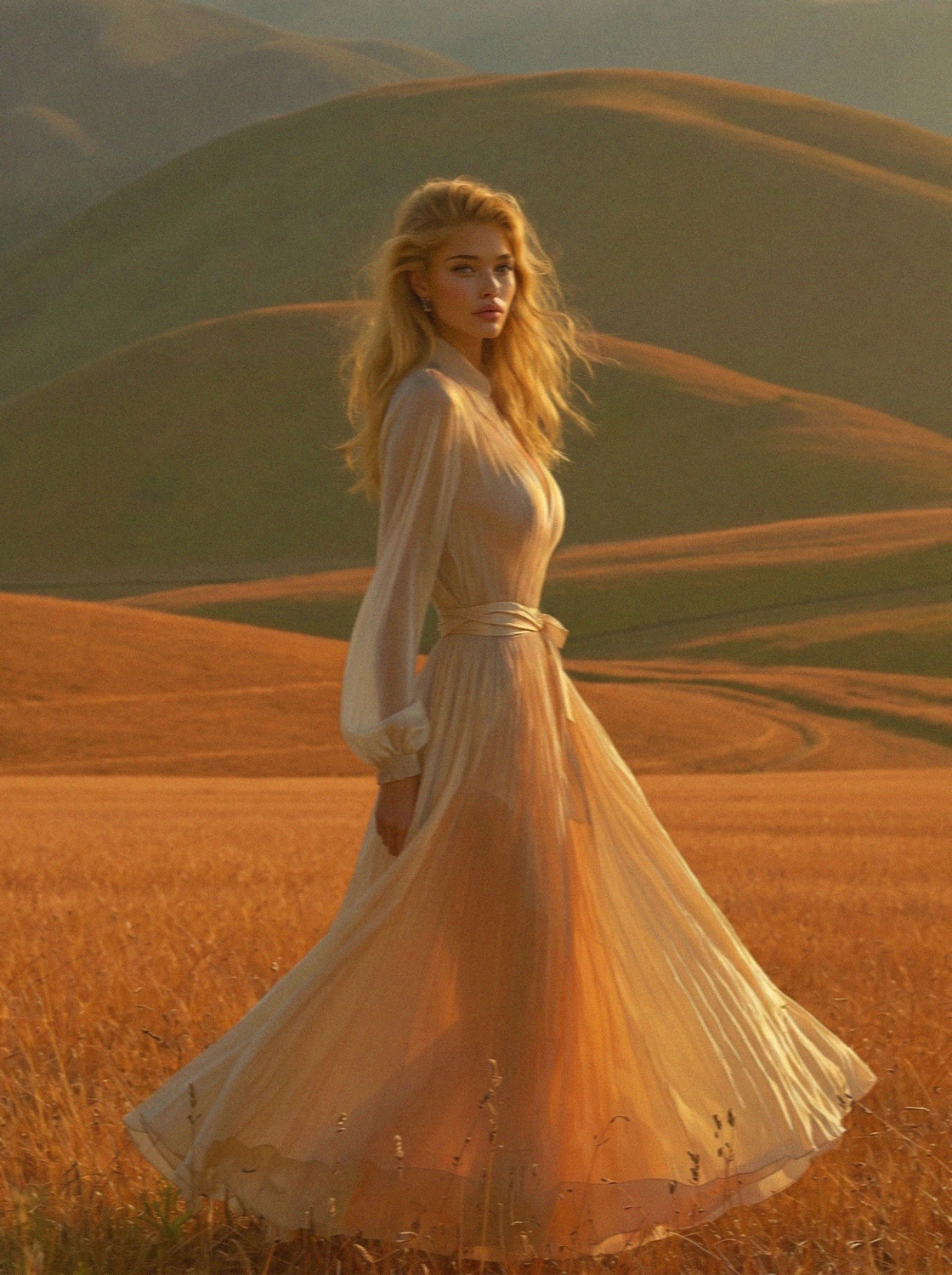
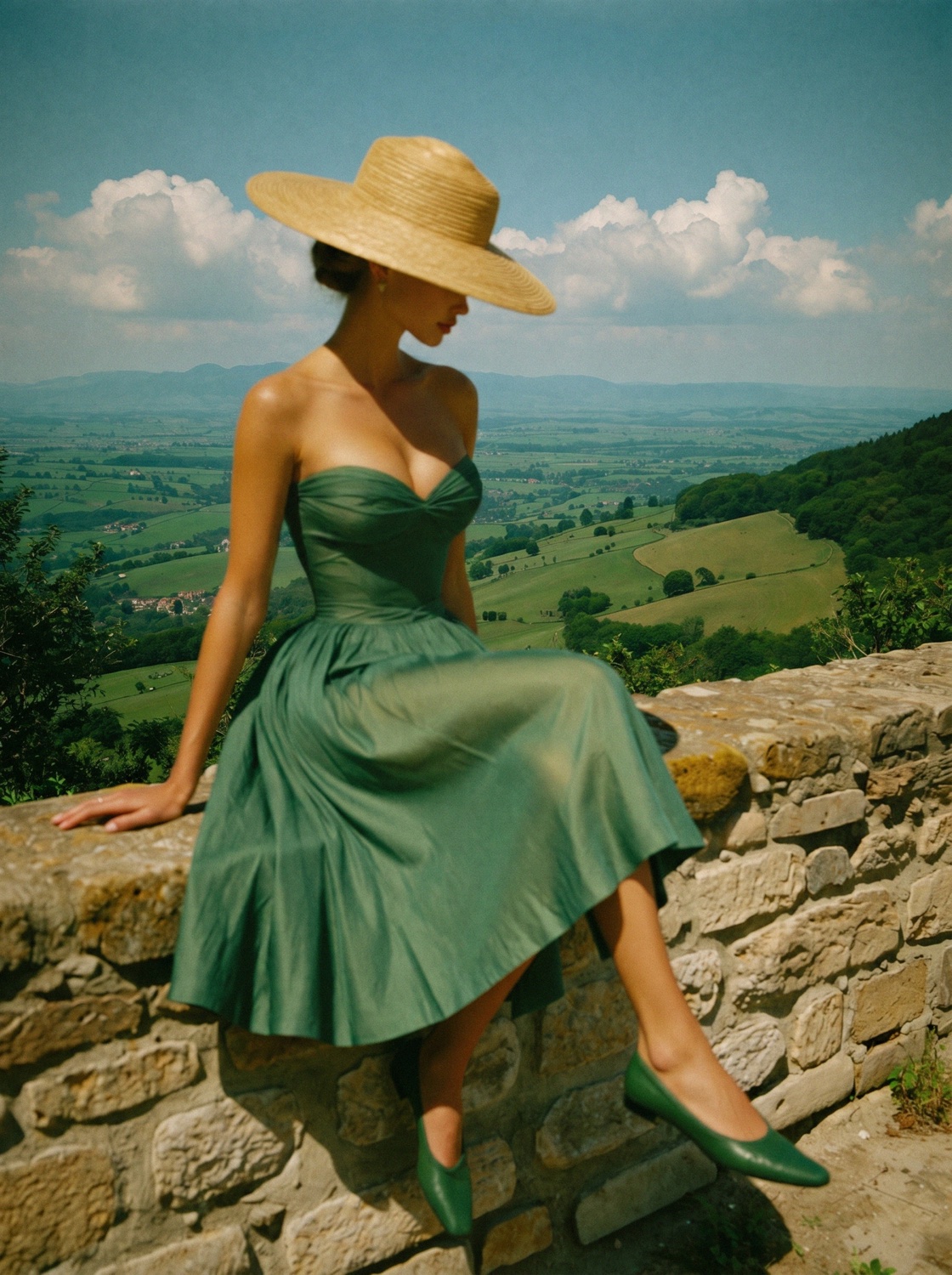
The Val d’Orcia is a UNESCO-protected valley of gold-and-green hills between San Quirico d’Orcia, Pienza, Montalcino and Montepulciano, and it is the most photographed countryside in Italy for good reason. The classic images all come from a handful of spots strung along a few roads, most of them reachable from a lay-by or a short walk. Here are the ones to find.
The Chapel of Vitaleta. The Cappella della Madonna di Vitaleta is the little Renaissance chapel with two cypresses standing sentinel beside it, floating in a sea of hills. It sits between San Quirico and Pienza off the SP146, and you reach it by parking at the roadside and walking about fifteen minutes along a dirt track. It is the most romantic single view in the valley, and at sunrise, with the mist in the folds of the hills, it is unforgettable.
Podere Belvedere. Probably the most famous farmhouse in Tuscany, Podere Belvedere is the honey-coloured house on its own hilltop ringed by cypresses, and it sits right beside the SP146 near San Quirico, so you can photograph it almost from the car. Early morning light behind it is the shot everyone wants.
The Cypresses of San Quirico. Just off the main SR2 road you will find the Cipressi di San Quirico, a small grove of cypress trees on a bare green mound that has become a symbol of the whole region. There is a lower, roadside view that everyone knows, and an upper circle of trees you can hike to for a different angle.
Poggio Covili. Along the SP323 between San Quirico and Bagno Vignoni, the agriturismo of Poggio Covili has a long, serpentine, cypress-lined driveway that snakes up to the house, one of the great leading-line compositions in the valley. Photograph it from the road; do not drive up to the private house.
La Foce and its zigzag road. Near Montepulciano, the gardens of La Foce look down over the most graphic view in Tuscany: a white road that zigzags up a hillside, lined with cypresses, like something drawn with a ruler. You can see it from viewpoints along the road toward Chianciano.
Beyond the Val d’Orcia
The Crete Senesi. Between Siena and Asciano lies the Crete Senesi, a stranger, starker landscape of bare grey clay hills that look almost lunar, especially in winter and early spring. The famous spiral of cypresses at Baccoleno, near Asciano, is the signature shot here, a single farmhouse reached by a curling white road. It is quieter and less crowded than the Val d’Orcia and beautiful in a completely different way.
Pienza’s ramparts. You do not have to leave town for a great view. The walls of Pienza look straight out over the Val d’Orcia, and the town’s little viewpoints, especially at golden hour, give you the whole valley glowing below you with no hiking at all.
The hill towns themselves. Approaching San Gimignano across the Val d’Elsa, with its towers rising from the hill, and looking up at Montepulciano or Montalcino from the vineyards below, are photographs in their own right. Some of the best images of Tuscany are of the towns from a distance, held in their landscape.
When and How to Shoot
Light is everything here. The magic hours are the first hour after sunrise and the last before sunset, when the low sun rakes across the hills and picks out every fold and cypress, and when morning mist often pools in the valleys. The middle of the day is flat and harsh. If you only drag yourself out of bed for one sunrise, make it the Val d’Orcia.
Season matters just as much. Spring, from April into early June, gives you vivid green hills and wildflowers, with red poppies scattered through the fields in May. The harvest months of September and October turn everything to gold and are perhaps the most photogenic of all. Summer bakes the hills to a paler, drier tone, and winter strips them bare, which suits the Crete Senesi beautifully.
A few practical notes. Almost all of these spots are on private farmland, so photograph from the public road or track and never climb fences or walk into the fields; the farmers are gracious, and it stays that way if we behave. Bring a car, because the spots are spread across the valley, and give yourself a whole slow morning rather than a rushed hour. And when you have got the shot, put the camera down for a while and just look. No photograph really holds the Val d’Orcia. You have to stand in it.
Frequently Asked Questions
Where are the iconic Tuscany cypress tree photos taken?
Almost all of them come from the Val d’Orcia, south of Siena. The most famous individual spots are the Chapel of Vitaleta, the farmhouse of Podere Belvedere, the cypress grove of San Quirico d’Orcia off the SR2, and the winding driveway of Poggio Covili. The spiral of cypresses at Baccoleno is in the neighbouring Crete Senesi.
What is the best time of day to photograph Tuscany?
Sunrise and sunset. The first hour after sunrise, often with mist in the valleys, and the last hour before sunset give the low, golden, raking light that makes the hills and cypresses come alive. Midday light is flat and unflattering. If you only manage one early start, spend it in the Val d’Orcia.
What is the best season for Tuscany landscape photography?
Spring (April to early June) for green hills, wildflowers and May poppies, and autumn (September to October) for golden harvest light, which many consider the most photogenic of all. Summer is drier and paler, and winter strips the hills bare, which suits the stark Crete Senesi especially well.
Do I need a car to reach the Val d’Orcia photo spots?
Yes. The famous viewpoints are spread along country roads between San Quirico, Pienza and Montepulciano, with no public transport and often a short walk from a lay-by. A car lets you chase the light between them, which is essential for sunrise and sunset shooting.
Can I walk up to the famous farmhouses like Podere Belvedere?
No. The iconic farmhouses and their cypress drives are private property and working farms, so you photograph them from the public road or track, not from inside the fields. They are set up beautifully to be shot from the roadside, so you lose nothing by respecting that.
Read also: The Best Towns in Tuscany | The Best Time to Visit Tuscany | The Complete Guide to Tuscany
V.