Tuscany changes its whole character with the seasons, more than most places, because the landscape itself is the attraction and the landscape is never the same twice. The green, poppy-scattered hills of May are a different world from the gold, harvested ridges of October, which are different again from the bare, misty clay of winter. So the real question is not when Tuscany is best, but which Tuscany you want. Here is how the year unfolds, and when I would go.
The Short Answer
For most people, the two ideal windows are mid-to-late spring, roughly May into early June, and early autumn, September into October. In both you get warm but not brutal weather, the countryside at its most beautiful, and crowds that are present but manageable. If you made me pick a single month, I would say September: still warm, the harvest beginning, and the summer crowds thinning by the day. May would be a very close second.
Season by Season
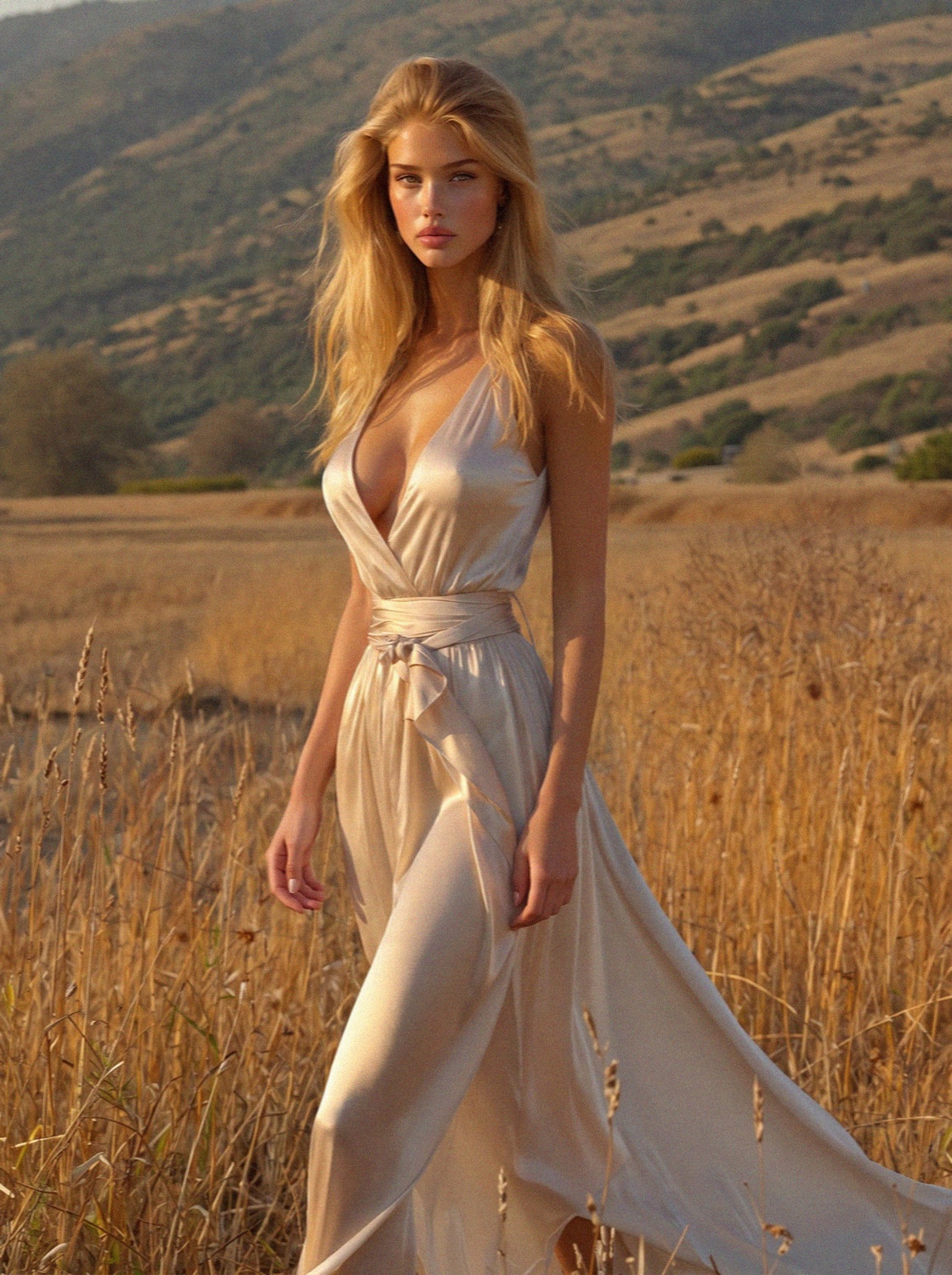
Spring (April to June). This is the green season. The hills are lush, the wildflowers are out, and in May the fields fill with red poppies, which against the green and the cypresses is about as beautiful as Italy gets. Temperatures are mild, comfortably in the teens to mid-twenties Celsius, perfect for walking the towns and driving the country roads. Crowds are moderate, building toward summer. April can still be a little cool and changeable; May and early June are close to perfect.
Summer (July and August). High season, and honestly my least favourite time to be here. The heat is real, often into the thirties, the hilltop towns are busy and expensive, and the light in the middle of the day is harsh for both sightseeing and photography. The hills turn a paler, drier gold. It can still be wonderful if you rise early, rest in the afternoon and stay somewhere with a pool, but if you have any flexibility, avoid the peak of it. Note too that Siena’s spectacular Palio falls on the 2nd of July and the 16th of August, which is a reason to come, and a reason the city is mobbed on those dates.
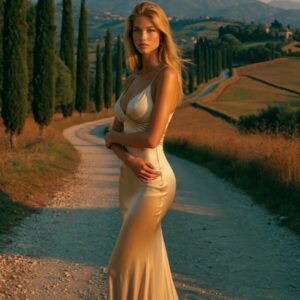
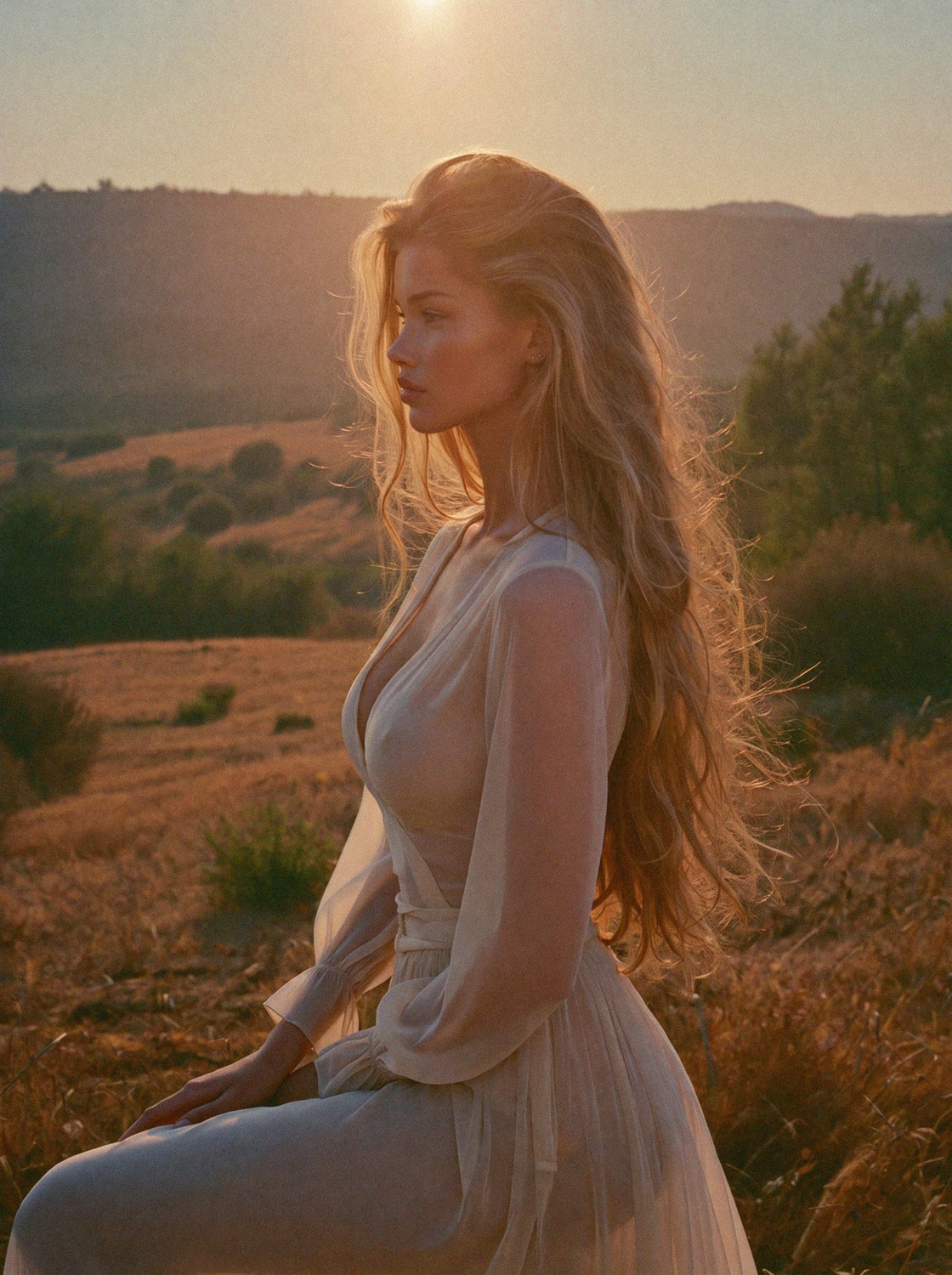
Autumn (September and October). For me the sweet spot, especially for the countryside. September is still warm and summery but the crowds are easing, and it brings the vendemmia, the grape harvest, when the whole region turns to wine-making and the air smells of it. October is cooler and quieter still, and gives you the most photogenic landscape of the entire year, the hills at their golden, low-lit best, with the vines turning colour. If you love wine, autumn is the time to be here.
Winter (December to February). The secret season. Tuscany in winter is quiet, cool, often five to ten degrees, and sometimes misty, and much of the drama moves indoors and into the light. It is the time to see Florence’s museums without the queues, to taste the white truffles that come up around San Miniato and the Crete Senesi, and to have the hill towns almost to yourself. The bare clay hills of the Crete Senesi are at their starkest and most beautiful. Agriturismo prices fall dramatically, often to well under half of the summer rate, though some rural places close for the season, so check ahead.
Matching the Season to Your Trip
If you are coming for the photography, come in spring for the green and the poppies, or in autumn for the gold, and shoot at sunrise and sunset in either case. If you are coming for the wine, come in September or October for the harvest. If you are coming mainly for Florence and the cities, winter is a gift, cheap and crowd-free, with the countryside as a stark and lovely backdrop. And if you simply want the warm, easy, golden Tuscany of the imagination, come in May or September and you will not be disappointed.
Whatever you choose, remember that even in the busy months the countryside empties out at either end of the day. Get up for the early light, take the long lunch and the afternoon rest that the locals take, and come out again in the evening. The middle of a summer day belongs to the tour buses; the mornings and the evenings, in any season, still belong to you.
Frequently Asked Questions
What is the best month to visit Tuscany?
September is my top pick: warm, less crowded than summer, and the start of the grape harvest, with the landscape turning golden. May is a very close second, with green hills, wildflowers and poppies. Both give you lovely weather and manageable crowds. April and October are also excellent, slightly cooler and quieter.
When is the best time for Tuscany photography?
Spring (May into June) for green hills, wildflowers and poppies, and autumn (September to October) for golden harvest light, which many photographers consider the most beautiful of all. In any season, shoot at sunrise and sunset for the low, raking light, and consider winter for the stark, misty Crete Senesi.
Is it worth visiting Tuscany in summer?
It can be, but July and August are hot, busy and expensive, and the midday light is harsh. If you come in summer, rise early, rest in the afternoon and stay somewhere with a pool. Siena’s Palio on the 2nd of July and 16th of August is a highlight, but it makes the city extremely crowded on those days.
What is Tuscany like in winter?
Quiet, cool and often misty, with temperatures around five to ten degrees. It is ideal for visiting Florence’s museums without the crowds, for white truffle season around San Miniato and the Crete Senesi, and for having the hill towns to yourself. Agriturismo prices drop steeply, though some rural properties close, so check before booking.
When is the grape harvest in Tuscany?
The vendemmia, the grape harvest, generally runs through September and into October, depending on the year and the grape. It is a wonderful time to visit the wine regions, with the estates busy making wine and the hills at their golden, photogenic best. Book cellar visits ahead, as it is a busy and popular season.
Read also: The Best Photo Spots in Tuscany | The Perfect Tuscany Itinerary | The Complete Guide to Tuscany
V.