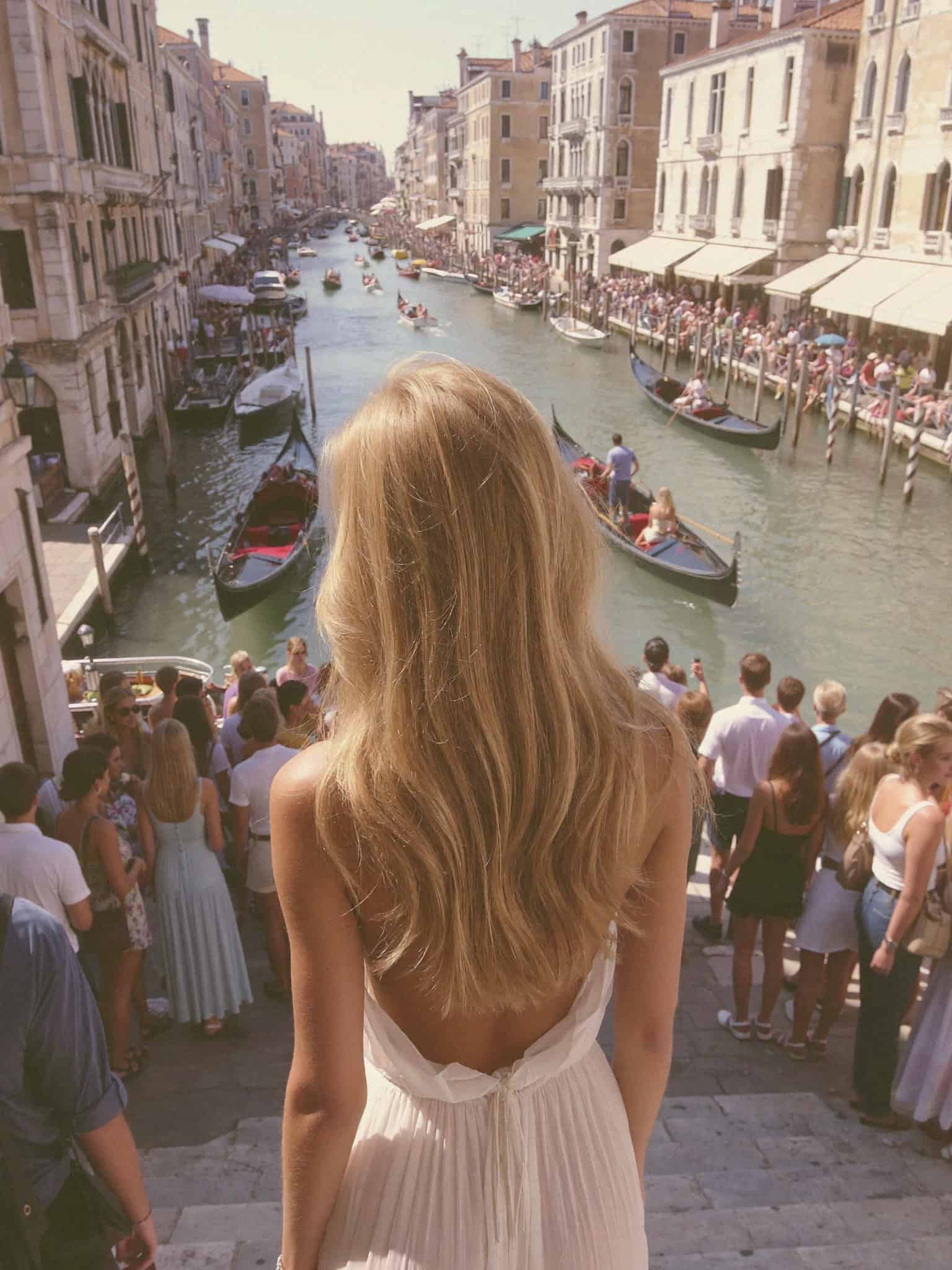
Venice has a real season, and choosing the right slice of it makes an enormous difference. The city is small, low-lying and hemmed in by water, which means the weather and the crowds are not abstractions you read about in advance; they are the texture of your whole trip. Come at the wrong moment and you spend your days shuffling through San Marco in a wall of shoulders and heat. Come at the right one and the same square opens up, the light turns soft and pearly, and you remember why people have been writing besotted letters home from this place for centuries. So here is how I think about timing, month by month and mood by mood, gathered over more visits than I can properly count.
The shoulder seasons, the sweet spot
If you take one thing from this piece, take this: the shoulder seasons are Venice at its best. I mean roughly April to early June, and again September into October. The light is gentle rather than glaring, the temperatures sit somewhere from the high teens to the mid-twenties Celsius, and the crowds, while never absent, thin out noticeably once you step away from the famous squares. You can linger over a coffee without feeling you are holding up a queue. You can find a table at a decent hour. You can walk the back canals of Cannaregio or Dorsoduro and hear your own footsteps.
This is the window I recommend to almost everyone. It rewards the way I like to see the city, which is slowly and on foot, following whatever alley looks promising. If you are building your days around my Venice itinerary, the shoulder months give you the most comfortable conditions to actually do it justice, and they leave enough in the tank for the long, unhurried evenings that Venice does so beautifully.
Plan Your Visit to Venice
A few things I booked and loved. These help support the blog, at no cost to you.
- Where I stayed: search Venice hotels
- Skip-the-line tickets for the main sights
- A Venice city pass
- Stay connected: get a travel eSIM
This section contains affiliate links. If you book through them I may earn a small commission, at no extra cost to you.
Spring
Spring creeps in gradually. Early April can still be cool and changeable, with a bright morning turning to a grey, blustery afternoon, so pack a layer and something that keeps the rain off. By late April and into May the city properly softens. The wisteria comes out over garden walls, the days stretch, and the water takes on that greenish, glassy quality in the morning before the boat traffic churns it up.
May is, for my money, close to perfect, with the caveat that it has become no secret. The weekends in particular can feel busy, and if the Biennale is running that year the design and art crowd arrives in force. Still, midweek in May remains a joy. If you want that soft spring feeling without the heaviest footfall, aim for the first half of the month and keep your sightseeing early or late, saving the middle of the day for a long lunch or a nap.
Summer, the busy heat
I will be honest with you about high summer, because plenty of guides are not. July and August are the hottest, busiest and priciest weeks of the year. The heat off the canals is humid and clinging rather than crisp, the sort that has you ducking into churches as much for the cool stone as for the paintings. Come dusk, especially near still water and the quieter gardens, the mosquitoes arrive, so a repellent and a room with decent screens or air conditioning are worth their weight.
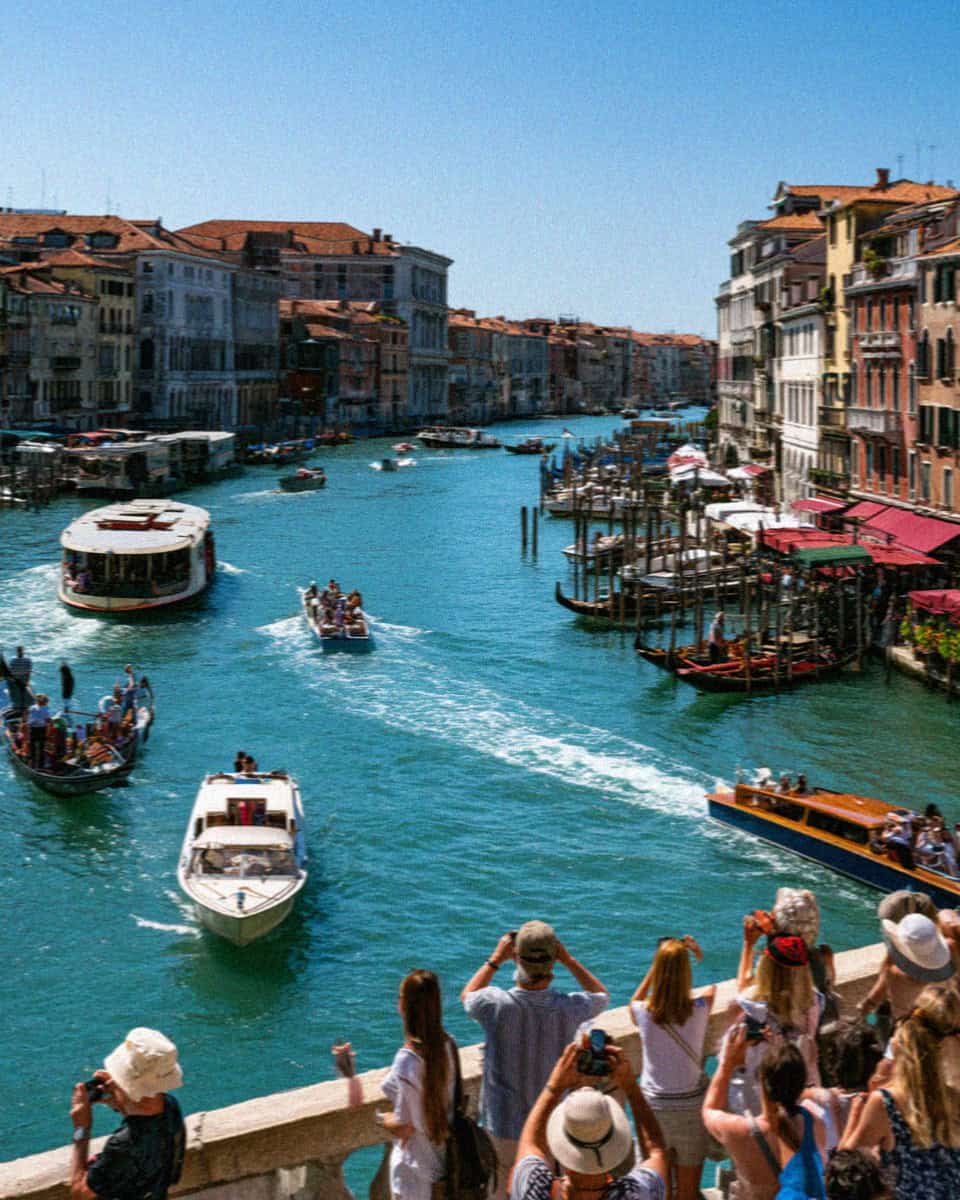
None of this means you should not come in summer. Sometimes school holidays make the decision for you, and there is a real pleasure in a warm Venetian evening, a spritz in hand, the light going golden and then rose over the rooftops. But you have to work with the season rather than against it. Start early, when the squares are still cool and half-empty. Retreat indoors or onto the water in the punishing middle hours. Come back out in the evening when the city exhales. And book everything you can in advance, because summer is when Venice fills to its brim. For ideas that suit the rhythm of a hot day, indoor and shaded as much as out, my guide to the best things to do in Venice will help you plan around the heat rather than be flattened by it.
Autumn and the acqua alta
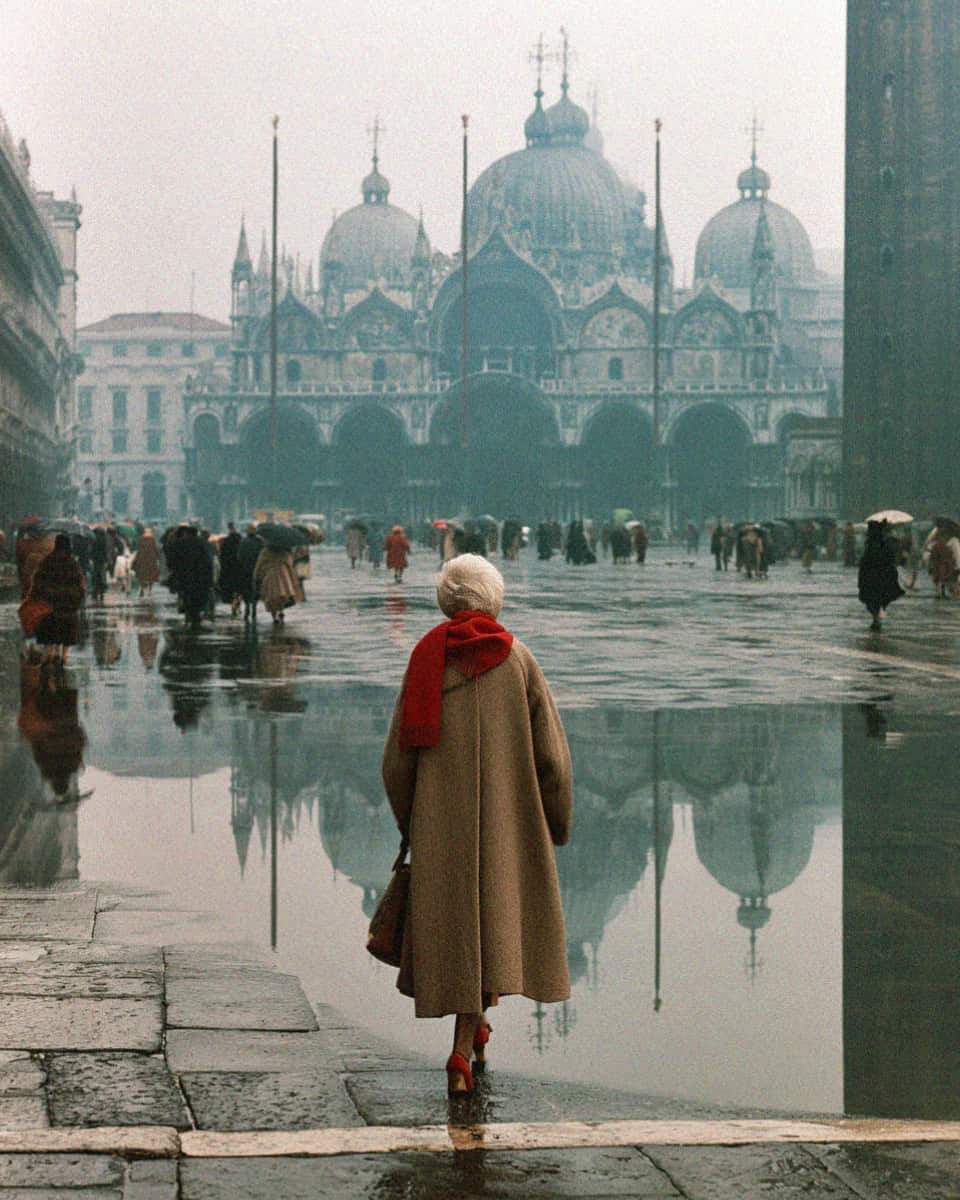
Autumn is the shoulder season’s second act, and I love it dearly. September still carries summer’s warmth but sheds much of its crush, and October brings clear, mild days and that particular quality of light that makes the whole city look freshly varnished. The food turns towards the season too, and the menus start to feel like autumn.
There is one thing to understand about this time of year, and it is not a reason to stay away: acqua alta, the high water. From autumn into winter, certain high tides push the lagoon up over the lowest parts of the city for an hour or two, San Marco most famously, since it sits at one of the lowest points. You will hear sirens that signal it coming. Raised walkways go up along the main routes, and the water recedes as quietly as it arrived. It is a passing inconvenience, not a catastrophe. Pack rubber-soled boots or wellies, keep your plans loose enough to reshuffle an hour, and treat it as part of the city’s character rather than a ruined day. Some of my most memorable Venetian mornings have been spent watching the water rise and fall in a mirror-calm piazza, the reflections doubling everything.
Winter and Carnival
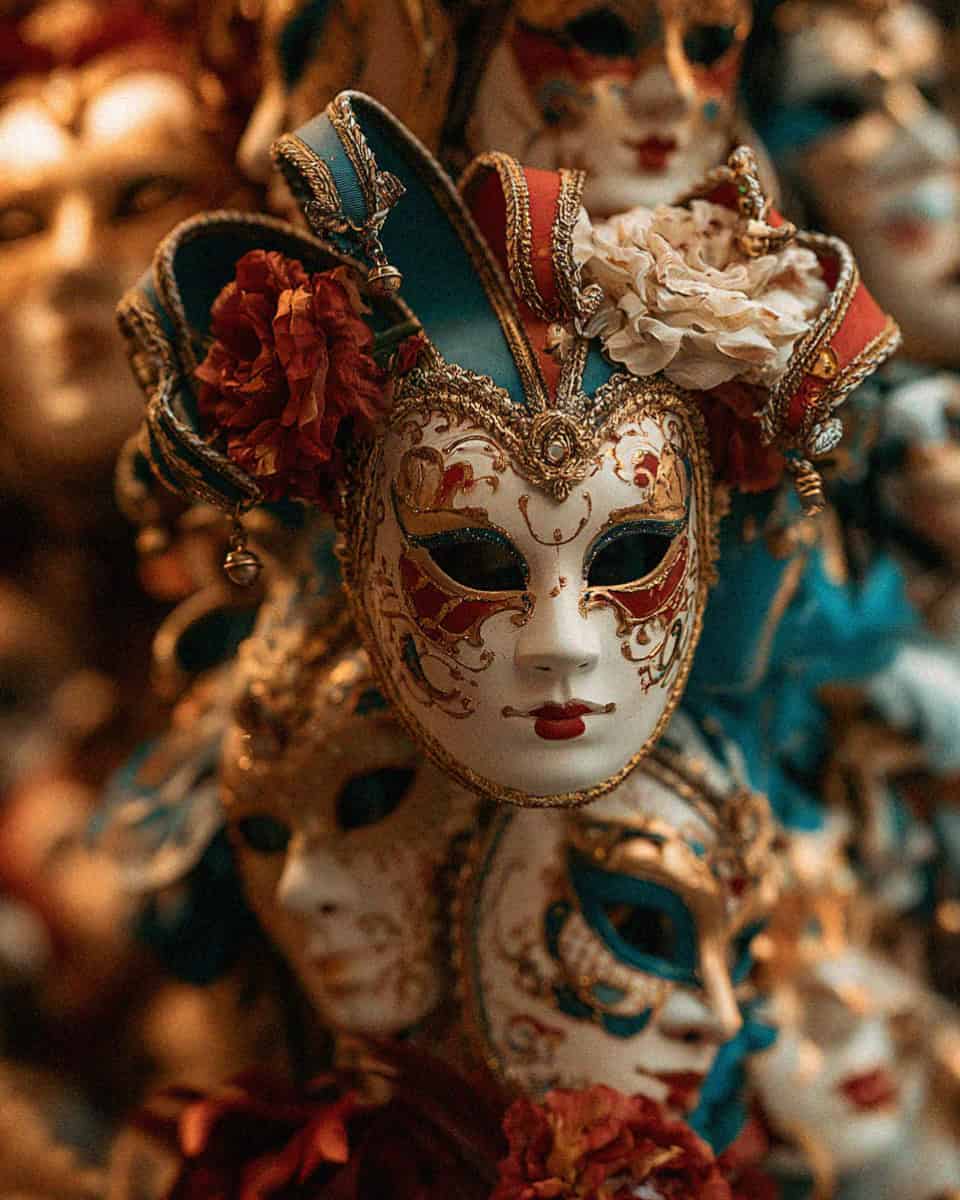

Winter is Venice returned to itself. It is quiet, genuinely cold, and often wrapped in a fog that turns the canals mysterious and the bridges into half-drawn sketches. The great crowds are gone. Prices ease. You share the city with Venetians going about their lives, and that alone is worth the chill. Dress warmly, in proper layers, and accept that some days will be damp and grey; that is the trade for having the place so nearly to yourself.
The winter exception, in terms of crowds, is Carnival, which fills the run-up to Lent with masks, elaborate costumes, candlelit balls and a theatrical spirit that spills into the streets. The exact dates shift with Easter but usually fall in February. It is spectacular and it is popular, so if Carnival is your reason for coming, book well ahead and expect the squares to be lively again for those weeks. If it is not your thing, the rest of winter around it stays serene.
The festivals worth planning around
A handful of dates are worth building a trip around, or deliberately avoiding, depending on your temperament. The Festa del Redentore lands on the third weekend of July, with fireworks over the lagoon and a temporary bridge of boats; it is glorious and packed. The Regata Storica, a historic boat parade in period dress, takes place on the first Sunday of September. The Venice Film Festival runs on the Lido from late August into early September, bringing a certain glamour and a certain scramble for rooms. And the Biennale, alternating between art and architecture, runs from spring to autumn and shapes the mood of the whole city while it is on. Any of these can be a highlight or a headache, so decide in advance whether you want to be in the thick of it.
A quick month by month
January is cold, quiet and often misty, the city at its most inward. February is much the same but for Carnival. March begins to lift, still cool and unpredictable. April softens week by week. May is close to ideal but increasingly busy. June is warm and lovely early, hotter and fuller by its end. July and August are the hottest and most crowded, with the Redentore and the film festival bookending them. September is a favourite, warm and easing off. October is clear, mild and lovely, with acqua alta possible. November turns damp and grey, quiet and cheap. December is cold and atmospheric, with a hush over everything.
So, when should you go
If you want the honest short answer: aim for late April to early June, or September into October. Those weeks give you the kindest weather, the most manageable crowds and the longest, loveliest evenings. If you crave the city at its emptiest and most atmospheric and do not mind the cold, come in winter. If summer is your only option, come anyway, but plan around the heat and the crowds rather than pretending they are not there.
A word on the weather and the water
Whenever you come, remember that Venice concentrates its crowds in a predictable way. Late morning to late afternoon, San Marco and the Rialto fill up; early and late, and along the back canals, the city stays calm. That single pattern is your most useful tool in any season. Rise early, wander the quiet hours, retreat when the tour groups arrive, and return in the evening. Pack for damp feet in autumn and winter, and for heat and mosquitoes in summer. Keep your plans loose enough to bend around a tide or a festival. Do that, and Venice will give you its better self. For the fuller picture, from where to stay to how to string your days together, start with Victoria’s complete guide to Venice.
Frequently Asked Questions
What is the best month to visit Venice?
If I had to choose one, I would say May or September. Both sit in the shoulder season, with mild temperatures somewhere from the high teens to the mid-twenties Celsius, softer light and thinner crowds than the peak of summer. May carries the freshness of spring, while September still holds summer’s warmth without its heaviest footfall. October runs them a close third for its clear, mild days.
When is acqua alta in Venice, and should I worry about it?
Acqua alta, the seasonal high water, mainly occurs from autumn into winter, when certain high tides briefly flood the lowest parts of the city, San Marco especially, for an hour or two. Sirens signal it, raised walkways go up, and it passes quickly. It is not a reason to stay away. Pack rubber-soled boots, keep your plans flexible, and treat it as part of the city’s character.
Is it worth visiting Venice in summer?
Yes, with eyes open. July and August are the hottest, busiest and priciest weeks, with humid heat off the canals and mosquitoes at dusk. If you come, start early, retreat indoors during the fiercest hours, enjoy the long warm evenings, and book everything well ahead. Summer Venice can be wonderful; it simply asks you to work with the season.
When is Carnival in Venice?
Carnival falls in the run-up to Lent, so the exact dates shift with Easter, but it usually lands in February. Expect masks, costumes, candlelit balls and a lively, theatrical mood across the city. It is a beautiful time to visit but a popular one, so book accommodation well in advance if this is your reason for coming.