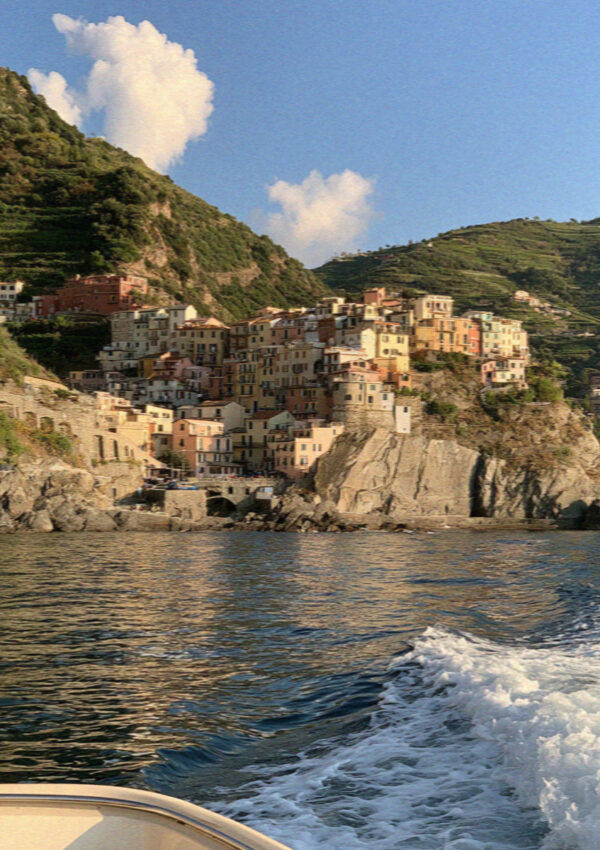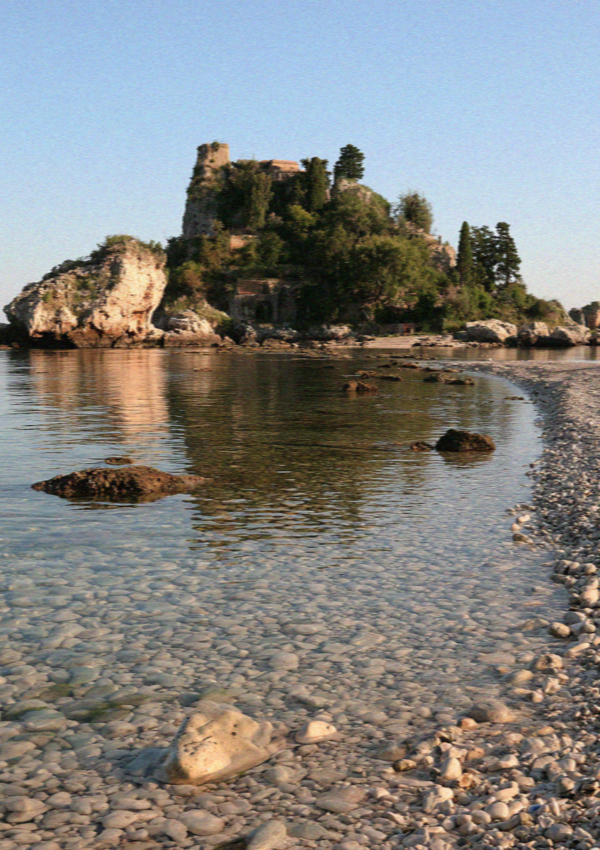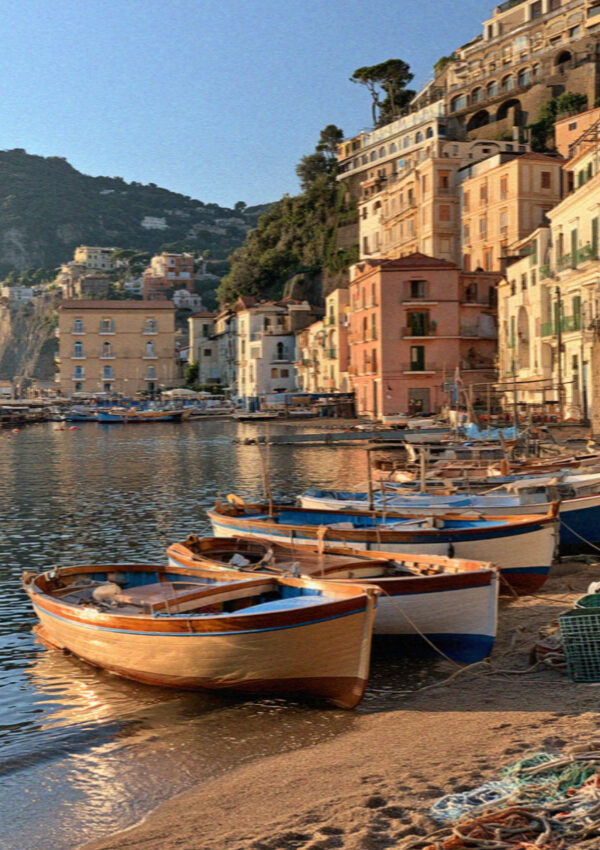
Naples sits at the centre of one of the richest corners of Italy, and this is one of the great joys of basing yourself here: you can spend your days out among Roman ruins, on volcano slopes, or on impossibly beautiful islands, and come home each evening to the best pizza on earth. The transport is easy and cheap, most of it on the humble Circumvesuviana train or the ferries from the port. Here are the day trips I would not miss, and how to do them.
Pompeii
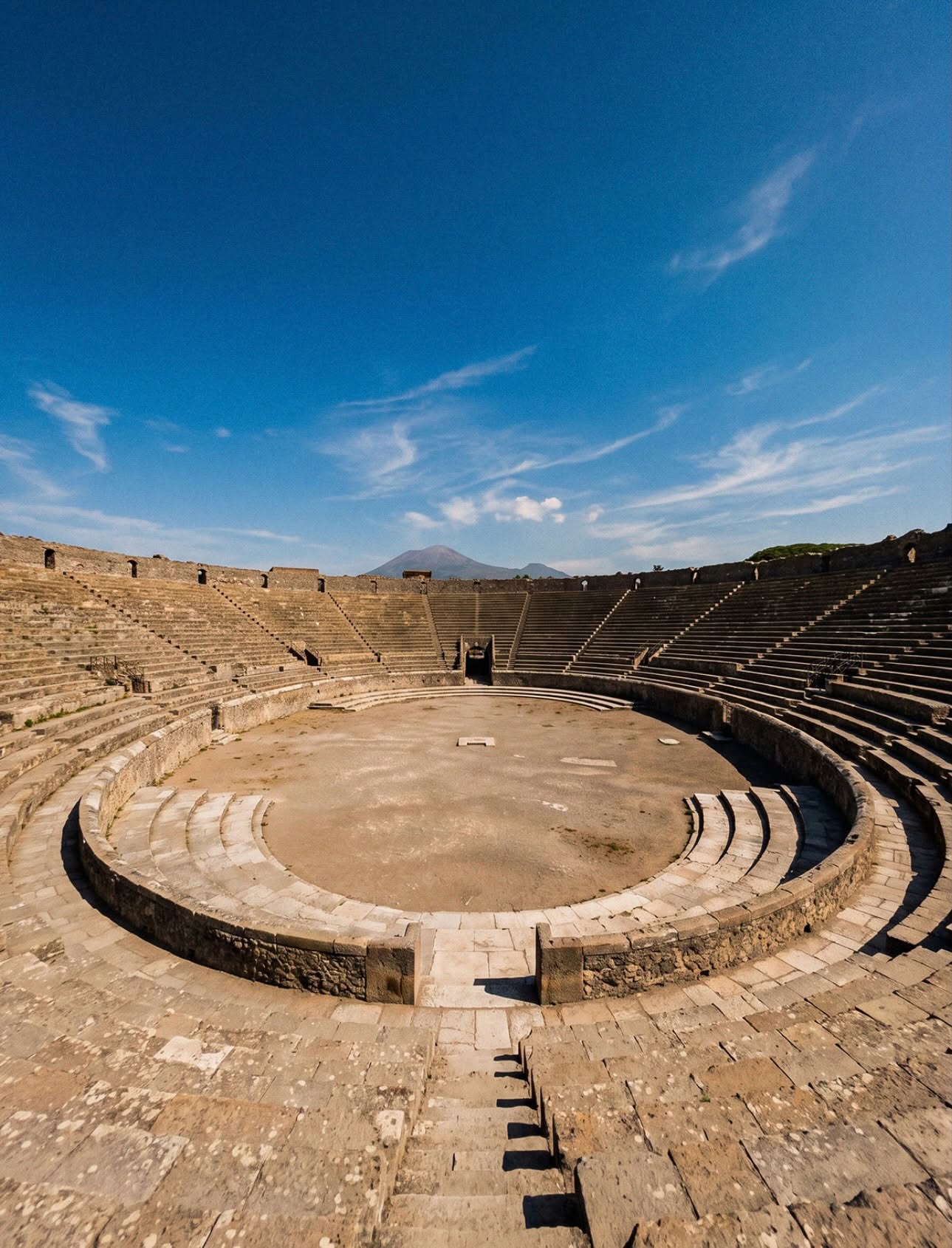
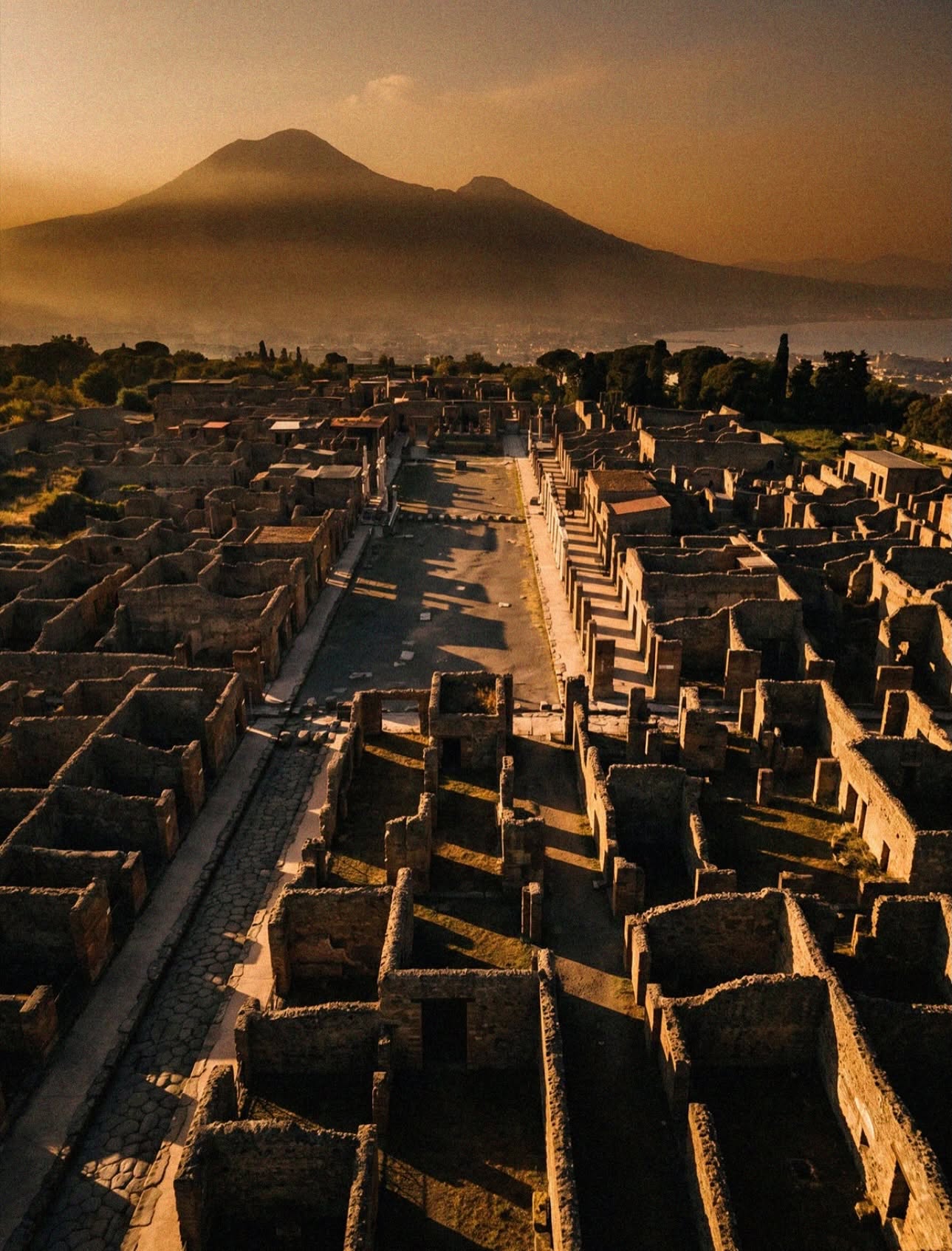
The most famous of them all, and rightly so. Pompeii is the Roman city frozen in time by the eruption of Vesuvius in AD 79, and walking its streets, its houses, its forum and its plaster-cast victims, is one of the most moving experiences in Italy. It is vast, so wear good shoes, bring water and a hat, and give it at least three or four hours. Getting there could not be simpler: take the Circumvesuviana from Napoli Centrale toward Sorrento and get off at Pompei Scavi, about thirty-five to forty minutes and only a few euros. Consider a guide or an audio guide, because the ruins tell you little on their own. See the treasures in Naples’s archaeological museum first, and it all comes alive.
Plan Your Visit to Naples
A few things I booked and loved. These help support the blog, at no cost to you.
- Where I stayed: search Naples hotels
- Pompeii, museums and Naples tickets
- Stay connected: get a travel eSIM
This section contains affiliate links. If you book through them I may earn a small commission, at no extra cost to you.
Herculaneum
Smaller, quieter and, some say, even better preserved than Pompeii is Herculaneum (Ercolano), a wealthy seaside town buried by the same eruption. Because it was sealed under deep volcanic mud rather than ash, more survived: upper floors, wooden fittings, even carbonised food. It is far more compact than Pompeii and can be seen thoroughly in a couple of hours, which makes it perfect for a half day, or for pairing with Vesuvius. Take the same Circumvesuviana line and get off at Ercolano Scavi.
Mount Vesuvius
You can climb the volcano that did all this. From Ercolano or Pompeii, buses and shuttles run up toward Vesuvius, dropping you a short, steep walk from the crater rim; from the top you look down into the smoking crater and out over the entire bay. Wear proper shoes for the loose gravel path, book your crater ticket ahead, and pick a clear day for the view. Many people combine Herculaneum in the morning with Vesuvius in the afternoon.
Capri
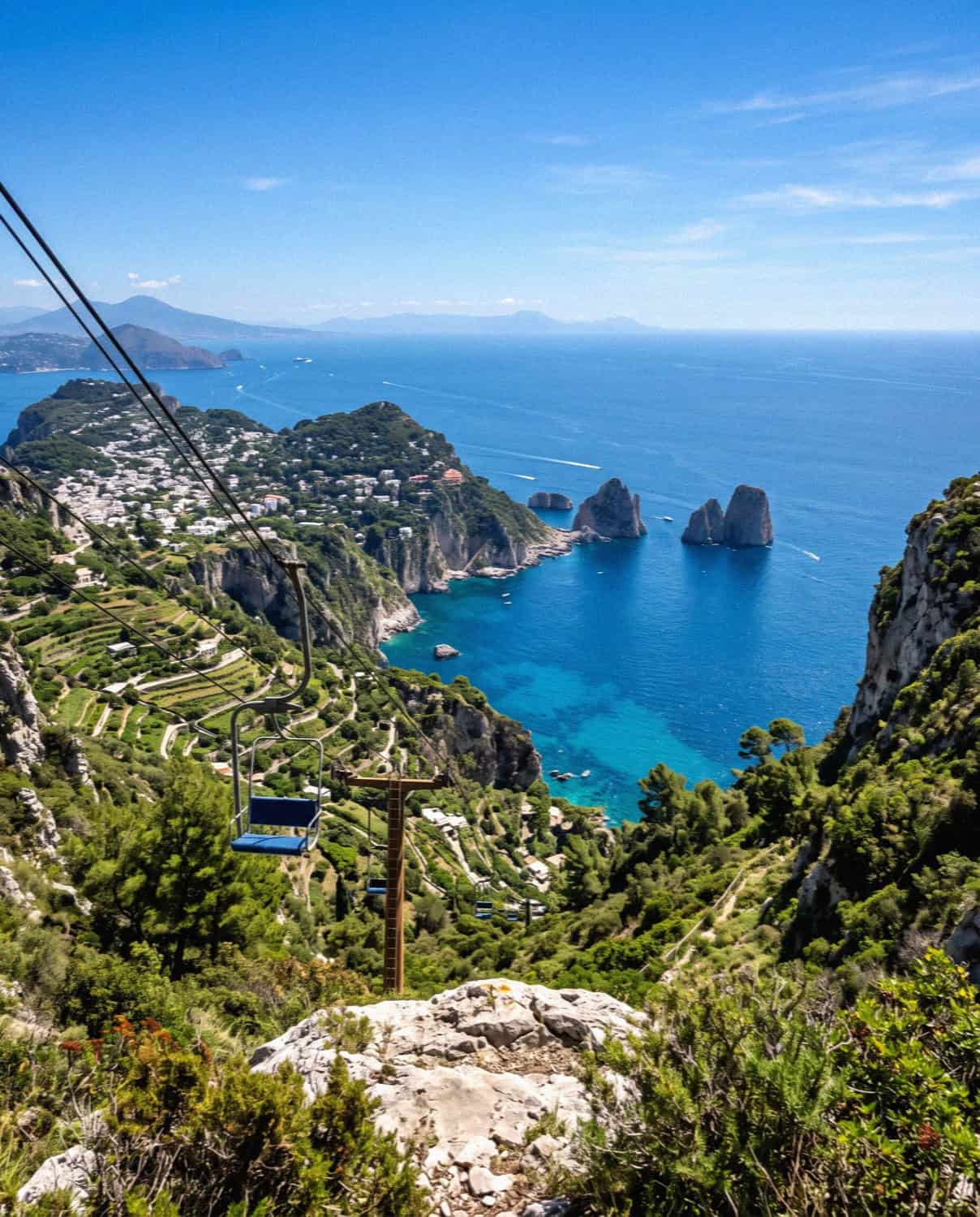
The most glamorous escape. Capri is the fabled island of jagged cliffs, the Faraglioni rocks, the Blue Grotto, and the pretty little Piazzetta where the world goes to be seen. Fast ferries from Molo Beverello in Naples reach it in around fifty minutes. It is busy and it is not cheap, but it is genuinely beautiful; take the chairlift up to Anacapri and Monte Solaro for the view, walk to the Gardens of Augustus, and go early to beat the day-trippers. A long, lovely day out.
Ischia and Procida
The bay’s other two islands are quieter and more real. Ischia is the big green spa island, famous for its thermal gardens, its castle and its beaches; a wonderful, more relaxed alternative to Capri. Tiny Procida is the painted fishing island, a tumble of pastel houses around a harbour, utterly photogenic and barely touched, and my sentimental favourite of the three. Both are reached by ferry from Naples, Procida in around forty minutes.
Sorrento and the Amalfi Coast
South around the bay, Sorrento perches on its cliffs above the sea, a graceful, lemon-scented town that is easy to reach on the Circumvesuviana (the end of the line) and is the gateway to the Amalfi Coast. From Sorrento, buses and boats carry on to Positano, Amalfi and Ravello along one of the most spectacular coast roads in the world. The Amalfi Coast is really a trip of its own, but a taste of it, Sorrento plus one coastal town, is possible in a long day from Naples.
My Advice
Do not try to cram two big sites into one day unless they pair naturally, like Herculaneum and Vesuvius. Give Pompeii its own day and don’t rush it. Go early for everything to beat the heat and the crowds, especially for the islands and the ruins. Buy island ferry tickets and Vesuvius crater tickets ahead in high season. And remember the gift of Naples as a base: however far you roam by day, you come back at night to a great city and a great dinner. If I had to choose just two day trips, they would be Pompeii for the history and Procida or Capri for the sea.
Frequently Asked Questions
What are the best day trips from Naples?
Pompeii and Herculaneum for the Roman ruins, Mount Vesuvius for the volcano and views, and the islands of Capri, Ischia and Procida for the sea. Sorrento and a taste of the Amalfi Coast are also possible in a long day. Pompeii is the essential one; pair Herculaneum with Vesuvius, and pick an island for a day by the water.
How do I get from Naples to Pompeii?
Take the Circumvesuviana local train from beneath Napoli Centrale toward Sorrento and get off at Pompei Scavi, about thirty-five to forty minutes for only a few euros. The same line serves Herculaneum (Ercolano Scavi) and continues to Sorrento. Allow at least three to four hours at Pompeii, and consider a guide, as the ruins reveal little unaided.
Can you do a day trip to Capri from Naples?
Yes, easily. Fast ferries and hydrofoils from Molo Beverello in Naples reach Capri in around fifty minutes. Go early to beat the crowds, take the chairlift to Monte Solaro in Anacapri for the view, and see the Faraglioni rocks and the Gardens of Augustus. It is busy and pricey but beautiful, and makes a lovely long day out.
Is it worth visiting Herculaneum as well as Pompeii?
Yes, if you have time. Herculaneum is smaller, quieter and even better preserved in places than Pompeii, with surviving upper floors and wooden fittings, and it can be seen in a couple of hours. Many visitors pair it with a climb up Vesuvius in the same day, as both are reached from Ercolano on the Circumvesuviana line.
How do I get to the Amalfi Coast from Naples?
Take the Circumvesuviana to Sorrento at the end of the line, then continue by SITA bus or seasonal ferry to Positano, Amalfi and beyond. In summer, direct ferries also run from Naples to some Amalfi Coast towns. It is a long day for a taste of the coast; to do it justice, consider staying a night or two on the coast itself.
Read also: The Perfect Naples Itinerary | The Best Things to Do in Naples | The Complete Guide to Naples
V.