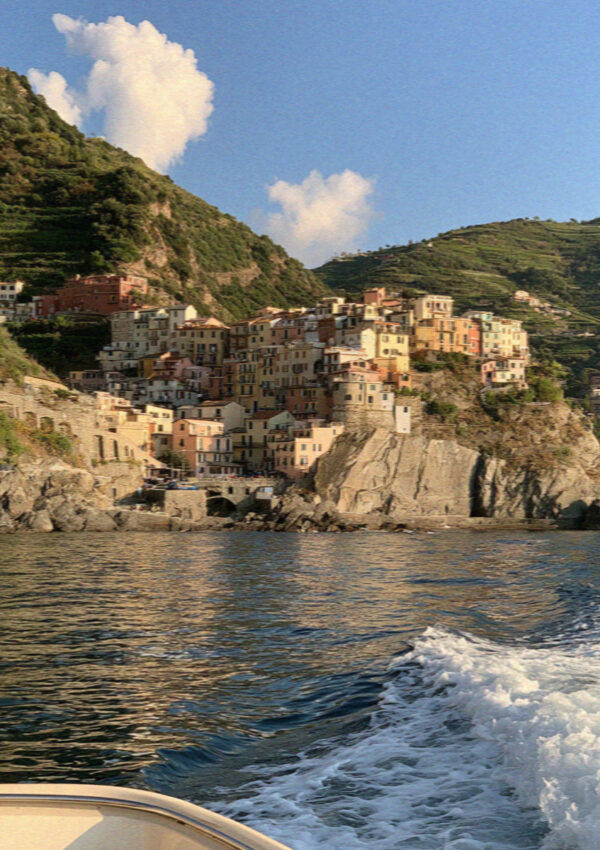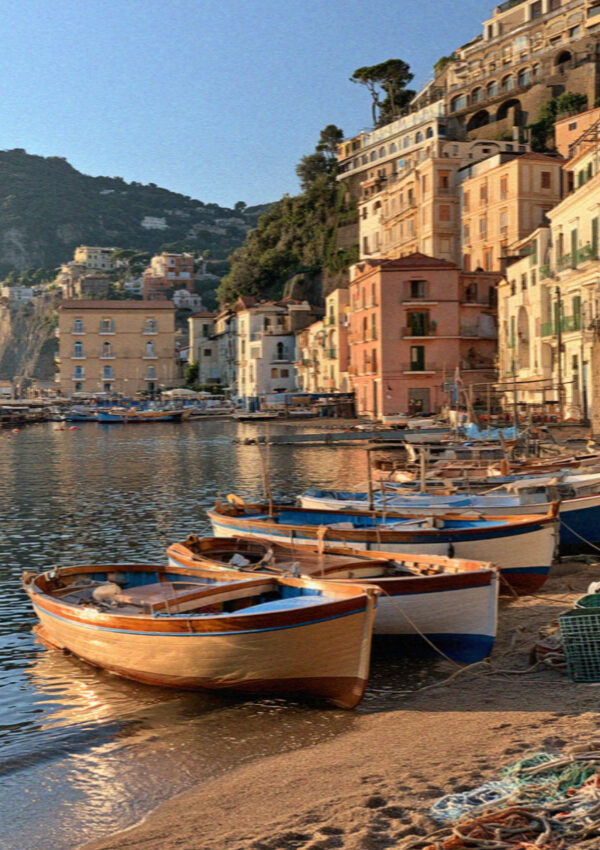
Naples does not ease you in. You step off the train or out of the airport and the city is simply there, loud and fast and entirely itself, scooters everywhere, laundry overhead, the smell of coffee and fried dough in the air. It can be overwhelming for about an hour, and then something shifts and you fall completely in love with it. But arriving smoothly makes that first hour far kinder, so here is exactly how to get to Naples and how to move around once you are in it.
Getting to Naples
By air. Naples has its own airport, Capodichino (NAP), and it is remarkably close to the city, only a few kilometres out. The easiest way in is the Alibus shuttle, which costs about five euros, runs every twenty to thirty minutes through the day, and stops at Piazza Garibaldi (the central station) and then down at the port, Molo Beverello, for the island ferries. A taxi from the airport to the centre runs on a fixed fare, usually somewhere around twenty euros, which is fair if you are three or four with luggage. There is not yet a direct metro from the airport, so ignore anyone who tells you otherwise; the line is still being built.
By train. This is how I would come if you can. Naples is on Italy’s high-speed network, and the fast trains, both Trenitalia’s Frecciarossa and the private Italo, whisk you down from Rome in a little over an hour, from Florence in under three, from Milan in about four and a half. They all arrive at Napoli Centrale on Piazza Garibaldi, right in the city and connected to everything. Book ahead for the best fares, and you can step off the train and be eating a pizza within twenty minutes.
By sea. If you are island-hopping, Naples is the great hub of the bay, with ferries and faster hydrofoils to Capri, Ischia, Procida and Sorrento leaving from Molo Beverello and the neighbouring Calata Porta di Massa, right below the centre.
Plan Your Visit to Naples
A few things I booked and loved. These help support the blog, at no cost to you.
- Where I stayed: search Naples hotels
- Pompeii, museums and Naples tickets
- Stay connected: get a travel eSIM
This section contains affiliate links. If you book through them I may earn a small commission, at no extra cost to you.
Getting Around Naples

The single most important thing to know: do not drive in Naples. The traffic is legendary, the scooters weave like swallows, parking is a nightmare, and the historic centre is a warren of lanes half of them barely wide enough for a Vespa. Leave the car well outside, or better, never rent one until you are heading out to the countryside. Naples is a city to walk and to ride.
On foot. The historic centre is compact and best explored on your own two feet. The great spine of the old city, Spaccanapoli, runs dead straight through the middle, and from it everything unspools in a maze of lanes you will happily get lost in. Wear comfortable shoes, watch the uneven stones, and simply wander.
The metro and funiculars. Naples has a proper metro, and Line 1 is worth a ride for its own sake, because several stations are extraordinary works of public art, Toledo station most famously, all shimmering blue mosaic like descending into the sea. Line 1 and Line 2 between them link the station, the centre, the waterfront and the Vomero hill. To get up to Vomero for the views, take one of the funiculars that climb the hillside, which are a little adventure in themselves. A single city transport ticket covers the metro, the funiculars, the buses and the trams.
The Circumvesuviana. This is the humble local railway that runs from beneath Napoli Centrale out around the bay, and it is your key to the great day trips, to Pompeii and Herculaneum and on to Sorrento. It is basic, often crowded, and not scenic in itself, but it is cheap, a few euros, and it is how everyone reaches the ruins. Keep your bag on your lap and your wits about you, and it will serve you perfectly.
Taxis. City taxis are metered, but for common routes there are fixed fares (tariffa predeterminata) you can ask for, from the airport, from the port, and so on, which saves any argument. Agree the fare before you set off if it is a fixed-rate journey.
A Word on Arriving Well

The area right around Napoli Centrale and Piazza Garibaldi is the busiest, grittiest part of the city, and it is where first impressions can wobble. Do not judge Naples by it. Keep your bag zipped and close in the station and on the Circumvesuviana, as you would in any big-city transport hub, and press on into the historic centre or out to the seafront, where the city shows you its real face. Within an hour of arriving, the noise stops being alarming and starts being the sound of one of the most alive places in Europe.
My Advice
Come by the fast train if you possibly can, straight into the heart of the city, and leave the car behind entirely. Walk the centre, ride Line 1 at least once for Toledo station, take a funicular up to Vomero for the view, and use the Circumvesuviana for Pompeii. Naples rewards the traveller who moves through it the way its people do, on foot and by rail, close to the noise and the life of it.
Frequently Asked Questions
What is the best way to get to Naples?
By high-speed train if you can. Frecciarossa and Italo trains reach Napoli Centrale from Rome in just over an hour and from Florence in under three, dropping you right in the city. Naples also has its own airport, Capodichino, a few kilometres out, connected to the centre by the Alibus shuttle (around five euros) or a fixed-fare taxi.
How do I get from Naples airport to the city centre?
Take the Alibus shuttle, which costs about five euros and runs every twenty to thirty minutes to Piazza Garibaldi (the central station) and on to the port. Alternatively, a taxi runs on a fixed fare of roughly twenty euros to the centre. There is no direct metro from the airport yet, as the line is still under construction.
Do I need a car in Naples?
No, and I would strongly advise against driving in the city. Traffic and parking are famously difficult and the historic centre is a maze of narrow lanes. Walk the centre, use the metro, funiculars and buses on a single city ticket, and take the Circumvesuviana train for day trips. Only rent a car if you are heading out to the countryside afterward.
How do I get from Naples to Pompeii?
Take the Circumvesuviana local train from beneath Napoli Centrale toward Sorrento and get off at Pompei Scavi; the journey takes about thirty-five to forty minutes and costs only a few euros. The same line continues to Herculaneum (Ercolano) and Sorrento. The train is basic and can be crowded, so keep your belongings close.
Is it easy to get around Naples on public transport?
Yes. A single city ticket covers the metro, the funiculars up to Vomero, the buses and the trams, and the compact historic centre is best walked. Metro Line 1 is worth riding just for its art stations, especially Toledo. For the islands, ferries leave from Molo Beverello, and the Circumvesuviana serves the day-trip destinations.
Read also: The Best Things to Do in Naples | The Perfect Naples Itinerary | The Complete Guide to Naples
V.