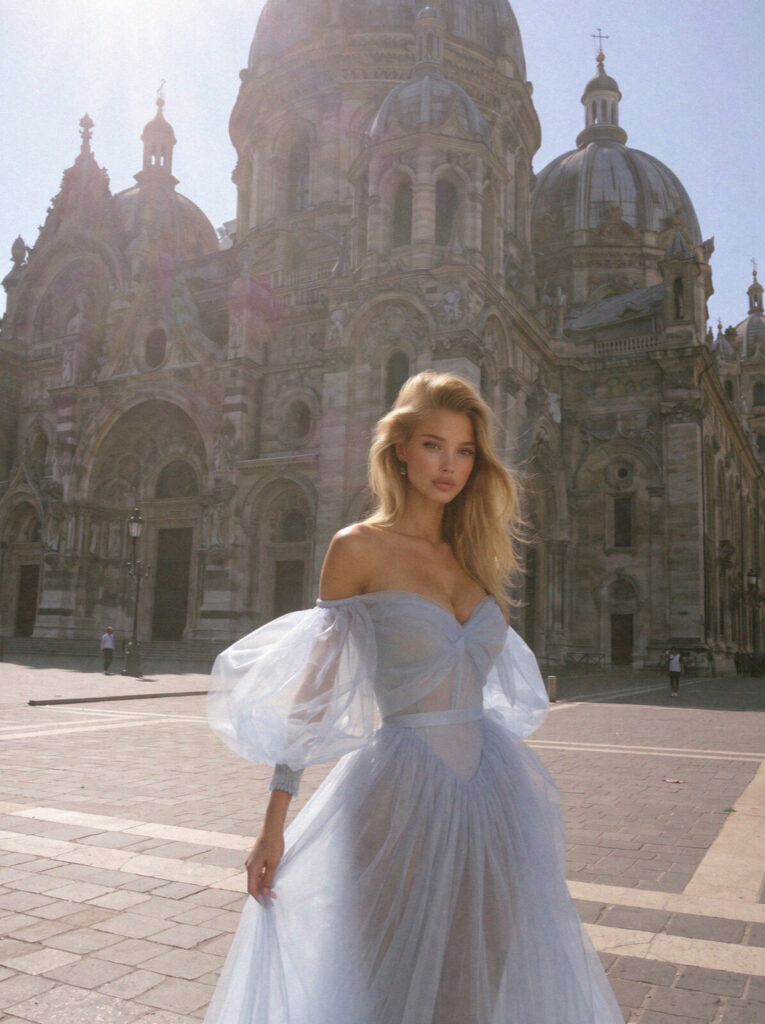
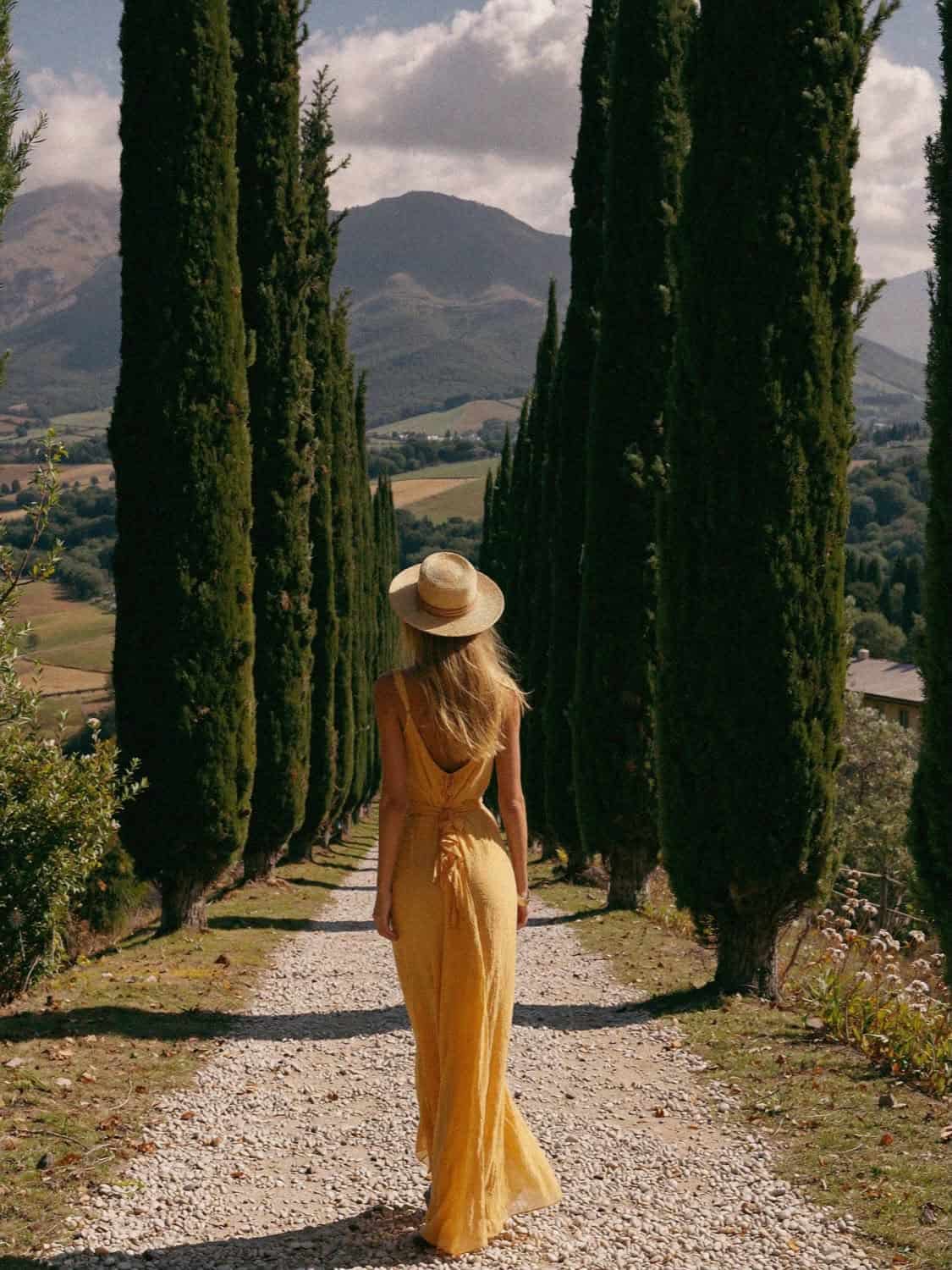
I left the city in the morning, and for the first hour the road still seemed to have somewhere important to be. Then, without my quite noticing when, it forgot its hurry. The lanes narrowed and began to climb, the traffic thinned to a single slow tractor I was in no rush to pass, and the cypresses gathered along the verges like dark green candles someone had lit to guide me onwards. By the time the first vineyard opened across the hillside in a wash of gold, I had already forgotten whatever it was I had been thinking about when I left.
That is what Tuscany does to you, I think. It does not so much welcome you as quietly persuade you to move at its pace, and only then does it let you in.
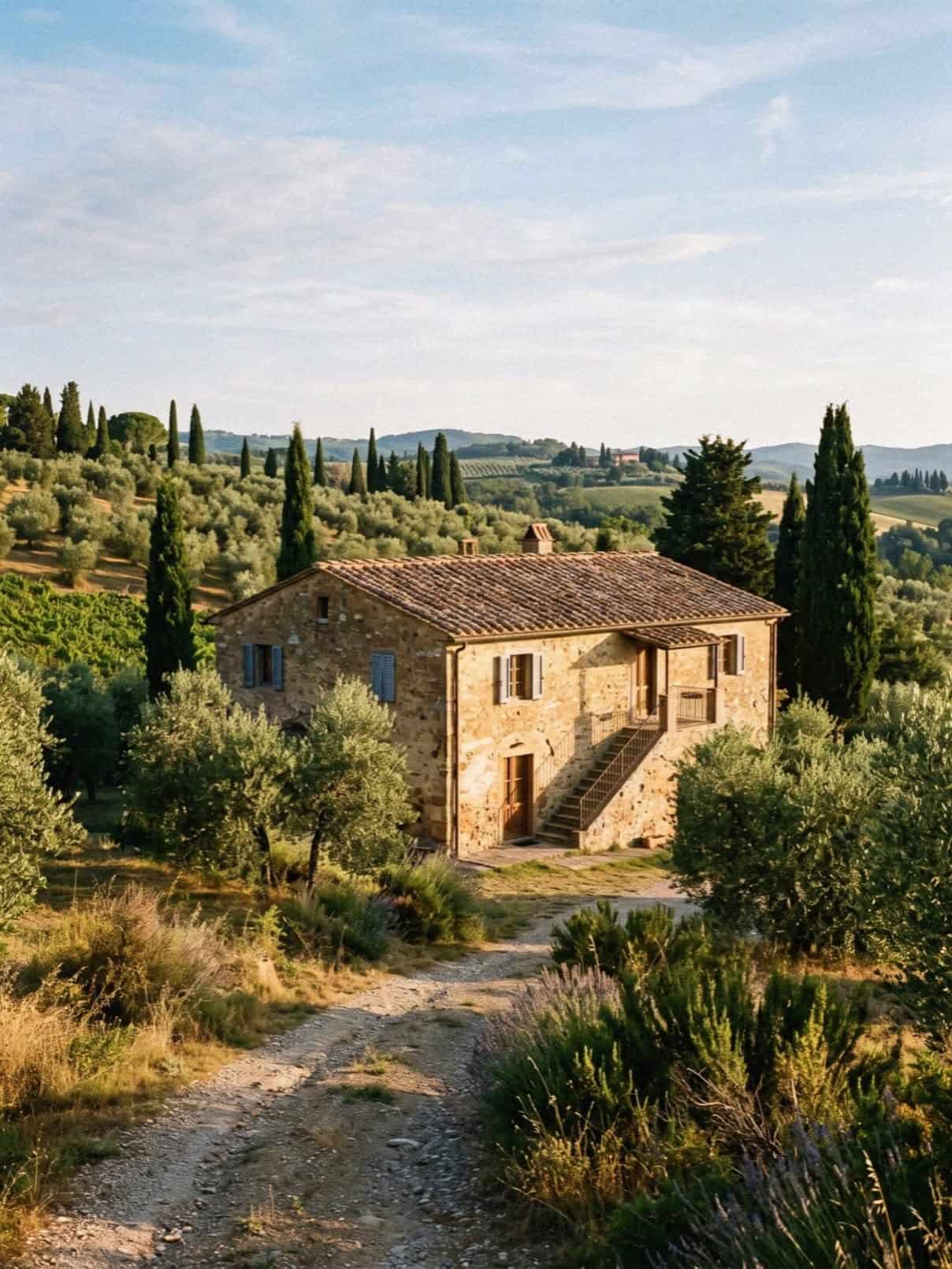
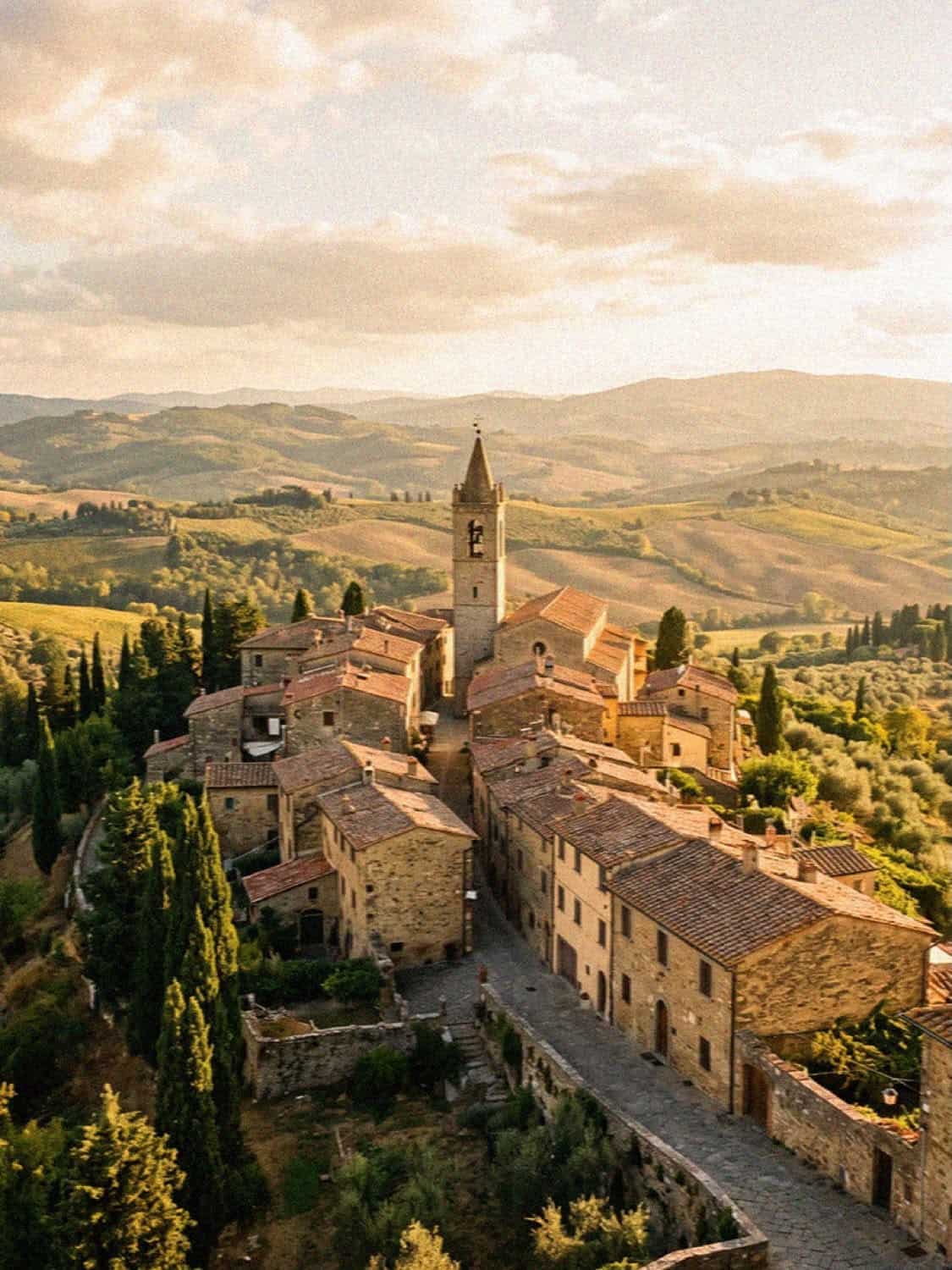
The house stood at the end of a white gravel track, a low stone farmhouse the colour of honey with pale blue shutters and an outside staircase worn smooth by generations of feet. Olive trees leaned gently around it, silver and entirely untroubled, and beyond them the hills folded away in every direction, vineyards, cypresses and, far in the distance, the little cluster of a hilltop village catching the afternoon light. Somewhere a dog barked twice and then decided that was enough. Otherwise there was only the sound of the heat, that dry electric hum a Tuscan afternoon seems to make, which is really the sound of nothing happening beautifully.
I did very little for quite a while, and I should probably admit that this was the whole point. I unpacked slowly. I stood at the top of the stone steps with a glass of water and watched the shadows of the olive branches drift across the wall. In cities I am always slightly braced for whatever comes next. Here there was no next thing, only this one, stretching gently through the afternoon, and it took me the better part of an hour to stop expecting it to end.
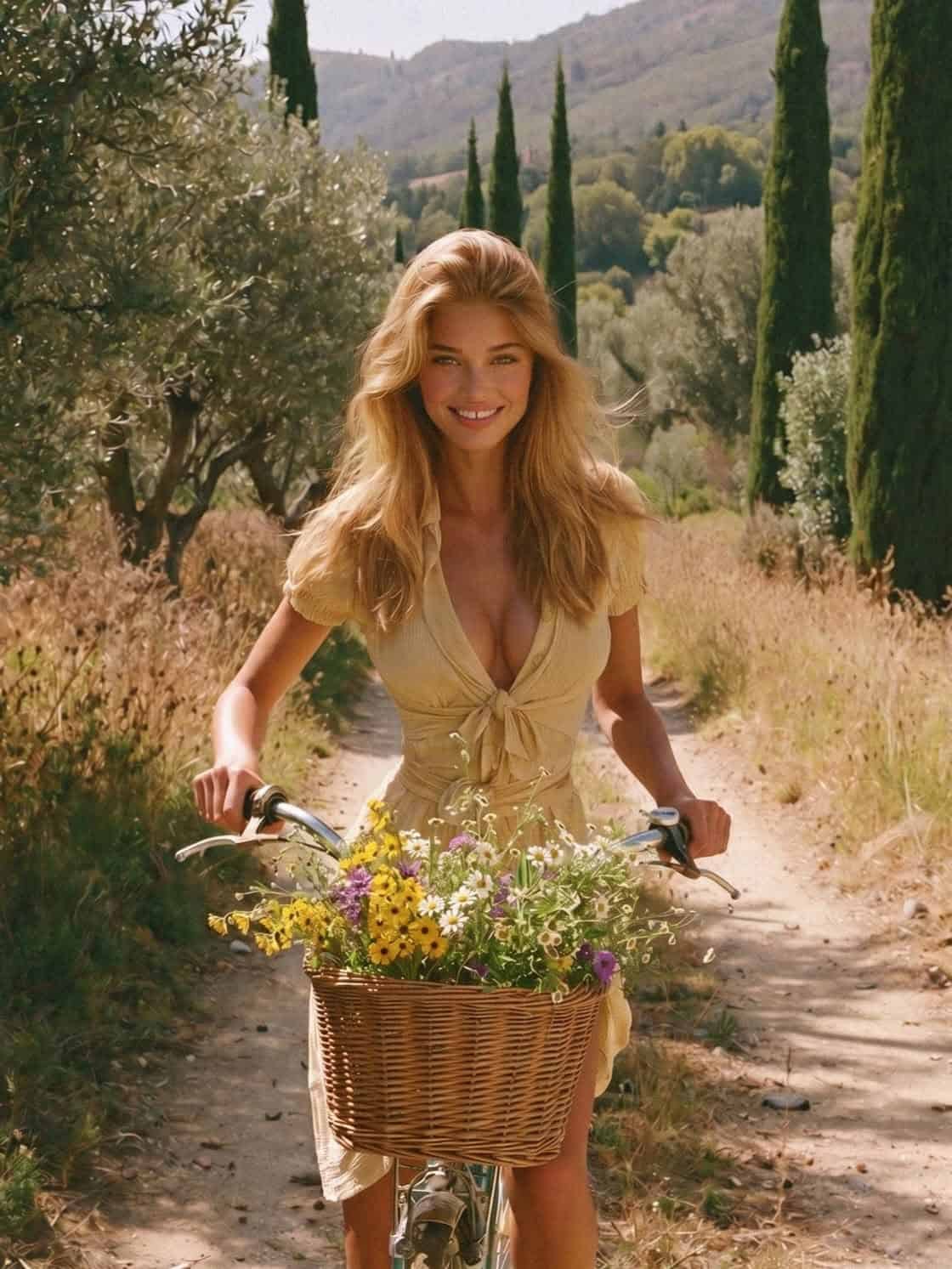
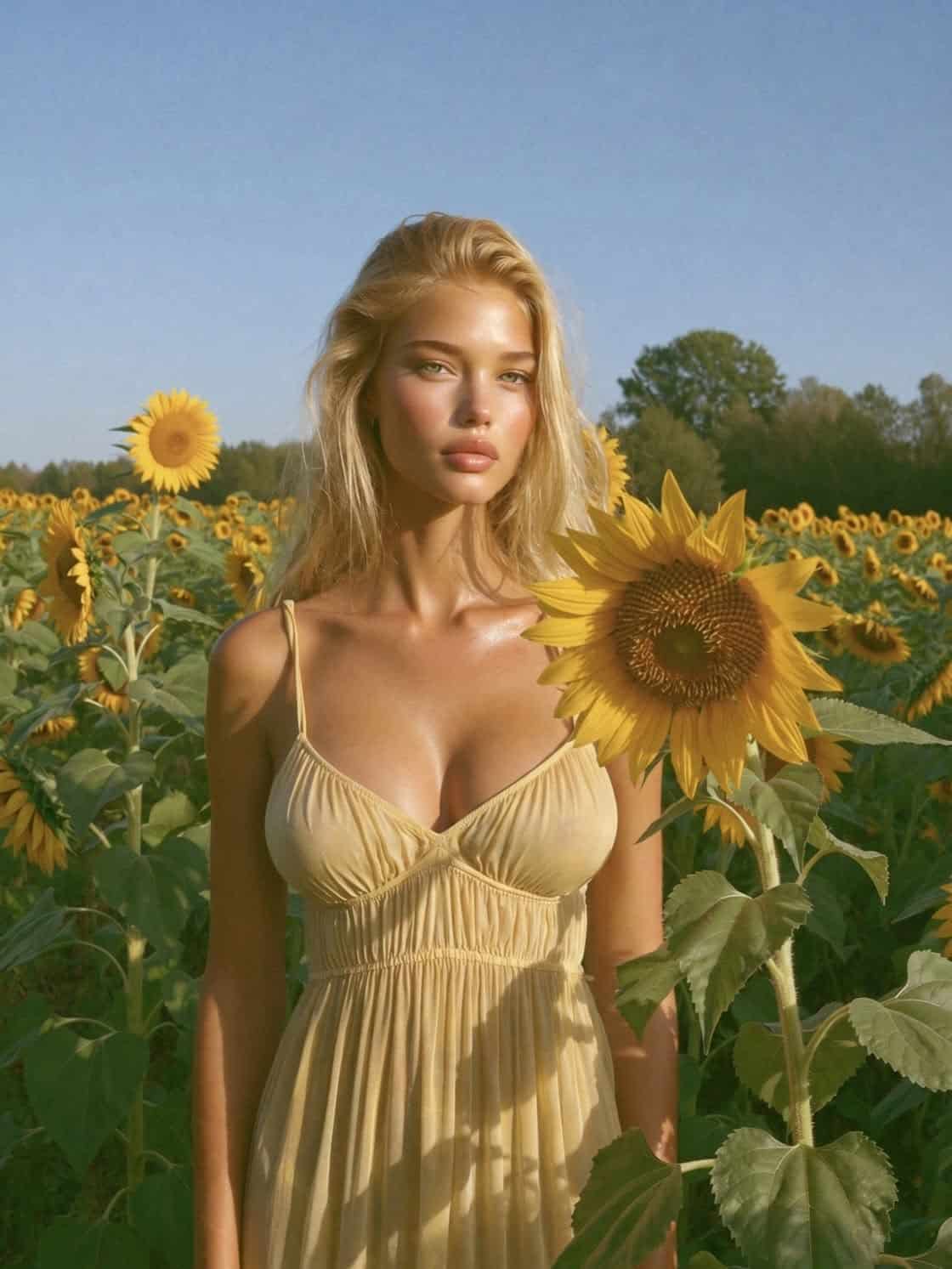
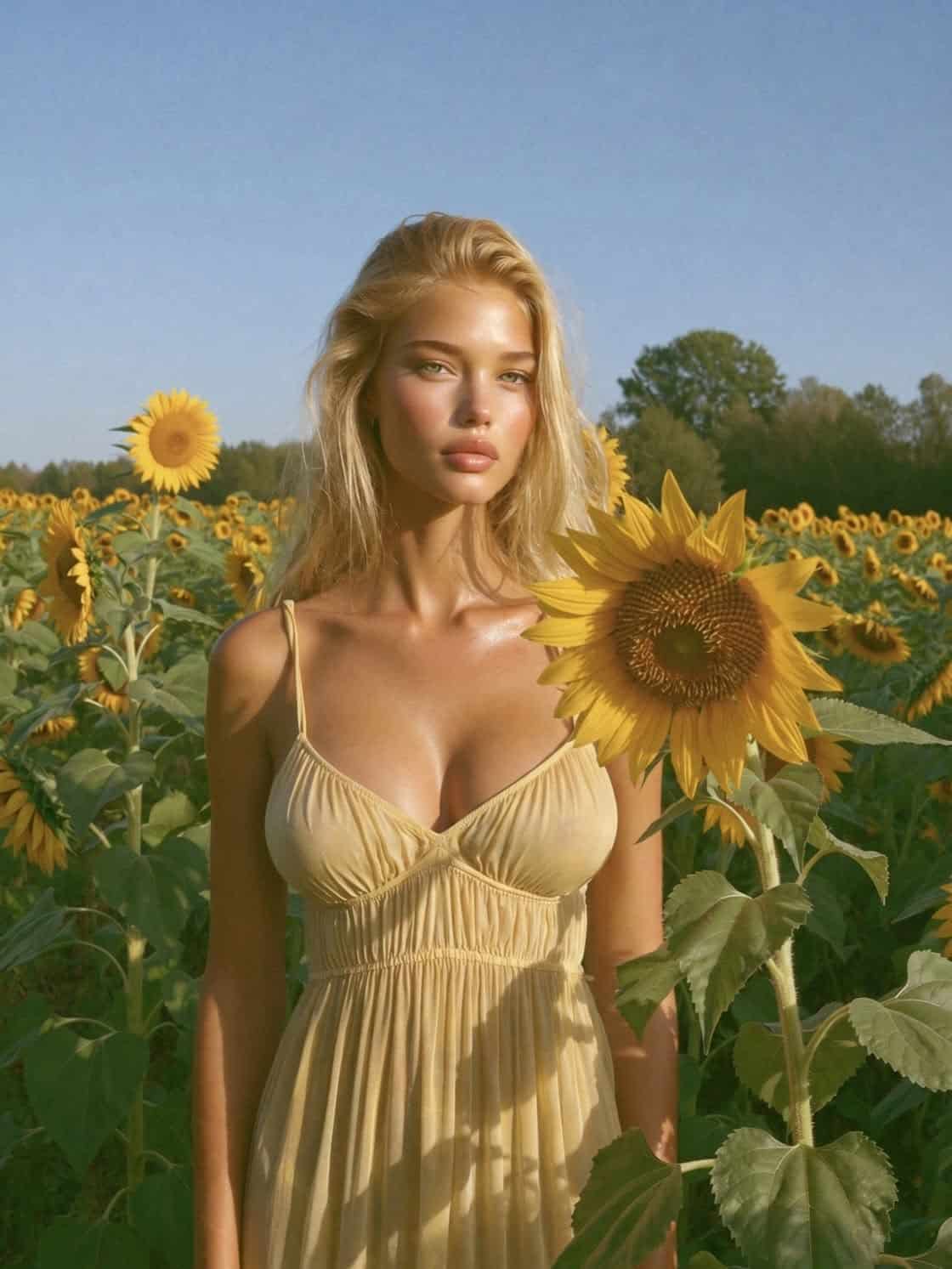
Later I wandered, because a place like this asks to be wandered rather than simply seen. I found a bicycle resting against the wall and borrowed it, filling its basket with wildflowers growing freely along the roadside, and rode the dirt track between the vines until my legs remembered how lovely it feels to be a little out of breath for no reason at all. At the bottom was a field of sunflowers, every one of them turned in the same direction like a silent audience watching something I could not quite see. I stood among them for an age, feeling faintly ridiculous and entirely happy.
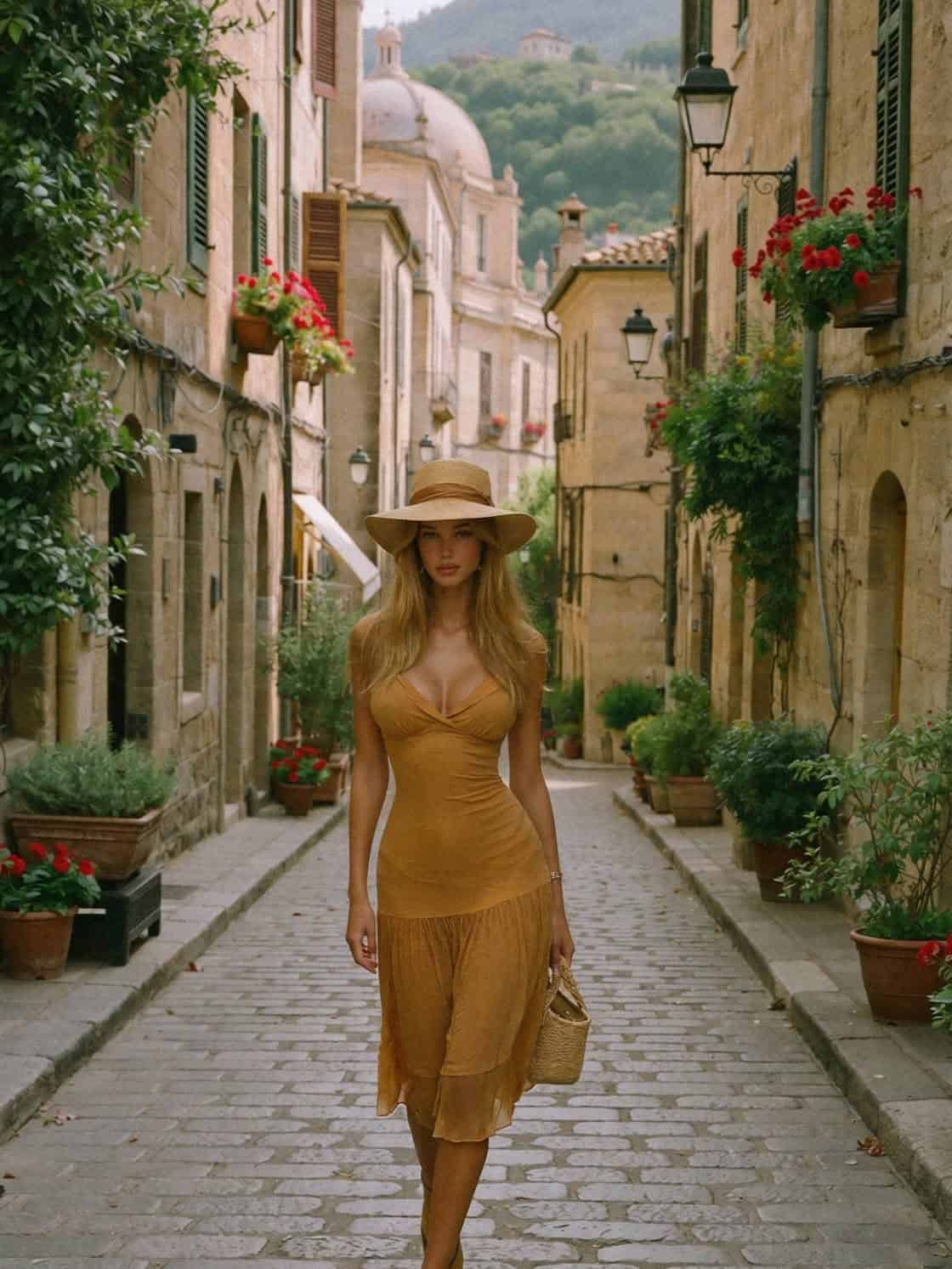
The nearest village was barely a village at all, a handful of ochre houses leaning towards one another across a lane so narrow the geraniums from opposite windowsills almost touched. There was a church, a fountain, and a cat asleep in the only patch of shade as though it had been placed there deliberately. I did nothing and said nothing to anyone, and somehow it was perfect. Some places you visit to do things. Others you visit simply to remind yourself that people really do live like this, slowly and in the sun, and to leave feeling just a little envious.
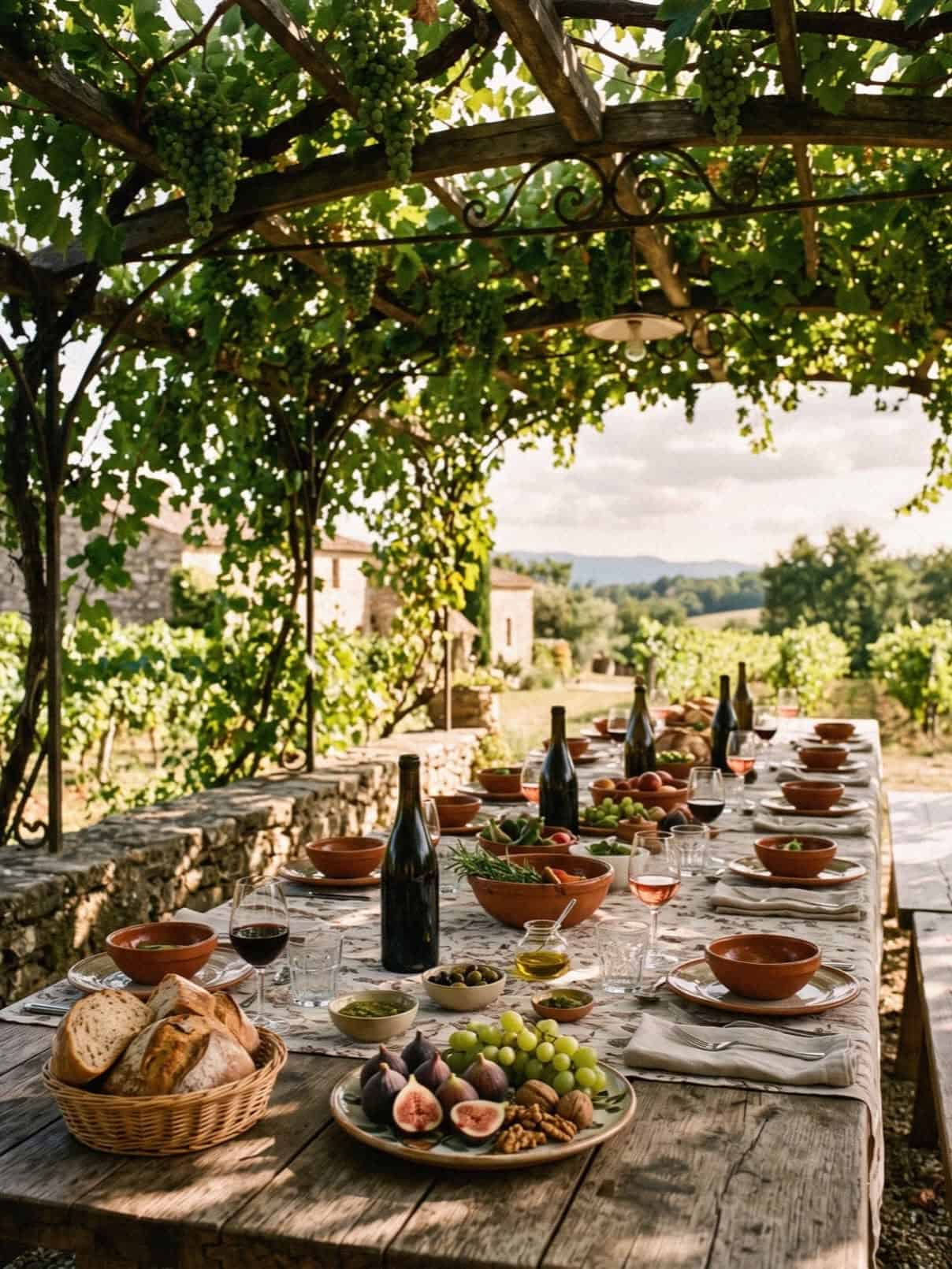
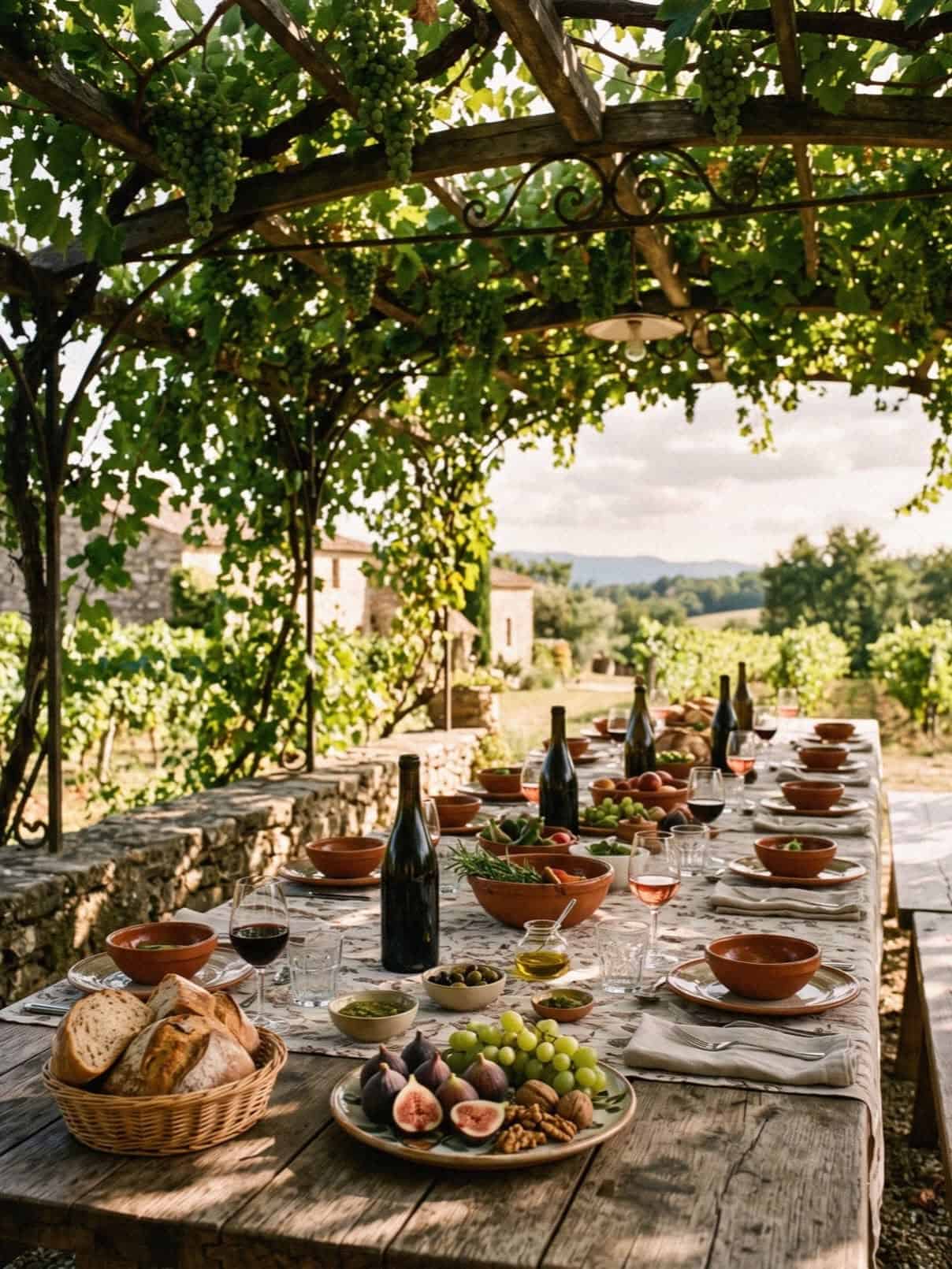
We ate outside, of course, beneath a pergola so heavy with vines that the sunlight filtered through in little golden coins. It was the sort of long table that makes you understand the Italian afternoon completely: bread torn by hand, figs split open and dark as jam, cured meats, tomatoes that tasted the way tomatoes always promise to, and a wine poured from the very hills I had driven through, offered without ceremony and never quite allowed to run empty. No one hurried. No one looked at the time. Lunch quietly became afternoon, and I could not tell you exactly when it happened.
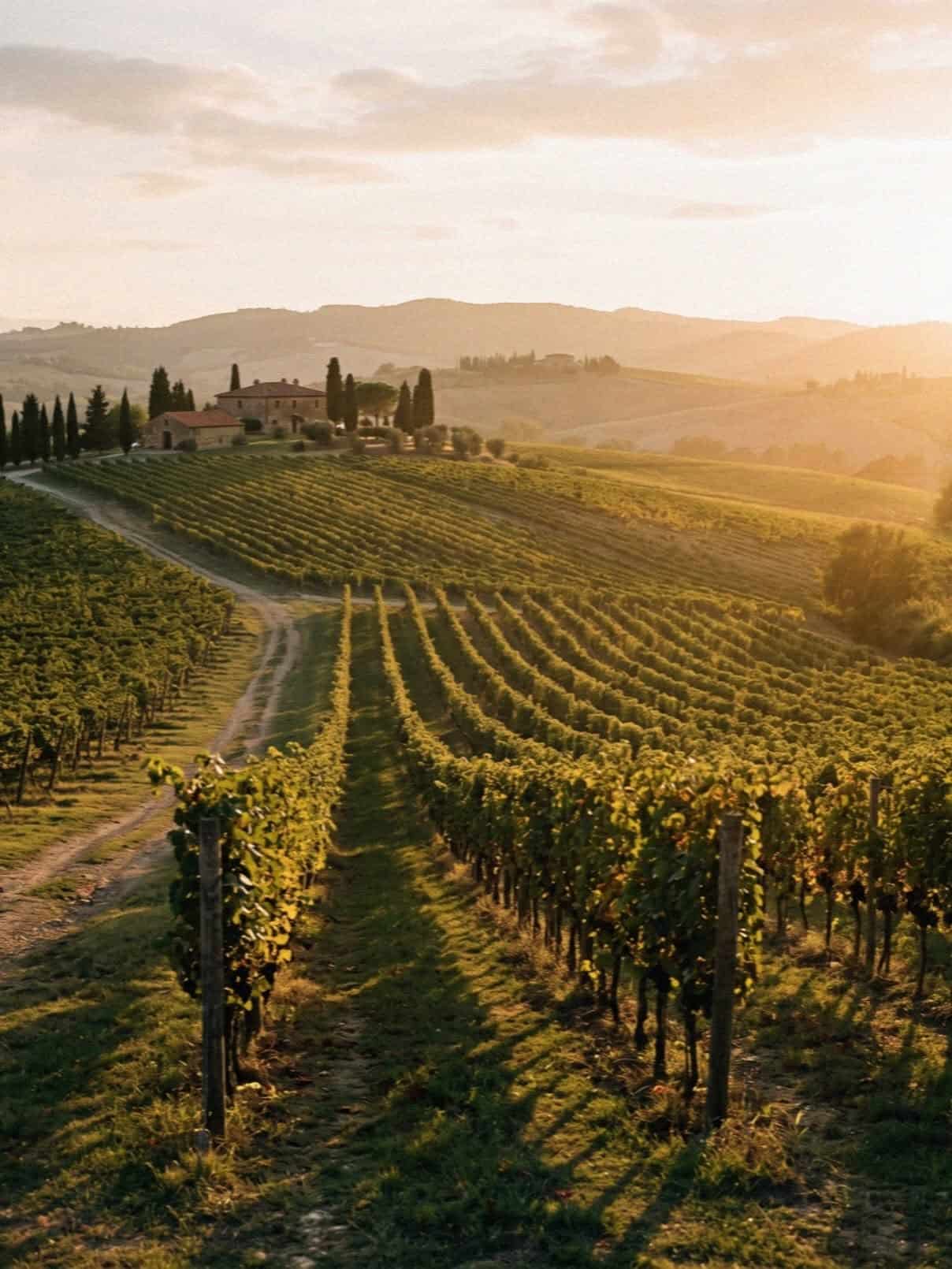
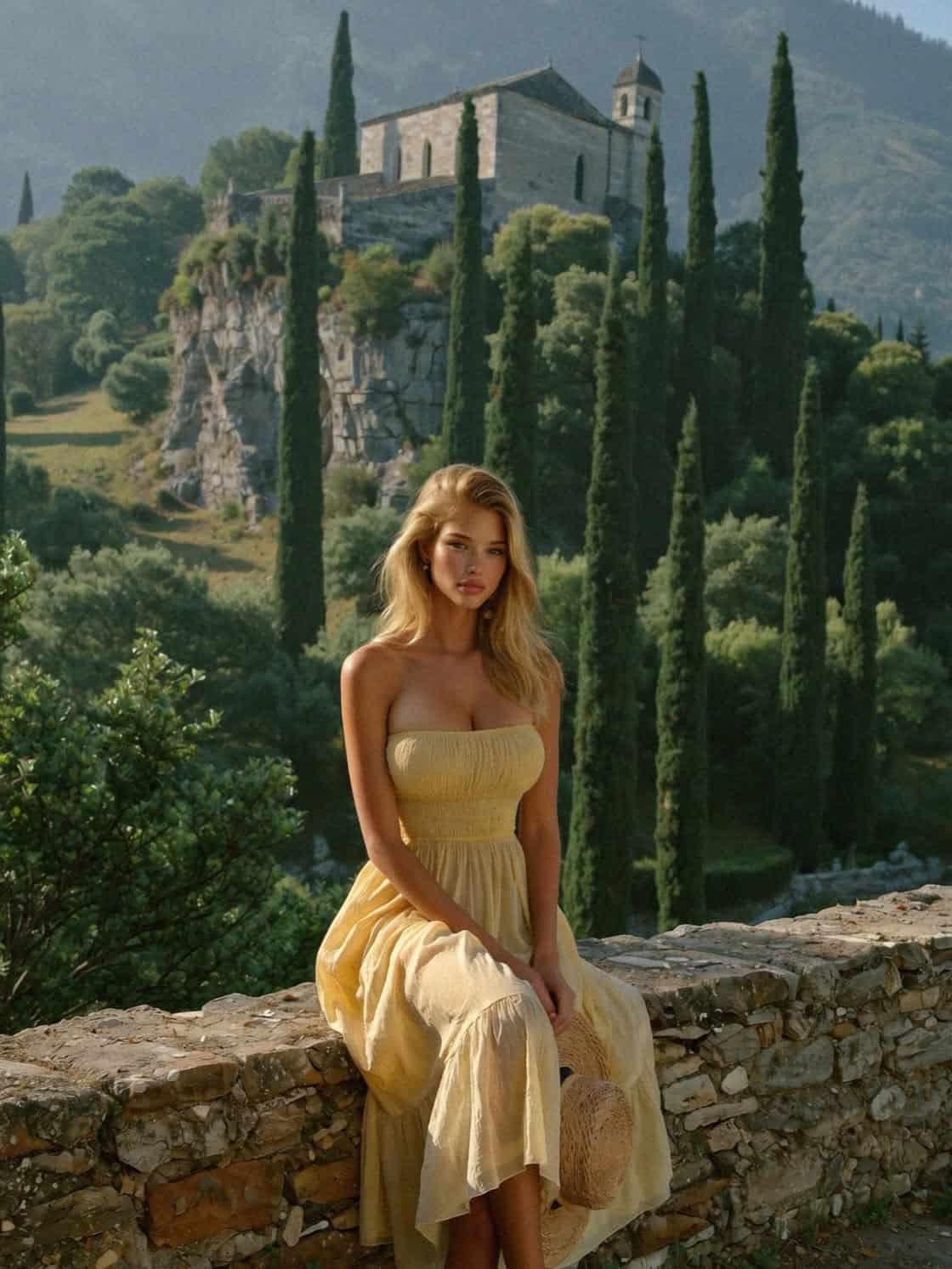
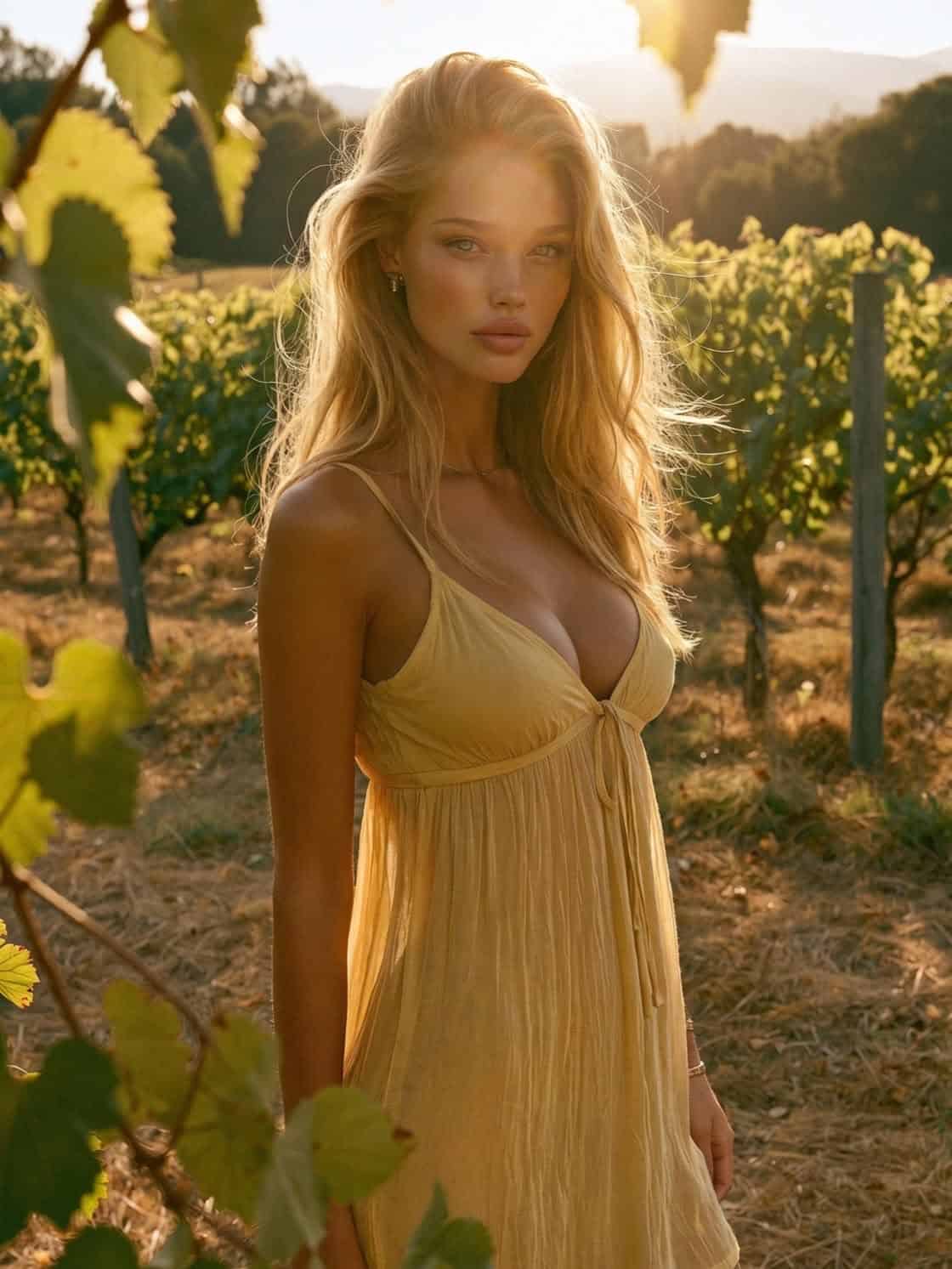
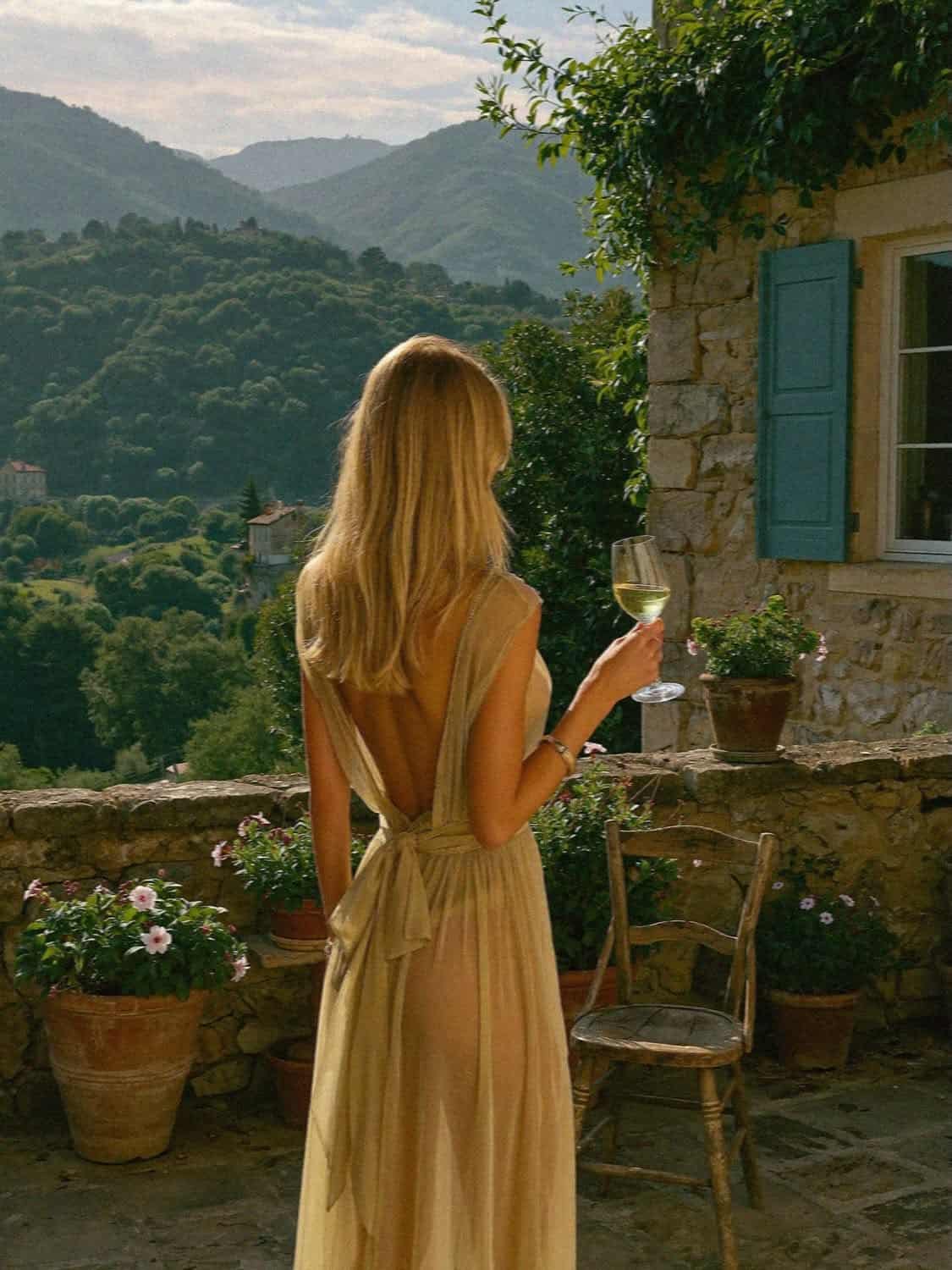
By the time the sun began to sink I was back among the vines with a glass in my hand, and the whole valley had become the colour of the wine. That is the hour nobody really prepares you for. Everything here is beautiful, but for perhaps forty minutes each evening it becomes almost unbearably so. The light thickens into gold and settles across the hills with such tenderness that you feel you ought to thank someone. I leaned against the warm stone of the terrace wall and watched a farmer making his way home along the ridge below, unhurried, a small dark figure against all that light, and I found myself wondering if he knew how beautiful his own evening looked from where I stood. I suspect most of us never do.
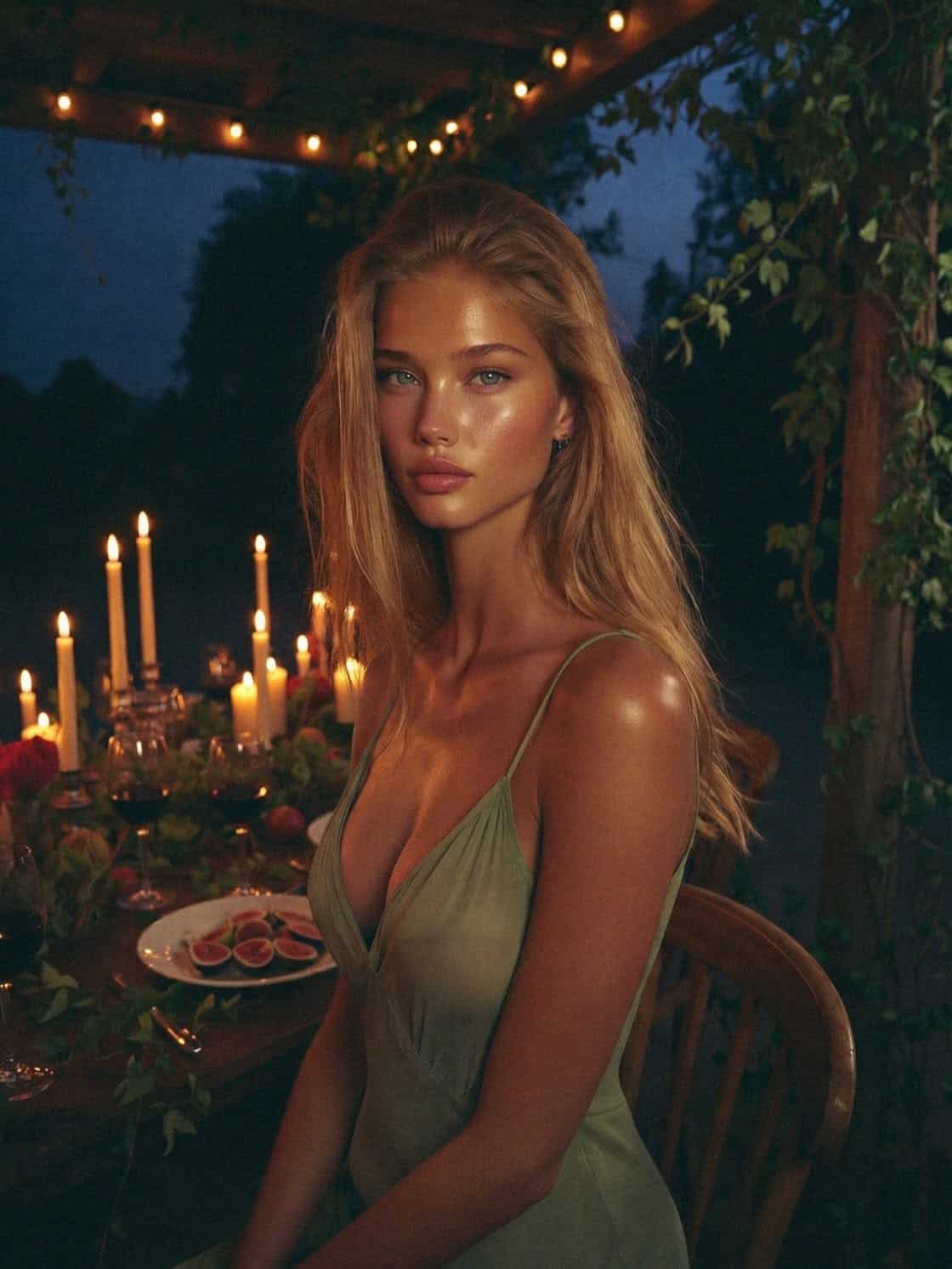
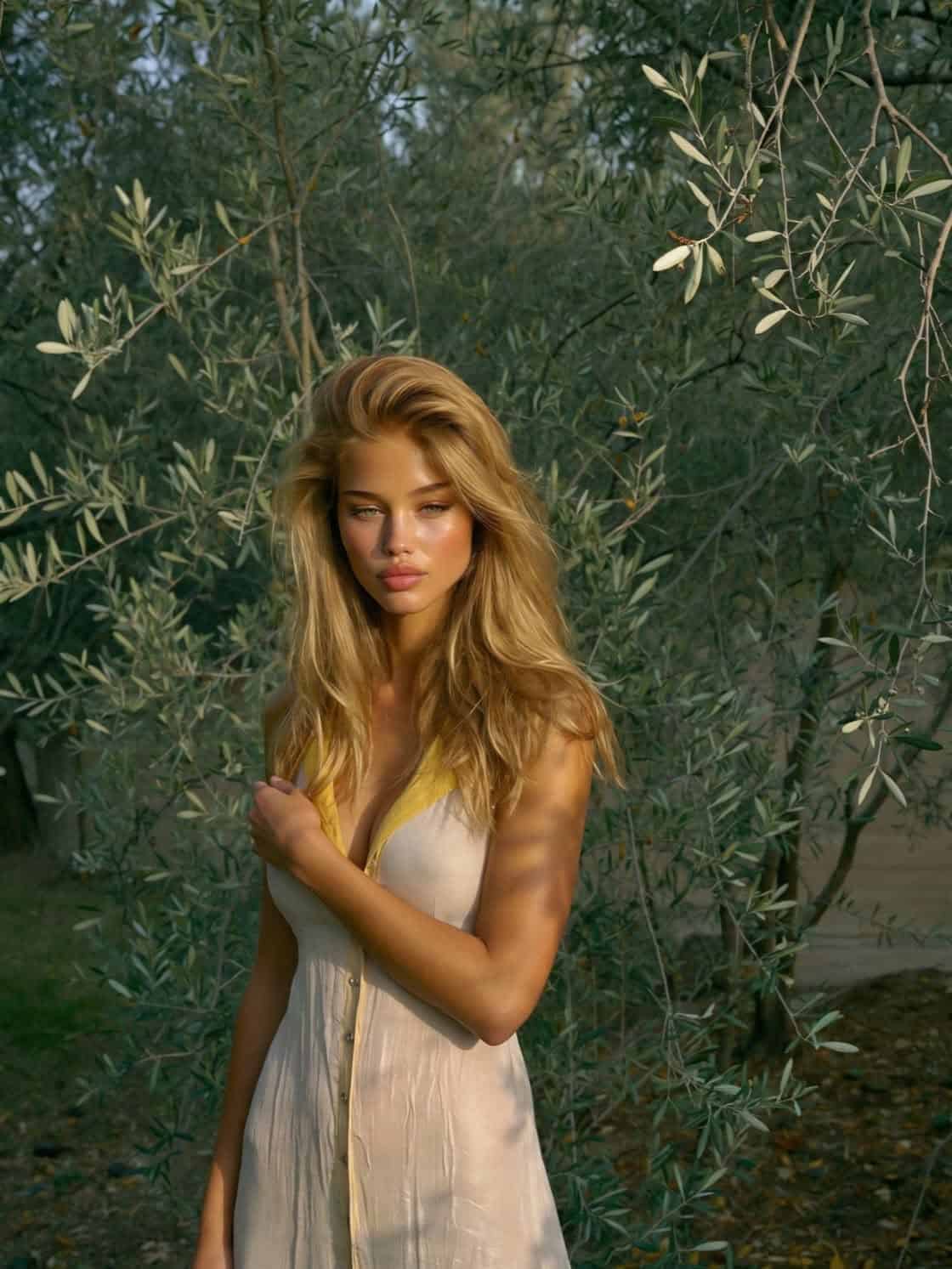
Dinner arrived slowly, after dark. Someone strung warm lights between the trees, the sort that make everyone look a little kinder, and we lingered there for hours with candles burning low, the figs returning once more, and the hills hidden now but somehow still present, the way you can feel the sea without ever seeing it. It occurred to me, at some point, that I had spent the entire day dressed in yellow, and everything around me had quietly chosen the same colour: the sunflowers, the honey stone, the wine, the evening light. As though the day had decided on a single palette and dressed the whole world to match.
I did not take many photographs. I meant to, and then I kept choosing not to, because placing a lens between myself and an evening like that felt like a very small betrayal.
Tomorrow I want to climb into the hill towns, the ones that spent all afternoon waiting on their ridges.
But tomorrow can wait.

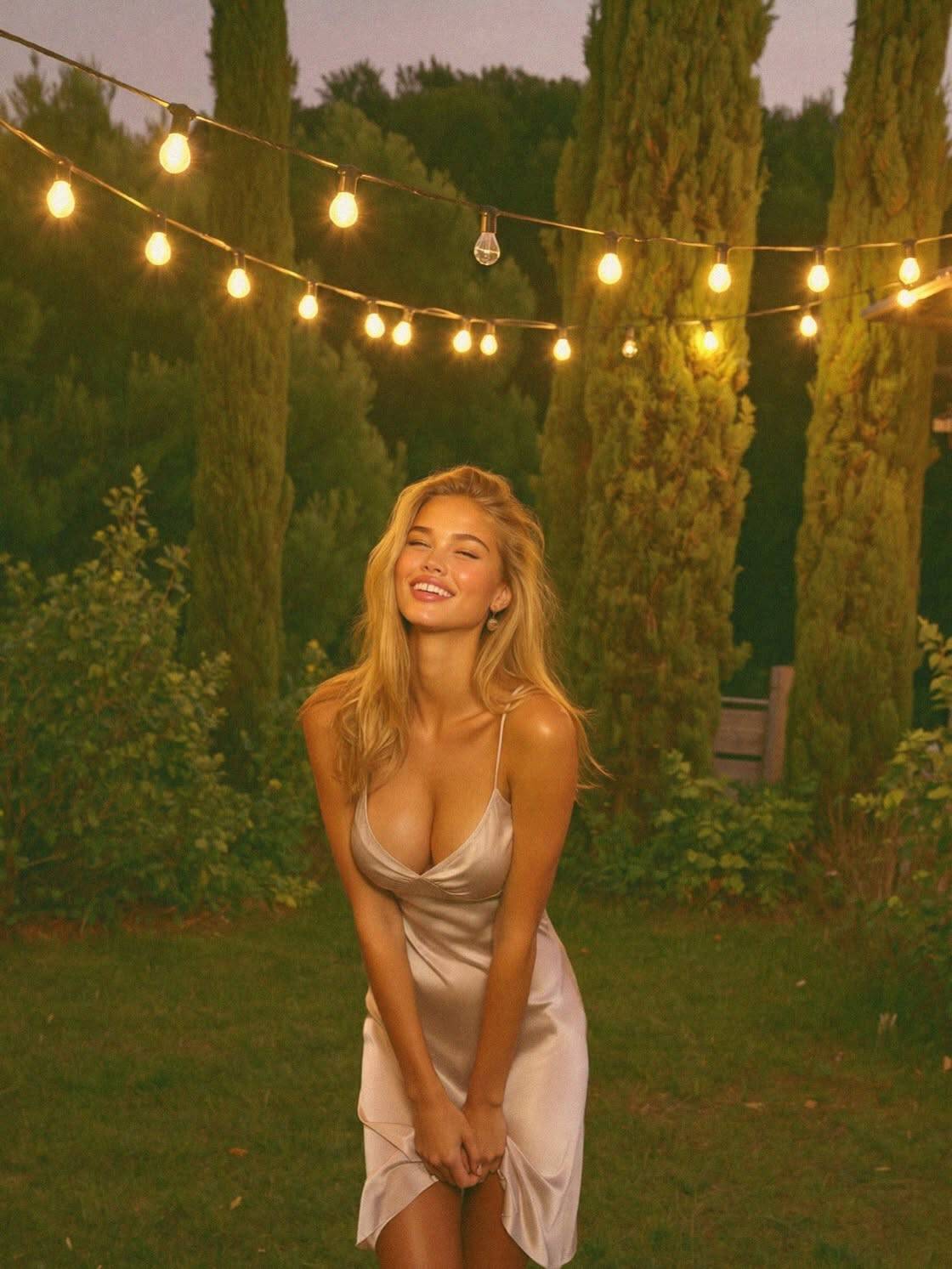
Tonight the lights are still glowing in the trees.
The wine is not yet finished.
And I have nowhere else I need to be.
V.
Planning a Tuscan trip of your own? See Victoria’s Complete Guide to Tuscany.
Read also: Fields of Gold and The Long Way Round.