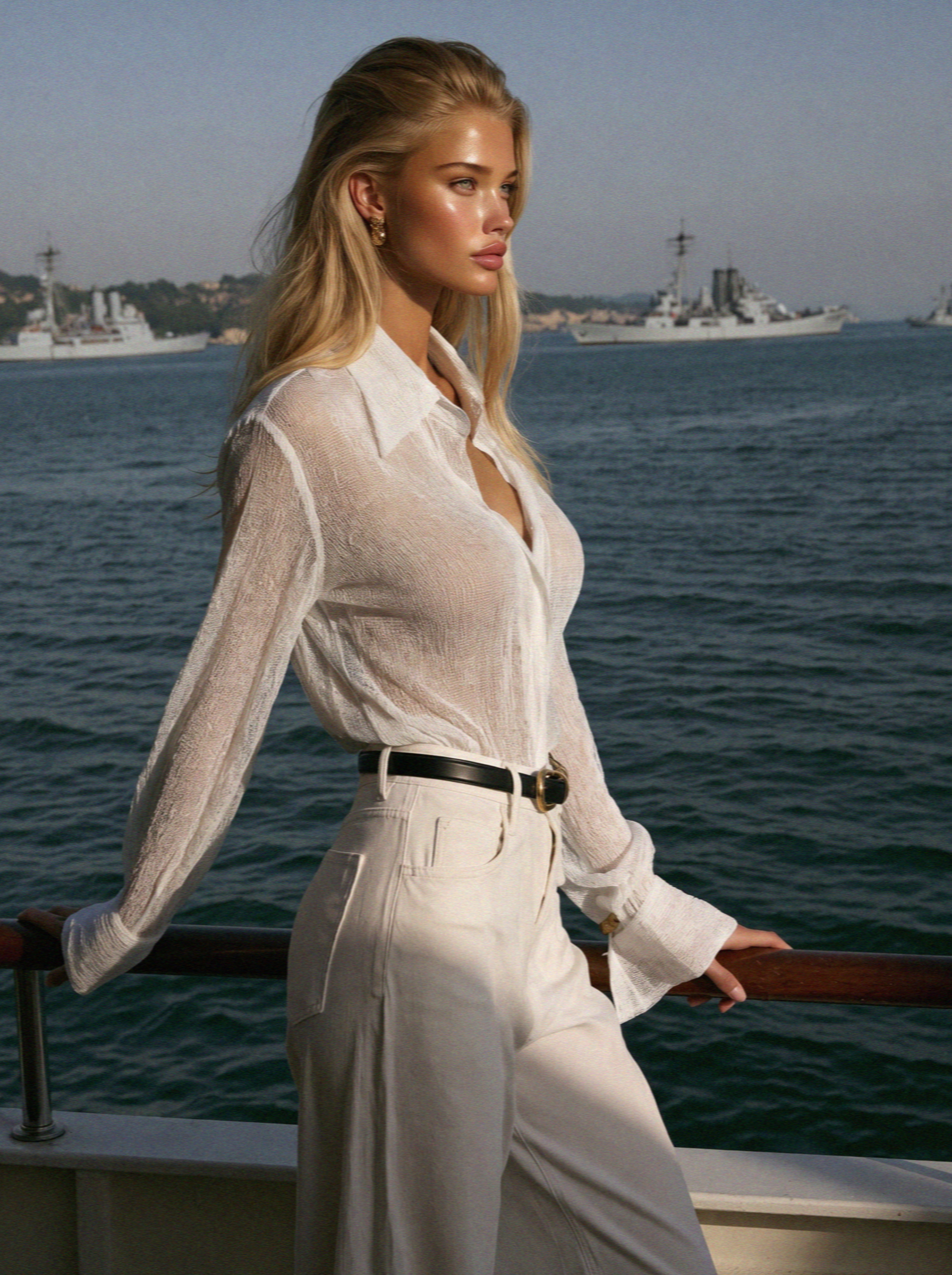
The boat from Adamas takes about four and a half hours, which, after a month of Cycladic hops, felt less like a crossing and more like a commitment.
I slept through a good part of it.
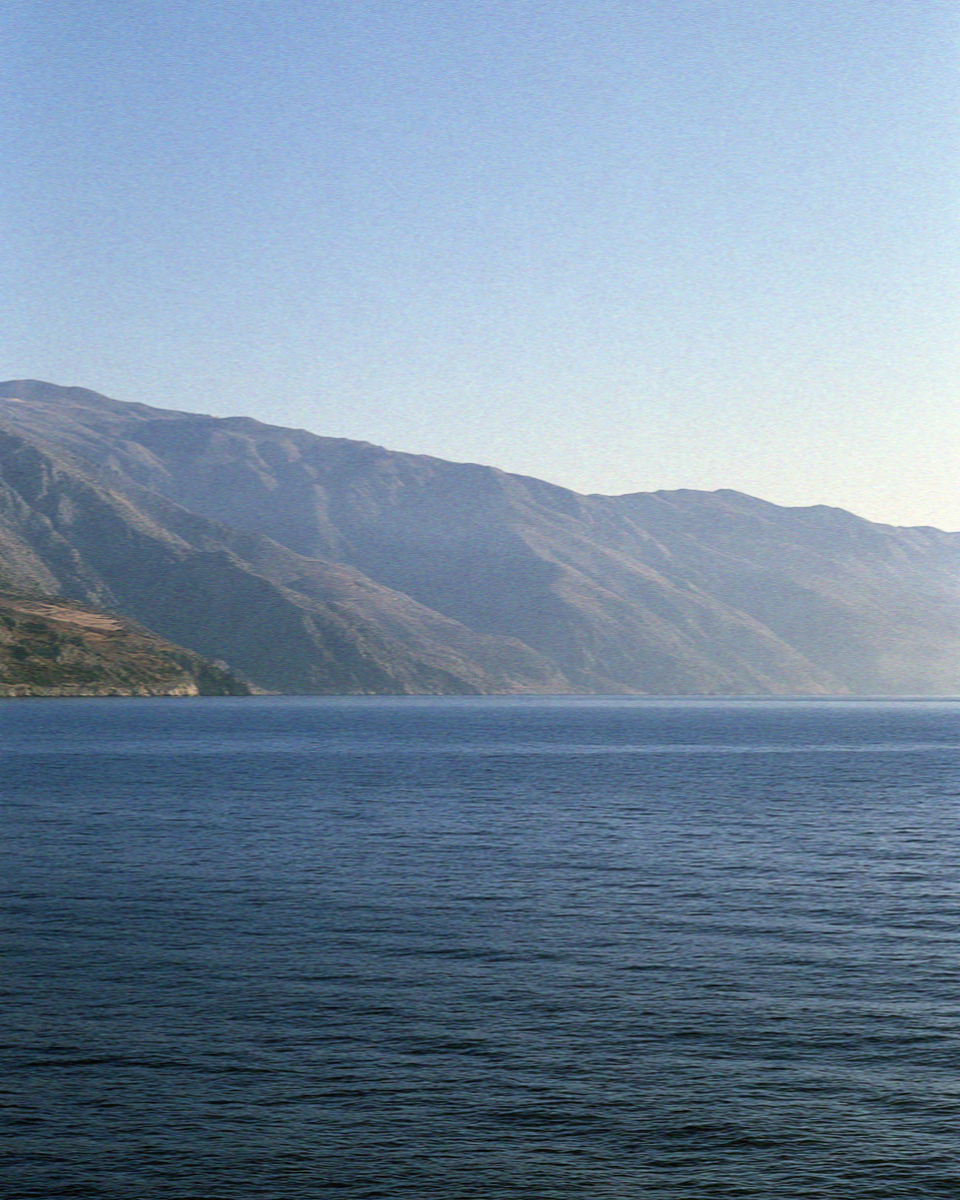
When I came back up on deck, there was land ahead, and I waited for it to resolve into an island.
It declined.
It kept going, left and right, past where the deck rail ended, and then past where I could reasonably turn my head to follow it.
Behind the coast there were mountains with serious height in them.
The White Mountains reach two thousand four hundred and fifty three metres, and in the middle of October there was no snow on them yet, so they stood up bare and grey and faintly blue. The villages on the lower slopes were far enough inland to have nothing to do with the sea at all.
That was what I had not prepared for.
An island with places in it that do not care about the water.
The Cyclades had trained me badly. On Milos I could see the shape of the whole island from the hill above the port. On Naxos I could stand under the Portara and understand the place as an object, a thing with sides, something you could pick up and turn over.
Crete does not offer that.
It is two hundred and sixty kilometres from end to end, sixty across at its widest and only twelve at its narrowest near Ierapetra. More than eight thousand square kilometres. More than six hundred thousand people. It is divided into Chania and Rethymno and Heraklion and Lasithi, which is to say it has provinces, the way a country does.
I wrote the numbers in the notebook while we were still at sea, and then looked at them, and they refused to tell me the thing I wanted to know, which was how to hold it in my head.
We came in at Souda, in a bay a few kilometres east of the town.
It is one of the deepest natural harbours in the Mediterranean and it does not feel like arriving at an island. The water alongside the hull was almost black because there is so much of it underneath. There is a naval base. There are grey ships at anchor, and nobody on the quay looked up when we docked.
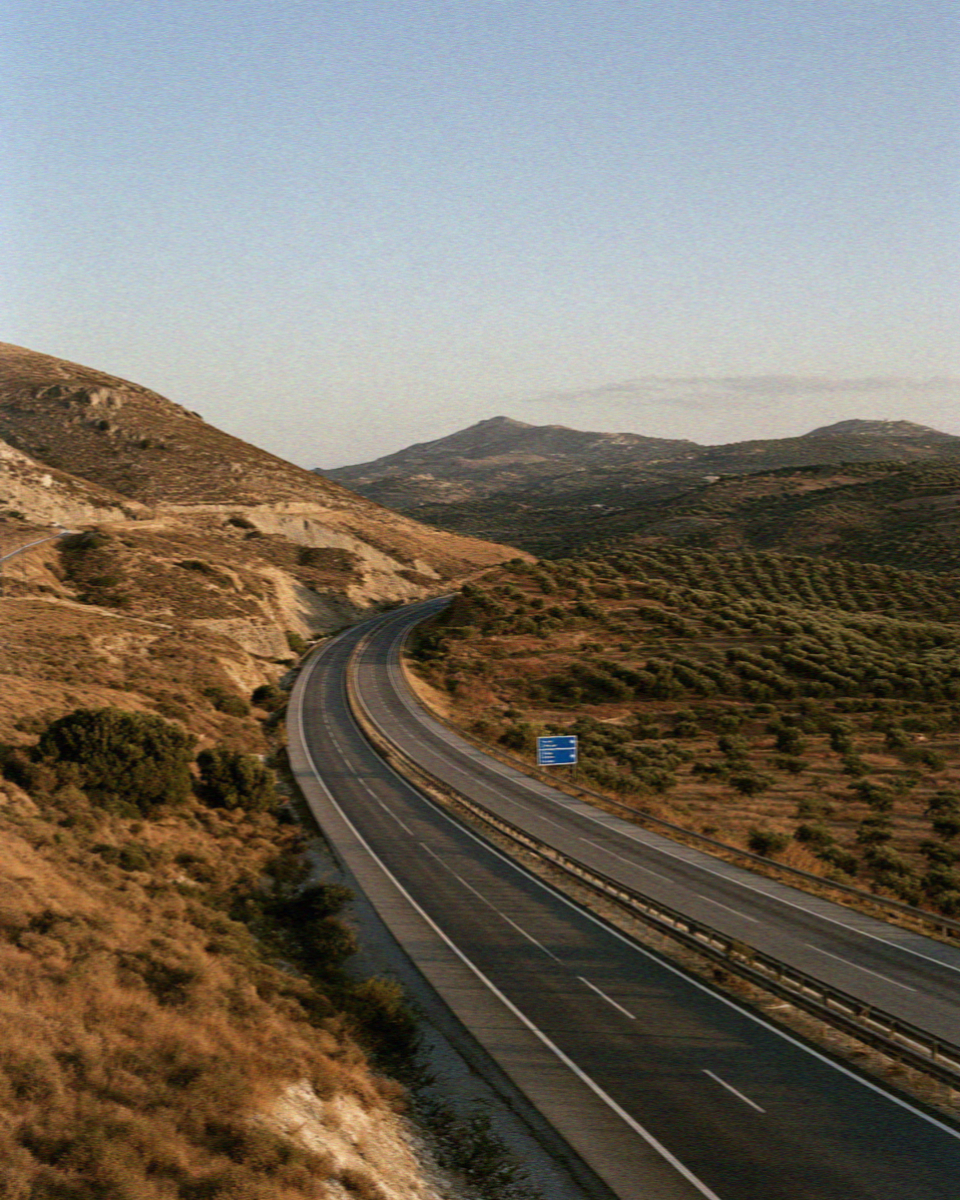
Then a short drive west, and a motorway.

There is a motorway on Crete.
A real one, with slip roads and blue signs offering places three hours away.
On Paros the road went around the island, and you got off when you recognised something.
Here I sat in the back and read the names of towns I had no plans to visit and will probably never see, and felt the particular smallness of arriving somewhere that was entirely busy with itself.
Chania does not announce any of this.
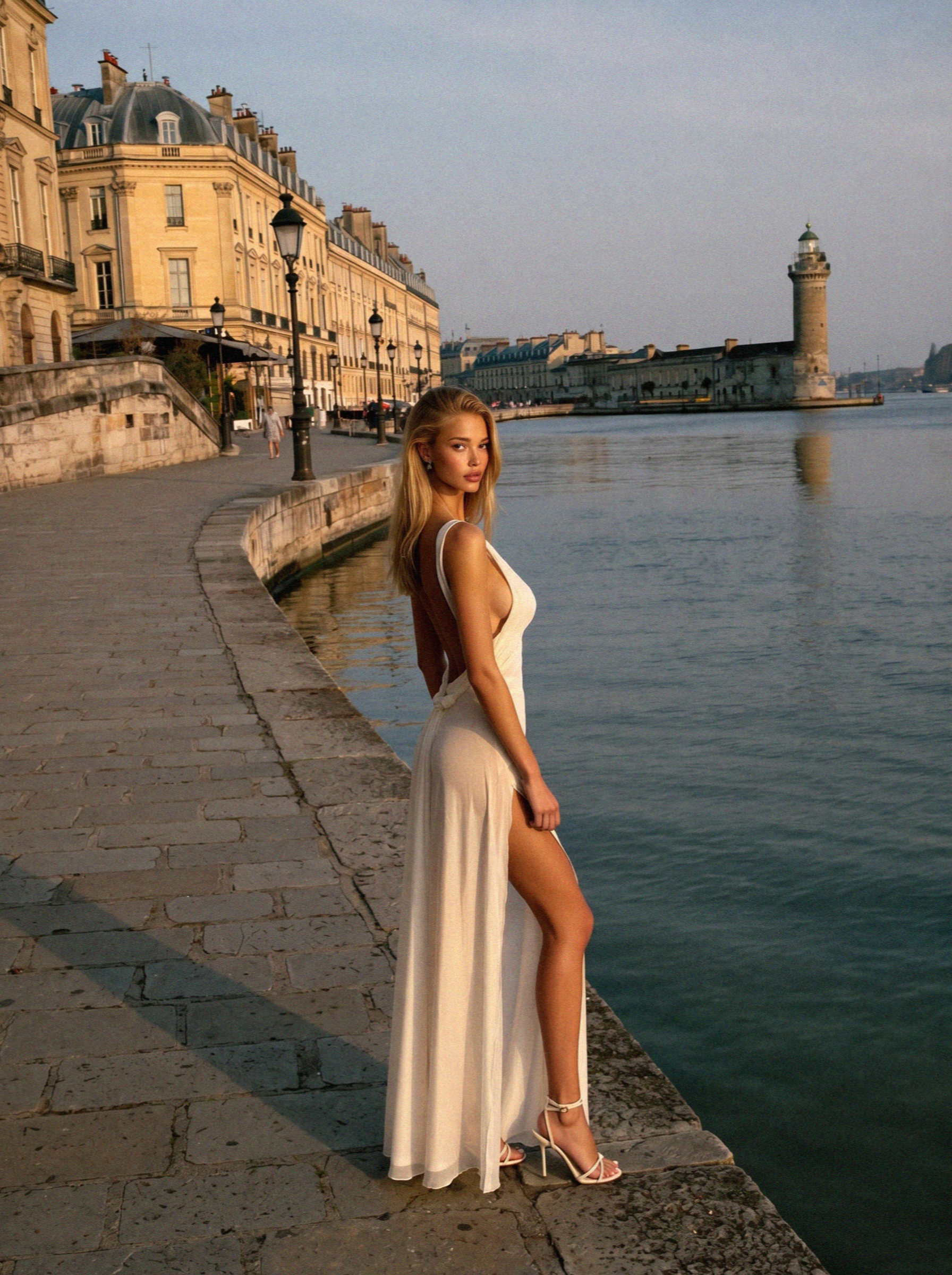
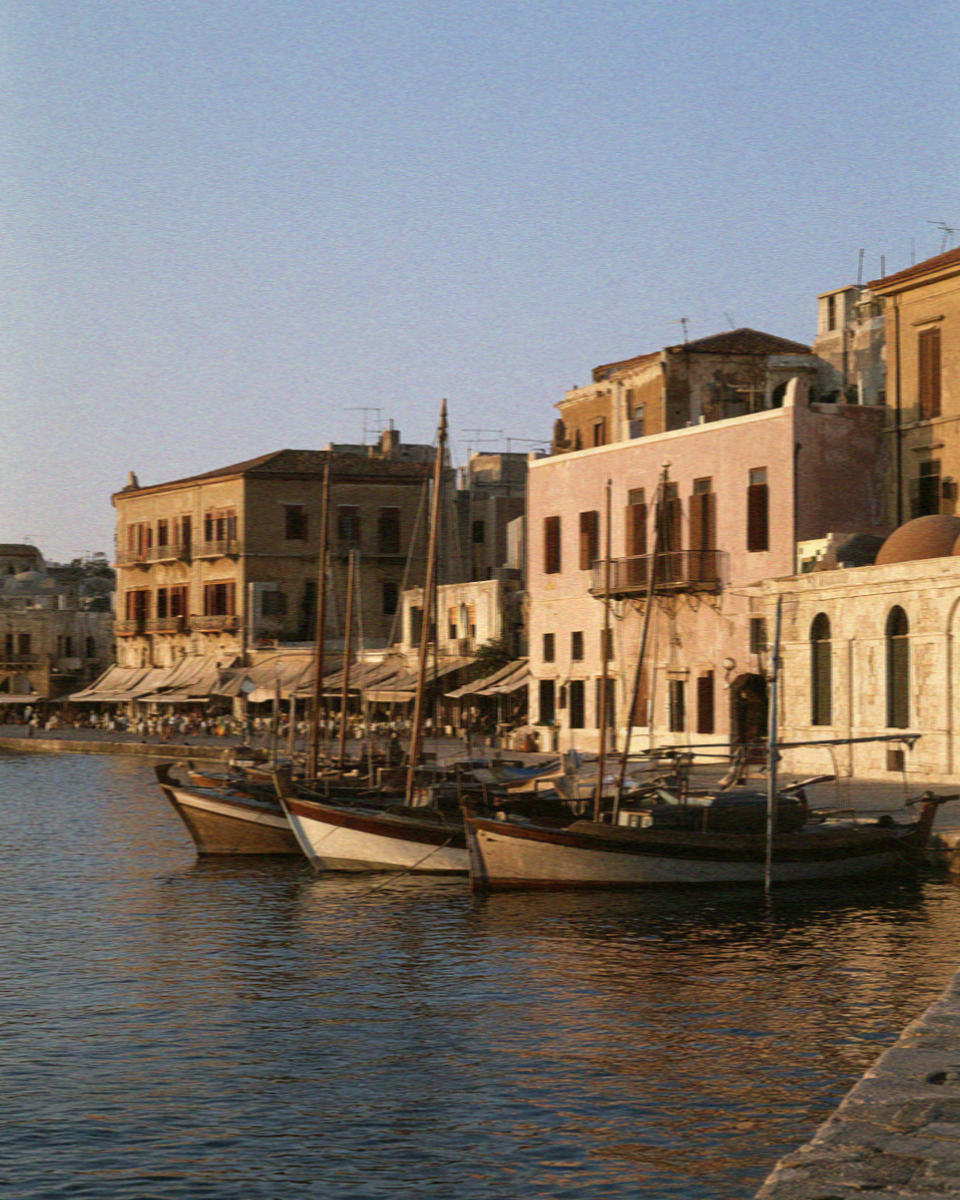
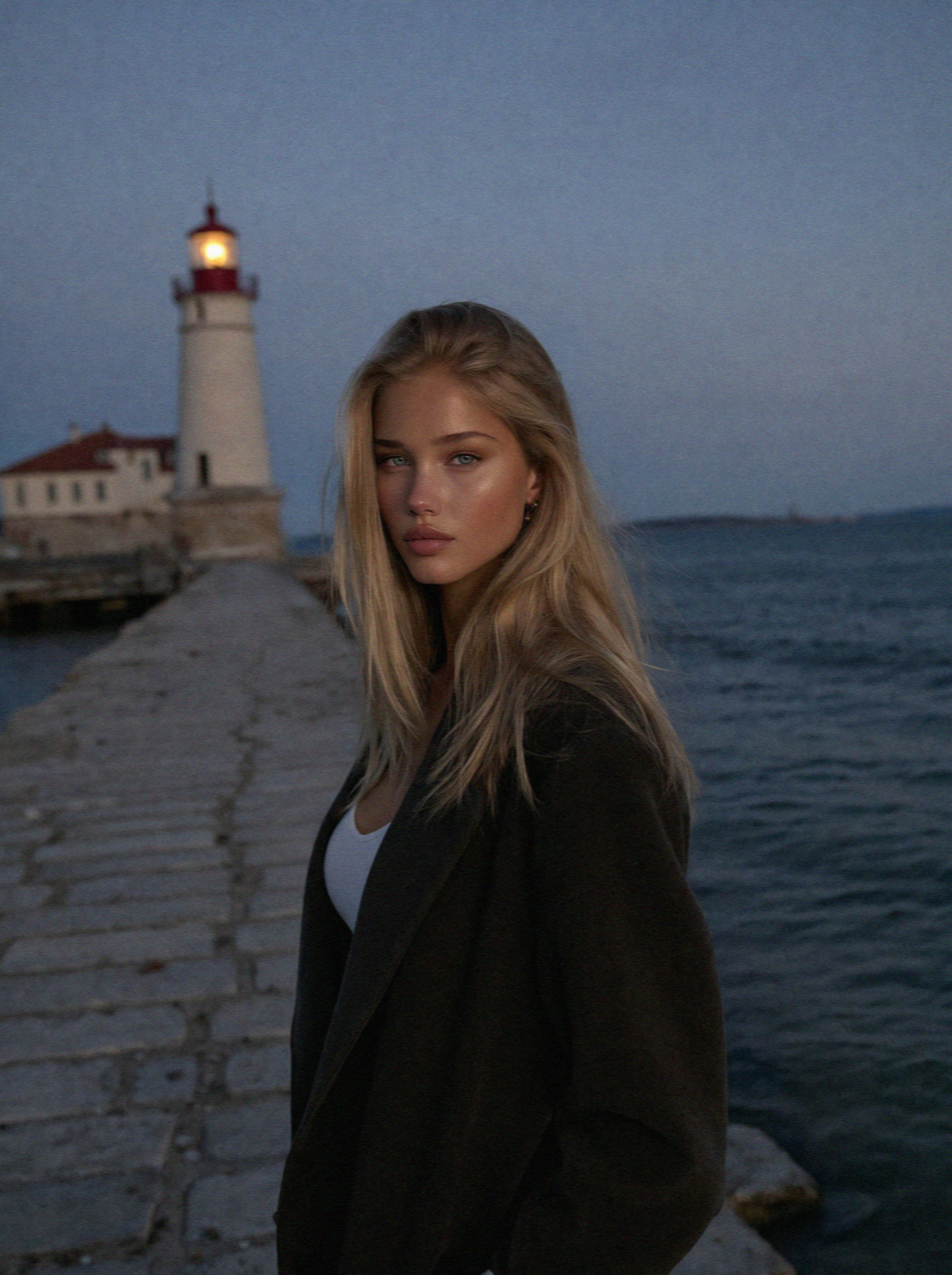
The old harbour is a half circle of Venetian buildings the colour of weak tea, with the lighthouse out at the end of the sea wall, and for the first ten minutes it is simply very beautiful, and you do not think about provinces.
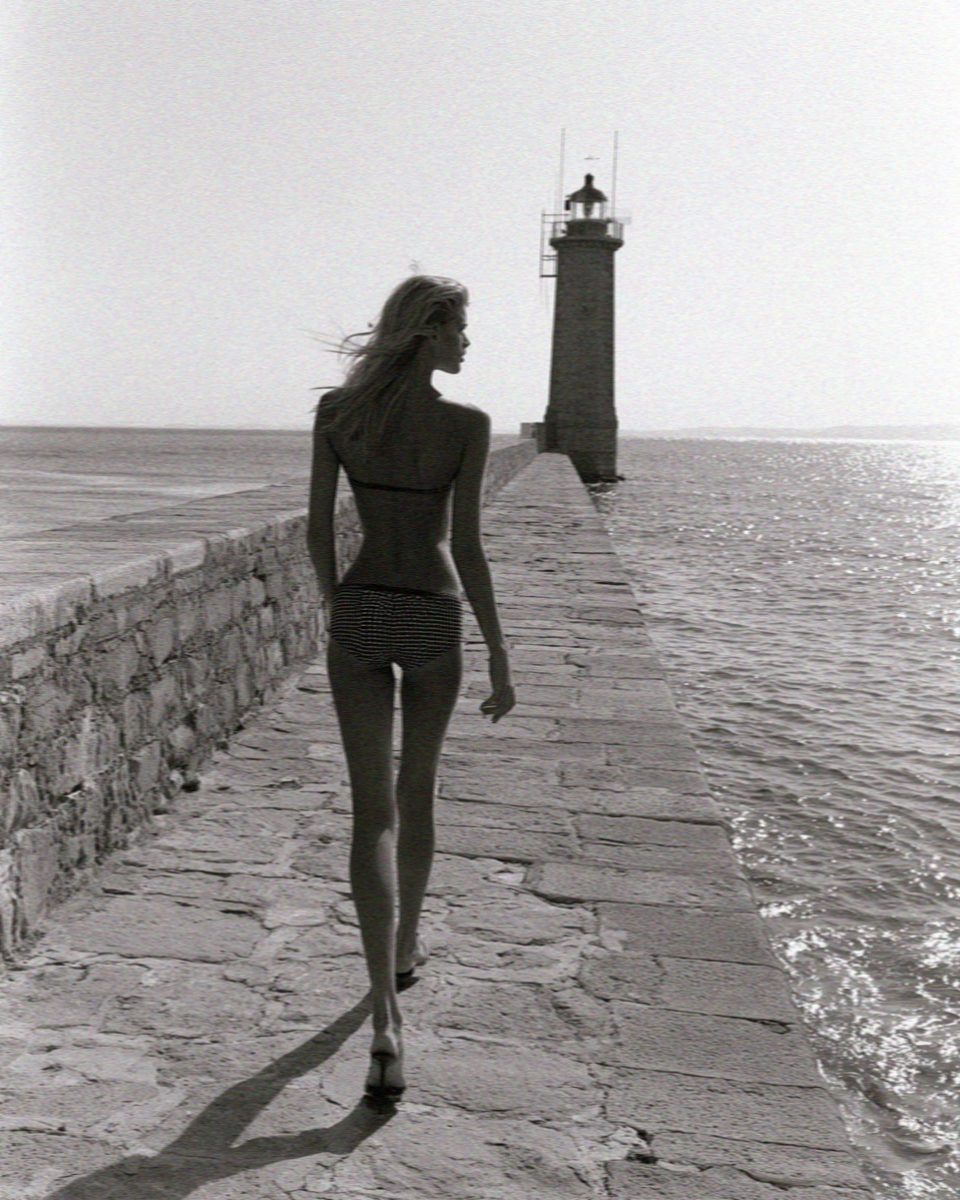
The Venetians put the first lighthouse here at the end of the sixteenth century. What stands there now is mostly a nineteenth-century rebuild from the years when Crete was administered from Egypt, and it shows. An eight-sided base, a middle section with sixteen corners, a round top, the whole thing twenty-one metres high and shaped, unmistakably, like a minaret.
A Venetian base with an Egyptian minaret on top of it, lighting ships into a Greek harbour.
Nobody designed that.
It accumulated.

Along the eastern arm of the harbour are the Neoria, the Venetian shipyards, where galleys were once hauled in and worked on through the winter. There were seventeen vaulted bays in the great complex. Seven of the domes are still standing. The Grand Arsenal at the end of them is now a centre for Mediterranean architecture, which is either a very good joke or simply what happens to a building that is useful and refuses to fall down.
I walked the length of them and put my palm flat against one of the arches, because the stone had been in the sun all afternoon and I wanted to know whether it had kept any of it.
It had.
I took my hand away and did not make anything of it.

By five I had given up on history and wanted the water.
Nea Chora is about fifteen minutes west along the front, which is to say Chania has a town beach, and that too is a thing the small islands could not manage. Dark gold sand, a paved promenade behind it, tavernas along the promenade with their chairs still stacked, lifeguards, showers, a row of loungers at one end and a long stretch of free sand at the other.
Mostly it was locals.
A grandmother in a swimming costume and a straw hat stood in the shallows with her arms folded like a woman supervising. Two boys were conducting a competition that had no visible rules. A man swam out past the markers with a slow, unbothered, lifelong stroke, turned around, and came back.

The sea here is about twenty-three degrees in October, which is warmer than most people will believe when I tell them.
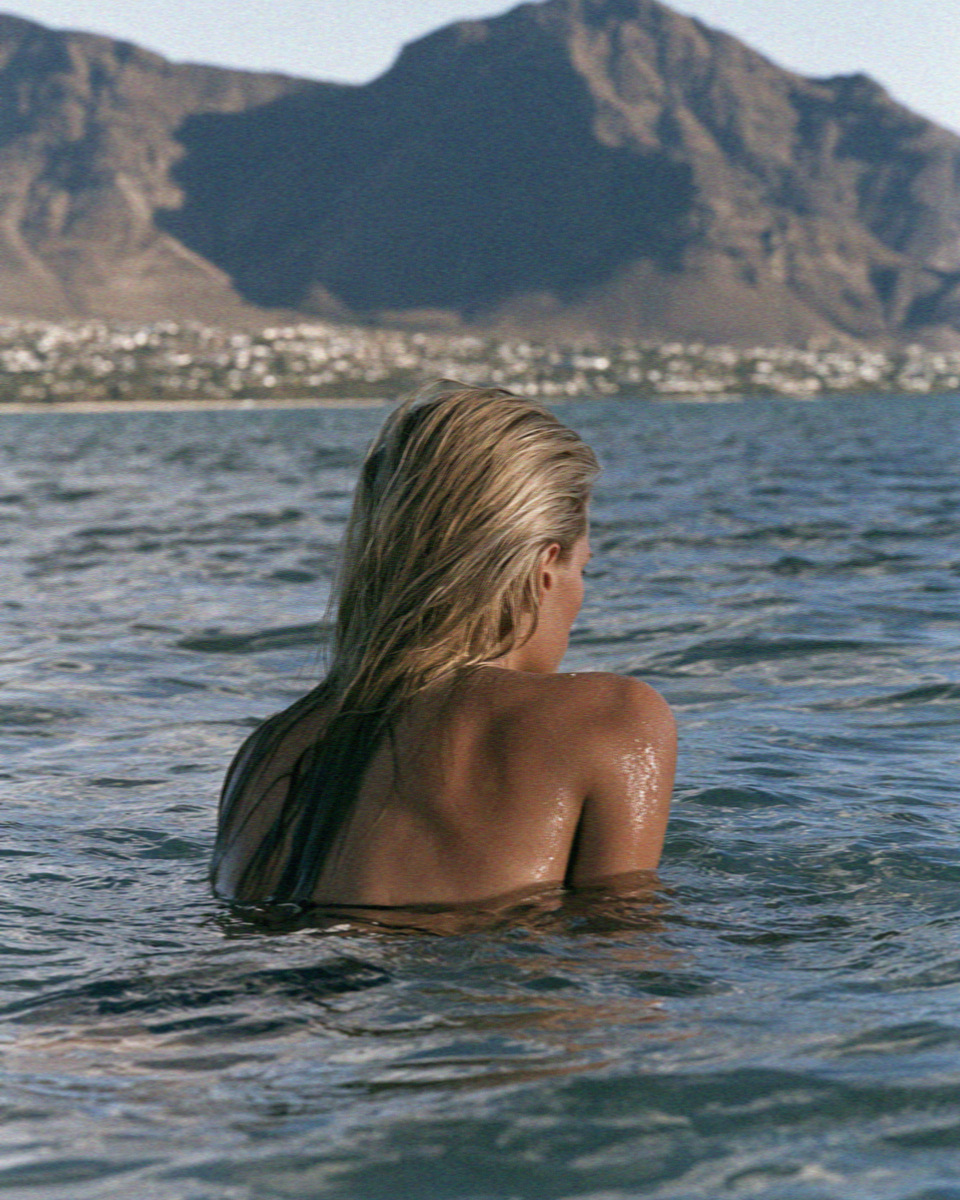
I went in off the sand and swam straight out until the buildings behind me lined up into a single low band and the mountains came up over the top of them.
That was the view I wanted, and I had not known it until I was in the water.
From out there I could finally see the thing I had been failing to get onto the page all afternoon.
The town is a thin bright strip. Behind it the land climbs more than two thousand metres and runs on for hundreds of kilometres, full of gorges and olive terraces and villages with their own opinions, and none of it was arranged for anyone’s arrival.
The islands I have just come from are the view.
Crete has one, and then it has an interior.
I swam back in, sat on the sand with the notebook on my knees and salt drying on my forearms, and wrote badly for twenty minutes.
Looking is quick and almost free. Writing it down is the part that costs, and it is the only way I have ever managed to get from standing in a place to being in it.
What I wrote was mostly numbers and one sentence I will keep.
The notebook is open on the table now with sand in the gutter of the page.
Tomorrow I would like to go inland and see how far I get.
V.
More images from Crete