Two days in Saint-Tropez is enough to fall for it. Four lets you see the whole peninsula, not just the port: the long beach, the coastal path, the hill villages and the bay from a boat. The town is small, and its old centre can be crossed on foot in a quarter of an hour, so the real planning is not about distance. It is about the order of things, and about doing each one at the right hour.
This is the route I would give a friend, day by day, with what to move if it rains or the mistral comes through. Everything it touches is covered in more depth in my complete guide to Saint-Tropez.
How to split the days
The plan runs town first, then the beach, then the land behind it, then the sea. Three things can reorder it.
The first is the market. Place des Lices fills with stalls on Tuesday and Saturday mornings, 08:00 to 13:00, so if your first or second morning falls on one of those days, slot the market in before anything else and shuffle the rest.
The second is the Annonciade. Outside July, August and September the museum is closed on Mondays, so keep the town day off a Monday in spring or autumn. In winter it closes for part of the season, so check before you go.
The third is the weather. Days three and four depend on the wind. If the forecast shows the mistral, swap the boat for the villages and keep the beach for the calmest day.
For two days, do days one and two. For three, add the path and the villages. Four lets you add the water.
Day one: the port, La Ponche and the Citadel
Start on the Vieux Port with coffee at Sénéquier, under the red awnings on Quai Jean Jaurès, while the painters set up their easels along the quay and the crews hose down the yachts. Before 10:00 it still feels like a harbour rather than a stage.
Walk along the quay past the Musée de l’Annonciade, the 16th-century chapel on the port that holds the town’s Pointillist and Fauve paintings; it is closed for renovation until 2029, but it is worth knowing why it is there. Signac sailed into Saint-Tropez in 1892, Matisse, Derain and the rest followed, and the waterfront you are walking along is what they painted.
Then wander. Through the Porte de la Poissonnerie to the fish market on Place aux Herbes, which is a morning affair, then into the lanes of La Ponche, the old fishermen’s quarter, down to its tiny beach by the Tour Vieille. Look into the church of Notre-Dame-de-l’Assomption, whose ochre and red bell tower you will have been steering by all morning.
In the afternoon, climb to the Citadel above town, early 17th century, with peacocks in the park, the maritime museum in the keep and the best view of the gulf from its ramparts. It costs about 5 euros, and the last entry is half an hour before closing.
Come back down for the evening, when the yachts light up and the whole town walks the quay, and finish with the bell tower lit against the dark.

Day two: Pampelonne
Day two is the beach, and the beach is Pampelonne: about 5 kilometres of fine sand facing east in Ramatuelle, a short drive south of town. Go in the morning, before the car parks fill and the sun swings round.
A beach club means a sunbed, a parasol and lunch under the pines, and at the famous ones lunch alone easily runs to over 100 euros a head in summer. The free public stretches between the clubs cost nothing but the parking, and the sand and the water are the same. A good compromise is to swim free in the morning and book only lunch.
Late afternoon, drive up to Ramatuelle for an aperitif in the village before the evening comes, then dinner there or back in town. If you are choosing between clubs, coves and quieter bays, I have gone through every option in my guide to Pampelonne and the best beaches.
Day three: the coastal path and the villages
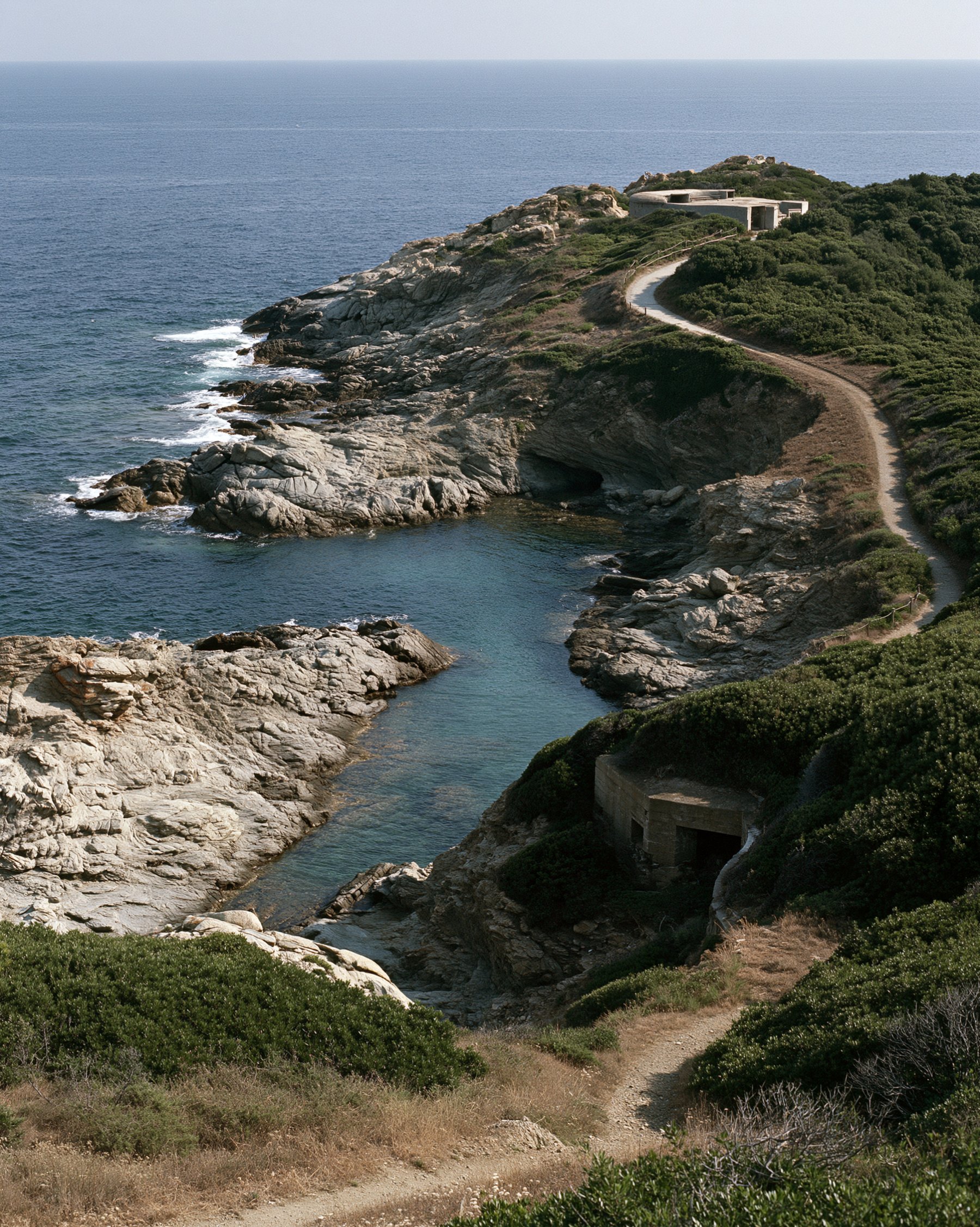
Walk the sentier du littoral in the morning, while it is cool. Pick it up at La Ponche and follow the yellow waymarks east past the Citadel, the cimetière marin and Les Graniers, round to the shallow bay of Les Canoubiers. That stretch takes an hour or so and has the best of the town coast. If you are a strong walker, carry on round the capes to Les Salins, about 12 kilometres from town in all, and roughly 3h45 to 4h with stops. Take water and a swimsuit; there is little shade and plenty of coves. The path can close on high fire-risk days in summer and in strong wind.
After lunch, drive up into the hills. Gassin, on its ridge, has a terrace with an orientation table that names everything across the gulf. The ridge road then runs past the Moulins de Paillas, the windmills above Ramatuelle, which is the place to be for the last of the light over Pampelonne. If you would rather taste wine than walk, swap the afternoon for a rosé estate, with a driver. The villages and estates are all in my guide to day trips from Saint-Tropez.
Day four: out on the water
Spend the last day at sea. The simplest choice is the Bateaux Verts trip round the Baie des Canoubiers, past the villas in the pines and Brigitte Bardot’s house, La Madrague, which can only be seen from the water. In 2026 it ran daily from early April to late September, with extra sailings in late October, and it is short enough to leave the rest of the day free.
For a fuller day, take their trip to the three wild capes, Camarat, Taillat and Lardier, or hire a boat with a skipper and anchor off a cove for a swim and lunch on board. The long option is the Port-Cros and Porquerolles day, which leaves Sainte-Maxime early (the shuttle gets you there in 20 minutes) and returns in the evening.
End the trip where it began, on the port at dusk.
If you only have a day
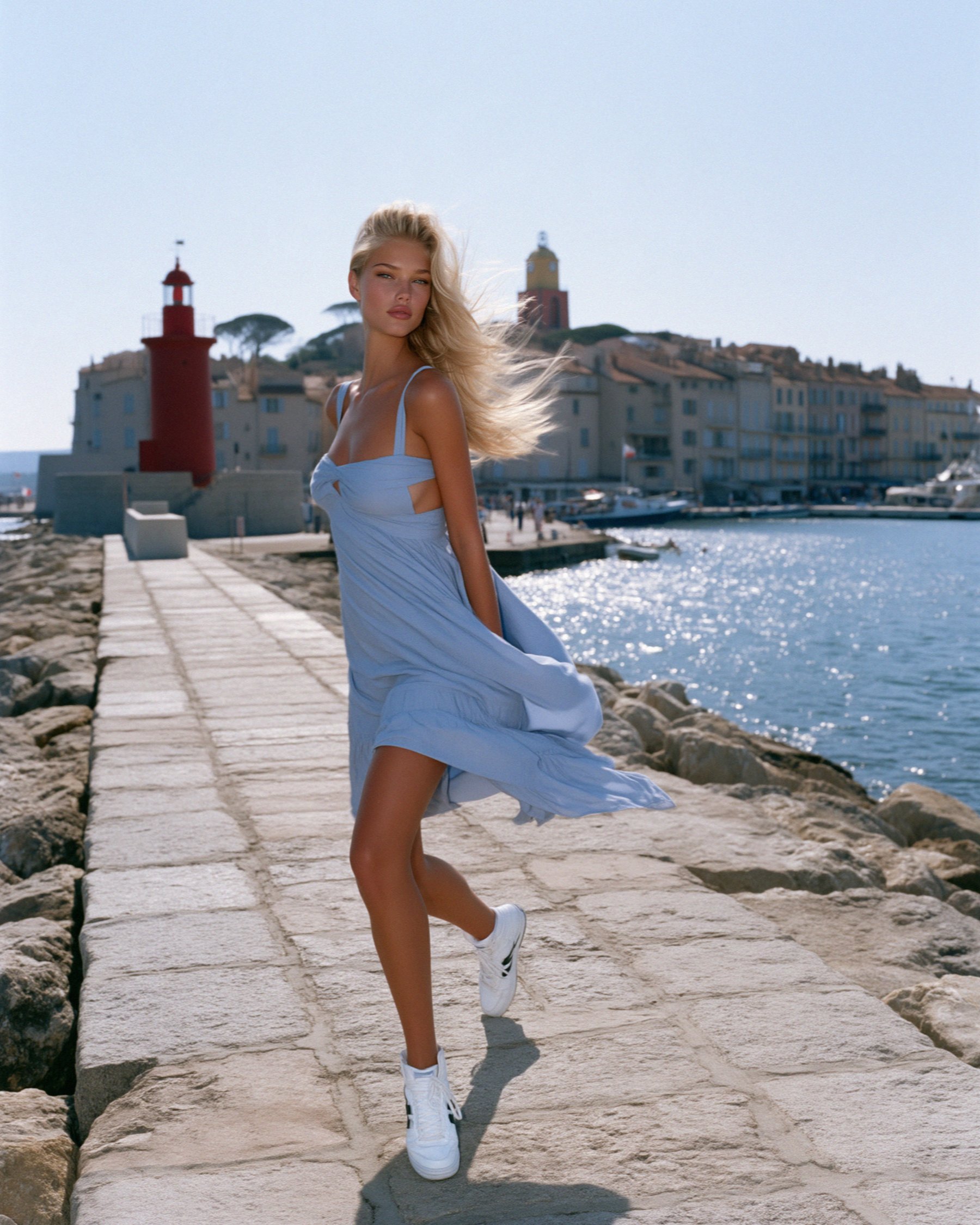
Coffee on the port at 09:00. A walk out along the mole to the red lighthouse. The fish market and La Ponche before lunch, the church on the way. Lunch in the old town. The Citadel in the afternoon, then down to the beach at Les Graniers, below the walls, for a swim. Back to the port for the evening walk and dinner.
You will miss Pampelonne, but you will have seen the town properly. On a Tuesday or a Saturday, put the market first.
If it rains or the wind is up
Rain is rare in summer; the wind matters more. When the mistral blows from the north-west, boats are cancelled and the gulf turns choppy, and the coastal path can be closed.
Saint-Tropez has a little indoors for a wet day, now that the Annonciade is closed until 2029: the Citadel’s maritime museum and the Musée de la Gendarmerie et du Cinéma on place Blanqui, in the real gendarmerie made famous by the Le Gendarme films with Louis de Funès, which costs about 5 euros and is good fun even if you have never seen them. A long lunch fills the rest.
What the days cost
Roughly, per person in high season:
Day one: museums about 10 to 12 euros in all, coffee on the port, a simple lunch, dinner at 50 to 100 euros.
Day two: free on the public sand, or a club sunbed at about 55 to 90 euros in 2026 plus lunch at 100 euros and up.
Day three: the path is free. A wine tasting with a driver is the expense.
Day four: a shared boat trip costs tens of euros. A private boat for the day runs from a few hundred euros for a small one to thousands for a skippered motor yacht.
Where to sleep for this route
This route works best from a base in the village, close to the port and Place des Lices, because days one and four start on the quay and every evening ends there. You walk everywhere and only need a car or a taxi for days two and three.
A hotel on the edge of town, near La Bouillabaisse or along the chemin du Pinet, is just as practical and usually quieter. Ramatuelle suits this plan if the beach is the priority. Sainte-Maxime, across the bay, is cheaper, with the boat bringing you into the port in 20 minutes. All of them are compared in my guide to where to stay in Saint-Tropez, and the sights themselves are in the best things to do in Saint-Tropez.
Frequently Asked Questions
How many days do you need in Saint-Tropez?
Two days covers the town and a day at Pampelonne. Three adds the coastal path and the hill villages, and four lets you spend a day on the water.
Can you see Saint-Tropez in one day?
You can see the town in a day: the port, La Ponche, the church and the Citadel, with a swim at Les Graniers. You will not have time for Pampelonne or the villages.
What day is the market in Saint-Tropez?
Tuesday and Saturday mornings, 08:00 to 13:00, on Place des Lices, all year. Plan your town day around it if you can.
What can you do in Saint-Tropez when it rains?
Visit the maritime museum in the Citadel and the Gendarmerie and cinema museum; the Annonciade is closed for renovation until 2029. When the mistral blows, boat trips are cancelled and the coastal path may close.
Read also: The Best Things to Do in Saint-Tropez | Where to Stay in Saint-Tropez: the Village, the Bay or Ramatuelle | Victoria’s Complete Guide to Saint-Tropez