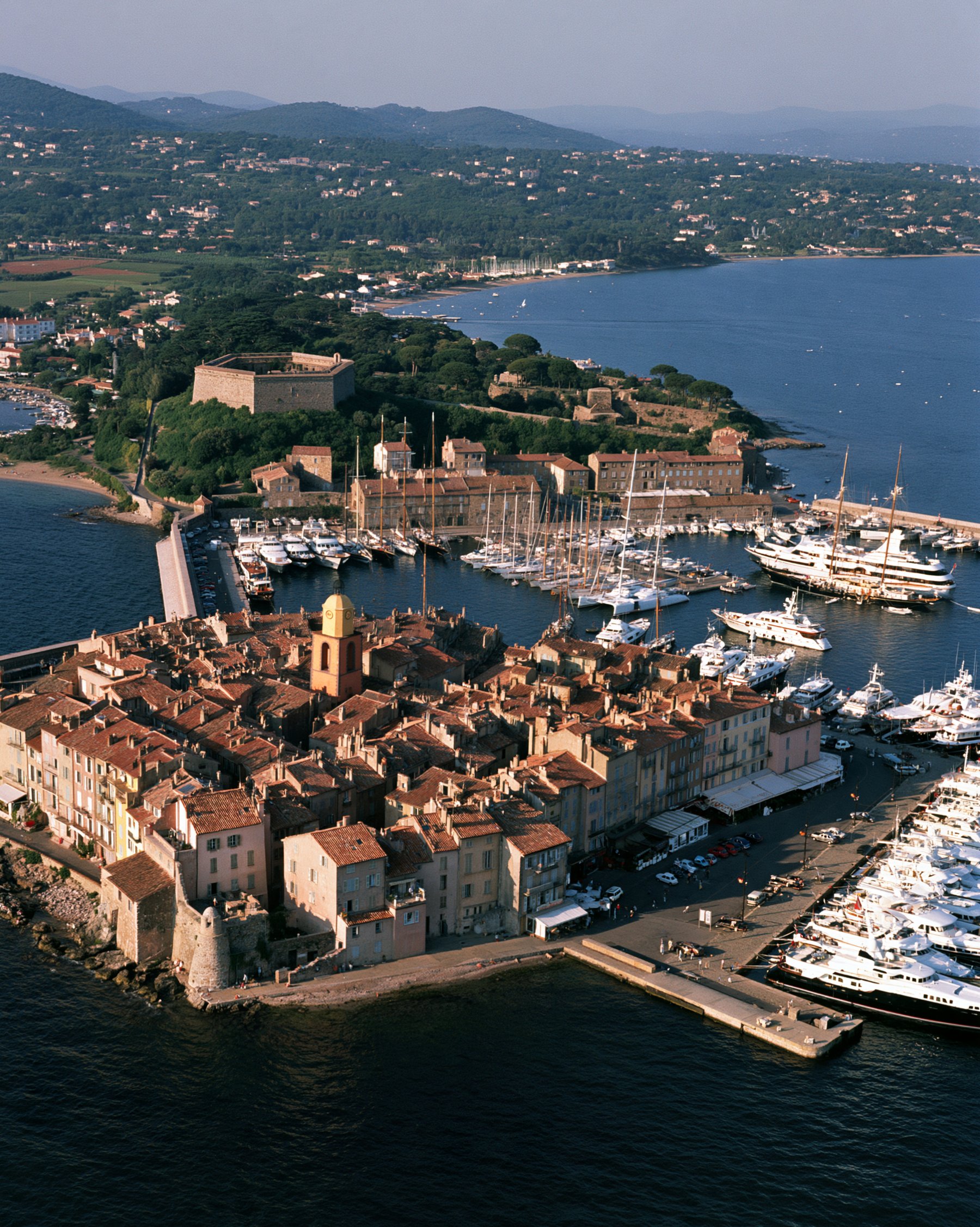
Saint-Tropez is a small town with a very large reputation, and the two are worth keeping apart in your head. The reputation is yachts, beach clubs and a certain kind of summer night. The town is a fishing port of around three and a half thousand people at the end of a peninsula in the Var, with a covered fish market, a Baroque bell tower, a square of plane trees where old men play pétanque, and a small museum of modern painting that would be the pride of a city ten times its size.
Both are real. Come in August and you will meet the reputation first, along with the traffic, the prices and the crowds on the quay. Come in May or late September and you will find the town underneath it, which is the one I love. The Riviera has always been familiar ground for me (Provence and Marseille are my family’s part of France), and Saint-Tropez is the place on this coast I have come back to most often, in every season it keeps open.
This is everything I would tell a friend planning a first visit, with a detailed guide to each part linked along the way.
What Saint-Tropez is like
The first surprise for most people is how little of it there is. The old town fits between the port and the citadel hill, and you can cross it on foot in ten minutes. Everything that makes the name famous, the beaches especially, lies outside it, spread across a peninsula of vineyards, umbrella pines and low hills that belongs mostly to the neighbouring villages of Ramatuelle and Gassin.
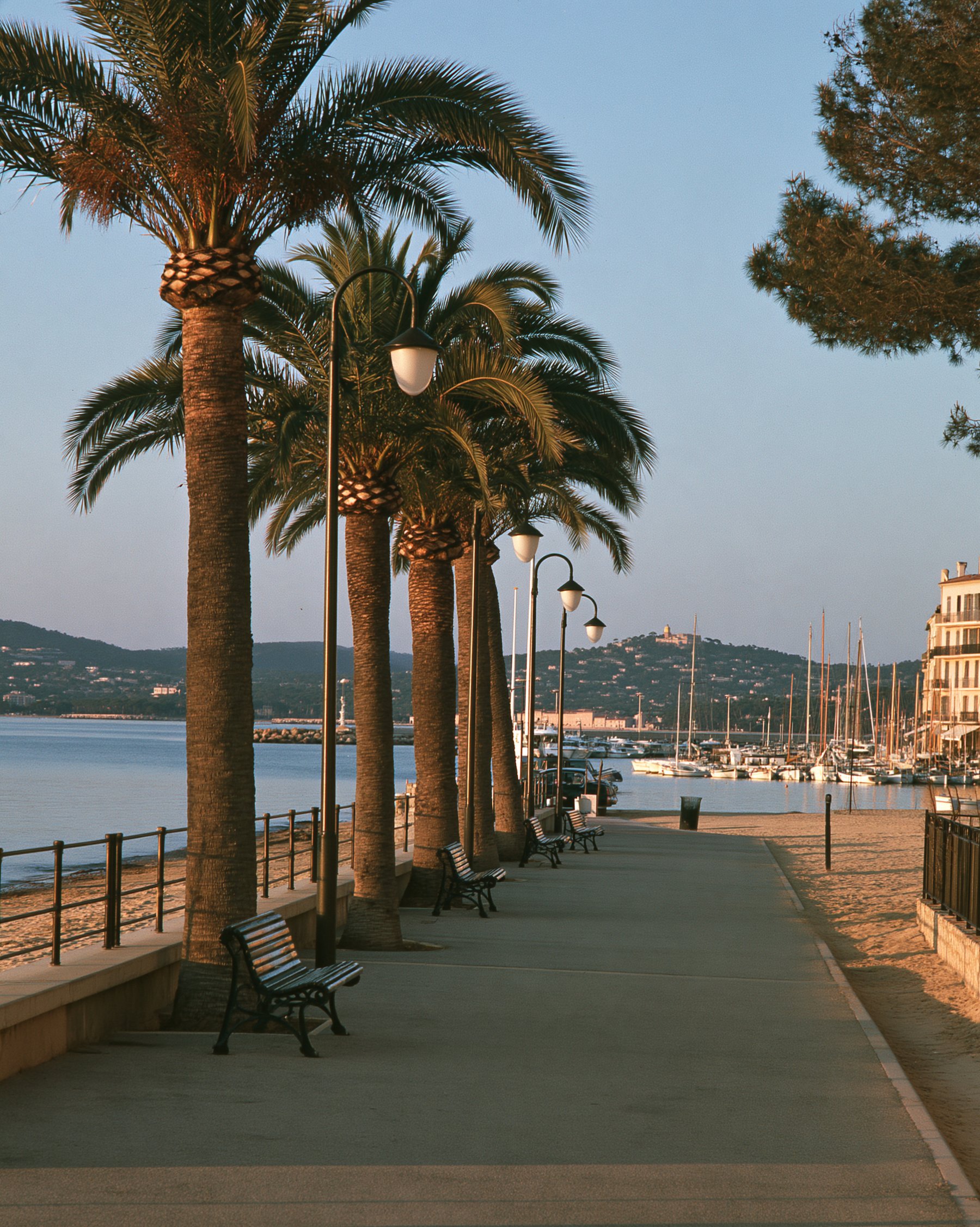
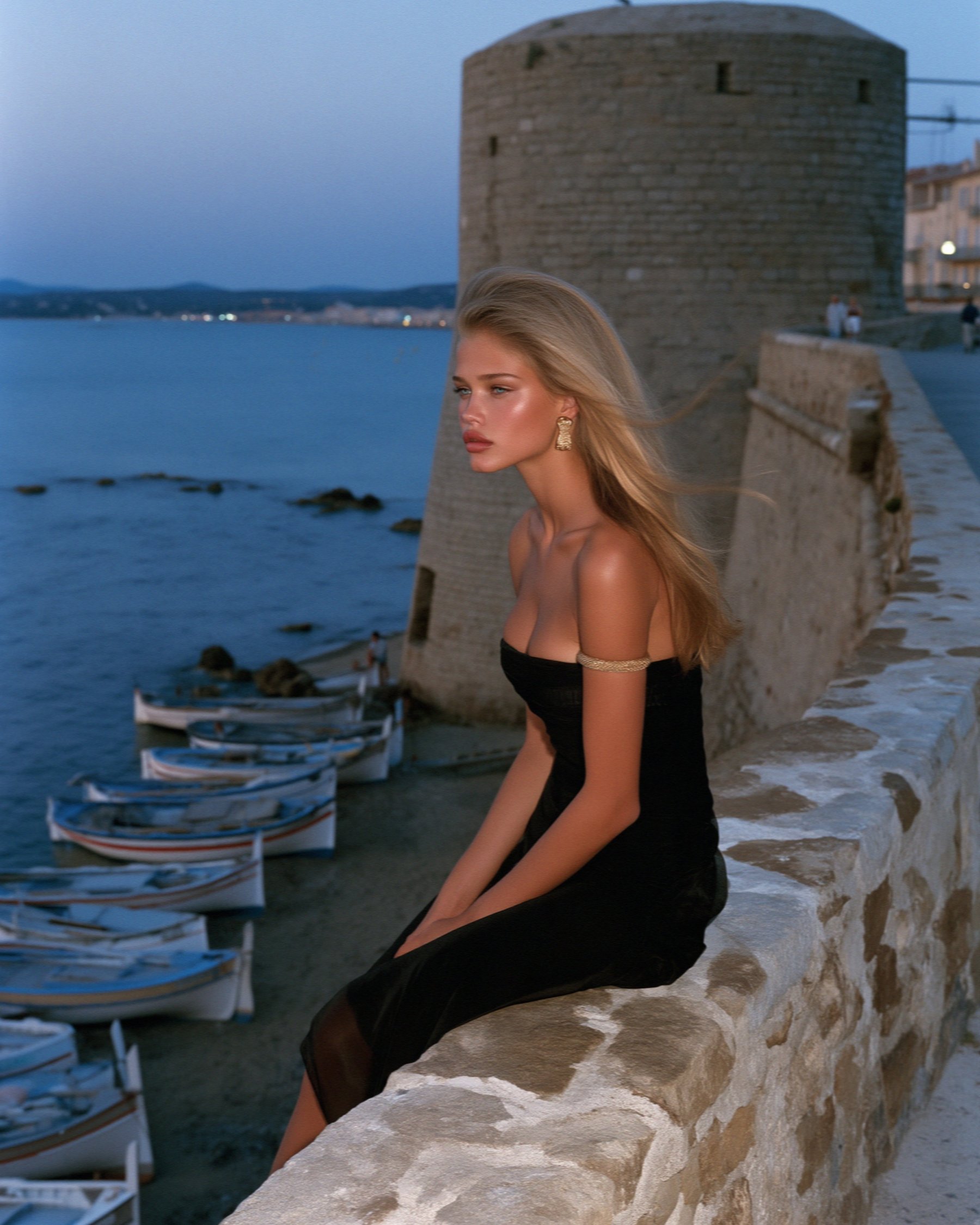
The second surprise is the direction it faces. The gulf of Saint-Tropez opens to the north, so the port looks across the water at Sainte-Maxime and the dark wooded hills of the Massif des Maures rather than out to the open sea. In the evening the light comes in low and sideways over the gulf and lies along the pastel fronts of the quay, which is why painters came here in the first place and why everyone still ends up on the waterfront at the end of the day.
It was a sailors’ town long before it was a resort, in the eighteenth century among the busiest Mediterranean ports in France. Then came the painters, in the 1890s, and in 1956 a film by Roger Vadim with a young Brigitte Bardot, after which the town never quite went back to being private.
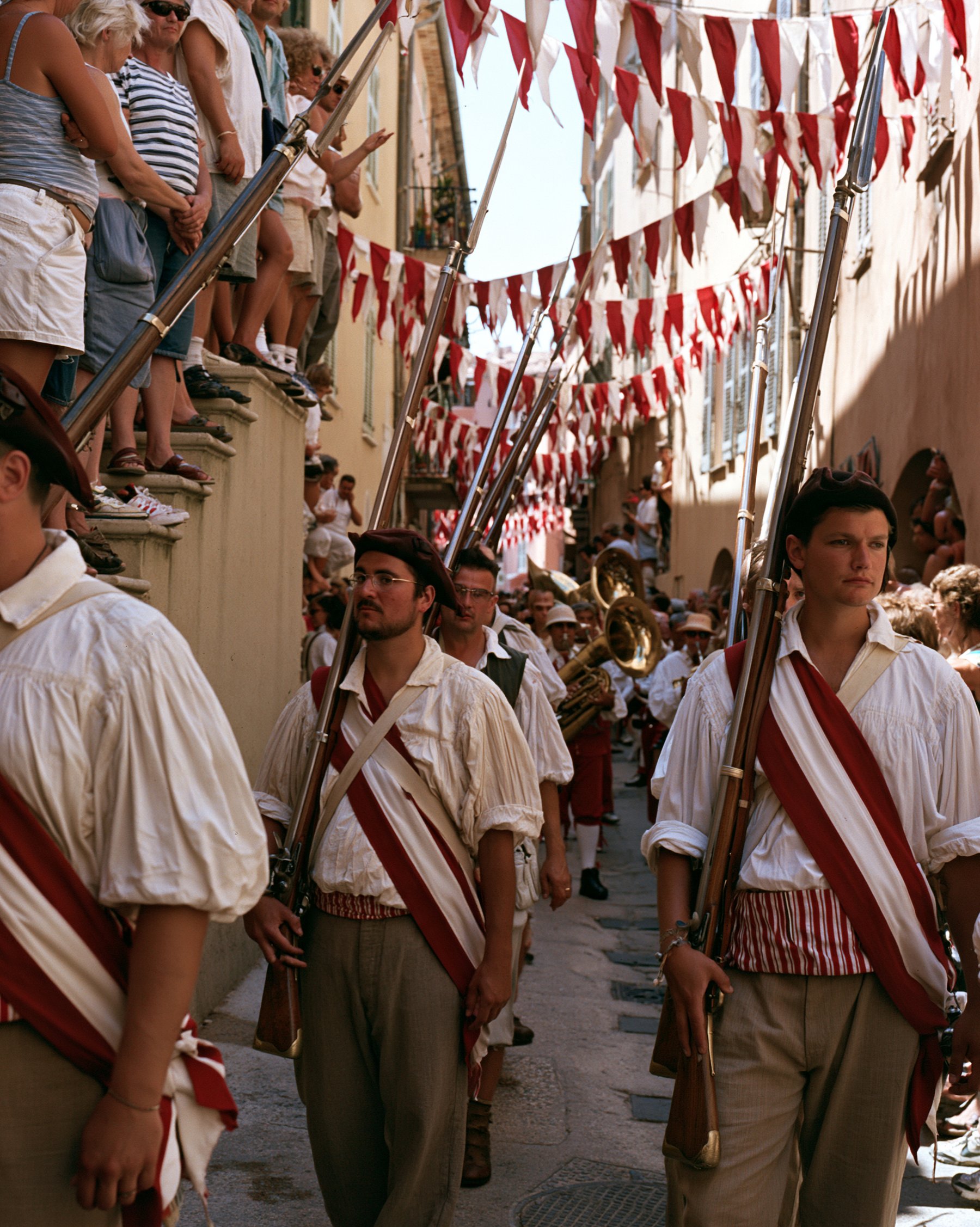
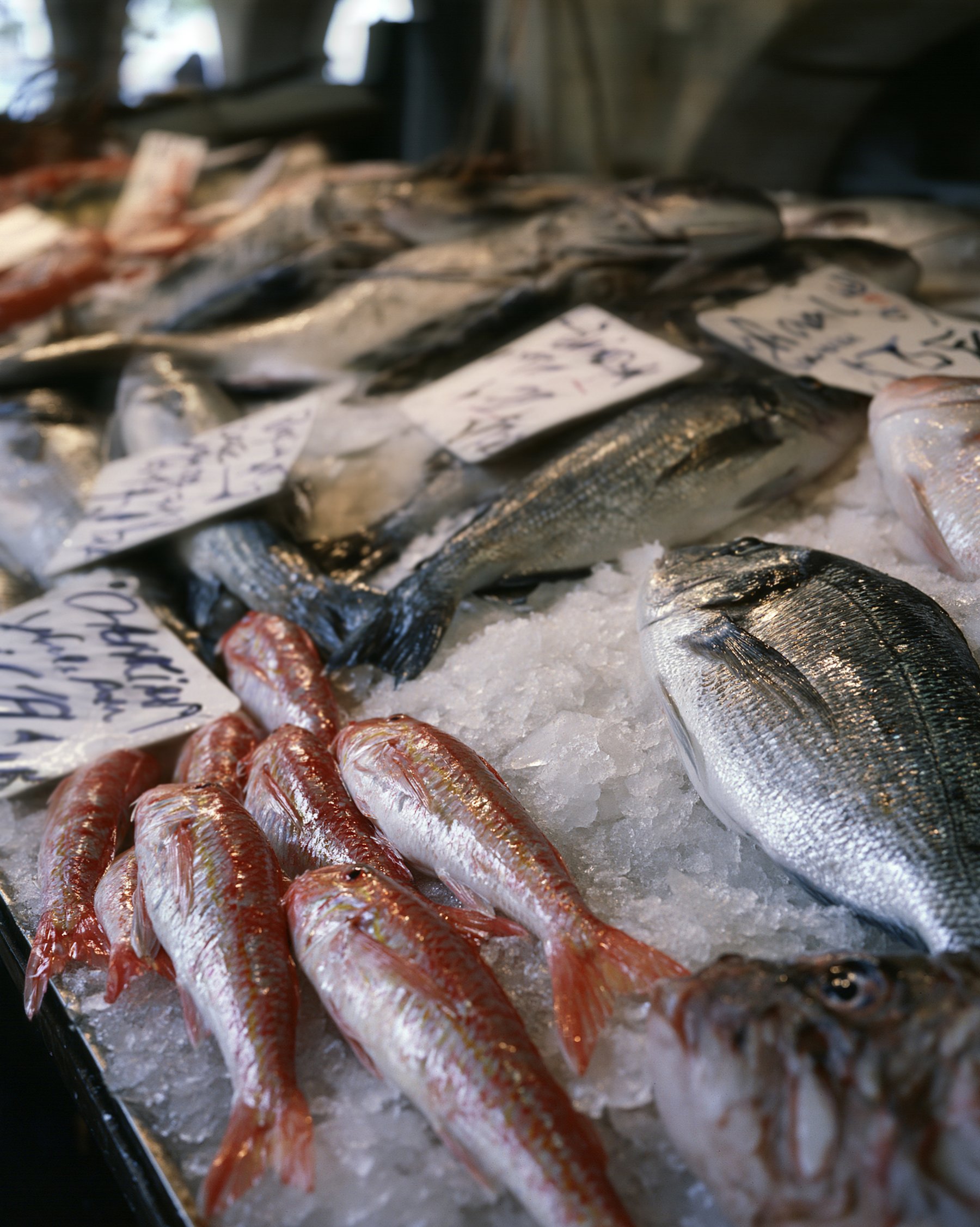
Much of the old life carries on alongside the new. The fish market still opens in the mornings, and the Bravades, the town’s festival for its patron saint, have been held every May since 1558, with musket salvos and the whole town in red and white.
When to go
If you can choose, come in late May, June or September. Those are the months when Saint-Tropez is fully open but not yet, or no longer, overwhelmed.
The hotels and clubs start opening their shutters in the second half of April, and by May the town has woken up, though the sea is still cool, around 16°C to 18°C. The Bravades fill the streets from 16 to 18 May every year. One thing to watch: in 2026 the Cannes Film Festival ran from 12 to 23 May, and for that fortnight hotels along the whole coast fill and rates climb.
June is my favourite month. The days are long, the water has warmed to about 21°C or 22°C, and the Giraglia regatta brings handsome yachts into the port in mid-June. July and August are a different proposition: peak heat, peak crowds and peak prices, with the sea at its best, around 23°C to 25°C, and the road onto the peninsula jammed for an hour or more at peak times. On 15 August the town marks the anniversary of its liberation in 1944.
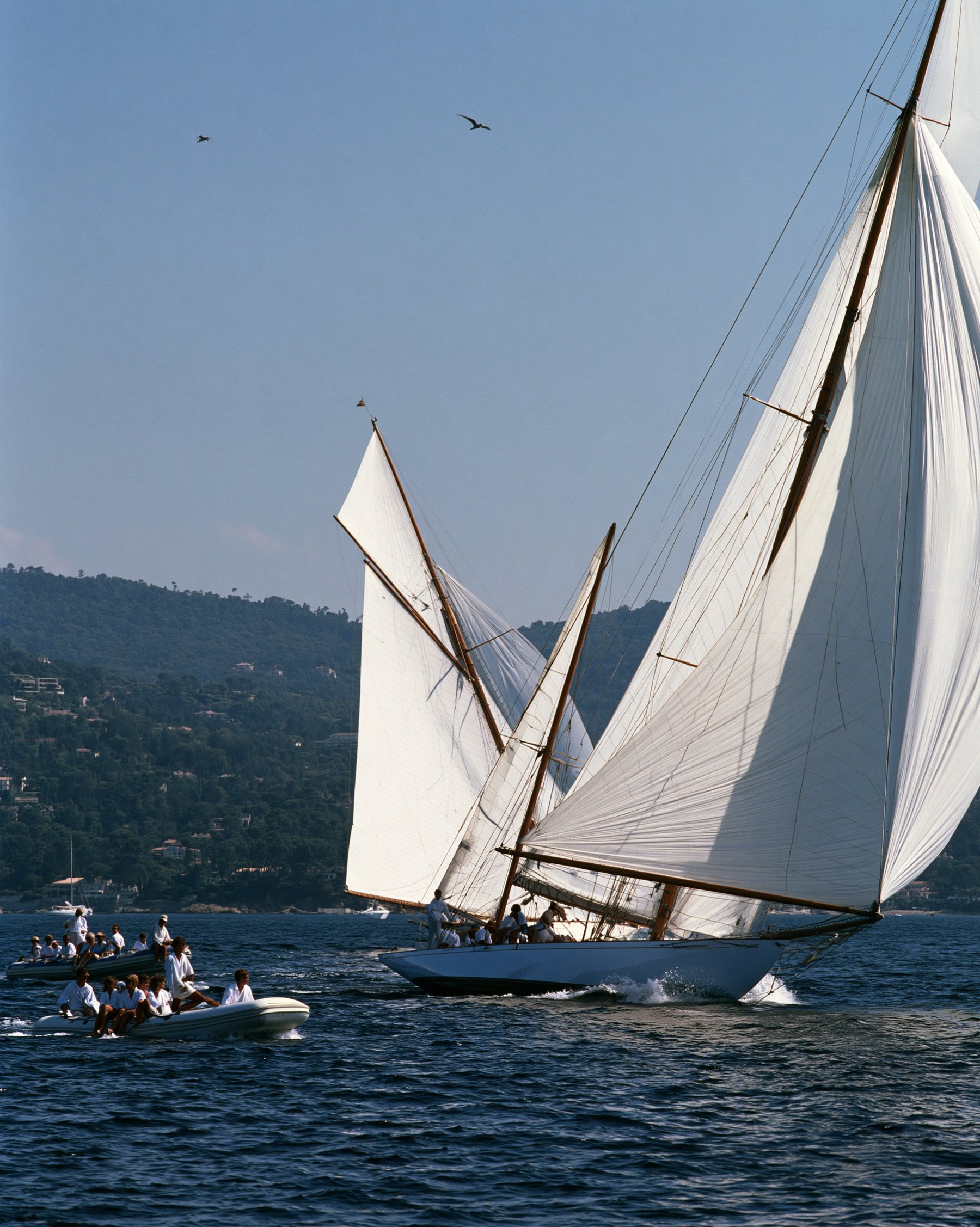
September is the quiet glory of the year. The sea is still warm after the summer, the crowds thin, and at the end of the month Les Voiles de Saint-Tropez fills the gulf with classic yachts and racing maxis. In 2026 it ran from 26 September to 4 October, and you can watch it free from the quays and the citadel. By mid-October most of the big hotels and beach clubs have closed, and from November to March Saint-Tropez becomes a working town again, mild, empty and rather lovely, if you do not need a beach club.
Every month, with sea temperatures, events and what a room costs at each point in the year, is in my guide to the best time to visit Saint-Tropez.
The port and the old town
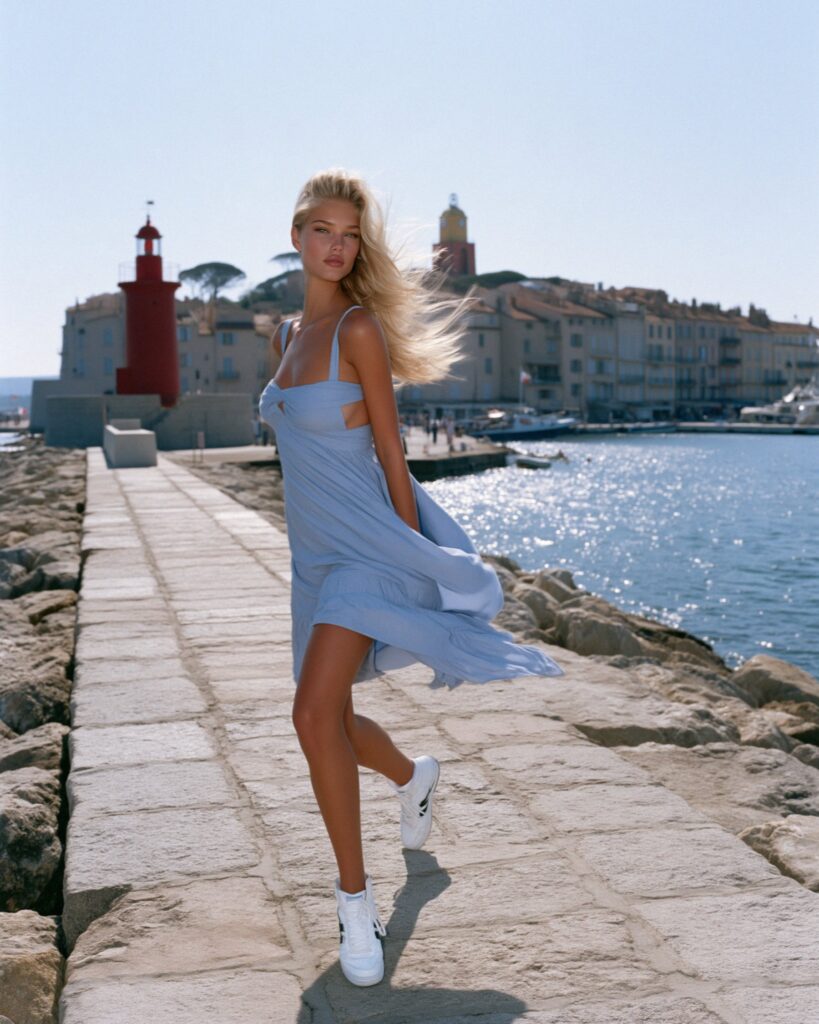
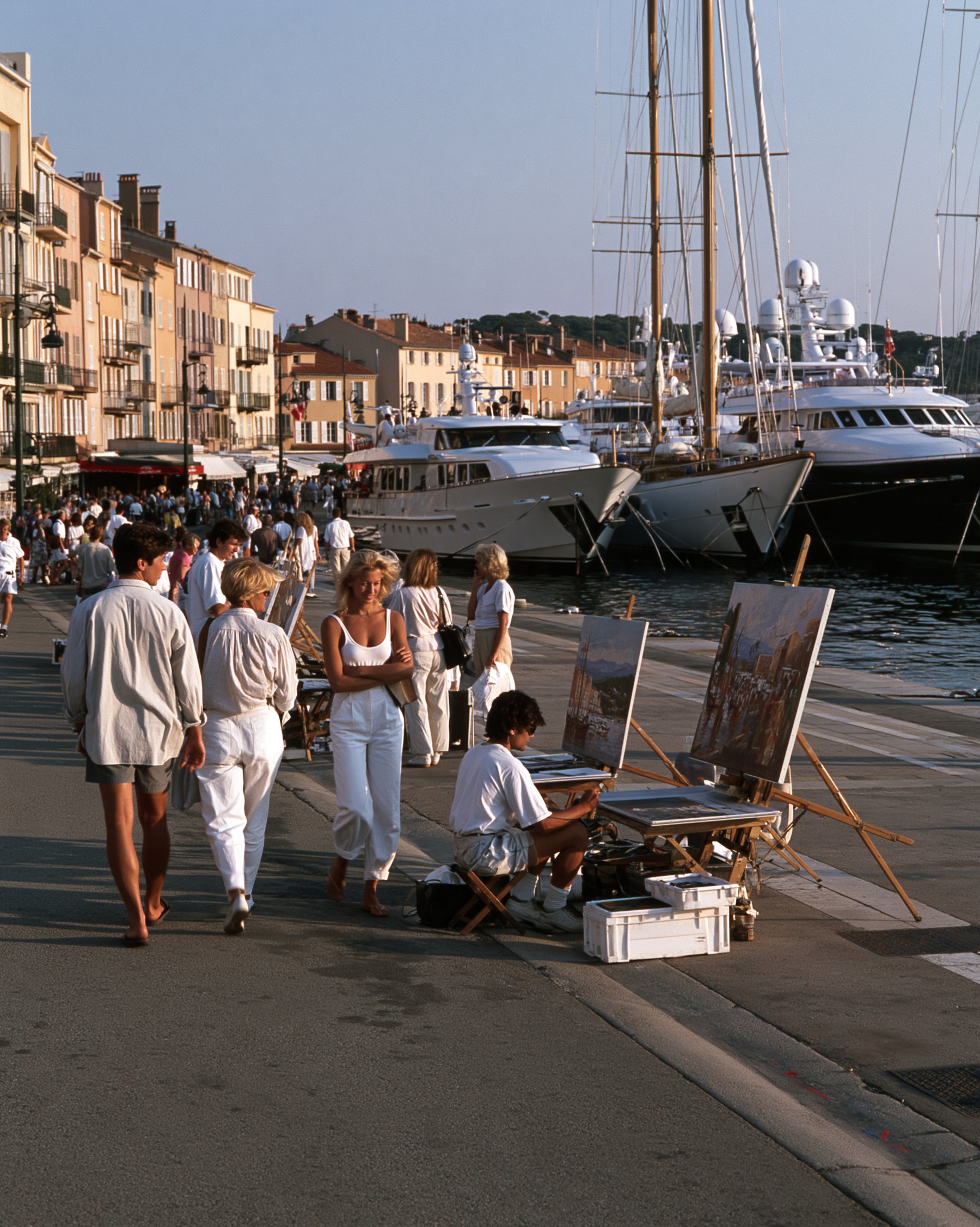
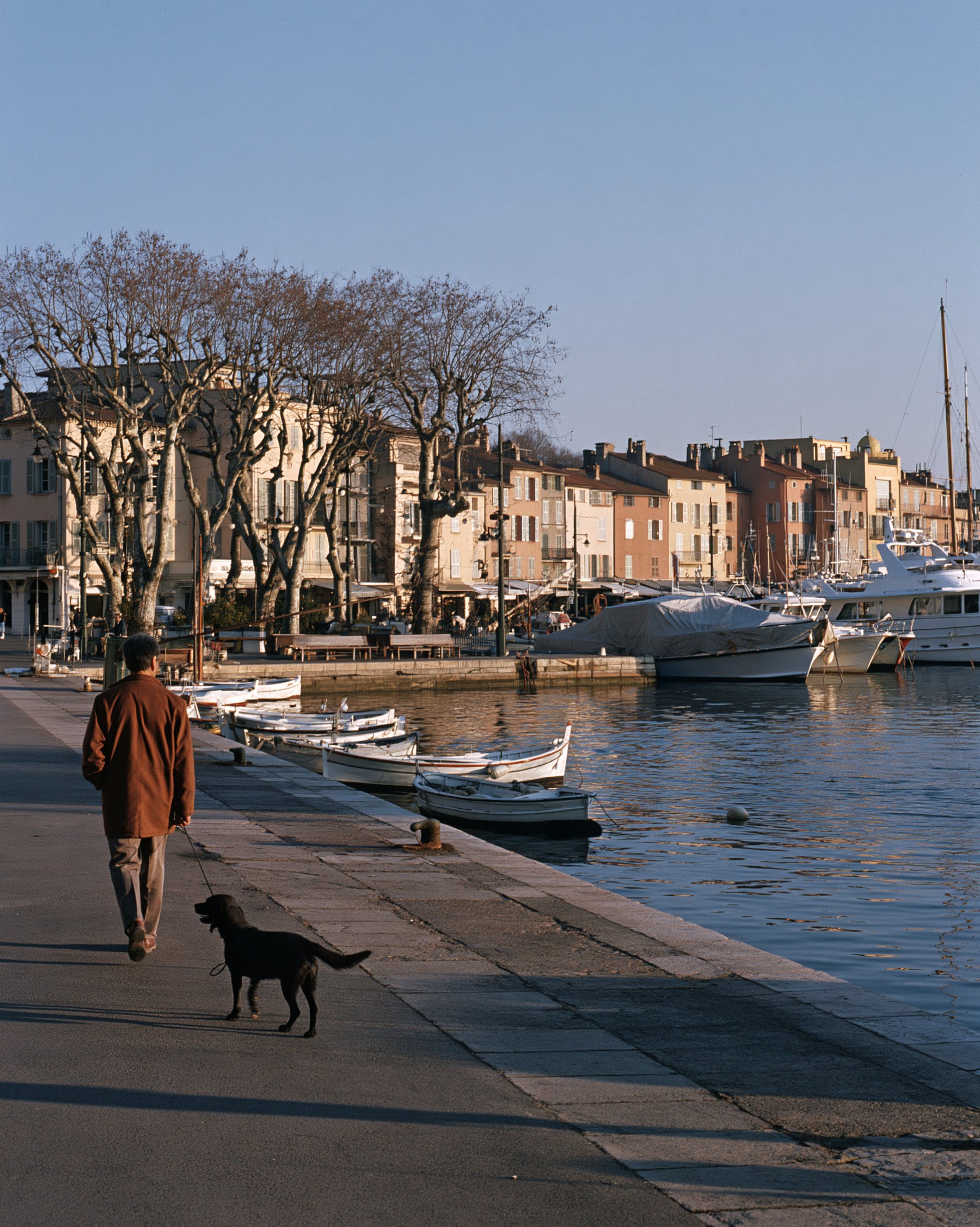
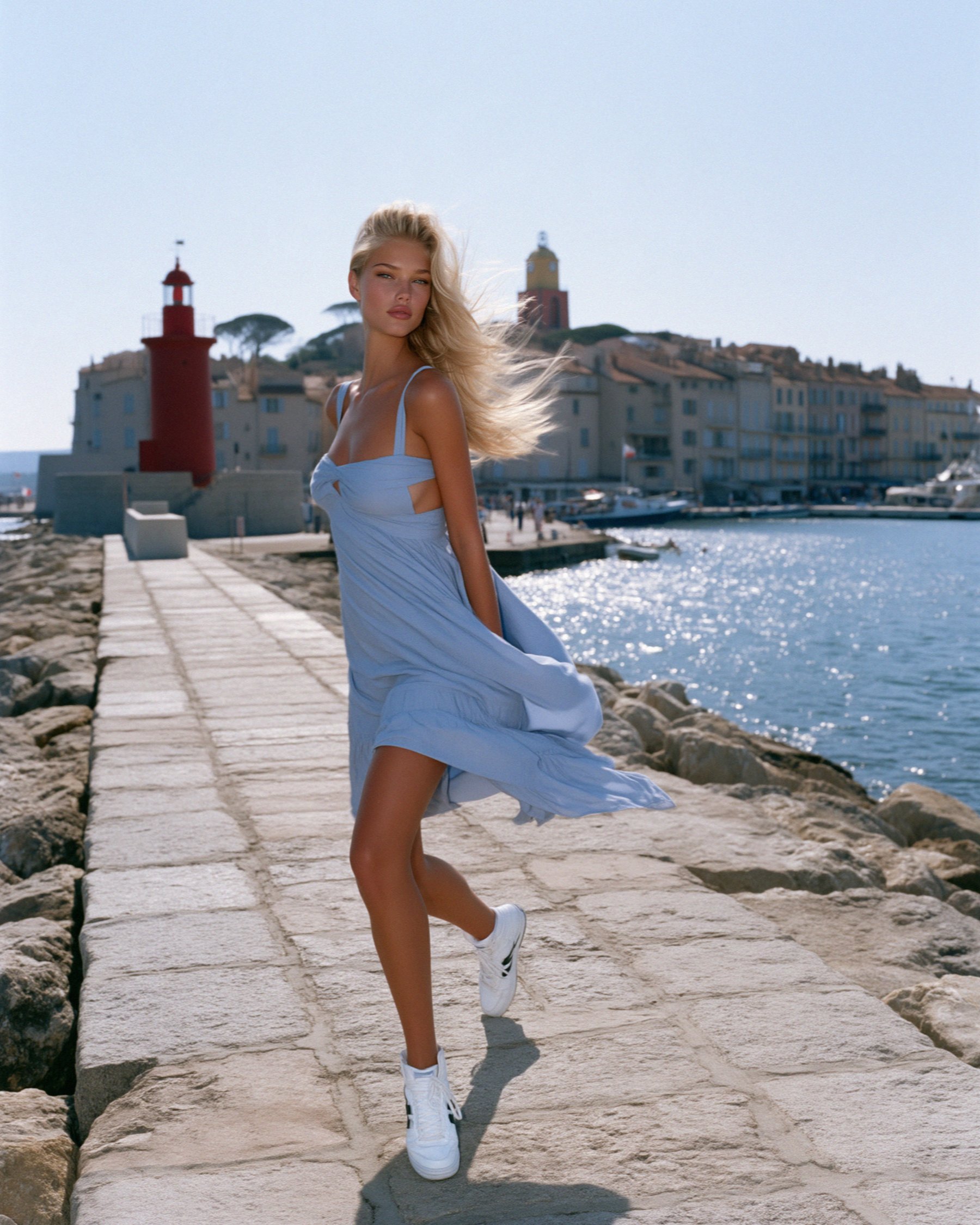
The Vieux Port is the heart of the place, and the view from it is the one on every poster: a curve of tall, narrow houses in ochre, pink and pale yellow along the Quai Jean Jaurès and the Quai Suffren, fishing boats in the foreground, yachts moored stern-to along the quay, and the red lighthouse at the end of the harbour wall.
On the quay itself, painters still set up their easels and sell canvases of the view behind them. A statue of the Bailli de Suffren, the town’s great eighteenth-century admiral, looks out over the water. And under its red awnings, with its rows of red chairs facing the boats, sits Sénéquier, the café where everyone eventually takes a coffee, and which is just as well known for its nougat. The first thing I do on arrival is take a coffee on that terrace, early, while the port is still waking up.
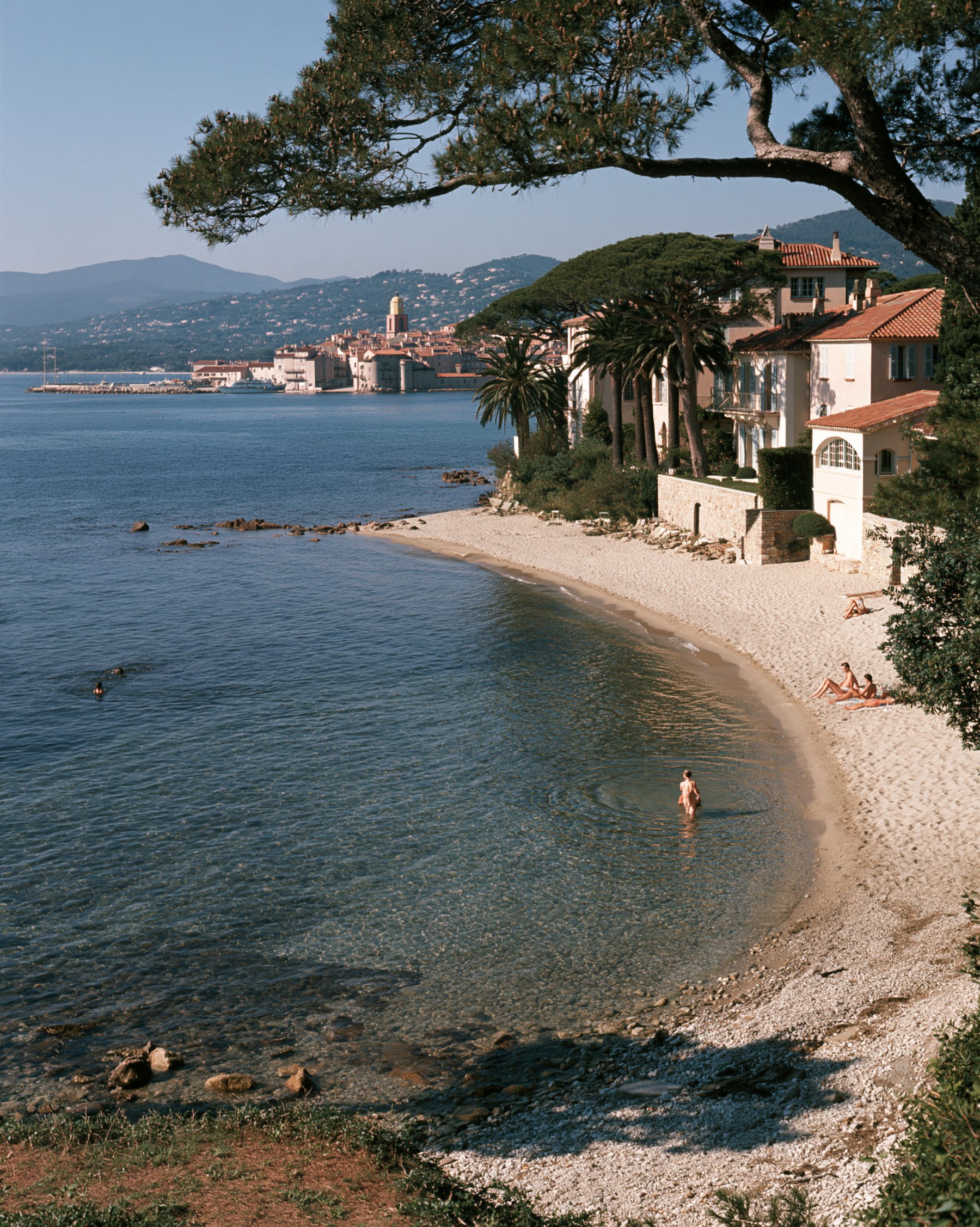
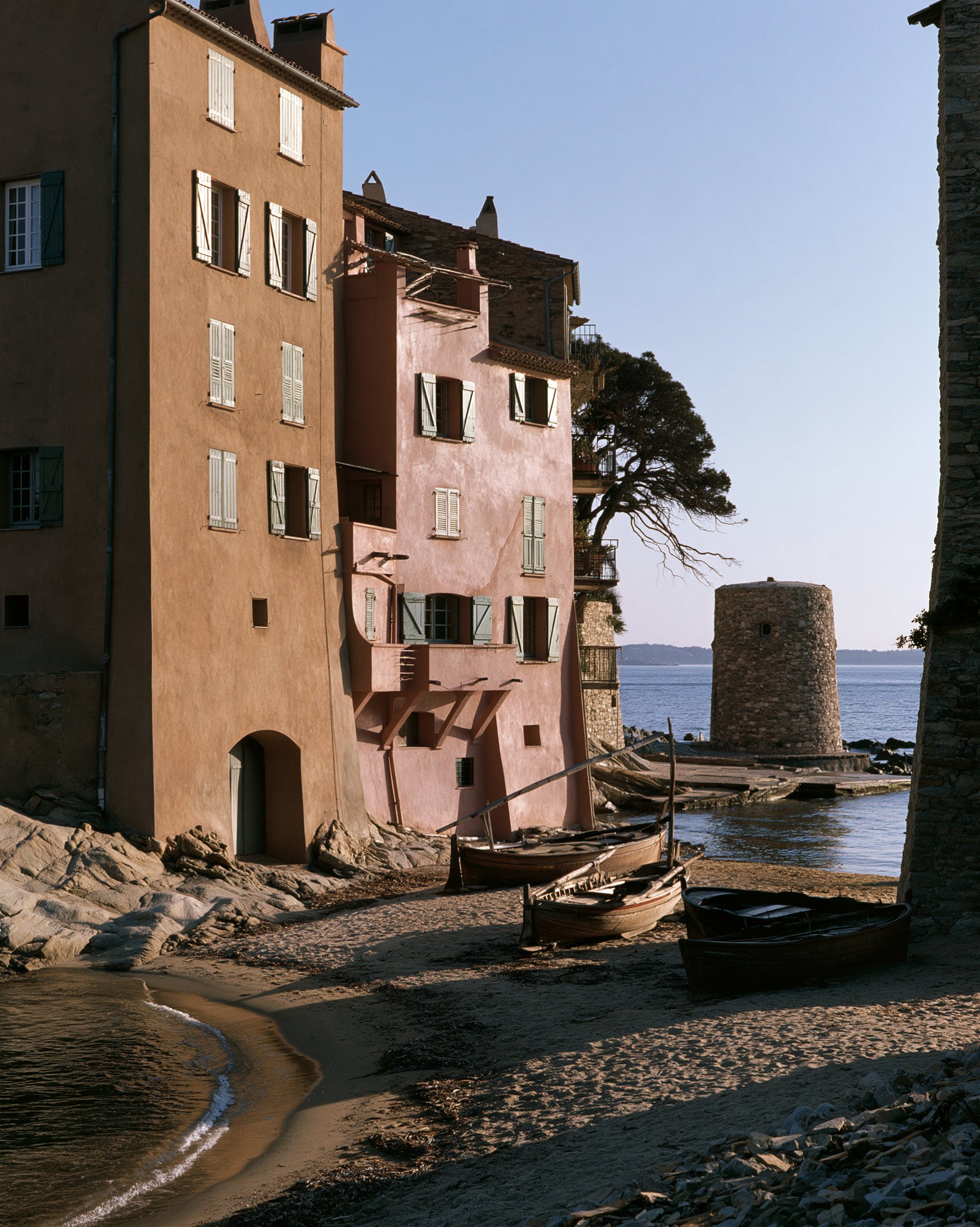
Behind the port the lanes climb. Walk past the fish market and out through the Porte de la Poissonnerie, and you are in La Ponche, the old fishermen’s quarter at the tip of the town, with the Tour du Portalet and the Tour Vieille guarding the water and three tiny beaches, La Glaye, La Ponche and La Fontanette, tucked under the walls. Vadim filmed here, and it still has more character than anywhere else in town.
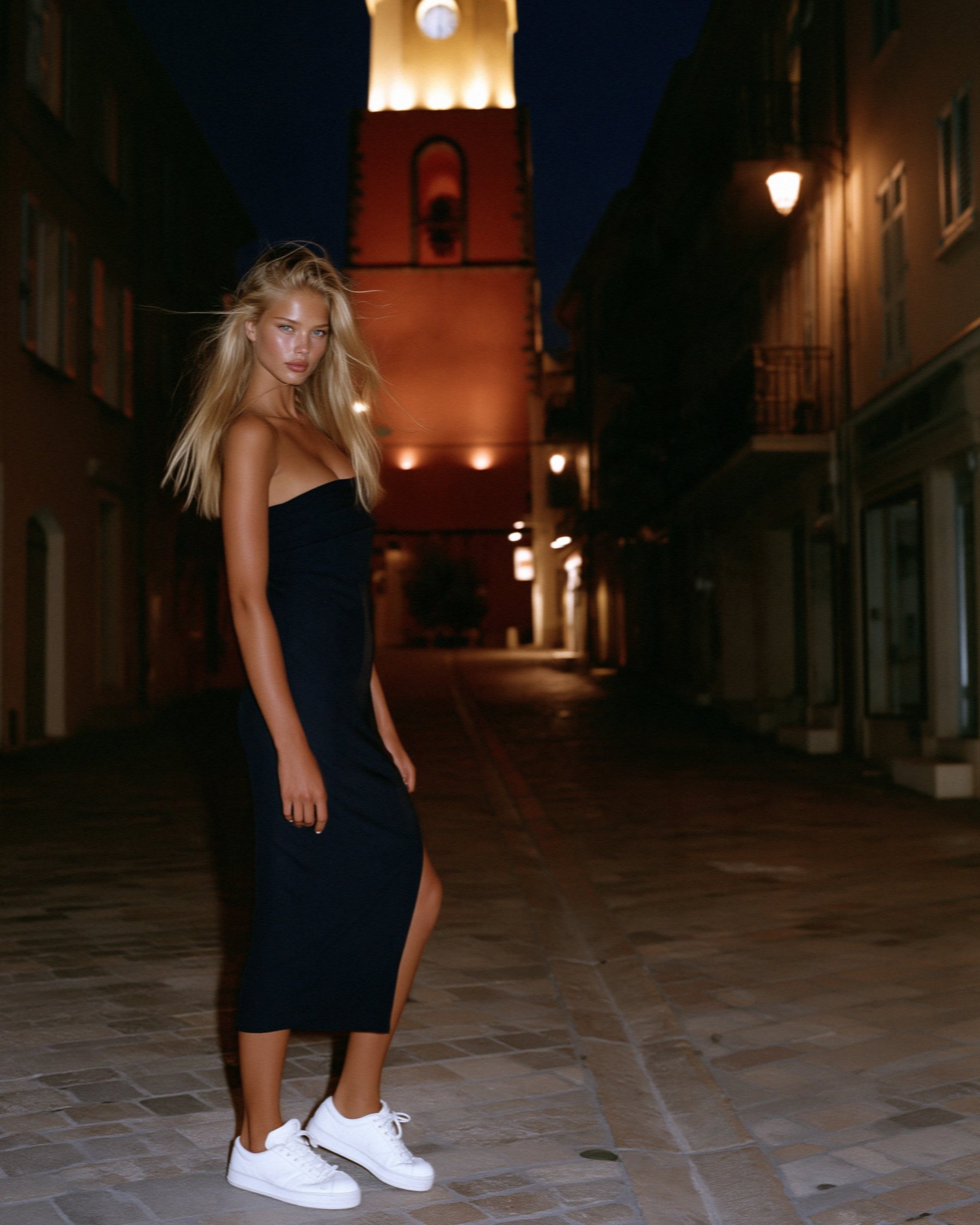
Above it all rises the ochre and red bell tower of the church of Notre-Dame-de-l’Assomption, eighteenth-century and Italian Baroque in style. Inside is the gilded bust of Saint Torpes, the saint the town is named after, carried through the streets during the Bravades. It is free to visit, and mornings are the safest bet, since the hours vary.

The old town is best before ten and again after the day boats leave. I have walked it piece by piece, from the quay to La Ponche, the church, the fish market and up to the citadel, in my guide to the old town of Saint-Tropez, La Ponche, the port, the Citadel and Place des Lices.
Place des Lices and the market
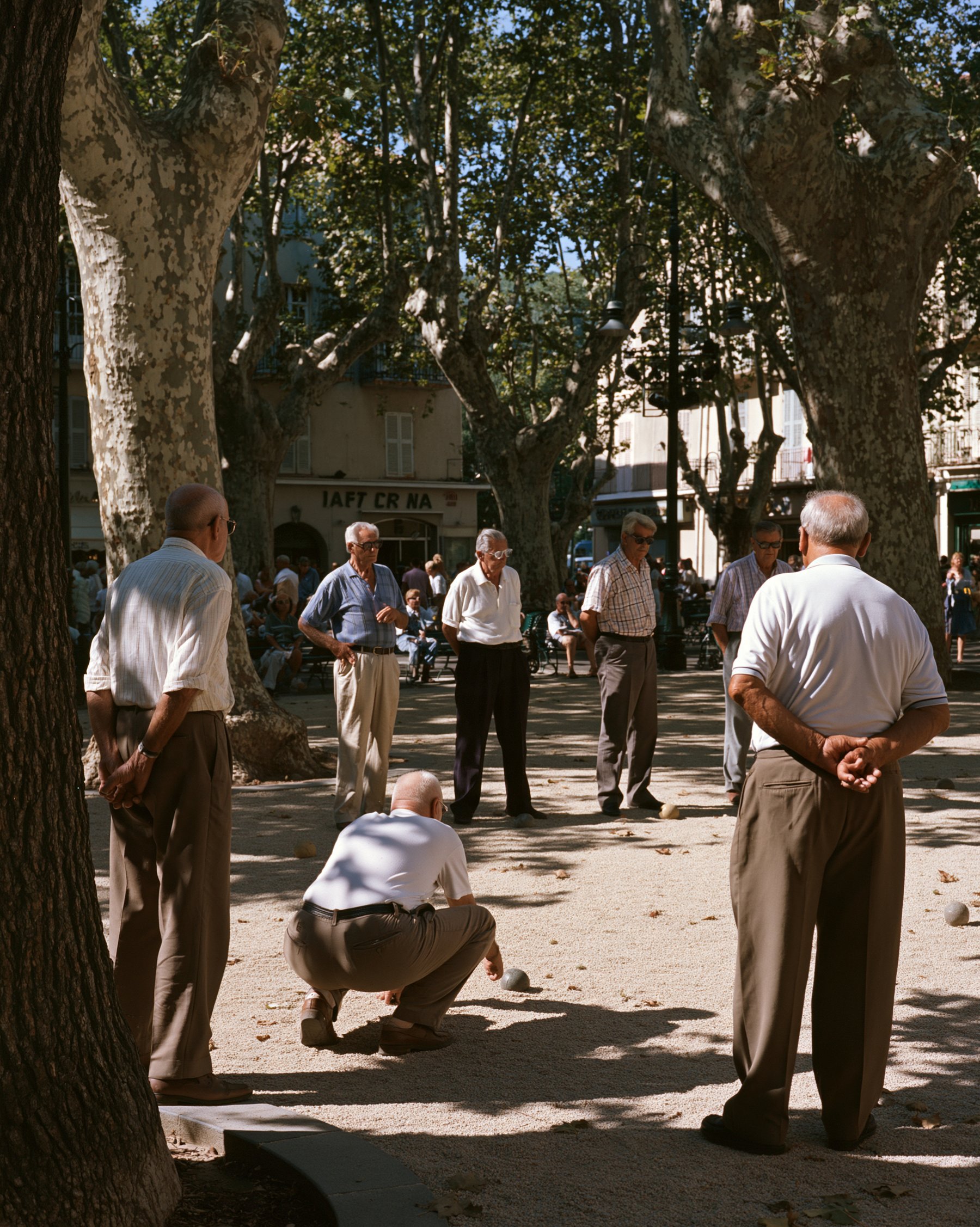
A short walk inland from the port, the Place des Lices is the other centre of Saint-Tropez, and in some ways the truer one. It is a broad gravel square shaded by old plane trees, and for most of the week it belongs to the pétanque players, who take it more seriously than any visitor ever will.
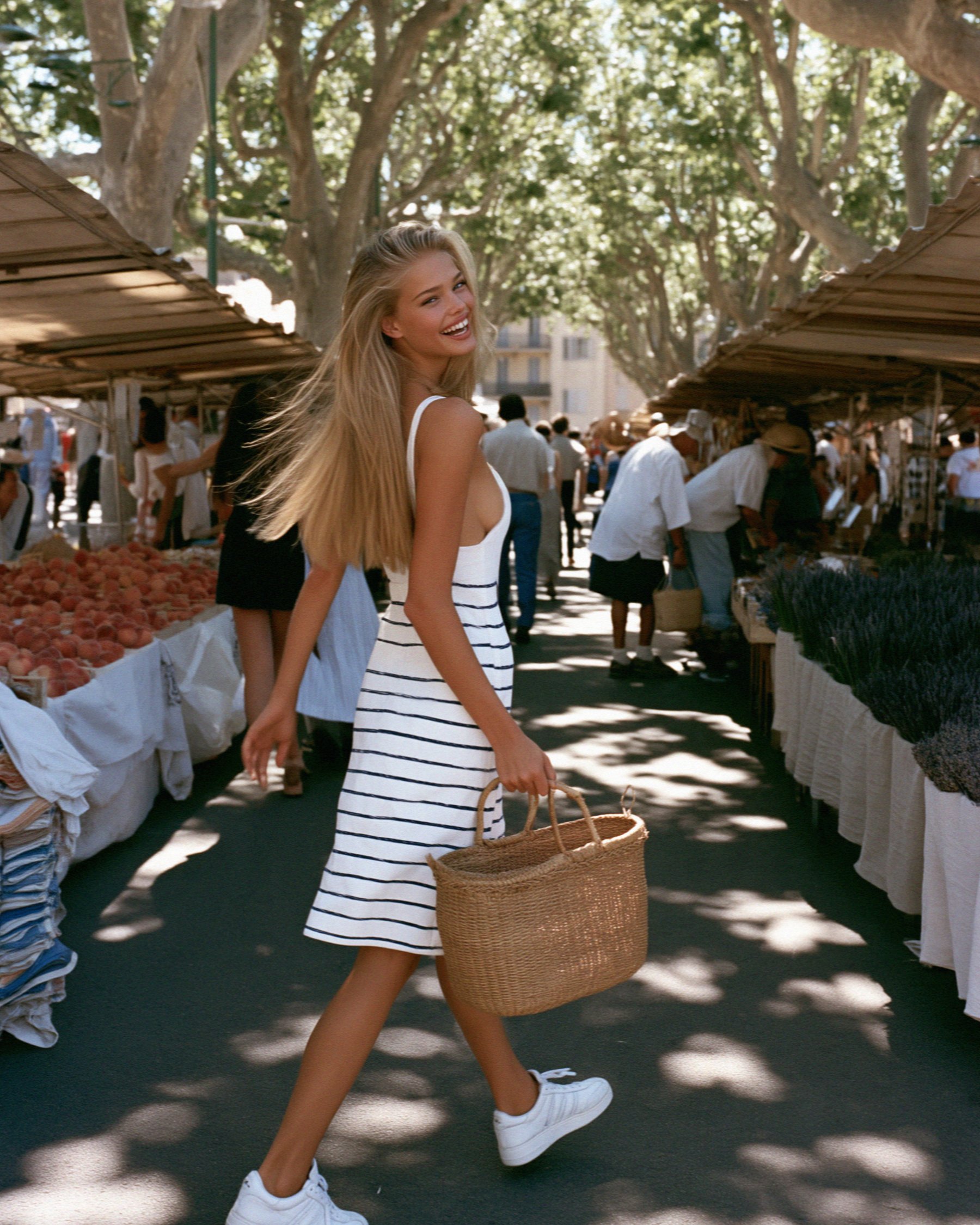
On Tuesday and Saturday mornings it becomes the market, all year round, from about 08:00 to 13:00. Half of it is food (vegetables, olives, cheeses, honey, peaches in summer) and the other half linen, baskets, sandals, straw hats and old things, and on a Saturday in high season the whole square is shoulder to shoulder by eleven. Go at opening time.
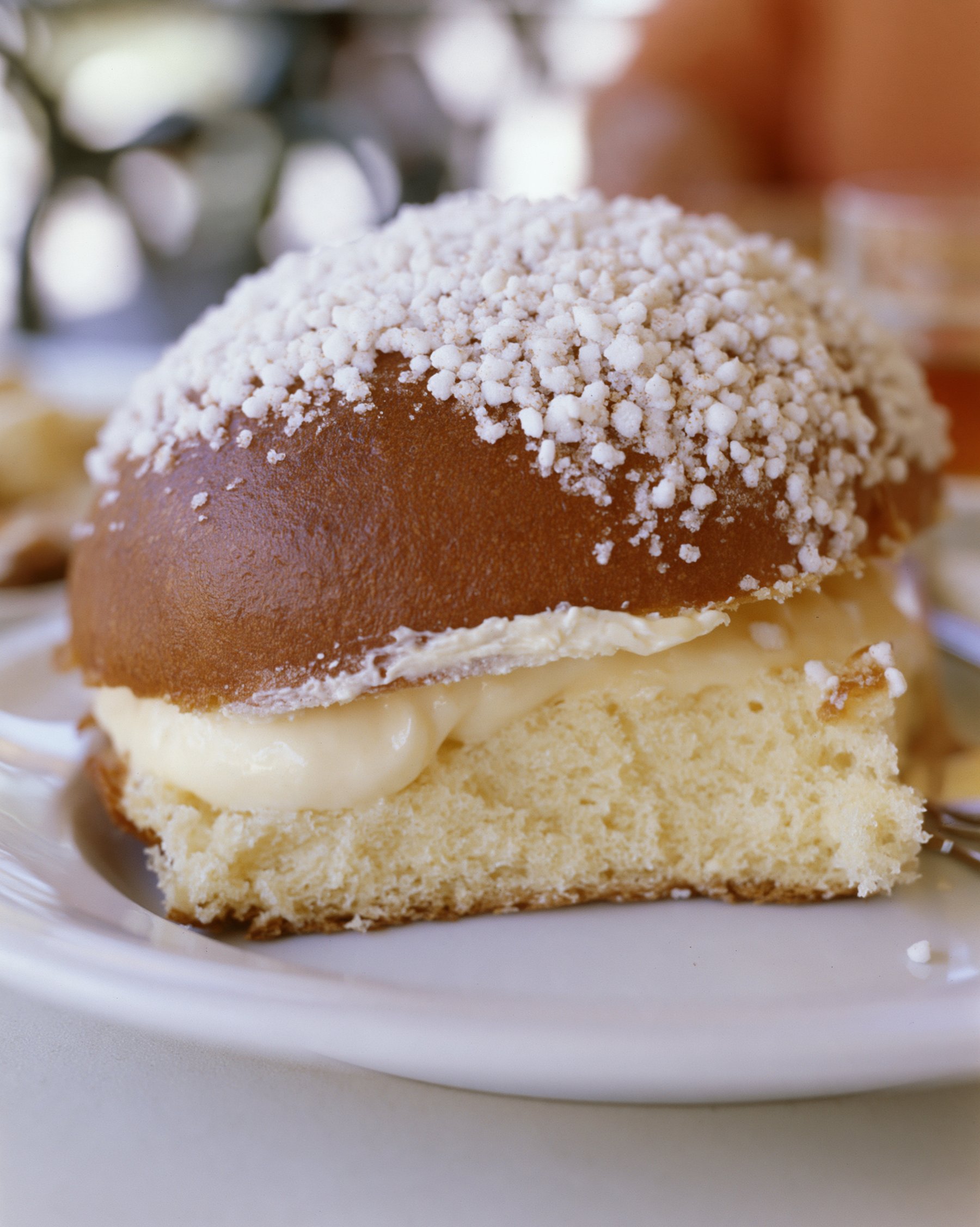
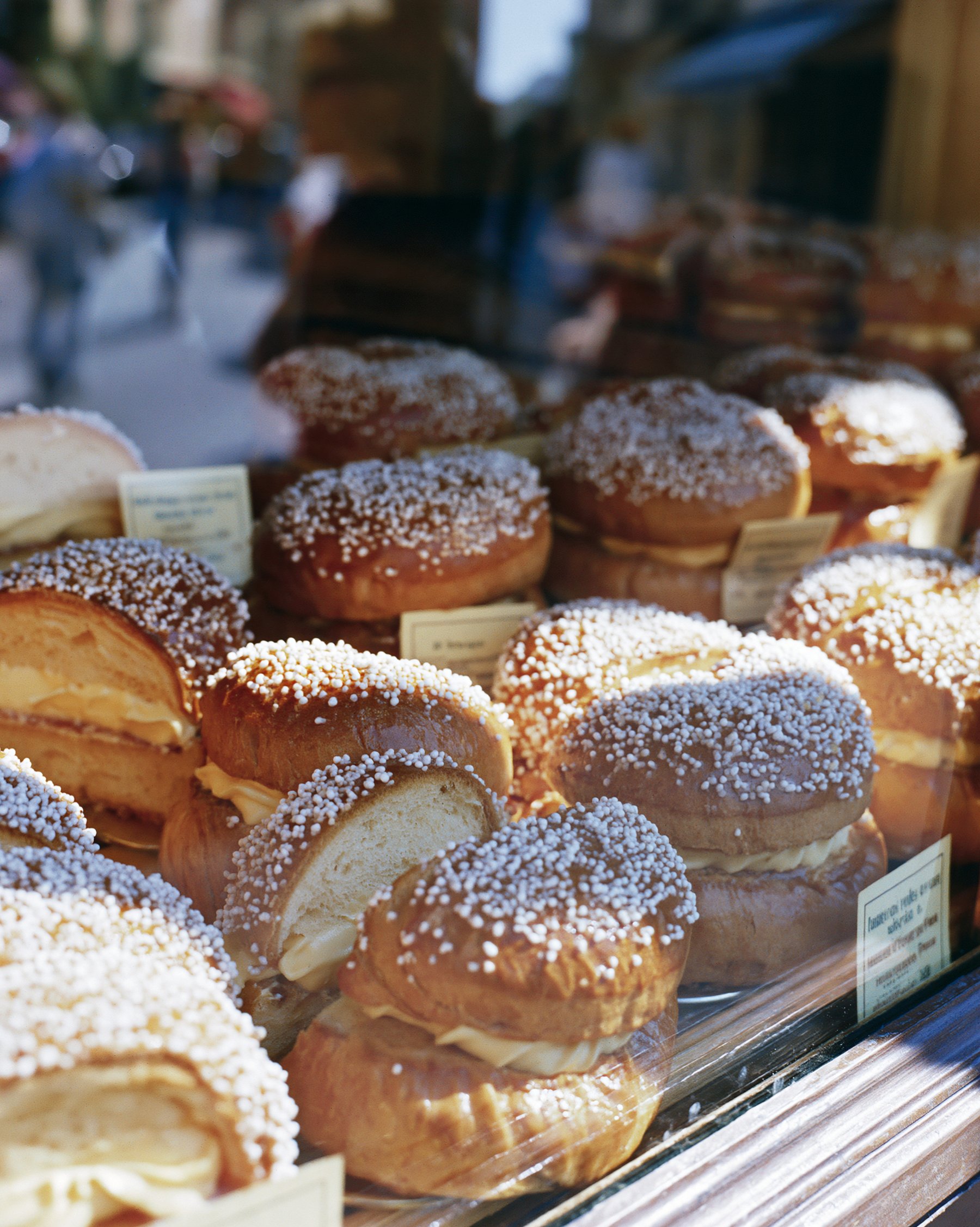
Around the edges of the square are some of the town’s institutions. Le Café is the classic place for a long lunch. Dior has its own café-restaurant on the square, Dior des Lices. And La Tarte Tropézienne has its flagship shop here, selling the town’s own cake: a soft brioche split and filled with cream, first sold by a Polish-born pastry cook called Alexandre Micka in the 1950s and, so the story goes, named at Bardot’s suggestion while she was filming in town.
If you only do one thing on a Tuesday or a Saturday, make it this. The market, the square and a dozen other things I would put on any first visit, in the order I would do them, are in my guide to the best things to do in Saint-Tropez.
The Citadel and the painters
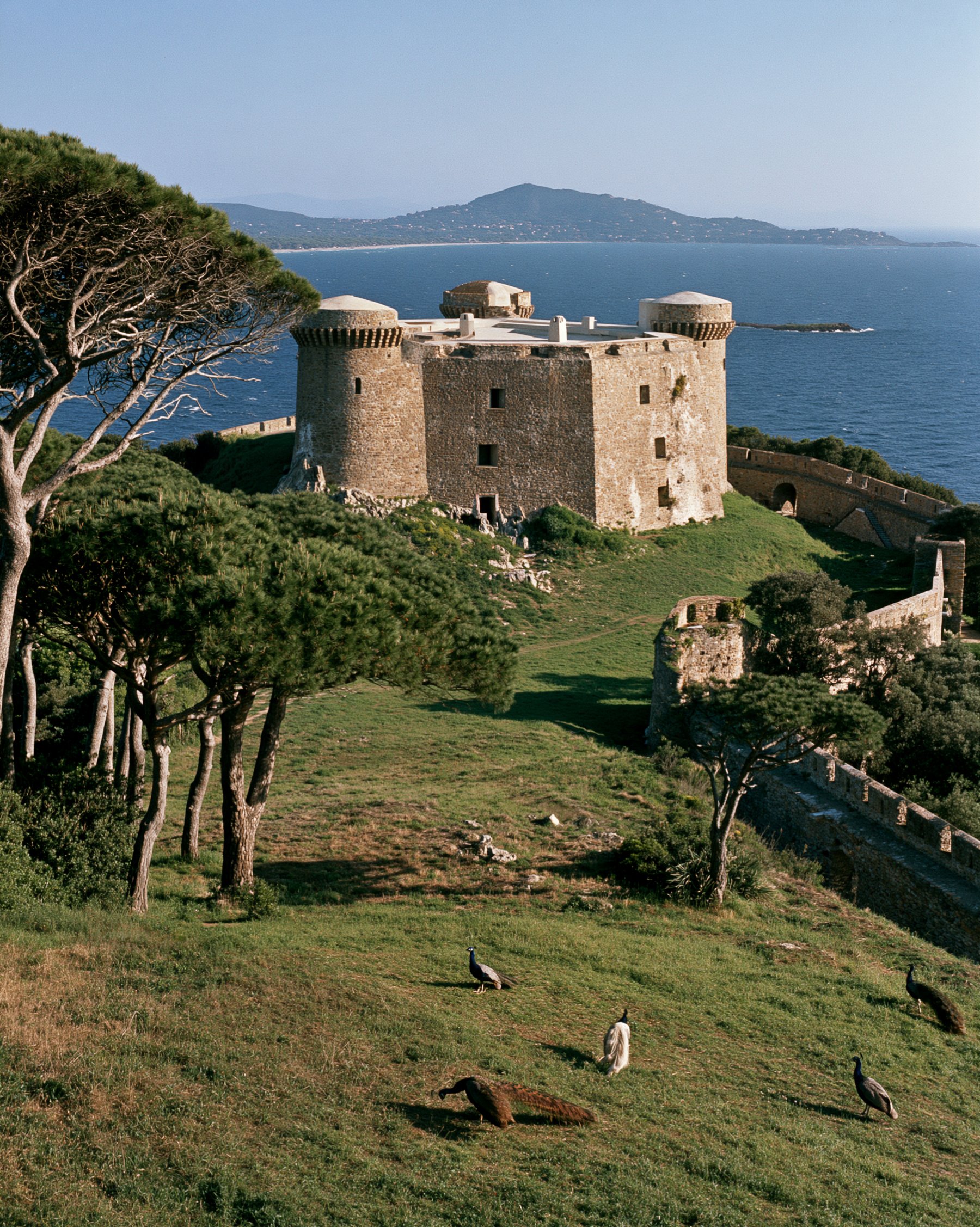
The first is the Citadelle, the early seventeenth-century fortress on the hill above town. Its hexagonal keep stands inside the ramparts, with peacocks wandering the park around it, and the view from the top is the finest over the gulf, across the port and the rooftops to Sainte-Maxime and the hills beyond. Inside the keep, the Musée d’histoire maritime is given over to the men who sailed out of this harbour for centuries. It costs 5 euros and is open daily from 10:00, until 18:30 from April to September and until 17:30 in winter, though it shut for works from 2 November to 18 December 2026.
The second is the Musée de l’Annonciade, on the port, in a sixteenth-century chapel built by the White Penitents. It has been a museum since 1922, and its collection is a small, perfect record of what happened when painters discovered this coast. In 1892 Paul Signac sailed into the harbour on his boat, L’Olympia, fell for the place and later bought a villa here. Henri-Edmond Cross, Matisse, Derain and Marquet followed, and the walls of the Annonciade are hung with their work and that of Bonnard, Vuillard, Braque, Camoin and Dufy: pointillist harbours, Fauve hillsides, the same quay you have just walked along, painted in colours nobody had dared use before. One thing to know: the museum closed in November 2026 for a major renovation and extension, with reopening planned for 2029, so check its status before you plan around it.
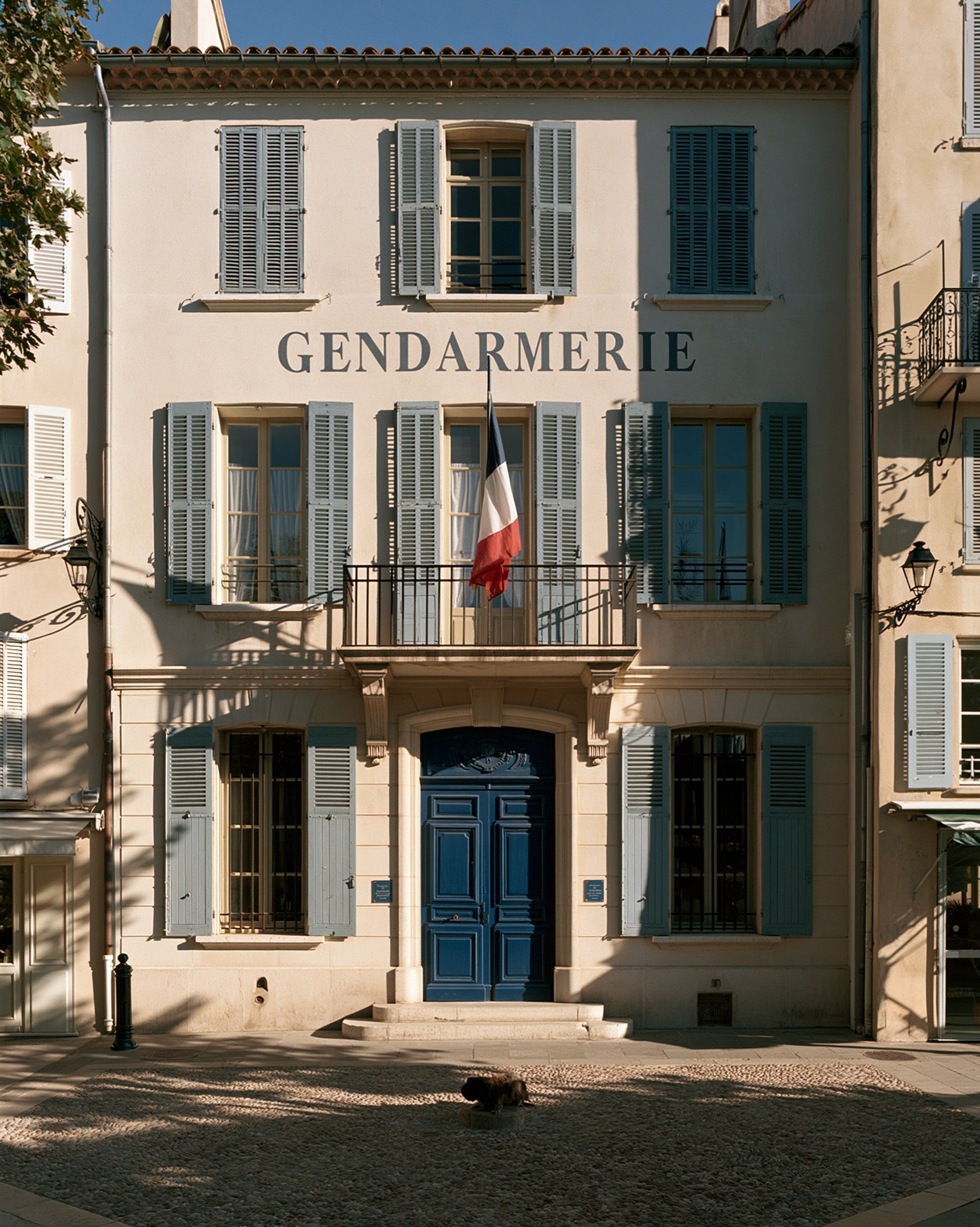
There is a third museum, lighter and much more fun than its name suggests. The Musée de la Gendarmerie et du Cinéma is in the real gendarmerie on Place Blanqui, the building made famous by Louis de Funès in Le Gendarme de Saint-Tropez in 1964 and its sequels. Inside are the films made on the peninsula and the dressing rooms of Bardot and Romy Schneider rebuilt as they were; entry is 5 euros. A statue of Bardot stands near the old gendarmerie.
Bardot herself is a thread that runs through the whole town, from La Ponche, where Vadim filmed, to La Madrague, the waterside house on the Canoubiers bay she bought in 1958 and where she died in December 2025, aged 91. For now her house can only be seen from the sea; her foundation plans to open it to small booked groups from summer 2027. The films, the places and how the town remembers her are in my guide to Brigitte Bardot’s Saint-Tropez, the films, La Madrague and where to find her.
Pampelonne and the beaches
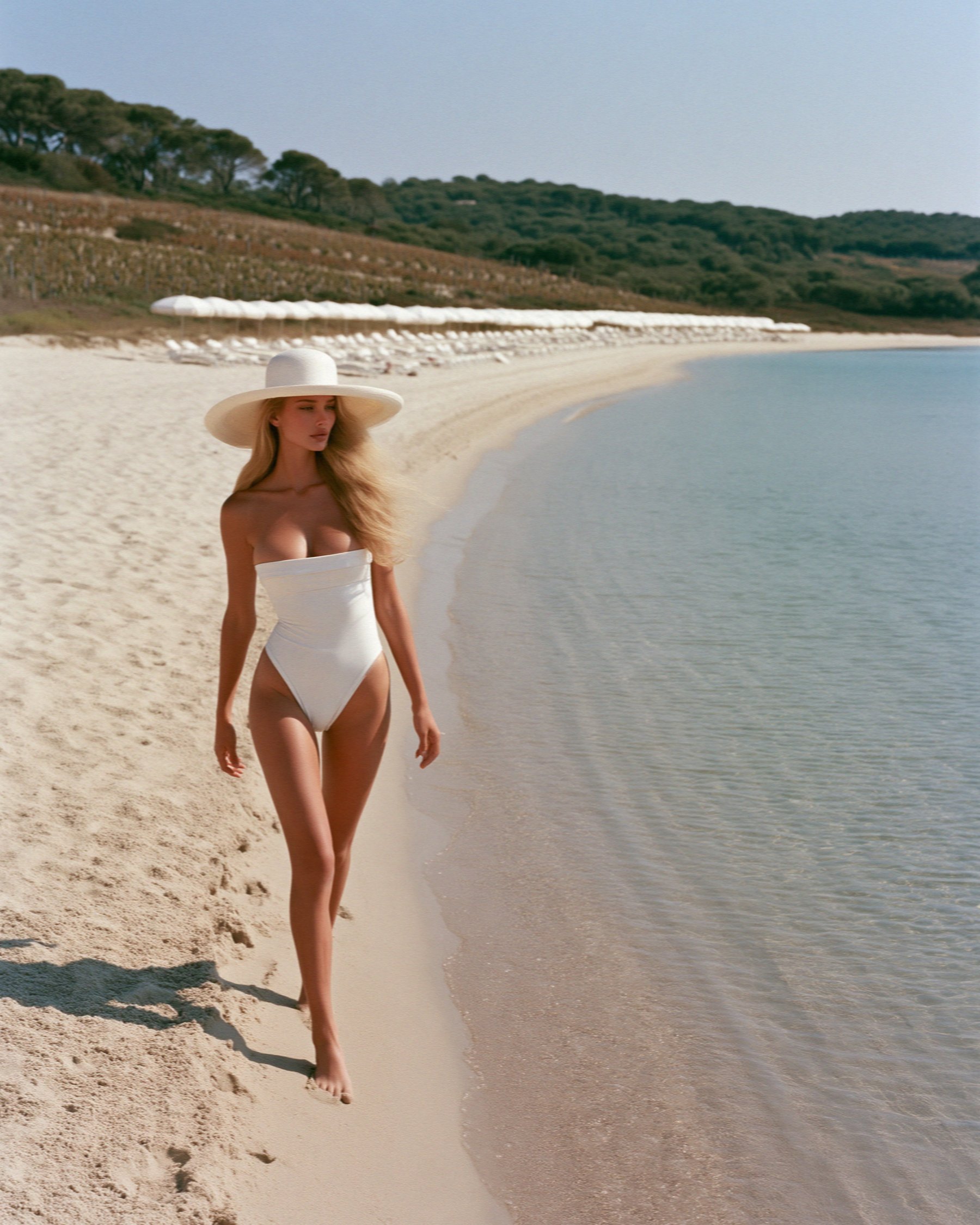
Pampelonne is the beach most people mean when they say Saint-Tropez, and the first thing to know is that it is not in Saint-Tropez at all. It lies in the commune of Ramatuelle, on the eastern side of the peninsula, about fifteen minutes’ drive from the port out of season: roughly five kilometres of fine pale sand turned towards the sunrise, ending in the north at Tahiti beach.
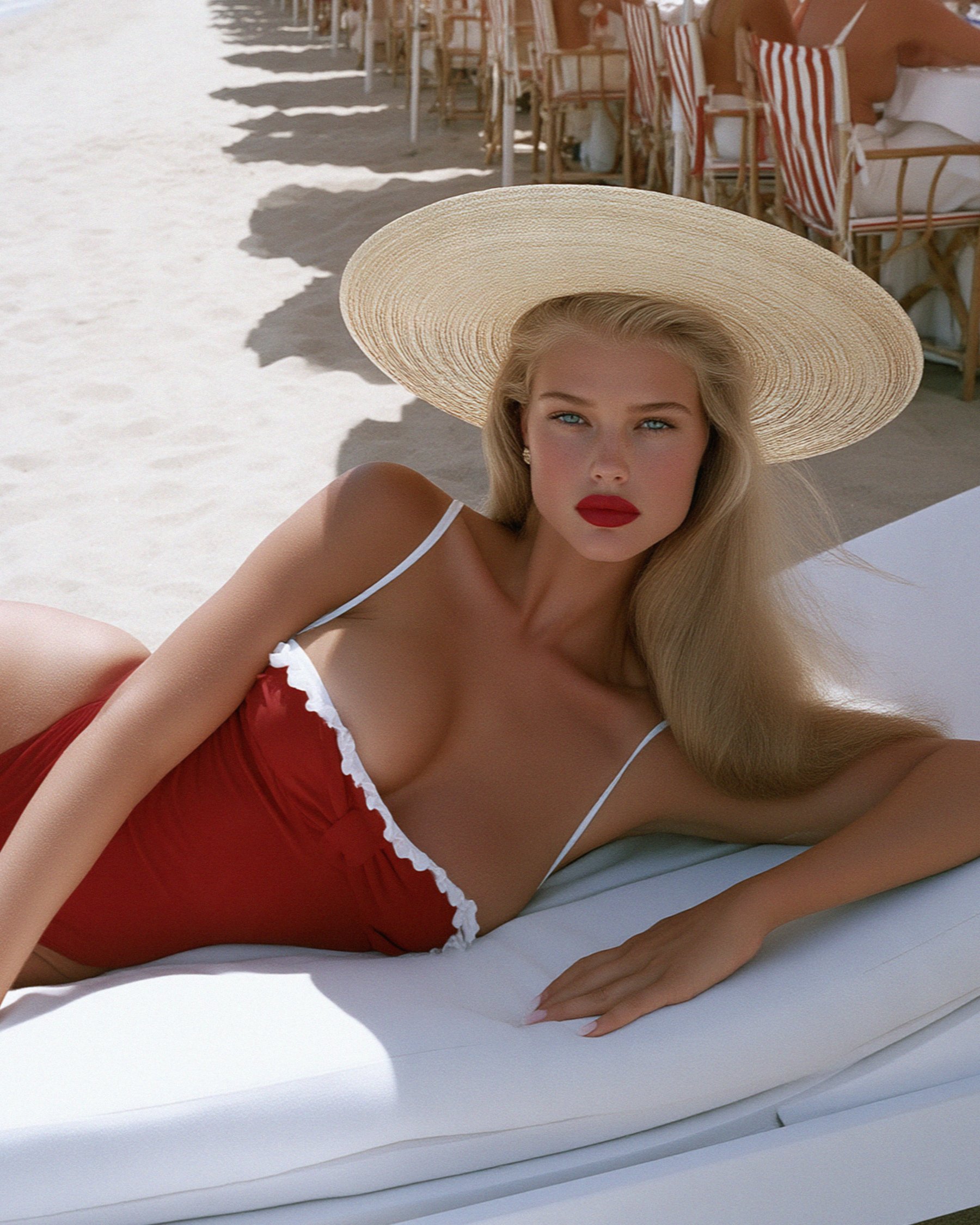
The beach clubs are what made it famous, and they are still there, open roughly from mid-April to late September or mid-October. Club 55 began in the mid-1950s, during the filming of Vadim’s film, when the de Colmont family’s beach hut started feeding the crew, and it is still the lunch everyone wants. Then there are Nikki Beach, Bagatelle, Loulou, Moorea, Shellona and Les Palmiers, each with its own mood, from long white tablecloth lunches to music and rosé by the magnum. Expect to pay something like 55 to 90 euros for a sunbed at the better clubs in high season in 2026, and well over a hundred euros a head for lunch at the famous ones. In July and August, book days ahead.
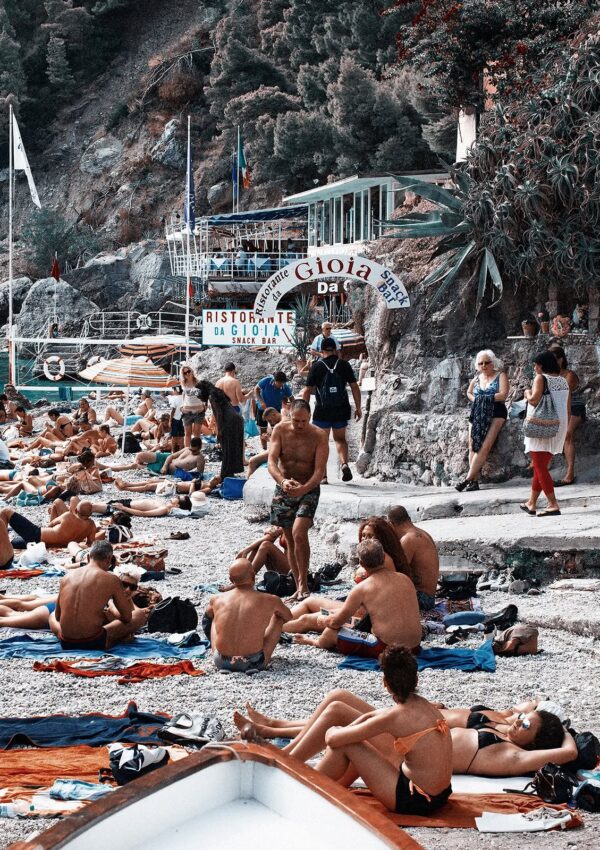
What many visitors do not realise is that every beach in France is public. Between the clubs there are free stretches of sand with their own car parks (paid in summer), and on a weekday in June you can lay a towel down at Pampelonne for nothing and swim in the same water as everyone else. After a long redevelopment to restore the dunes, the clubs now sit further back, behind a wider strip of open sand.
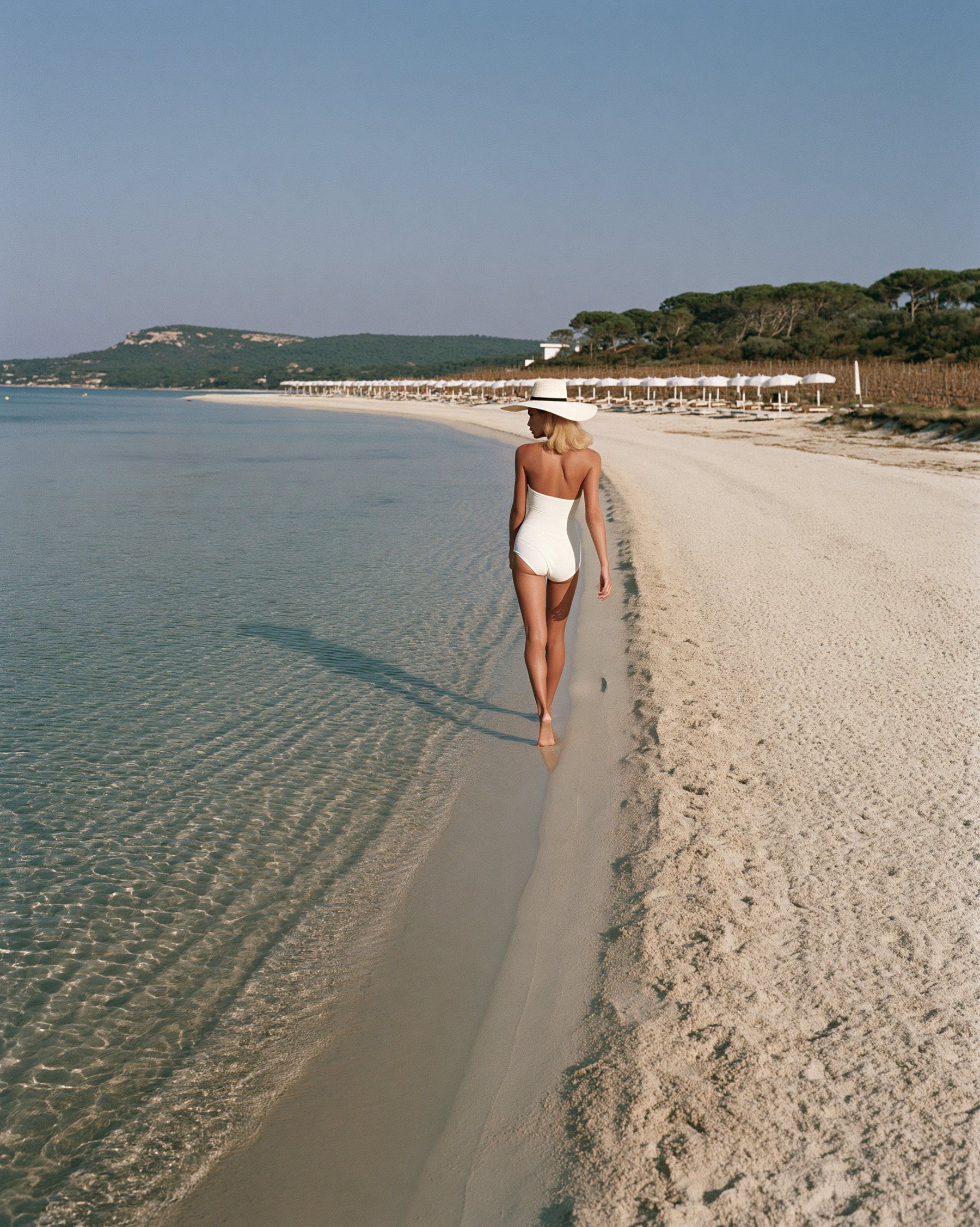
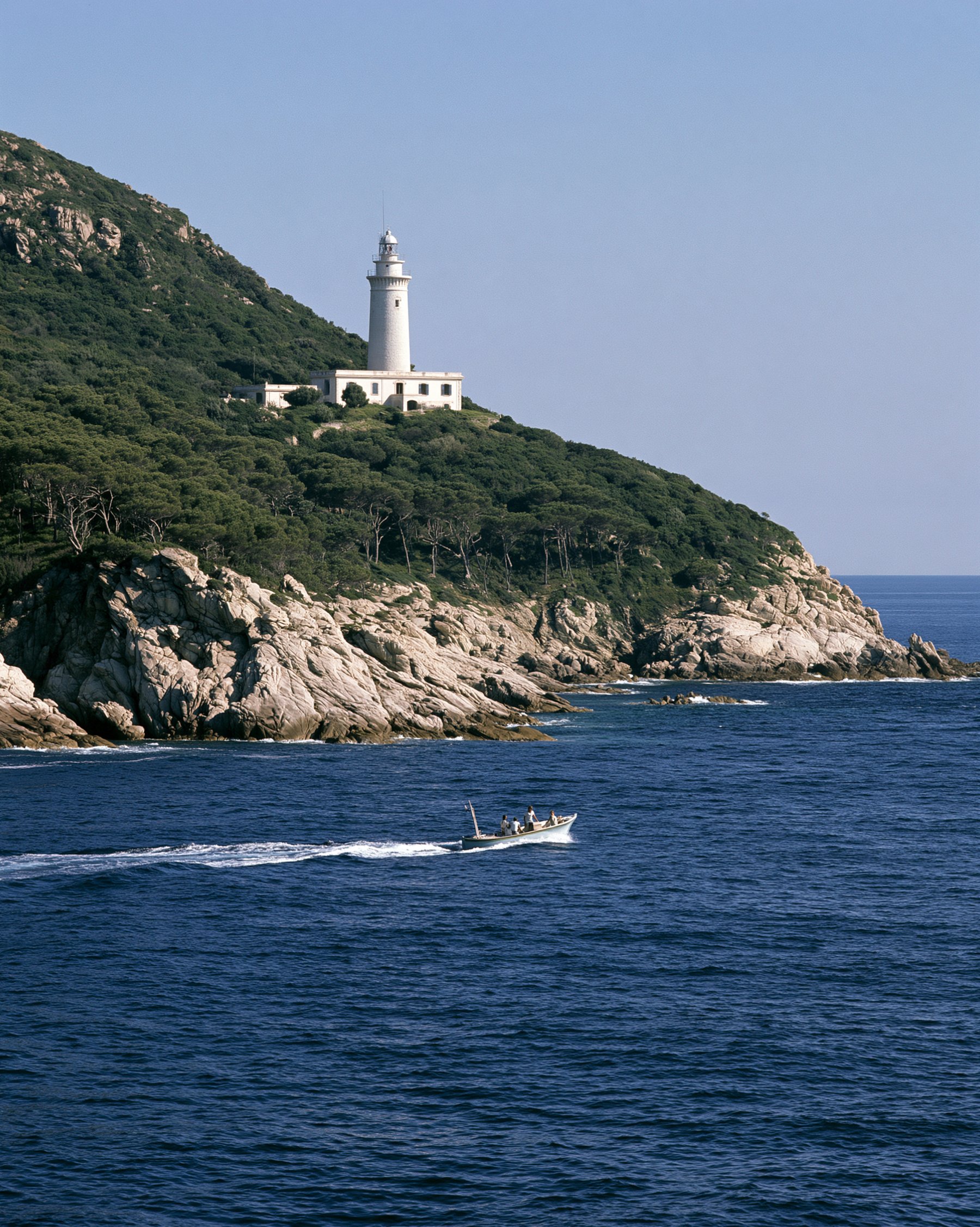
Closer to town, Les Graniers is a sandy cove below the citadel, reached on foot past the old seaside cemetery, with a beach restaurant and sunbeds. La Bouillabaisse, at the entrance to town, is sandy and has lifeguards in summer. Les Canoubiers is shallow and calm, good with children. Les Salins, among the pines on the east side, is the beach the locals keep for themselves. And to the south, beyond Pampelonne, the coast turns wild: L’Escalet, the sandy isthmus of Cap Taillat, and the granite coves below the lighthouse on Cap Camarat.
For a long day with a book, I would choose Les Salins over any of the clubs. Every beach, from the clubs to the free sand and the wild coves, with how to reach each one, is in my guide to Pampelonne and the best beaches in Saint-Tropez.
The coastal path
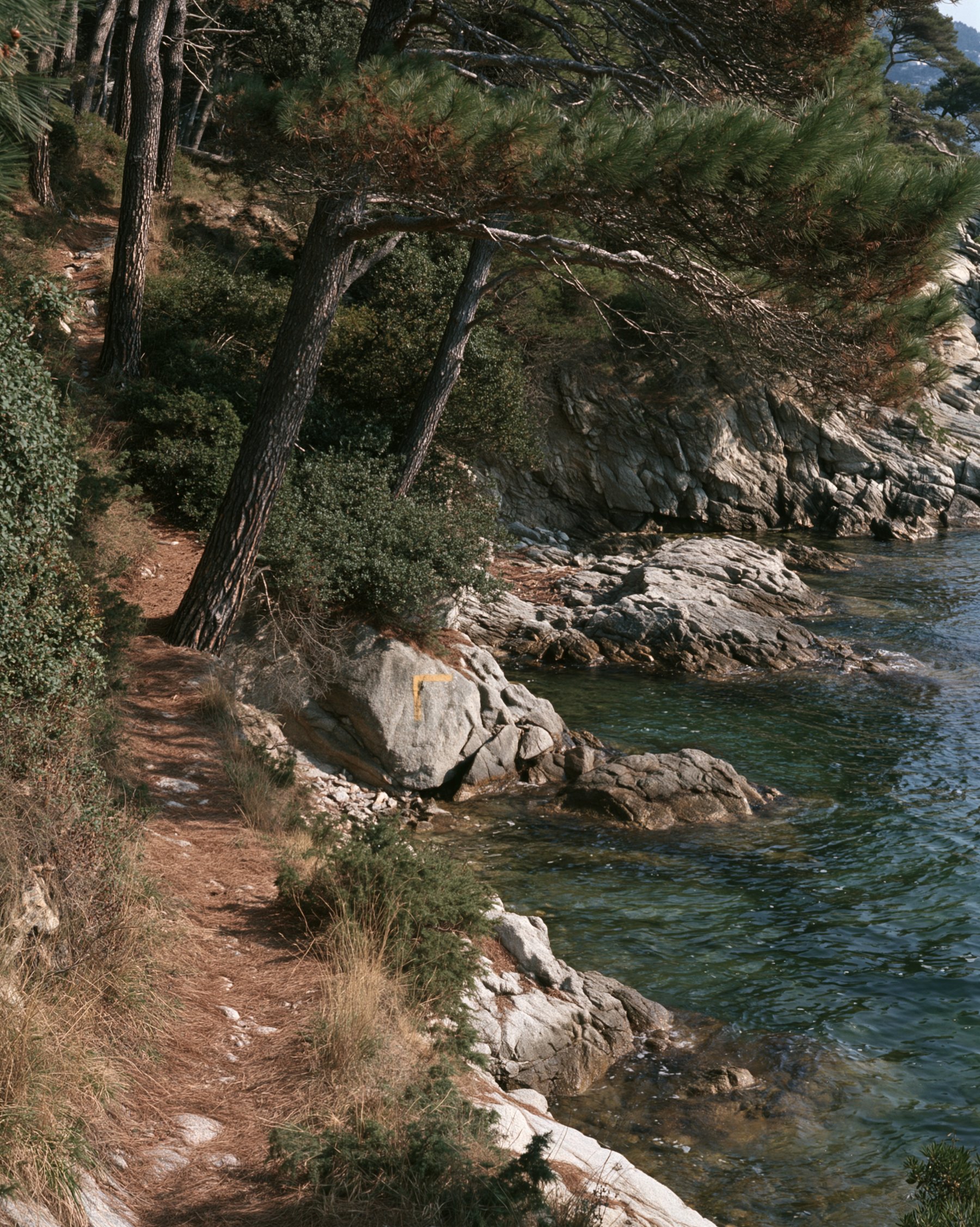
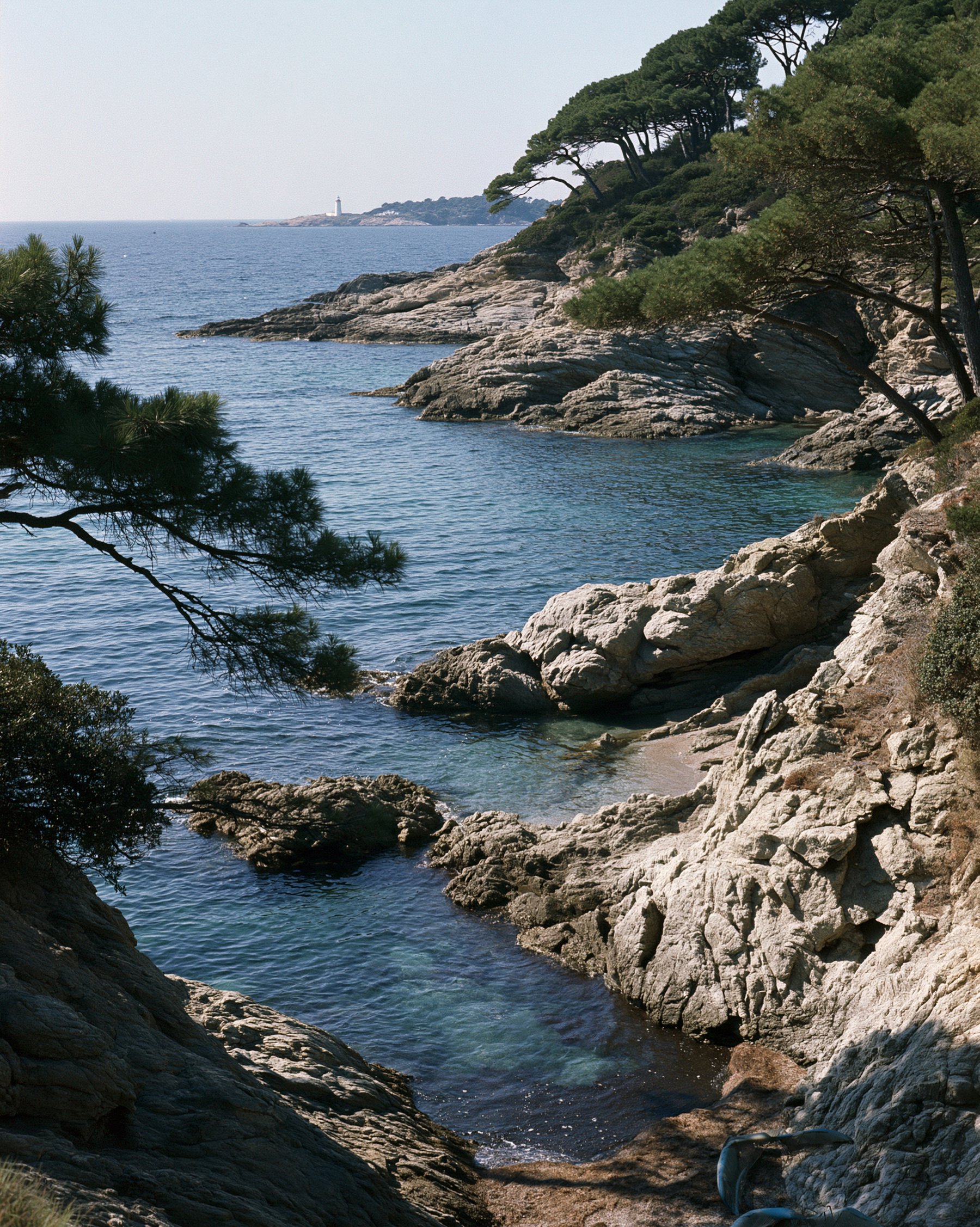
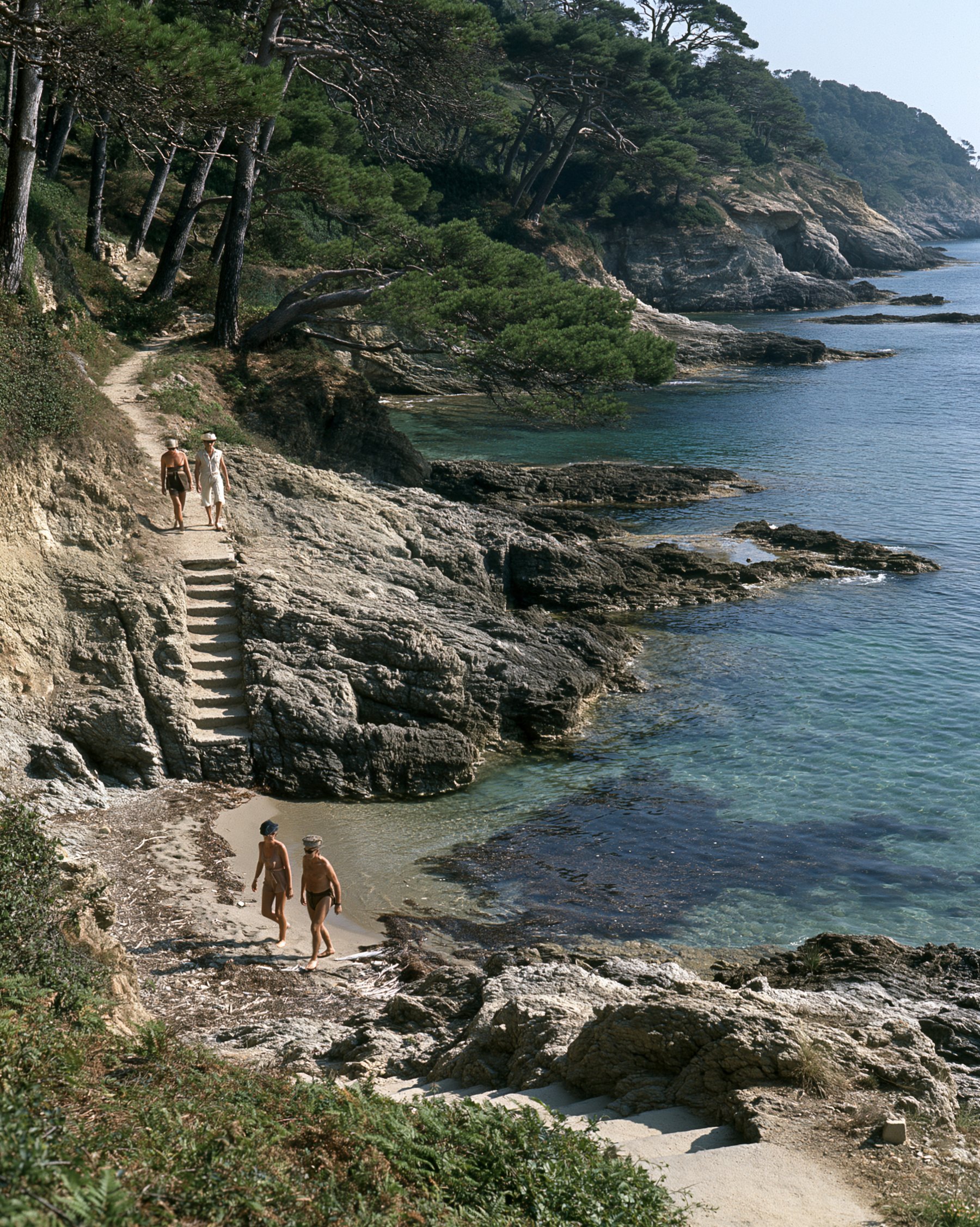
The best way to understand the peninsula, and to escape the crowd in town on a busy day, is on foot along the sentier du littoral, the coastal path that follows the shore all the way round.
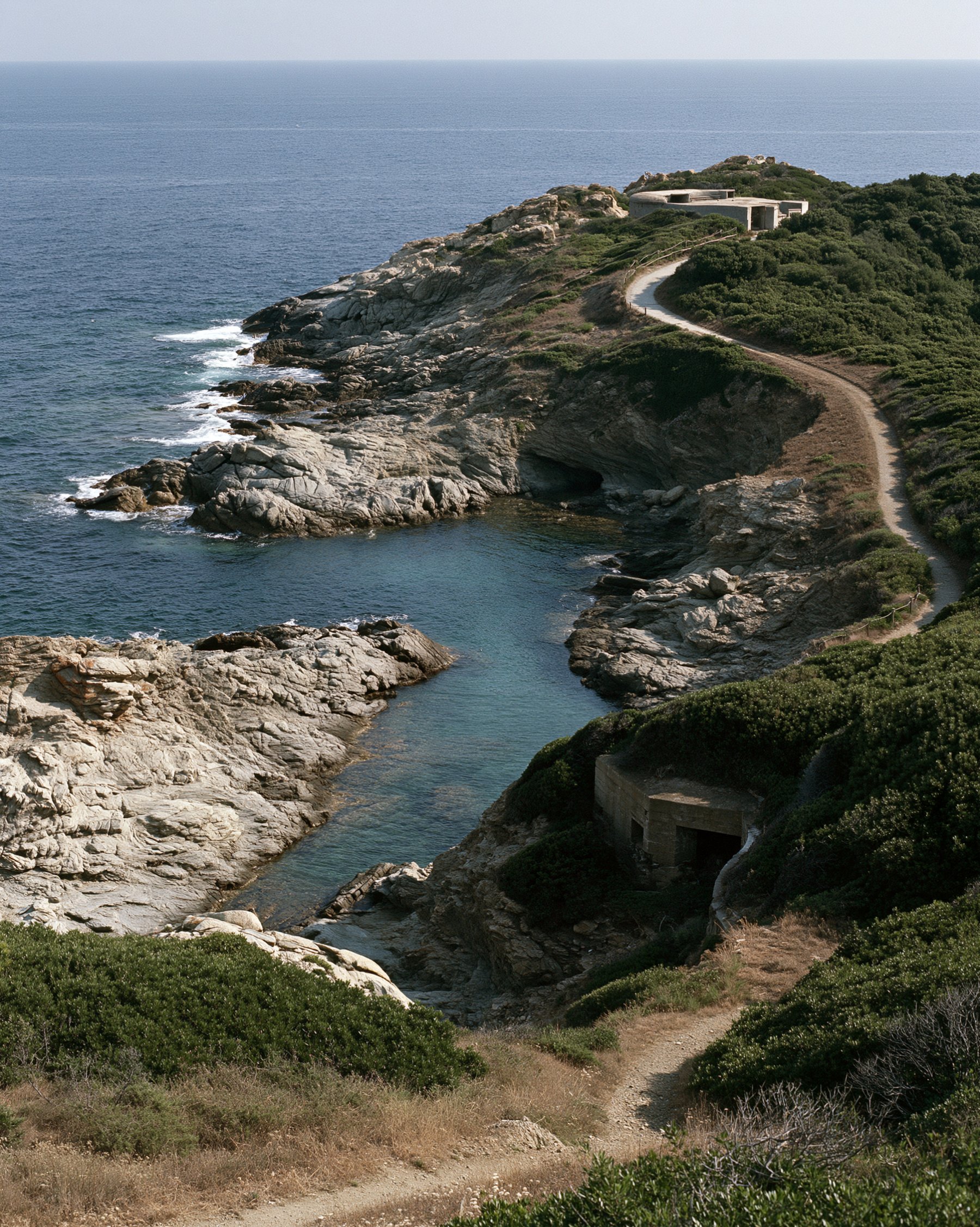
It begins at La Ponche, marked with yellow waymarks, and runs out past Les Graniers, Les Canoubiers and the headland beyond, past the walls and gates of villas you will never see inside, then round La Moutte and Cap des Salins to the beach at Les Salins. That stretch is about twelve kilometres and takes roughly three and three quarter to four hours at an easy pace, with stops for a swim. From Les Salins it carries on round to Tahiti and the long sweep of Pampelonne, and south of Pampelonne it runs on again to Cap Camarat, L’Escalet and Cap Taillat, the wildest and most beautiful section of all.
It is not a promenade. There are steps, rocks and long stretches with little shade, and the path can be closed on high fire-risk days in summer or when the wind is strong. Start early, carry more water than you think you need and wear proper shoes. The reward is turquoise water in coves that have no road down to them, and a sense, which is otherwise hard to find here in August, of having the place to yourself.
Out on the water
Saint-Tropez was built by sailors, and some of it is still best seen from a boat.
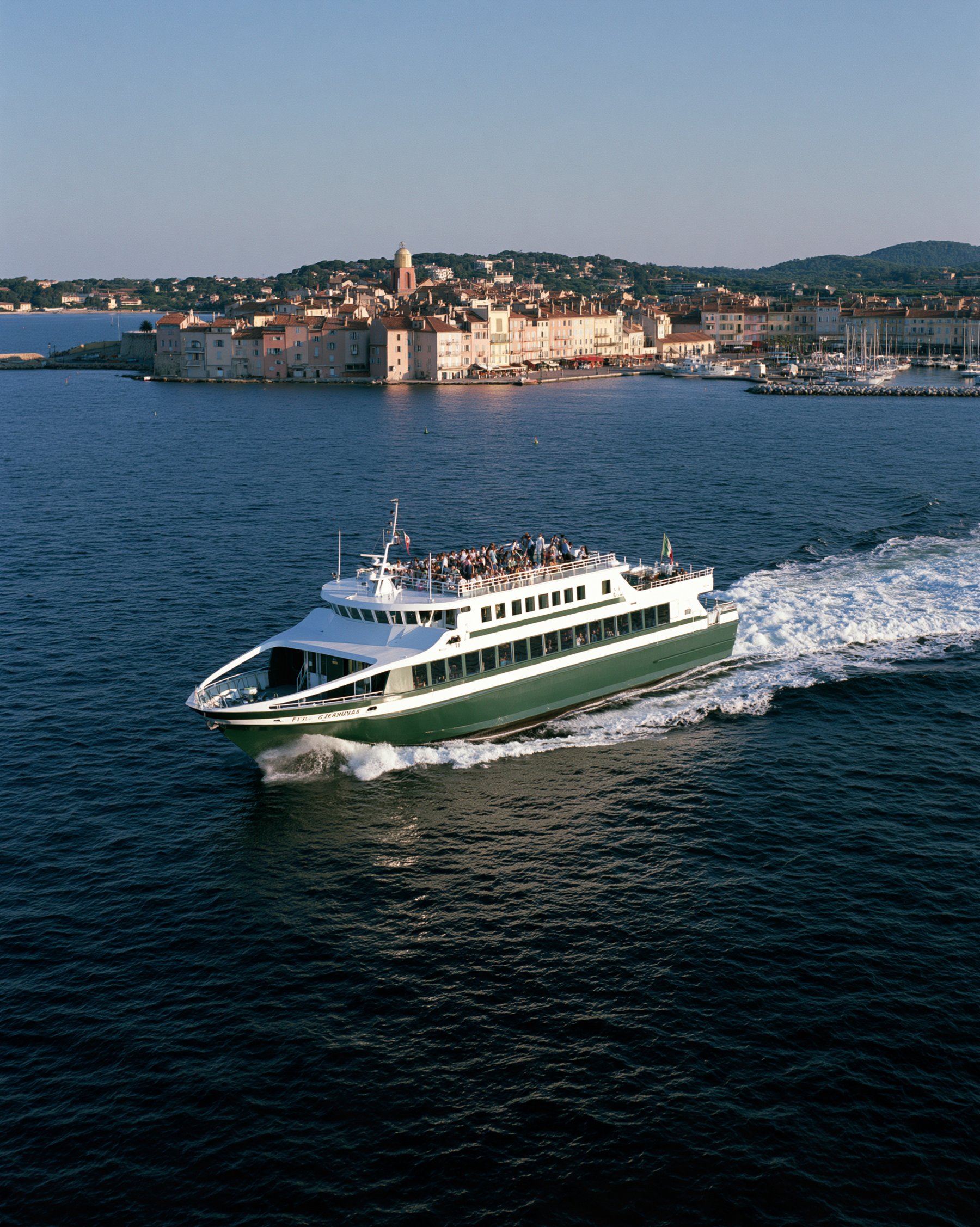
The simplest trips are run by Les Bateaux Verts, who have been crossing the gulf since 1961. Their tour of the Baie des Canoubiers passes the villas set in the pines along the shore, and it is the only way most people will ever see La Madrague, Bardot’s low house at the water’s edge. They also run trips to the three wild capes south of Pampelonne, Camarat, Taillat and Lardier, and, from Sainte-Maxime, long combined days to the islands of Port-Cros and Porquerolles, which involve a good deal of time on the water each way but are worth it for the clear sea and the national park.
For something more private, you can hire a skippered day boat, a small licence-free boat for an hour or two, or one of the classic varnished wooden motorboats that look exactly as they did in the 1960s. A small boat costs a few hundred euros; a motor yacht with a skipper in August runs into the thousands. Anchoring off Pampelonne is regulated in summer to protect the seagrass beds, which a good skipper will know.
One practical note. The gulf is often calm in the morning and choppy by mid-afternoon, and the mistral, blowing hard from the north-west, can cancel everything at short notice. Book the morning departures when you can. The villa trips, the capes, the islands, private hire and what each costs are in my guide to Saint-Tropez boat trips, the celebrity villas, the capes and Porquerolles.
Ramatuelle, Gassin and the hills
The peninsula behind Saint-Tropez is lovely country: vineyards, cork oaks, umbrella pines and two perched villages looking down over all of it.
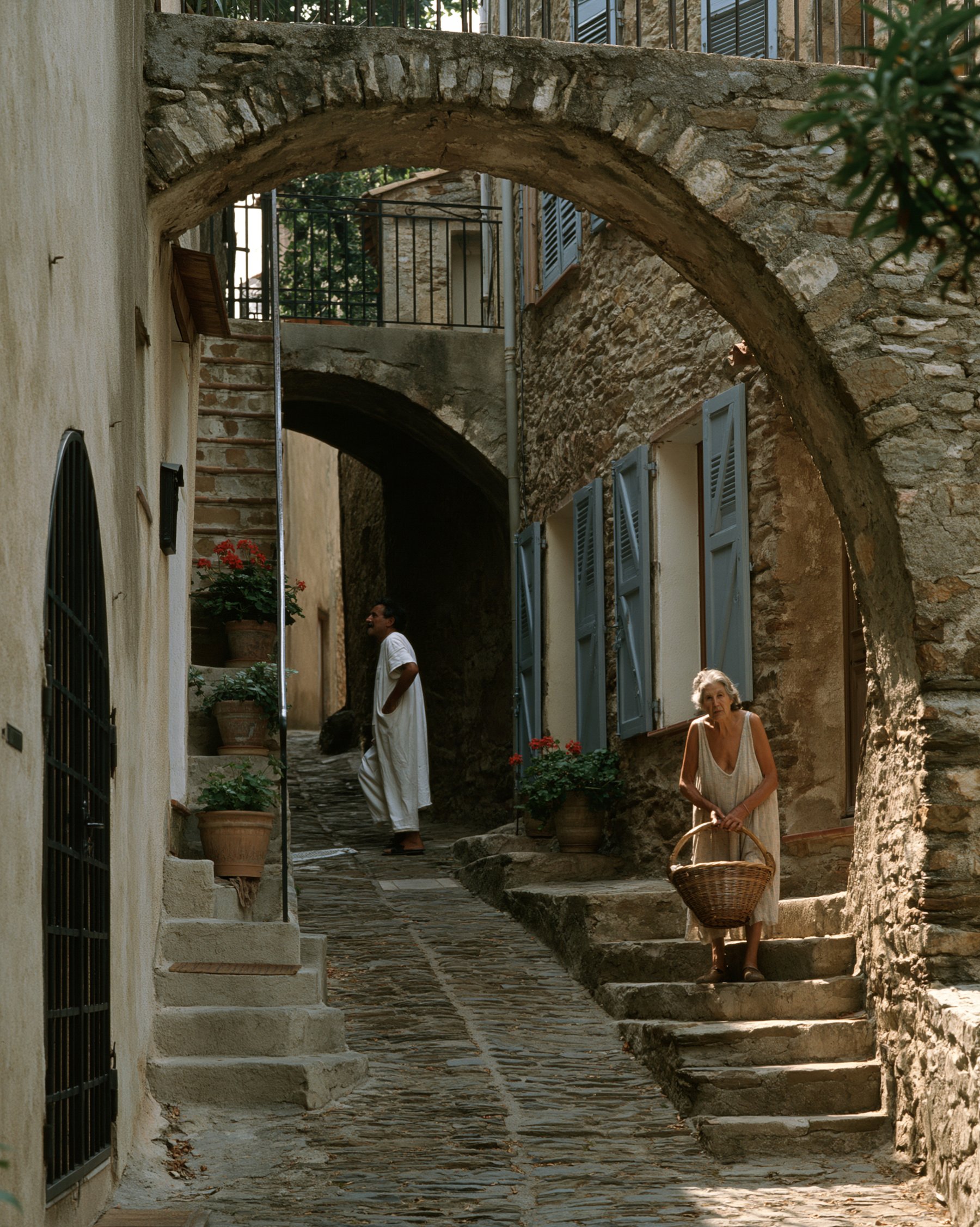
Ramatuelle sits on a hill above Pampelonne, a ring of stone houses, arches and narrow lanes wound around the slope, with bougainvillea over the doorways. The actor Gérard Philipe is buried in its cemetery. On the ridge above it, the Moulins de Paillas, old windmills (one of them restored), look out over Pampelonne and down the coast toward the Îles d’Or. In summer Ramatuelle has a jazz festival and a theatre festival, and a shuttle runs up from the car parks below so you do not have to fight for a space in the village.
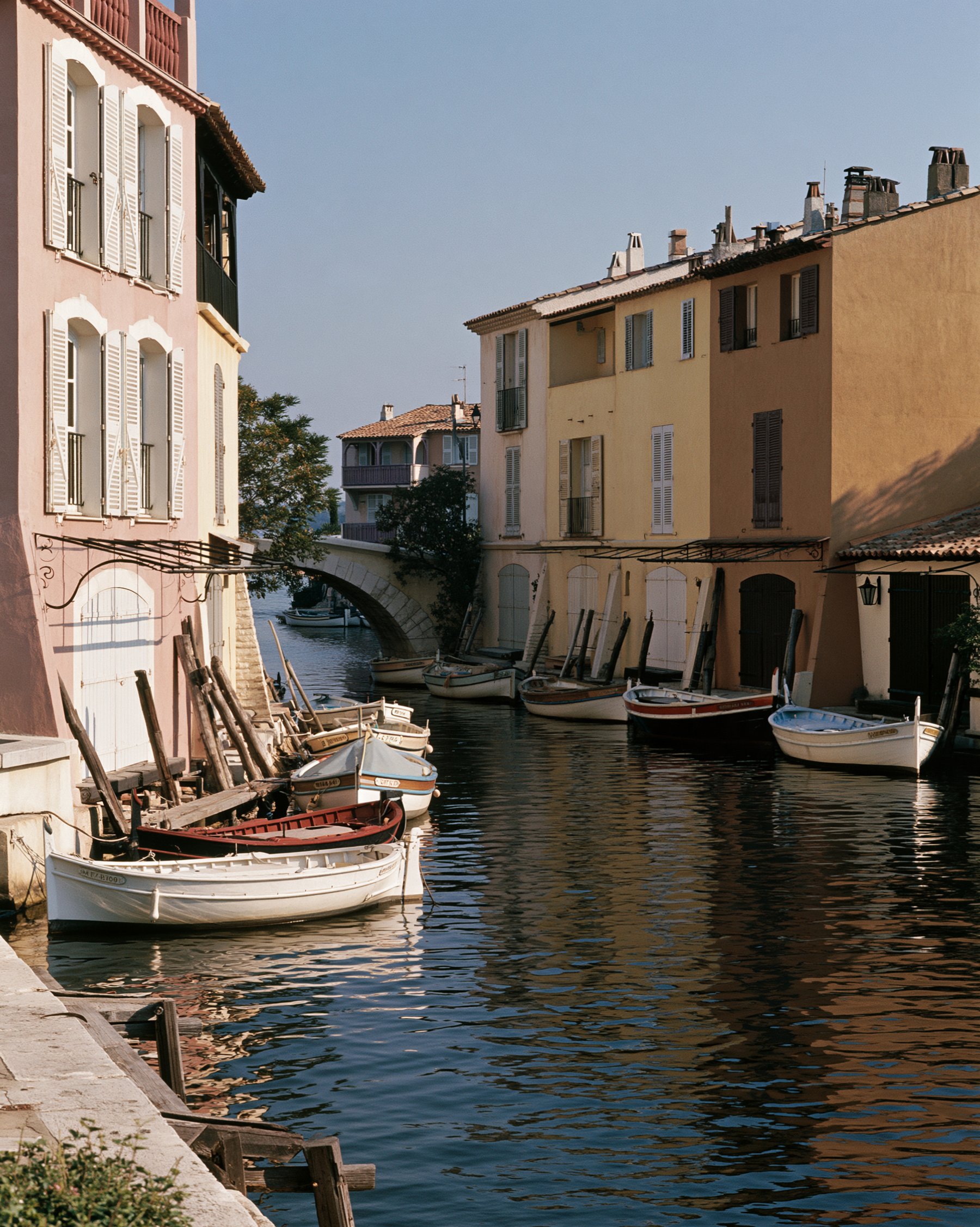
Gassin, on its own ridge a little to the west, is smaller and quieter, a member of Les Plus Beaux Villages de France, with a terrace and an orientation table that looks out over the whole gulf. A little further on, Grimaud has castle ruins on its hill and a windmill above the village, and below it, on the water, Port Grimaud is something else altogether: a lakeside town of canals and pastel houses, each with its own mooring, built from 1966 by the architect François Spoerry on old marshland.
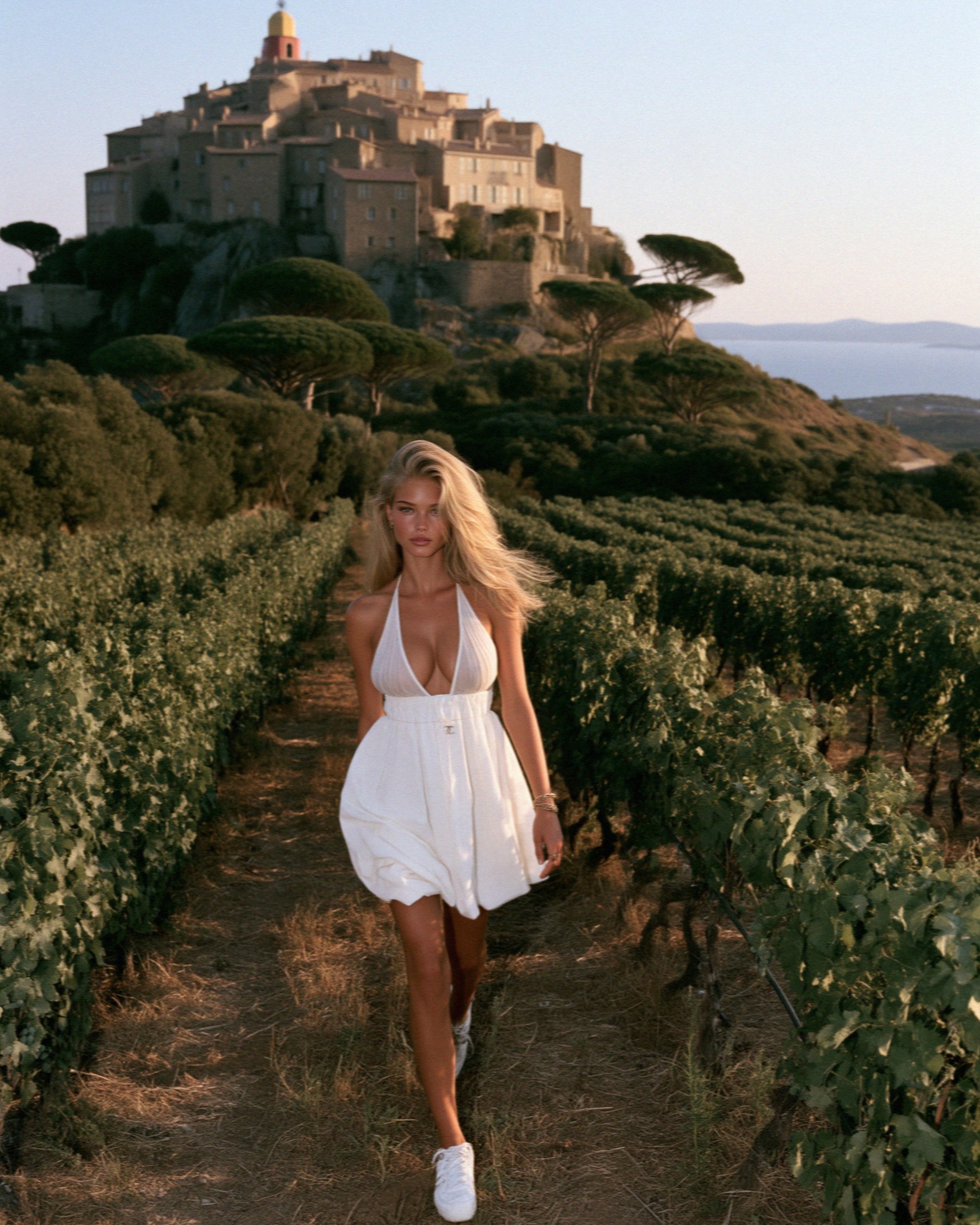
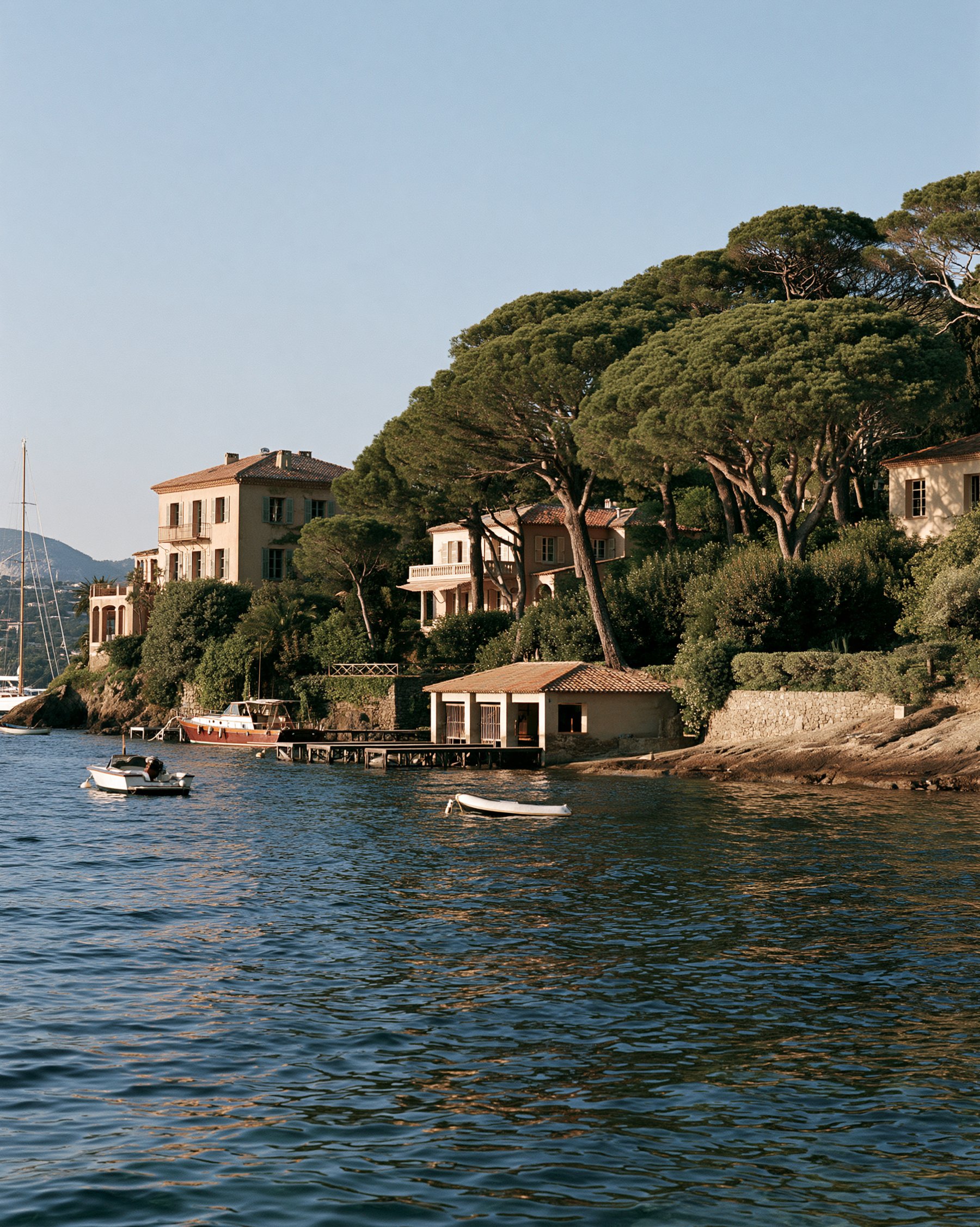
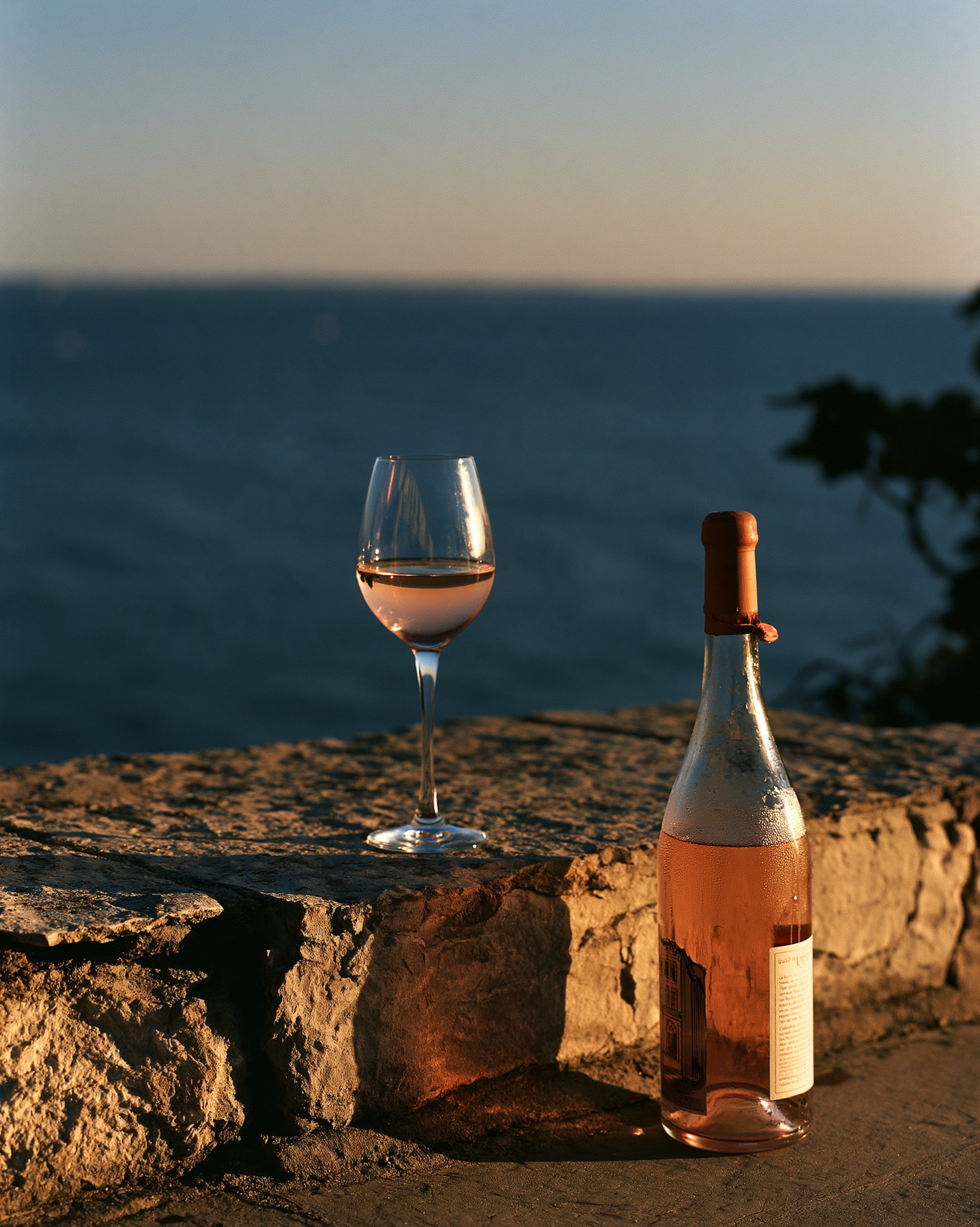
This is also rosé country. The Côtes de Provence estates of the peninsula, Château Minuty and Château Barbeyrolles near Gassin, Château de Pampelonne and Château des Marres near Ramatuelle, Château Saint-Maur near Grimaud, are open for tastings, and the local Tibouren grape is worth asking about. Book a driver or a tour if you are going to taste properly. The roads here are narrow, winding and, in summer, full.
The villages, the estates, Port Grimaud and the longer days out to Porquerolles and along the coast are in my guide to day trips from Saint-Tropez, Ramatuelle, Gassin, Port Grimaud and the rosé estates.
Where to stay
The decision comes down to three choices: the village itself, the edge of town, or the hills and beaches of Ramatuelle.
In the village you can walk everywhere, to the port, the market, the restaurants and the citadel, and that matters more here than almost anywhere, because the traffic makes every short drive a long one. Hôtel La Ponche, in the old fishermen’s quarter, is small, full of character and my first suggestion for anyone staying in the village. The Hôtel de Paris was the town’s first luxury hotel when it opened in 1931 and has a rooftop pool. Le Yaca is a five-star in the old town. The Byblos, on the avenue Paul Signac, is the famous one, with Les Caves du Roy in its basement. White 1921, on the Place des Lices, has just seven rooms. Pan Deï Palais is a twelve-room fantasy of an Indian palace.
On the edge of town, Cheval Blanc St-Tropez sits on La Bouillabaisse beach, in the former Résidence de la Pinède of 1936, with La Vague d’Or as its restaurant. Lou Pinet, set in gardens on the chemin du Pinet, is a short walk from the Place des Lices. Up on its hill above Pampelonne, Airelles Château de la Messardière is a grand white château in large grounds.
In Ramatuelle and above Pampelonne, La Réserve Ramatuelle faces the sea toward Cap Taillat and has La Voile, with its two Michelin stars. Muse and Villa Marie are both smaller and calmer.
None of this is cheap in high season. In July and August even a plain room in or near town is seldom under 250 to 300 euros a night, a good four-star 400 to 800, and the palaces run from a thousand to well over two thousand. Late April, May (outside the Cannes fortnight) and early October are far kinder. For a lower budget, stay across the gulf in Sainte-Maxime or Port Grimaud and come over by boat. Each area, with named hotels at every price and which base suits which kind of trip, is in my guide to where to stay in Saint-Tropez, the village, the bay or Ramatuelle.
What to eat
Saint-Tropez eats as the Var always has, from the sea and the garden, in olive oil, with rosé.
The foundation is fish from the morning market, grilled simply, and for one big lunch a bouillabaisse or a soupe de poissons with rouille. Then tapenade, petits farcis (small stuffed vegetables, baked) and the tarte tropézienne in the afternoon. Côtes de Provence rosé comes with all of it, pale and very cold, and a box of Sénéquier nougat is the one souvenir I always carry home.
For a long lunch by the sea, Club 55 on Pampelonne is the institution, and La Petite Plage, on the water by the port, needs no car at all. In the village, Il Giardino, the Byblos’s Italian table on the avenue Paul Signac, serves Italian food in a garden. On the square, Le Café and Dior des Lices are the places to settle for an afternoon.
For one grand evening, the peninsula has two serious destinations for cooking. La Vague d’Or at Cheval Blanc, where Arnaud Donckele cooks, holds three Michelin stars in 2026, with tasting menus from around 480 euros, and is open only in the season. La Voile at La Réserve Ramatuelle has two. Both need booking well ahead.
Many restaurants close for the winter. What to order, where to go at every budget and how to book in high season are in my guide to where to eat in Saint-Tropez and what to order.
Getting there and getting around
Saint-Tropez has no train station, no motorway and only one real road in.
Most people fly into Nice Côte d’Azur, roughly 100 kilometres off: an hour and a half by car out of season and considerably longer in summer. Toulon-Hyères is closer, about 50 kilometres, and in summer 2026 BA CityFlyer flew there twice a week from London City. The little airport at La Môle, about 15 kilometres away, takes only private and small aircraft. Marseille is about two hours by road.
By train, come to Saint-Raphaël-Valescure, about an hour from Nice, and take the ZOU! bus 876, which runs via Sainte-Maxime to the bus station in Saint-Tropez in roughly an hour and a quarter to an hour and a half, depending on traffic, for a few euros. The other good option is the boat. Les Bateaux Verts cross from Sainte-Maxime in about twenty minutes, all year round, and from Port Grimaud and the Marines de Cogolin. In season, Trans Côte d’Azur runs day boats from Cannes and Nice. If you are coming on from Antibes, my complete guide to Antibes covers that end of the coast.
Driving is where Saint-Tropez tests everyone. All traffic onto the peninsula funnels through the junction at La Foux and along the single road beside the gulf, and on a summer morning it can take an hour or more. I know that road well; I have brought my old silver Aston Martin along it many times, and it is a lovely car for an empty road in May and a hopeless one for a queue in August. Come early or come by boat. Parking at the Nouveau Port, at the entrance to town, is the biggest car park, with around 1,400 spaces, and runs to well over 50 euros a day in high season. The Parc des Lices is smaller and underground.
Once you are in town, everything is on foot. Taxis are few and expensive in summer and need booking ahead, and buses to Pampelonne are limited, so for the beaches a hire car, a scooter, an e-bike or a booked taxi makes life easier. Flights, trains, buses, boats, parking and transfers are all in my guide to getting to Saint-Tropez and getting around.
A few days in Saint-Tropez
Three days is right for a first visit, and four lets you slow down.
On the first day, take the town: coffee on the port, the fish market and the Gendarmerie museum, lunch in the lanes, La Ponche and the church in the afternoon, the citadel for the view, and dinner back near the water. Make it a Tuesday or a Saturday if you can, so the morning begins at the market. On the second day, go to Pampelonne, for a booked lunch at a club or a towel on the free sand, and swim until the afternoon wind comes up. On the third, walk the coastal path from La Ponche in the cool of the morning, then drive up to Ramatuelle and Gassin for the late afternoon and dinner in the hills. On the fourth, get out on the water, past the villas of the Canoubiers or down to the wild capes, and spend the last evening on the quay.
With only one day, do the port, the market or the Gendarmerie museum, the citadel and a swim at Les Graniers, which needs no car. Every day of the route, with timings, a plan for wind or rain and what the days cost, is in my Saint-Tropez itinerary for two to four days.
Practical things to know
The traffic. It is the single thing that will shape your summer days here. Arrive before nine, leave after the evening rush, or use the boats.
Market days. The Place des Lices market runs on Tuesday and Saturday mornings, and by one o’clock it is packed away. Go early, and do not try to park near the square on those mornings.
The season. From mid-October to April almost every beach club and most of the big hotels are shut, and many restaurants close too. The town, the fish market, the citadel and the Sainte-Maxime boat carry on through the winter, while the Annonciade is closed for renovation until a planned reopening in 2029.
Beach clubs. Book in July and August, ask the price of a sunbed before you sit down, and remember that the free sand next door is just as public as the club’s.
The wind. The mistral can cancel boats, close the coastal path and turn the gulf choppy within an hour. Look at the forecast the night before.
Fire risk. The peninsula is dry pine and scrub in summer, and on high-risk days the coastal path and some woodland paths are closed. Never light anything outdoors.
Dress. Smart casual for dinner, and cover up when you leave the beach. In town, swimwear stays at the beach.
What to pack
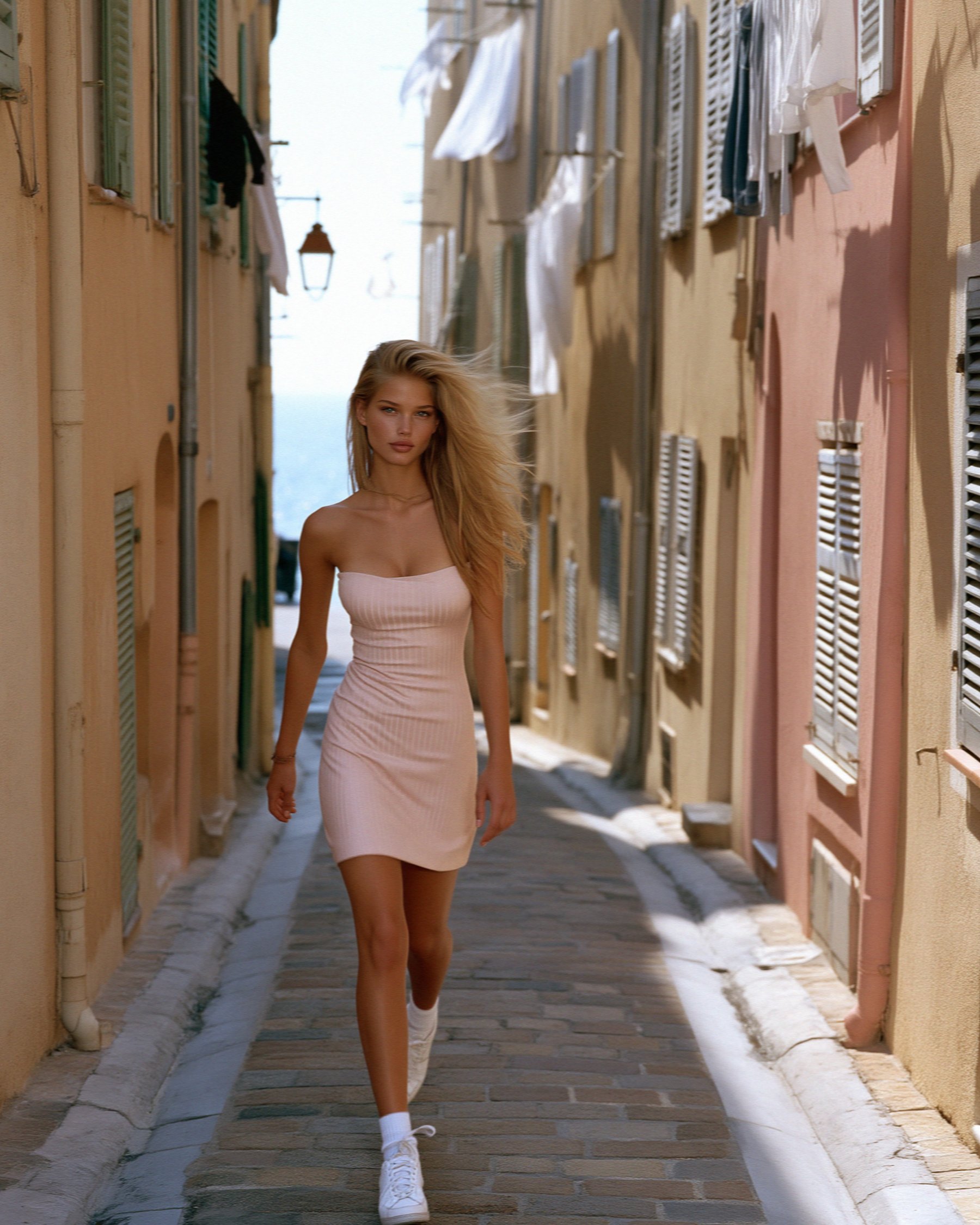
Proper walking shoes for the coastal path, which is rocky and uneven, and something comfortable for the cobbles of the old town. White tennis shoes, in my case, and a pair of flat sandals for the beach.
Two swimsuits, a good hat and serious sun protection, because there is very little shade on the coastal path or on the free sand at Pampelonne. A linen shirt or a light dress to slip on over a swimsuit when you walk into town from the beach. A light sweater for evenings in spring and autumn, when the wind comes across the gulf. And something simple and well cut for dinner, because Saint-Tropez, for all its beach-club ease, still dresses up at night.
More images from Saint-Tropez












Your Saint-Tropez Guides
Everything here in detail, guide by guide.
- The Best Things to Do in Saint-Tropez
- Saint-Tropez Old Town: La Ponche, the Port, the Citadel and Place des Lices
- Pampelonne and the Best Beaches in Saint-Tropez
- Brigitte Bardot’s Saint-Tropez: the Films, La Madrague and Where to Find Her
- Where to Stay in Saint-Tropez: the Village, the Bay or Ramatuelle
- Where to Eat in Saint-Tropez and What to Order
- Saint-Tropez Boat Trips: the Celebrity Villas, the Capes and Porquerolles
- Day Trips from Saint-Tropez: Ramatuelle, Gassin, Port Grimaud and the Rosé Estates
- A Saint-Tropez Itinerary: 2 to 4 Days
- The Best Time to Visit Saint-Tropez
- Getting to Saint-Tropez and Getting Around
Frequently Asked Questions
How do you get from Nice to Saint-Tropez?
By car it is about 100 kilometres, roughly an hour and a half out of season and much longer in summer traffic. Without a car, take the train from Nice to Saint-Raphaël-Valescure (about an hour), then the ZOU! bus 876 via Sainte-Maxime. In season, Trans Côte d’Azur runs day boats from Nice, and helicopter transfers take about twenty to twenty-five minutes.
Is Pampelonne beach in Saint-Tropez?
Not strictly. Pampelonne lies in the neighbouring commune of Ramatuelle, on the eastern side of the peninsula, about fifteen minutes’ drive from the port out of season. It runs for about five kilometres down the east side of the peninsula, from Tahiti beach in the north.
Are the beaches in Saint-Tropez free?
Yes. Every beach in France is public, and at Pampelonne there are free stretches of sand between the beach clubs, with car parks that charge in summer. The town beaches, Les Graniers, La Bouillabaisse, Les Canoubiers and Les Salins all have free sand too. You pay only for a sunbed or lunch at a club.
When is the Saint-Tropez market?
The market fills the Place des Lices on Tuesday and Saturday mornings, all year round, from about 08:00 to 13:00. Go early, especially on a Saturday in summer. There is also a covered fish market behind the port, on the Place aux Herbes, open in the mornings.
What is the best month to visit Saint-Tropez?
June, with late May and September close behind. Everything is open, the sea is warm enough to swim and the town is far less crowded than in July and August.
Do you need a car in Saint-Tropez?
Not in town, where everything is on foot, and the summer traffic makes a car more burden than help there. For Pampelonne, the villages and the wine estates, a car, scooter or e-bike is useful, because buses to the beaches are limited and taxis are expensive.
Is Saint-Tropez expensive?
In high season, very. Simple rooms rarely cost less than 250 to 300 euros a night in July and August, a sunbed at a good beach club runs to about 55 to 90 euros, and lunch at the famous clubs is easily over a hundred a head. But the market, the coastal path, the citadel views and the free sand at Pampelonne cost little or nothing, and May and October are far cheaper.