The calendar on Naxos and Paros is shaped by three things: the temperature of the sea, a north wind with a name, and the date the hotels lock their doors for the winter. Get those right and almost any month from May to October works.
The two islands face each other across a narrow channel, so one calendar does for both. The islands themselves are in my complete guide to Naxos and my complete guide to Paros.
The short answer
Best overall: June and September, when the sea is warm, the wind is usually gentler than in high summer, and the islands are open but not packed.
Best for swimming: July to September, with the sea at its warmest in August, around 24°C.
Best for walking and wild flowers: April and May.
Best value with the sea still swimmable: early October.
Hardest: the middle two weeks of August, for crowds, prices and wind together.
Spring
April and May are the months for the interior. The hillsides are green, the terraces are full of wild flowers, and the air is clear enough to see from island to island. My guide to hiking Mount Zas explains why the bare summit is so much kinder in spring than in July.
The catch is the sea. It is still cool in April and only starting to warm in May, so swimming is brisk rather than lazy. Some hotels and beach tavernas open only around Easter or later.
Easter itself is worth planning around. Greek Orthodox Easter usually falls on a different Sunday from Western Easter, and it is the biggest festival of the year, with candlelit processions, midnight services and lamb on the Sunday. It is a wonderful week in a village and a busy one on the ferries, so book early.
June
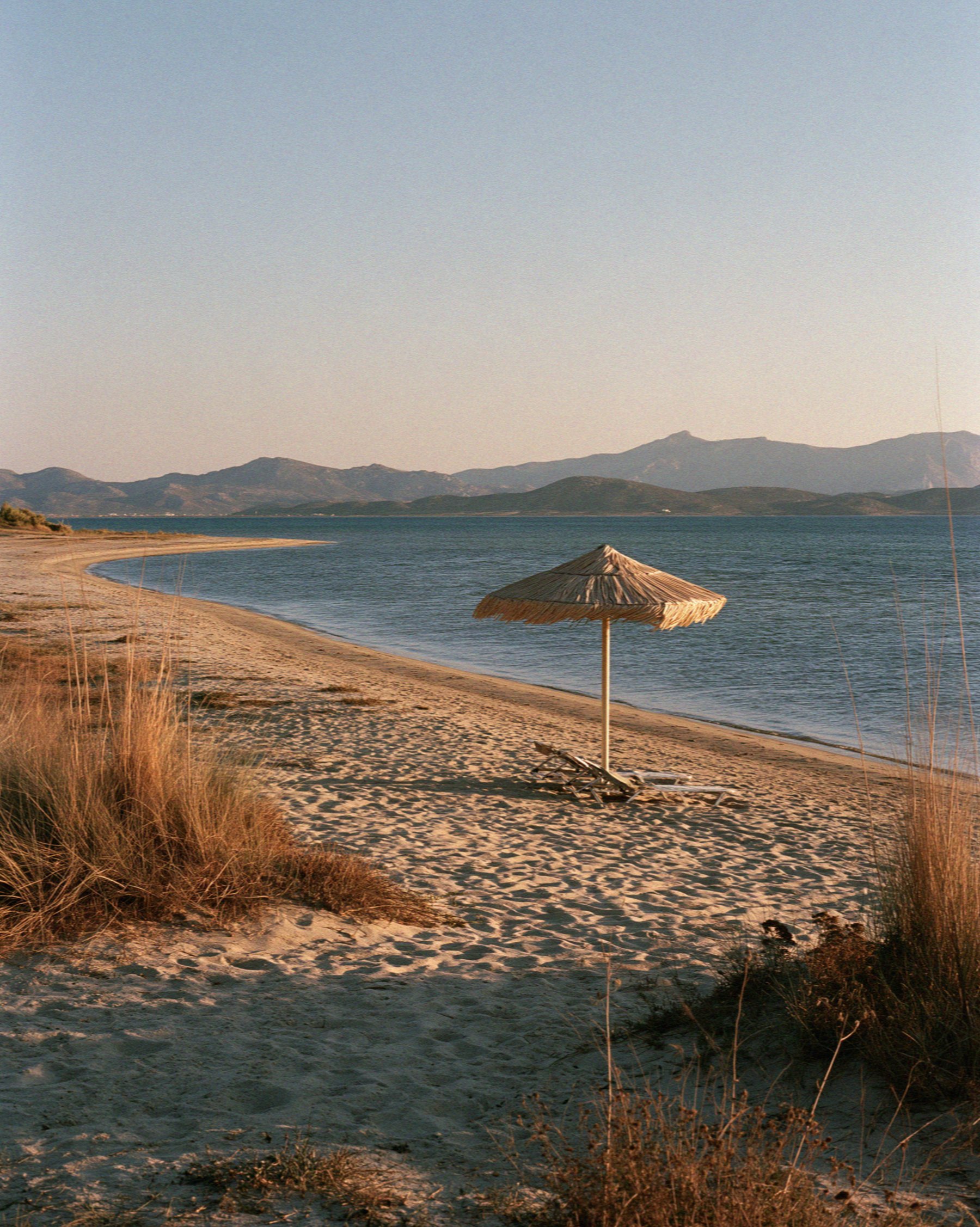
June is the month I would choose if I could choose only one. The sea reaches about 21°C, warm enough for long swims, the days are at their longest, and the islands have opened fully without yet filling up.
The meltemi is usually lighter in June than in high summer, though a windy day is always possible. On Paros the Valley of the Butterflies fills with tiger moths in early summer, and on Naxos the festival season begins at the Bazeos Tower near Sangri.
July and August
High summer. The sea is at its warmest, about 23°C in July and 24°C in August, everything is open, and the evenings in Naxos Town and Naoussa run late.
It is also the most crowded and most expensive time of year, and it is when the meltemi is strongest, from about mid-July to the end of August. The fifteenth of August, the Assumption, is a national holiday and the peak of the Greek summer; on Paros it is the great feast day of Panagia Ekatontapyliani. Ferries and rooms around that date sell out early.
It can still be lovely. Book rooms, boats and cars well ahead, swim early and late, and keep the middle of the day for shade. Choose beaches by the wind, which my guide to the best beaches in Paros sorts coast by coast.
September
September is June’s equal, and for swimmers it is slightly better. The sea holds about 23°C, warmed by the whole summer, while the crowds thin noticeably once the Greek and European school holidays end. The wind usually eases through the month. Everything is still open and prices start to fall in the second half of the month.
October
October is the island in its last good weather, and it is the month I know best. I came to Naxos in the first week of October and swam at Agios Prokopios on the first afternoon, and a few days later I swam again at Piso Livadi on Paros. The sea was about 21°C, warmer than the air by the evening, and the beaches were close to empty.
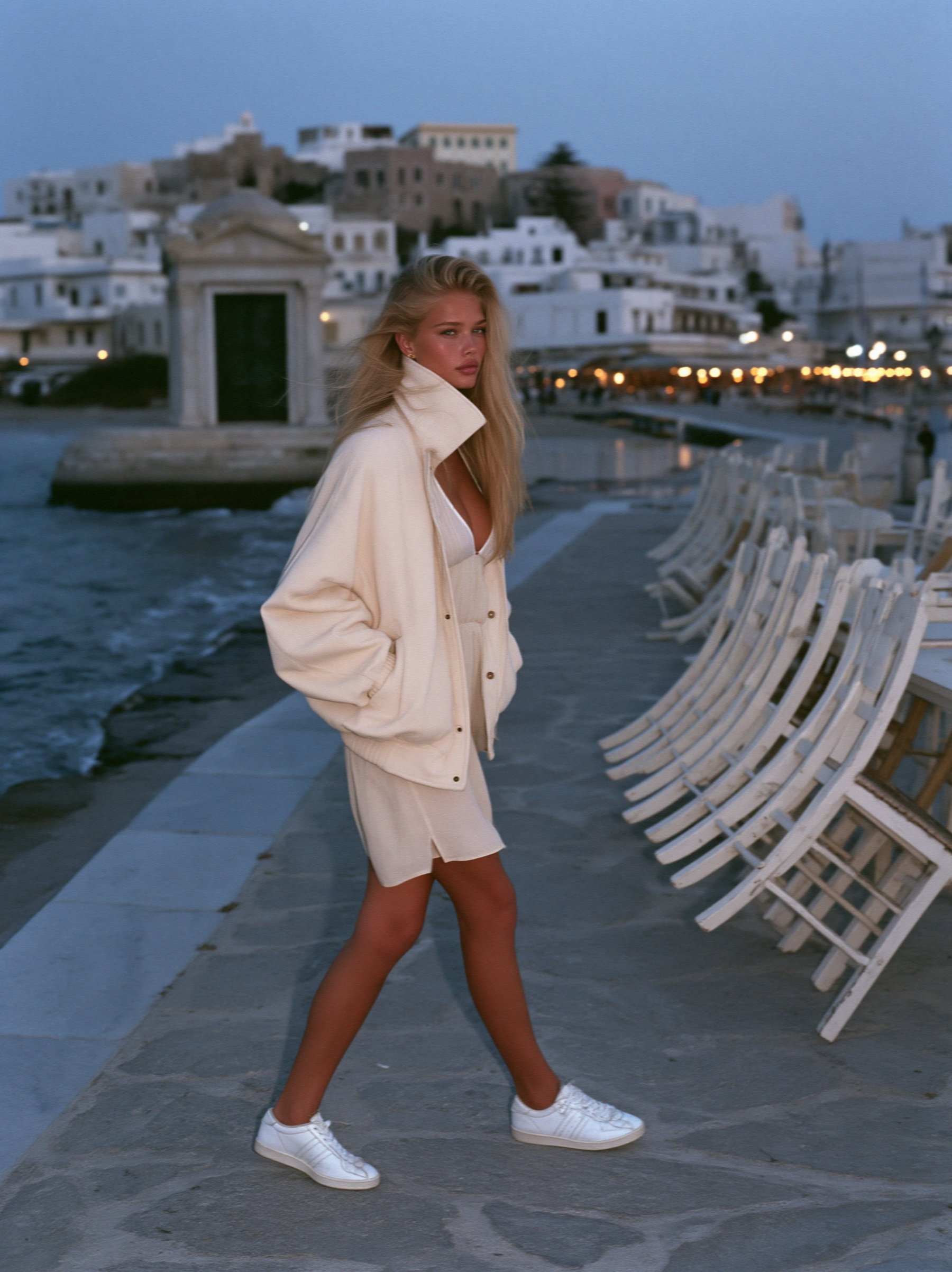
The days are warm and the evenings cool enough for a jacket. Walking is good again, and the villages are quiet. Beach bars start closing mid-month and many hotels shut by the end of it, so aim for the first half, and keep plans loose for the first autumn storms.
Winter
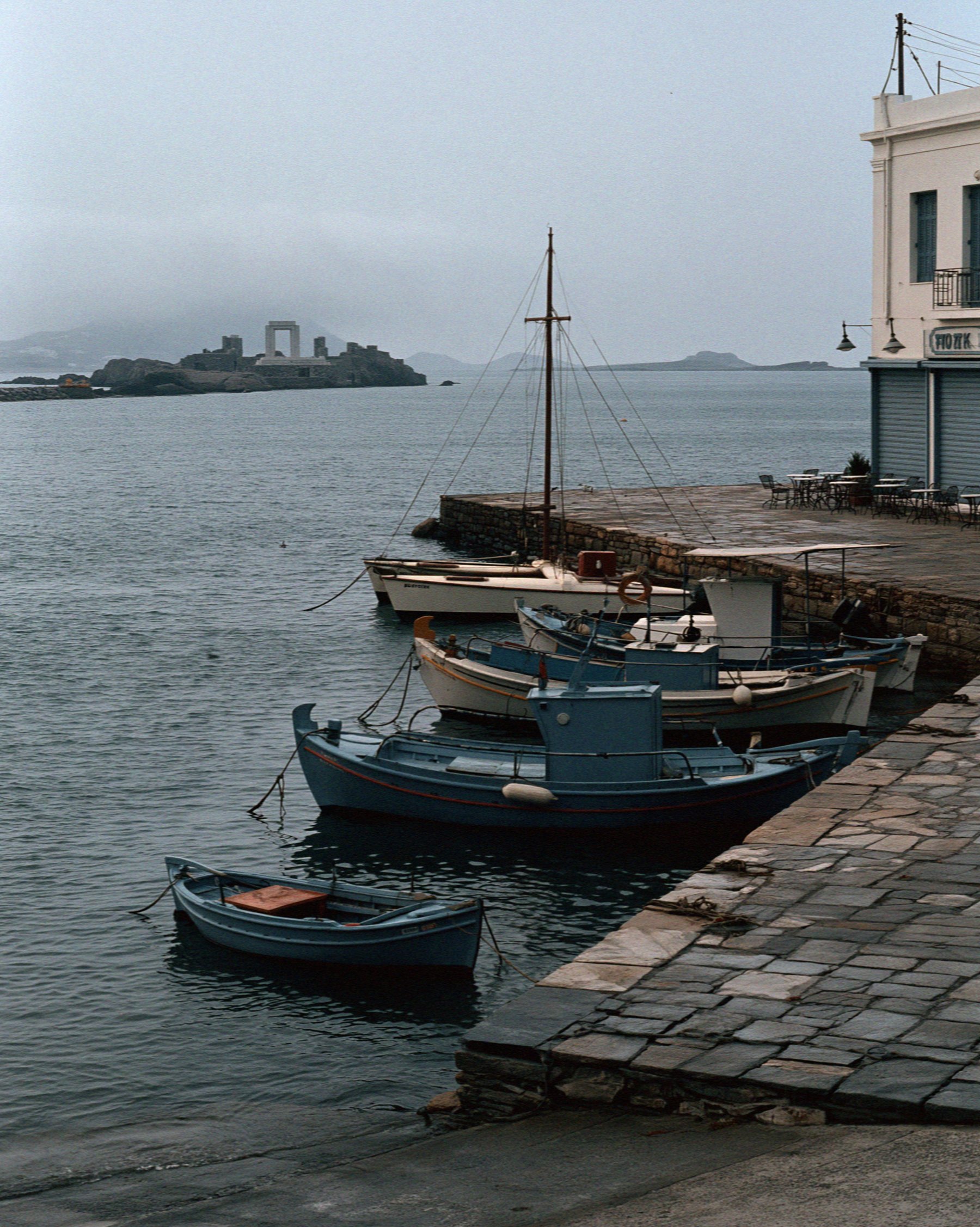
From November to March both islands go quiet. The sea drops to about 18°C in November and colder after that, many hotels and beach places are closed, and the ferries run a thin winter timetable, with only a few sailings a week on some routes from Athens. People live on both islands all year, though, and Naxos Town and Parikia keep their bakeries, cafes and some tavernas open. It is a trip for walking and eating, not beaches, and it can be wet and windy. Note that museums and sites close on Tuesdays and on the main holidays, including Christmas, New Year and Easter Sunday.
The meltemi
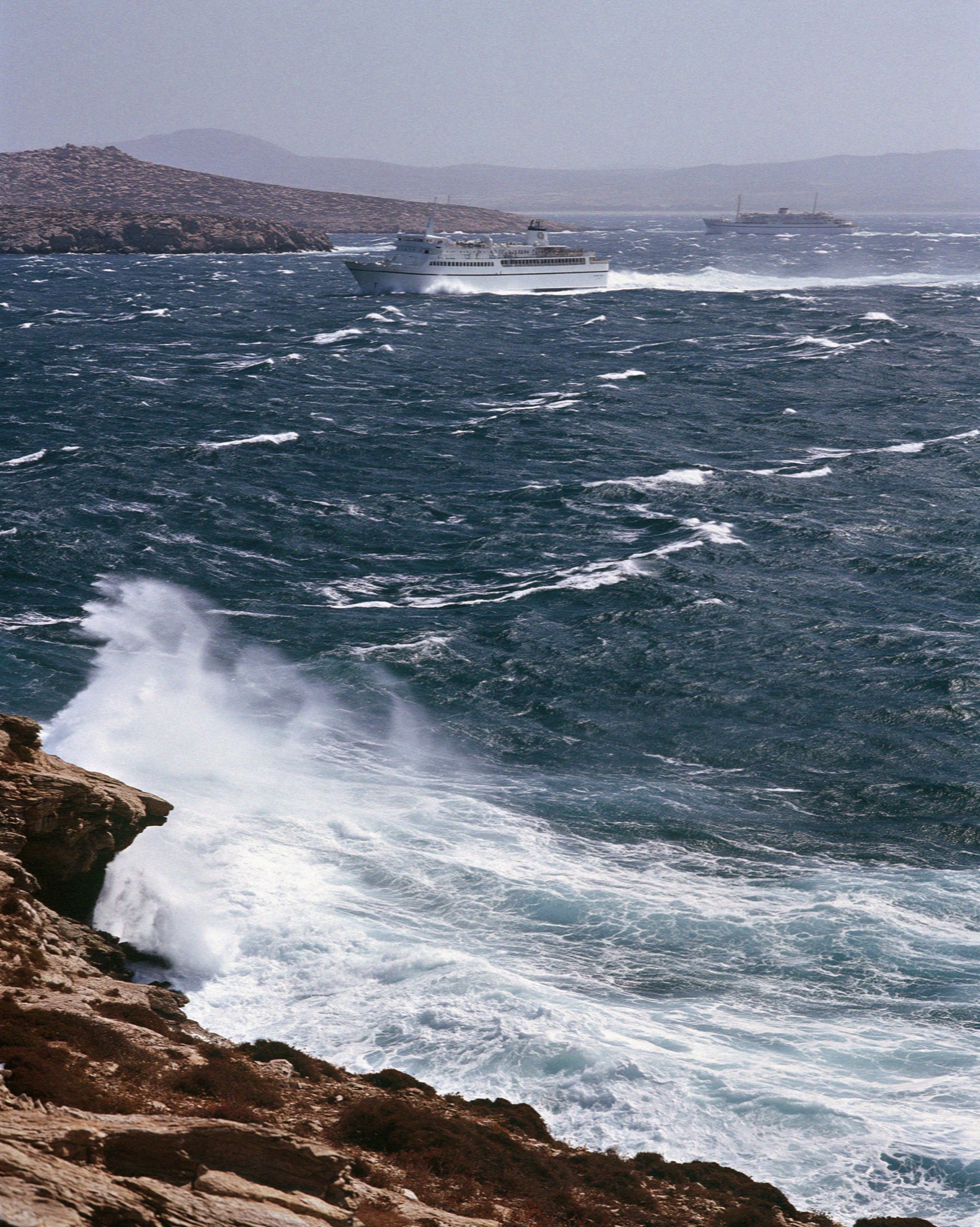
The meltemi is the dry north wind of the Aegean summer, and it decides more about a summer trip here than the temperature does. It blows hardest from about mid-July to the end of August, often for several days in a row, sometimes gently and sometimes hard enough to cancel the smaller boats.
The strait between the two islands squeezes it, which is why the west coast of Naxos gets so windy in high summer. That is bad news for a quiet swim at Plaka and good news for the kitesurfers and windsurfers at Mikri Vigla. On Paros, Golden Beach and New Golden Beach on the east coast are the wind sports beaches, while Faragas in the south and Monastiri in its bay are more sheltered.
Check the forecast every evening, swim on the sheltered side, and on a windy day prefer the big ferries to the fast boats, which are the first to be cancelled. More on that in my guide to getting to Naxos and Paros.
Prices through the year
Room rates follow the season closely. In summer, as a guide for a double room per night:
Naxos: simple rooms about 70 to 120 euros, good mid-range hotels about 120 to 250, five-star about 200 to 450 and up.
Paros: simple rooms about 70 to 130 euros, mid-range about 130 to 280, luxury about 300 to 800 and up. Naoussa runs dearer than Parikia.
August is the peak, and around 15 August the top of every band applies. In May, early June, late September and October the same rooms are noticeably cheaper. From November until spring the beach hotels are shut, so it is the town hotels and rooms or nothing.
Month by month
January and February: cold sea, wet spells, most hotels closed, a thin ferry timetable. Town life only.
March: still quiet, first wild flowers; 25 March is a national holiday and sites close for it.
April: green and flowering, good walking, cool sea, Easter crowds in the week it falls.
May: excellent for walking, places opening, the sea warming but still fresh.
June: sea about 21°C, long days, everything open, the meltemi usually mild. One of the two best months.
July: sea about 23°C, busy and hot, wind building from mid-month.
August: sea about 24°C, the busiest and dearest month, strongest meltemi, 15 August the peak.
September: sea about 23°C, crowds thinning, the other best month.
October: sea about 21°C, quiet and swimmable in the first half, closures from mid-month.
November: sea about 18°C, most hotels closed, ferries thinning.
December: winter quiet; sites close on 25 and 26 December.
Frequently Asked Questions
What is the best month to visit Naxos and Paros?
June or September: the sea is around 21 to 23°C, everything is open, and there are far fewer people than in August.
Is it windy on Naxos and Paros in summer?
Yes, especially from mid-July to the end of August, when the meltemi blows from the north. The west coast of Naxos gets very windy, while on Paros Faragas and Monastiri are more sheltered.
Can you swim on Naxos and Paros in October?
Yes, especially in the first half, when the sea is still around 21°C and the beaches are quiet.
Are Naxos and Paros open in winter?
The towns are, with bakeries, cafes, some tavernas and the archaeological sites. Most beach hotels and beach bars close from about November to April, and ferries run less often.
When is it cheapest to visit Naxos and Paros?
Outside July and August. May, early June, late September and October are noticeably cheaper, and winter is cheapest of all, though with far fewer places open.
Read also: Getting to Naxos and Paros, and Between Them | Victoria’s Complete Guide to Naxos | Victoria’s Complete Guide to Paros