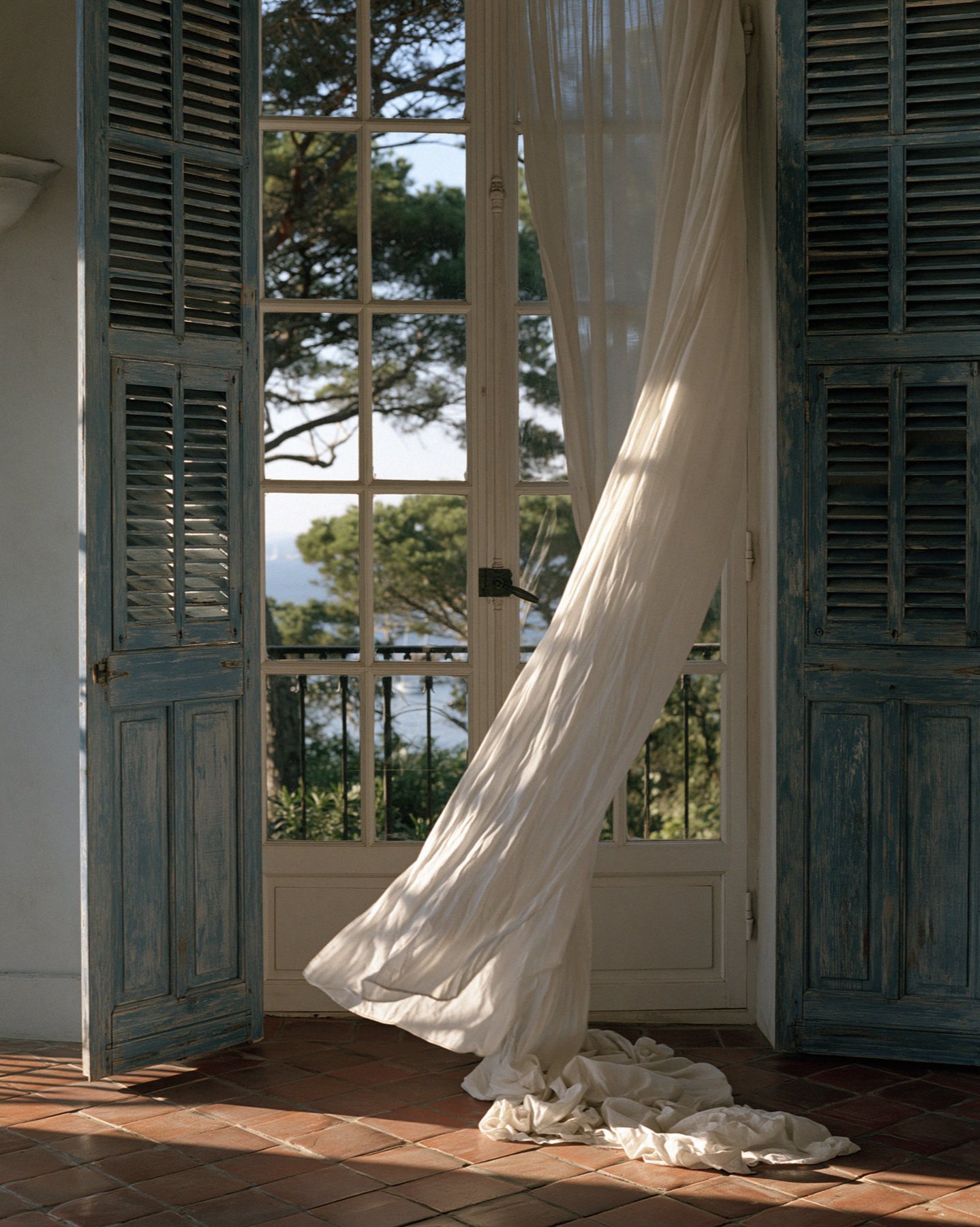
The hills above Saint-Tropez. Friday, 8 May 2026.
I left the Hôtel du Cap at eight, before breakfast had properly begun.
A week of the film world moving in. A week of people who are pleased to see you and already looking past you to the next person. I did not want another lunch. I wanted a house where nobody needed anything from me.
So last night I rang the doctor.
He was Papa’s friend before he was ever mine. I have known him all my life and I still cannot use his first name. It sticks in my mouth like a child’s. So he is the doctor, the way he was when I was six.
He did not ask why.
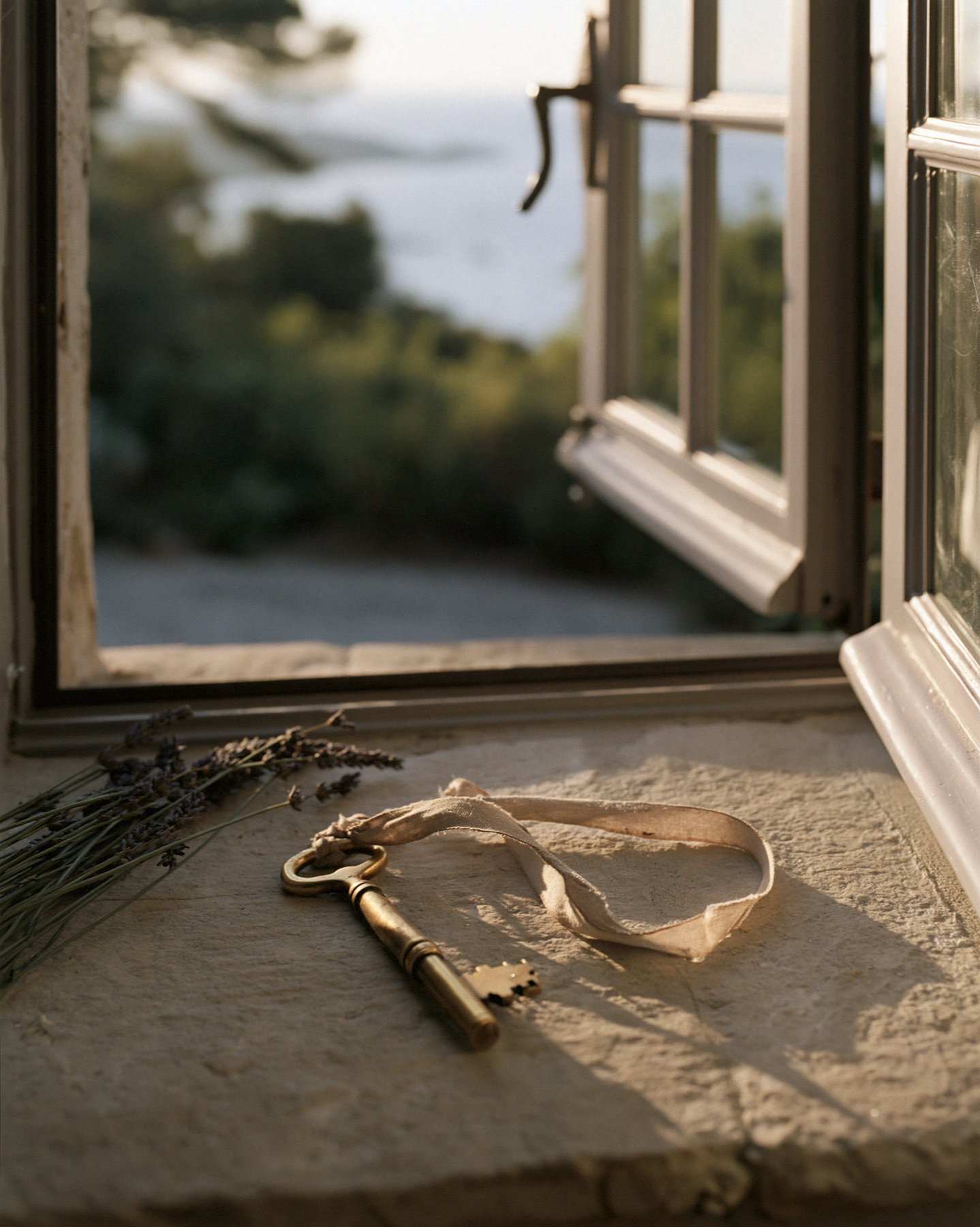
He said he was in Geneva until Monday, that the house was empty, that the shutters would be open on the sea side. The key, he said, is on the kitchen sill. Under the lavender.
Where it always was.
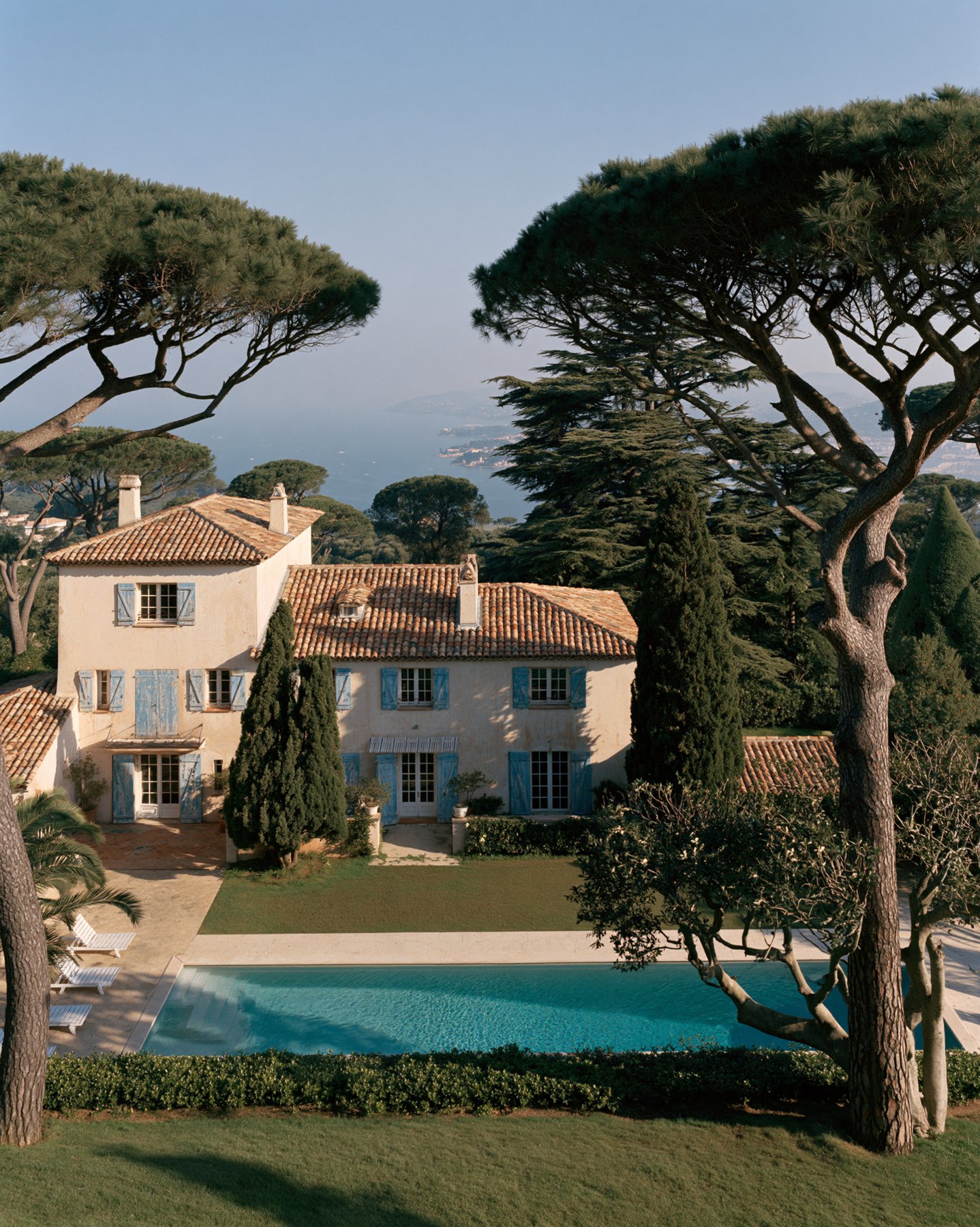
The drive took a little under two hours. The coast road through Saint-Raphaël, the red rock of the Esterel, then inland where the road climbs through the pines above the gulf. I kept the windows down. Papa’s car still smells of leather and old petrol and something I have never been able to name.
The gate is the same.
The gravel is the same.
The key was under the lavender.
I stood in the hall with my bag still on my shoulder and listened to the house.
Nothing at first. Then a clock ticking somewhere I could not find.
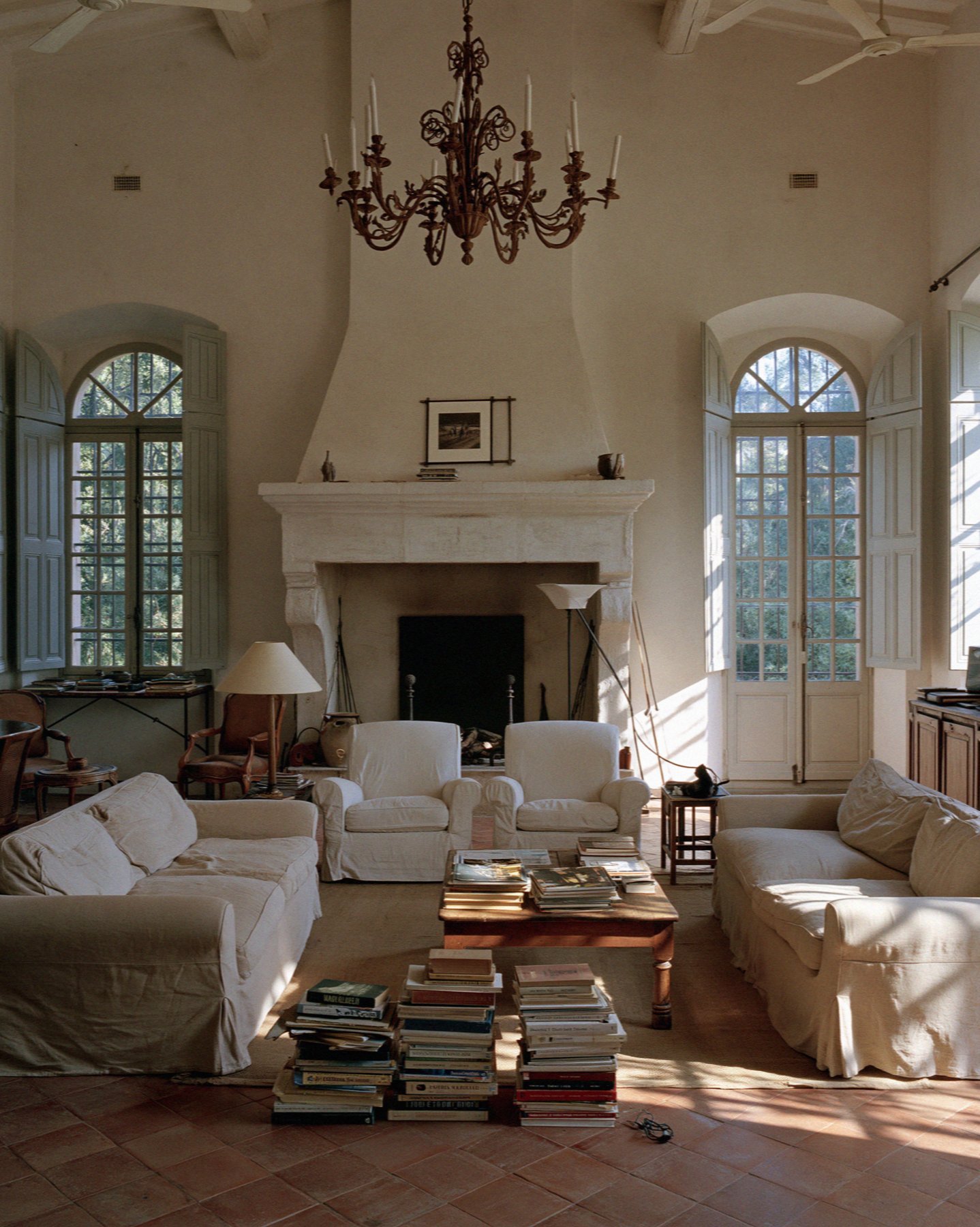
Houses you knew as a child are supposed to shrink. This one hasn’t. The salon is still enormous, still cool, the ceiling still too high to matter, the books still in towers on the floor because the doctor has never in his life owned enough shelves. The chandelier. The white sofas in their loose covers.
Everything exactly where it should be.
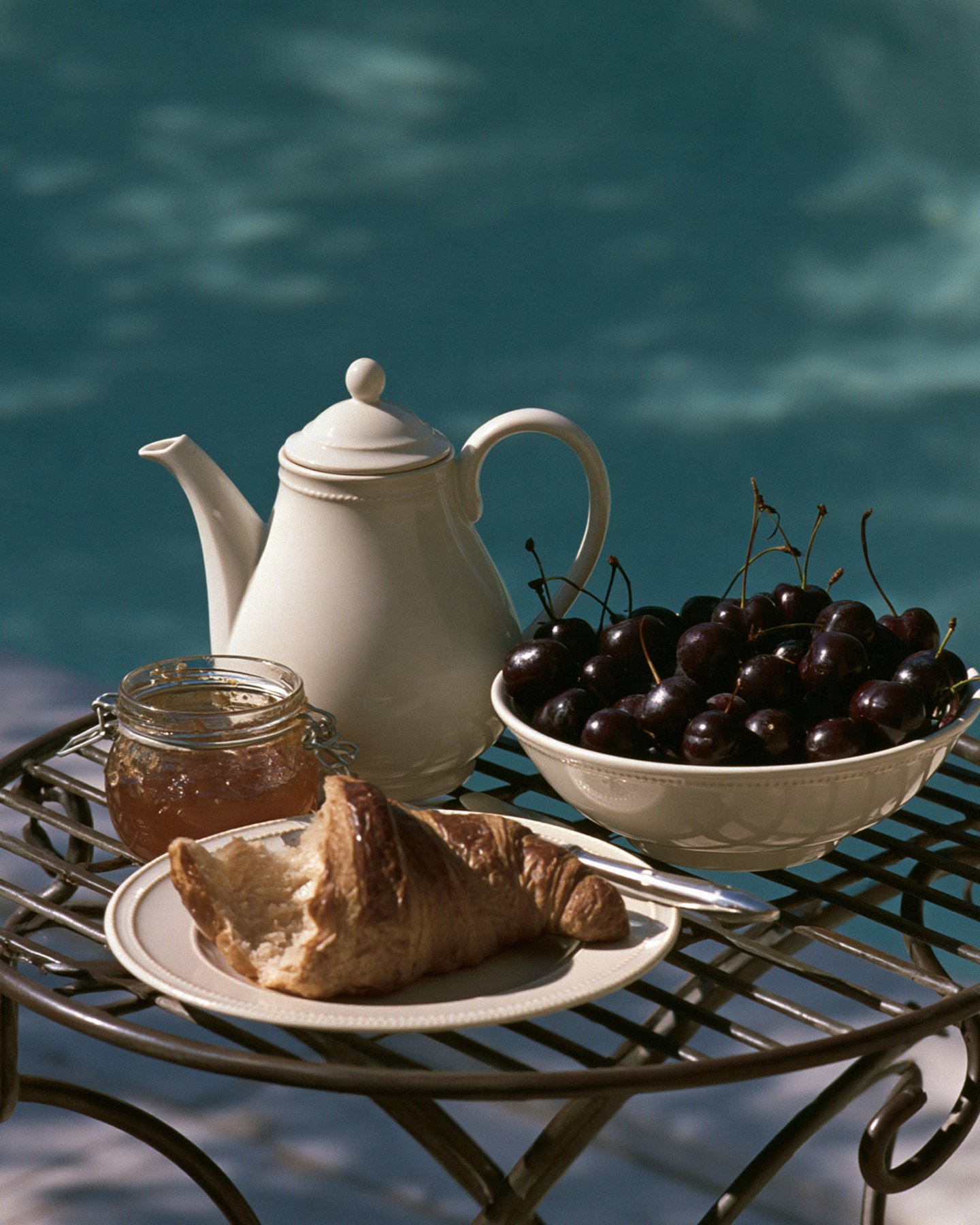
Coffee from the old white pot. Cherries in a bowl someone had left for me, a croissant, eaten on the terrace in a robe I found behind the bathroom door. The gulf below was flat and pale. Sainte-Maxime on the far side, small and white. Saint-Tropez itself at the end of its point, a cluster of roofs, the bell tower just visible if you know where to look.
I did not go down.
That was the whole plan.
The pool is where it always was, at the bottom of the garden steps, between the olives and one dark cypress.
In May the water is still cold enough to make you gasp. I swam one length, badly, and got out, and lay on the old canvas chair with a book I did not read, and the light came down through the olive branches and moved on my legs.

I closed my eyes.
For a while there was only the sun on my face and the water moving against the stone.
Then, somewhere in it, I could hear children laughing.
A splash.
My brother shouting that I was cheating.
This is where we played Marco Polo.
Every August, for a few summers.
Before.
Teddy was eight and very serious about rules. One of you shuts your eyes and calls Marco, the others have to answer Polo, and the one with their eyes shut swims towards the voices and tries to catch someone.
Teddy was always Marco.
He said it was because he was older.
It was because he liked it.
I was small enough that I could only stand on the steps in the shallow end, so I cheated the only way I could. I answered very quietly.
Polo.
Polo.
Smaller each time, until it was hardly a word, and he would turn in the water with his eyes screwed shut and his hands out, furious, and never find me.

One evening the grown-ups were at the long table on the terrace above.
Candles. Tomatoes from the garden. Papa’s laugh, which you could always hear over everyone.
Teddy, in the water, eyes shut, called Marco.
And from the terrace, Papa answered.
Polo.
Then the doctor.
Polo.
Then everyone at the table, one after another, until the whole terrace was saying it, softly at first and then not softly at all, and the pool went quiet, and my brother stood up in the shallow end with his eyes still closed.
He climbed the steps.
He walked across the terrace, dripping, with his hands out in front of him, towards the voices. Nobody stopped him. Nobody laughed out loud.
He found the table with his hip.
Then he found a sleeve, and he held on to it.
It was Papa’s.
Those were the rules. Caught is caught.
Papa stood up in his good white shirt and walked down the steps to the pool and went in, all the way, without a word. He came up with his hair flat on his forehead, and the doctor laughed so much he had to sit down.
I had forgotten that.
No.
I had not forgotten it.
I had put it somewhere.

There is a photograph on the mantelpiece in the salon. I found it this afternoon.
Two children on the pool steps under one striped towel, a boy and a small girl, both squinting, both cross about something.
Nobody else in it.
Whoever took it is out of the frame.
I put it back exactly where it was.
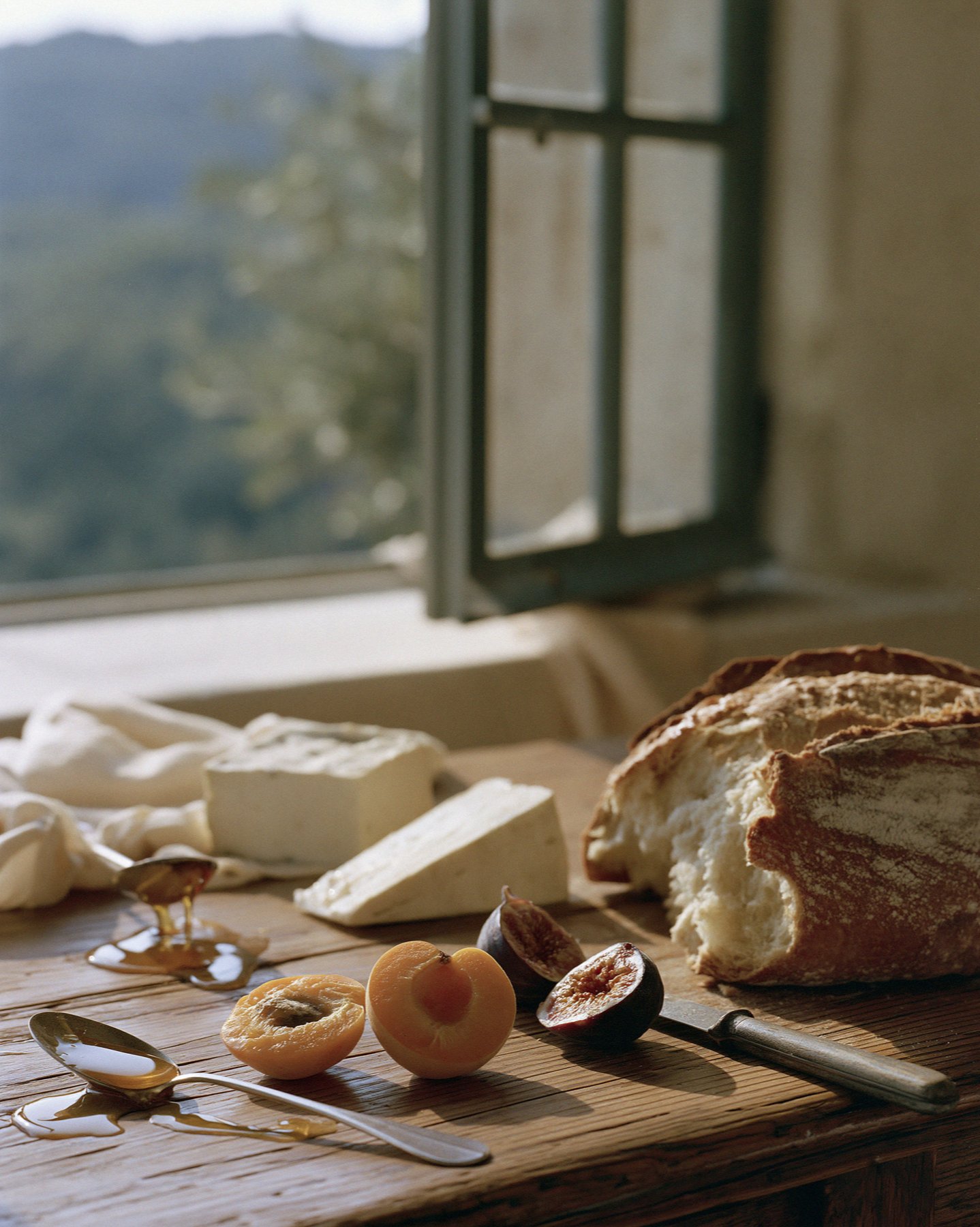
Lunch at four, which is a scandal, at the kitchen table. Bread, a soft white cheese, the first apricots of the year. A glass of cold water. The radio very low, a man talking about the weather in Brittany as if it mattered.
Then the garden.
The stone steps down through the lavender, not out yet, only grey and waiting. The olives. The path to the old bench where you can see all the way across the gulf.
I walked it barefoot in a white dress, carrying my sandals, because there was no one to see.
Evening comes slowly here.
The swifts came out over the pool. The light went gold, then pink, and the gulf turned the colour of the inside of a shell.
I opened a bottle of the doctor’s rosé, which I will replace, and stood at the French doors in the bedroom with the curtains moving, and drank one glass, and most of another.

I rang Teddy.
He did not pick up.
I left him a message one word long.
Marco.
Then I put the phone face down on the bed and waited for him to answer.
Tomorrow, the town.
V.
More images from Saint-Tropez