In 1956 a young director called Roger Vadim brought a small film crew to a fishing port on the Var coast, and when Et Dieu… créa la femme reached cinemas, two names became famous at once. One was Brigitte Bardot. The other was Saint-Tropez. Neither has ever quite been separated from the other since.
Bardot died at La Madrague, her house on the Canoubiers bay, on 28 December 2025, aged 91, and anyone who comes now will find her in more places than they expect: on the quays where the film was shot, in the old gendarmerie, in the name of a cake. This is how to see what can be seen, and what cannot. Everything else about the town, from the beaches to the hill villages, is in my complete guide to Saint-Tropez.
Why Saint-Tropez and Bardot belong together
Before the film, Saint-Tropez had a quiet reputation among painters (Paul Signac sailed in on his boat in 1892, and Matisse, Derain and Marquet followed), but it was still mostly a working harbour.
The film put the port and the little beaches on screens all over the world, attached to a new kind of film star, barefoot and entirely modern, and within a few summers the town had the crowds it still has. Then Bardot did the thing that tied her to it for good: she stayed. She bought a house here two years after the film, and for the rest of her life Saint-Tropez was home, not simply a place where she had worked.
And God Created Woman
Et Dieu… créa la femme was released in 1956, directed by Roger Vadim, who was then her husband. Bardot played Juliette, a young orphan whose freedom unsettles the town, and it was shot on location: real streets, real fishing boats, real Provençal light. It made Bardot an international star almost overnight, and it set the way the world would picture this coast for decades.
Watch it before you come. The town in it is recognisably the same: the line of the quay, the shape of the bay, the old quarter at the tip. The boats at the moorings are rather larger now, but you will know where you are.
La Ponche, where the film still lives
La Ponche is the old fishermen’s quarter at the very tip of the old town, a knot of lanes behind the Tour du Portalet that opens onto a tiny beach with painted boats pulled up on the sand. It is among the film’s locations, and of every place in town it has changed the least.
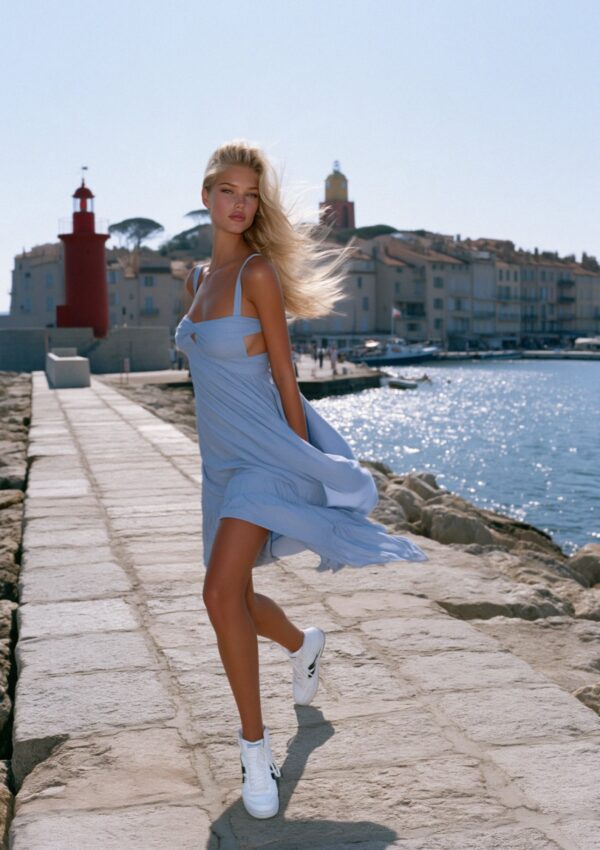
Walk out past the Tour du Portalet in the early morning and you have it almost to yourself: the little beach, the harbour wall, the fishing boats, shutters still closed. This is the Saint-Tropez Bardot arrived in, and people still swim here before work.
It is where I always begin, with the town not yet awake. My guide to the old town walks it lane by lane, from the fish market to the Citadel.
La Madrague
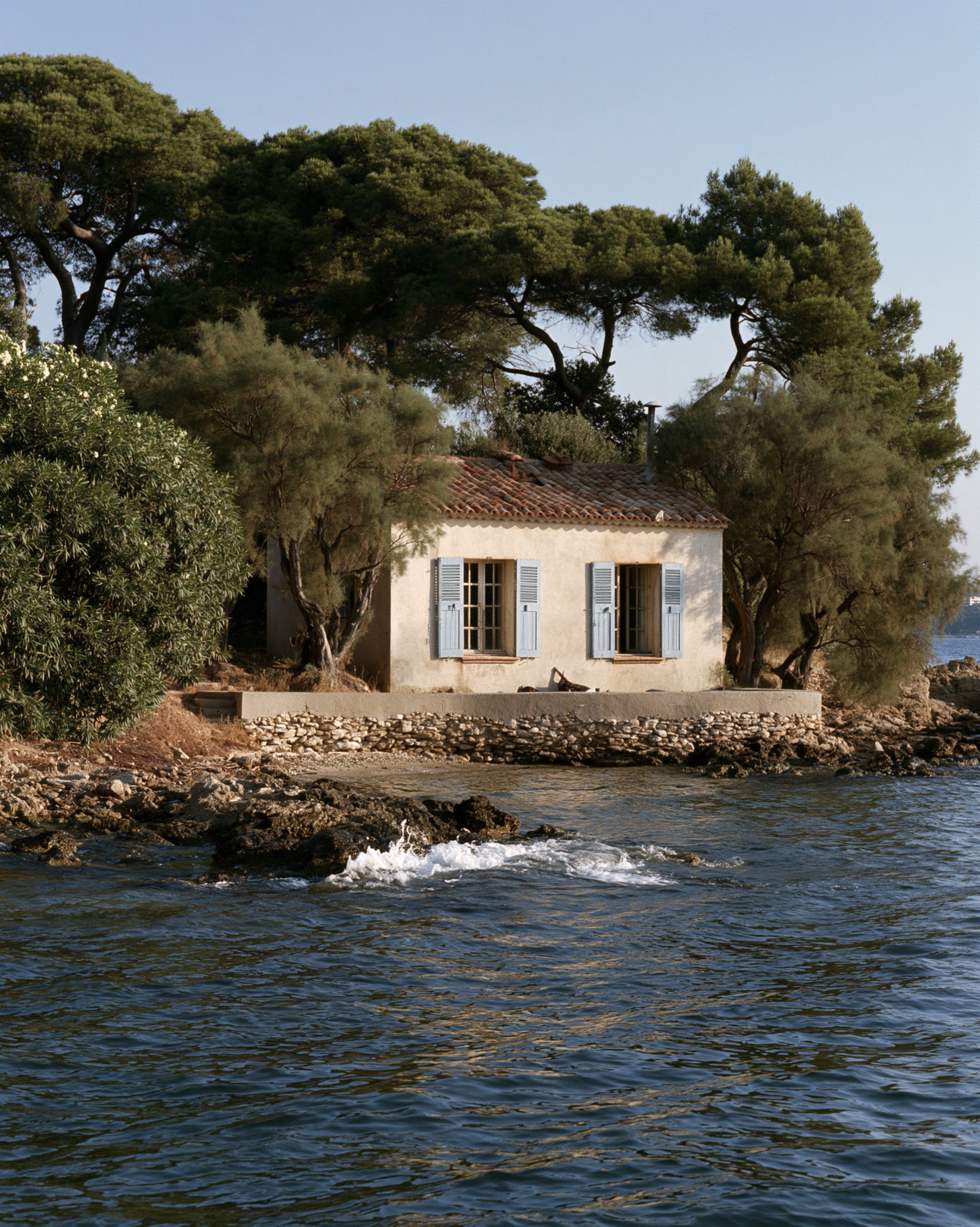
La Madrague is a fisherman’s house set right on the water at the Canoubiers bay, a few kilometres east of the port. Bardot bought it in 1958, when it was a simple house with a garden that ran down to the sea, and in the early 1960s she recorded a song named after it, about the end of summer on the beach.
She left the cinema in 1973 and lived much of the rest of her life here, with her animals, and from 1986 she gave her name and most of her energy to her foundation for animal protection. In later life she was a divisive public figure, and that is part of her story too. She died at La Madrague in December 2025, and the foundation now looks after the estate.
For now, La Madrague cannot be visited. The road down to it is private and there is no viewpoint over it from land. Please do not go looking for one; the house was always her refuge from exactly that. Her foundation, which has owned it since 1992, has said it plans to open it to small booked groups from summer 2027, with the details still to come.
Seeing La Madrague from the sea
The one way to see it is from the water, and it is genuinely worth doing. Les Bateaux Verts, who have run boats from the port since 1961, sail a trip round the Baie des Canoubiers and past the villas along its shore, roughly from early April to the end of October in 2026. It leaves from the Vieux Port.
The house is low and pale, almost at the waterline, and much smaller than people imagine: no grand gates, just a fisherman’s house with the pines behind. The commentary points it out among the other famous villas on the bay. Try to sit on the shore side of the boat.
The mistral can cancel trips, so do not leave it to your last afternoon. The other routes, out to the wild capes and the islands, are in my guide to boat trips from Saint-Tropez.
The Gendarmerie museum
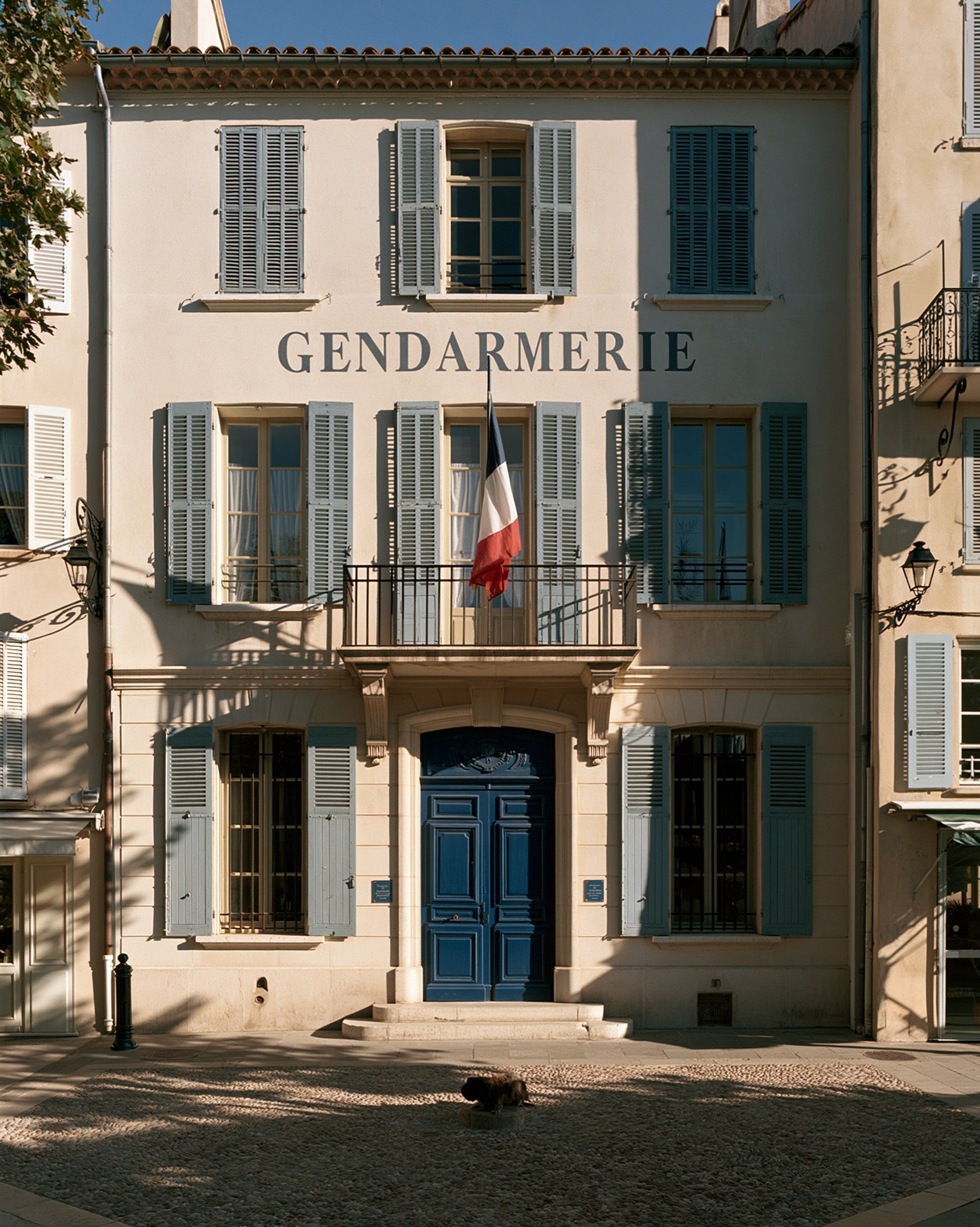
The Musée de la Gendarmerie et du Cinéma, at 2 place Blanqui, occupies the real gendarmerie that served the town from 1879 to 2003. It is the building made famous by Le Gendarme de Saint-Tropez (1964), with Louis de Funès, and its sequels.
It opened as a museum in June 2016 and covers every film shot on the peninsula, not just the gendarmes: posters, costumes, clips and the stories of the productions. Bardot has a recreated dressing room here, as does Romy Schneider.
Entry is about 5 euros (3 for ages 12 to 18 and students, free under 12), from 10:00 daily, closing between 17:00 in winter and 19:00 in July and August. Allow an hour; it is a good choice on a windy day, and the rest are in my list of the best things to do in Saint-Tropez.
The statue and the town she left
A statue of her stands near the old gendarmerie, unveiled in 2017, so the museum and the statue make one short visit. It shows her as the town first knew her, young and at ease, and it is a quiet spot to stop for a minute.
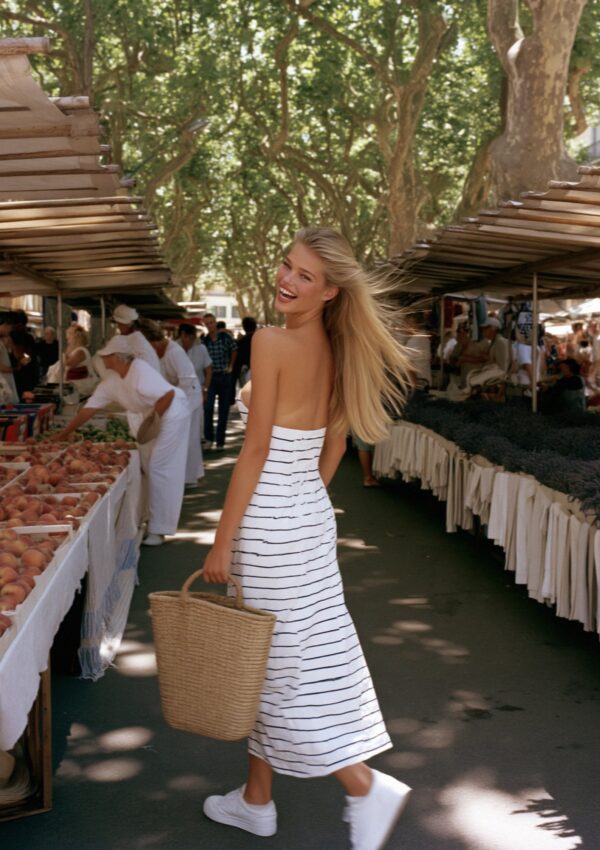
The town she left behind is busier and far more expensive than the one she arrived in. But much of what drew her is still here: the market under the plane trees on Place des Lices, the boats at La Ponche, the quiet bays east of town. The Saint-Tropez of the film is not gone, it is just early in the morning and out of season.
Places from her Saint-Tropez
Club 55 on Pampelonne began in the mid-1950s, during the filming of Et Dieu… créa la femme, when Bernard and Geneviève de Colmont’s beach hut started feeding Vadim’s crew. Their son Patrice ran it for decades, and lunch there is still the classic Pampelonne day. My guide to Pampelonne and the beaches has the rest of the sand.
La Tarte Tropézienne on Place des Lices sells the town’s own cake, a brioche split and filled with cream. Alexandre Micka, a Polish-born pastry cook who settled here after the war, was making it in the 1950s, and Bardot, on the set of Vadim’s film, is said to have suggested the name.
And the cimetière marin, the sailors’ cemetery below the Citadel, holds the grave of Roger Vadim, who directed the film that started all of it.
How the town remembers her
Saint-Tropez remembers her in an unshowy way, which suits a woman who spent half a century avoiding attention: photographs in shop windows, her films in the museum, a cake named in a bakery, a beach restaurant that fed a film crew, a house nobody may visit.
To see her Saint-Tropez, keep it simple. Walk out to La Ponche early, take the boat round the Canoubiers, visit the gendarmerie and the statue on the same morning, then have a tarte on Place des Lices. It tells you a great deal about the town and the woman, without asking either of them for anything.
Frequently Asked Questions
Where did Brigitte Bardot live in Saint-Tropez?
At La Madrague, a fisherman’s house on the Canoubiers bay east of the port. She bought it in 1958 and died there on 28 December 2025.
Can you visit La Madrague?
Not yet. The road to it is private and there is no public viewpoint on land, though her foundation plans to open the house to small booked groups from summer 2027. The only way to see the house is from the sea, on the Bateaux Verts trip round the Baie des Canoubiers, which in 2026 runs from roughly early April to the end of October.
Was And God Created Woman filmed in Saint-Tropez?
Yes. Roger Vadim shot Et Dieu… créa la femme on location here, released in 1956, and La Ponche is among the locations.
Is there a Brigitte Bardot museum in Saint-Tropez?
Not one devoted to her alone, but the Musée de la Gendarmerie et du Cinéma at 2 place Blanqui has a recreated dressing room of hers, and a statue of her stands nearby.
Did Brigitte Bardot name the tarte tropézienne?
That is the story: Alexandre Micka’s cream-filled brioche was on sale in the 1950s, and Bardot is said to have suggested the name while filming.
Read also: Saint-Tropez Boat Trips: the Celebrity Villas, the Capes and Porquerolles | Saint-Tropez Old Town: La Ponche, the Port, the Citadel and Place des Lices | Victoria’s Complete Guide to Saint-Tropez