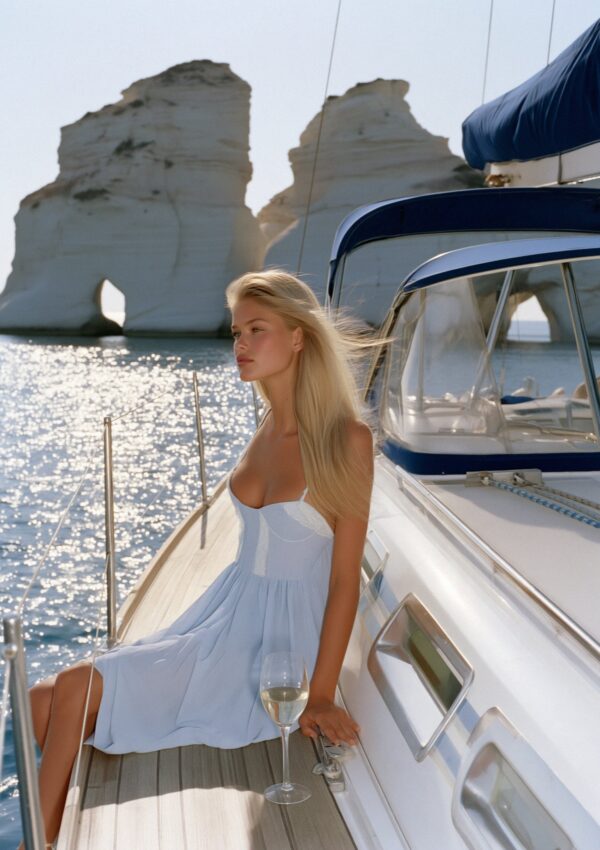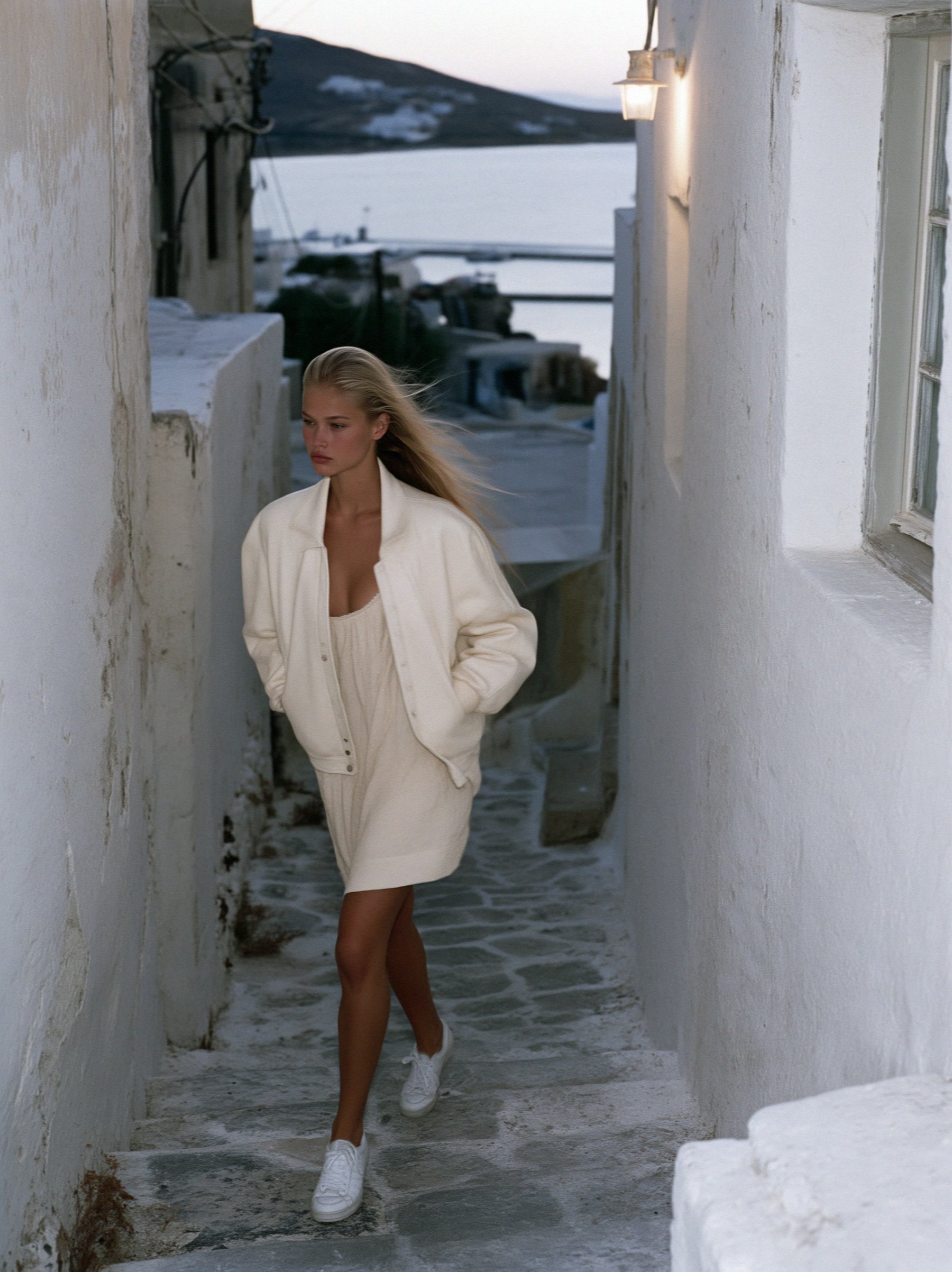
I packed a light jacket and two swimsuits for Milos in October, and used all three every day. The afternoons were for swimming, the evenings down at Klima were for the jacket, and that pairing says a great deal about the edges of the Cycladic season.
The question of when to come here is really two questions. When is the sea warm enough, and when is the wind calm enough? This guide goes through the year season by season, with what is open, what it costs and how the wind behaves. Where to go once you have picked your month is in my complete guide to Milos.
The short answer
June and September are the best balance: warm sea, long days, everything open, and fewer people than high summer.
May and October are quieter and cheaper. The sea is cool in May and still warm in early October.
July and August are the busiest, the most expensive and the windiest.
November to April is very quiet. Most boats, beach bars and many hotels are closed.
Spring
April is early. The island is green after the winter rain, the hill paths are pleasant, and the official sites switch to their summer hours on 1 April, so the catacombs open six days a week. But most hotels and boats are still getting ready, and the sea is cold.
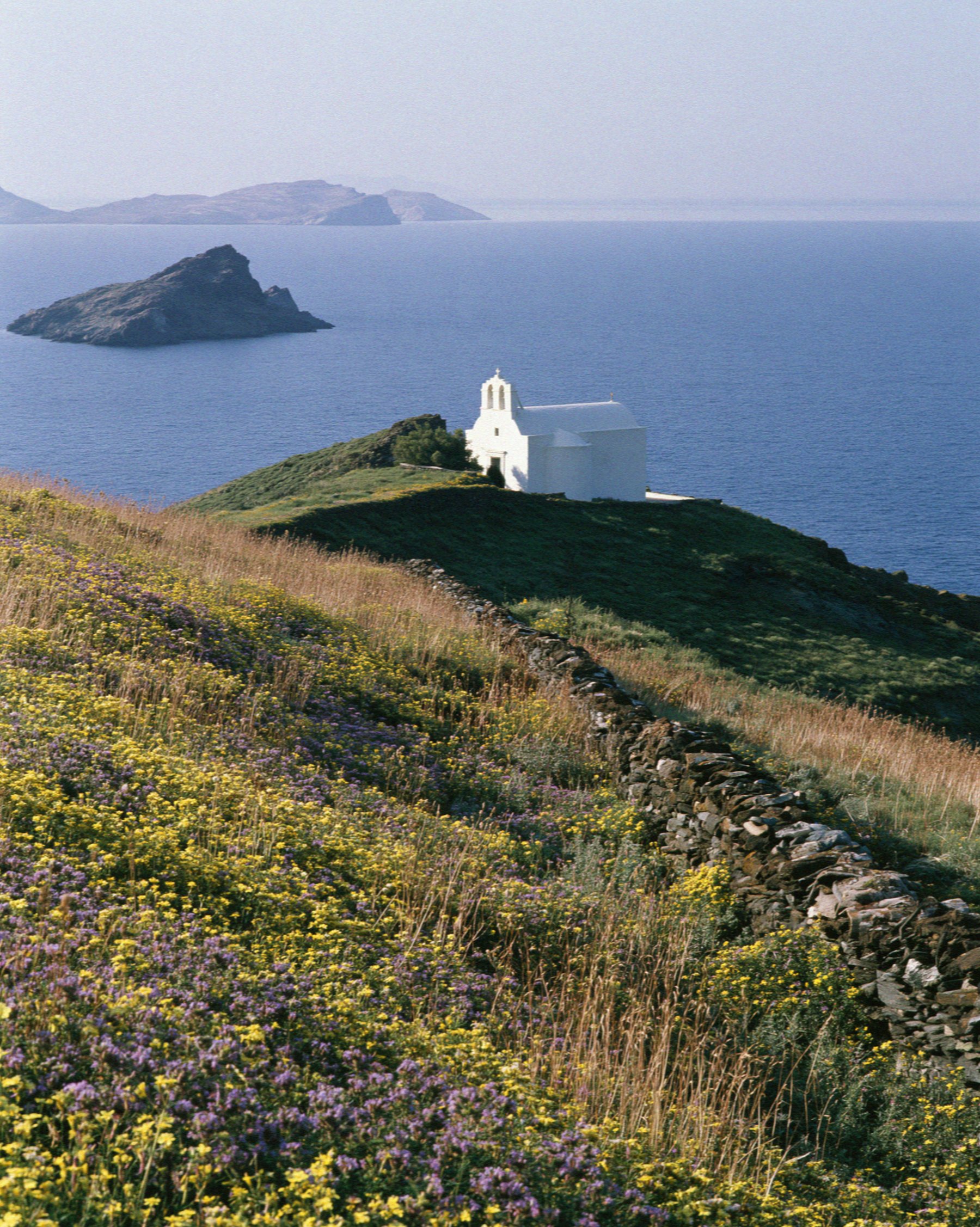
May is when Milos wakes up. The boats start running, the first beach bars open, and the wild flowers are out along the cliffs. The sea is still cool, bracing rather than inviting, but the light is clear, the roads are empty and rooms cost a fraction of their August price.
June
June is the month I would choose if I could choose only one. Everything is open, the days are at their longest, and the sea has warmed enough for long swims. The north wind is usually lighter than it will be in a month’s time.
It is also the month when Sarakiniko’s lifeguards begin. In 2026 the beach had organised cover for the first time, from 1 June, with two lifeguards on duty from 10:00 to 18:00. Book the boat day and the better hotels ahead.
July and August
High summer on Milos is beautiful, crowded and windy. The beaches are full, the small planes from Athens are booked well ahead, and the best hotels may be gone months in advance. Prices are at their peak.
The crowds concentrate in predictable places. Sarakiniko by late morning, Klima at sunset, where parking is impossible, and the Kastro above Plaka at golden hour all fill up. The trick is timing rather than avoidance: Sarakiniko at 08:00, Klima on foot from Plaka, the catacombs as soon as they open. If you do come in August, the sea is at its warmest, around 25°C.
The meltemi
The meltemi is the strong, dry north wind of the Aegean summer. It blows mainly in July and August, and when it sets in, it can last for several days.
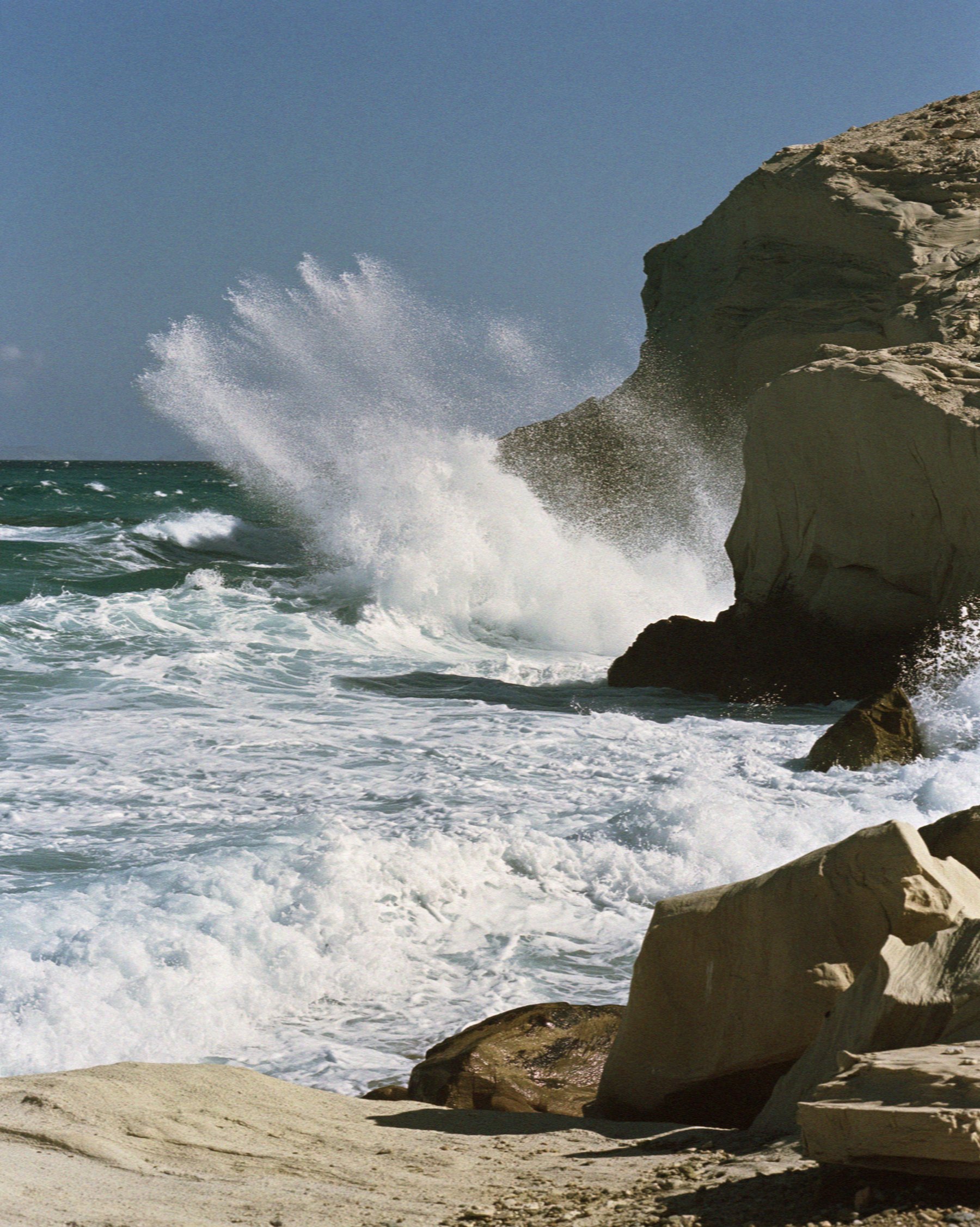
On Milos it changes the whole plan. The north coast takes it full on, so Sarakiniko becomes dangerous, with waves running into the channels and over the rock. The boat trips round the west coast to Kleftiko may be cancelled, or switched to departures from the south coast. Fast ferries can be held in port.
The south coast is the shelter. Firiplaka, Paleochori and Agia Kyriaki stay calm when the north is white, and Achivadolimni, inside the bay, is protected too. It is not only a summer problem either. I sailed to Kleftiko in October and the swell had closed one of the tunnels by early afternoon; the day is in my diary The Thieves’ Cove. Always check the forecast the night before a boat day.
September
September is June’s equal, and for swimmers it is better. The sea has had all summer to warm and sits around 25°C, the meltemi usually eases, and the crowds thin as the month goes on.
If you want the boat to Kleftiko, warm water and some space on the rocks at Sarakiniko, the middle of September is hard to beat. Book the boat a day or two ahead and keep a spare day in case the wind comes back, which my Milos itinerary builds in.
October
October is when I came, and I would come again. Early in the month the sea is still warm enough to swim every day; by the end it takes more resolve. I swam in the long channel at Sarakiniko in the afternoon and off the rocks at Klima at dusk, and both were cold for the first few strokes and then fine.
The boats still run for much of the month. The catch is that things begin to close, especially in the second half of October: beach bars, some tavernas and many hotels. The official sites keep their summer hours to 31 October and then switch to a much shorter winter timetable. If you come late in the month, base yourself in Adamas or Plaka, which stay the most awake. My guide to where to stay in Milos covers which bases suit which season.
Winter
From November to March Milos belongs to the people who live there. Adamas is quiet, many hotels are shut, and the boat trips all but stop. Ferries from Piraeus continue all year but thin out, almost all of them slower conventional boats, and the airport bus does not run in winter.
The sites keep reduced hours. In winter the catacombs open only on Thursday and Sunday, 08:30 to 14:00, and the archaeological museum in Plaka on Wednesday, Friday, Saturday and Sunday. It is a fine time for walking and for seeing the island without anyone else, but not for a beach holiday.
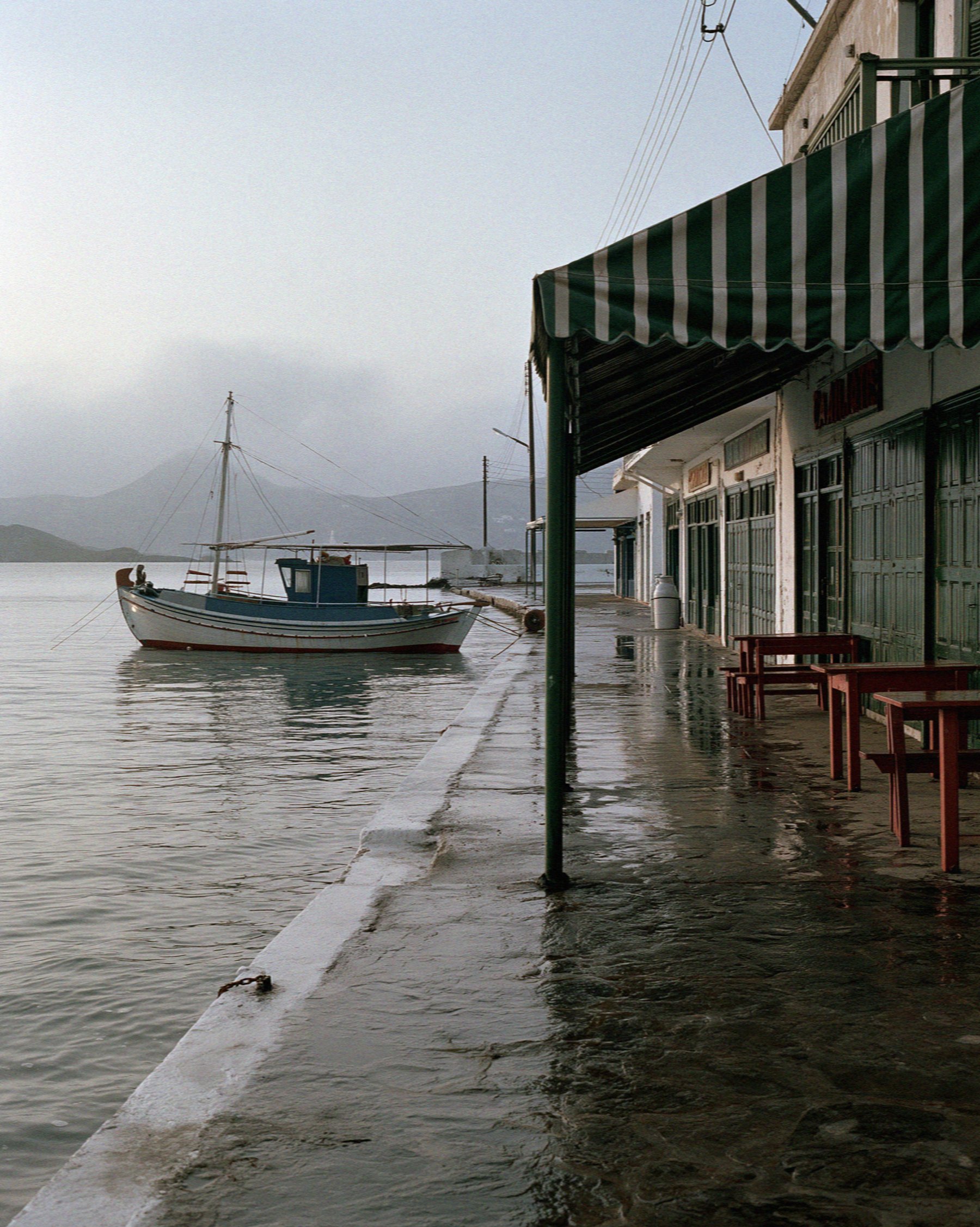
Prices through the year
Room prices track the calendar closely. At the August peak, a double in a simple place costs somewhere between €80 and €150, a good mid-range hotel between €150 and €300, and the top of the market starts around €300 and climbs past €700.
In May, early June and October the same rooms are often much cheaper, and July and August are the most expensive by a long way. Boat days hold their price better, a full day under sail with lunch sitting at about €110 to €160 whatever the month, but a seat is far easier to find outside the peak. Car and ATV hire, and flights from Athens, rise sharply in August.
Month by month
January and February: very quiet, much closed, ferries thin. For walkers only.
March: still quiet; the island turns green.
April: summer site hours begin; most of the coast is still closed.
May: boats and beach bars start, flowers out, cool sea, low prices.
June: long days, warm sea, everything open. The best month overall.
July: busy and hot; the meltemi begins in earnest.
August: peak crowds, peak prices, warmest sea, the strongest wind.
September: warm sea around 25°C, thinning crowds. June’s equal.
October: warm early, quieter, closing by the end. My month.
November and December: winter timetables; very quiet.
Frequently Asked Questions
What is the best month to visit Milos?
June or September. Both have warm sea, long days and everything open, with fewer people than July and August. September has the warmer water, at around 25°C.
Is Milos too windy in August?
It can be. The meltemi blows mainly in July and August, sometimes for days, closing Sarakiniko and cancelling or rerouting Kleftiko boats. The south coast beaches stay sheltered.
Can you swim in Milos in October?
Yes, especially early in the month, when the sea is still warm. It cools through October, and many beach bars, boats and hotels close towards the end of the month.
Is Milos worth visiting in winter?
Only for a quiet, walking trip. Most hotels close, the boat trips all but stop, ferries are fewer and slower, and the catacombs open just two days a week.
Read also: A Milos Itinerary: 3 to 5 Days | Where to Stay in Milos: Adamas, Pollonia, Plaka or Klima | Victoria’s Complete Guide to Milos