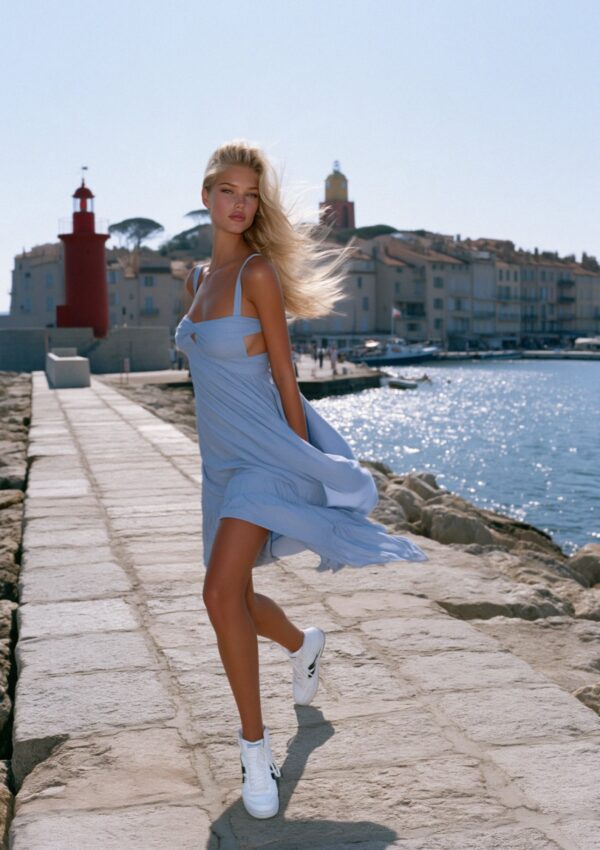
Saint-Tropez rewards people who arrive with a rough order for the day and very little else. The town itself is compact enough to cross on foot in twenty minutes, but the things worth doing are spread across a peninsula: a market that runs two mornings a week, a museum of painting that is shut for renovation until 2029, a beach that sits in the next commune, and a road in that can swallow an hour of your August afternoon.
These are the dozen things I would actually do, roughly in the order a good stay unfolds, with the days, hours and prices that decide whether they work. The whole town, from hotels to the drive in, is in my complete guide to Saint-Tropez.
Breakfast on the port
The first thing I do in Saint-Tropez, every time, is coffee on the port, and there is only one terrace that really counts for it. Sénéquier, on Quai Jean Jaurès, has the red awnings and the red chairs turned to face the water, and at breakfast it is the calmest it will be all day. Deckhands are hosing down the yachts and the painters are setting up their easels along the quay.
Order a coffee and something sweet and watch the port wake up. A coffee here costs well above what it would a street back, and that is the price of the view rather than the cup. Take a bag of their nougat with you when you go.
The Tuesday and Saturday market
On Tuesday and Saturday mornings, from 08:00 to 13:00 all year, the market fills Place des Lices under the plane trees. In summer it is big and lively: Provençal fabrics and baskets, olives, honey, cheese, linen, and good bric-a-brac at the far end.
Go early. By eleven in July the aisles are slow and the heat sits under the trees, and by one the stalls are folding up. The rest of the week the square goes back to the pétanque players, and afterwards Le Café and La Tarte Tropézienne are both right there for a coffee and a slice of the cream-filled brioche the town is named for.
The Annonciade
The Musée de l’Annonciade, in a 16th-century chapel on the port built around 1510 by the White Penitents and a museum since 1922, is shut until 2029 for a long renovation and extension. I am including it anyway, because the story it tells is the reason the town became famous long before cinema did, and you can still stand where it began.
In 1892 Paul Signac sailed in on his boat, L’Olympia, and stayed, later buying a villa called La Hune. Matisse, Cross, Derain and Marquet followed him, and the collection runs from the Pointillists through the Nabis to the Fauves, roughly 1890 to 1950: Signac, Cross, Matisse, Derain, Bonnard, Vuillard, Camoin, Dufy, Marquet and Braque. Until the doors reopen, the best substitute is free: walk out along the quay at the end of the day and look back at the waterfront, which is the view Signac came for.
The works should add new galleries and a garden; the town gives 2029 as the reopening date, so check before you plan a trip around it.
Up to the Citadel
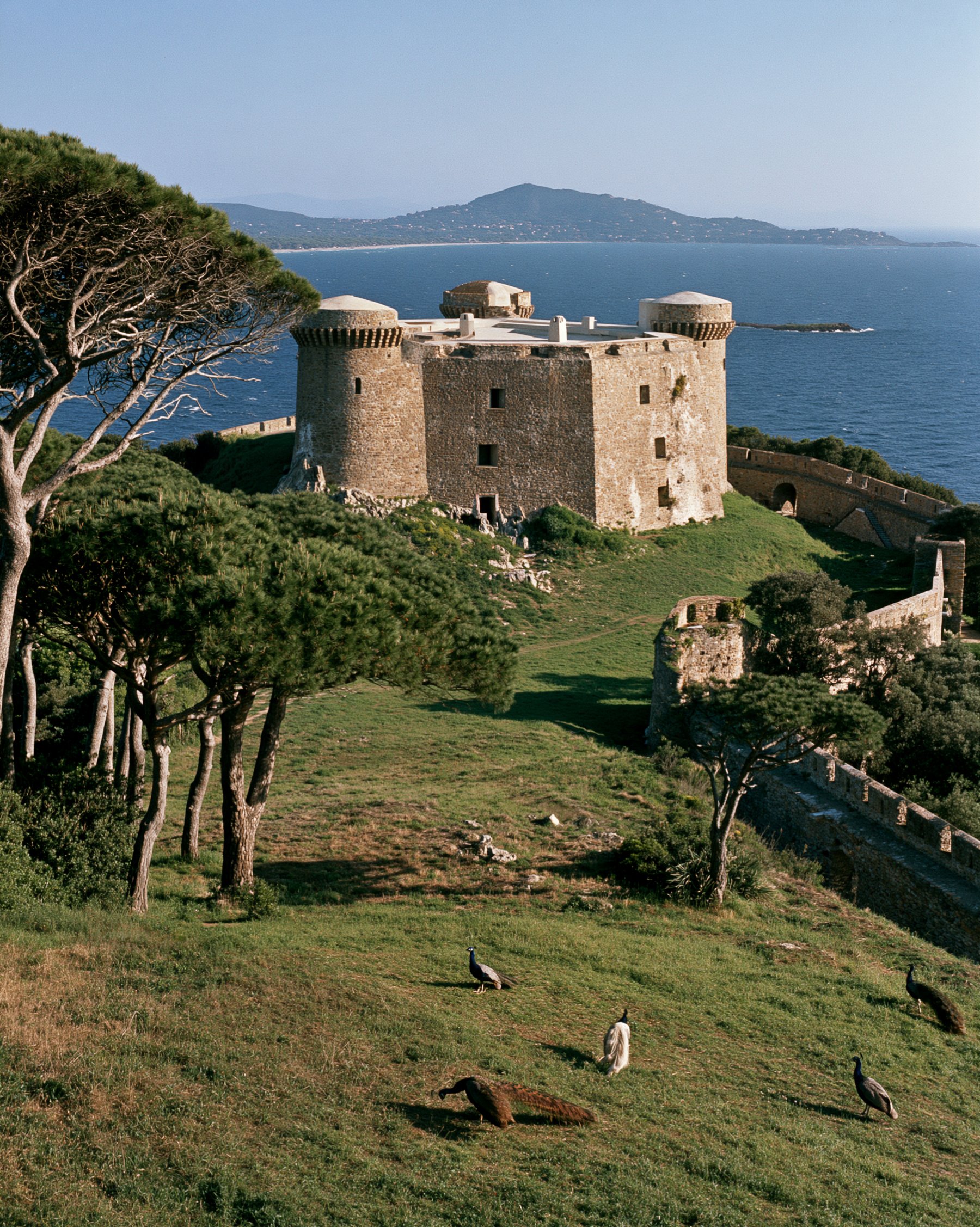
The Citadel stands on the hill above town, an early 17th-century fortress with a hexagonal keep, ramparts and peacocks wandering the park around it. The climb from the port takes about ten minutes, and the reward is the best view of the gulf you will find without a boat, across to Sainte-Maxime and the hills of the Maures.
Inside the keep, a maritime museum tells the story of the town’s sailors. It costs 5 euros, and it shut for works from 2 November to 18 December 2026. Go in the late afternoon, once the heat is off the walk up. I go into the opening hours and the paths up in my guide to the old town, La Ponche and the Citadel.
La Ponche and the old lanes
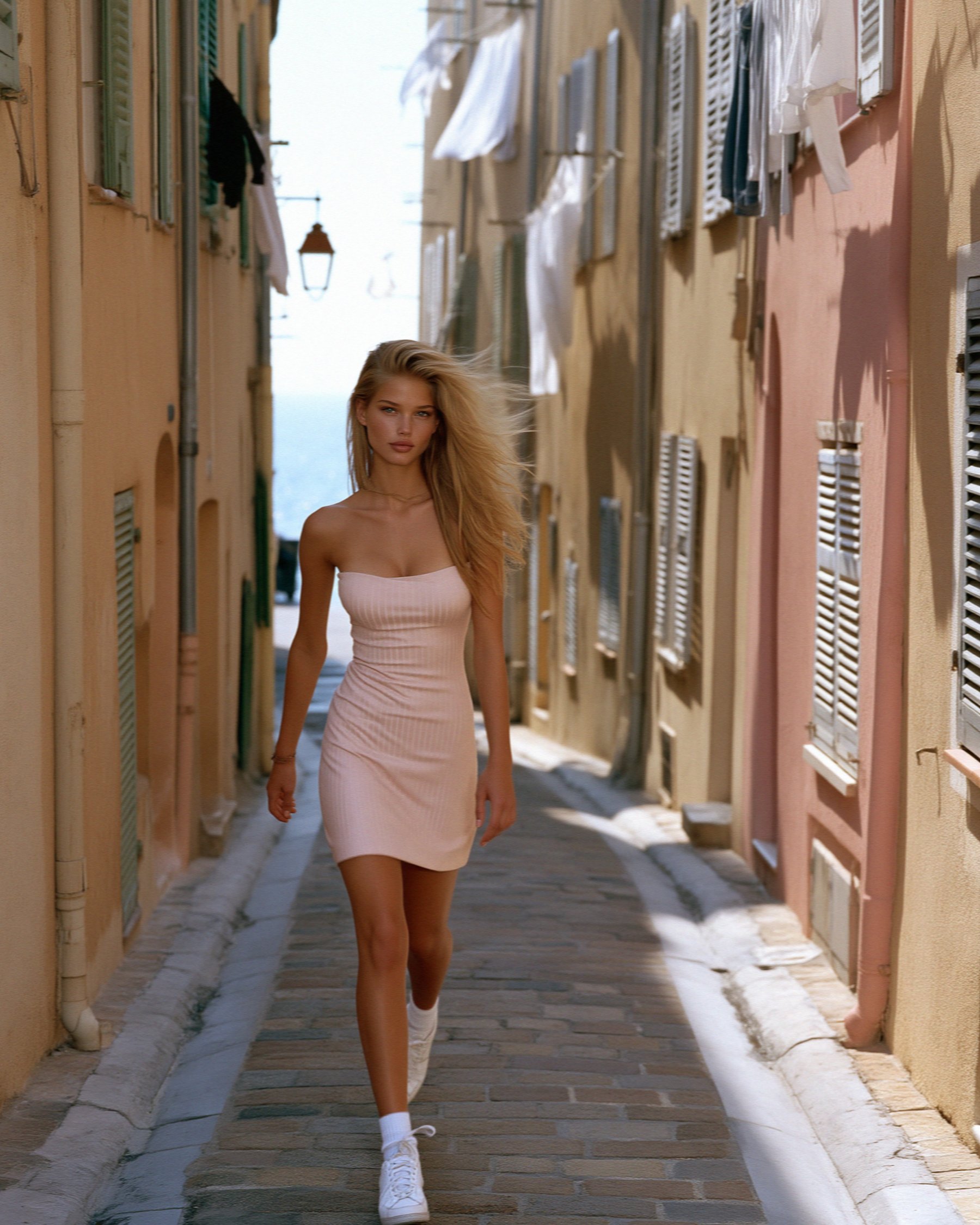
La Ponche is the old fishermen’s quarter at the tip of the old town, and it is the part of Saint-Tropez that still feels like a place people live. You reach it through the arch of the Porte de la Poissonnerie, past the covered fish market, and come out among low houses, the Tour du Portalet and a tiny beach with fishing boats pulled up on it.
Wander rather than navigate. The lanes behind run up toward the church, whose ochre and red bell tower you can use as a compass, and they are at their best early or in the hour before dinner, once the day-trippers have gone.
The Gendarmerie and the films
Saint-Tropez’s other museum is pure fun. The Musée de la Gendarmerie et du Cinéma, at 2 place Blanqui, is in the real gendarmerie building, used from 1879 to 2003 and made famous by Le Gendarme de Saint-Tropez in 1964, with Louis de Funès, and its sequels. It opened in 2016, so it turns ten this year.
It covers the many films shot on the peninsula, with recreated dressing rooms for Brigitte Bardot and Romy Schneider, and it is a good hour on a hot afternoon or with children. Entry is 5 euros, 3 for ages 12 to 18 and students, and free under 12. A statue of Bardot stands near the old gendarmerie, a minute’s walk away.
A walk on the coastal path
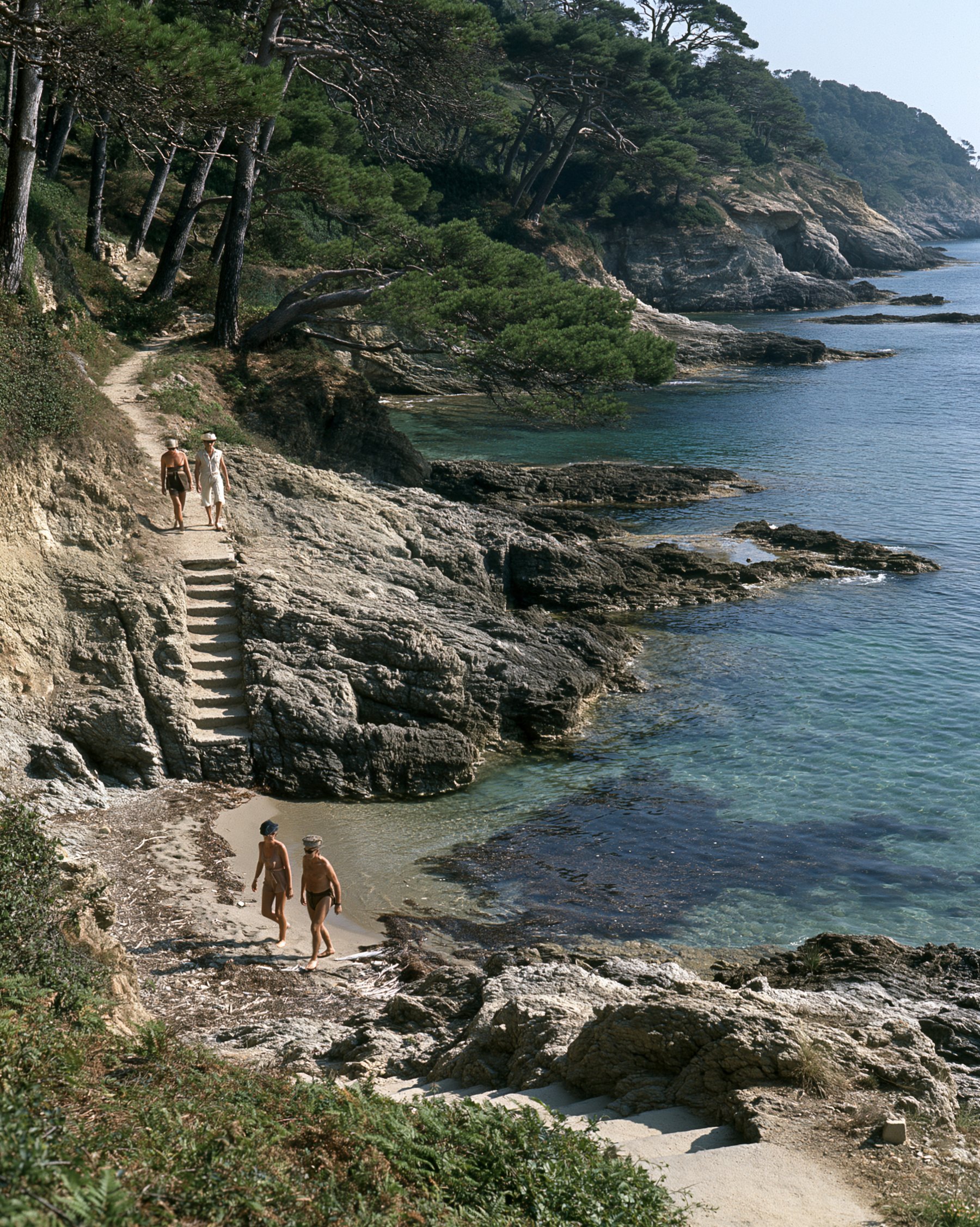
The sentier du littoral leaves town at La Ponche and follows the shore all the way round the peninsula, marked with yellow paint on rocks and posts. The section from town past Les Graniers, the Canoubiers bay, La Moutte and Cap des Salins to Les Salins is about 12 km and takes roughly four hours, with steps, rocks, coves to swim in and stretches with very little shade.
You do not have to do it all. The first hour, out to Les Graniers and the Canoubiers bay, is easy and lovely. Take water, wear proper shoes, start early in summer, and know that the path can be closed on days of strong wind or high fire risk.
A day at Pampelonne
Pampelonne is the reason half the summer crowd comes, and it deserves a full day rather than an afternoon squeezed in. It is about 5 km of fine pale sand facing east, in the commune of Ramatuelle, with the beach clubs strung along it and free public stretches between them.
Book a club sunbed and a long lunch, ahead in July and August, or bring a towel and a picnic to the public sand. Either way, arrive before eleven. Which club suits which mood, and where to swim for free, is all in my guide to Pampelonne and the best beaches.
A boat past the villas
The views that made Saint-Tropez are best seen from the water, and the simplest way out is the Bateaux Verts trip around the Baie des Canoubiers, which runs from about early April to the end of October in 2026. It is an unpretentious hour along the shore, past villas in the pines, and the only way to see La Madrague, Bardot’s house on the water, which cannot yet be visited from land.
If you have longer, there are trips to the wild capes and full days to Porquerolles and Port-Cros, or you can hire a boat of your own. Every option, with prices, is in my guide to Saint-Tropez boat trips.
Up to Ramatuelle and Gassin
Behind the coast, two perched villages look down over everything. Ramatuelle, above Pampelonne, is all stone lanes and vaulted passages, and the windmills of Paillas on the ridge above it look over the beach toward the islands. Gassin, on its own ridge, is listed among the most beautiful villages in France and has a terrace with an orientation table looking out over the gulf.
Both are a short drive from town and both have terraces facing the view. Go for dinner rather than in the midday heat.
Les Voiles and the Bravades
Two events change the town completely. The Bravades, held every year from 16 to 18 May since 1558, honour Saint Torpes with processions, musket salvos and red and white everywhere, and they belong to the town rather than to visitors.
Les Voiles de Saint-Tropez, from 26 September to 4 October in 2026, fills the gulf with classic yachts, maxis and modern racers. It is free to watch from the quays and the Citadel, and the port at night is full of crews.
What not to plan around
A few things trip people up. You cannot yet visit La Madrague (her foundation plans small booked visits from summer 2027); the road is private and the house is seen only from the sea. You will not reliably see anyone famous. Do not drive in at midday in August, when the one road onto the peninsula backs up for an hour or more at La Foux. Do not expect the Annonciade until its planned reopening in 2029. And between mid-October and April most beach clubs and hotels are shut, which makes for a lovely quiet town but not a beach holiday.
Frequently Asked Questions
What is there to do in Saint-Tropez in one day?
Coffee at Sénéquier on the port, the Gendarmerie museum, a walk through La Ponche and up to the Citadel for the view, then the afternoon at Pampelonne or on the Canoubiers boat trip. Add the Place des Lices market if it is a Tuesday or Saturday.
What days is the Saint-Tropez market?
The market on Place des Lices runs on Tuesday and Saturday mornings, from 08:00 to 13:00, all year round. Arrive early in summer, before the crowds and the heat.
Is the Musée de l’Annonciade open?
The museum closed in November 2026 for a major renovation and extension, with reopening planned for 2029. Until then, the Citadel’s maritime museum and the Musée de la Gendarmerie et du Cinéma are the two museums in town that you can visit.
Can you visit Brigitte Bardot’s house in Saint-Tropez?
Not yet. La Madrague is private and the road to it is closed to the public, though her foundation plans to open it to small booked groups from summer 2027. You can see it from the sea on the Bateaux Verts boat trip around the Baie des Canoubiers.
Is the coastal path in Saint-Tropez hard?
It is not technical, but it has steps, rocky stretches and little shade. The full walk from town to Les Salins is about 12 km and four hours; the first hour to Les Graniers and the Canoubiers is easy.
Read also: Saint-Tropez Old Town: La Ponche, the Port, the Citadel and Place des Lices | Saint-Tropez Boat Trips: the Celebrity Villas, the Capes and Porquerolles | Victoria’s Complete Guide to Saint-Tropez