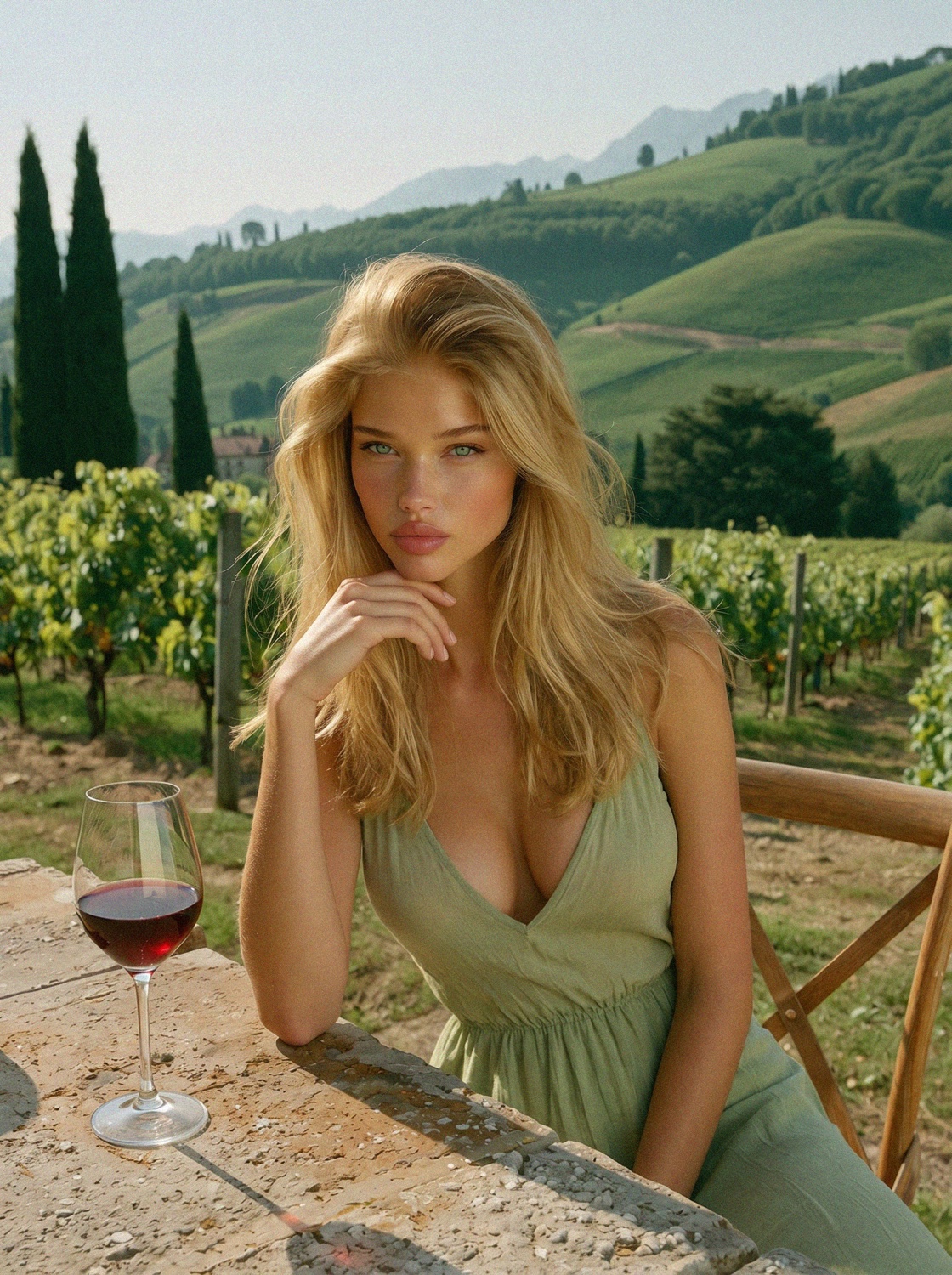
You cannot really separate Tuscany from its wine. The vineyards are the landscape, the harvest is the calendar, and every hilltop town seems to have grown up around a cellar. You do not need to be an expert to love drinking your way across this region; you just need to know roughly where you are and what the hills around you are making. So here is my simple traveller’s guide to Tuscan wine: the four names worth knowing, where to taste them, and how to do it without pretension or a headache.
The Four Names to Know
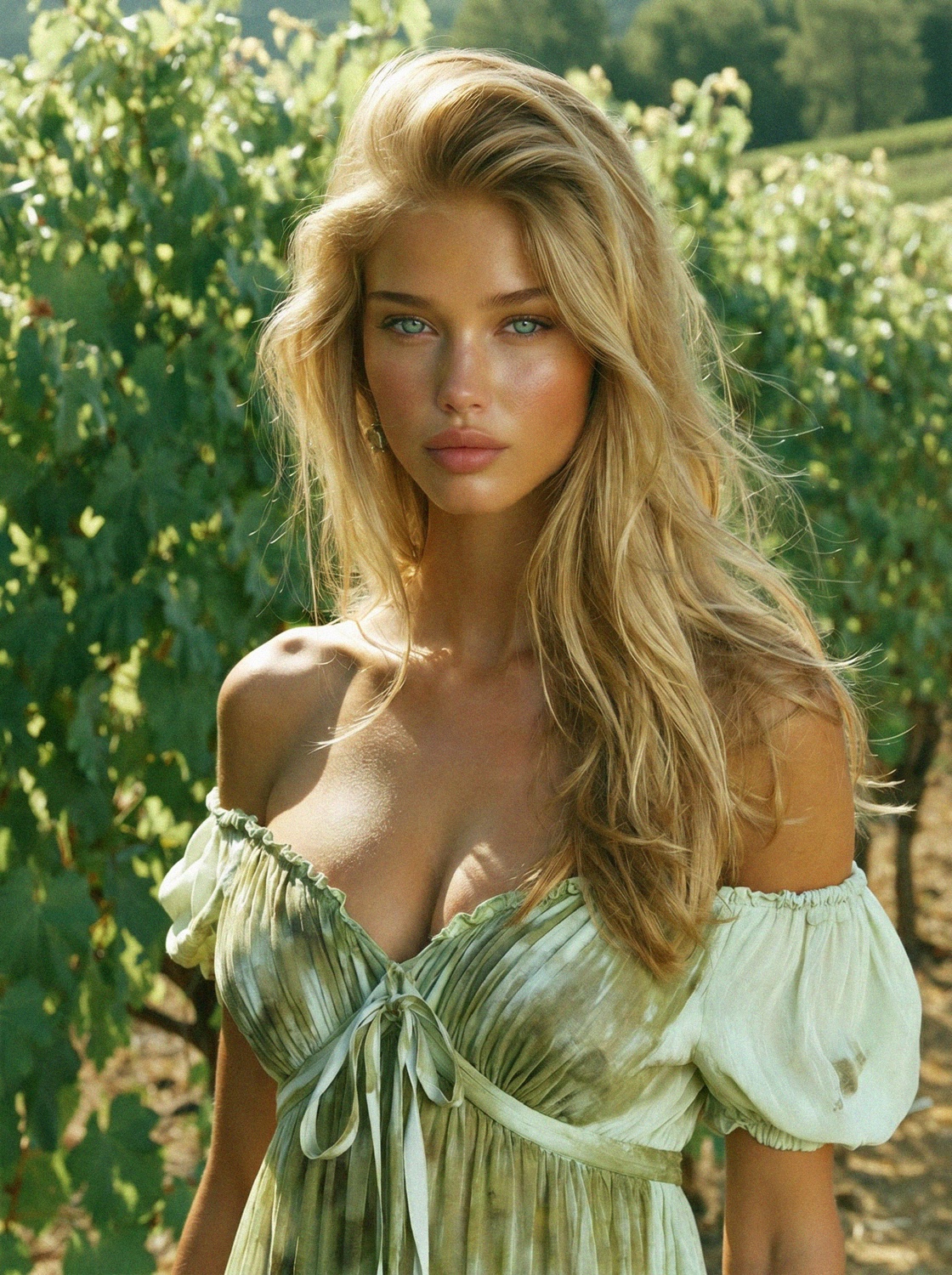
Tuscan reds are almost all built on one grape, Sangiovese, but the same grape in different soils and hands becomes four very different, very famous wines.
Chianti Classico is the one most people have heard of, made in the hills between Florence and Siena, and marked by the Gallo Nero, the black rooster, on the bottle. Do not confuse it with the cheap straw-flask Chianti of decades past; today’s Chianti Classico is a serious, food-friendly red, bright with cherry and herbs, and it is the easiest to build a trip around because the region sits so conveniently between the two great cities.
Brunello di Montalcino is the aristocrat. Made around the hill town of Montalcino from a local clone of Sangiovese, it is widely regarded as Italy’s most elegant and age-worthy red, powerful and long-lived, and priced accordingly. Its younger, lighter, far cheaper sibling, Rosso di Montalcino, is made from the same grapes and is a wonderful everyday alternative when Brunello is beyond the day’s budget.
Vino Nobile di Montepulciano comes from the ridge town of Montepulciano and, confusingly, has nothing to do with the grape called Montepulciano grown elsewhere in Italy. It too is a Sangiovese, here called Prugnolo Gentile, and it is an ancient and noble wine, softer and rounder than Brunello, aged in the atmospheric cellars beneath the town.
The Super Tuscans are the rebels. Decades ago, a handful of producers, mostly near the coast at Bolgheri, started blending Sangiovese with international grapes like Cabernet and Merlot, breaking the old rules and creating some of the most sought-after wines in the world, names like Sassicaia and Ornellaia. You will find them on the great lists rather than at farm-gate tastings, but they are part of the story.
And do not overlook the whites. Vernaccia di San Gimignano, from the town of towers, is Tuscany’s proud white, crisp and mineral, and the perfect thing on a hot afternoon.
Where to Taste
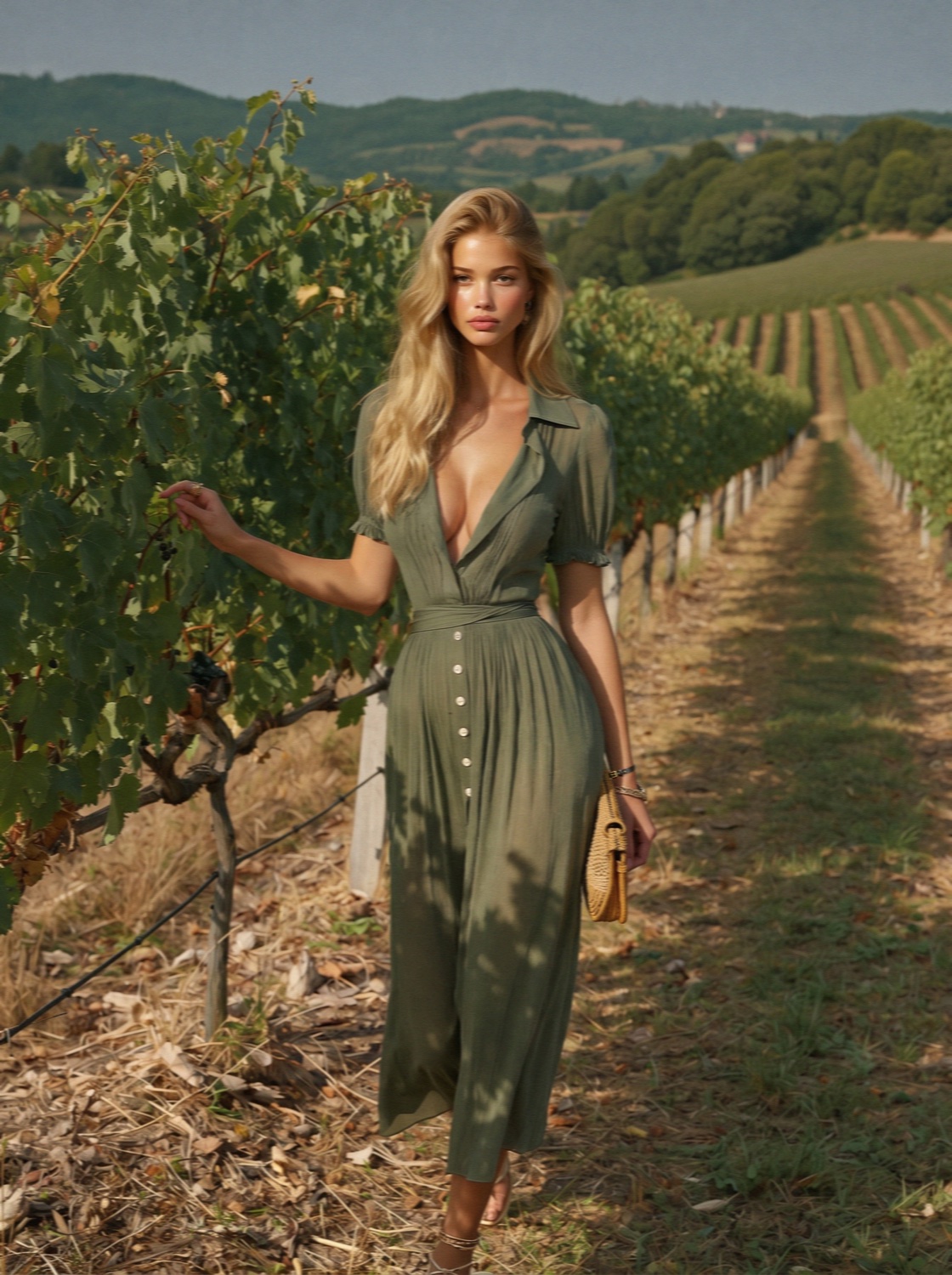
The joy of Tuscan wine is that you drink it where it is made, looking out over the very vines. There are three easy ways to do it.
At a town enoteca. Every wine town has wine bars and shops where you can taste flights by the glass without booking, which is the low-commitment way to work out what you love. The Fortezza in Montalcino has a wonderful enoteca inside the old fortress walls, with the countryside falling away below.
At an estate cellar. For the real experience, book a visit at a working winery, where you tour the cellars and taste several wines with someone who made them, often alongside olive oil, pecorino and bread. The famous Montalcino estates like Casanova di Neri or Banfi, and countless smaller family cantinas across Chianti and Montepulciano, all welcome visitors. Book ahead, especially in high season, as the good ones fill up. A tasting typically runs from around twenty to fifty euros or more depending on the estate and the wines, and it is worth every cent.
On a wine tour. If you would rather not choose a designated driver, or not drive at all, a small-group or private wine tour from Florence or Siena will take you to two or three estates in Chianti, Montalcino or Montepulciano and let everyone taste freely. This is the smart move if wine is the point of your day, because Italy takes drink-driving very seriously and the limits are low.
Doing It Well
A few gentle rules make the difference. Book your cellar visits a day or two ahead rather than turning up. Spread your tastings across the day with plenty of food, because Tuscan wines are made to be drunk with a meal, not on an empty stomach. Buy the bottles you fall for directly from the estate, where they are cheaper and where you can often find wines that never leave the region. And appoint a driver, or take a tour, because the roads home wind through the dark and the fines are steep.
Above all, do not treat it as an examination. The best afternoon I had in Tuscany was at a tiny family cantina where the grandmother poured and nobody spoke much English and it did not matter at all. You do not need the vocabulary. You just need to be there, glass in hand, with the hills going gold outside.
Frequently Asked Questions
What are the most famous wines of Tuscany?
The four great names are Chianti Classico (from the hills between Florence and Siena), Brunello di Montalcino (Italy’s most elegant, age-worthy red), Vino Nobile di Montepulciano, and the Super Tuscans (rule-breaking blends from around Bolgheri, such as Sassicaia). Most are made from the Sangiovese grape. Vernaccia di San Gimignano is the region’s celebrated white.
Do I need to book Tuscany wine tastings in advance?
For estate cellar visits, yes, book a day or two ahead, especially in high season, as the good wineries fill up. For casual tasting by the glass, you can simply walk into a town enoteca or wine bar without booking. If you want to visit several estates and drink freely, book a guided wine tour with a driver.
How much does a wine tasting in Tuscany cost?
A tasting flight by the glass in a town enoteca is inexpensive, while a proper cellar visit and tasting at an estate typically runs from around twenty to fifty euros or more, depending on the winery and the wines poured, often including olive oil, cheese and bread. Buying bottles directly from the estate is cheaper than at home.
What is the difference between Brunello and Rosso di Montalcino?
They come from the same town and the same grapes, but Brunello di Montalcino is aged far longer, making it powerful, elegant and expensive, while Rosso di Montalcino is younger, lighter and much cheaper. If Brunello is beyond your budget, Rosso is a lovely and honest everyday alternative from the same hills.
Can I go wine tasting in Tuscany without driving?
Yes. Take a small-group or private wine tour from Florence or Siena, which visits two or three estates and lets everyone taste without worrying about driving. Drink-driving limits in Italy are low and strictly enforced, so a tour, or a designated non-drinking driver, is the responsible way to enjoy a full day of tasting.
Read also: The Best Towns in Tuscany | Where to Stay in Tuscany | The Complete Guide to Tuscany
V.