On most Greek islands the question of where to stay is about mood: the port or the village, the busy beach or the quiet one. On Crete it is about geography. Chania sits more than three hours’ drive from Elounda, and a hotel that looks central on the map can leave you in the car for most of every day.
So choose by what you want to see, and if your list runs from the Samaria Gorge to Spinalonga, plan on two bases rather than one. This guide goes through the main towns and coasts in turn, who each suits, the hotels worth knowing about, and what a room costs in and out of season. For everything else, from the beaches to the ferries, see my complete guide to Crete.
The short answer
First trip, the west, walking to dinner: Chania old town.
A pool, a beach and children: Agioi Apostoloi or Agia Marina, just west of Chania.
Halfway, with character: Rethymno.
Knossos and the museum: a night or two in Heraklion.
A resort to stay put in: Elounda or Agios Nikolaos.
Boats, walks and very little else: Loutro, Sougia or Paleochora on the south coast.
For July and August, book months ahead, and remember that most beach resorts close from around late October until April.
Chania old town
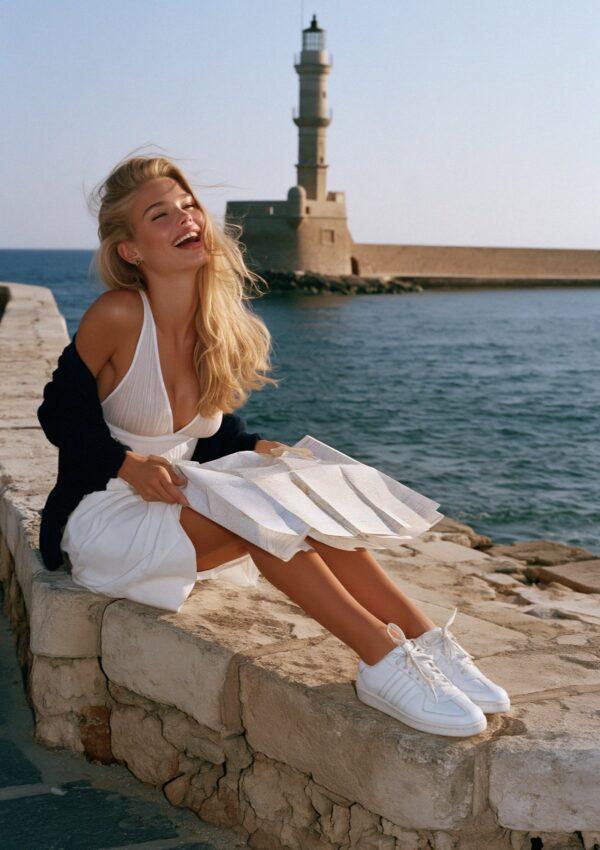
For the west, nothing beats sleeping inside the old town. You step out into Venetian lanes, the harbour is a few minutes away, and in the evening you can walk to dinner without thinking about parking. I was based in Chania in October, and the arrival into the harbour on my first afternoon is in my first Crete diary. From here the Samaria Gorge, Balos and Elafonisi are all day trips.
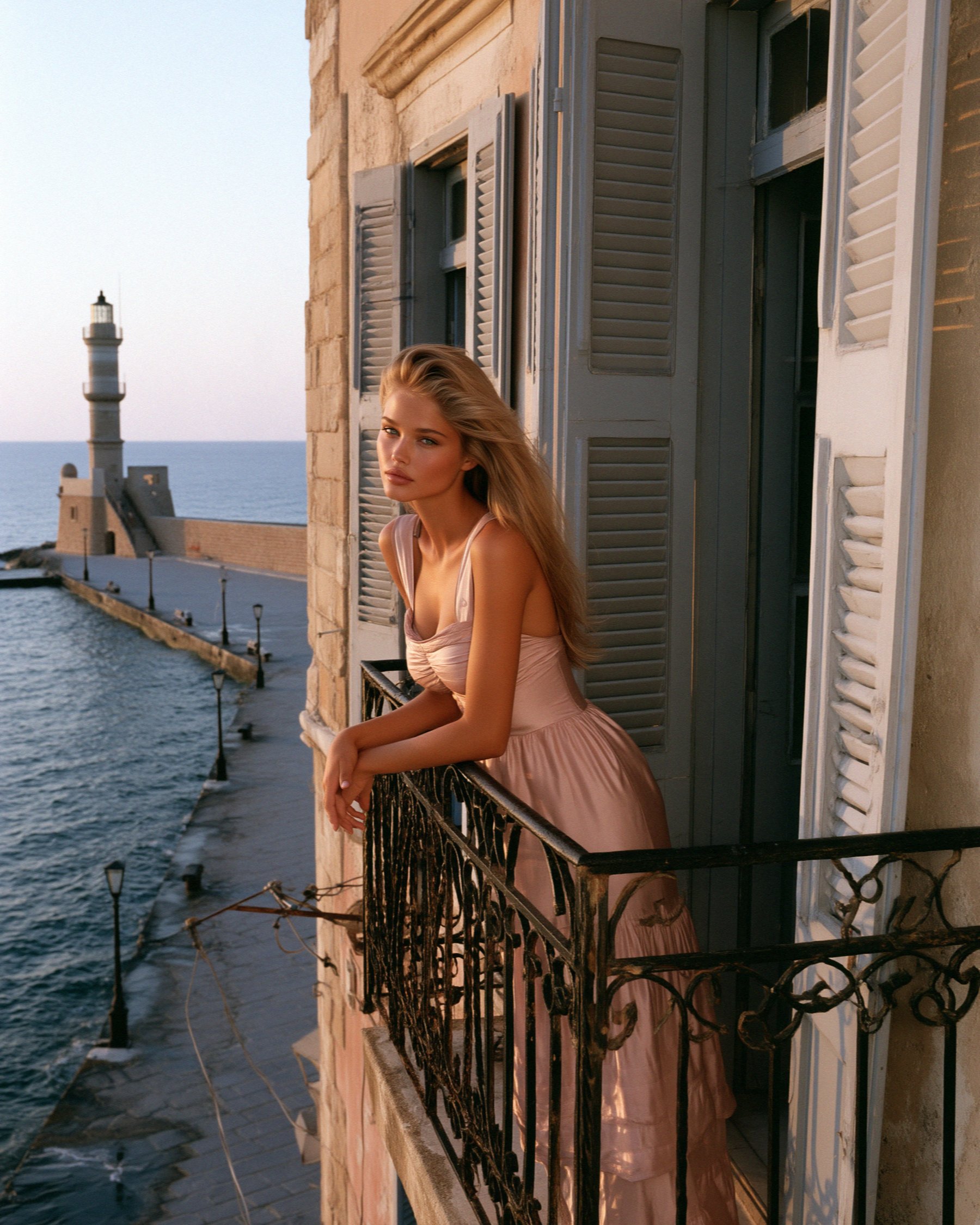
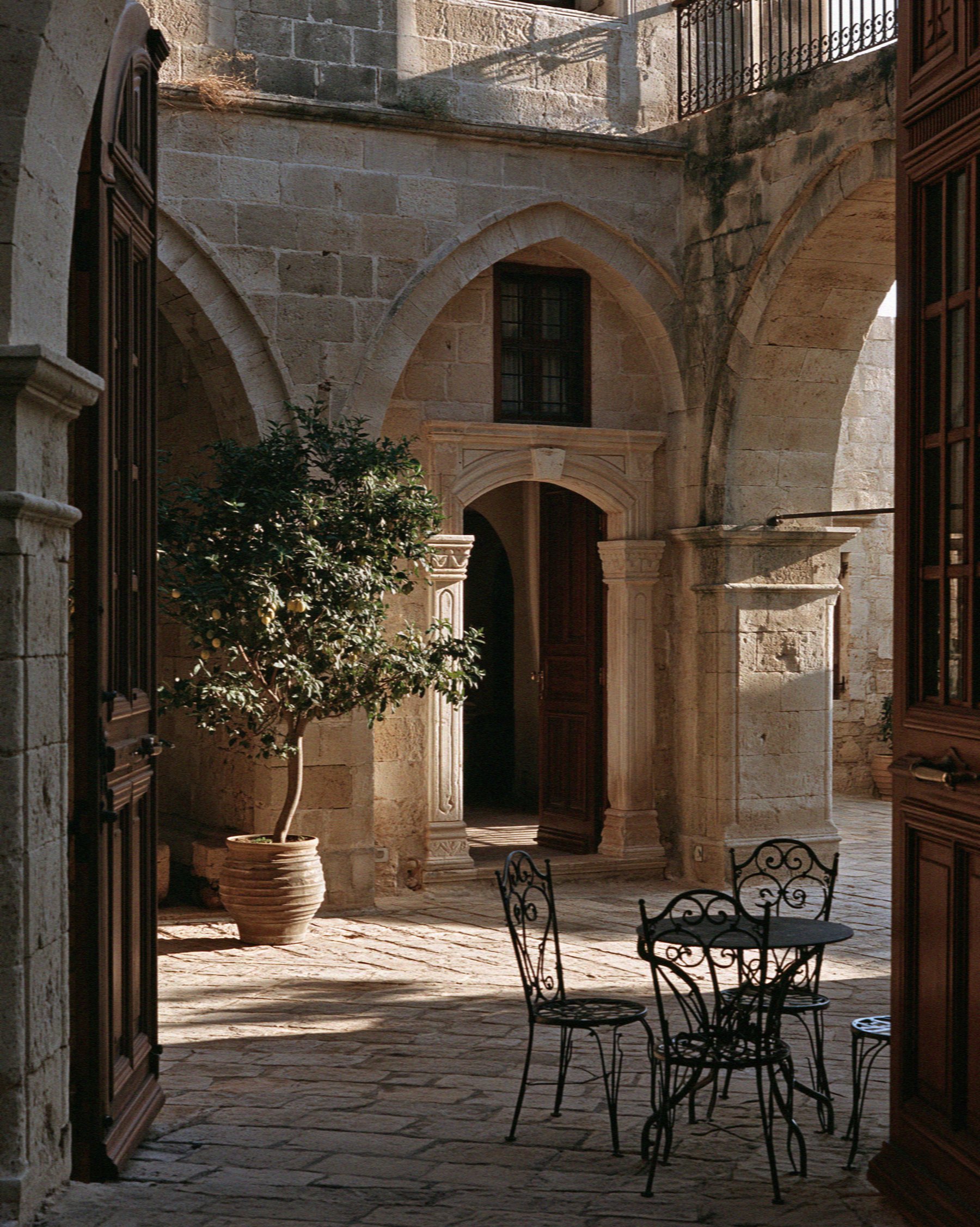
The best rooms are in converted mansions. Casa Delfino is a 17th-century Venetian house kept by the same family for generations, with about two dozen rooms and suites around a courtyard and a spa. Domus Renier, a mansion of 1608 on the western side of the harbour, has rooms that look across to the lighthouse. La Maison Ottomane and Serenissima are small and characterful, Alcanea sits right on the harbour, and Elia Zampeliou, adults only, is entered under an old archway. Residenza Vranas is a small address with plunge pools, and Porto del Colombo is another small old town address.
The trade-offs are noise on the harbour front in summer, steep stairs in old buildings, and cars. Most of the old town is closed to traffic, so if you have hired one, ask the hotel before you arrive where to leave it. The lanes themselves are in my guide to Chania’s old town.
Chania’s beaches and Agia Marina
If a pool and a beach matter more than a Venetian doorway, look a few kilometres west. At Agioi Apostoloi, small sandy bays with shallow water, Domes Zeen Chania and Domes Noruz Chania are polished resorts only minutes from the old town by taxi.
Further out, about 9 km west, Agia Marina is a long, organised beach backed by a strip of hotels, apartments and tavernas. It suits families who want sunbeds, a shallow shelf and an easy evening, and it still keeps the old town within a short drive. It is not a place of great character, and in August it is busy, but it is practical in a way the old town is not.

Rethymno
Rethymno, an hour east of Chania, is a good choice for anyone who wants to see both ends of the island without moving every two days. Knossos is roughly an hour and a quarter further on, the Arkadi monastery is close, and Preveli and the south coast are within reach.
There are really two Rethymnos. The old town has boutique rooms in Venetian and Ottoman houses, under the Fortezza, with the small harbour and its fish tavernas below. East of town runs a long beach strip of larger hotels with pools. The old town for character, the beach strip for a pool and a lounger.
Heraklion
Heraklion is Crete’s biggest city and its main airport, and few people choose it for a long stay. For one night or two, though, it makes sense: you can be at Knossos at 08:00, before the coaches, and in the Archaeological Museum the same afternoon.
Lato Boutique Hotel faces the old harbour and the Venetian sea fortress, and GDM Megaron, also on the harbour, has a rooftop pool with a wide view of the water. Both put you within walking distance of the museum and the Lions Square fountain. More on the city in my guide to Knossos and Heraklion.
Elounda and Agios Nikolaos
The east has the island’s grandest resort hotels, around the calm gulf of Elounda with Spinalonga just offshore. Blue Palace looks straight across to the island, and Elounda Mare, Domes of Elounda and Elounda Beach are names that have drawn people back for years. In Agios Nikolaos, a harbour town around a small round lake, Minos Beach Art Hotel sits right on the water.
These are beautiful places to stop and swim and do very little. They are not bases for touring the west: Chania is a long day there and back. Treat Elounda as the last part of a trip, or as the whole of a resort holiday.

The south coast
The Libyan Sea side is for people who want simplicity. Loutro has no road, only boats and footpaths, and its rooms look straight onto a small bay. Paleochora is a relaxed town on a point with a beach either side, Sougia a quiet bay at the bottom of the Agia Irini gorge, and Plakias a long beach town south of Rethymno.
Expect family-run rooms and small hotels rather than resorts, and expect the boats to thin out from October. It is a wonderful place to end a trip, or to spend a few days after walking the gorge.
What a room really costs
Prices on Crete range widely, and they fall a long way outside July and August. As a rough guide for a double room per night in high season in 2026:
Simple rooms and family-run studios: about €60 to €110.
Good boutique rooms in Chania’s old town: about €150 to €350, less in spring and late autumn.
Top suites and the Elounda resorts: from about €400 to well over €1,000.
Greek hotels also charge a small nightly climate fee per room, paid on the spot and higher at the better places. Old town hotels in Chania and Rethymno often open far longer than the beach resorts, some all year, which makes them the natural choice for a trip in November or March. My guide to the best time to visit Crete covers the seasons.
Which base suits which trip
Five days or fewer: Chania old town, and keep to the west.
A week: Chania for four or five nights, then Rethymno or Heraklion for the rest.
Ten days: Chania, Rethymno or Heraklion, and two or three nights in Elounda at the end.
Families: Agia Marina or Agioi Apostoloi, with a car.
No car: Chania old town, where the buses for the gorge and the beaches leave from the bus station.
Walkers: Chania for the gorge, then a few nights on the south coast.
How to divide the nights day by day is in my Crete itinerary.
Frequently Asked Questions
What is the best area to stay in Crete for a first visit?
Chania’s old town, for the west. It puts the harbour, the lanes and the restaurants on your doorstep, and the Samaria Gorge, Balos and Elafonisi are all day trips from there.
Is it better to stay in Chania or Heraklion?
Chania for a longer stay. It is prettier, and the west holds most of the island’s best beaches and walks. Heraklion is worth a night or two for Knossos and the Archaeological Museum.
Should I stay in one place or move around Crete?
Move at least once if you want to see more than one region. The island is about 260 km long, and Elounda is more than three hours from Chania by car, so two bases save you a great deal of driving.
How much does a hotel in Crete cost?
In high season, about €60 to €110 for a simple room, €150 to €350 for a good boutique hotel in Chania’s old town, and from €400 to well over €1,000 for the best suites and the Elounda resorts. Spring and autumn rates are much lower.
Are hotels in Crete open in winter?
Most beach resorts close from around late October to April, but many hotels in the old towns of Chania and Rethymno stay open much longer, and some all year. Check your dates directly with the hotel.
Read also: Chania Old Town: the Venetian Harbour, the Lanes and the Walls | A Crete Itinerary: 5 to 10 Days | Victoria’s Complete Guide to Crete