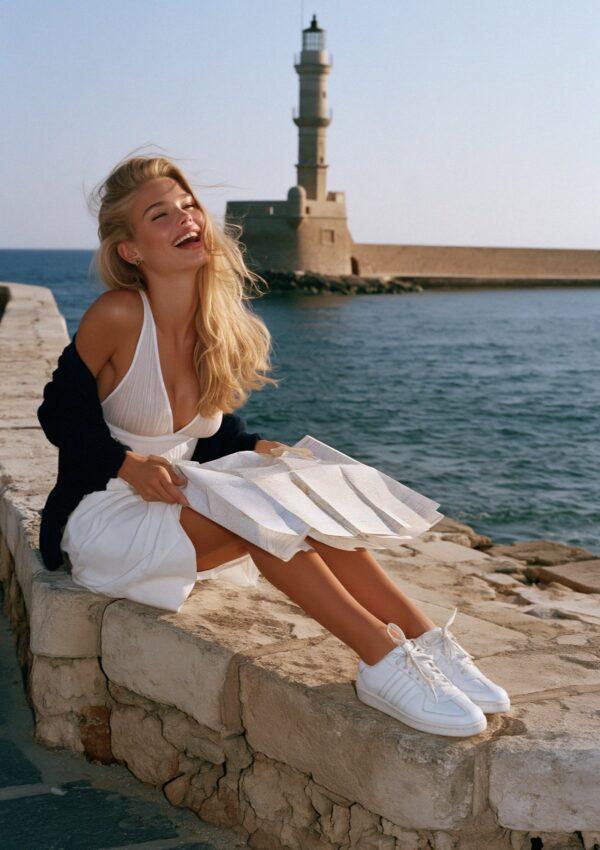
Crete has a longer season than almost anywhere else in Greece. It is the southernmost of the big islands, the sea holds its summer warmth well into autumn, and its towns are real cities that do not shut when the last charter flight leaves. So the question is less whether you can go than what you want when you get there: warm water, open boats, wildflowers, an empty road or a gorge to walk.
This guide goes month by month, with the dates that matter most, when the Samaria Gorge opens and closes, when the boats run, and when the beach hotels close. For the rest of the island, see my complete guide to Crete.
The short answer
Best overall: late May and June, or September and early October. The sea is warm, everything is open, and the crowds are thinner than in high summer.
For walking and wildflowers: April and May.
For the gorge: from June to early October, when it is reliably open.
For the lowest prices and the quietest towns: November to March, if you are happy to swap beaches for museums and tavernas.
The one to think twice about: August, for heat, crowds and prices.
April and May
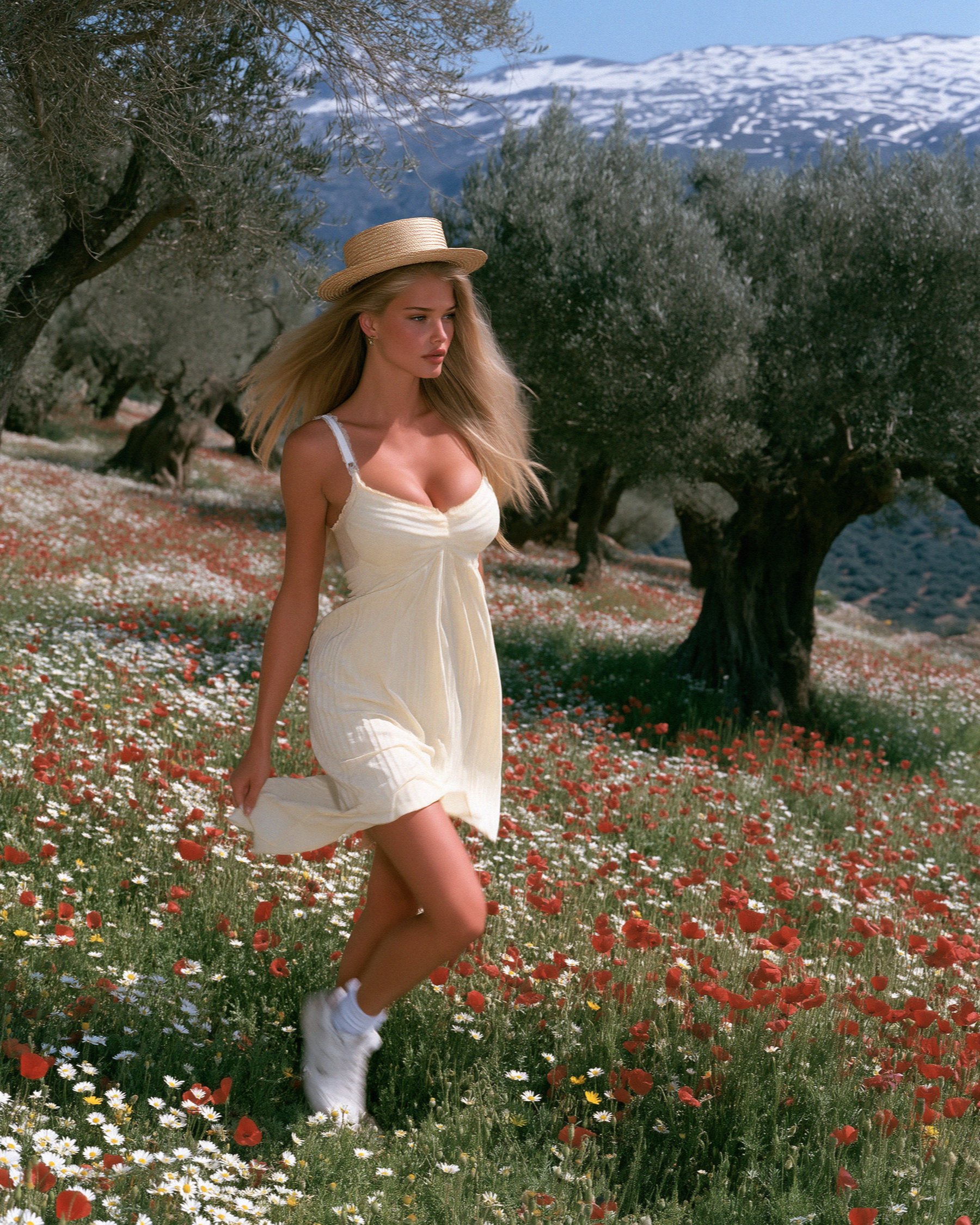
Spring is when Crete looks its greenest. The hills are covered in wildflowers, the poppies come up between the olive trees, and there is still snow on the high peaks of the White Mountains and Psiloritis. It is ideal walking weather, and the towns are relaxed.
The sea is cool, about 17 to 19°C in May, which is bracing rather than pleasant for most people. Some beach tavernas and resort hotels are only just opening, and the Samaria Gorge usually opens around the start of May, weather permitting; in 2026 it did not open until 19 May.
Greek Orthodox Easter, the biggest festival of the year, often falls in April or early May. The date moves each year, so check it: the processions are memorable, but some places close for the holiday and rooms book up.

June
June may be the best month of all. Everything is open, the sea has warmed, the days are long, and the heat has not yet become oppressive. The gorge is open, the boats to Balos and along the south coast are running, and the hills are still faintly green.
Prices climb towards the end of the month and school holidays begin to fill the resorts, so the first half is the sweet spot.
July and August
High summer is hot, often over 30°C on the coast and hotter inland, and busy everywhere. Prices are at their highest, the famous beaches are crowded from late morning, and Knossos sees cruise and coach groups by mid-morning.
The meltemi, the strong north wind of July and August, can make the north coast and Balos rough, and occasionally cancels boats. The south coast, sheltered from it, is often calmer.
If these are your only months, go early everywhere: Knossos at 08:00, Elafonisi before 10:00, the gorge on the first bus. Book cars and hotels well ahead. The sea, at around 24 to 26°C, is wonderful.
September
September is summer without the worst of it. The sea is still about as warm as in August, around 24 to 26°C, the heat eases as the month goes on, and the crowds thin after the first week or two. Everything is still open.
It is the best month for a beach holiday, and good for the gorge, although the first weeks can still be very hot at the bottom.
October
October is the month I know, because it is when I came. The sea was about 23°C when I swam at Nea Chora, the town beach in Chania, in the middle of the month, warmer than most people expect. The roads were quiet, the harbour cafés were still open late, and there was no snow yet on the White Mountains. The cold was waiting higher up, though: at Omalos, before sunrise, a cardigan was not enough.
The first rains usually come late in the month. The Samaria Gorge closes in the second half, depending on the weather, and the boats and beach places begin to wind down. In the villages, the raki stills are starting up and the olive harvest is about to begin. It is a lovely time, as long as you are flexible about the last fortnight. The cold morning at the top of the gorge is in my diary from Xyloskalo.

Winter
From November to March, Crete changes character rather than closing. Chania, Rethymno and Heraklion are lived-in all year, with students, markets and full tavernas. Knossos, the museums and the monasteries stay open on shorter hours. The olive harvest runs through to January.
What stops: most beach resorts, many beach tavernas, the Balos boats, most of the south coast boats, and the Samaria Gorge. Expect rain, snow on the mountains, and mild days on the coast of about 15 to 18°C. The sea drops to about 20°C in November and keeps falling. For a city break with long lunches, it is underrated; for a beach holiday, it is the wrong season.

When the gorge, the boats and the sites open
The Samaria Gorge: usually from 1 May to mid or late October, but weather and the state of the path decide, and it can close for a day after rain. Do not plan a trip around a fixed opening date. The details are in my guide to hiking the Samaria Gorge.
Boats to Balos and along the south coast: roughly May to October, with fewer sailings at either end.
Knossos: open all year, 08:00 to 20:00 from April to August, shortening through the autumn, and 08:00 to 17:00 from November to March.
Hotels: most resorts open around April and close around late October. Old town hotels in Chania and Rethymno often stay open longer, some all year. More in my guide to where to stay in Crete.
Month by month
January and February: the coldest, wettest months; mild on the coast, snow in the mountains, towns and sites open.
March: the first spring days and the first flowers, still too cold to swim.
April: wildflowers, green hills, Easter some years; resorts opening.
May: warm days, cool sea, the gorge opening.
June: everything open, warm sea, long days.
July and August: hot, busy, expensive; the meltemi on the north coast.
September: a sea still as warm as August’s, easing heat, fewer people.
October: still warm, the gorge closing, first rains late in the month.
November and December: quiet, the olive harvest, the towns still lively, the beaches empty.
For where to swim in each season, see my guide to the best beaches in Crete.
Frequently Asked Questions
What is the best month to visit Crete?
June and September are the best all-round months, with warm sea, open boats and sites, and fewer people than in July and August. Late May and early October are close behind.
Is October a good time to visit Crete?
Yes. The sea is still around 22 to 23°C, the roads and beaches are quieter, and prices fall. The Samaria Gorge closes during the second half of the month and the first rains usually arrive late on.
When is the Samaria Gorge open?
Usually from 1 May to mid or late October, depending on the weather and the state of the path. It can close at short notice after rain, so check the day before.
Is Crete too hot in August?
It is very hot, often above 30°C on the coast, and very busy. It is manageable if you go out early, rest in the afternoon and swim on the sheltered south coast when the north wind blows.
Is Crete worth visiting in winter?
For the towns, the museums, Knossos and the food, yes, and prices are low. For beaches and boat trips, no: most resorts close and the sea is cool.
Read also: Where to Stay in Crete: Chania, Rethymno, Heraklion or Elounda | Hiking the Samaria Gorge: Tickets, Season and the Boat Back | Victoria’s Complete Guide to Crete