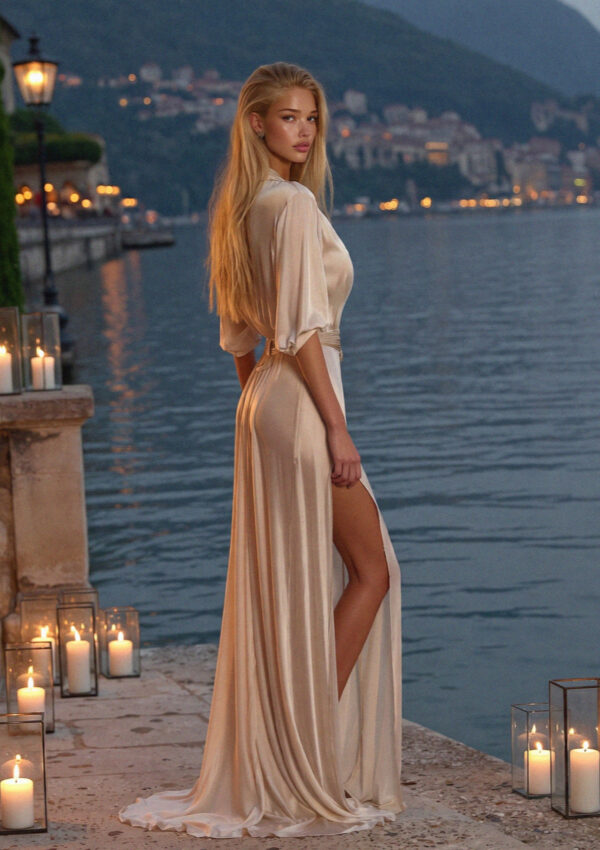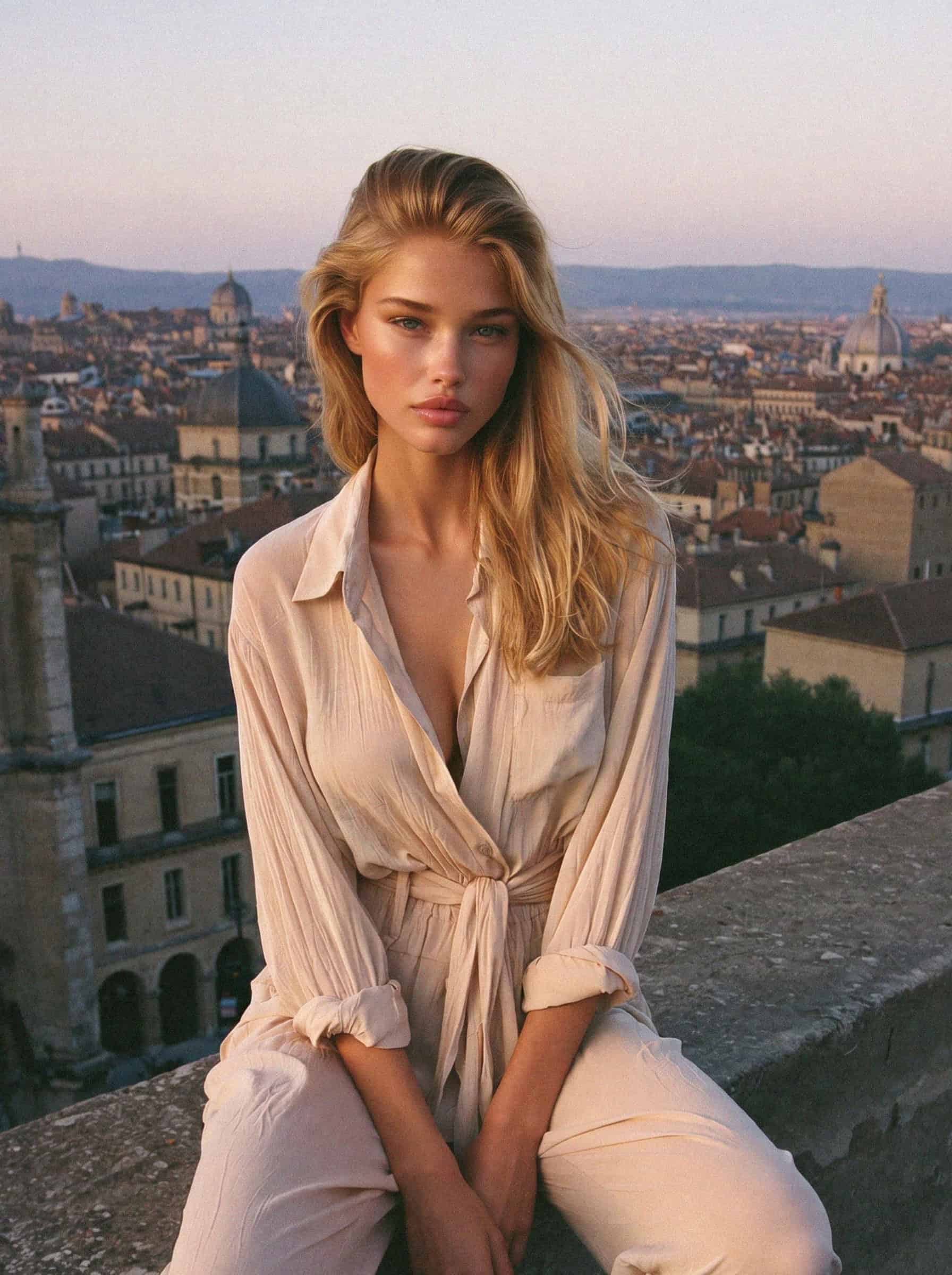
There are cities that ask you to admire them and cities that simply take you in, and Verona has always belonged, for me, to the second and rarer kind. It sits in a slow bend of the River Adige on the plain below the mountains, halfway between Milan and Venice, close enough to Lake Garda that you can be dipping your feet in the water within the hour, and it wears its two thousand years so lightly that you keep forgetting to be impressed. A Roman arena still fills with music on summer nights. A medieval balcony still gathers a crowd of hopeful lovers every morning. Marble squares that were forums when Rome was young now hold café tables and flower stalls and the unhurried business of a city that has never needed to prove anything. I have arrived here tired more than once and left, every time, feeling as though the place had quietly put me back together.
This is my complete guide to Verona, the one I would hand a friend who asked me where to begin. It gathers everything I have learned across several visits, and it links out to the companion guides where I go deeper on each question, so treat this as the map and follow the threads that matter to you.
What to book before you come
Verona is small enough to walk end to end in half an hour, and the single most useful purchase is the card that gets you into everything without queuing for each one. After that it is the wine, which is why this city is rich.
- The Verona Card, with priority Arena entry. 4.6 from over nine thousand people. It covers the Arena, the churches, Juliet s house and the transport, and the churches charge separately otherwise.
- A Valpolicella and Amarone half day. Amarone is made from grapes dried on racks for months before pressing, which is why it tastes as it does. The cellars are twenty minutes out.
- A tasting above the rooftops. 4.9 from nearly seven hundred people. An hour, at the end of the afternoon.
- Sirmione and Lake Garda in a day. The lake is half an hour away.
Walking up to Castel San Pietro, the Piazza delle Erbe market, and standing outside the Arena at night while somebody sings in it are all free.
Why Verona, and why now
Verona is the third city of the north after Milan and Venice, and yet it is somehow still underestimated, forever cast as a day trip from somewhere else or a name remembered only from a school reading of Shakespeare. That is precisely its gift. It has all the beauty of the great Italian cities and almost none of their exhausting crush. You can cross the whole historic centre on foot in twenty minutes, the old town folded into a loop of the river so that water is always waiting at the end of a street. It is a UNESCO World Heritage site, honoured for an urban fabric that layers Roman, medieval and Renaissance Verona one atop the other without ever feeling like a museum. And it is a working city of good food and serious wine, the capital of the Valpolicella and the home of Vinitaly, the largest wine fair in the world.
Come for the opera under the stars, come for the balcony, come for a plate of gnocchi and a glass of Amarone, come simply because it is on the way north and you are wise enough not to hurry past. Verona rewards all of it.
The shape of the city
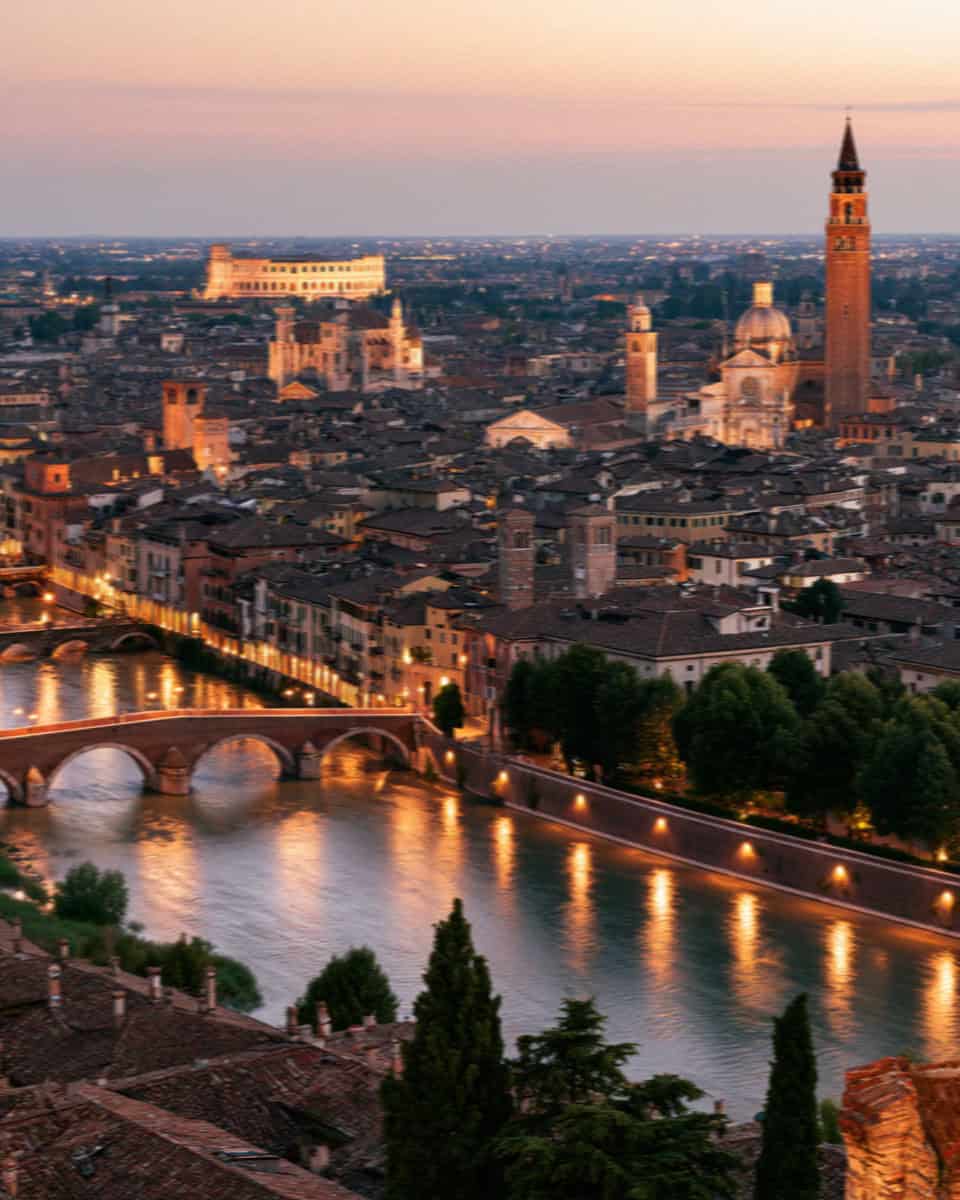
Understanding Verona takes about five minutes and then everything falls into place. The historic centre sits inside a tight bend of the Adige, a near-island reached by a handful of bridges. At its heart lies the great fan-shaped Piazza Bra, dominated by the Arena, and from there the elegant Via Mazzini runs dead straight to Piazza delle Erbe, the old Roman forum and still the beating market square. A step beyond is the quieter, statelier Piazza dei Signori, the civic heart, and just off it the strange and lovely Scaliger Tombs. To the west, guarding a bend of the river, stands the red-brick Castelvecchio with its famous swallowtail bridge. To the east, across the water in the district called Veronetta, the ground rises to the Roman theatre and the belvedere of Castel San Pietro, which gives you the whole city in one glance.
If you would like all of this drawn out day by day, my perfect Verona itinerary sequences it so nothing is wasted and nothing is rushed.
A little of Verona’s story
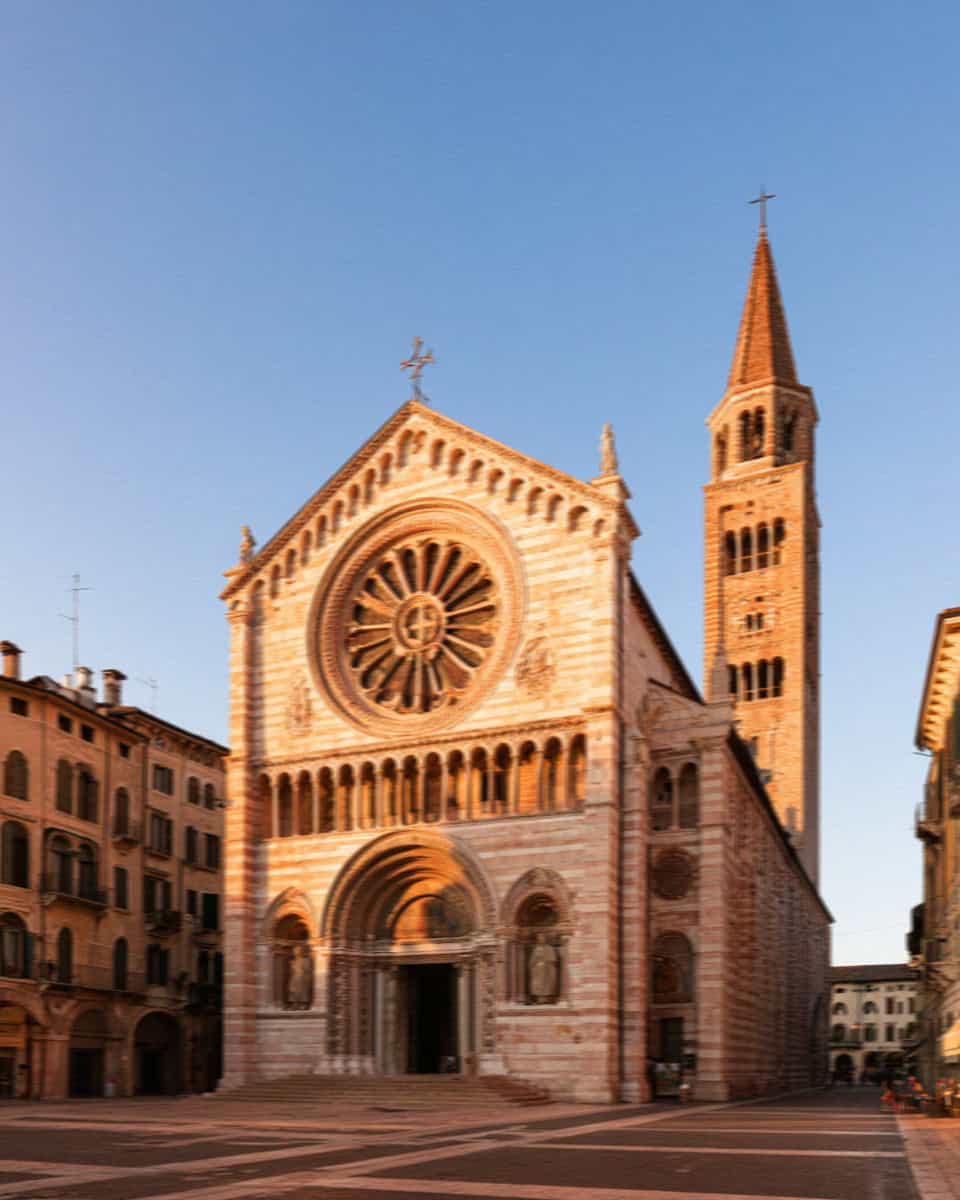
You do not need the history to enjoy Verona, but a few threads make the whole city read more richly. It began as a Roman town of real importance, sitting where the road to the Alpine passes met the river, and the Romans left it well: the Arena, the theatre across the water, the gateways of the Porta Borsari and the Porta Leoni that you still walk through without quite noticing. In the Middle Ages it came into the hands of the Scaligeri, the della Scala dynasty, whose ladder emblem you will spot carved all over the city and whose fierce, cultured rule built the Castelvecchio, the bridges and those startling Gothic tombs. It was to this court that Dante came in exile, which is why his statue broods in Piazza dei Signori. Later Verona passed to Venice, and the winged lion of Saint Mark still watches over Piazza delle Erbe, and later still, briefly and unhappily, to Austria, whose great fortifications ring the edges of town.
And then there is Shakespeare, who set two plays here without, as far as anyone knows, ever coming near the place. Verona has embraced the compliment wholeheartedly. The tale of Romeo and Juliet, the feuding Montagues and Capulets, the balcony and the tomb, is pure fiction layered onto real medieval houses, and the city has leaned into it with such open-hearted enthusiasm that it has become true in its own way. I find that very Veronese: a city entirely comfortable with the difference between what happened and what matters.
The sights I would never skip
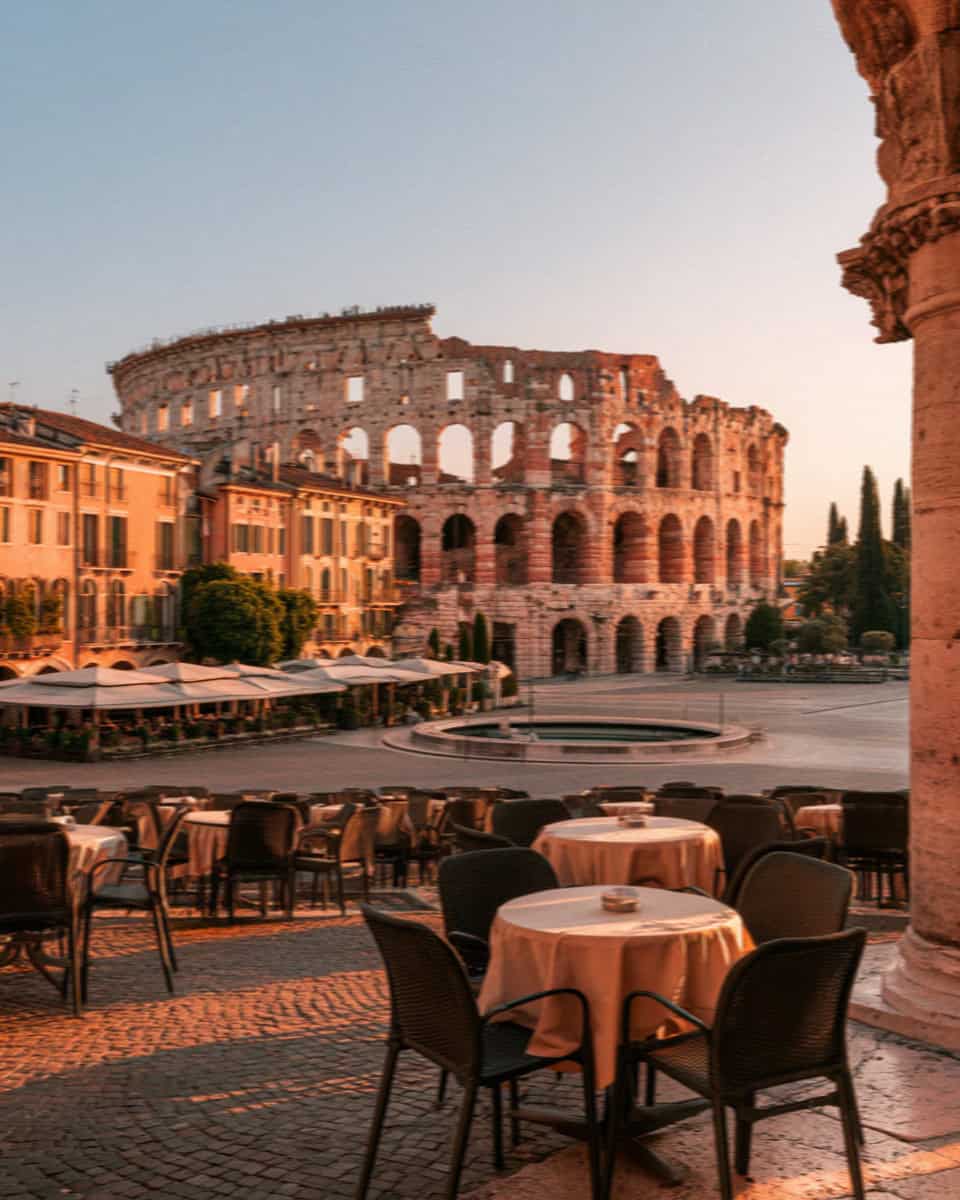
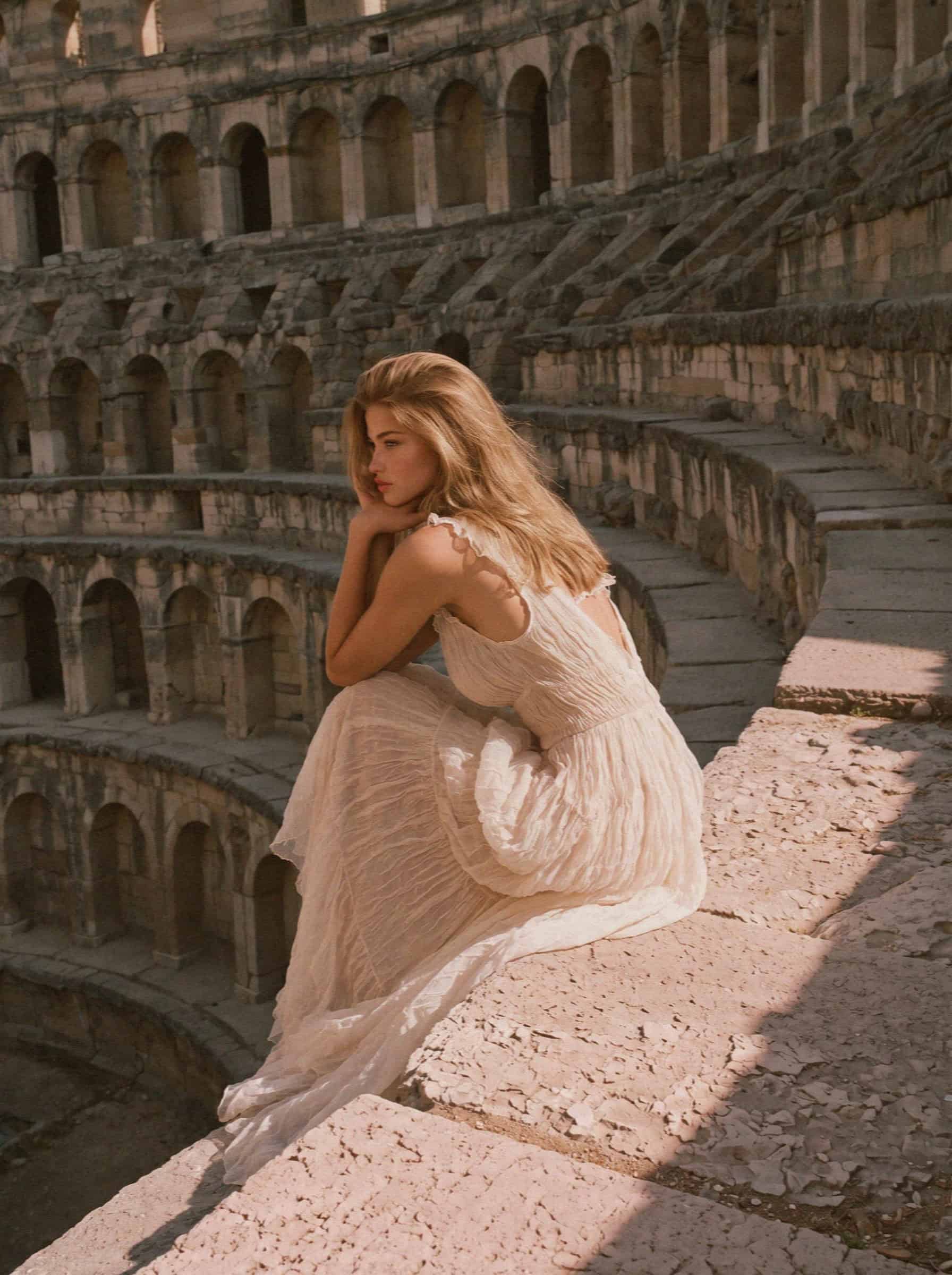
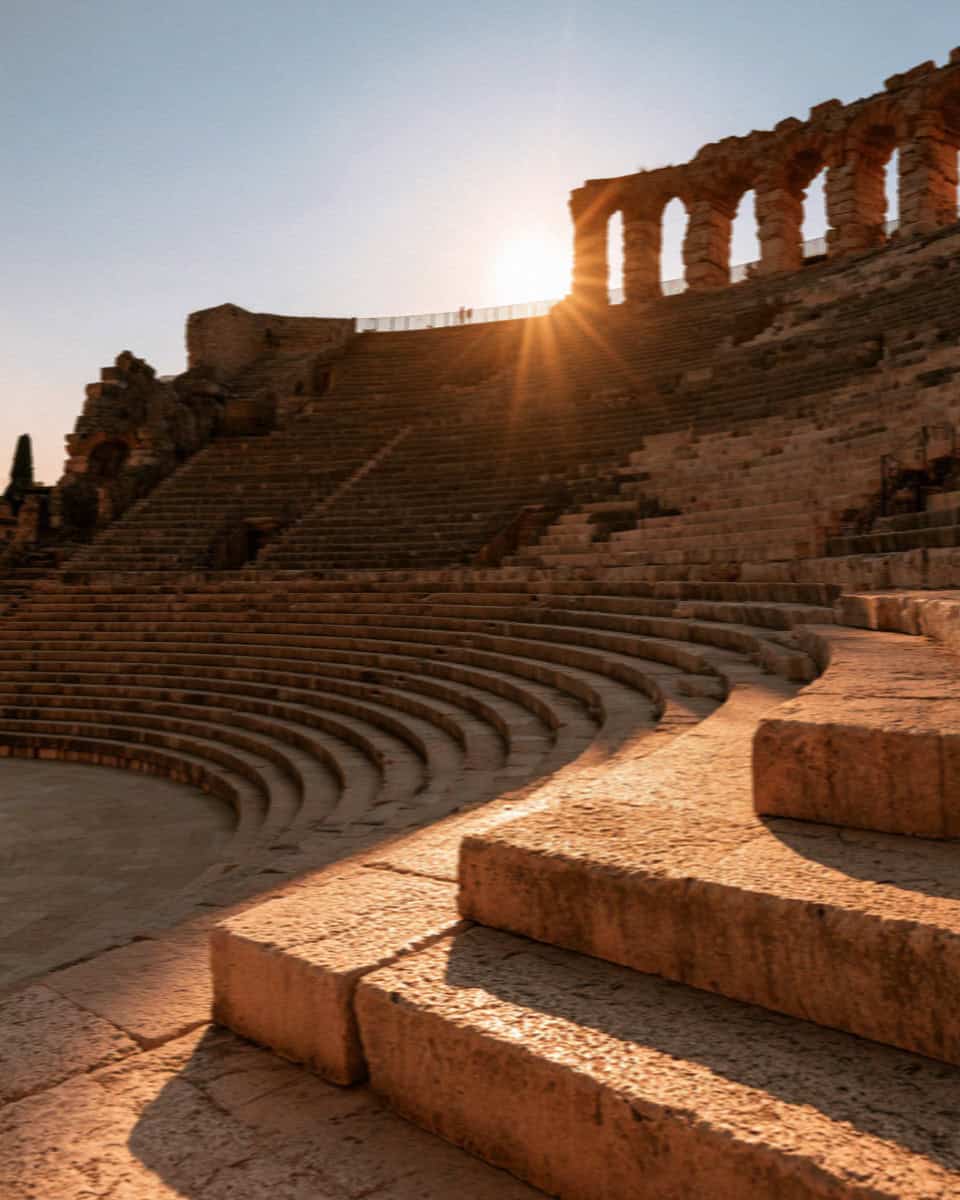
The Arena di Verona comes first, and not only because it greets you the moment you arrive. It is a Roman amphitheatre from the first century, the third largest to survive and, astonishingly, still in nightly use. From mid June to mid September it becomes the most romantic opera house on earth, the stone steps filling with thousands of people and a little candle passed hand to hand as the light fades. Even by day, walking into that vast pink-and-white oval is a quiet thrill. I write about how to do a night there properly, from the cheap stone steps to the cushioned stalls, in my guide to the best things to do in Verona.
Then there is Juliet’s House, the Casa di Giulietta, which I will defend against every eye-roll. Yes, the balcony is a later addition and the whole legend is gloriously invented, but the small courtyard with its bronze Juliet and its walls papered in love notes is one of the most purely joyful places in Italy, and the sight of a hundred strangers all wishing quietly for the same thing is hard to be cynical about. The courtyard is free; the museum and the balcony itself cost around twelve euros and must be booked online for a time slot.
Climb the Torre dei Lamberti for the reward that puts the whole city at your feet: eighty-four metres of medieval tower, a glass lift for the weary, and a parapet from which the terracotta rooftops, the green river and the far blue mountains all arrange themselves into something you will not forget. The Castelvecchio and its battlemented bridge give you the Scaligeri, the fierce dynasty who ruled here in the Middle Ages, and a genuinely beautiful museum inside. Across the river the Roman theatre still stages plays under the cypresses, and above it the belvedere of Castel San Pietro is where every visitor ends up at golden hour, camera in hand. For exactly where to stand and when, I have a whole guide to the most beautiful photo spots in Verona.
A word on the practicalities of all this: if you plan to see three or more sights, the VeronaCard pays for itself quickly. It covers the Arena, Juliet’s House, Castelvecchio, the Torre dei Lamberti, San Zeno, the Duomo, the Scaliger Tombs and the Roman theatre among more than twenty attractions, and it throws in unlimited city buses. It comes in a twenty-four hour and a forty-eight hour version, and I would confirm the current price when you buy, as it has crept up in recent years.
How many days to give it
Two full days is the honest answer for the city itself, enough to see everything above without marching. Add a third if you want an opera night to breathe around, and a fourth if you intend to do what I always do, which is escape into the countryside for a day. Verona is one of the great bases in northern Italy: Lake Garda is thirty to forty minutes away, the Valpolicella vineyards begin almost at the ring road, and Venice, Vicenza, Mantua and the walled wine town of Soave are all easy returns. My guide to the best day trips from Verona lays out the ones worth your time.
Verona for different travellers
Part of what I love about Verona is that it bends to whatever you need from it. For the romantics it is balconies and opera and candlelit squares, a city that takes love seriously and is not embarrassed about it. For the culture seekers it is Roman stone, Gothic tombs, a Mantegna in a hushed basilica and the whole layered history of the north in one small centre. For the wine and food travellers it is the gateway to the Valpolicella and a table at Casa Perbellini. For families it is compact, walkable and endlessly diverting, with a real amphitheatre to climb and a legend to chase. And for those simply passing between the lakes and Venice, it is the civilised place to pause, eat well and sleep inside old walls. Whichever of these you are, the city has a version of itself waiting.
Getting there and getting around
Verona is one of the easiest cities in Italy to reach, because Verona Porta Nuova sits squarely on the high-speed line that links Milan and Venice. Fast trains put Milan and Venice each a little over an hour away, Bologna about an hour, Florence around ninety minutes and Rome roughly three hours. The city has its own airport, Verona Villafranca (VRN), ten kilometres to the south, with a quick shuttle to the station, and Bergamo, Venice and Milan’s airports are all within reach for a wider choice of flights.
Once you are here you will barely need anything with wheels. The centre is small, flat and largely closed to traffic, and a car is a liability inside the old town, though useful for the vineyards and the lake. From Porta Nuova it is a pleasant twenty-minute walk or a short bus ride to Piazza Bra. My full guide to how to get to Verona has the train times, the airport options and the honest verdict on whether to bother with a car.
When to come
Verona has a season for every kind of traveller, and I go into all of them in my guide to the best time to visit Verona. In brief: the opera festival from mid June to mid September is the city at its most magical and its most crowded, and the days can be genuinely hot. The shoulder months of late April, May, September and October are the sweet spot, mild and golden, with the Valpolicella harvest perfuming the autumn. April also brings Vinitaly, glorious if you love wine and to be avoided if you want a quiet hotel. Winter is quiet and atmospheric, with Christmas markets in Piazza dei Signori and the whole city smelling of pandoro, the tall golden cake that was invented right here.
Food and wine, in brief
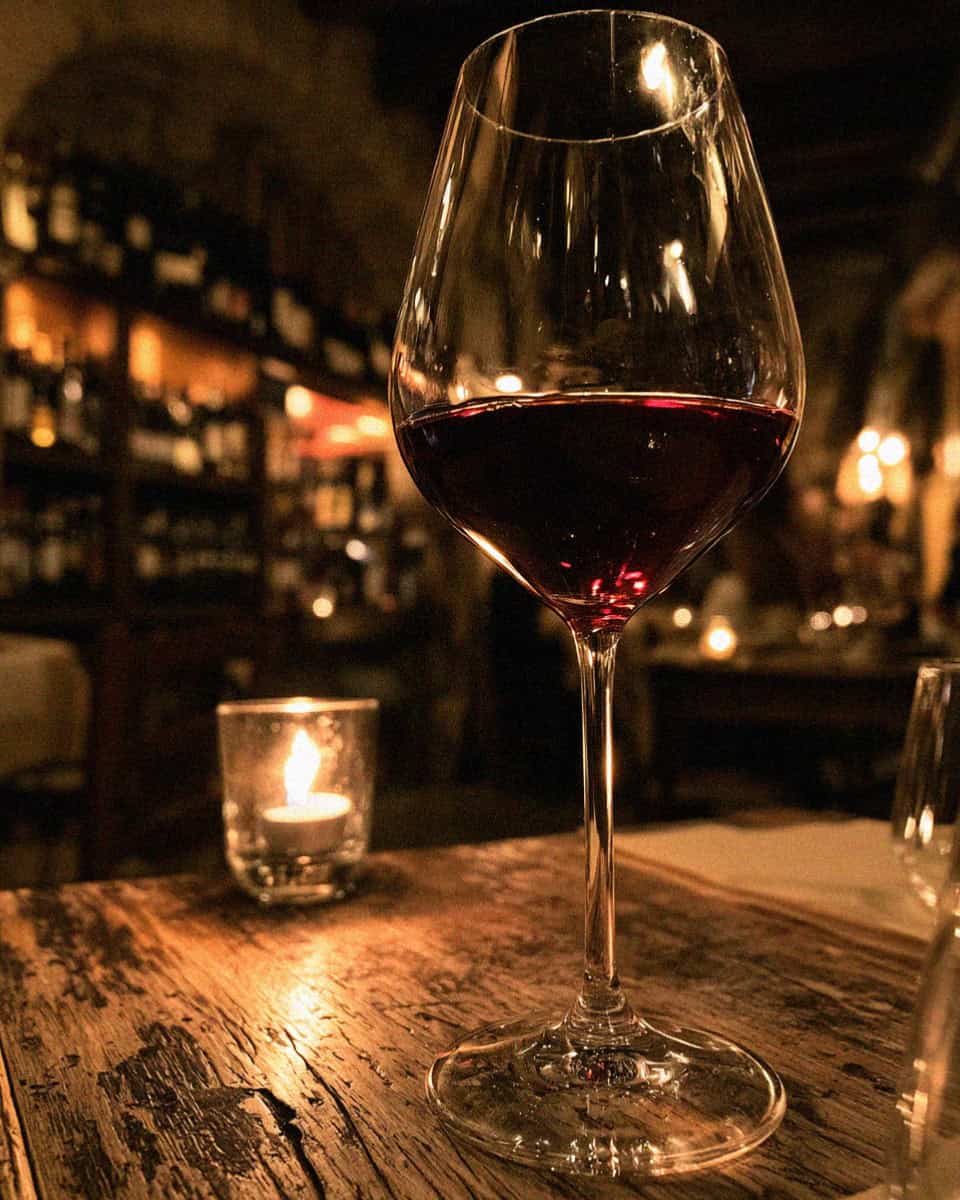
You eat well in Verona in a way that is hearty and unshowy and deeply tied to the land around it. The city is mad for gnocchi, so much so that its carnival crowns a Papà del Gnocco; you will find risotto cooked in Amarone, bollito misto served with the peppery bread sauce called pearà, and bigoli, a thick rough spaghetti, dressed simply and well. And the wine is the real headline. This is the capital of the Valpolicella, home of the great, brooding Amarone made from dried grapes, its gentler cousin Ripasso, the sweet Recioto, and just across the plain the crisp white Soave and the easy red Bardolino from the shores of Garda. Verona even holds a three-Michelin-star table in Casa Perbellini 12 Apostoli, should you want to mark an occasion. I name the dishes, the wines and the actual places I would book in my guide to where to eat in Verona.
Where to stay
The short version is to sleep inside the old walls if you possibly can, so that the Arena and the river are yours in the early morning before the day trippers arrive. Verona’s grand hotels have real history, its boutique rooms real romance, and there are honest mid-range choices tucked along the old streets too. I break it all down by area and budget, with the actual hotels I would book, in my guide to where to stay in Verona.
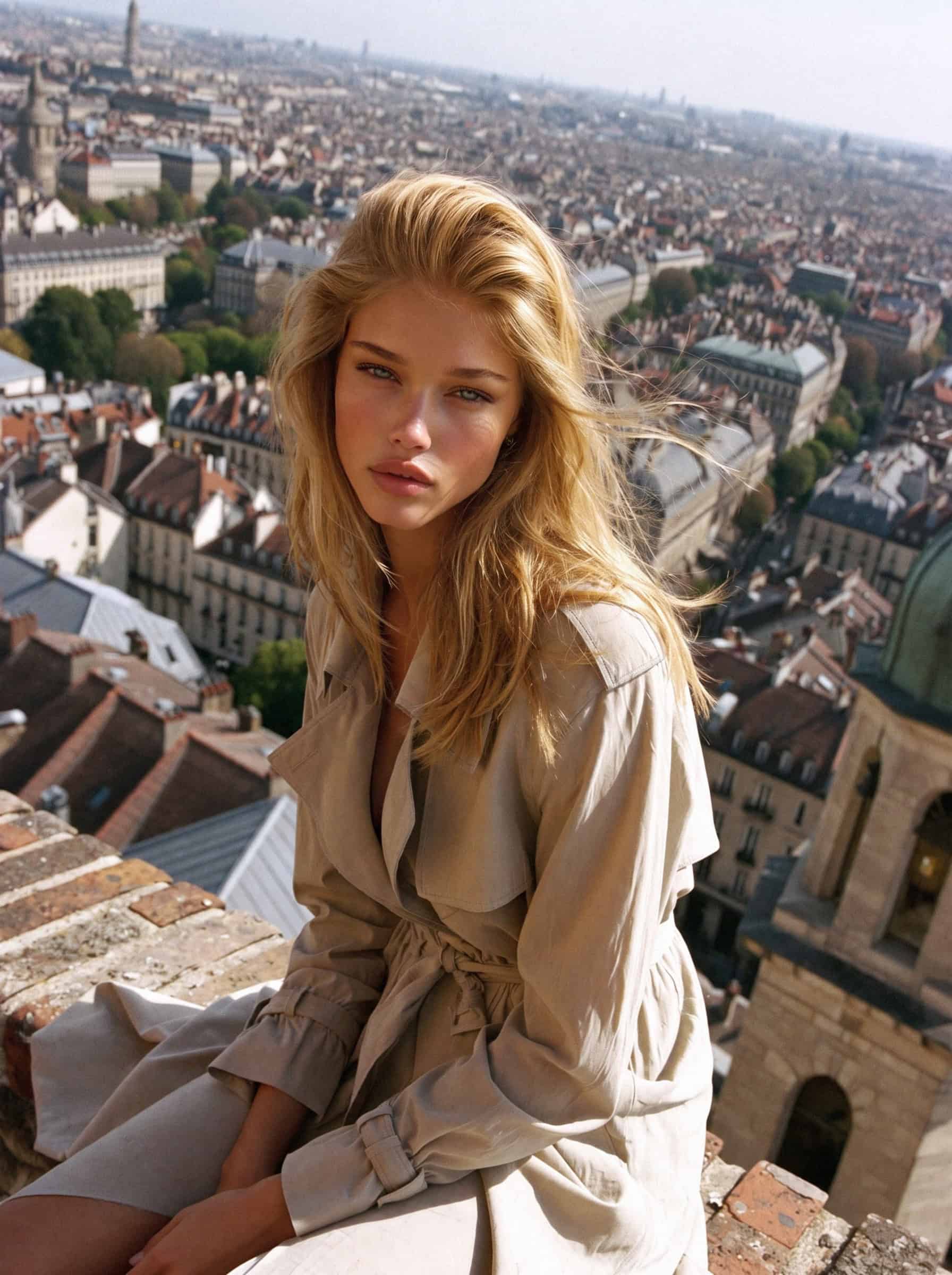
Verona in pictures

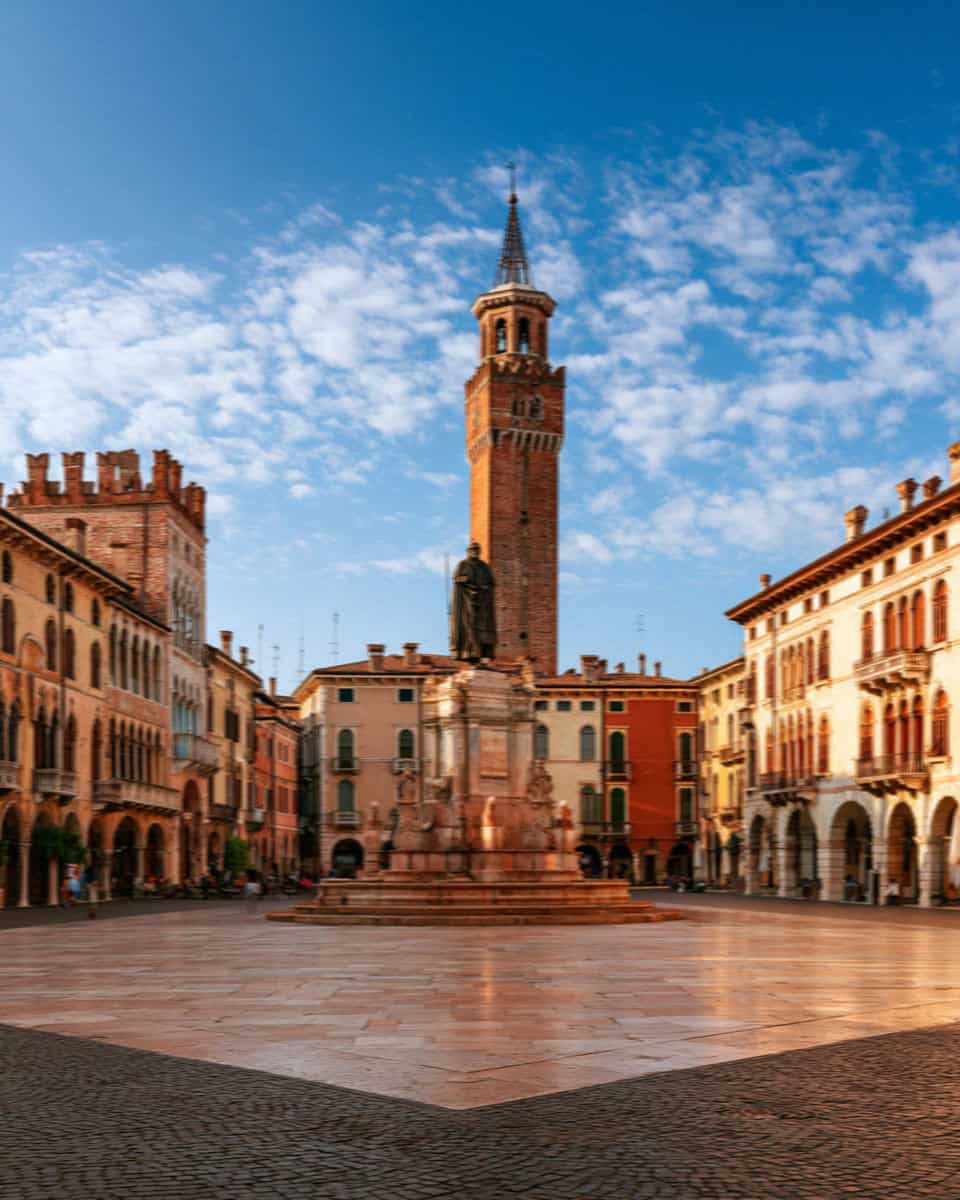
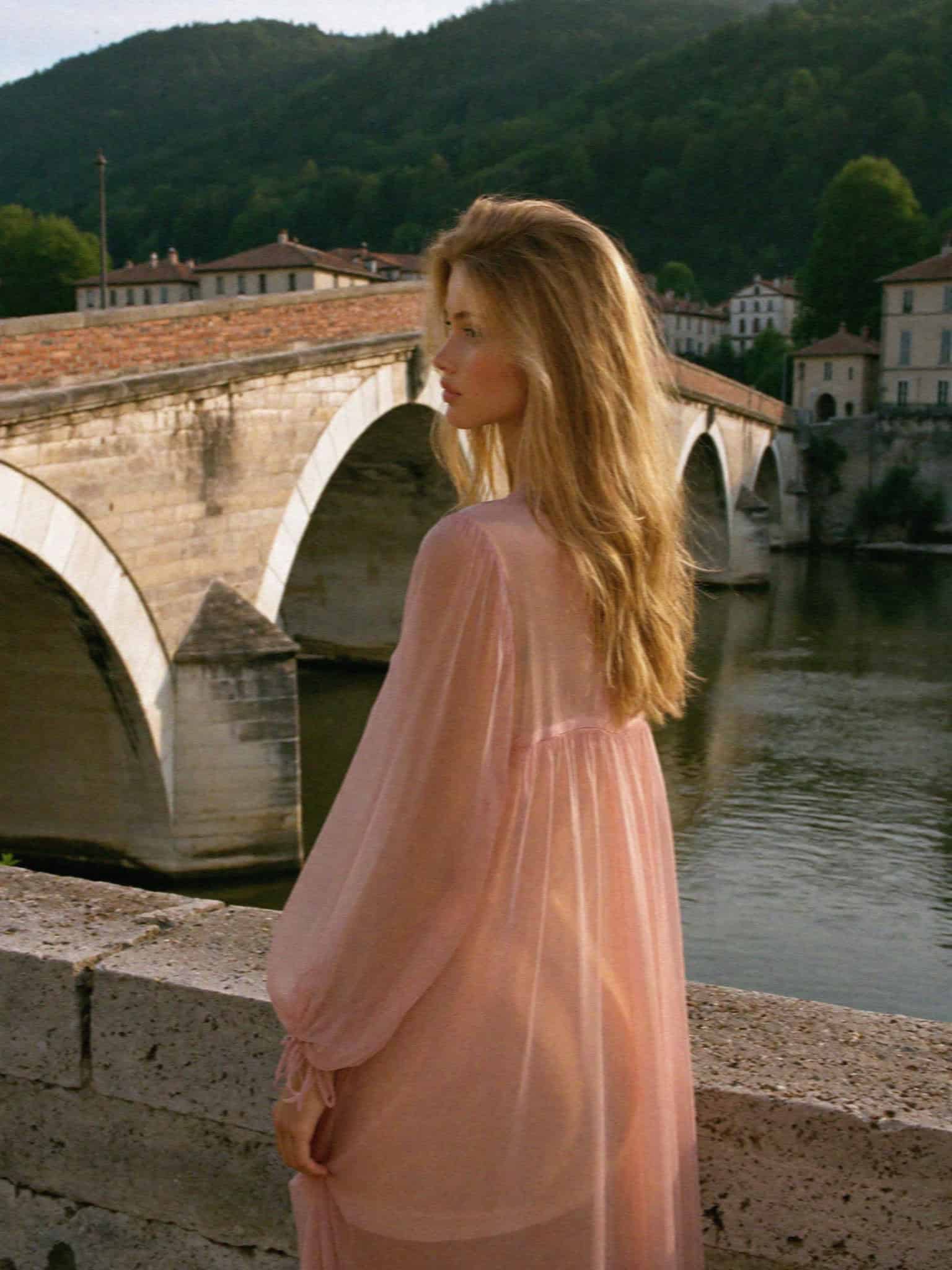
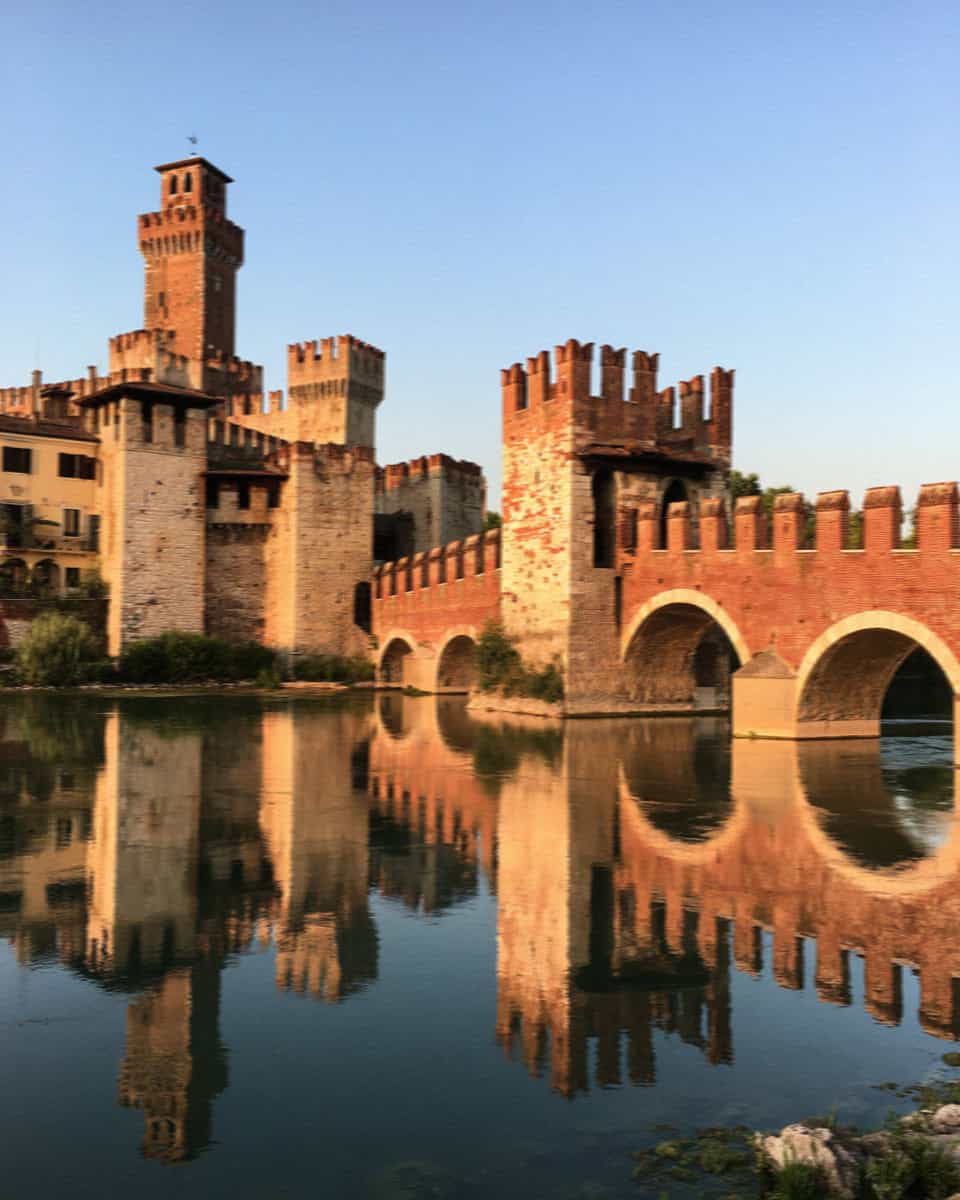
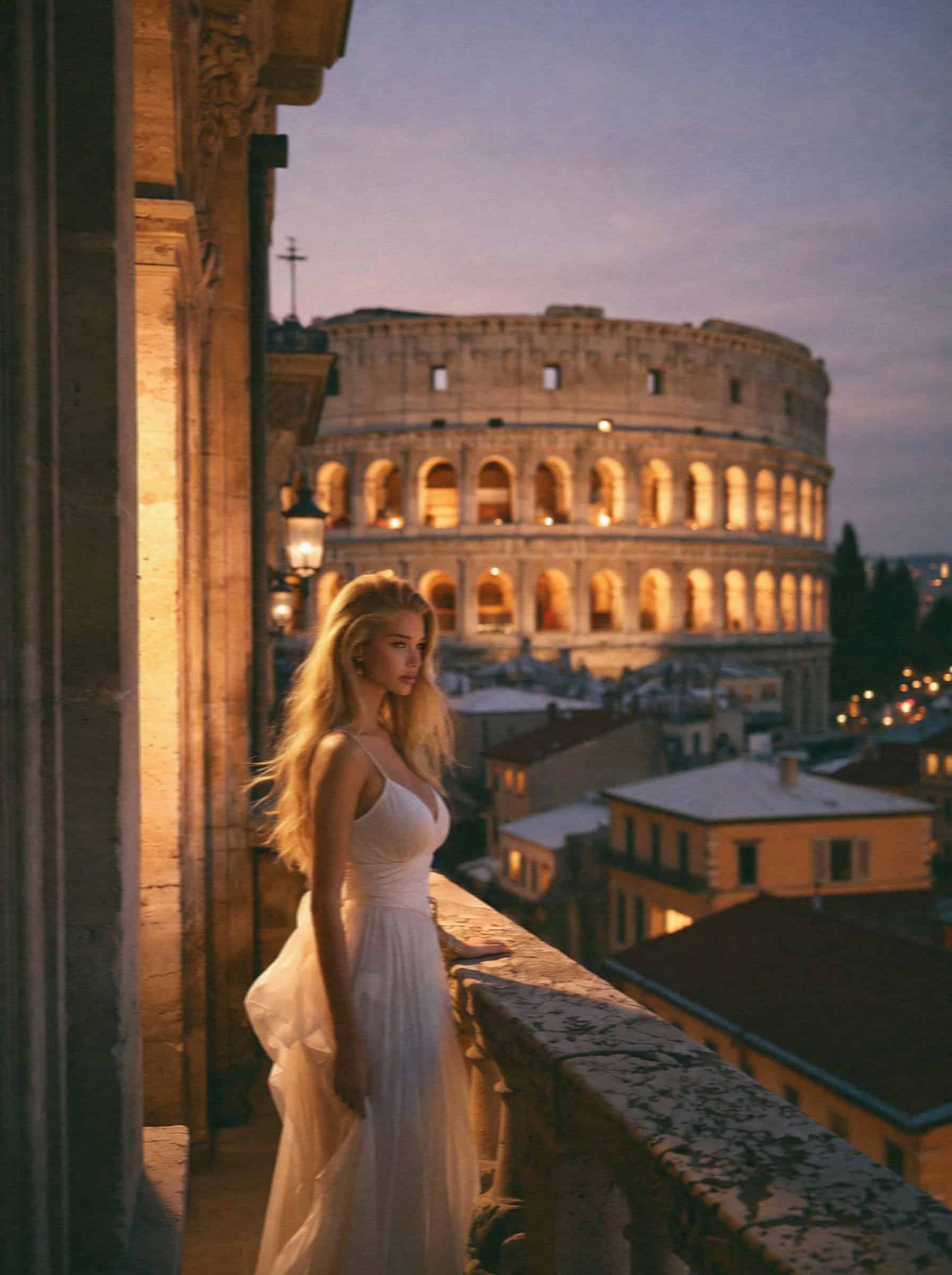
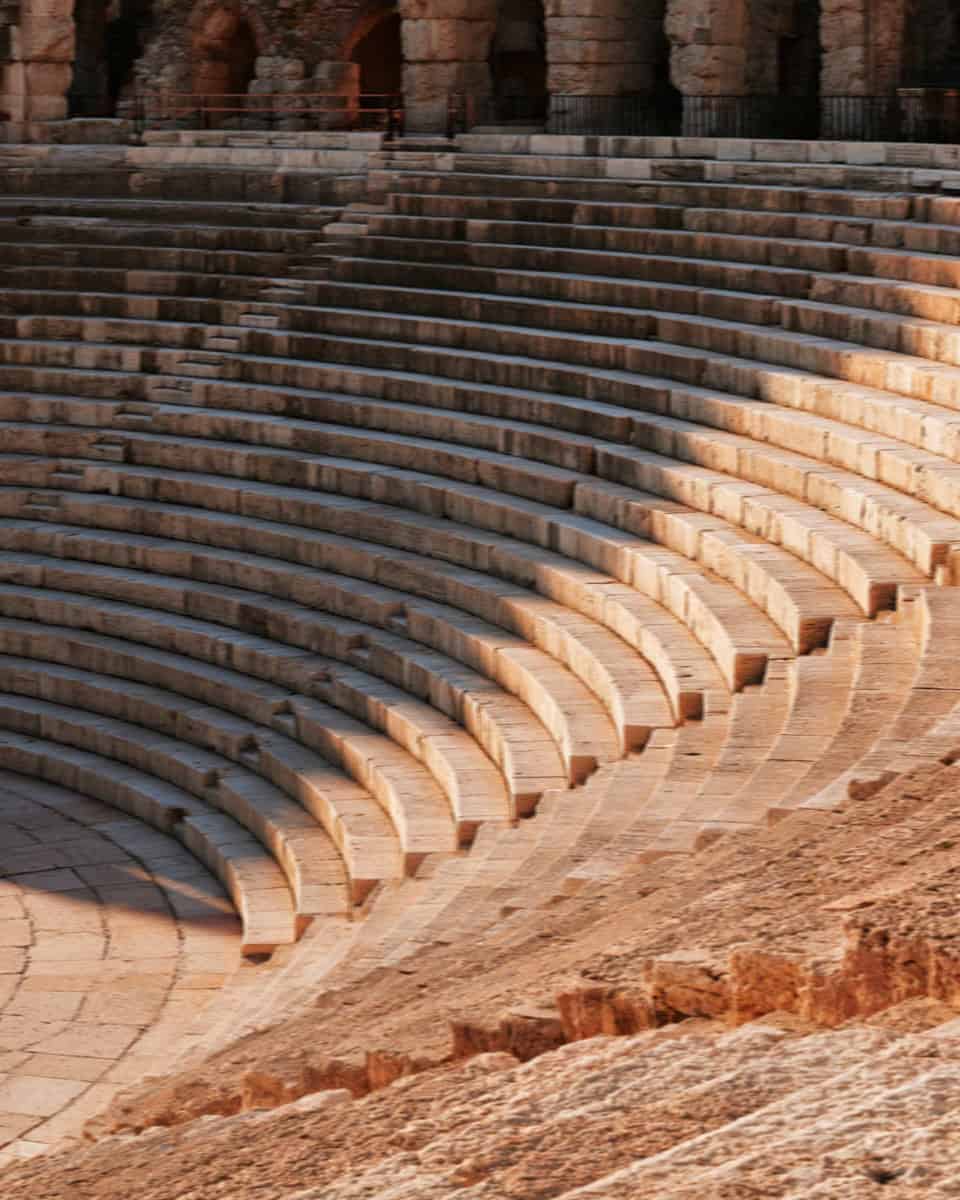
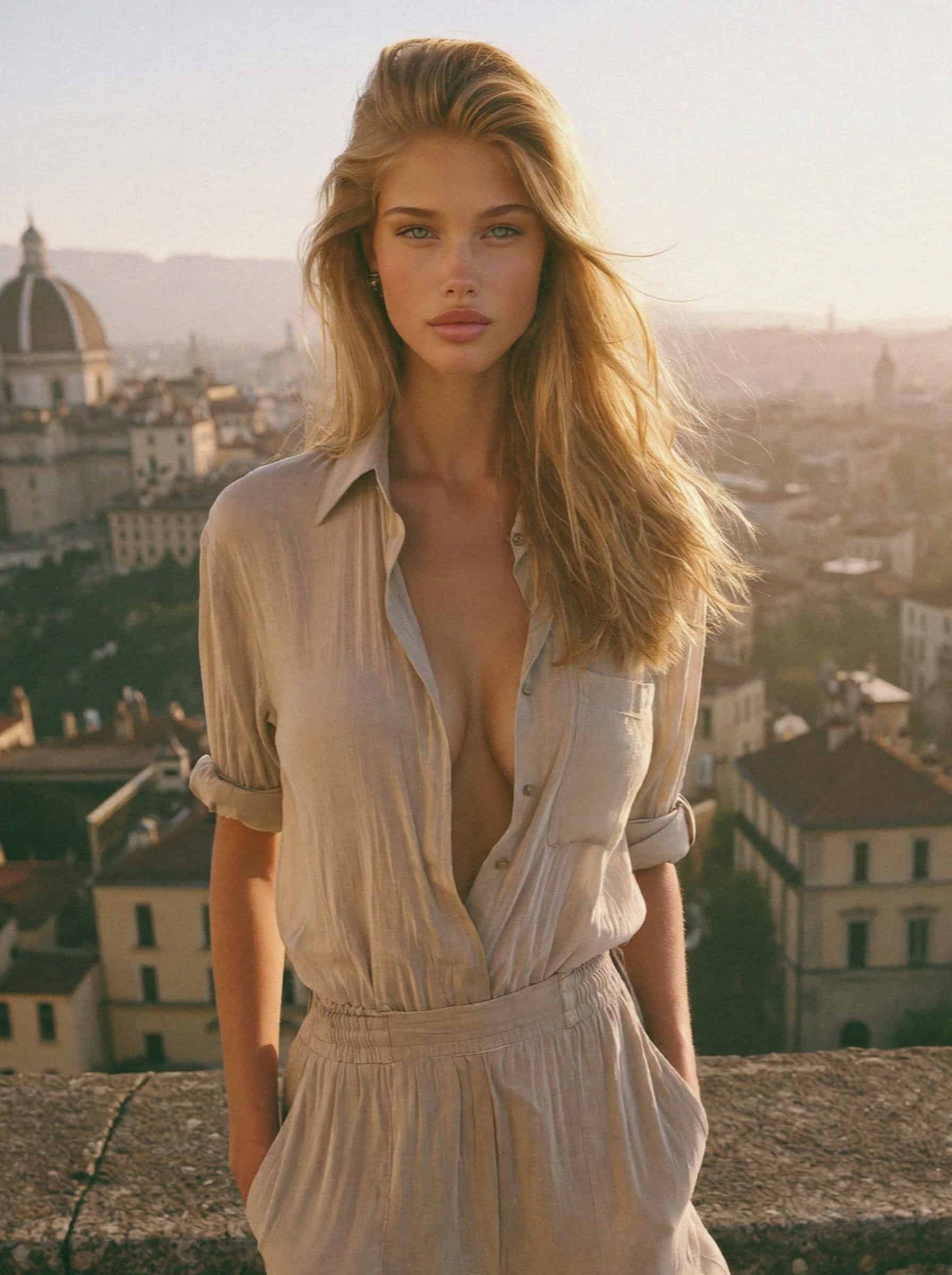
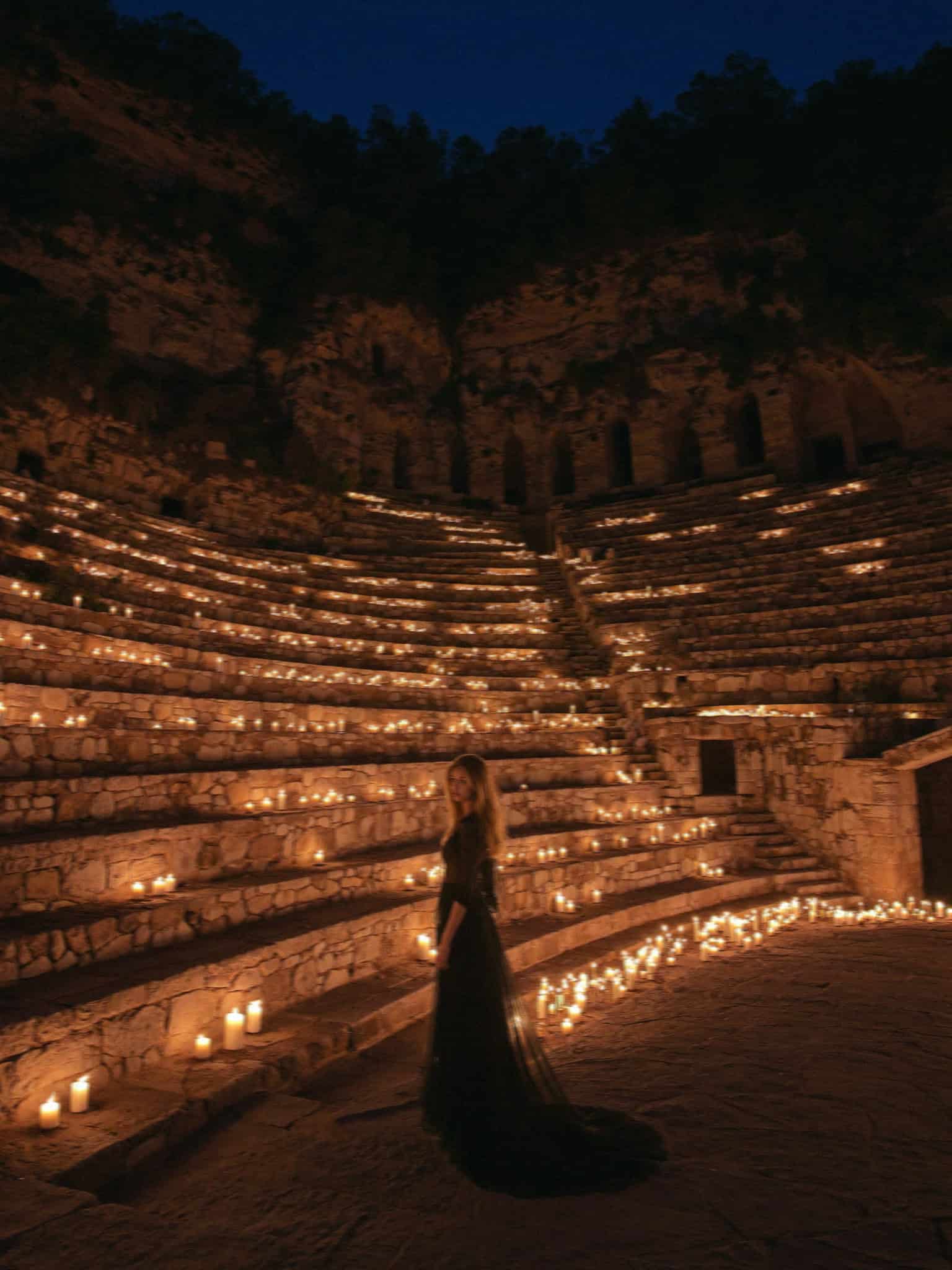
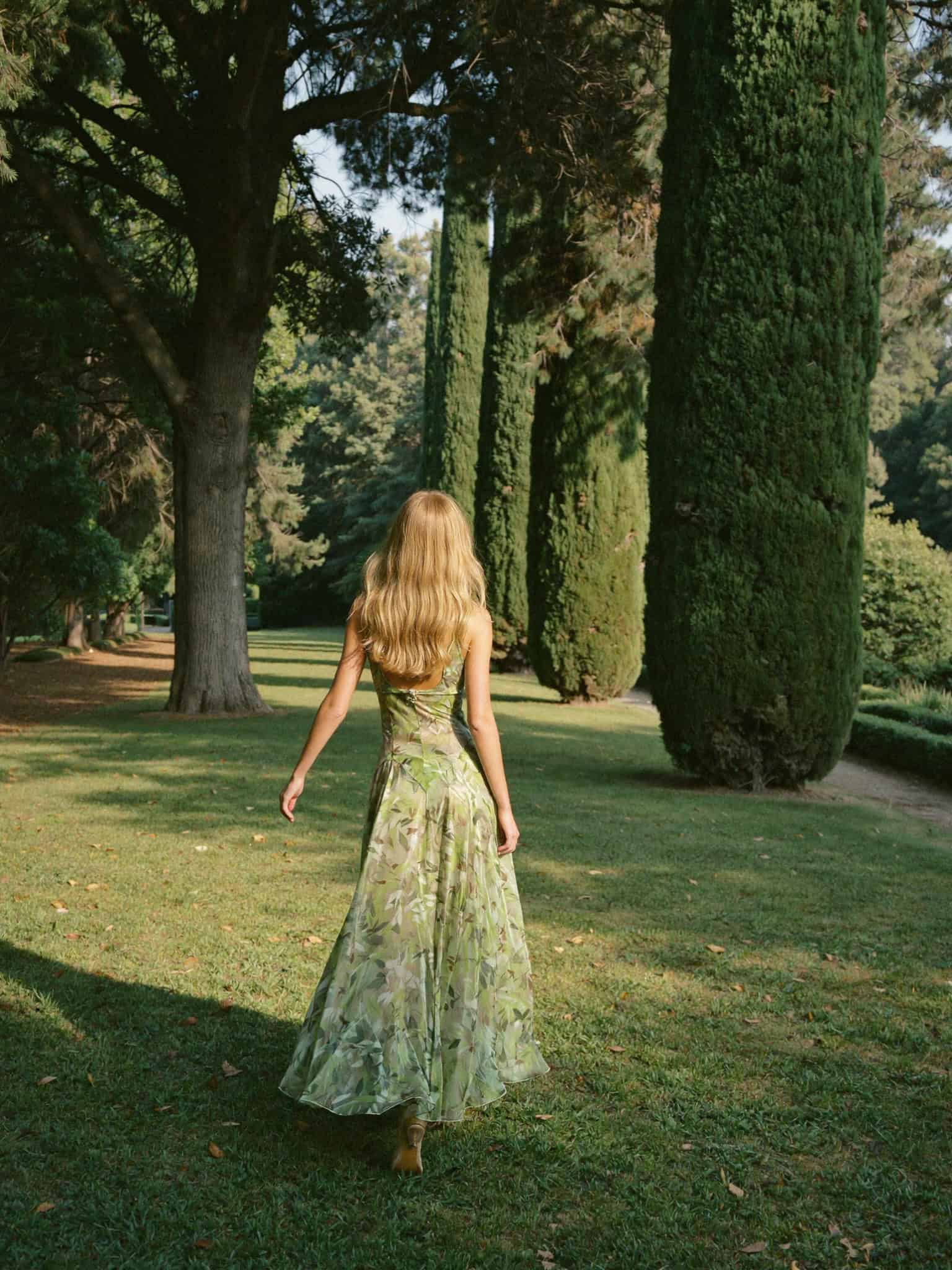
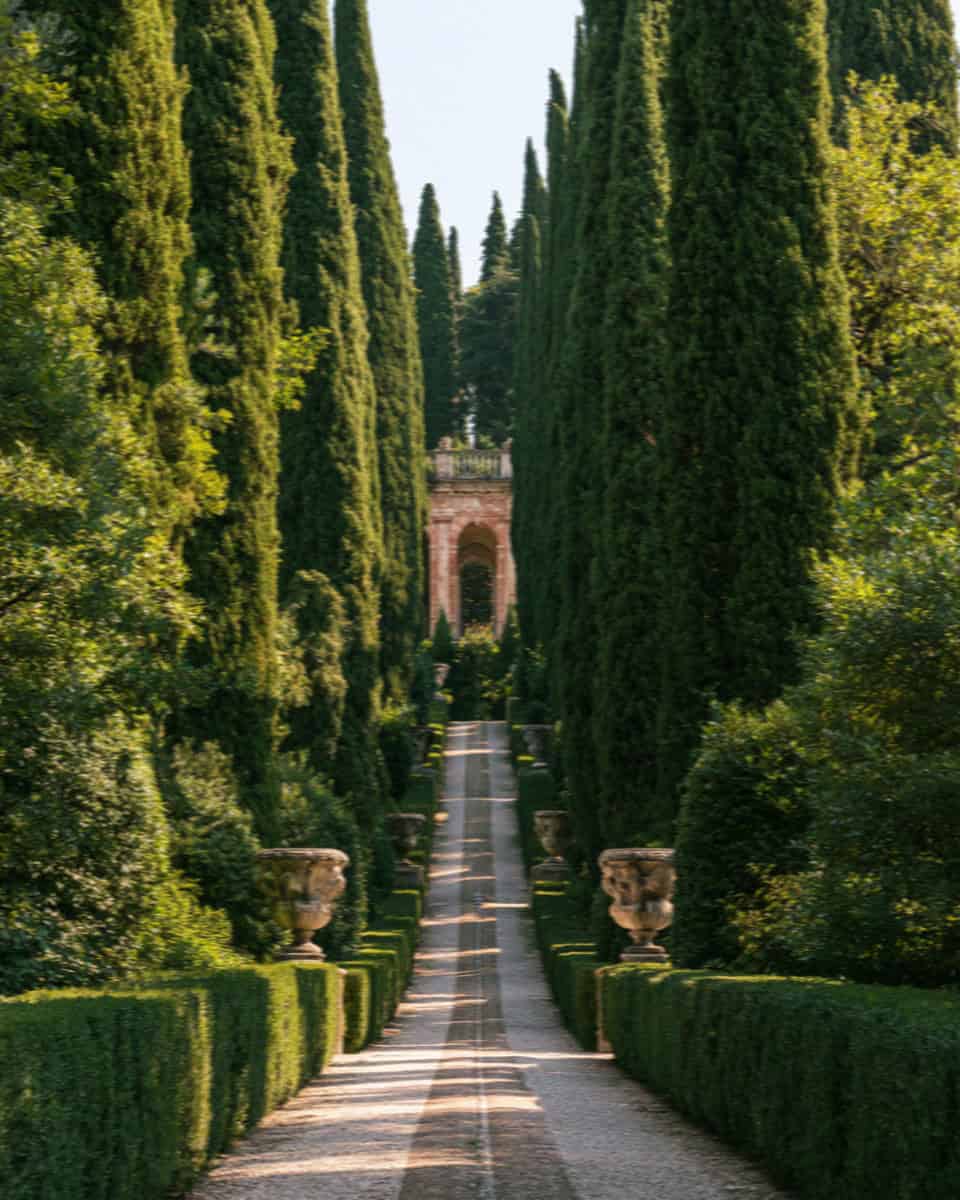
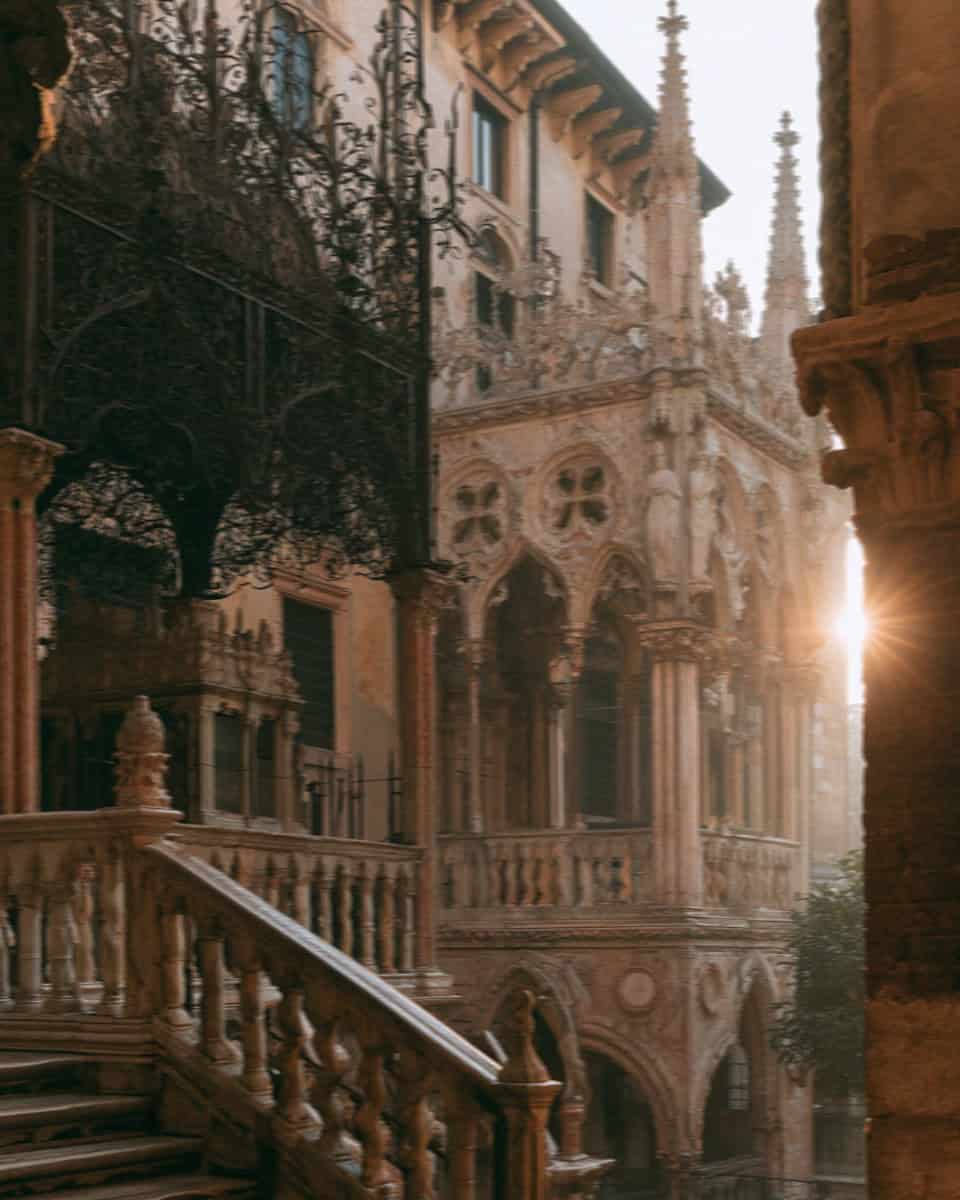
Your Verona Guides
- The Best Things to Do in Verona
- Where to Stay in Verona
- Where to Eat in Verona: Food and Wine
- The Perfect Verona Itinerary: 2 to 3 Days
- How to Get to Verona
- The Best Time to Visit Verona
- The Most Beautiful Photo Spots in Verona
- The Best Day Trips from Verona
Verona Travel Diaries
Verona and the road around it
Verona is the gateway between the Italian Lakes and the Veneto, and it links naturally to the rest of my northern Italy writing. Come from the water with my complete guide to Lake Garda, whose southern shore is barely half an hour from the city, and carry on afterwards towards Venice and the Dolomites, which I will be adding to the map soon.
Frequently Asked Questions
Is Verona worth visiting, or just a day trip?
Verona deserves at least two nights of its own. You can skim the highlights in a day, but the city’s real pleasure is its unhurried evenings, the squares at dusk and an opera or a slow dinner, none of which a day trip allows. It also makes the best base in the region for Lake Garda and the Valpolicella.
How many days do you need in Verona?
Two full days cover the sights comfortably. Add a third for an opera night and a fourth if you want a day trip to Lake Garda or the wine country. Anything less than two feels rushed.
Do you need a car in Verona?
No, and inside the old town a car is a hindrance, as most of it is a limited-traffic zone. The centre is small and walkable and the trains are excellent. Hire a car only if you plan to explore the Valpolicella vineyards or the quieter corners of Lake Garda.
What is Verona famous for?
The Roman Arena and its summer opera festival, the legend of Romeo and Juliet and Juliet’s balcony, its beautiful marble squares, and the wines of the Valpolicella, above all the powerful Amarone. It is also the birthplace of pandoro, the golden Christmas cake.
When is the best time to visit Verona?
Late April to May and September to October are the mildest and loveliest. Come between mid June and mid September if an opera night at the Arena is your reason for the trip, and be ready for heat and crowds.
Plan Your Visit to Verona
A few things I booked and loved. These help support the blog, at no cost to you.
- Where I stayed: search Verona hotels
- Rent a car to explore the area
- Stay connected: get a travel eSIM
This section contains affiliate links. If you book through them I may earn a small commission, at no extra cost to you.
Related
Read next: the best things to do in Verona, where to stay in Verona, and the best day trips from Verona.