Milan does not flirt. Other Italian cities lean in with their beauty, all golden light and postcard views, and you fall for them before you have unpacked. Milan makes you work a little, and I have come to love it precisely for that. It hands you a grey nineteenth-century facade and then, behind it, a marble cathedral that looks stitched from lace. It gives you a tram from 1928 rattling past a Prada window. It is a city of interiors and second courtyards, of the good address you only find if someone tells you, and I intend to be the one who tells you.
I have come back to Milan more times than I can now count, in the flat white light of February and in the humid gold of September, for the furniture fair and for no reason at all. What follows is the guide I wish someone had handed me on my first visit, arranged the way I actually move through the city. Everything here I have checked as it stands in 2026: the prices, the opening times, the fares, because nothing dates a travel guide faster than a ticket that has quietly gone up by three euros.
Take it slowly. Milan rewards the person who books the important things in advance and then wanders the rest.
What to book before you come
Milan hides its best things behind doors, and two of those doors sell out further ahead than anything else in Italy. The Last Supper in particular is booked out months in advance and there is no queue you can join instead.
- The Last Supper. Fifteen minutes in a climate controlled room, in groups of a few dozen, and that is the whole visit. Book it the day you decide to come to Milan, not the week.
- The Duomo rooftop terraces. You walk among the spires and the flying buttresses. The single best thing in the city and nothing like it from the square below.
- Lake Como for the day. An hour by train and the change of register a Milan trip needs by day three.
- The Bernina Express. A red train over a glacier pass into Switzerland. A long day and worth every hour of it.
The Galleria, the Navigli at aperitivo hour, the Brera lanes and the inside of the cathedral itself are free or nearly so.
Why Milan
I will keep this short, because the rest of the guide is the argument. Milan is Italy’s clever, working, forward-facing city, and it is the better for not trying to be Rome or Florence. It is where the country keeps its money, its design, its fashion and, quietly, some of its greatest art. Leonardo painted here. Verdi conducted here. The result is a place that feels lived-in rather than staged, where a genuinely great meal and a genuinely great picture are often two streets apart.
It is also the most sensible base in northern Italy. The lakes are an hour away, Switzerland is a train ride, and the airports connect you to everywhere. Come for two days, and you will see the headline acts. Come for four, and the city starts to open its private doors.
Plan Your Visit to Milan
A few things I booked and loved. These help support the blog, at no cost to you.
- Where I stayed: search Milan hotels
- Duomo, Last Supper and attraction tickets
- Stay connected: get a travel eSIM
This section contains affiliate links. If you book through them I may earn a small commission, at no extra cost to you.
Getting your bearings, the neighbourhoods

Milan is built in rings around the Duomo, and once you understand that, the map settles into place. The historic centre sits inside the old circle of the Navigli, the outer ring roads trace where the medieval walls stood, and the newer districts push out from there. Almost everything a first-time visitor wants is walkable within the inner rings, and the metro handles the rest in minutes. Here is how I think of the areas that matter.
Duomo and Centro. The obvious heart, and rightly so. The cathedral, the Galleria, La Scala and the best of the grand shopping all sit within a few hundred metres of Piazza del Duomo. It is busy and it is meant to be. Stay here and you pay for the address, but you walk to everything.
Brera. My favourite quarter to simply be in. A pocket of cobbled lanes north of the centre, with the great picture gallery at its heart, ivy on the walls, small galleries, and cafes that spill onto the pavement in the evening. It feels like a village that happens to sit inside a business capital.
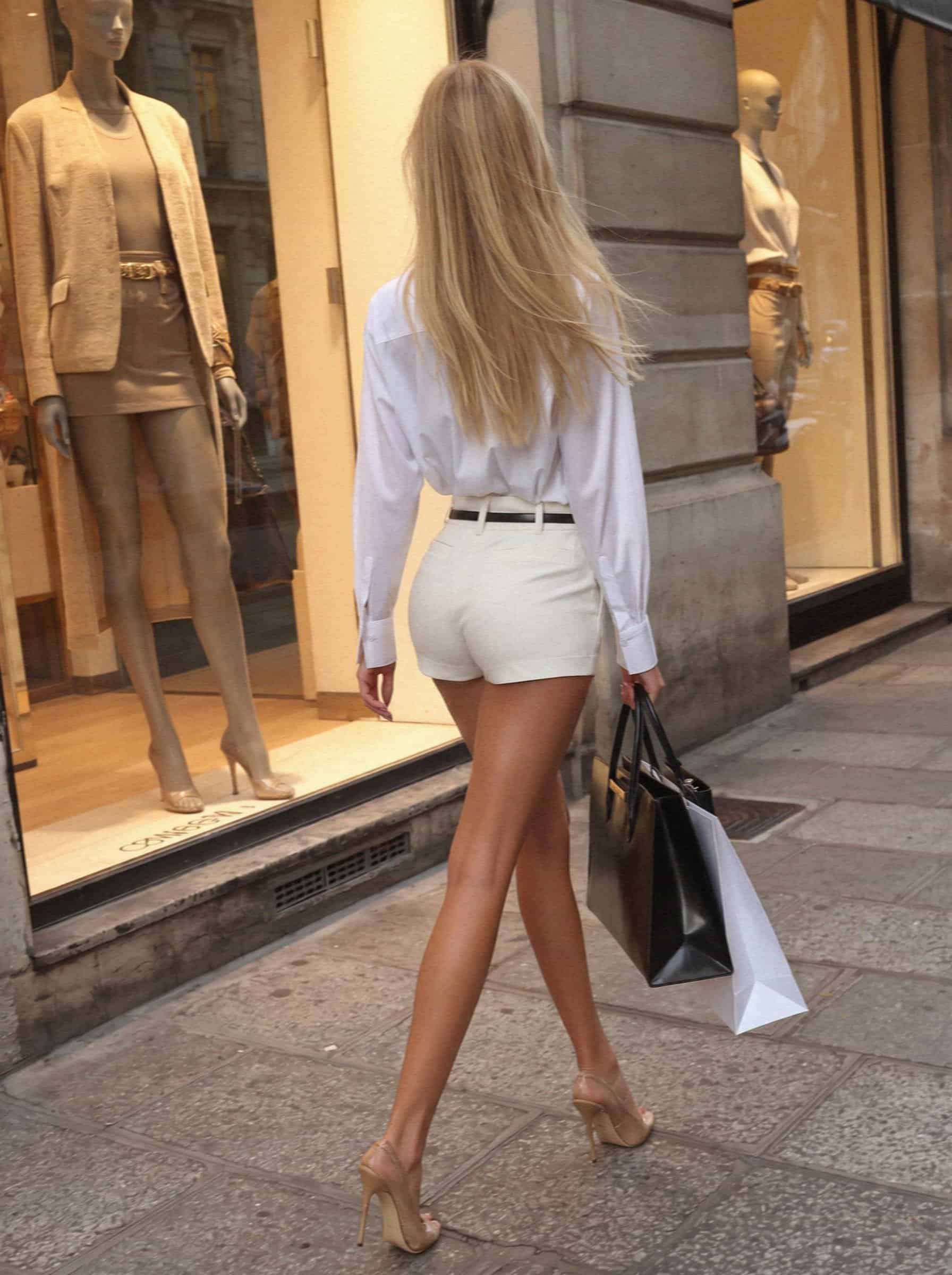
The Quadrilatero della Moda, around Via Montenapoleone. The famous fashion rectangle, bordered by Via Montenapoleone, Via della Spiga, Via Manzoni and Corso Venezia. Even if you never buy a thing, walk it once for the theatre of it. This is the world capital of the elegant window display.
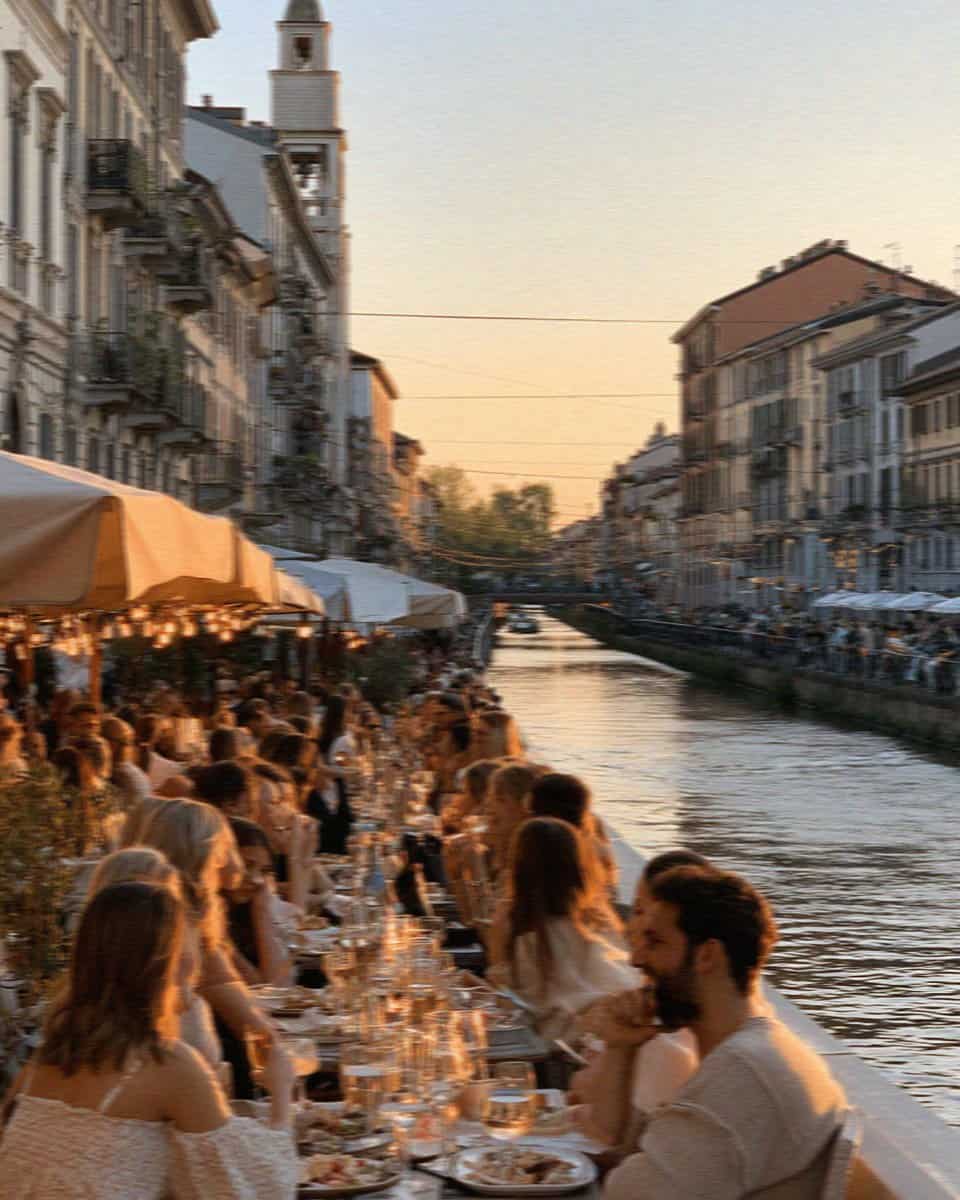
Navigli. The old canal district in the south, where two waterways, the Naviglio Grande and the Naviglio Pavese, meet. By day it is sleepy and photogenic, by evening it is the beating heart of the city’s aperitivo culture, loud and young and thoroughly enjoyable.
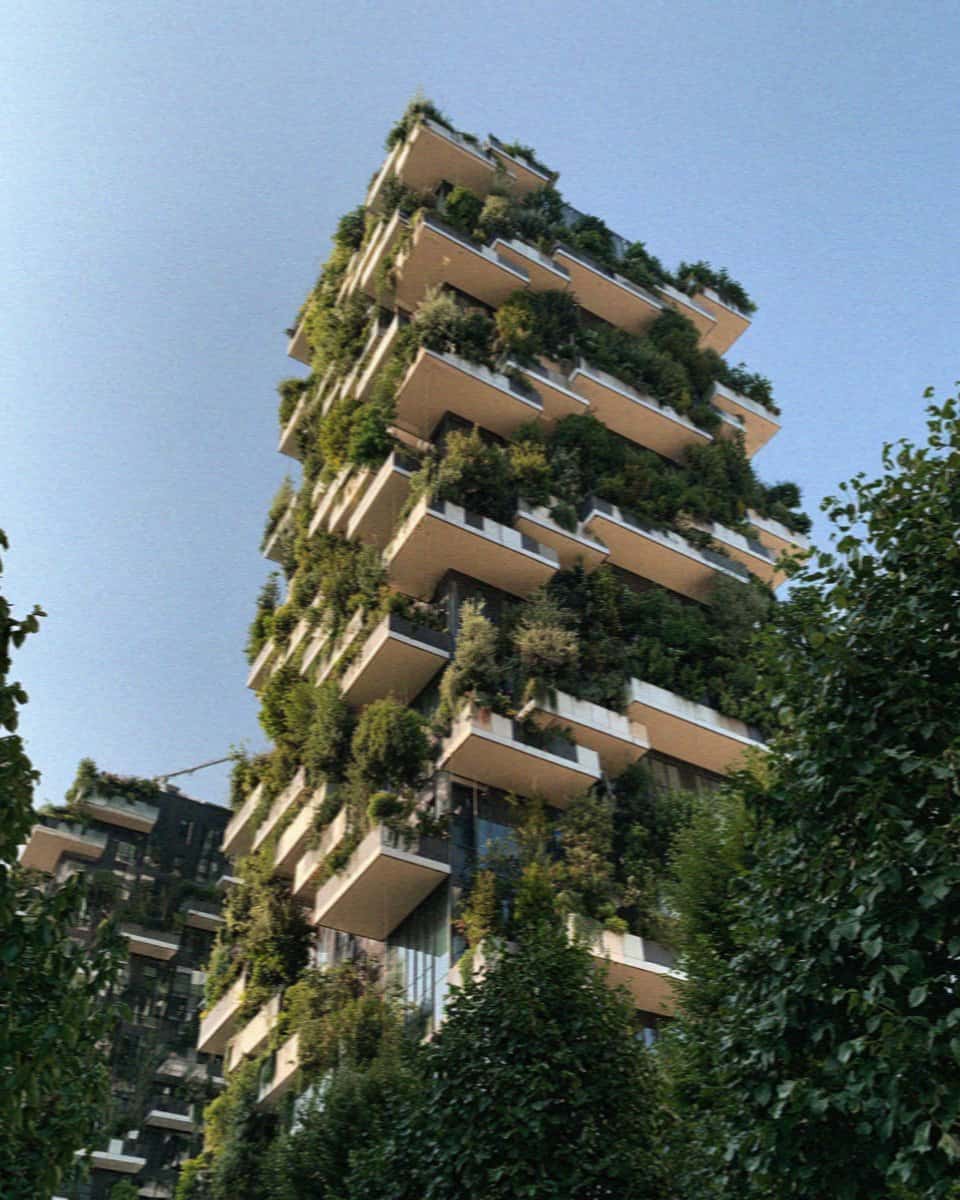
Porta Nuova and Isola. Milan’s vertical, modern face. The Bosco Verticale towers, the sweeping Piazza Gae Aulenti, and just behind them the once working-class Isola, now full of good small restaurants and independent shops. This is where you see the city that Milan has decided to become.
Sant’Ambrogio. A dignified, slightly academic quarter to the west, gathered around one of the oldest churches in the city and home to the Catholic university. Quieter, older, and a short walk from The Last Supper.
The best things to do in Milan
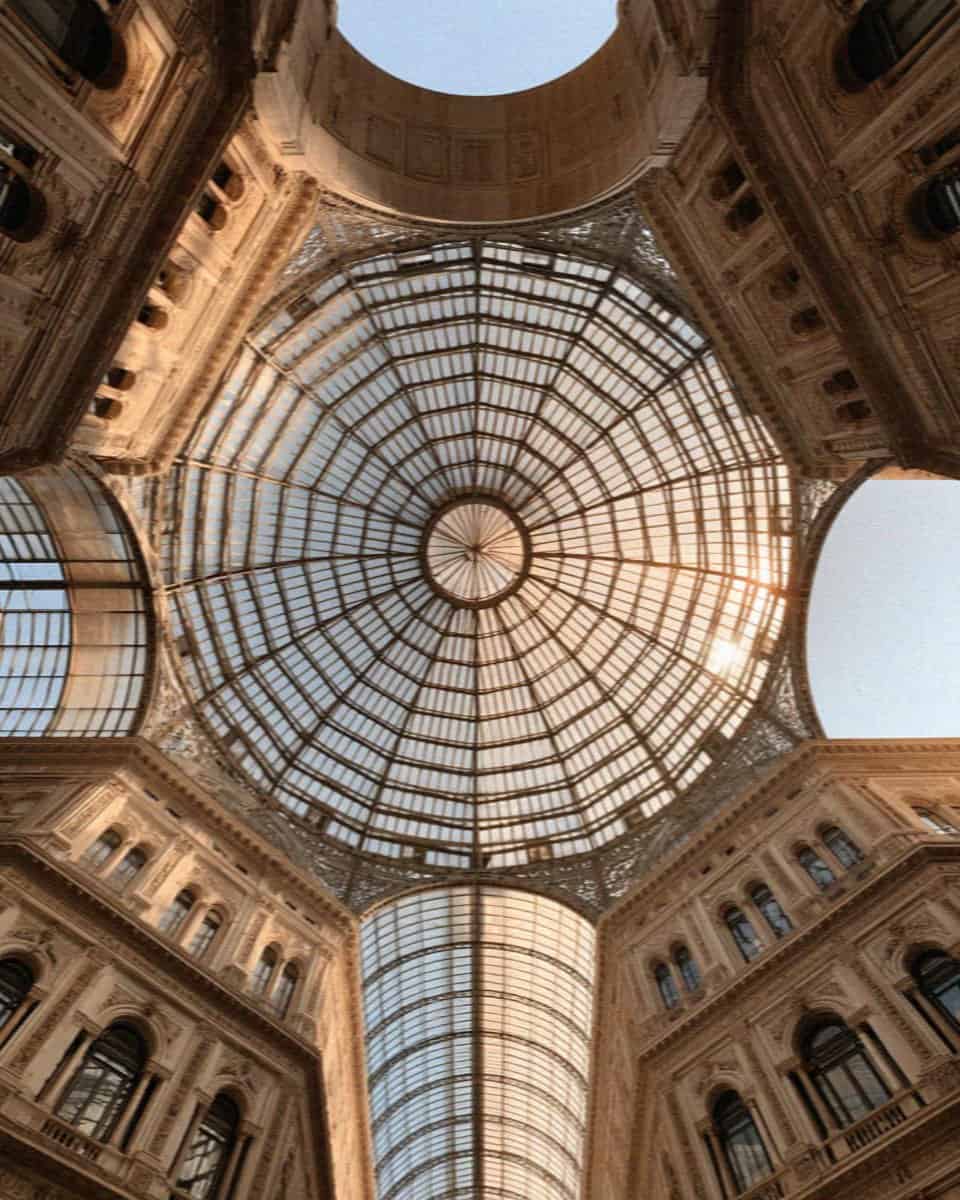
There is far more than a weekend can hold, and I have set it out in the fuller order I would actually walk it in my guide to the best things to do in Milan. Here are the pieces I would not leave the city without seeing.
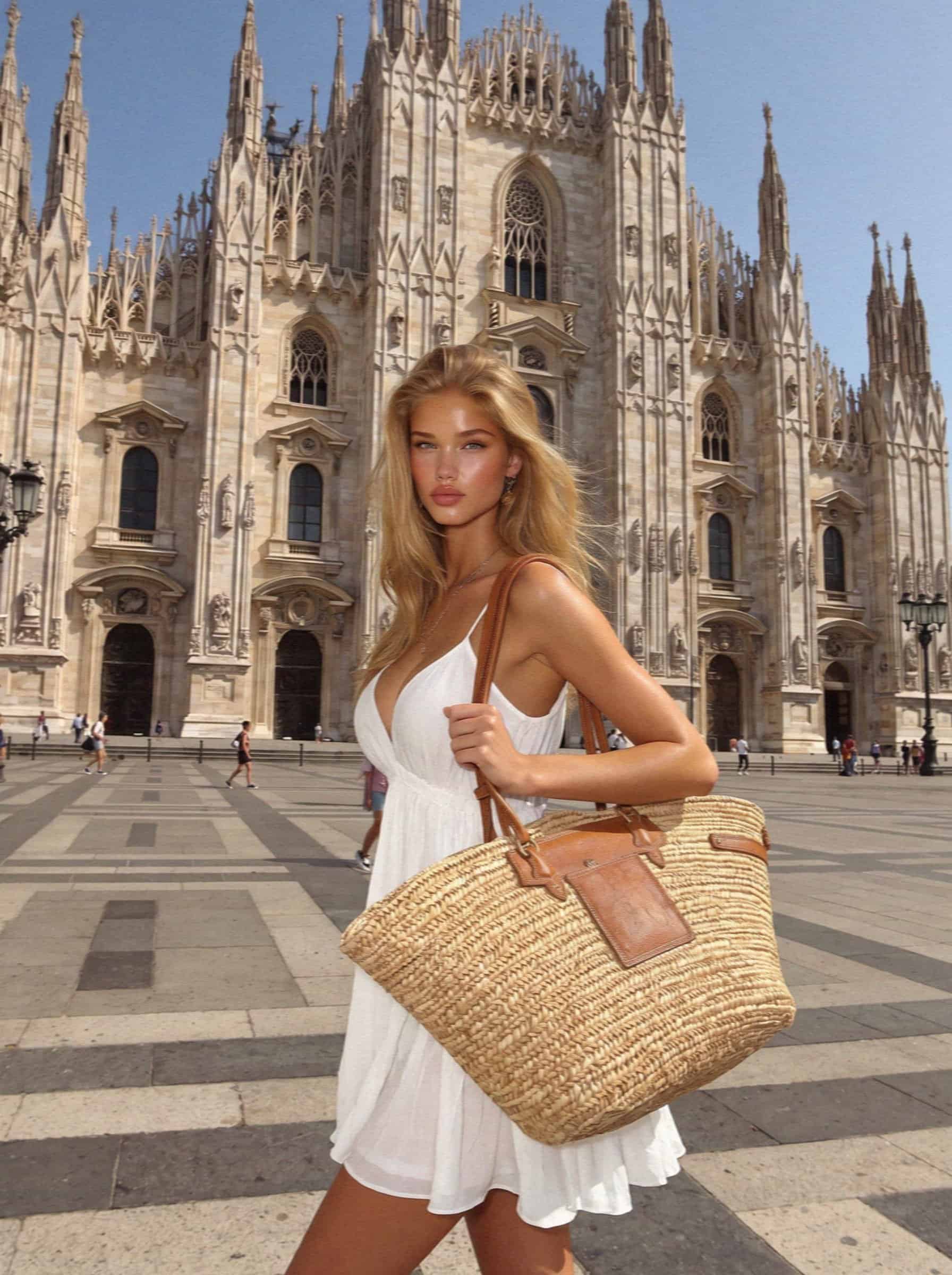
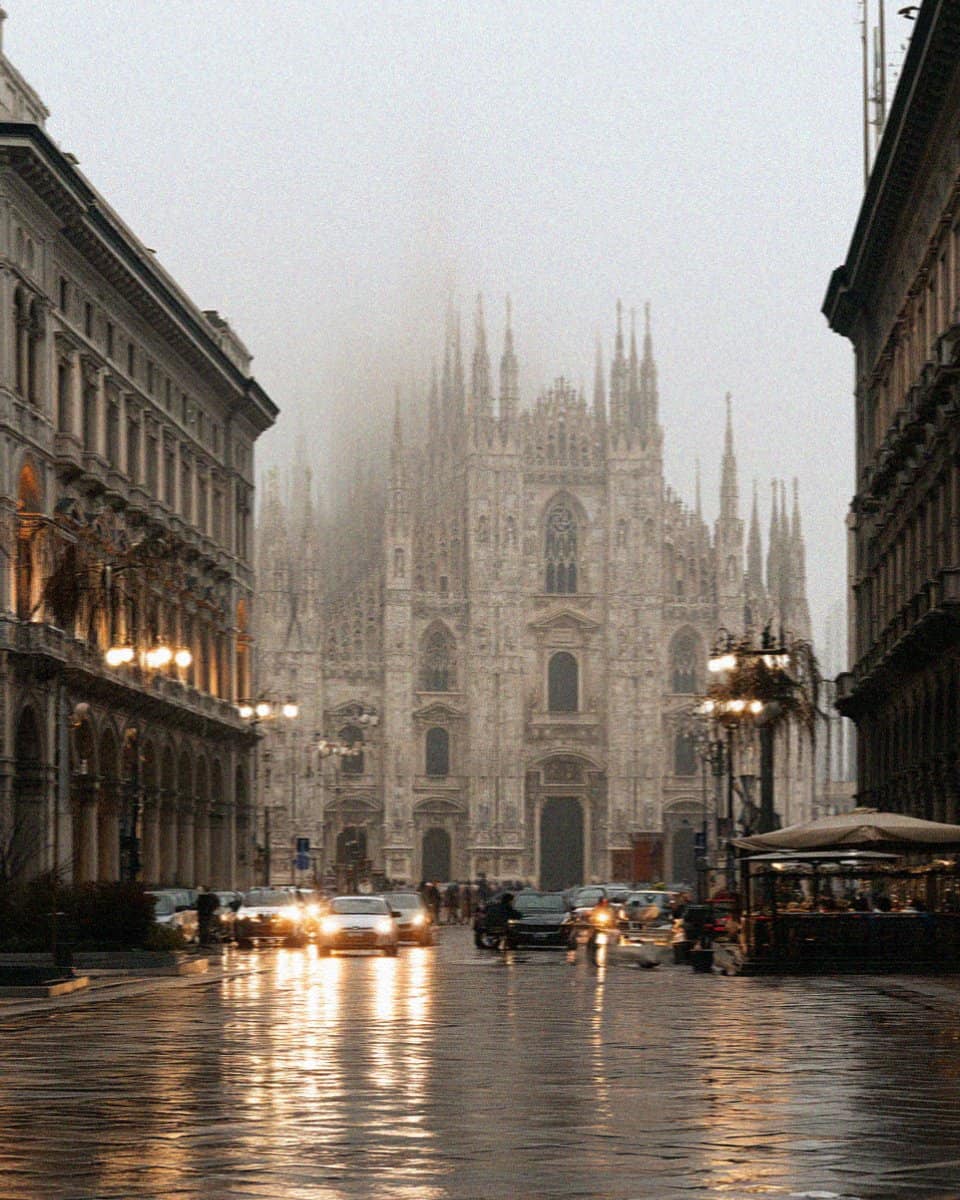
The Duomo and its rooftop terraces. Start here, always. The cathedral took nearly six centuries to build and it shows, in the best way, a forest of pink-white Candoglia marble spires bristling with over three thousand statues. The interior is free to enter with a valid ticket, but the moment you must not miss is the roof. You walk among the pinnacles themselves, with the gilded Madonnina above you and, on a clear day, the Alps on the horizon. A rooftop ticket costs 16 euros by the stairs and 18 euros by the lift, and the combined Duomo Pass that adds the cathedral and museum runs to around 22 euros by stairs and 26 euros by lift. Book a timed slot online before you go. I have written the full practicalities, the queues, the dress code and which staircase to take, in my Milan Duomo rooftop guide, and the terraces are also the single best of all the photo spots in Milan.
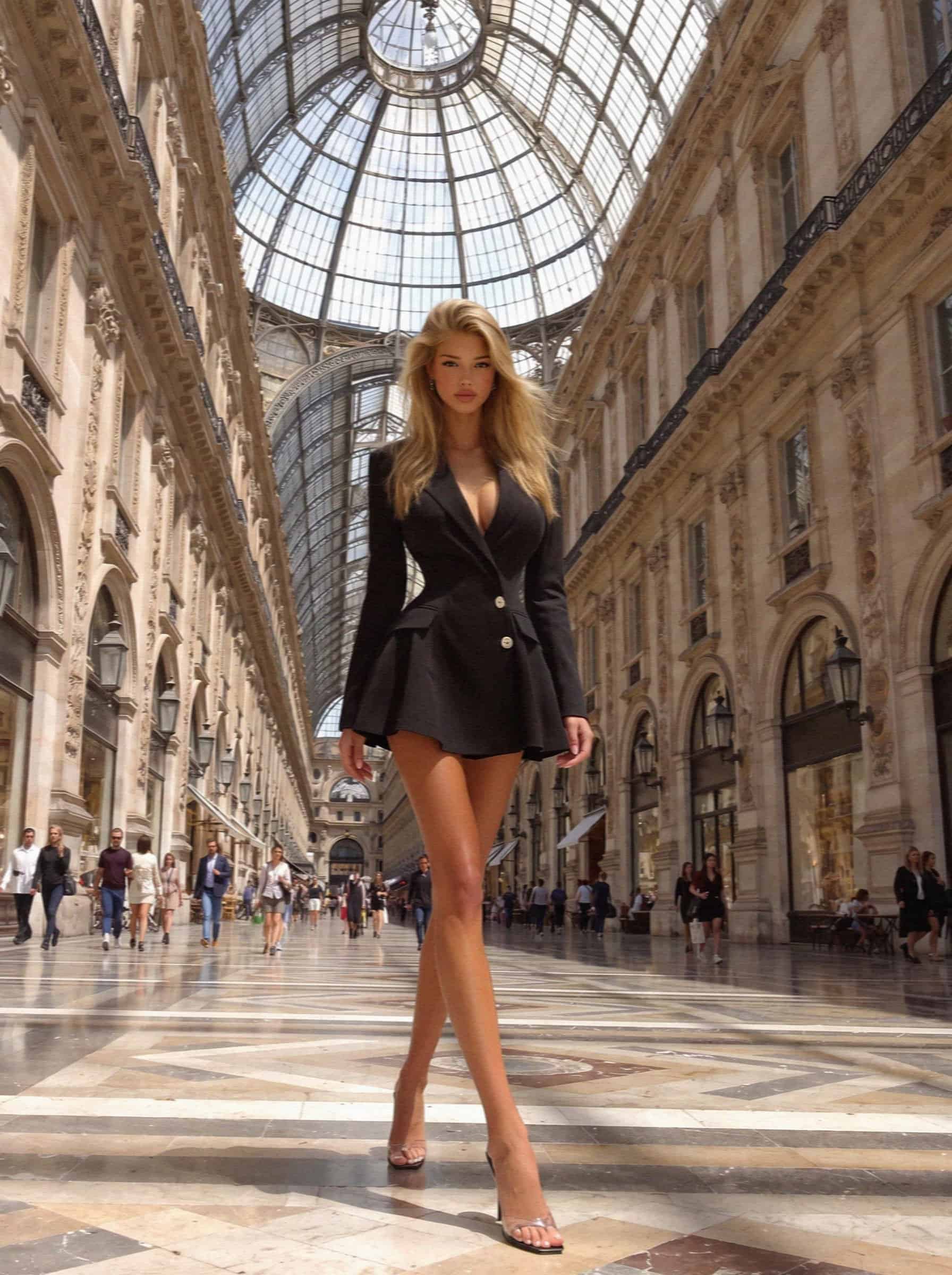
The Galleria Vittorio Emanuele II. The glass-and-iron arcade that links the Duomo to La Scala, built in the 1860s and still the most beautiful shopping street I know. Look up at the glass dome, look down at the mosaic floor, and do spin your heel on the poor bull beneath the Turin coat of arms, which local tradition says brings luck. Prada opened its first shop here in 1913 and is still in residence. A coffee at one of the historic cafes under the vault costs a small fortune and is worth it once.
La Scala. The opera house looks almost plain from the piazza, which is entirely the point, because the drama is all inside. If you cannot get to a performance, and tickets go quickly, visit the Museo Teatrale alla Scala, which lets you into a box overlooking the red-and-gold auditorium. Entry is 12 euros full price, open daily 9.30 to 17.30 with last admission at 17.00.
Leonardo’s The Last Supper. The one thing in Milan you truly cannot leave to chance. Leonardo’s mural survives, barely, on the refectory wall of Santa Maria delle Grazie, and only a small number of visitors are admitted every fifteen minutes to protect it. The standard ticket is 15 euros including the compulsory booking fee, and slots open weeks ahead and vanish within hours. If it is sold out, do not despair, because I explain every legitimate route to a seat, including guided tours that hold allocations, in my guide to how to see The Last Supper in Milan.
Sforza Castle and Parco Sempione. The great brick fortress of the Sforza dukes anchors the western edge of the centre, and its courtyards are free to wander from 7.00 to 19.30. The museums inside, which hold Michelangelo’s unfinished final work, the Rondanini Pieta, cost just 5 euros for all eight of them and are free on the first Sunday of the month. Walk straight through the castle, and you emerge into Parco Sempione, the city’s loveliest green lungs, with the neoclassical Arco della Pace closing the view at the far end.
Brera. Beyond the pictures, which I come to below, Brera is a thing to do in itself. Spend a slow hour in its lanes, look into the botanical garden hidden behind the gallery, and take an early evening drink at one of the pavement tables. It is the most romantic corner of a city not otherwise known for romance.
The Navigli canals. Come south to the water in the late afternoon. The canals were designed in part by Leonardo, and the towpaths are now lined with bars and workshops. On the last Sunday of most months, the Naviglio Grande hosts a long antiques market that I could lose a whole morning to.
Pinacoteca di Brera and the Museo del Novecento. Milan’s art runs deep. The Pinacoteca di Brera is one of Italy’s great collections: Mantegna’s foreshortened Dead Christ, Raphael, Caravaggio’s Supper at Emmaus, and it costs 15 euros, open Tuesday to Sunday 8.30 to 19.15, free on the first Sunday. For the twentieth century, the Museo del Novecento on the Duomo square holds Futurism and modern Italian art with a spectacular Duomo view from its upper ramp, entry 9.50 euros.
San Siro. For the football devotees, the Giuseppe Meazza stadium, home to both Internazionale and Milan, offers a stadium and museum tour daily, around 60 minutes, at 31 euros. Go before the ground’s much-discussed redevelopment changes it forever.
Where to stay in Milan
Choose your neighbourhood first and your hotel second. I have laid out my full reasoning, with more names at every price, in my guide on where to stay in Milan, but here is the shape of it by area.
Duomo and Centro (best for a first visit). You pay for the location, and you walk to everything. At the top, the Park Hyatt Milano, steps from the Galleria, is all hushed marble and impeccable service. For something with more character, the Room Mate Giulia sits literally against the Galleria wall and is warm, design-led and far kinder on the wallet. Budget travellers should look just south around Missori.
Brera (best for atmosphere). My sentimental choice. Bulgari Hotel Milano hides in a private garden between Brera and Montenapoleone, discreet and expensive and quietly perfect. A rung down, small boutique hotels and B&Bs tuck into the quarter’s side streets.
The Quadrilatero and Montenapoleone (best for the grand gesture). This is where the legendary addresses sit, the Four Seasons Milano in a converted fifteenth-century convent, and the Mandarin Oriental, both worth it if a special occasion is the point.
Navigli (best for nightlife and value). Stay here if the aperitivo scene is your priority and you do not mind an evening buzz outside the window. Design-forward mid-range hotels cluster around Porta Genova, with the metro three stops from the Duomo.
Porta Nuova and Isola (best for modern Milan). Handy for Milano Centrale and the new city, with polished business hotels around the skyscrapers and cheaper, characterful rooms in Isola proper.
A note on timing: during Fashion Weeks and the April furniture fair, prices roughly double and the best places sell out months ahead. Book early or come at another time.
Where to eat, and the aperitivo ritual
Milanese cooking is richer and more buttery than the Italian food most visitors expect, a legacy of the north and its long Austrian entanglement. I have gathered my full list of tables, from the humble to the ceremonial, in my guide on where to eat in Milan, but you must taste three things.
Risotto alla milanese, saffron-gold and finished with marrow and butter, is the dish of the city. Cotoletta alla milanese is the breaded, bone-in veal cutlet, fried in butter, that the Milanese and the Viennese will argue over until the end of time. And panettone, the tall domed Christmas cake studded with candied fruit, was born here, though the good bakeries sell versions the year round.
For the classics done properly, Trattoria Masuelli San Marco, a family osteria running since 1921, is my benchmark for risotto and cotoletta. Ratana in Porta Nuova gives Milanese tradition a lighter, modern turn. For an old-world lunch of ossobuco, the wood-panelled Antica Trattoria della Pesa is a survivor worth seeking out. And when I simply want a plate of something honest, the little osterie around the Navigli and Sant’Ambrogio rarely let me down.
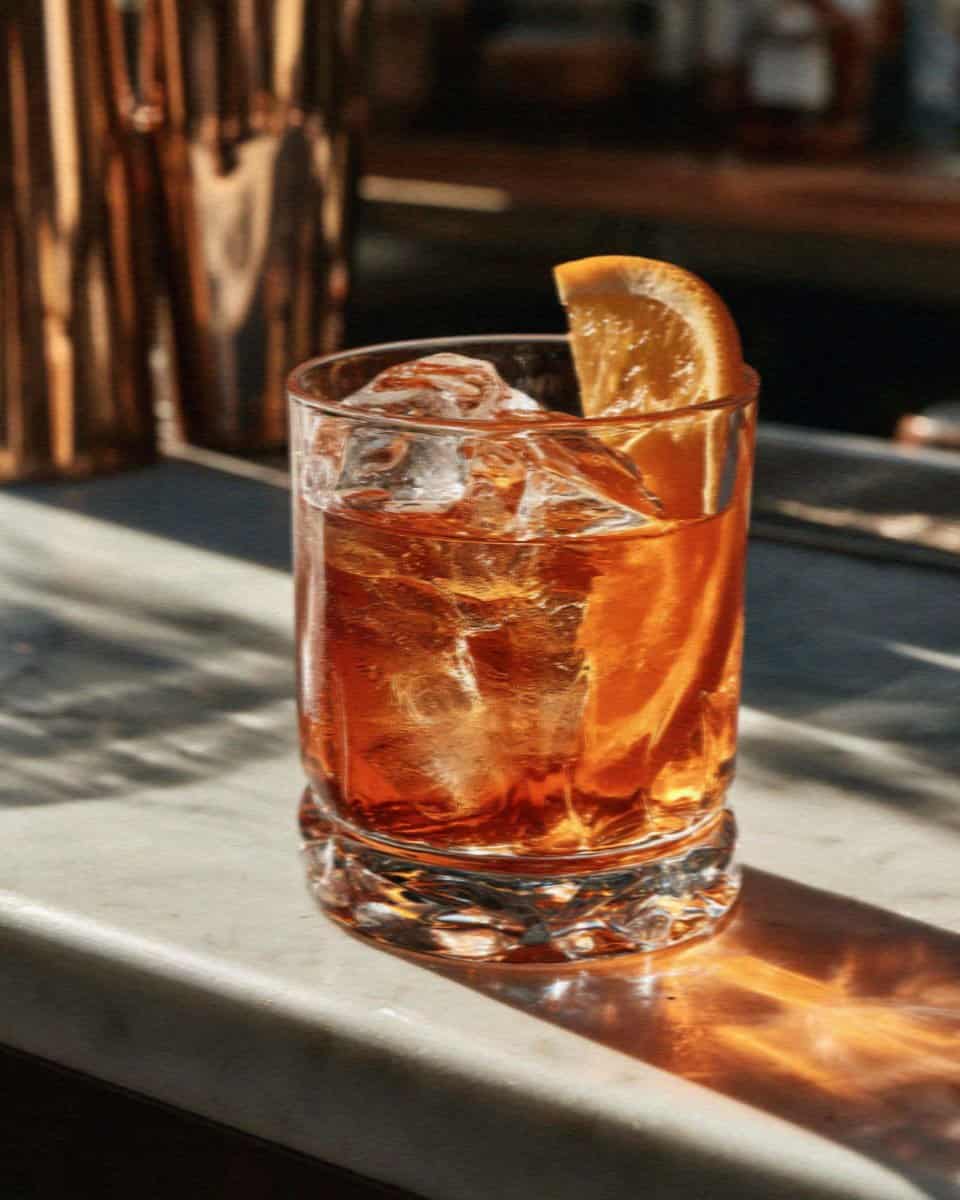
Then there is the ritual I love most. Aperitivo in Milan is close to a civic institution. From roughly six until nine, you buy a drink, usually a Negroni, a spritz or a Milano-Torino, and a spread of snacks arrives with it, sometimes a whole buffet. The Navigli invented the abundant version, and it is the natural place to try it. I have written the whole evening, spot by spot, in my guide to Milan aperitivo and the Navigli.
The Quadrilatero and Milan’s fashion
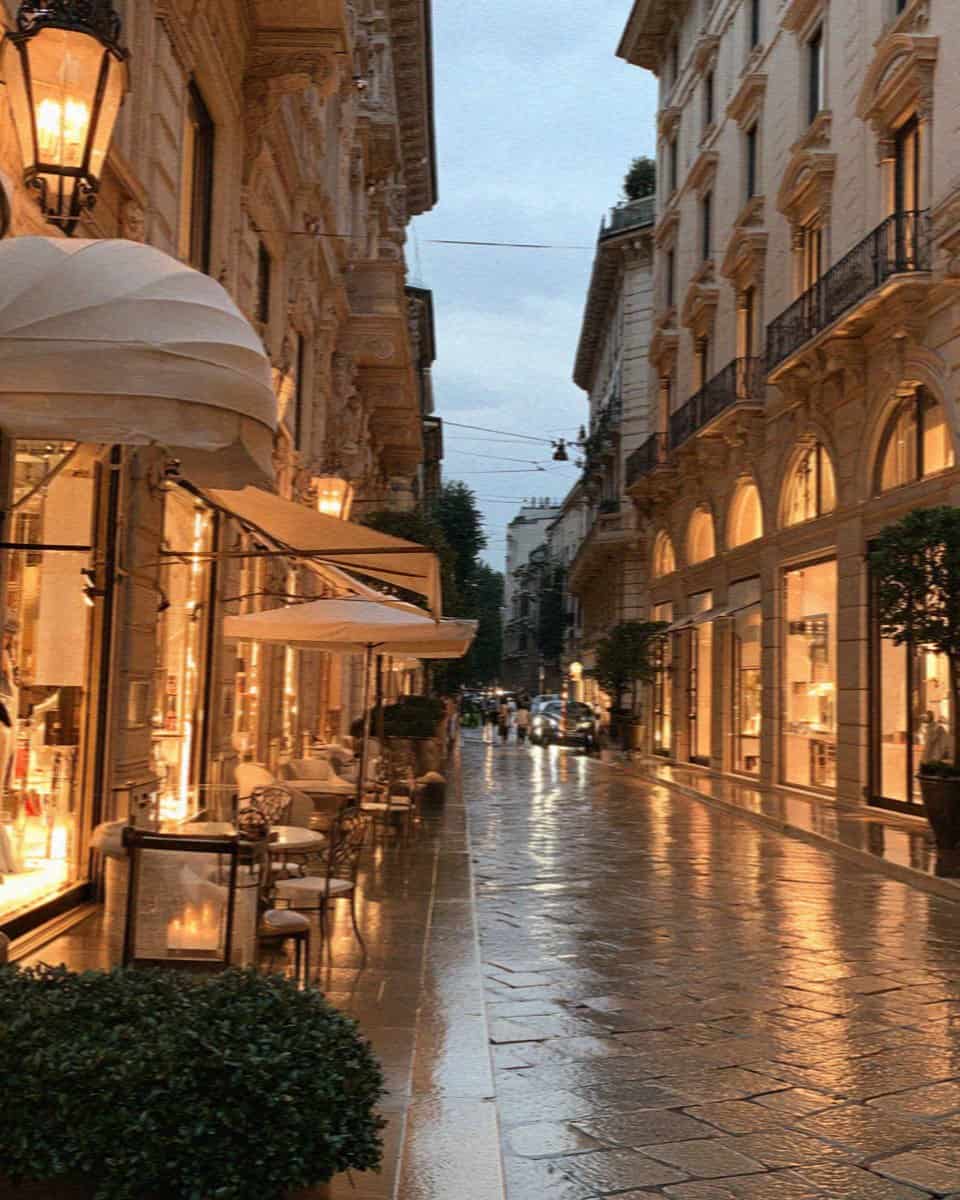
You cannot write about Milan and skirt its true religion. The Quadrilatero della Moda is the densest concentration of luxury on the planet, and even the confirmed non-shopper should walk Via Montenapoleone and Via della Spiga once, at dusk, when the windows glow, and the whole street performs. I have set out where to look, from the grand houses to the resale gems, in my Milan shopping and fashion guide. Even the outlet-minded should know that the famous discount villages sit an hour or so outside the city, and are worth a dedicated day rather than a rushed afternoon.
Getting there and getting around
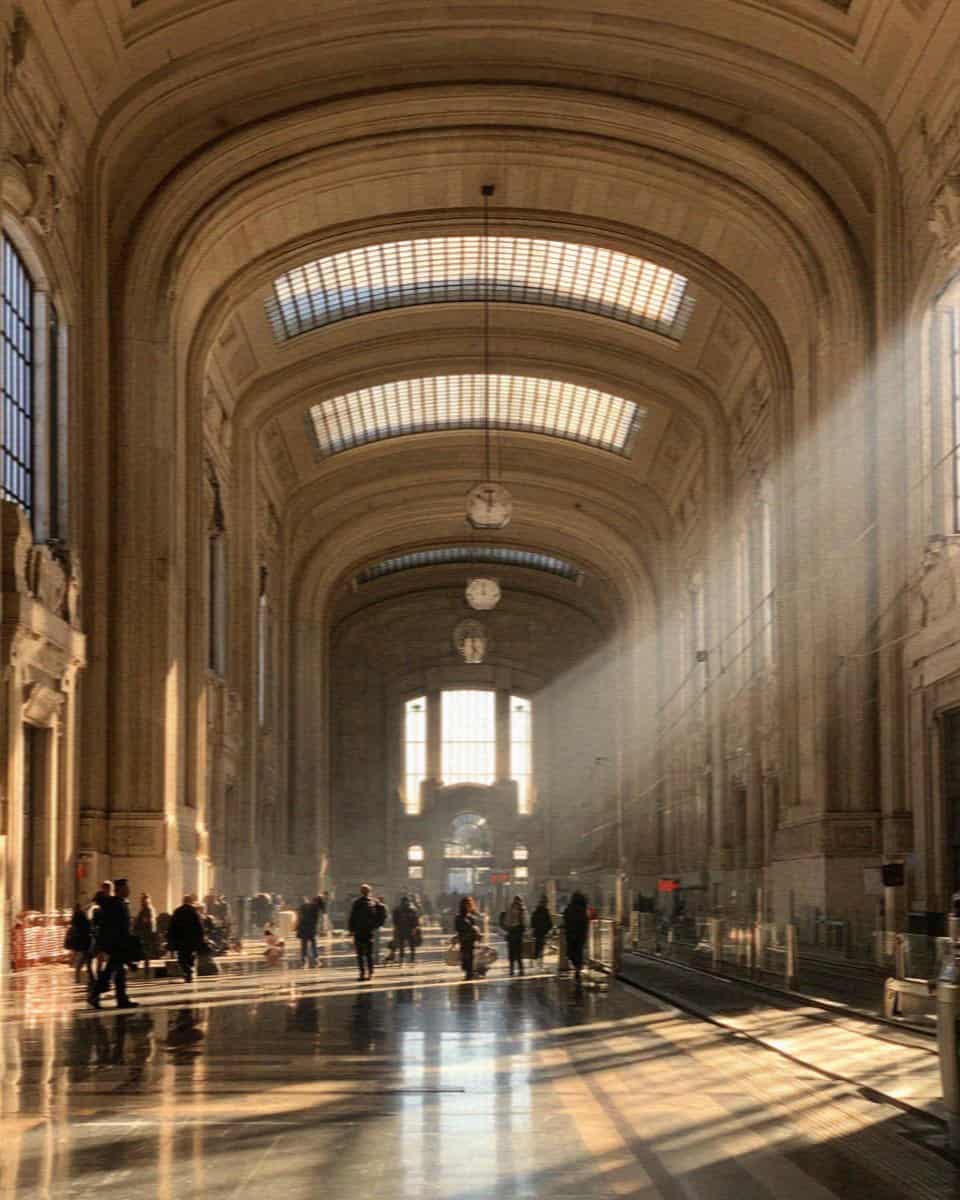
Milan is served by three airports and one magnificent railway station, and knowing the difference saves you both money and temper. The full breakdown is in my guide on how to get to Milan.
Malpensa (MXP) is the largest, about 50 kilometres northwest, and handles most long-haul flights. The Malpensa Express train is the sensible choice, roughly 13 euros one way, about 52 minutes to Milano Centrale, running every 20 to 30 minutes. A taxi to the centre is a fixed fare of around 110 euros.
Linate (LIN) is the small, close-in airport, only a few kilometres east, and now blissfully easy since the M4 metro line opened. The blue line whisks you from the terminal to San Babila, one stop from the Duomo, in about 12 minutes for the standard 2.20 euro urban ticket. For short European hops, always prefer Linate.
Bergamo Orio al Serio (BGY) is the low-cost hub, about 45 kilometres northeast. Frequent coaches run to Milano Centrale in around 50 to 60 minutes for roughly 10 to 12 euros.
Milano Centrale is the grand railway cathedral where the high-speed trains arrive, Rome in under three hours, Florence in under two, Venice in around two and a half.
Around the city, the ATM network of four metro lines, trams and buses is clean, cheap and easy. A single urban ticket is 2.20 euros and lasts 90 minutes; a 24-hour pass is 7.60 euros. Tap a contactless card straight on the metro gates, and it charges the correct fare automatically. But do also ride the historic orange trams at least once, purely for the pleasure of it.
The best time to visit
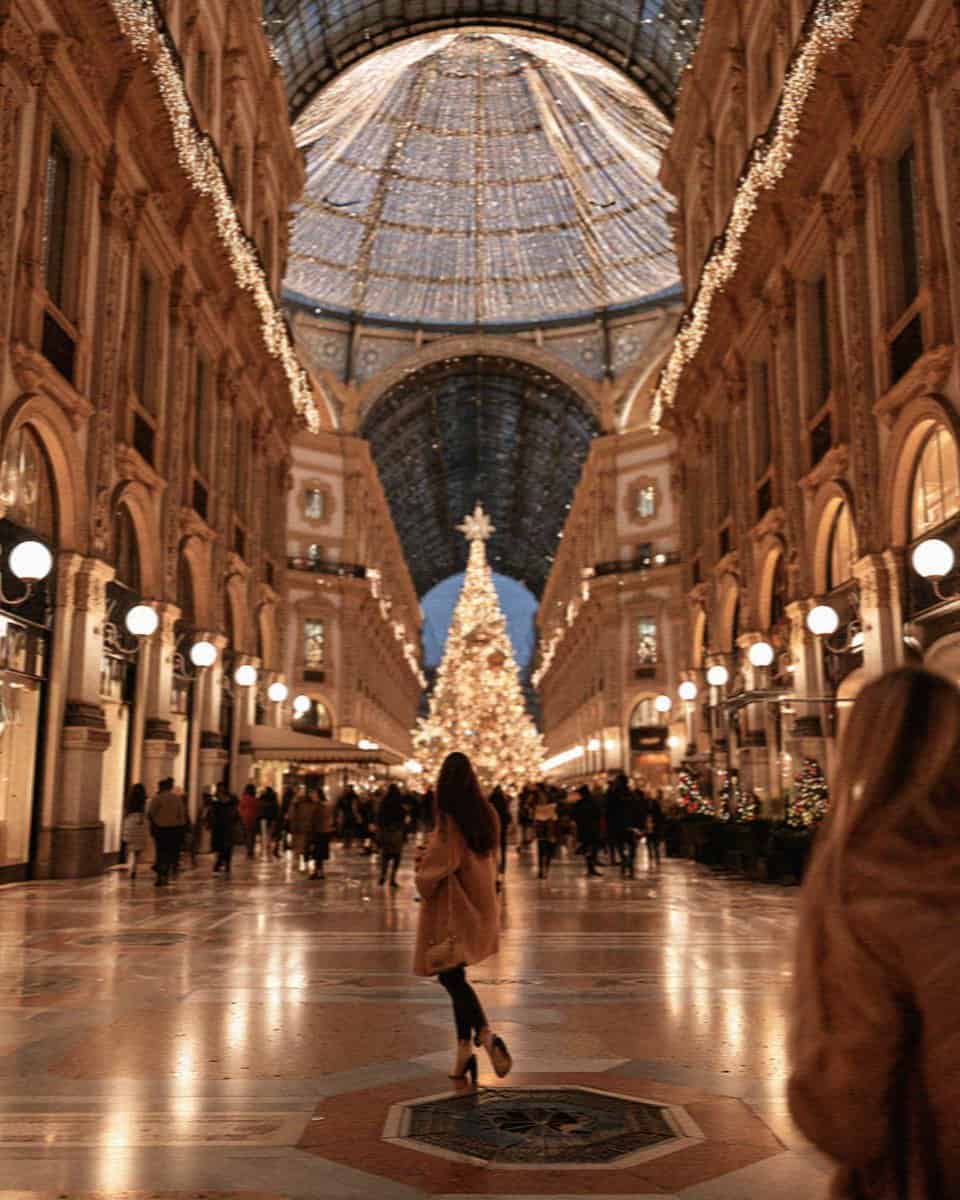
Milan has a proper continental climate, and it matters more than in coastal Italy. My season-by-season verdict sits in my guide to the best time to visit Milan, but in brief: spring (April to early June) is my favourite, mild and bright. Autumn (September to October) is nearly as good. Summer (July and August) is hot, humid and, in mid-August, half-shuttered as the city empties. Winter is grey but has its own moods, the Christmas markets and the opening of the opera season on 7 December.
Two dates dominate the calendar, and you must plan around them. Fashion Weeks land in February and September, and the city fills, prices climb, and tables tighten. Bigger still is the Salone del Mobile, the international furniture fair, running from 21 to 26 April in 2026. Milan Design Week is thrilling if you love design, and painful if you turn up unaware, with hotel rates doubled. Decide which of you you are, and book accordingly.
Day trips from Milan
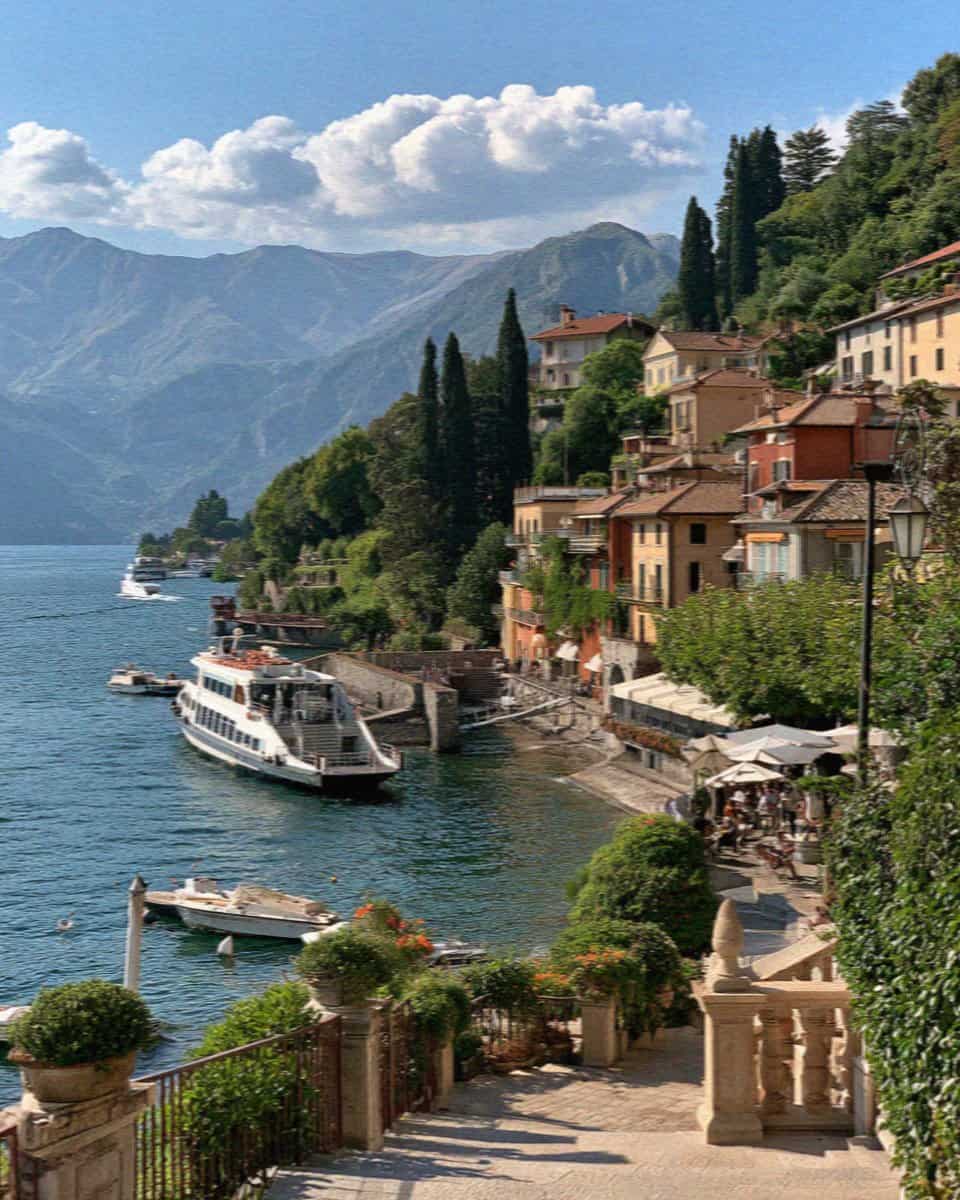
This is Milan’s quiet superpower. Some of the loveliest places in Italy sit within an hour or two, and the trains make them effortless. I have compared them all in my guide to day trips from Milan.
Lake Como is the famous one. Trains from Milano Centrale reach Como in around 40 minutes and Varenna in about an hour, and from there the ferries link the villa-strewn villages. I have devoted a whole cluster to it in my complete guide to Lake Como.
Bergamo is my sentimental pick, a walled medieval upper town reached by funicular, under an hour by train, and I have written it all up in my complete guide to Bergamo.
Lake Maggiore is the grander, quieter alternative to Como, with the fabulous Borromean Islands reached from Stresa, about an hour and a quarter by train. My complete guide to Lake Maggiore lays out the islands and the timings.
Pavia and the Certosa make the most rewarding half-day for anyone who loves architecture, a handsome university town half an hour south with an astonishing Carthusian monastery just outside it.
A suggested two- to three-day itinerary
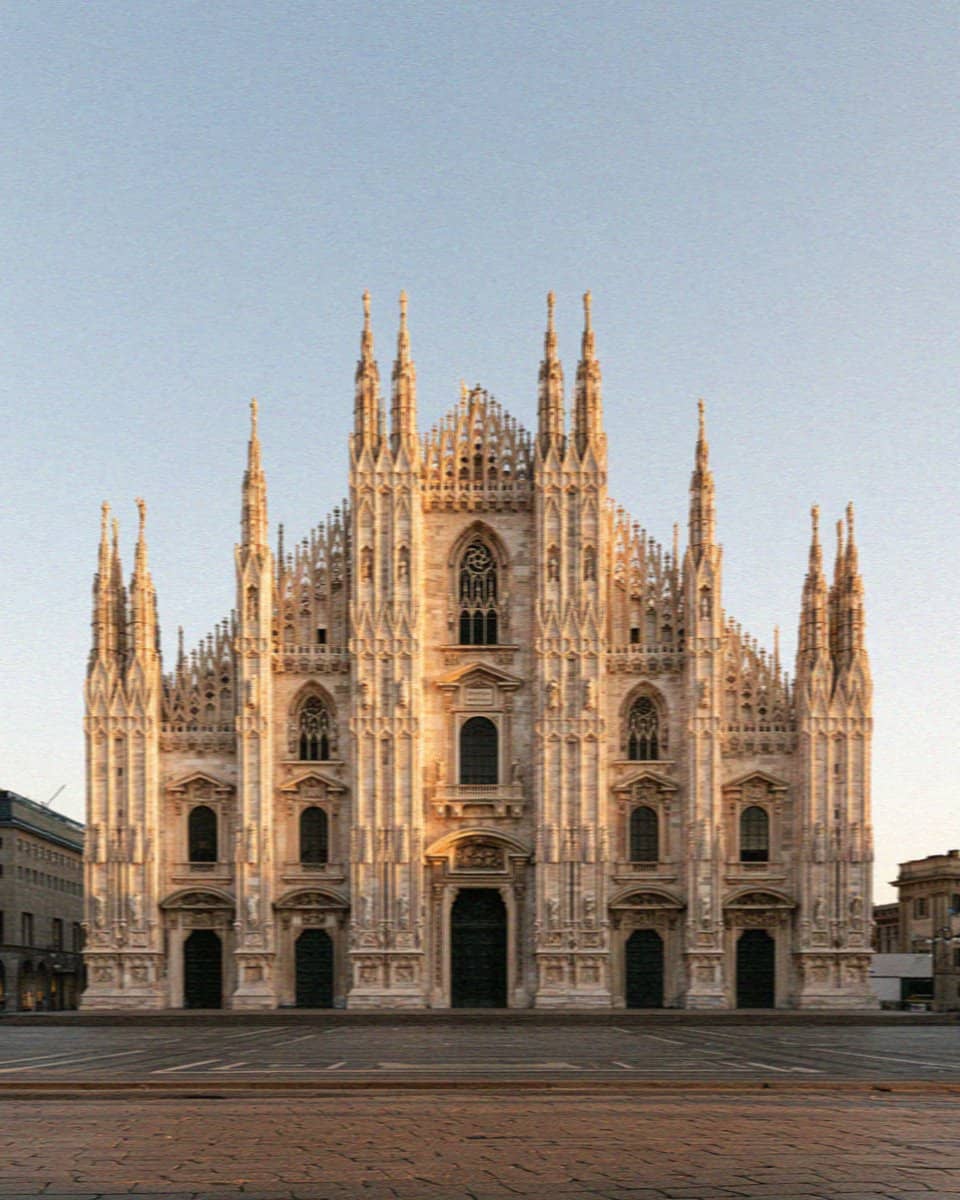
Here is how I would spend a first visit, assuming you have booked The Last Supper and your rooftop slot in advance. The expanded version is in my Milan itinerary.
Day one, the centre. Begin early at the Duomo before the crowds, then climb to the rooftop terraces. Walk through the Galleria to La Scala, then wander north into Brera for lunch and the Pinacoteca. Return south for aperitivo, and dinner in the centre.
Day two, Leonardo and the west. Take your booked slot for The Last Supper at Santa Maria delle Grazie in the morning. Walk to Sant’Ambrogio and its ancient basilica, then on to Sforza Castle and through it into Parco Sempione. Spend the late afternoon in the Quadrilatero, then move to the Navigli as the sun drops for the full aperitivo ritual and dinner by the water.
Day three, choose your Milan. Either give the day to a lake or to Bergamo, which is the choice I would usually make, or stay in the city for the Museo del Novecento, the modern towers of Porta Nuova, and the corners you did not reach. End, if the season allows, with a spritz on a rooftop watching the Madonnina catch the last of the light.
That is Milan as I know it, a city that gives most to the traveller who plans the essentials and then lets the rest unfold. Book the big three, the Duomo roof, The Last Supper, and a table you care about, and let the tram take you the rest of the way.
More images from Milan




Your Milan Guides
Everything here in detail, guide by guide.
- The Best Things to Do in Milan
- Where to Stay in Milan
- Where to Eat in Milan
- The Perfect Milan Itinerary
- How to Get to Milan
- The Best Time to Visit Milan
- The Best Photo Spots in Milan
- The Best Day Trips from Milan
- How to See The Last Supper in Milan
- Visiting the Milan Duomo and Rooftop Terraces
- Milan Shopping and Fashion Guide
- Milan Aperitivo and the Navigli
Milan Travel Diaries
Frequently Asked Questions
How many days do you need in Milan?
Two full days are enough to see the headline sights without rushing: the Duomo and its roof, The Last Supper, the Galleria, La Scala, Brera and the Navigli. I would argue for three, which gives you a lake or Bergamo as a day trip and time to enjoy the aperitivo hour properly. If your trip is longer, Milan makes an ideal base for exploring the whole of northern Italy by train.
Do I really need to book The Last Supper in advance?
Yes, without exception. Only a small number of visitors are admitted every fifteen minutes to protect the fragile mural, so tickets are strictly limited and sell out weeks ahead. The official price is 15 euros including the booking fee, and slots open in monthly batches that disappear within hours. If the official site is sold out, a guided tour that holds its own allocation is the reliable alternative.
What is the cheapest way to get from the airport into the city?
It depends which airport. From Linate, the M4 metro to San Babila takes about 12 minutes and costs the standard 2.20 euro urban ticket. From Malpensa, the Malpensa Express train is around 13 euros and takes about 52 minutes to Centrale. From Bergamo, the coaches to Milano Centrale run roughly 10 to 12 euros. Airport taxis are fixed-fare and comfortable but considerably more expensive.
Is Milan worth visiting?
Milan is often written off as a city of business and fashion, and that sells it short. This is the home of Leonardo’s Last Supper, the extraordinary Gothic Duomo, the temple of opera at La Scala, and the aperitivo ritual itself. Give it two or three days and it rewards you with world-class art, elegant streets and some of the finest food in Lombardy, with the lakes and the whole of northern Italy an easy train ride away. See my full list of the best things to do in Milan.
When is the best time to visit Milan?
Spring, from April to early June, and autumn in September and October are the loveliest, mild and bright and made for walking. I avoid August, when the heat sits heavy and many Milanese shops and restaurants close for the holidays, and I plan carefully around the two Fashion Weeks and the big Rho trade fairs, when hotel prices soar. For the month-by-month detail, read my guide to the best time to visit Milan.
What is the best area to stay in Milan?
For a first visit, I would stay in or near the historic centre, within walking distance of the Duomo, or in Brera, the prettiest and most romantic quarter. Design lovers gravitate to Porta Nuova beneath the Bosco Verticale, while the Navigli is the place for canalside evenings, though it stays lively late. I break down every neighbourhood and who each one suits in my Milan neighbourhood guide.
Can you go up to the Duomo rooftop, and is it a separate ticket?
Yes, and it is the single best thing you can do in Milan, walking among the marble spires with the Alps on the horizon on a clear day. The rooftop is its own ticket, separate from cathedral entry, around 16 euros on foot or 18 by lift, with combined cathedral-and-museum passes at roughly 22 to 26 euros. Go early or near closing for the softest light. I cover the tickets and the best angles in my Duomo and rooftop guide.
Is Milan expensive?
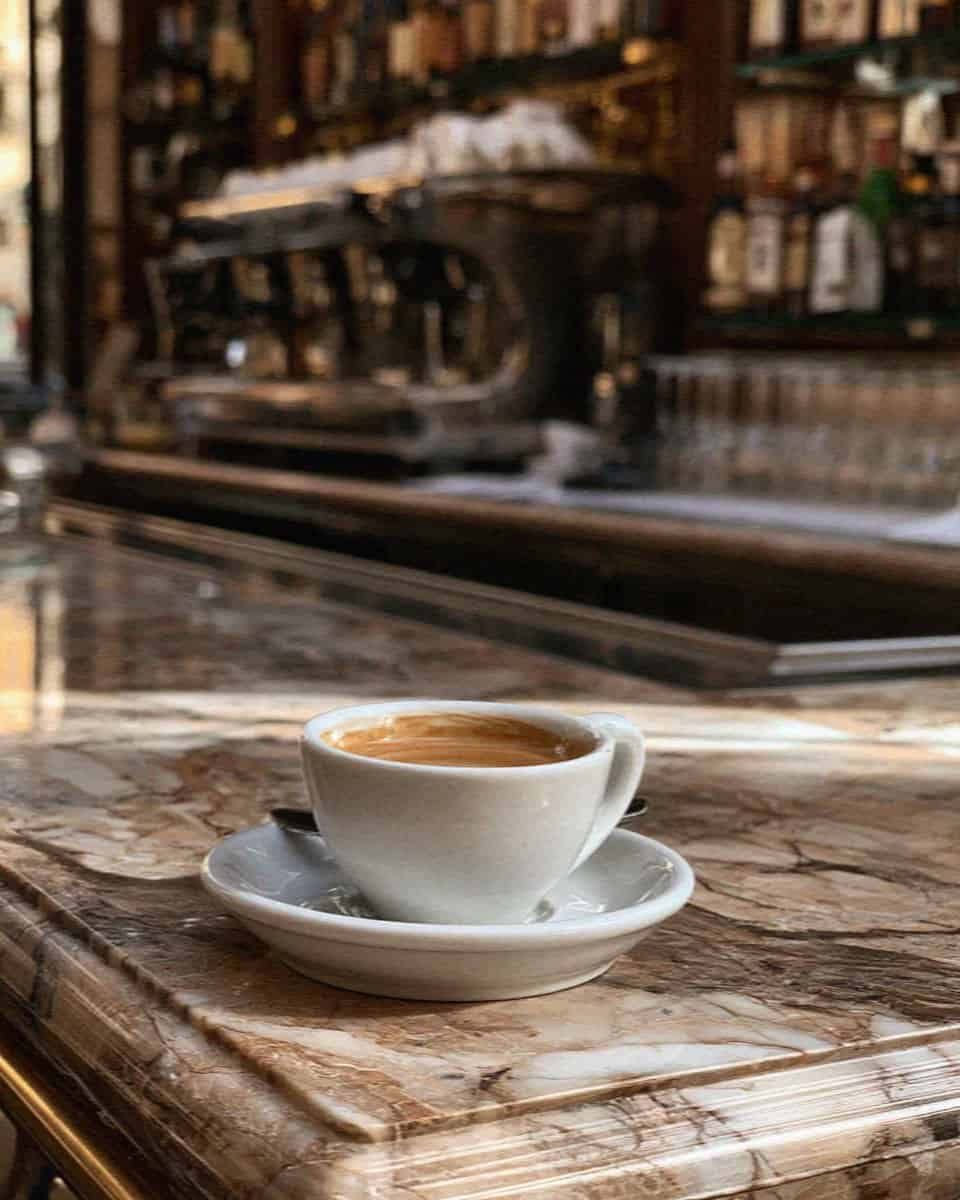
It is the most expensive city in Italy, but it is easy to manage well. A coffee taken standing at the bar is barely more than a euro, a good plate of pasta in an unfussy trattoria runs around 12 to 16 euros, and the genius of the Milanese aperitivo is that a drink of ten to fifteen euros often arrives with enough of a buffet to stand in for dinner. Hotels are where the cost climbs, especially during the fashion and fair weeks, so those are the dates to plan around.
Is Milan safe for tourists?
Milan is a very safe city to walk, by day and by night, in the central areas you are most likely to visit. The real risk is pickpocketing rather than anything worse, and it concentrates in the obvious places: the crowd in front of the Duomo, Centrale station and the busiest metro lines, so keep your bag closed and your phone away in a scrum. Treat it with the common sense you would bring to any big city, and you will be fine.