The hardest part of planning Crete is not finding things to do. It is accepting how many of them you will have to leave out. The island runs about 260 km from Kissamos in the west to Sitia in the east, with three mountain ranges between the two coasts, and a list that treats it like a small Cycladic island will have you in the car for half your holiday.
So this is a short list on purpose, each item worth the effort, with a word on how long it takes and where to sleep to do it comfortably. It leans west, where I would spend most of a first trip.
For the wider picture, from the regions to the ferries, start with my complete guide to Crete.
Chania’s harbour at dusk
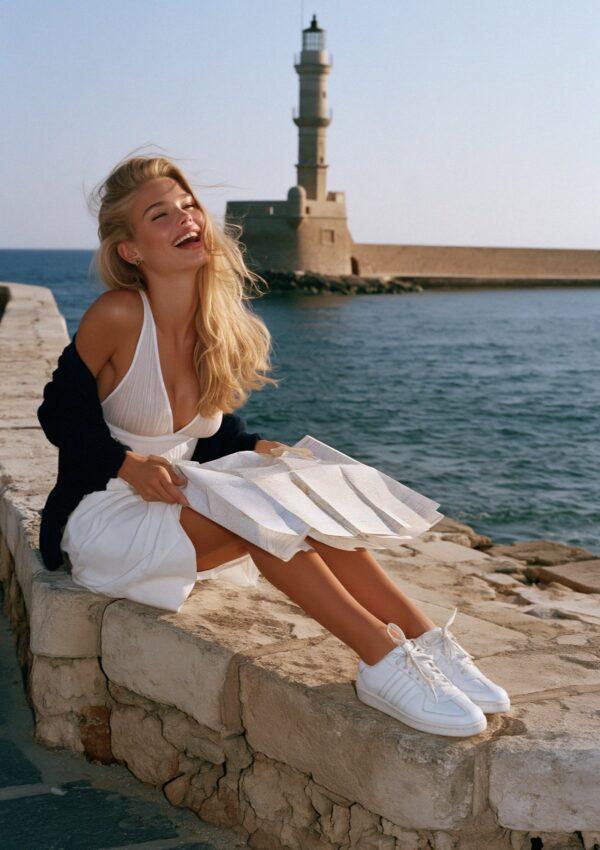
Begin with the easiest one. Chania’s Venetian harbour is a half circle of tall, faded houses around the water, with the lighthouse standing at the far end of a long sea wall, and it is at its best in the hour after the sun goes. The day crowd thins, the lamps come on along the quay, and you can walk the whole curve from the Firkas fortress to the domed shipyards.
I walked those shipyards on my first afternoon on the island, straight off the ferry. Go out along the sea wall towards the lighthouse if the wind allows, then come back and lose yourself in the lanes behind. The whole quarter, lane by lane, is in my guide to Chania’s old town.
The Samaria Gorge
This is the big day of any trip to the west. The gorge runs down from Xyloskalo, at about 1,230 m above the Omalos plateau, to Agia Roumeli on the Libyan Sea: roughly 16 km inside the park, all of it downhill, and most people take five to seven hours. There is no road at the bottom, so you leave by boat along the coast and come home by bus in the evening.
It is open roughly from May to October, the ticket was €10 in 2026, and the path closes at short notice after rain. I only went down the first flight of steps at the top, in a cardigan, while the walkers in proper boots disappeared below me; that morning is written up in my diary from Xyloskalo. Everything you need for the full descent, from the bus times to the boat, is in my guide to hiking the Samaria Gorge.
Elafonisi and its lagoon
Down in the south-west corner, about two hours’ drive from Chania, Elafonisi is a shallow, warm lagoon with an islet you can wade out to. The pale pink along the waterline comes from crushed fragments of tiny shells, and the whole place is protected, so the sand and shells stay where they are.
Its fame is also its problem. In July and August it fills from late morning to mid-afternoon, so arrive before about 10:00 or after 16:00, and walk east along the shore if you want more room. All of the island’s swimming, from here to the palm beach at Vai, is in my guide to the best beaches in Crete.
Balos by boat
On the north-west tip, the Gramvousa peninsula curls around a lagoon of white sand and very clear, very shallow water. The boat from Kissamos is the easier way to see it: it leaves mid-morning, stops first at the island of Imeri Gramvousa for a steep climb to a ruined Venetian castle, then spends a couple of hours at Balos, and brings you back in the late afternoon. Fares in 2026 ran from about €30 to €45.
You will not have it to yourself. Accept that, or go by road early and walk down before the boats arrive around midday. The two routes are compared side by side in my guide to Balos and Gramvousa.
Rethymno’s old town
An hour east of Chania, Rethymno is the smaller and less visited of the two Venetian towns, and its old quarter mixes Venetian doorways with Ottoman wooden balconies and the minaret of the Neratze mosque. There is a small round harbour of fish tavernas and the Rimondi fountain of 1626.
Above it all stands the Fortezza, the big Venetian fortress on the headland, built from 1573. Inside are a domed mosque and wide open ground, and the view from the walls covers the town and the sea. Entry was about €4 in 2026; check before you go.
Knossos and the museum
The Minoan palace at Knossos, a few kilometres outside Heraklion, is the most visited site on the island, and the reason is real: it was the centre of a Bronze Age civilisation from about 1900 BC. What you see today is partly Arthur Evans’s reconstruction from the 1920s and 30s, in concrete and paint, which some people love and some find hard to forgive.
Two pieces of advice. Go at 08:00, before the cruise coaches, and see the Heraklion Archaeological Museum the same day or the next, because the frescoes at the palace are copies and the originals are in the museum. Tickets, hours and the bus are in my guide to Knossos and Heraklion.
Arkadi Monastery
About 23 km south-east of Rethymno, Arkadi is the place Crete goes to remember 1866. During the uprising against Ottoman rule hundreds of people took refuge inside its walls, and when the walls were breached the defenders set light to the gunpowder store rather than surrender. It became the island’s symbol of the fight for freedom.
The church front of 1587 is Venetian Renaissance work. Entry is a few euros, it is open every day, and you will need covered shoulders and knees. It pairs naturally with Rethymno, and with the pottery village of Margarites on the way.

Spinalonga
In the gulf of Elounda, a small fortified island sits just offshore. The Venetians built its fortress in 1579, and from 1903 to 1957 it was Greece’s leper colony. A path of about 1.5 km takes you around the ruined houses, shops and hospital, and the visit is quiet and affecting in a way few sites on Crete are.
Boats cross from Plaka in about ten minutes, or from Elounda in about twenty, and the site ticket was €20 in 2026. It is a long day from Chania, so do it from a base in the east or on the way through.

A village lunch in the White Mountains
Some of the best hours on Crete happen at a table rather than a sight. South of Chania, the road to Theriso climbs through a narrow gorge to a village of tavernas, and the Omalos road passes through Lakki, a ridge village with a kafeneio and a view straight down the valley to the coast. I came back through Lakki after my morning at the top of the gorge, and if I return it will be for a long lunch there.
My guide to where to eat in Chania has more on the dishes and the tavernas out of town.
Wine and olive oil
Crete makes serious wine from its own grapes, Vidiano and Vilana among the whites, Liatiko, Kotsifali and Mandilari among the reds, and Romeiko around Chania. The wineries cluster south of Heraklion, around Archanes, Peza and Dafnes, with Manousakis at Vatolakkos near Chania. Most visits are by appointment, so write ahead, and have someone else drive home.
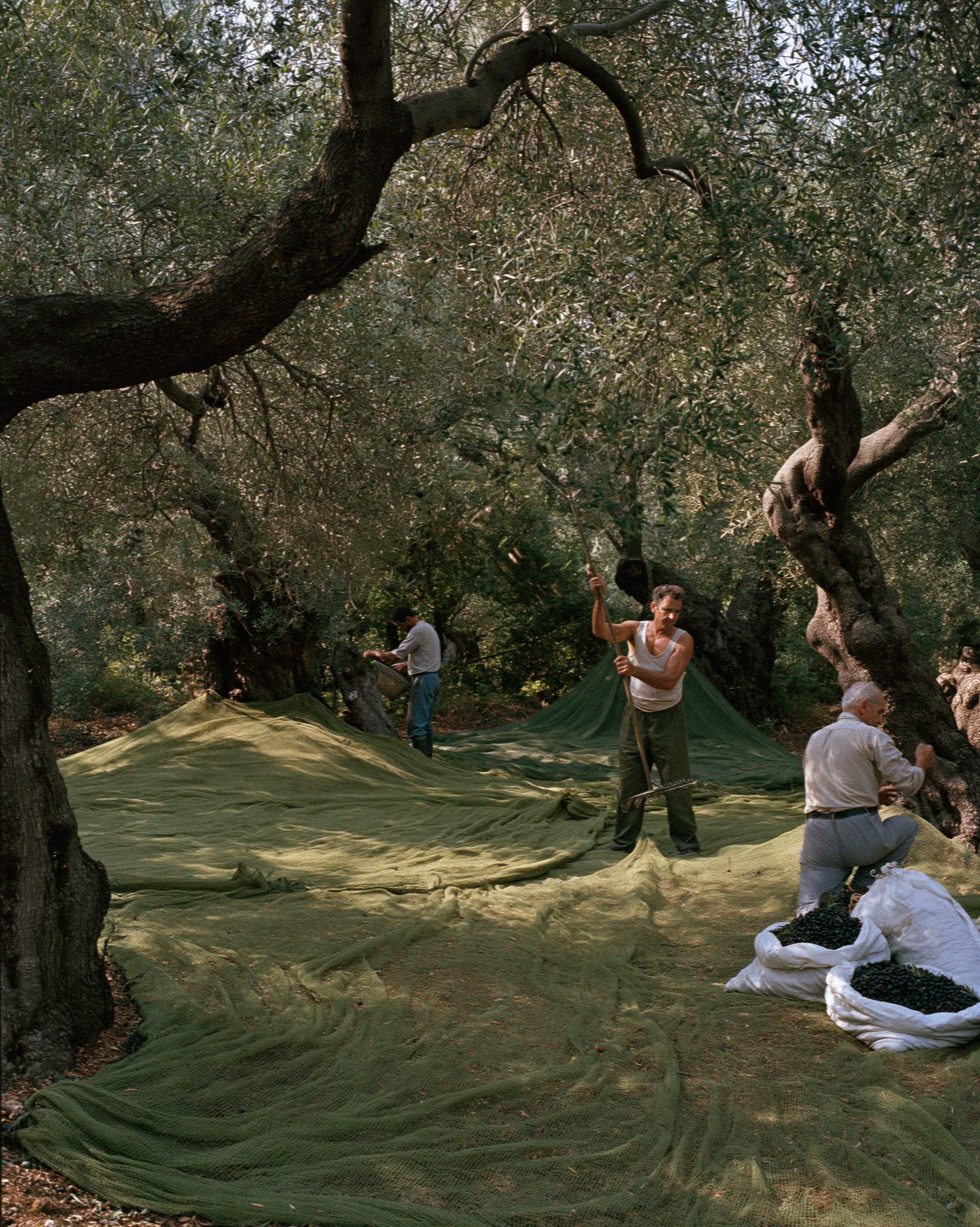
The olive is everywhere, and the harvest runs from about November to January. Near Kolymbari, the ancient olive tree of Vouves still grows beside a small museum, and it is said to be one of the oldest in the world.
The south coast by boat
The southern shore, on the Libyan Sea, is steeper and wilder than the north, and parts of it have no road at all. In season the ANENDYK boats link Chora Sfakion, Loutro, Agia Roumeli, Sougia and Paleochora, and riding one is a fine day out whether or not you walk a gorge. Loutro, a cluster of white houses on a bay, is reached only by boat or on foot, and the paths from there run on to Marmara and Sweetwater for a swim.
Timetables thin out from October, so check before you plan around a sailing.
What not to plan around
Do not try to see the whole island from one hotel. A day trip from Chania to Spinalonga is a drive of well over three hours each way, and you will spend it on the national road. Split the trip, west first, then a night or two in the centre, then the east if you have time.
Do not count on Chania’s covered market; after years of restoration it is reopening in stages, so check what is open. And do not build a week around the Samaria Gorge in early May or late October, when the opening and closing dates depend on the weather.
Frequently Asked Questions
What is the number one thing to do in Crete?
For a first visit to the west, the Samaria Gorge. It is a long, all-downhill walk of about 16 km through the White Mountains to the Libyan Sea, with a boat out at the end, and nothing else on the island feels quite like it.
What is the best thing to do in Chania?
Walk the Venetian harbour at dusk, out along the sea wall towards the lighthouse and back past the domed shipyards, then eat in the lanes behind it. It costs nothing and it is the best introduction to the town.
Can you visit Knossos and Spinalonga on a day trip from Chania?
You can, but you should not. Knossos is about two and a half hours from Chania by car and Spinalonga is further still, so both work far better from a night or two in Heraklion or Elounda.
Is Balos or Elafonisi better?
They are different days. Balos is a white-sand lagoon on the north-west tip, best seen by boat from Kissamos with a stop at Gramvousa castle. Elafonisi is a warm, shallow lagoon with pink sand in the south-west, best reached early by car.
What is there to do in Crete in winter?
The towns of Chania, Rethymno and Heraklion stay lively, Knossos, the museums and Arkadi keep their doors open on shorter winter hours, and the olive harvest and the raki stills are under way. The gorge, the Balos boats and most beach places are closed.
Read also: Hiking the Samaria Gorge: Tickets, Season and the Boat Back | A Crete Itinerary: 5 to 10 Days | Victoria’s Complete Guide to Crete