Crete is the largest island in Greece, and the first thing to accept about it is that you will not see all of it. It runs for about 260 kilometres from the western capes to the eastern ones, with mountains higher than anything in the Cyclades along its spine, a north coast of towns and airports, and a south coast where some villages still have no road at all. People plan it the way they plan any other island and end up spending their holiday in a hire car.
I came across from Milos in October, on the long ferry from Adamas into Souda Bay, and spent my days in the west, around Chania and up in the White Mountains. That is the part of Crete I know, and it is the part this guide leans towards, because for a first visit it is the part I would choose. Heraklion, Knossos, Rethymno and the east are all here too, more briefly, with enough to decide whether each deserves a day or a week of your time.
What follows is how I would plan Crete now: when to come, where to sleep, how the gorge works, which beaches are worth two hours in the car, and how to divide a week so that the island does not divide you. Each part has a fuller guide of its own, linked as you go.
What Crete is like
Crete is closer to a small country than to an island. A little over 600,000 people live on it, across four regional units that run from west to east: Chania, Rethymno, Heraklion and Lasithi. It covers more than 8,300 square kilometres, and three mountain ranges run down the middle: the White Mountains, the Lefka Ori, rising to 2,453 metres in the west; Psiloritis, the old Mount Ida, the highest at 2,456 metres, in the centre; and the Dikti range in the east.
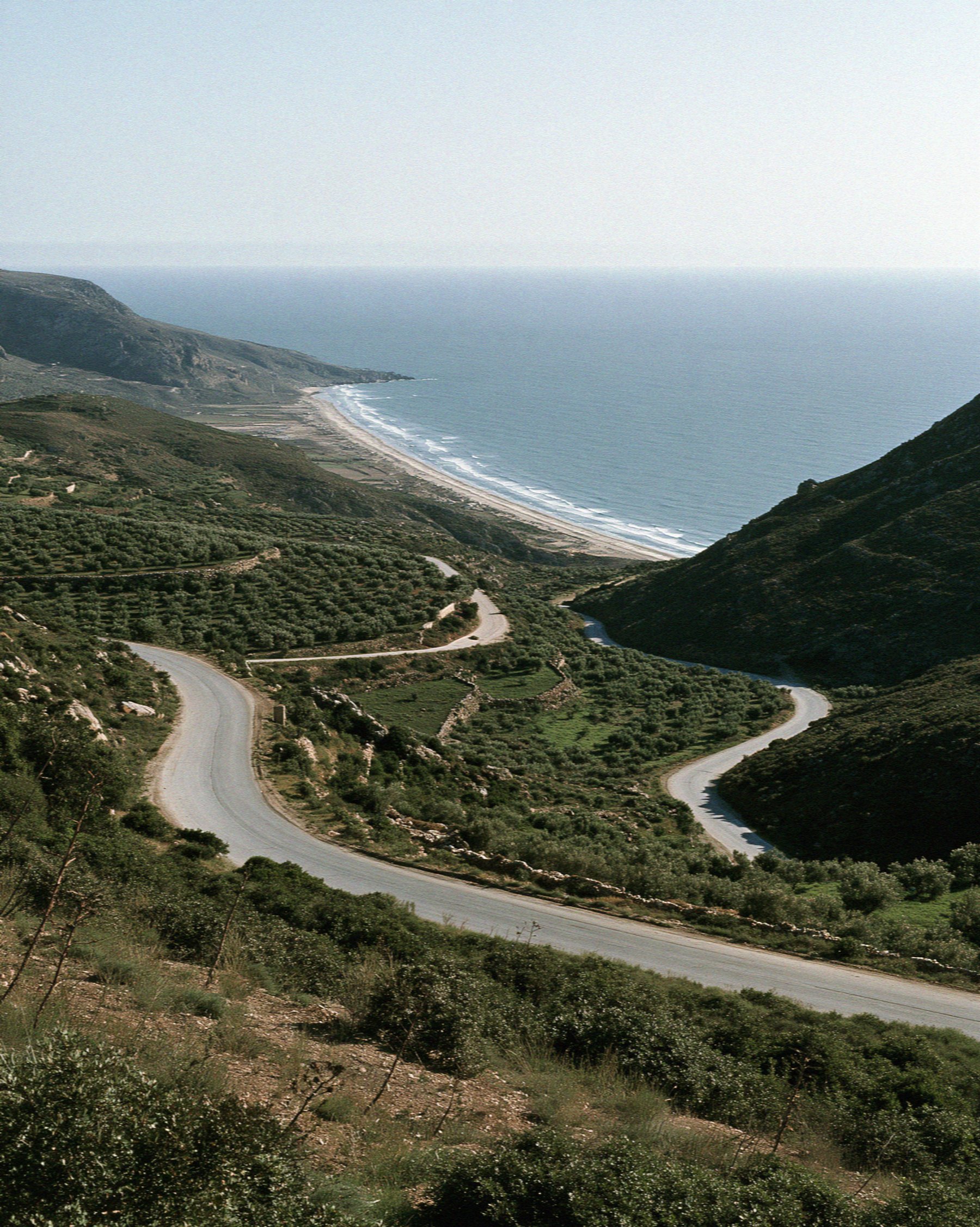
Those mountains split Crete into two coasts that behave like two different places. The north coast has the towns, both big airports, the national road and most of the hotels. The south coast faces the Libyan Sea, steeper, hotter, emptier and slower, with villages such as Loutro and Agia Roumeli that you reach by boat or on foot.
You meet the history in the buildings rather than on information boards. The Minoans built their palaces at Knossos and Phaistos in the Bronze Age. Venice held the island from 1204 to 1669 and left the harbours, fortresses and old towns. The Ottomans took Chania in 1645 and Heraklion in 1669, after a famously long siege, and added mosques and minarets. Then came the uprisings of the 19th century, union with Greece in 1913, and the Battle of Crete in May 1941.
West, centre and east
The most useful thing I can tell you about Crete is that the map is not to be trusted. A drive that looks like a short hop on a phone screen is often two hours, and any road that turns towards the mountains adds bends and goats. From Chania it is about an hour to Rethymno and two and a quarter to two and a half hours to Heraklion. Elafonisi, which seems just round the corner, is about two hours away.
So think of Crete in three parts and choose between them.
The west, the old province of Chania, is the wildest and, for me, the most beautiful. It has Chania itself, the White Mountains and the Samaria Gorge, the lagoons at Elafonisi and Balos, the long sunset beach at Falasarna, and the boat-only villages of the south-west coast.
The centre has Rethymno’s old town, Heraklion and Knossos, the Archaeological Museum, Psiloritis, the monastery at Arkadi, and in the south the second Minoan palace at Phaistos and the cave-cut cliff at Matala.
The east, Lasithi, is gentler and more polished: the gulf of Elounda and its resort hotels, Agios Nikolaos, the island of Spinalonga, the Lasithi plateau, and far out at the end, the palm beach at Vai.
With a week, choose one or two of these and sleep in them. With ten days you can manage three. What does not work is one hotel and the whole island: whoever tries it comes home knowing the national road better than any beach.
When to go
Late May and June, September and October are the months I would choose. The sea is warm, everything is open, the roads are manageable and the light is kind for walking. August and September have the warmest water of the year, around 24 to 26°C.
July and August are hot, often over 30°C on the coast, and the busiest and most expensive weeks of the year. They also bring the meltemi, the north wind, which can roughen the north-facing beaches and the Balos boats while the south coast stays calmer. None of that makes August a bad month, but it means going early to everything.
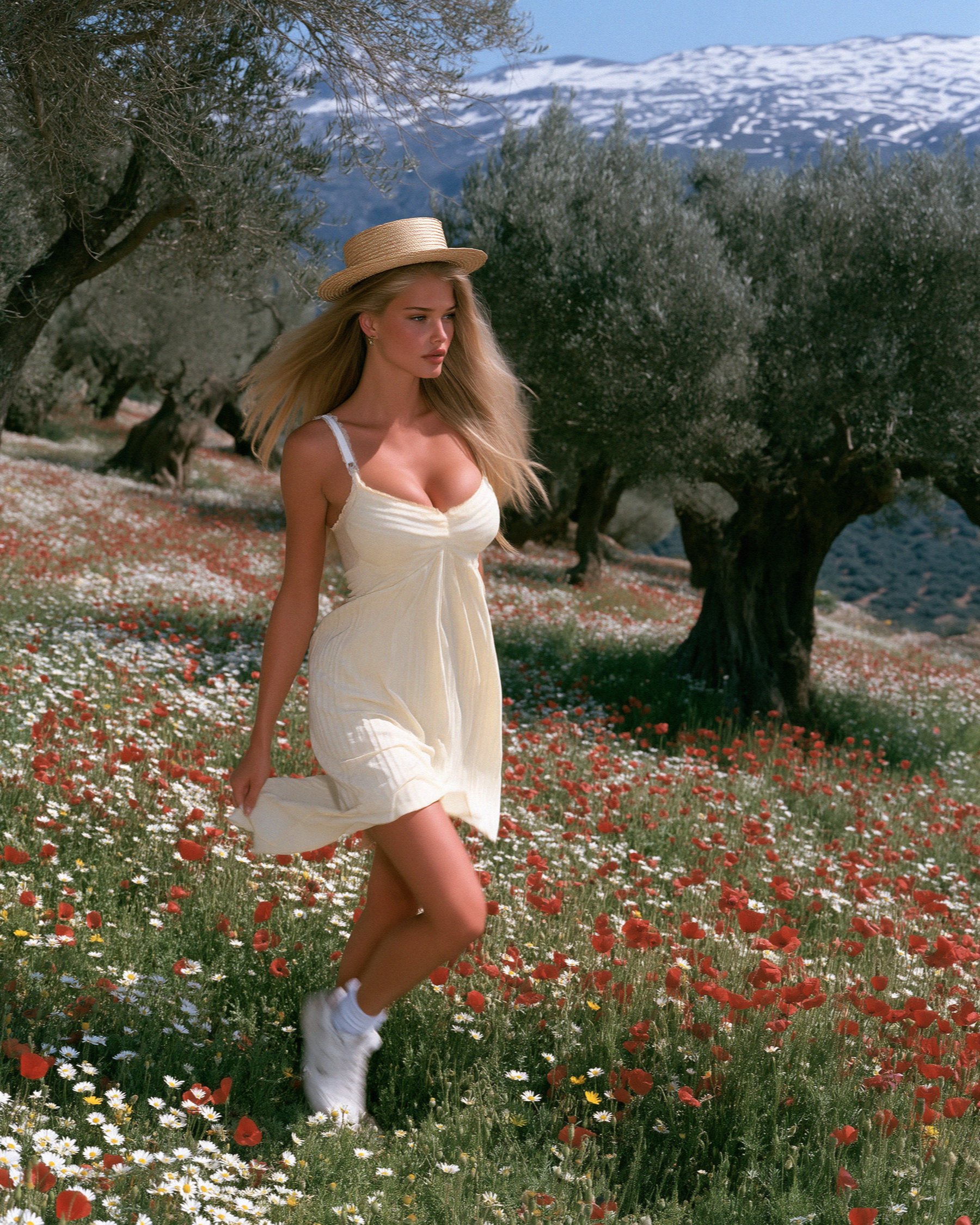
April and May bring wildflowers, green hills and snow still on the high peaks, a cool sea of around 17 to 19°C, and Greek Orthodox Easter, the biggest festival of the year, on a date that moves.
October was mine, and it was lovely. The sea is still about 22 to 23°C, the first rains come late in the month, the roads empty out, the village stills begin making raki and the olive harvest starts. The one thing it costs you is the gorge, which usually closes in the second half of the month. From November to March the towns live all year and the archaeological sites keep shorter hours, but most beach resorts and the south coast boats stop.
I have gone month by month, with the sea temperature and what opens when, in my guide to the best time to visit Crete.
Chania and the old harbour
If you only base yourself in one town on Crete, make it Chania. It is the old capital, it has the most beautiful harbour on the island, and it sits at the door of everything in the west.
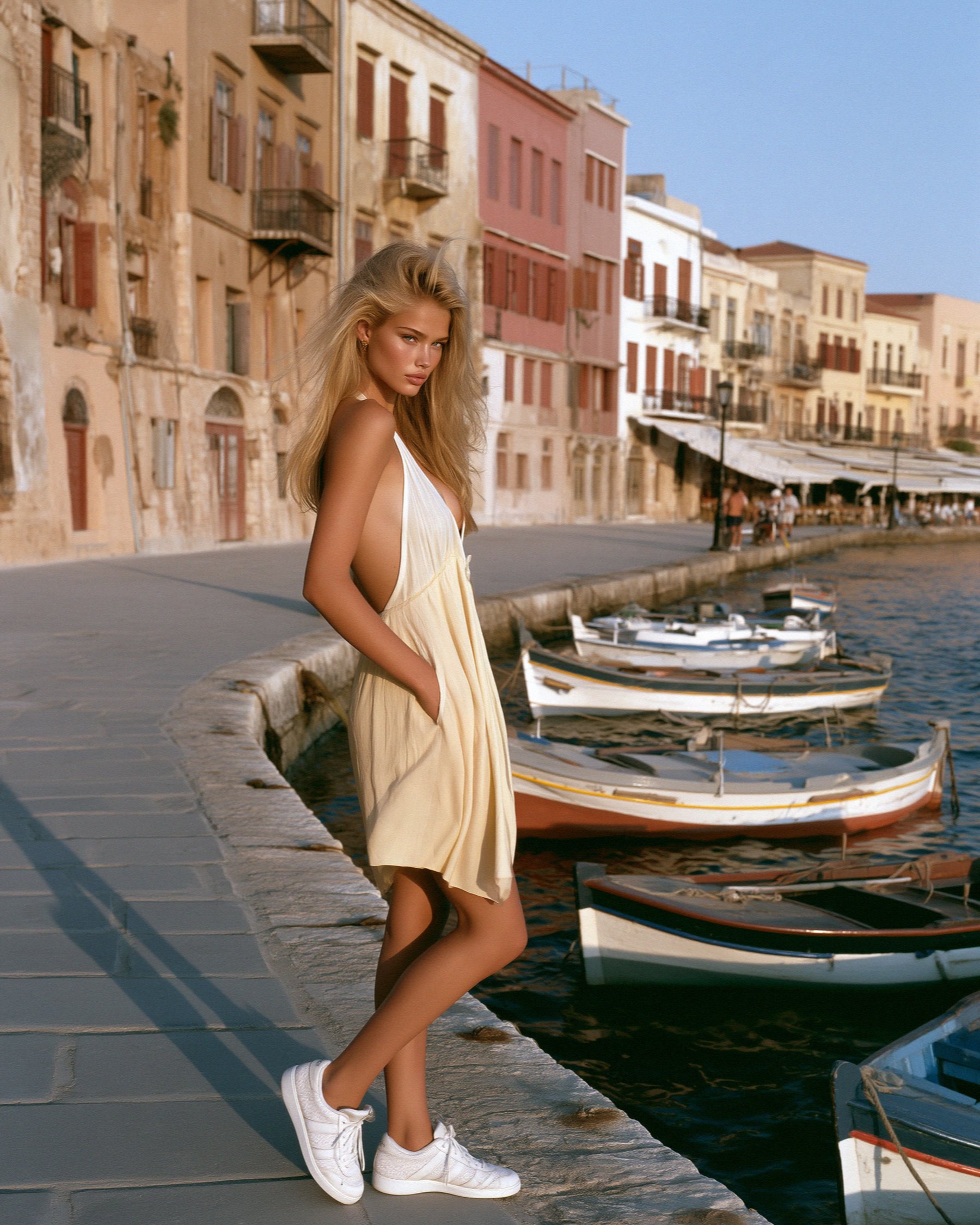
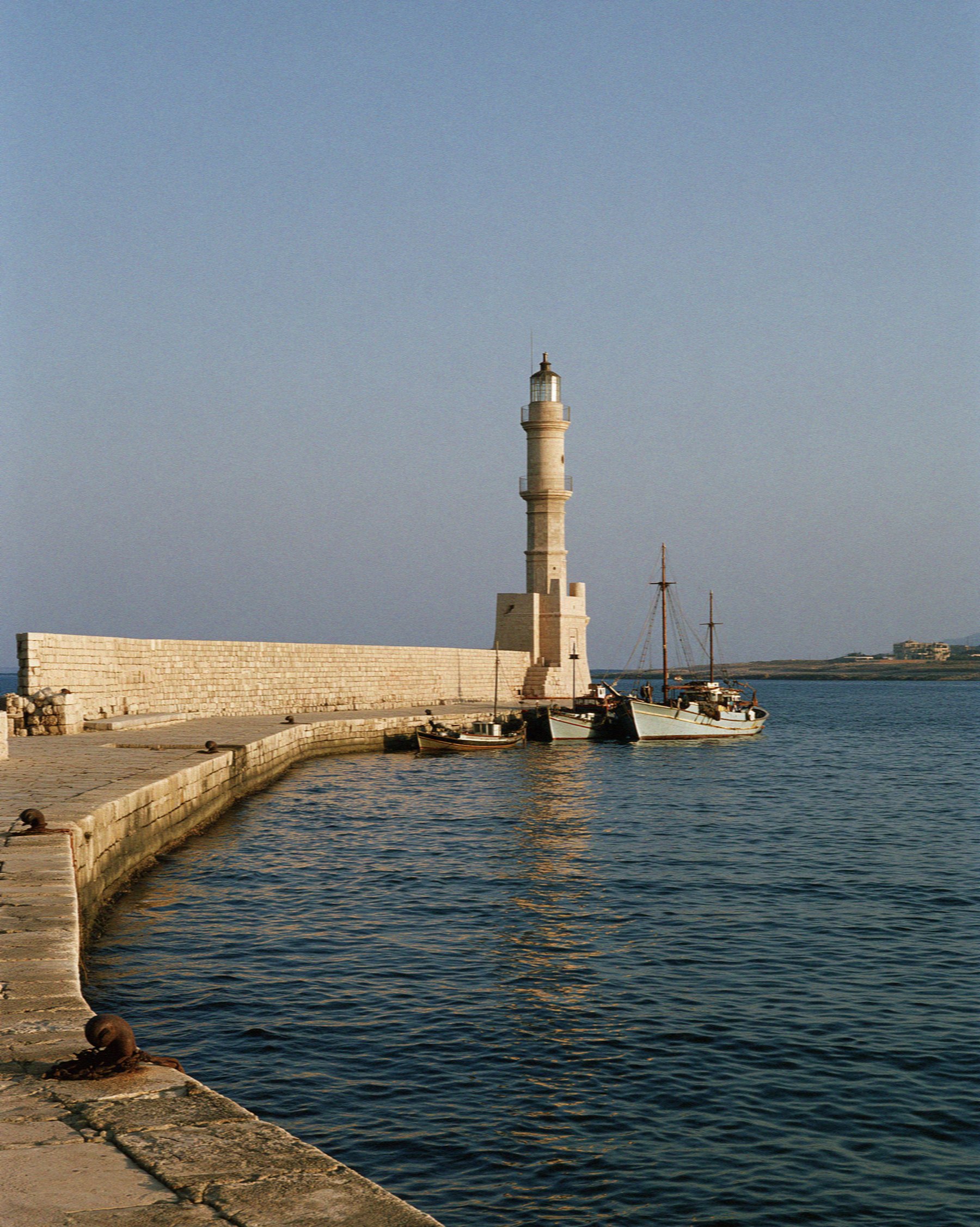
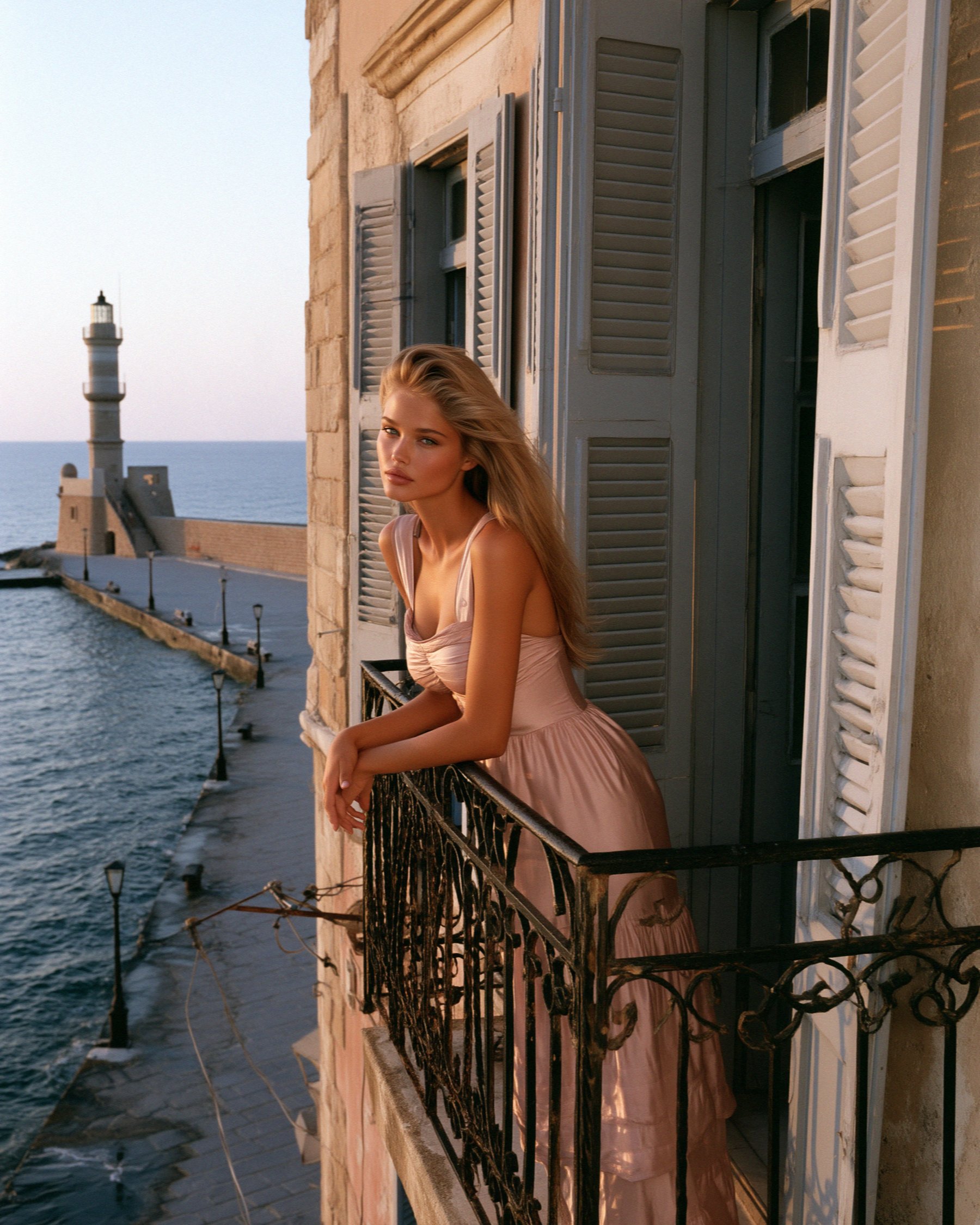
The old Venetian harbour is a half moon of tall, faded houses with cafés and tavernas along the quay. At the end of the long sea wall stands the lighthouse that appears on every postcard of the town. It has a longer and stranger history than its size suggests, Venetian at the start and rebuilt much later, and I have set it out properly in the Chania guide below. On the harbour front, the domed Mosque of the Janissaries dates from the 17th century and is used for exhibitions now.
Along the eastern arm are the Neoria, the Venetian shipyards, built so the republic’s galleys could be repaired under vaulted roofs. There were originally 17 bays and seven still stand. The Grand Arsenal at the end has become the Centre for Mediterranean Architecture. I walked their length on my first afternoon, and they are the part of the harbour that most rewards slowing down. At the opposite, western end, the Firkas fortress holds the Maritime Museum of Crete; check its hours before you go.
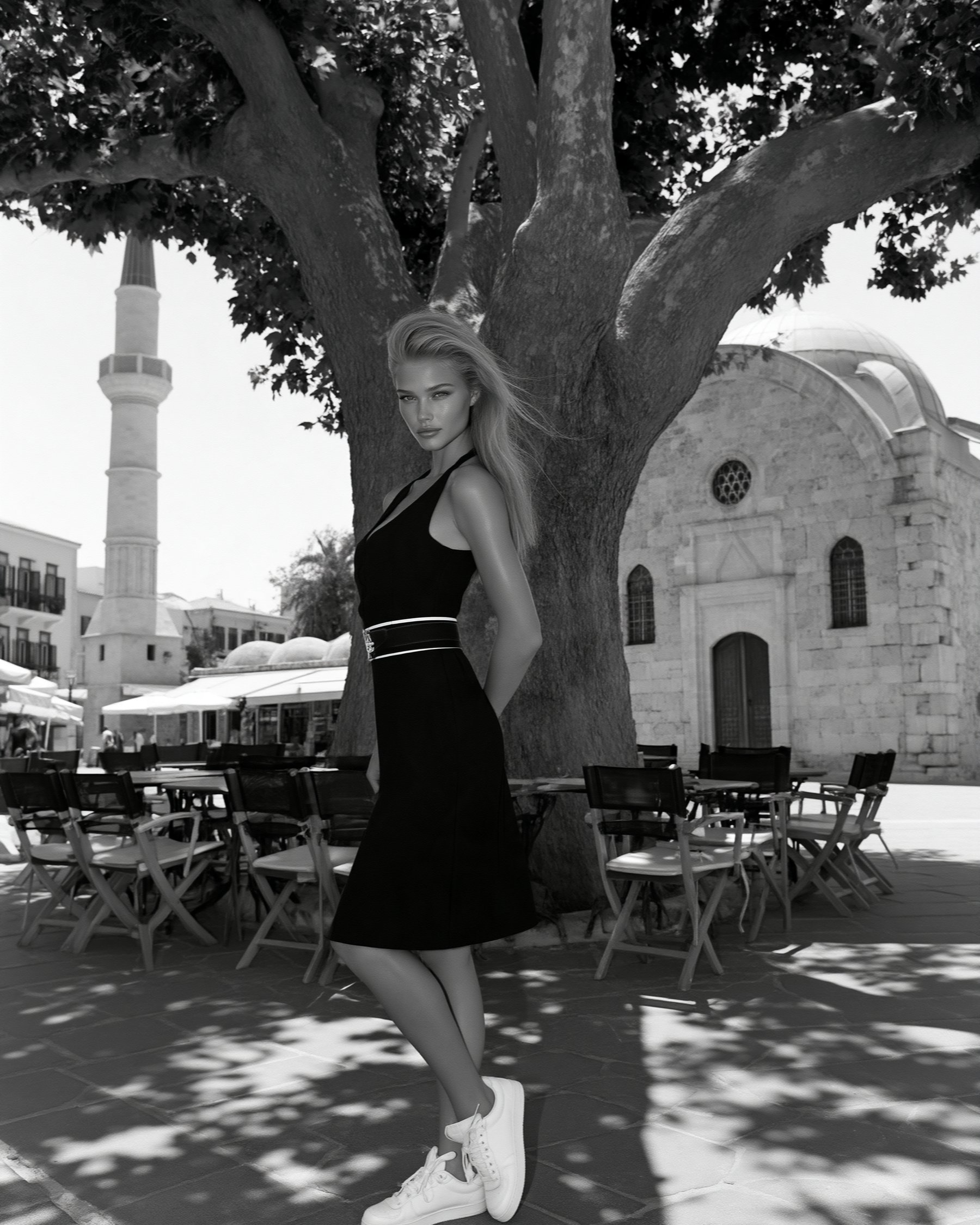
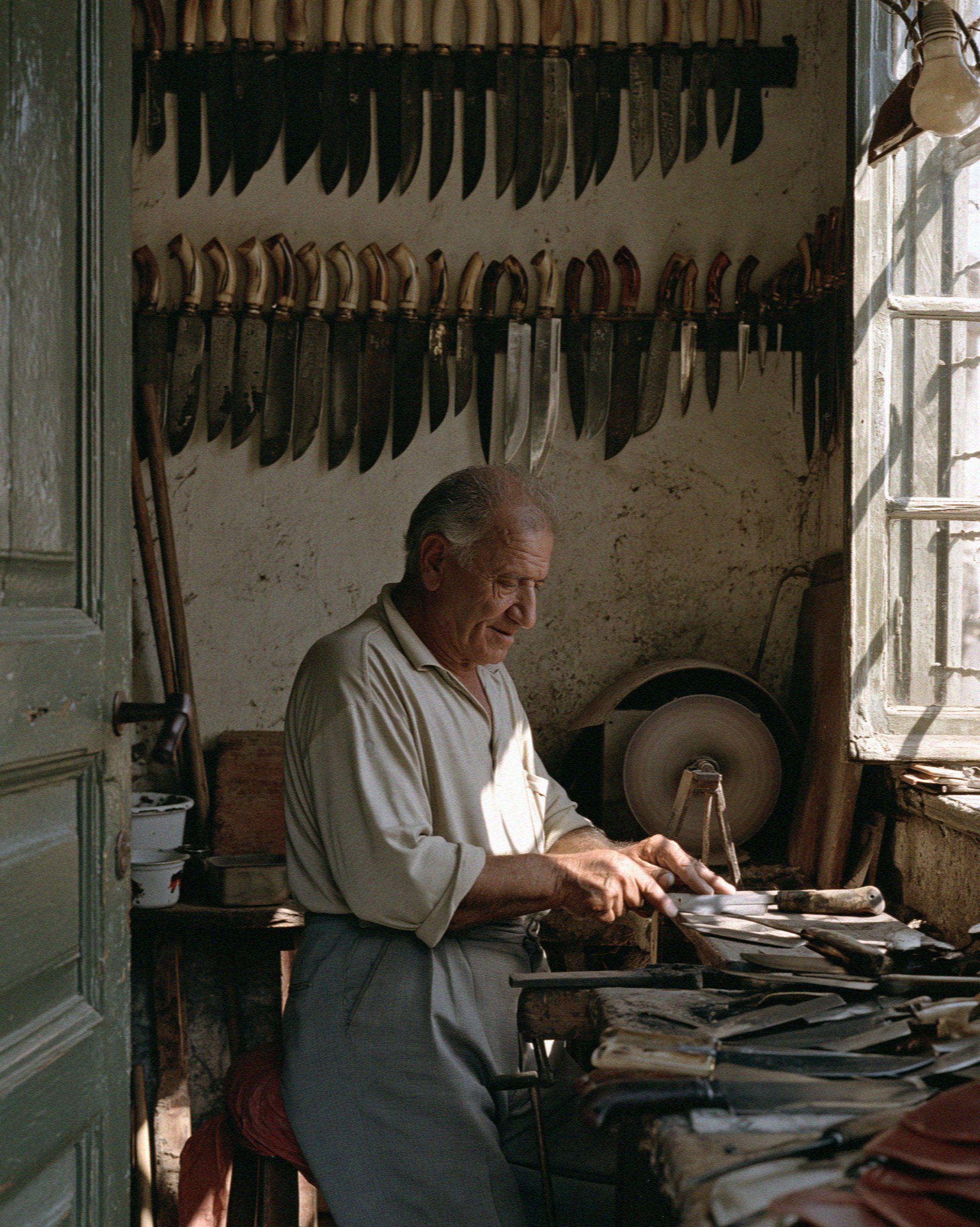
Behind the harbour the old town divides into quarters. Topanas, to the west, is the Venetian quarter, lanes of old mansions that are often small hotels now. Evraiki, the former Jewish quarter, holds the Etz Hayyim synagogue, restored in 1999. Splantzia, to the east, is the Ottoman-era quarter, a square under an enormous plane tree, where the church of Agios Nikolaos carries both a minaret and a bell tower. The cross-shaped covered market of 1913 is reopening after years of restoration, so check what is trading, and behind it knife makers still turn out Cretan blades with horn handles.
The town has a beach, too. Nea Chora is a short walk west along the seafront, sandy, with fish tavernas behind it. I swam there in mid-October with the sea at about 23°C, and wrote about that first day, from the ferry to the water, in The Island That Keeps Going.
Every quarter, the walls, the tanneries at the Tabakaria and a route that joins them up are in my guide to Chania’s old town, the harbour, the lanes and the walls.
The White Mountains and the Samaria Gorge
South of Chania the land climbs fast. Within an hour of the harbour you are above a thousand metres, on the Omalos plateau, a high, level basin of fields and grazing ringed by the White Mountains, and the road ends at Xyloskalo, at about 1,230 metres, on the lip of the Samaria Gorge.
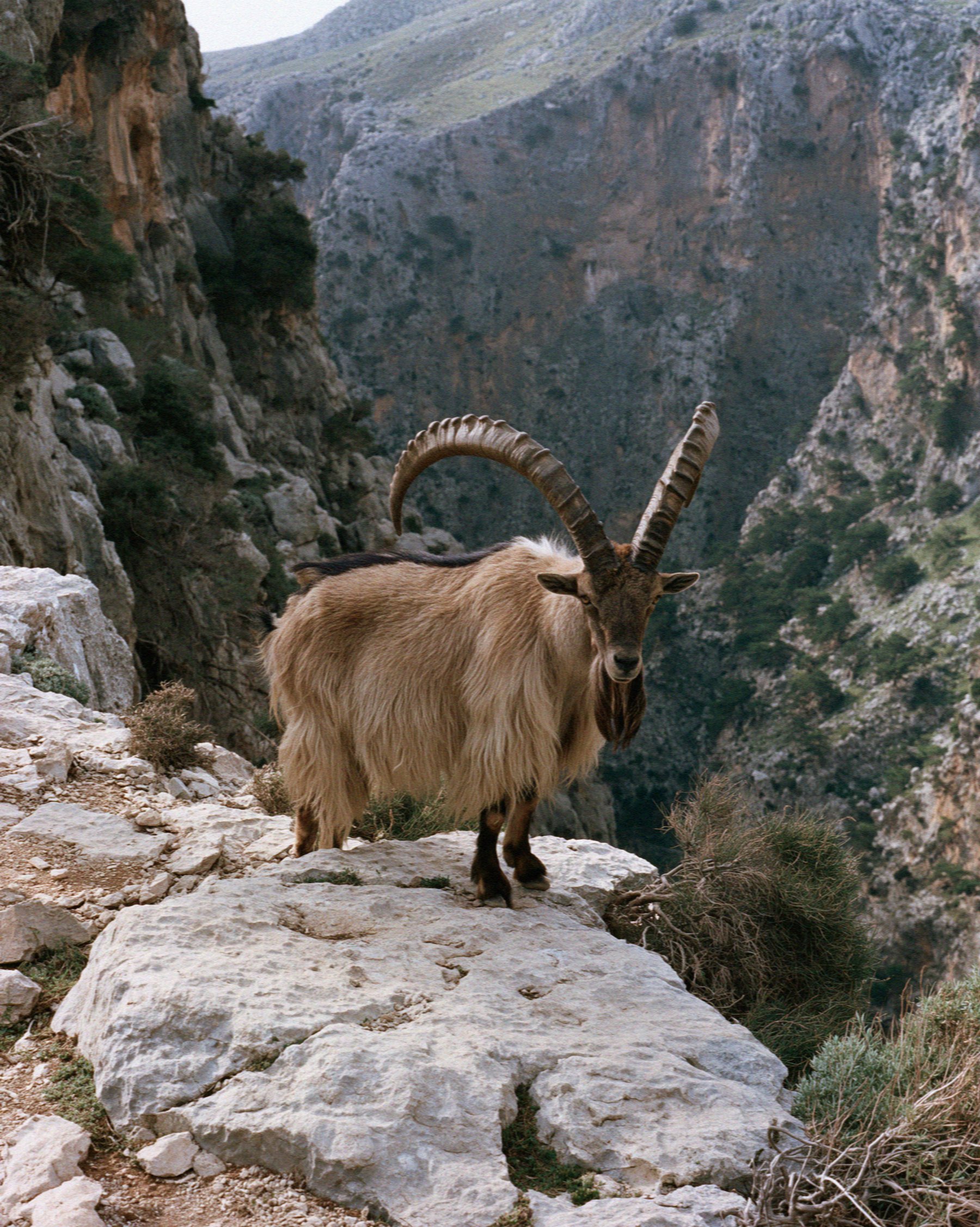
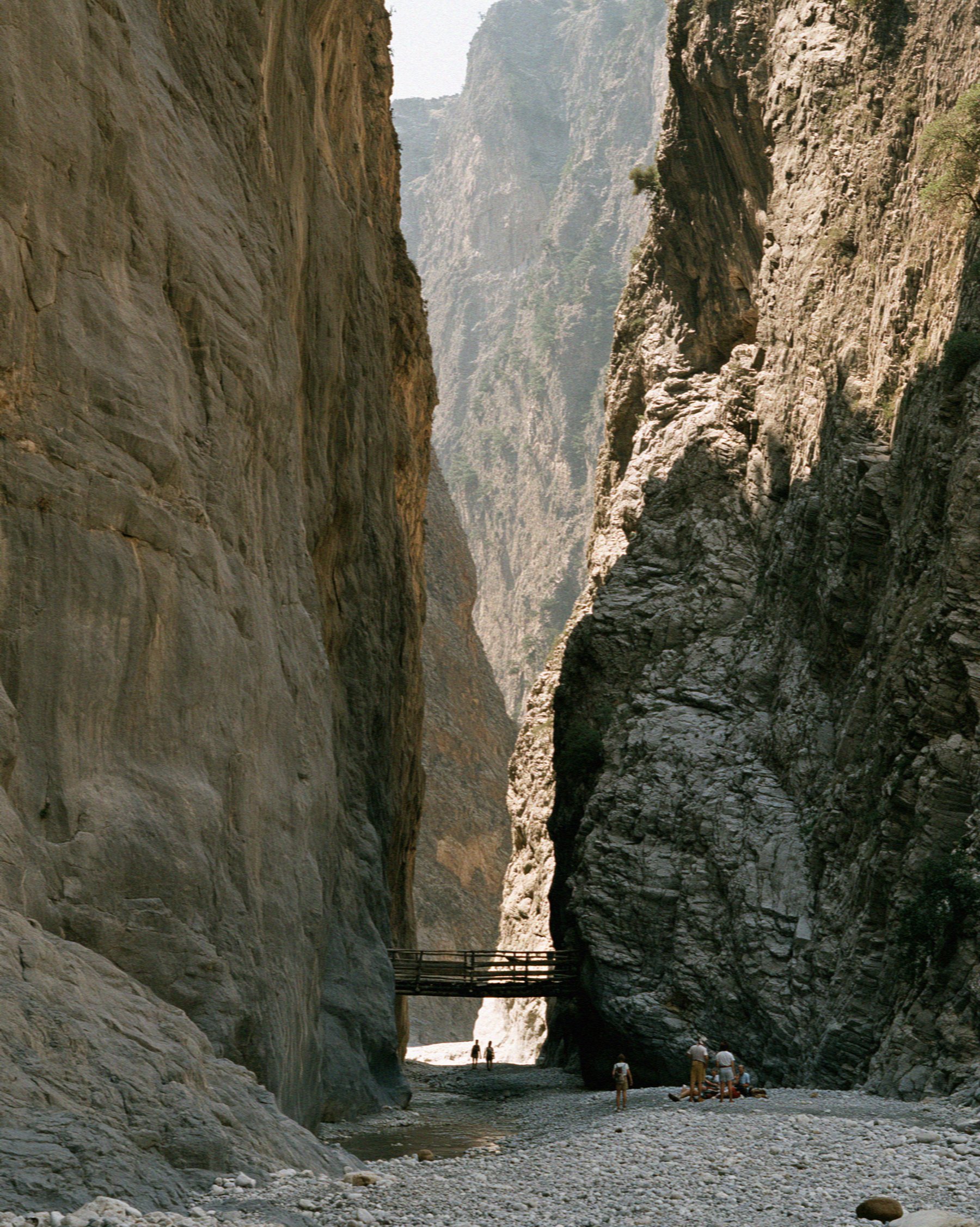
The gorge has been a national park since 1962, largely to protect the kri-kri, the Cretan wild goat. The walk runs from Xyloskalo all the way down to Agia Roumeli on the Libyan Sea, about 16 kilometres inside the park and another 2 or 3 from the park exit to the village and its harbour. Most people take five to seven hours. It is downhill the whole way, around 1,250 metres of descent, and the steep switchbacks of the first two kilometres are where knees start to complain. At the Iron Gates, the narrowest point, the walls come within three or four metres of each other and rise very high.
The thing to understand before you plan it is that the walk is strictly one-directional. No road reaches Agia Roumeli, so at the bottom you take a boat along the coast to Chora Sfakion, Sougia or Paleochora, and from there a bus back to Chania. Drive yourself to the top and your car stays up there while you finish the day on the south coast. That is the classic mistake, and the reason most people take the early KTEL bus from Chania or join an organised tour.
The park usually opens in May and closes in the second half of October, weather permitting, and the ticket is €10.
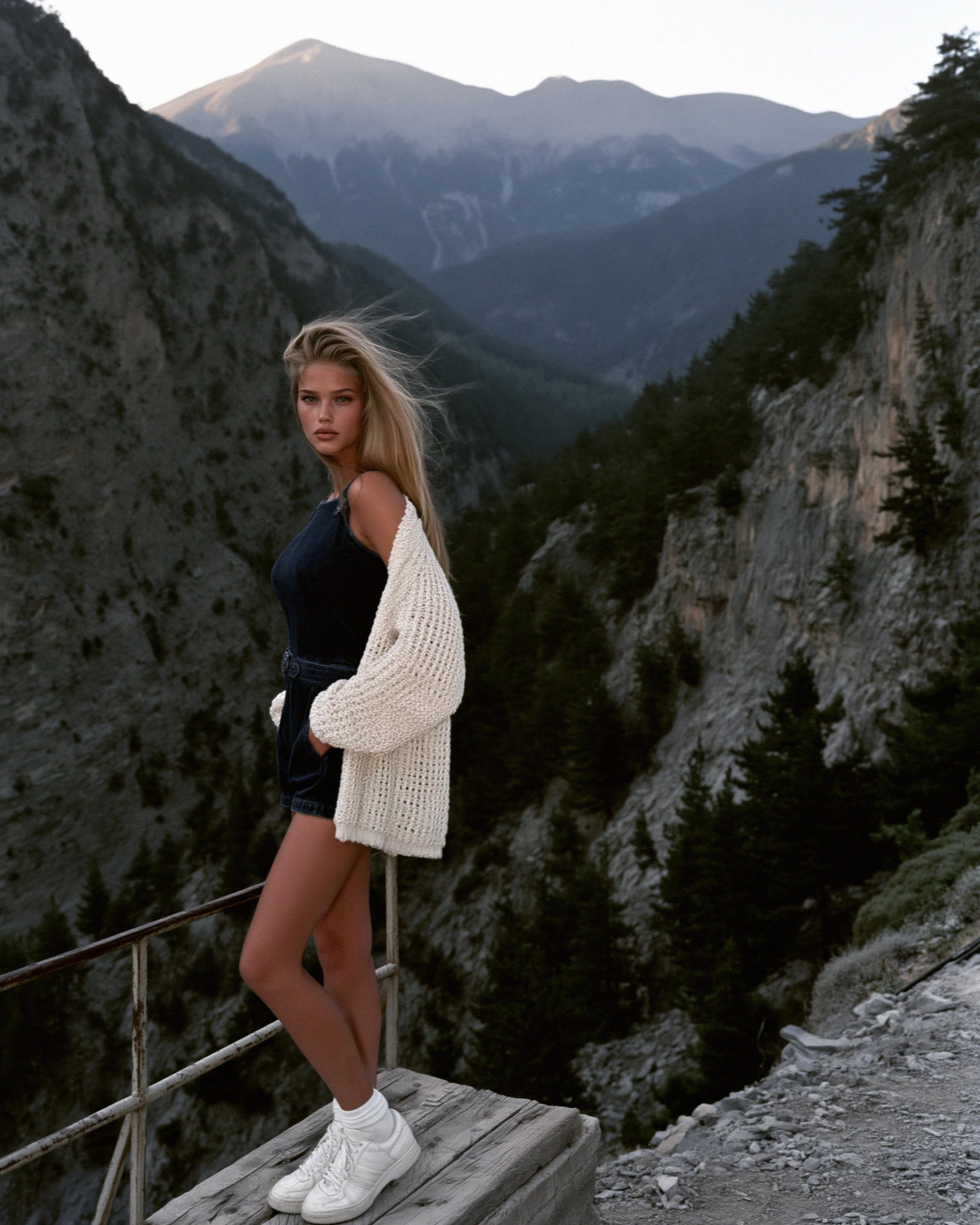
I was driven up before dawn in October, through the orange groves and onto the plateau, and went down only the first stretch of the wooden-railed steps below Xyloskalo, because I had a cardigan rather than a jacket and no boat waiting. I watched the walkers go past me and down into the shadow, and then sat on the terrace above with a Greek coffee while a kri-kri balanced on the wall. That morning is in the diary from the top of the gorge.
If Samaria is closed, or too long for you, the Imbros Gorge near Chora Sfakion is about 8 kilometres and open for more of the year. The ticket, the season, the bus times, the boat out and what to carry are all in my guide to hiking the Samaria Gorge.
The beaches of the west
The west has the beaches Crete is famous for, and every one of them is further than it looks.
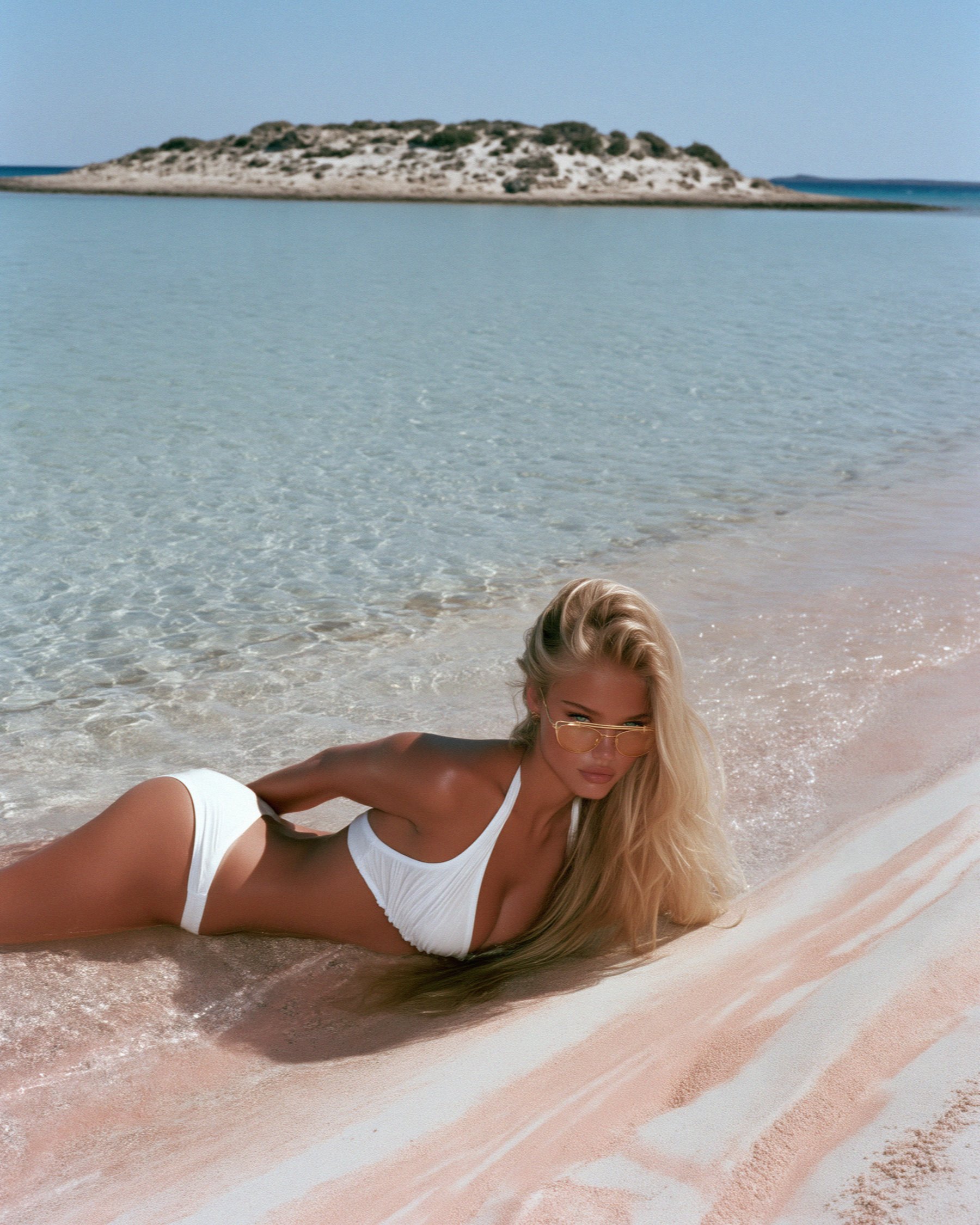
Elafonisi lies in the south-west corner, about 75 kilometres and two hours by car from Chania. It is a shallow lagoon of warm, knee-deep water over pale sand, with a low islet you can wade out to, and a faint pink at the waterline that comes from the broken shells of tiny marine organisms called foraminifera. It is protected under Natura 2000, so leave the sand and shells where they are. Between 11:00 and 16:00 in July and August it is very crowded indeed, so go early or late, or walk on to Kedrodasos, a quieter beach of junipers a little to the east.
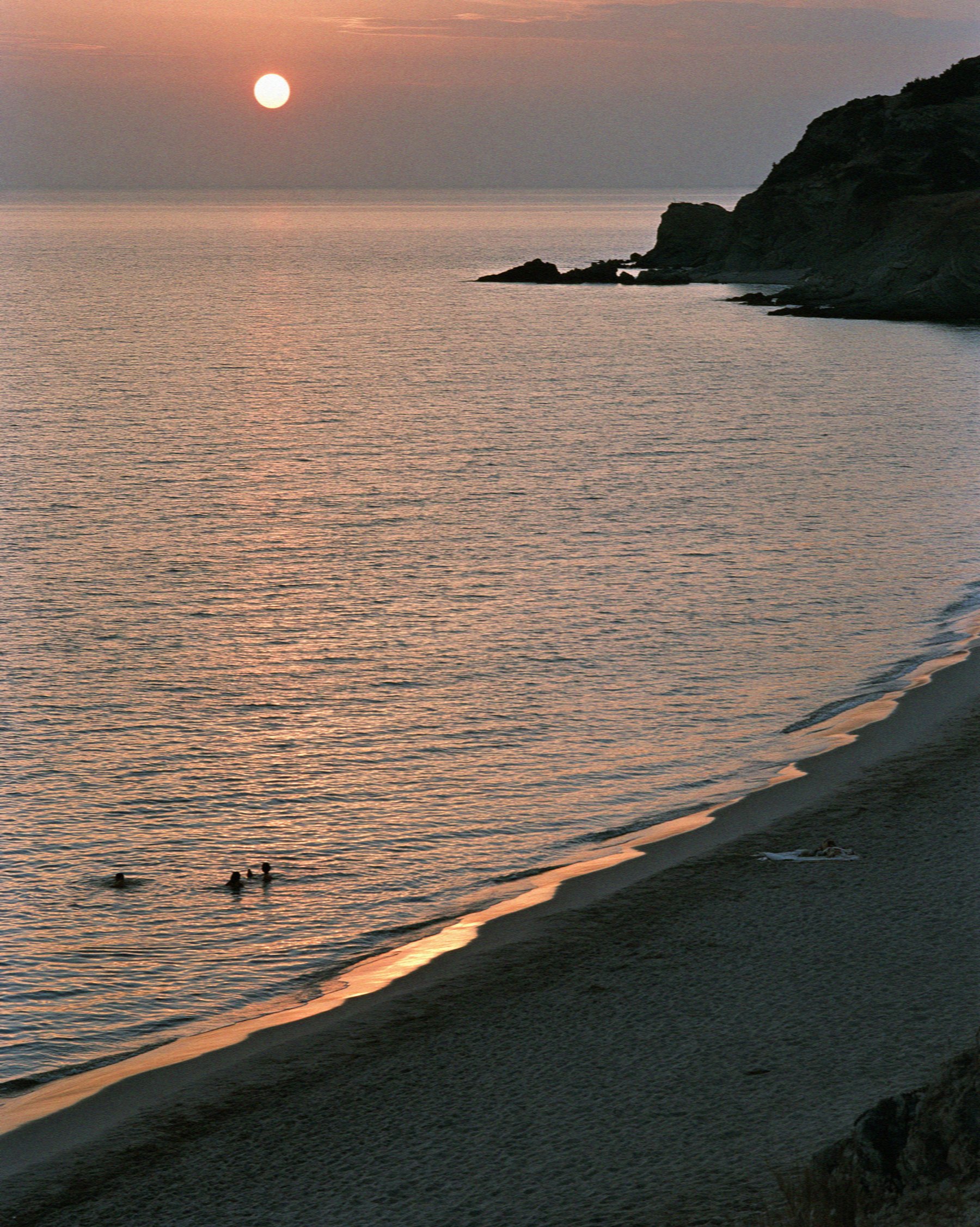
Falasarna, about an hour from Chania on the far west coast, is a long, wide, west-facing sweep of sand and the place on Crete to watch the sun go down into the sea. Closer to town, the Akrotiri peninsula has Seitan Limania, a tiny beach at the bottom of a zigzag inlet between rock walls, reached by a loose scramble down, and Stavros, where the dance in Zorba the Greek was filmed in 1964. Just west of Chania, Agioi Apostoloi and Kalathas are small sandy bays.
When the meltemi blows in midsummer, turn south, where the Libyan Sea is often calm when the north is not, from the coves near Loutro to the palm grove at Preveli. I have ranked them all, with drive times and which wind suits which, in my guide to the best beaches in Crete.
Balos and Gramvousa
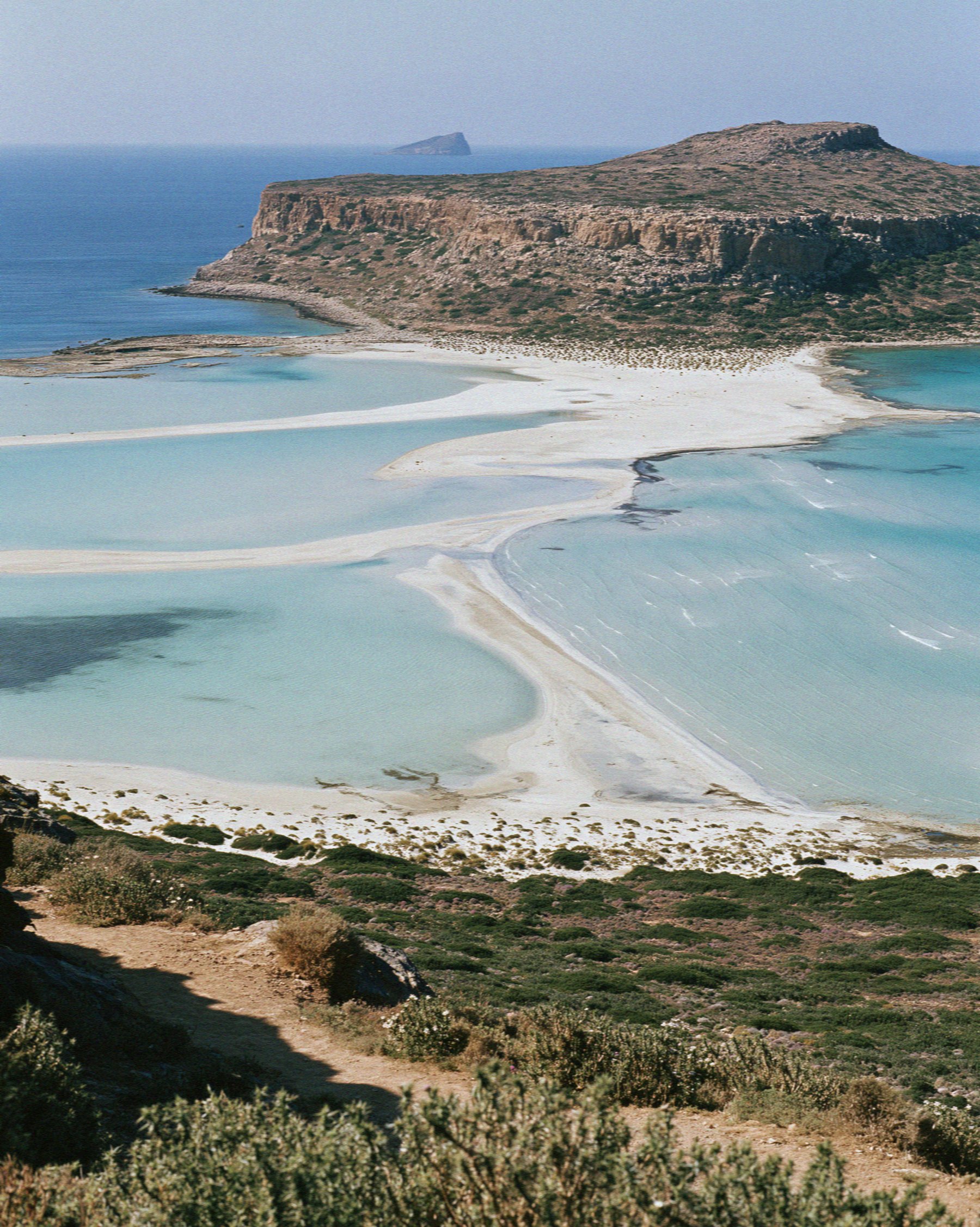
At the north-west tip of Crete, the Gramvousa peninsula ends in a lagoon that is probably the most photographed view on the island. Balos is a stretch of white sand and very shallow, very clear water between Cape Tigani and the mainland, pale turquoise where it is shallowest and darkening to blue where the channel deepens, with the islet of Imeri Gramvousa offshore. It is protected under Natura 2000, and the facilities are minimal: a seasonal snack bar and a few umbrellas.
There are two ways in, and they make for very different days.
By boat, the big excursion boats leave Kissamos port in the morning, roughly between 10:00 and 10:30, from about May to October. They stop for around two hours on Imeri Gramvousa, where a steep climb of 20 to 30 minutes leads to the ruined Venetian castle of the late 16th century, later a base for pirates and rebels, and then spend about two hours at Balos before returning in the late afternoon. Adult fares in 2026 ran from about €30 to €45 depending on the boat and the month, plus a municipal fee of €1.
By road, an unpaved track of about 8 kilometres runs along the peninsula from Kaliviani, near Kissamos, and many rental contracts exclude damage on roads like it. After a small entry fee and parking, a rocky path with no shade takes 20 to 25 minutes down, and longer back up in the heat. The famous view is from the top.
Arrive early by road and you have the lagoon before the boats land around midday; come by boat and you get the castle and no driving, at the price of the crowd. Either way, a strong north wind can cancel the boats. Both routes, the costs and the timing are in my guide to Balos lagoon and Gramvousa.
Rethymno
Rethymno sits between Chania and Heraklion, about an hour’s drive from Chania, and it is the town people pass through and then wish they had given a night. Its old town is a dense tangle of Venetian mansions and Ottoman wooden balconies, with the minaret of the Neratze mosque above the roofs and the Rimondi fountain of 1626 in the lanes. The small round harbour has a lighthouse on the mole and a ring of fish tavernas, and a long sandy beach runs away to the east.
Above it all, on the headland, is the Fortezza, the Venetian fortress begun in 1573, with a domed mosque inside its walls and views along the coast. Entry was about €4 for adults in 2026; check before you go.
The monastery of Arkadi is about 23 kilometres south-east. In November 1866, during the uprising against Ottoman rule, hundreds of people took refuge inside, and when the walls were breached the defenders fired the gunpowder store. It became a symbol of the struggle for freedom across Greece and beyond, and the Venetian Renaissance front of its church, dated 1587, is one of the loveliest façades on Crete. Cover shoulders and knees.
Arkadi, Rethymno’s lanes and the rest of my shortlist across the island are in my guide to the best things to do in Crete.
Knossos and Heraklion
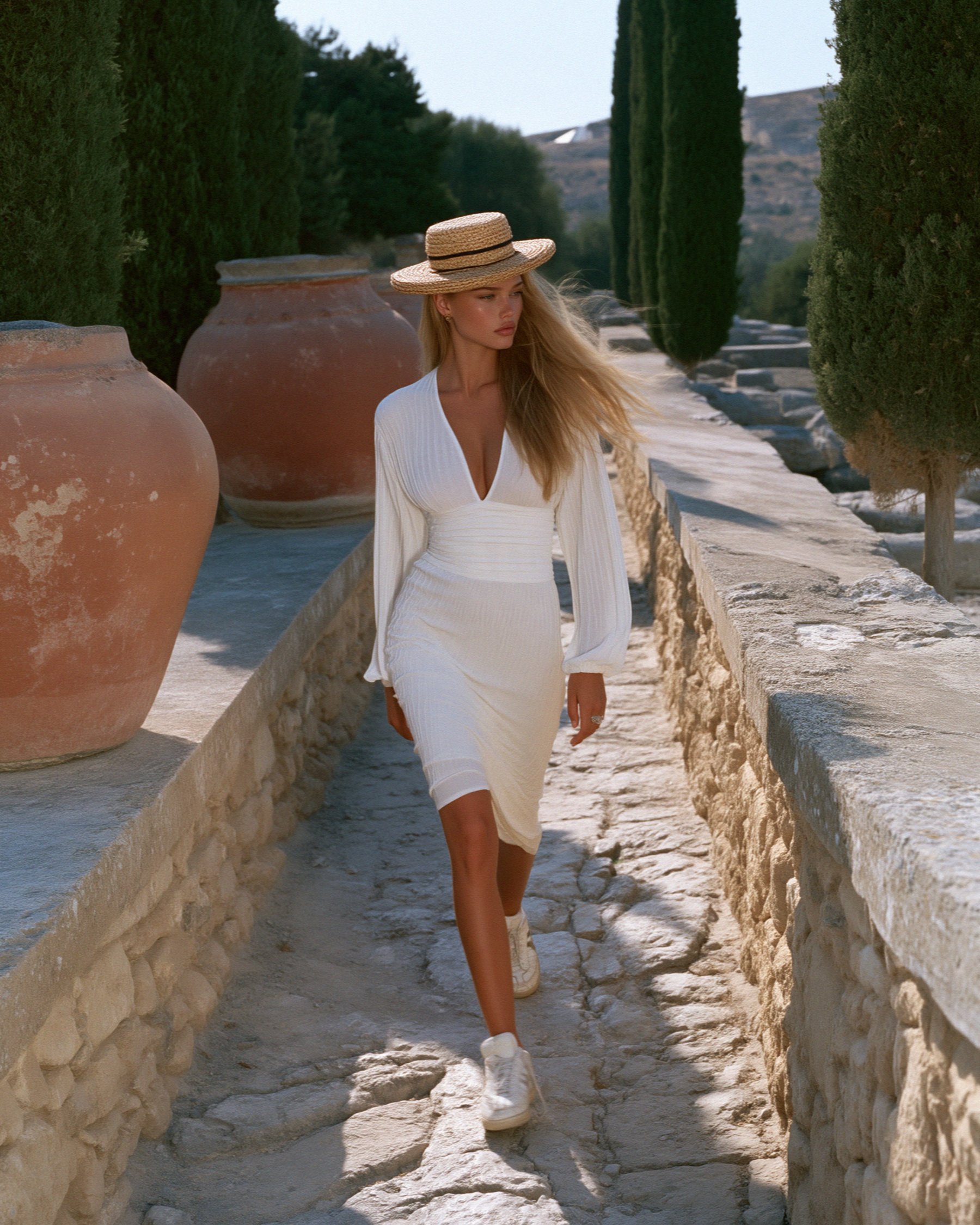
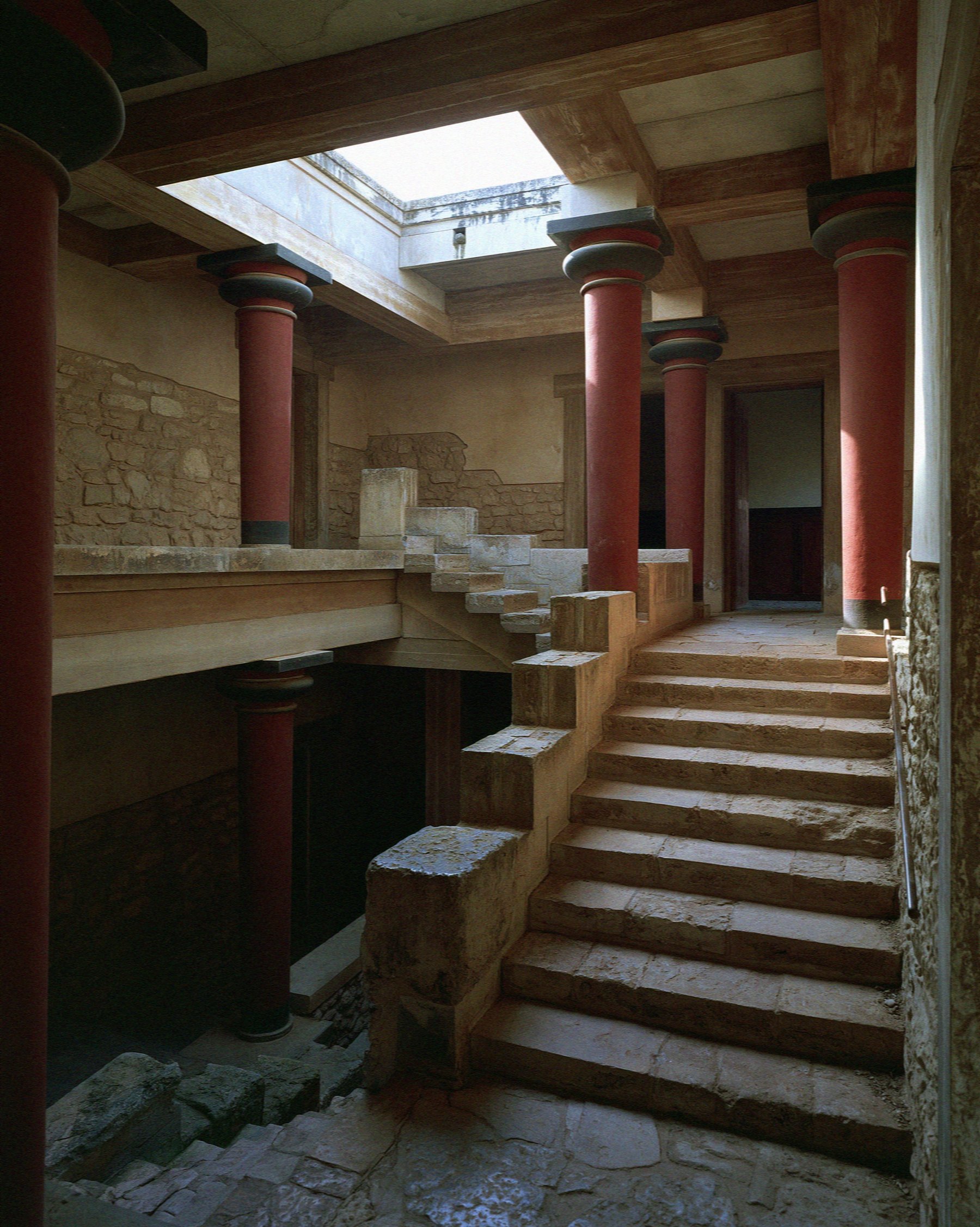
Knossos is the largest of the Minoan palaces, about 5 kilometres south-east of the centre of Heraklion. Its story runs through the Bronze Age from about 1900 BC: built, shaken down by earthquakes, rebuilt, and finally abandoned. Minos Kalokairinos found it in 1878, and Arthur Evans excavated it from 1900, then partly rebuilt it in reinforced concrete in the 1920s and 30s, with painted copies of the frescoes. The red columns, the throne room, the grand staircase and the charging bull by the north entrance are his reconstructions. Some visitors find them a betrayal and others find them the only way to imagine the place at all. I think they are a document of how one man in the 1920s pictured the Minoans, which is interesting in its own right, as long as you remember that is what you are looking at.
Tickets cost €20 for adults in 2026, €10 reduced, and the site opens 08:00 to 20:00 from April to August, with shorter hours the rest of the year. Ask about a combined ticket with the museum when you buy. Get there at 08:00, before the cruise passengers and the coaches, and allow an hour and a half to two hours. A licensed guide at the entrance is worth paying for, because the site is genuinely hard to read alone.
Then go to the Heraklion Archaeological Museum, where the real frescoes hang, along with the Phaistos Disc, the snake goddess figurines and the gold bee pendant from Malia. Give it two hours.
Heraklion is Crete’s biggest city, loud and not pretty at first sight, and better than its reputation: the Koules sea fortress on the old harbour, the Morosini fountain of 1628, and on the Venetian walls the grave of Nikos Kazantzakis, who was born here. In the south, the palace of Phaistos is quieter and unreconstructed, with views to Psiloritis. The palace, the museum and how to fit them into a day are in my guide to Knossos and Heraklion.

The east: Spinalonga and Elounda
The east of Crete feels like another holiday altogether, and from Chania it is too far to treat as a day out. From Heraklion, Agios Nikolaos is about an hour and Elounda about an hour and a quarter.
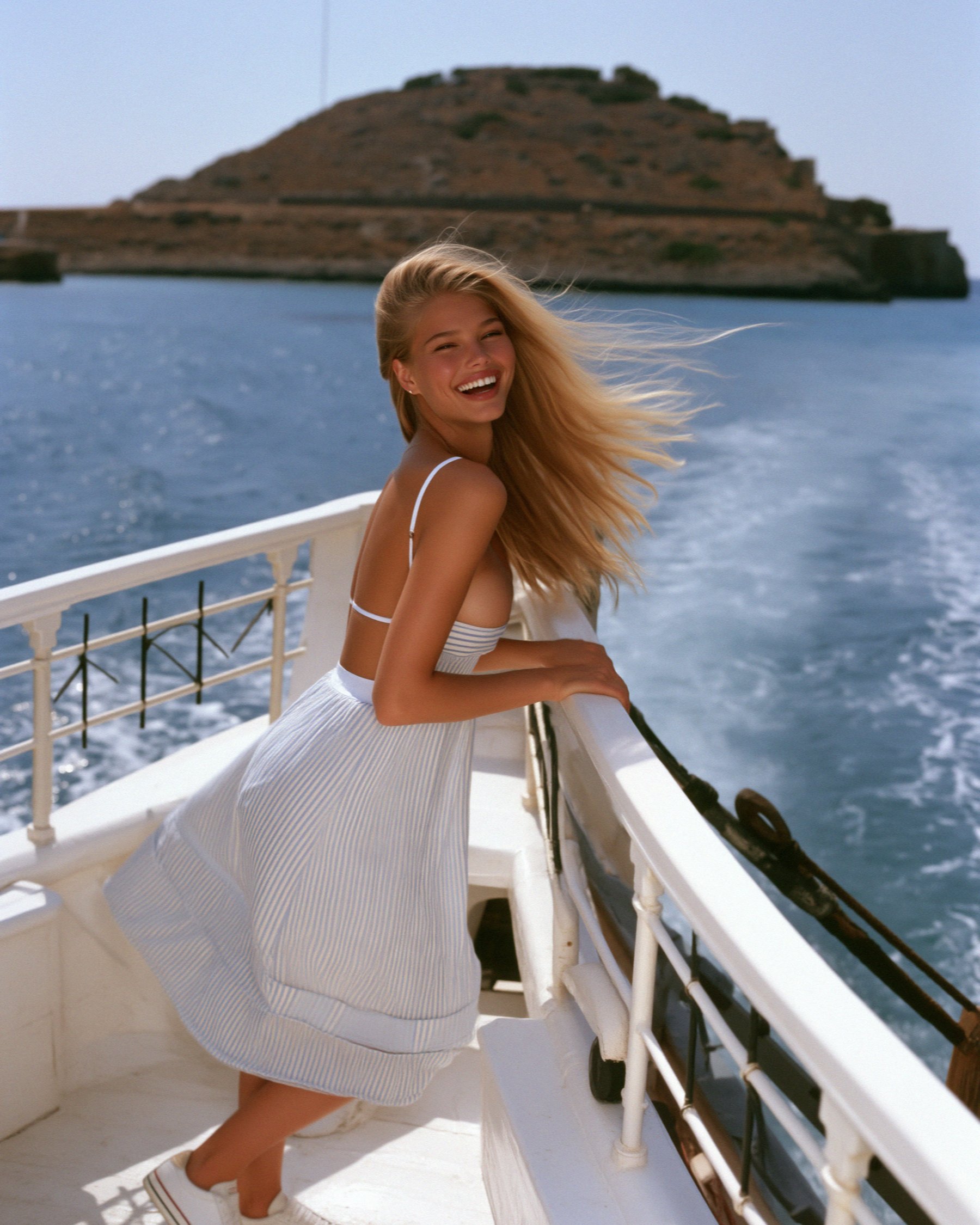
Spinalonga is the reason most people come. It is a small fortified island in the gulf of Elounda, where the Venetians built a fortress in 1579, and from 1903 to 1957 it was Greece’s leper colony. The ruins of the houses and the hospital line a path around it, and it is a quiet, affecting place to walk. Entry has been €20 since 2025, and the shortest crossing is from Plaka, about ten minutes by boat.
Elounda itself is a gulf of calm water lined with some of the grandest resort hotels on Crete, and Agios Nikolaos is a lively harbour town around a small round lake. Inland, the Lasithi plateau has the Dikteon cave, where myth places the birth of Zeus, and right out at the eastern end, Vai has a beach backed by a forest of wild date palms.
Villages and the interior
Some of my favourite hours on Crete had nothing to do with the coast. On the way down from Omalos the road passes through Lakki, a ridge-top village with a kafeneio and a view that falls all the way to Chania and the sea. A little to the east, the gorge road to Theriso leads to the village where Eleftherios Venizelos made his headquarters in the revolt of 1905, now known for its tavernas. East of Chania, the Apokoronas region has stone villages such as Vamos, Gavalochori and Kefalas, and at Drakona the farm taverna Ntounias cooks over wood fires; book ahead and confirm it is open.
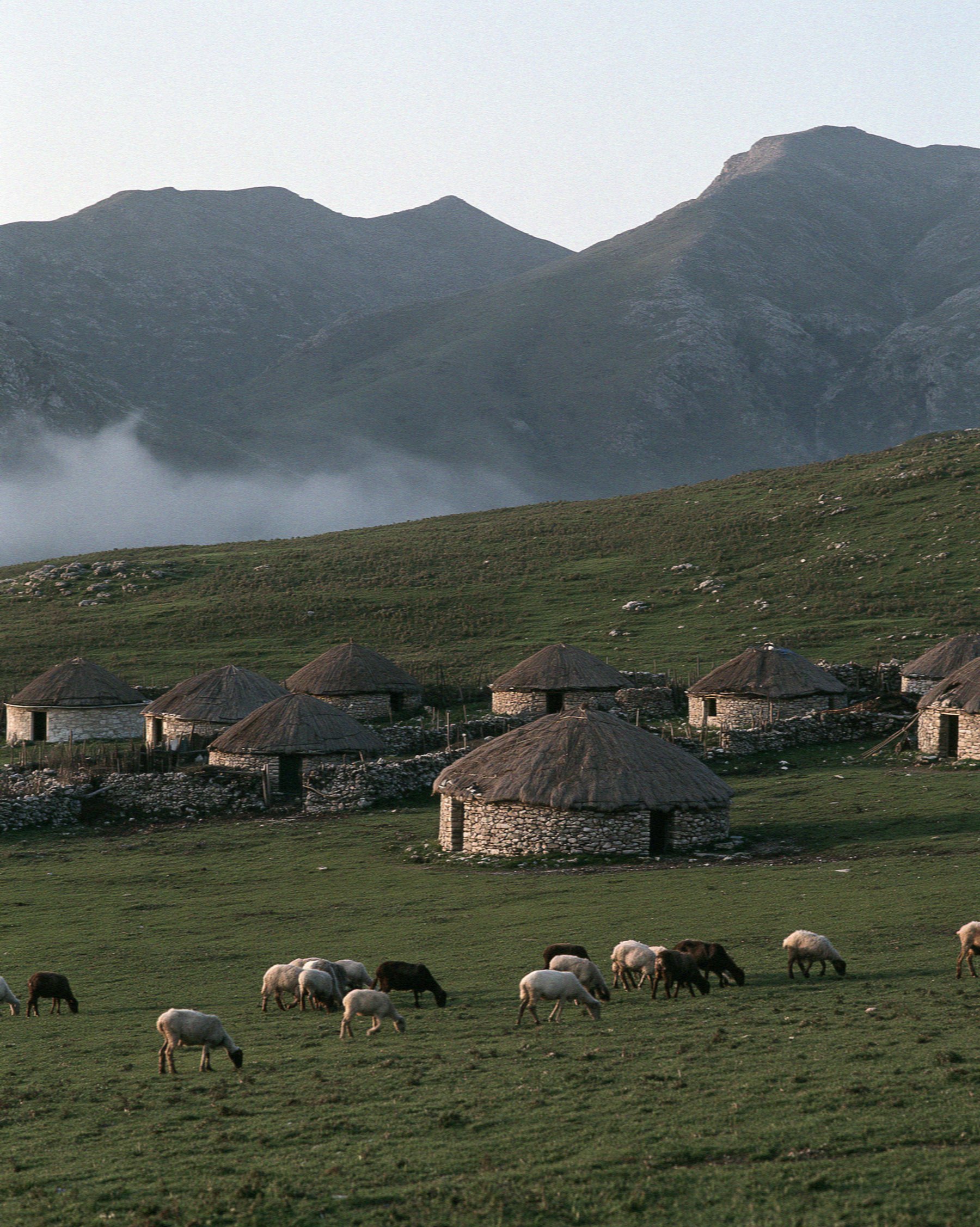
In the centre, Anogia sits high on Psiloritis, a village of shepherds and music, and Margarites near Arkadi is a village of potters.
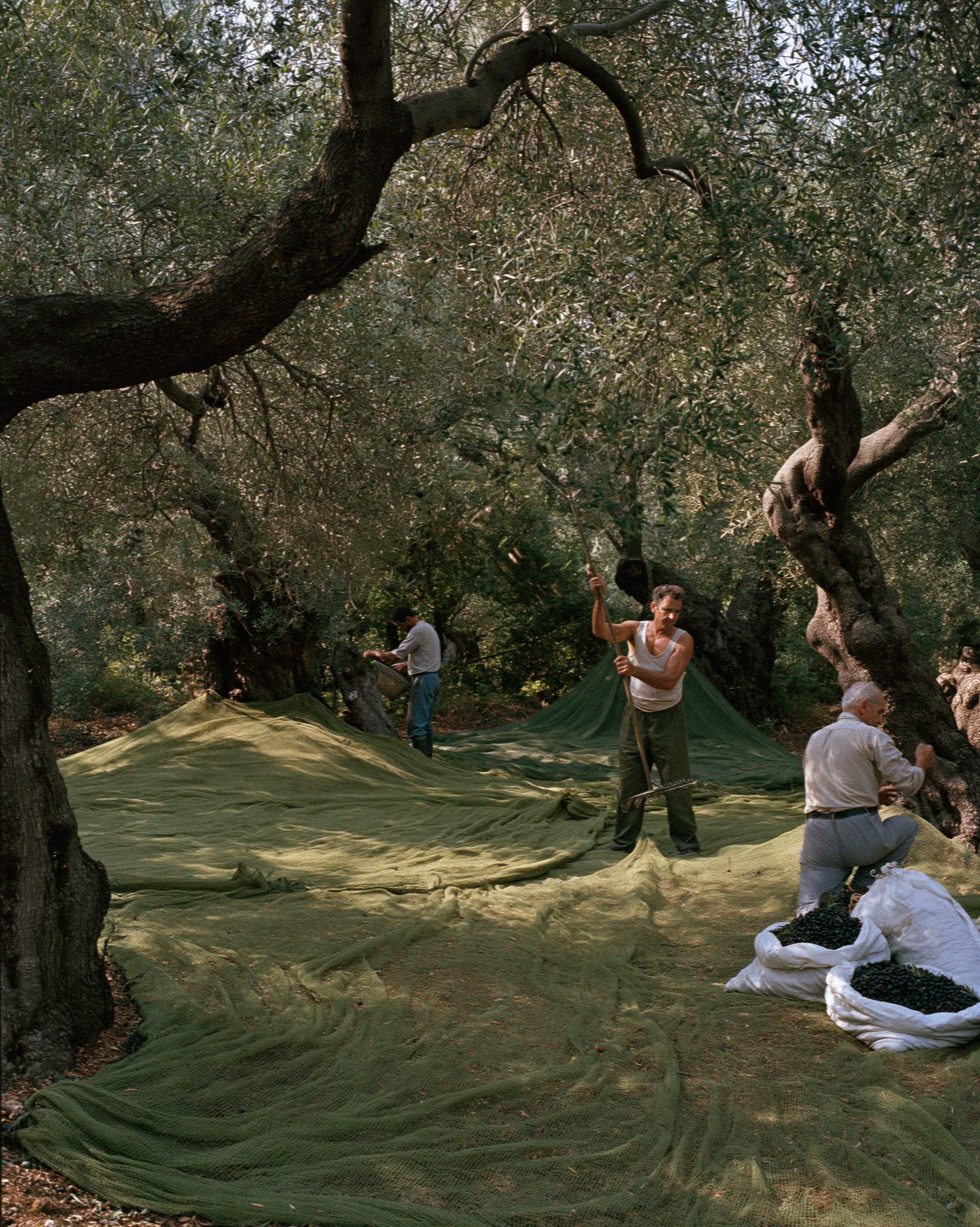
Crete also makes serious wine, from grapes you will not find elsewhere: Vidiano and Vilana for whites, Liatiko, Kotsifali and Mandilari for reds. Wineries near Heraklion and Chania take visitors, usually by appointment. Olive groves cover the lower slopes, and the harvest runs from about November to January. In October and November the village stills make raki, the clear grape spirit that arrives, unasked and free, at the end of most meals.
A village lunch in the mountains is one of the things I put near the top of my list of the best things to do in Crete, alongside the wineries and the olive groves.
Where to stay
Where you sleep on Crete decides what you will actually see, so choose the base before the hotel.
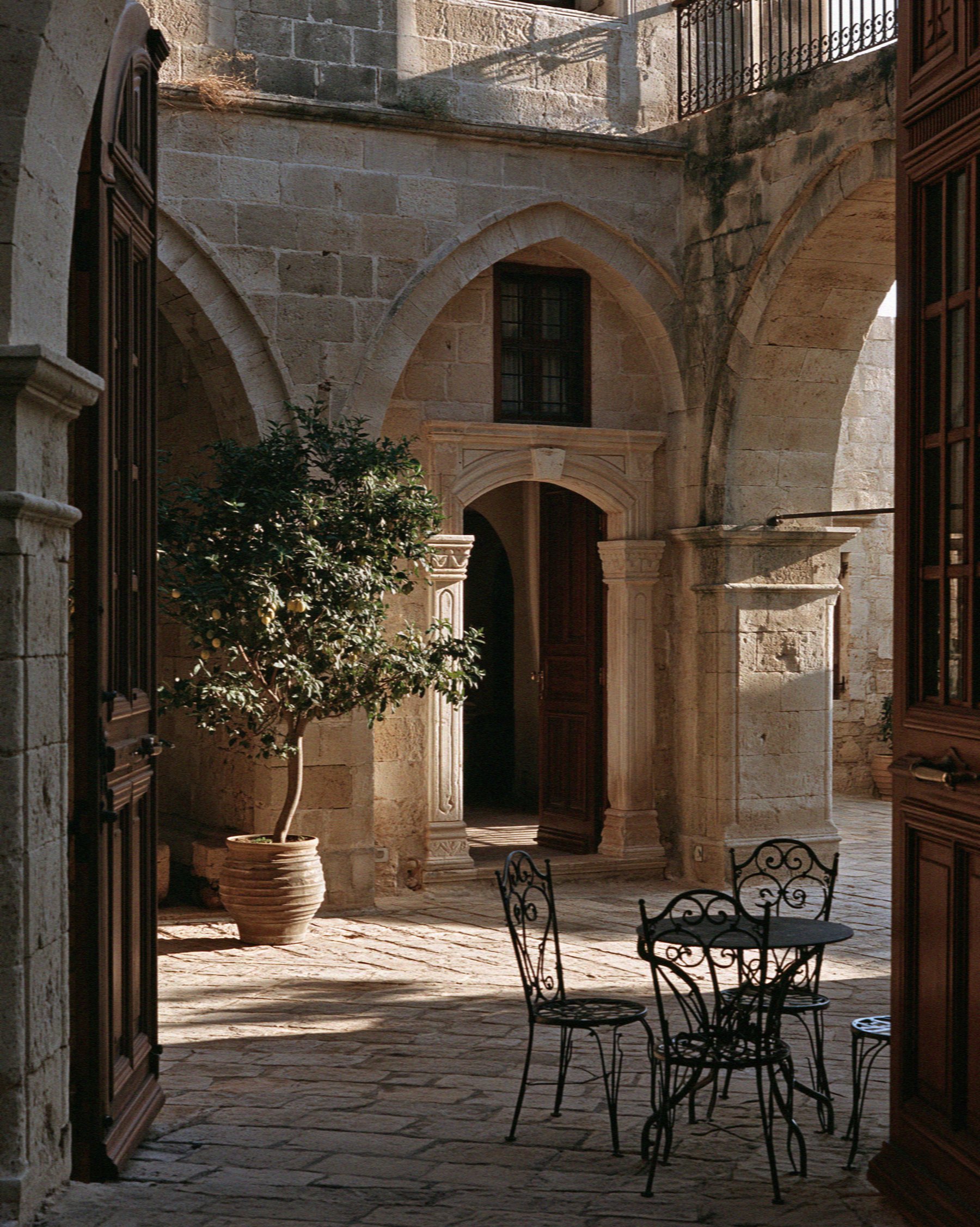
For the west, Chania’s old town is my first choice: you can walk to the harbour every evening and drive out to the gorge and the beaches in the mornings. Casa Delfino is a 17th-century Venetian mansion with a spa, and Domus Renier, a mansion of 1608 on the western side of the harbour, looks towards the lighthouse. Alcanea sits right on the harbour, and Elia Zampeliou is an adults-only place entered under an old archway. For a pool and a beach instead, the Domes resorts at Agioi Apostoloi are a few kilometres west.
In Rethymno, the old town is the place for character and the beach strip east of town for a pool. In Heraklion, a night or two is enough for Knossos and the museum, and Lato Boutique Hotel faces the old harbour and the sea fortress. In the east, Elounda has the grand resorts, Blue Palace facing Spinalonga among them: beautiful places to stay and poor places from which to see the island.
As a guide, simple rooms run from about €60 to €110 a night, good boutique rooms in Chania’s old town from about €150 to €350 in season, and the top suites and the Elounda resorts from €400 to well over €1,000 in high summer. All of it, area by area, is in my guide to where to stay in Crete.
What to eat
Cretan cooking is the reason many Greeks themselves come to the island. It is built on olive oil, wild greens, cheese, lamb and a great deal of patience.
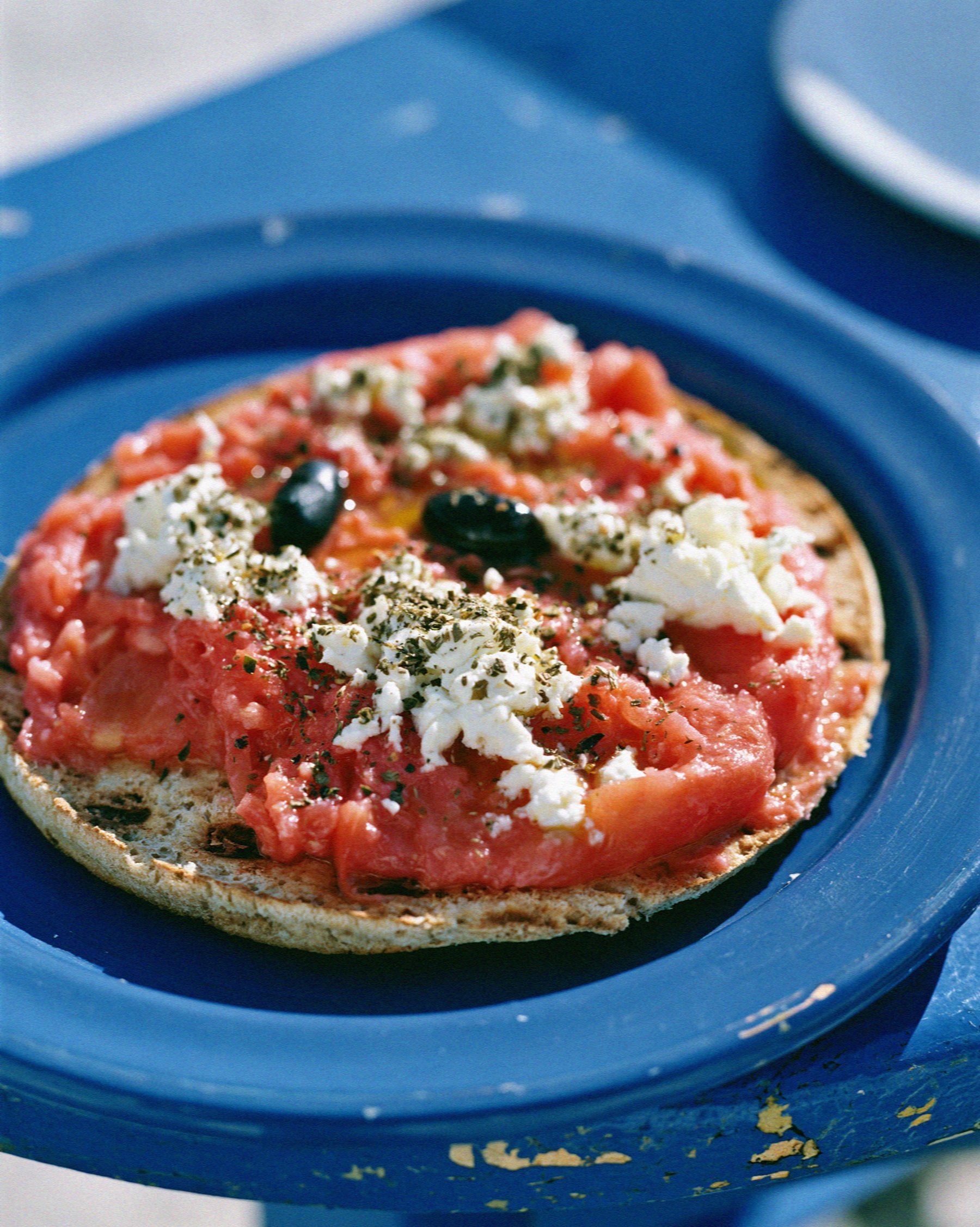
Start with dakos, a barley rusk softened under grated tomato, soft cheese and oil, and kalitsounia, small cheese pies. In Chania look for boureki, a bake of courgette, potato and mizithra. Staka is a rich sheep’s milk cream, antikristo is lamb roasted slowly beside the fire, and Sfakian pies are thin cheese pies eaten with honey. On the terrace at Xyloskalo I had graviera with thyme honey and a Greek coffee in the cold of the early morning, which I recommend at any hour.
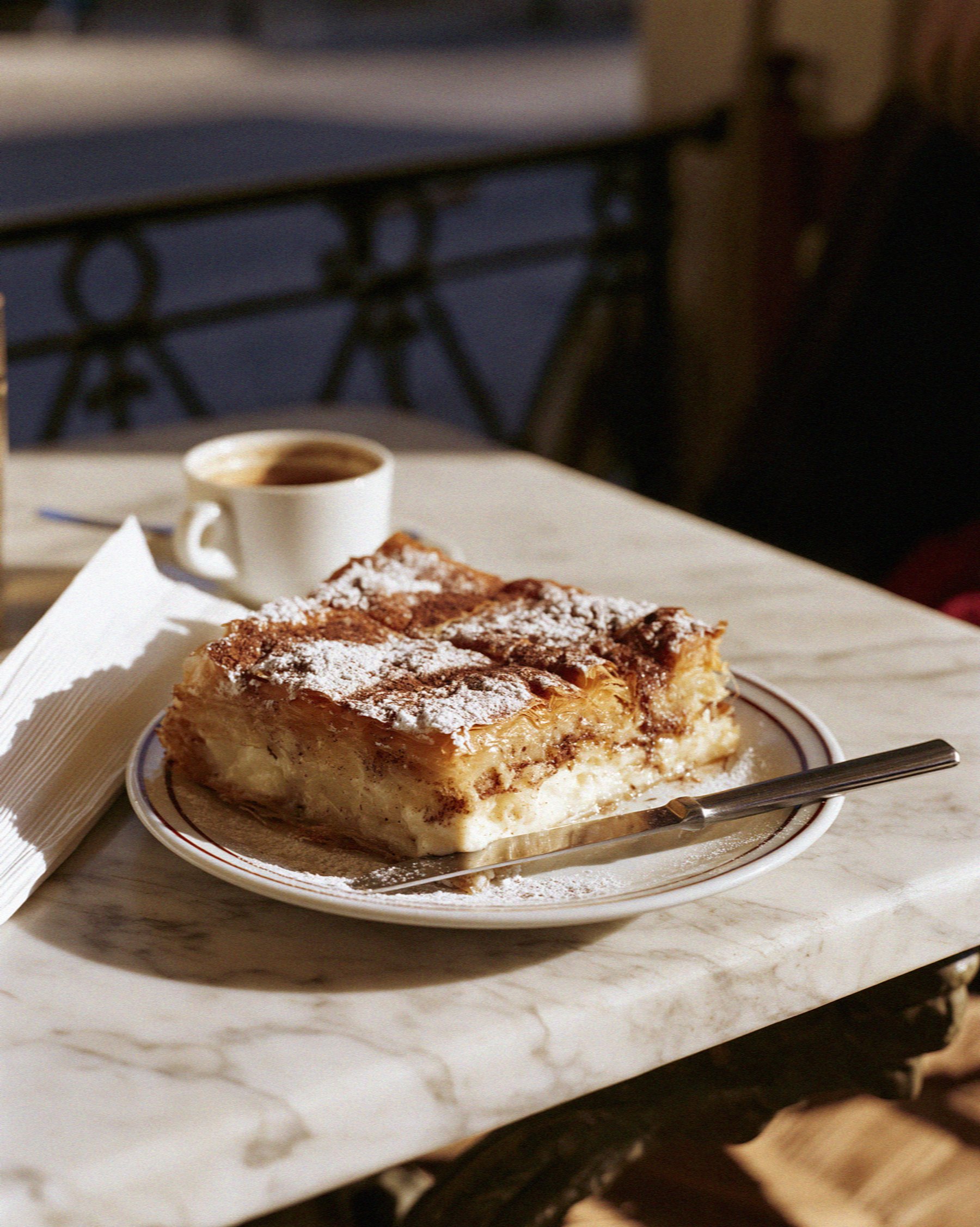
In Chania, Salis on the harbour cooks seasonal local produce, Chrisostomos near the shipyards cooks the food of Sfakia, and Tamam occupies an old hammam on Zambeliou street. For breakfast, Bougatsa Iordanis is the name for bougatsa, the town’s cream-filled pastry. In Heraklion, Peskesi revives old recipes with produce from its own farm. Book the smarter places.
A taverna dinner with wine runs about €20 to €35 a head, and the more ambitious places €40 to €70. On the harbour front, the menus with photographs and a man outside calling you in are telling you that the view is what you are paying for. Where to book, what to order and the cheap places worth knowing are in my guide to where to eat in Chania and what to order.
Getting there and getting around
Most people fly. Chania airport is on the Akrotiri, about 20 to 30 minutes from town, and Heraklion airport is about 5 kilometres from the city centre. In summer there are direct flights from many European cities, and flights from Athens all year take about 50 minutes.
By sea, overnight ferries run from Piraeus to Heraklion in about nine to ten hours and to Souda, the port for Chania, in a little under that. From the islands, fast boats link Santorini with Heraklion in about two hours in season, so Crete follows naturally on from my guide to Santorini. I came the western way, from Adamas on Milos into Souda in about four and a half hours, which makes Crete an easy next step after my guide to Milos.
To see the west properly you need a car, booked early for July and August. The usual minimum age is 21, and it is worth reading what the insurance leaves out: tyres, glass, the underside and unpaved roads are the usual exclusions. On the national road, slower drivers pull onto the hard shoulder to let you pass, a local habit that works until somebody is parked there.
Without a car, the KTEL buses link the north coast towns, roughly hourly between Chania and Heraklion, and in season they run from Chania to Omalos for the gorge, to Elafonisi and to Kissamos for the Balos boats. Flights, ferries, car hire, buses and taxis are all in my guide to getting to Crete and getting around.
A week in Crete
A week is enough for the west and a taste of the centre, if you do not try to add the east.
Give the first two days to Chania and the Akrotiri. On the third, walk the Samaria Gorge. On the fourth, go to the far west, to Elafonisi or to Balos and Falasarna. On the fifth, move east, with a long stop in Rethymno and a detour to Arkadi. Spend the last two in Heraklion, with Knossos at opening time and the museum afterwards.
With ten days, add three nights in the east for Spinalonga, Elounda and the Lasithi plateau, or slow the west down with two nights in Loutro on the south coast. With only three or four days, stay in Chania and leave Heraklion for another trip. The full route, with drive times and where to sleep along it, is in my Crete itinerary of 5 to 10 days.
Practical things to know
Distances. Plan days around drive times, not kilometres. Two places close together on the map can be separated by a mountain.
The gorge and the boats. The Samaria Gorge can close at short notice for rain or rockfall, and strong wind can cancel the Balos boats. Leave one free day in any plan.
Cash. Carry it for village tavernas, the boats, parking and kiosks. Cards are widely taken in the towns.
Dress. Cover shoulders and knees for monasteries and churches, including Arkadi.
Water and sun. The south coast and the gorges are much hotter than they look from the car, so carry water and something for your head on any walk.
Tipping. Round up, or leave around 5 to 10% for good service.
The season. Many resort hotels open around April and close around late October; old town hotels in Chania and Rethymno often keep going far later.
More images from Crete



















Your Crete Guides
Everything here in detail, guide by guide.
- Chania Old Town: the Venetian Harbour, the Lanes and the Walls
- Hiking the Samaria Gorge: Tickets, Season and the Boat Back
- The Best Beaches in Crete: Elafonisi, Balos, Falasarna and the South Coast
- Balos Lagoon and Gramvousa: By Boat or By Road
- Knossos and Heraklion: How to Visit the Palace and the Museum
- The Best Things to Do in Crete
- Where to Stay in Crete: Chania, Rethymno, Heraklion or Elounda
- Where to Eat in Chania and What to Order in Crete
- A Crete Itinerary: 5 to 10 Days
- Getting to Crete and Getting Around
- The Best Time to Visit Crete
Crete Travel Diaries
Frequently Asked Questions
How many days do you need in Crete?
A week covers Chania, the Samaria Gorge, one of the western beaches, Rethymno and Knossos. Ten days lets you add the east, with Spinalonga and Elounda. With three or four days, stay in the west and keep Heraklion for a later trip.
Is it better to stay in Chania or Heraklion?
For most first visits, Chania. Its old town and harbour are the loveliest on the island and it is close to the gorge, Elafonisi and Balos. Heraklion is the practical base for Knossos and the museum, and one or two nights there is usually enough.
Do you need a car in Crete?
To see the west properly, yes. The KTEL buses link the north coast towns well and run to Omalos, Elafonisi and Kissamos in season, but villages, quieter beaches and the far west are much easier with a car. Check what your rental insurance excludes before driving any unpaved road.
How long does it take to walk the Samaria Gorge?
Most people take five to seven hours for the roughly 16 kilometres inside the park, plus another 2 or 3 kilometres to Agia Roumeli. Allow for the boat and bus back to Chania as well, which makes it a full day from early morning to evening.
Which is better, Elafonisi or Balos?
They suit different days. Elafonisi is a warm, shallow lagoon in the south-west, about two hours from Chania by paved road. Balos is wilder, at the end of a dirt track or a boat trip from Kissamos that includes the castle on Gramvousa. Both are crowded at midday in summer.
How much does it cost to visit Knossos?
In 2026 adult tickets cost €20, with a €10 reduced rate, and entry is free for EU citizens under 25 and non-EU visitors under 18 with ID. Ask about a combined ticket with the Heraklion Archaeological Museum when you buy.
When is the best time to visit Crete?
Late May, June, September and October. The sea is warm, the sites and boats are running and the crowds are thinner than in July and August. In October the water is still around 22 to 23°C, but the gorge usually closes in the second half of the month.
How do you get to Crete from Athens?
The quickest way is a 50-minute flight to Chania or Heraklion, which runs all year. The slower and more romantic way is an overnight ferry from Piraeus with a cabin.