There are cities you visit and cities you surrender to, and Venice has only ever belonged to the second kind. It sits on the water as if it had been dreamed rather than built, a hundred and more small islands stitched together by four hundred bridges, with no road, no car, no engine note louder than a boat, and it undoes every habit you arrive with. You cannot stride here. You cannot take the quick way, because there is no quick way. You give in to the tide of the place, to its alleys that end in water and its squares that open without warning, and somewhere on the first evening, usually on a bridge with the light going gold on a canal, you stop trying to make sense of it and simply let it have you. I have arrived in Venice tired and sceptical more than once, sure I knew what to expect, and I have left every time a little in love and a little undone.
This is the guide I wish someone had pressed into my hands the first morning: the shape of the city, the sights worth building a day around, the honest business of getting there and moving around a place with no roads at all, and when to come so that Venice gives you its best self rather than its most crowded one. Think of it as the front door. From here I will send you through to my closer guides, each one a deeper wander into a single question, so that by the time you book you know exactly which sestiere, which season and which small canal-side table is yours.
What to book before you come
Venice punishes improvisation more than anywhere else in Italy. The Doge s Palace queue runs to two hours in July and the Basilica is worse, and both are avoidable entirely by buying a slot. Have these in hand before you get on the train.
- The Doge s Palace, reserved entry. Forty five thousand ratings at 4.6. Go for the Bridge of Sighs and stay for the armoury and the prisons, which are the better half.
- St Mark s Basilica and the Doge s Palace together. The Basilica queue is the one that ruins mornings. Do both in one run rather than crossing the piazza twice.
- Murano and Burano. Burano is the reason: a fishing island where every house is a different colour because the fishermen needed to find their door in the fog.
- The airport bus from Marco Polo. 4.7 from over thirty one thousand people. The alternative is a water taxi at ten times the price, lovely once and absurd twice.
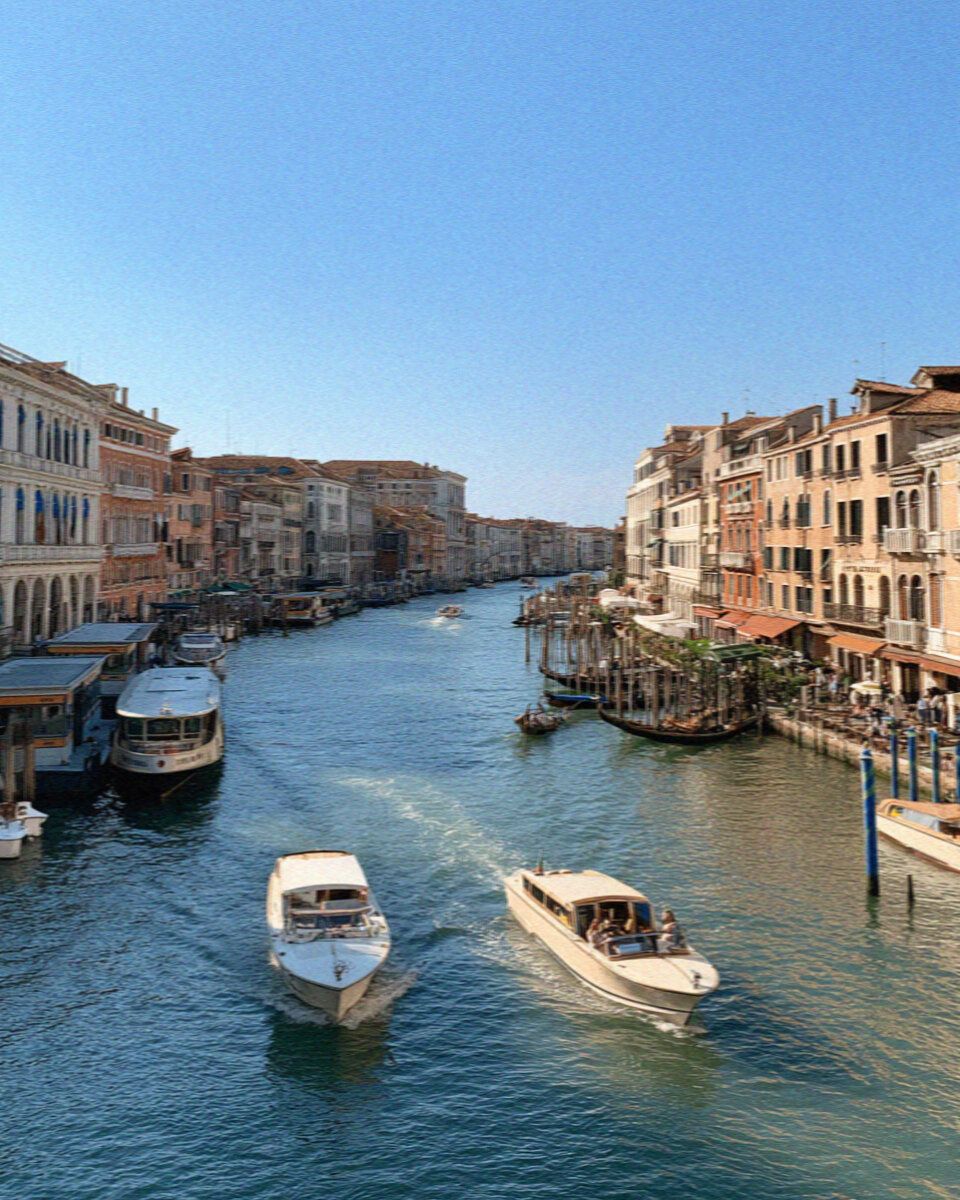
- A vaporetto pass. Single tickets here are punishing and the pass pays for itself in four rides. Line 1 down the Grand Canal at dusk is the best value sightseeing in the city.
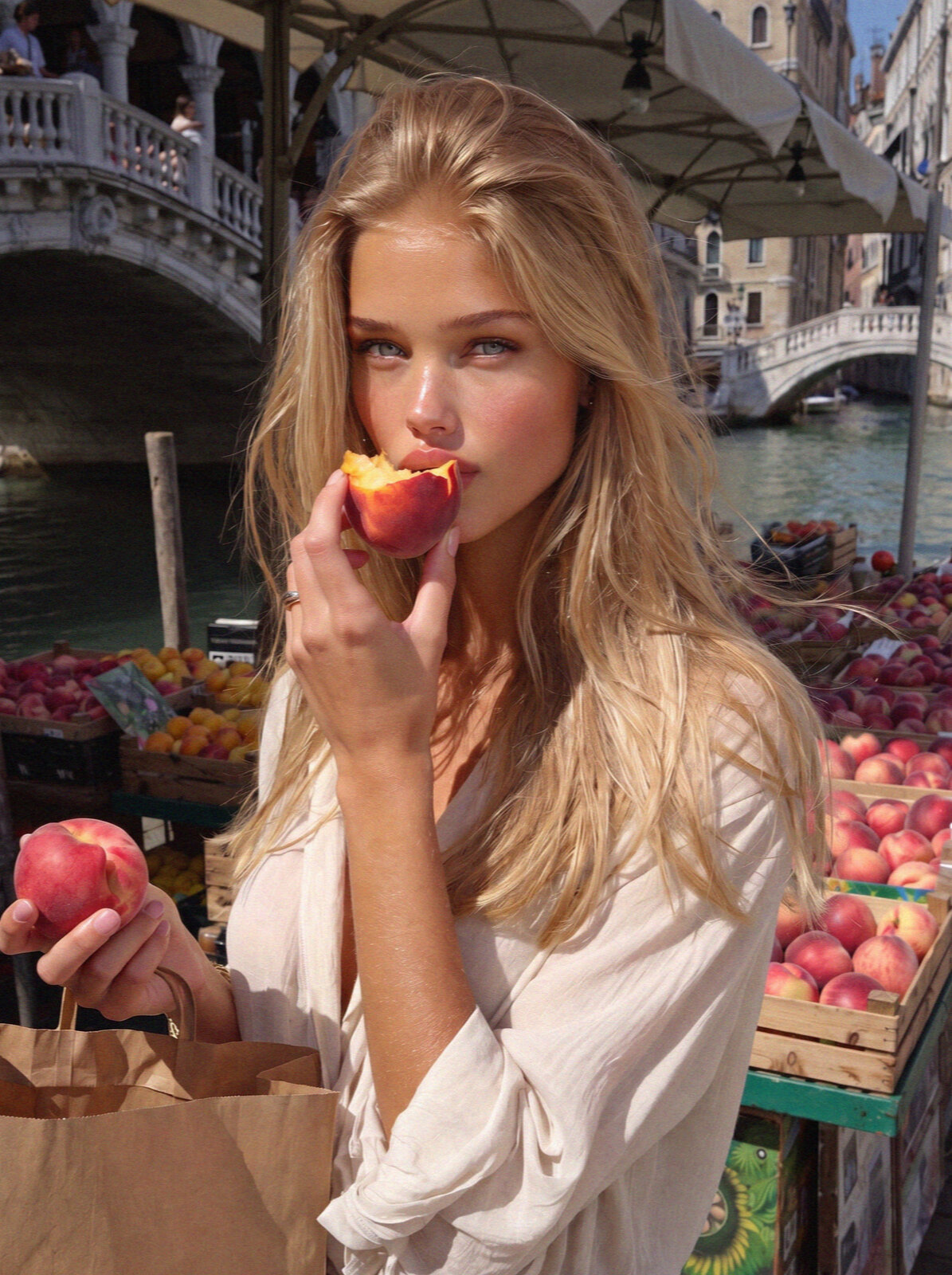
Getting lost is free and it is the best thing here. So is the Rialto market first thing, and the walk out to the Zattere at sunset.
Why Venice, and why now
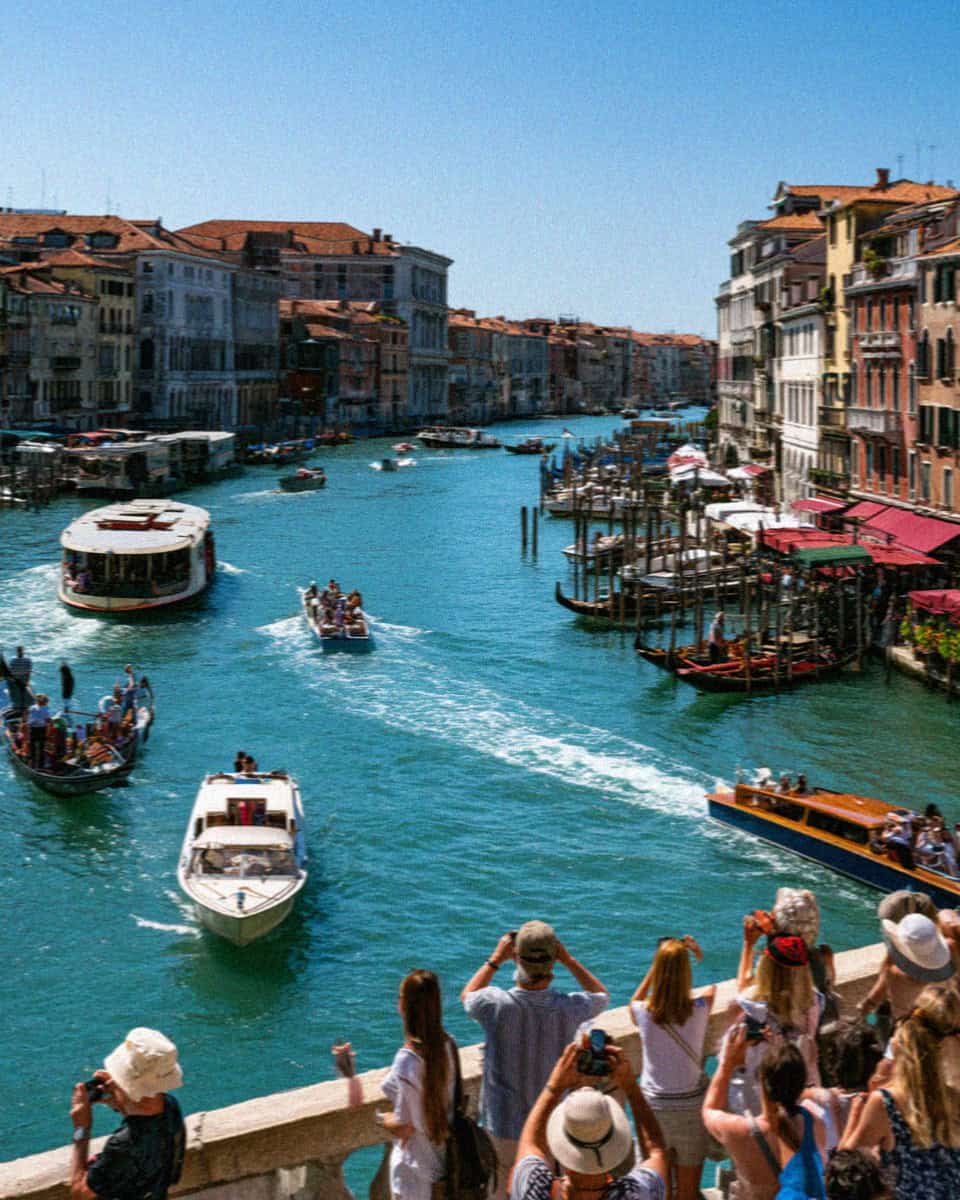
People love to tell you Venice is sinking, overrun, finished, a museum with an entrance fee. I understand the worry, and there is truth in some of it, but I would gently say this: go anyway, and go thoughtfully. Venice rewards the traveller who comes in the quiet hours and the quiet months, who walks away from the two or three famous squares and lets the back canals do their work. The city the day-trippers see between eleven and four is not the city I am writing about. Mine begins at dawn on an empty fondamenta and ends late over the last of a wine in a bar with no sign, and it is, hand on heart, one of the most beautiful things left in Europe.
The shape of the city
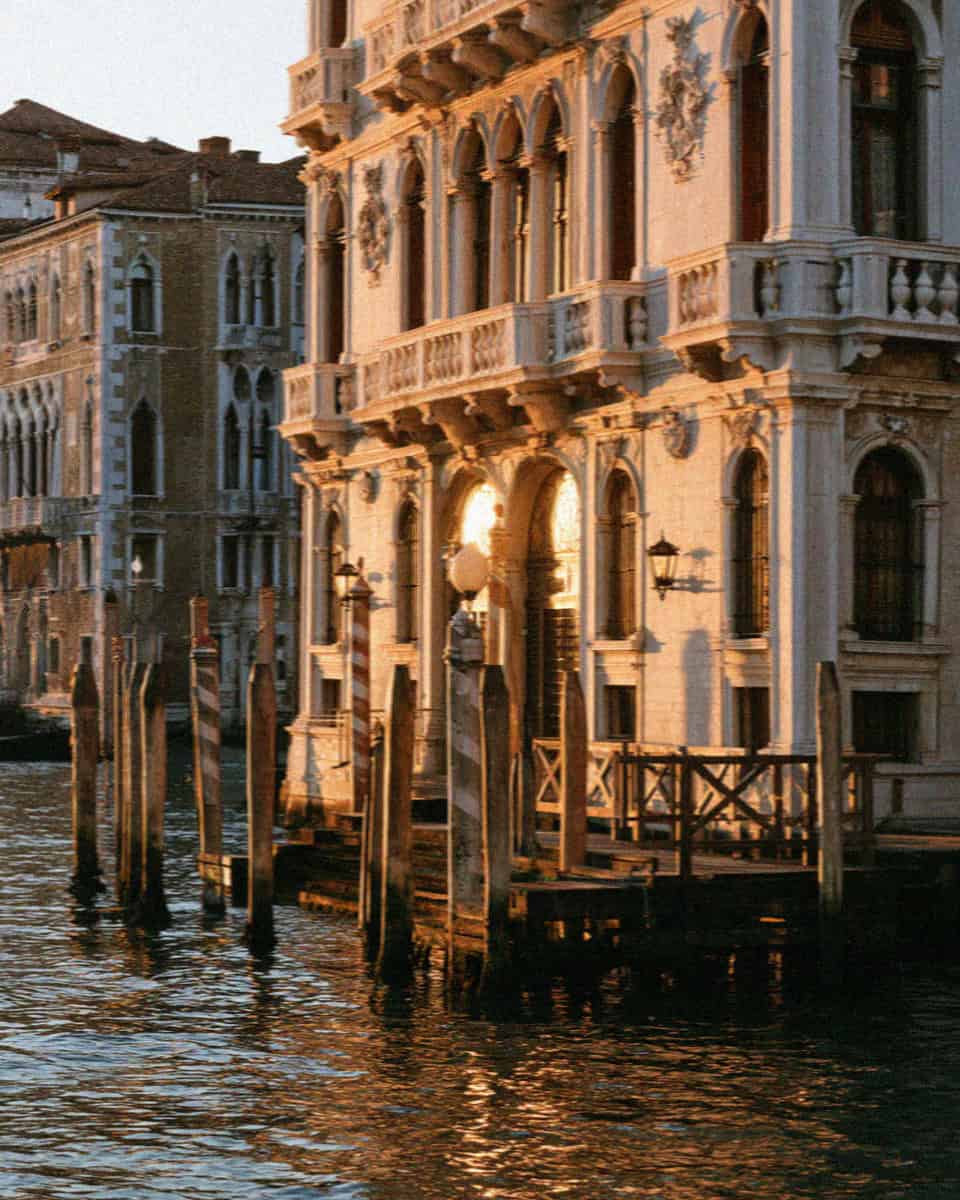
Understanding Venice starts with understanding that it is a fish. The main island is shaped like one, split down the middle by the great reverse S of the Grand Canal, and divided into six districts, the sestieri, whose names you will come to use like a local: San Marco, the grand heart; San Polo and Santa Croce, the market and the working middle; Dorsoduro, the artful, student, sunset-facing south; Cannaregio, the long quiet north where real Venetians still live; and Castello, the broad eastern tail that empties toward the gardens and the sea. Around the main island lies the lagoon, and scattered across it are the smaller islands: Murano of the glass, Burano of the painted houses, sleepy Torcello where the whole story began.
There are only two ways the outside world reaches you. Trains cross the causeway from the mainland into Santa Lucia station, which opens straight onto the Grand Canal, and cars and buses stop dead at Piazzale Roma, because that is where the roads simply end. From either point you continue on foot or on water, and never again in a vehicle with wheels, which is the first strange gift the city gives you.
A little of Venice’s story
For a thousand years Venice was not part of Italy but a republic of its own, La Serenissima, the most serene, a maritime power that grew impossibly rich trading between Europe and the East and spent that fortune on beauty with an almost reckless confidence. The Basilica of San Marco glitters with gold and stolen Byzantine marble because Venice looked east as much as west. The Doge’s Palace next to it ran an empire from rooms painted by Tintoretto and Veronese. When the trading power faded the city reinvented itself as the pleasure capital of Europe, all masks and music and Carnival, and something of both Venices, the merchant and the reveller, is still in the stones. It helps, walking here, to remember that none of it was inevitable, that people chose to build a marble city on wooden piles driven into a marsh, and then chose to make it lovely.
The sights I would never skip
Some cities are all atmosphere and little substance. Venice is not one of them, and a handful of its sights are worth arranging a morning around. I always begin in Piazza San Marco early, before the crowds and the pigeons own it, when the Basilica of San Marco stands almost alone and you can look up at those five domes and the gold mosaics without a shoulder against yours. The church itself is free to enter, though the queue moves faster with a small timed-entry booking of a few euros, and the extras, the Pala d’Oro altarpiece and the loggia with the bronze horses and the view over the square, run a further handful of euros each and are worth it.
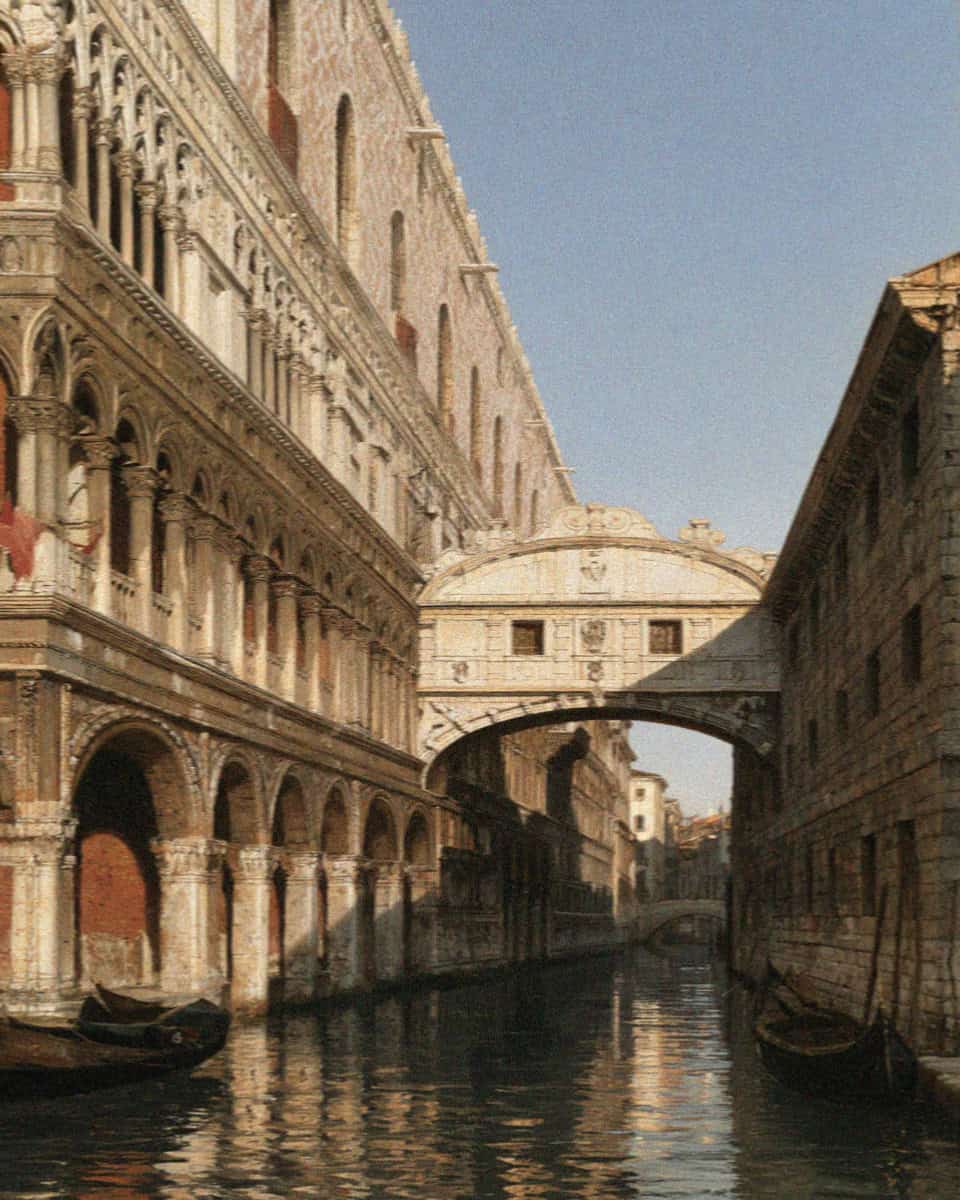
Beside it, the Doge’s Palace is the one interior I insist on, a walk through the machinery of a vanished republic, gilded council chambers and the armoury and then the sudden shiver of the Bridge of Sighs and the prisons beyond. Entry sits around thirty euros and includes the museums of St Mark’s Square, and I would book the first slot of the day. For a view of the whole miracle at once, the Campanile lift lifts you high above the domes for roughly twelve to fifteen euros, though I confess I prefer the quieter tower across the water on San Giorgio Maggiore for the same view with a fraction of the queue.
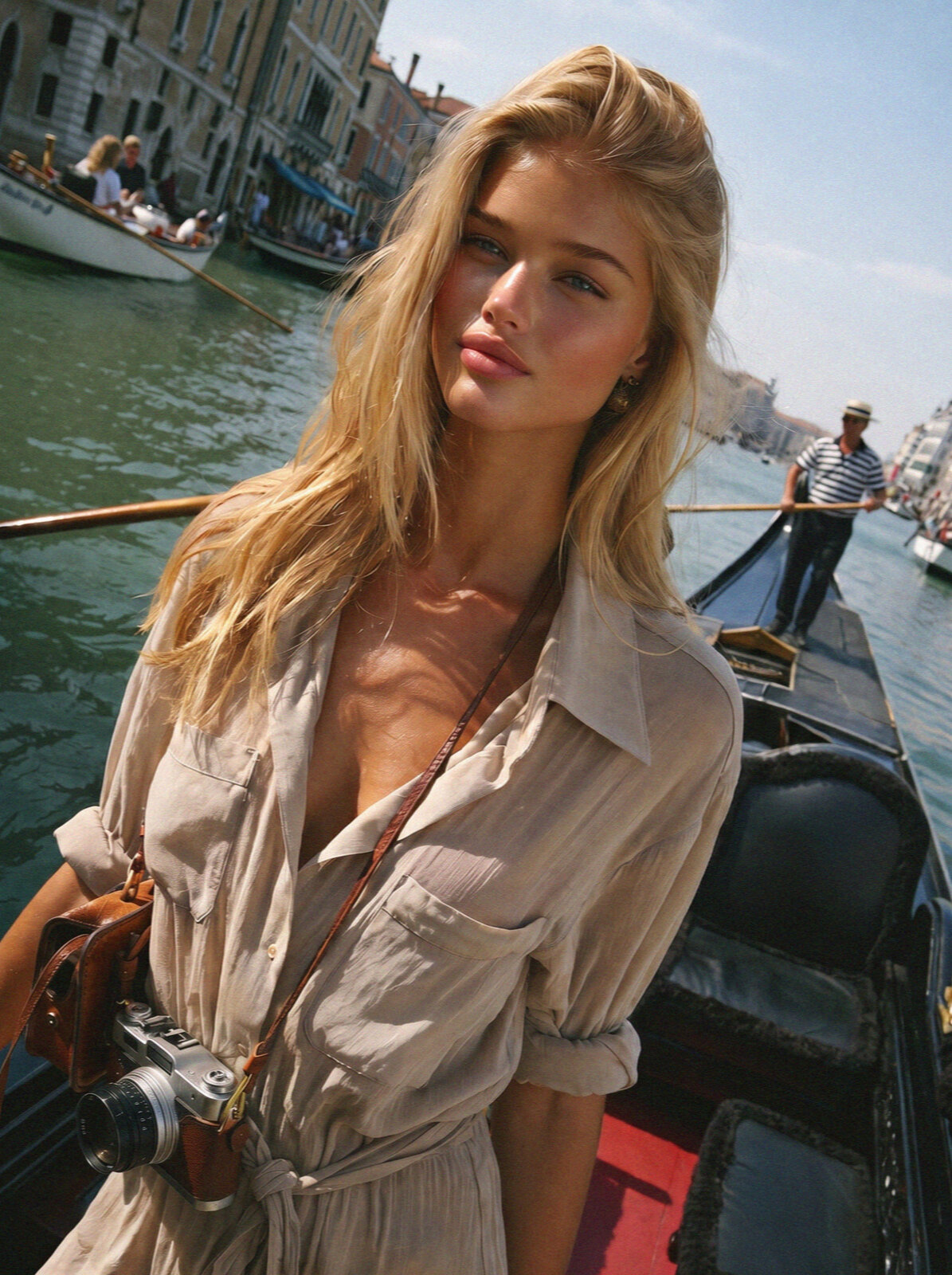
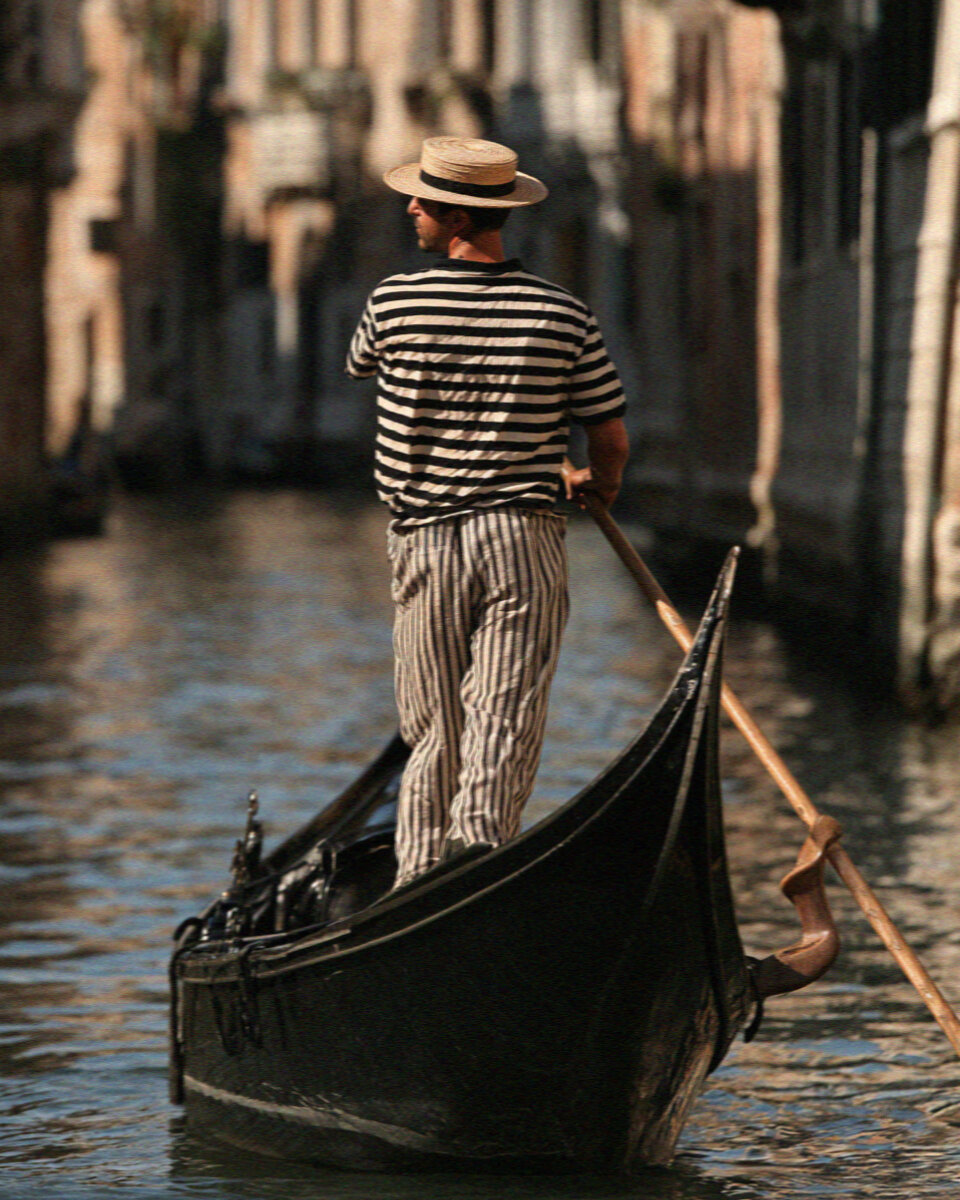
And then the ride that everyone means to be too sophisticated for and secretly longs to take, the gondola. The official daytime rate is fixed, somewhere around eighty to ninety euros for about half an hour, more like a hundred to a hundred and ten after seven in the evening, and that is per gondola, not per person, so gather a few friends and go at dusk down the small canals rather than the busy Grand Canal, and let it be as unashamedly romantic as it wants to be. I gather all of these, and the churches and galleries and the quiet corners besides, in my guide to the best things to do in Venice.
Plan Your Visit to Venice
A few things I booked and loved. These help support the blog, at no cost to you.
- Where I stayed: search Venice hotels
- Skip-the-line tickets for the main sights
- A Venice city pass
- Stay connected: get a travel eSIM
This section contains affiliate links. If you book through them I may earn a small commission, at no extra cost to you.
The art beyond San Marco
Venice spent its fortune on beauty, and a good deal of the best of it hangs not in the Basilica but in quiet churches and old confraternity halls, where you can stand almost alone before paintings that would draw a crowd anywhere else. In the Frari, the great brick Gothic church in San Polo, Titian’s Assumption of the Virgin blazes above the altar in reds and gold, and Titian himself lies buried a few steps away. Around the corner, the Scuola Grande di San Rocco is the one I would not miss, its walls and ceilings covered top to bottom by Tintoretto, a lifetime’s work in one dim, overwhelming room, with mirrors laid out so you can study the ceilings without breaking your neck. Out in Cannaregio, Tintoretto’s own parish church of the Madonna dell’Orto keeps more of him, usually in perfect silence. Most of these churches charge a few euros, or share a Chorus pass that covers a clutch of them, and every one rewards the detour.
The quieter Venice, away from the crowds
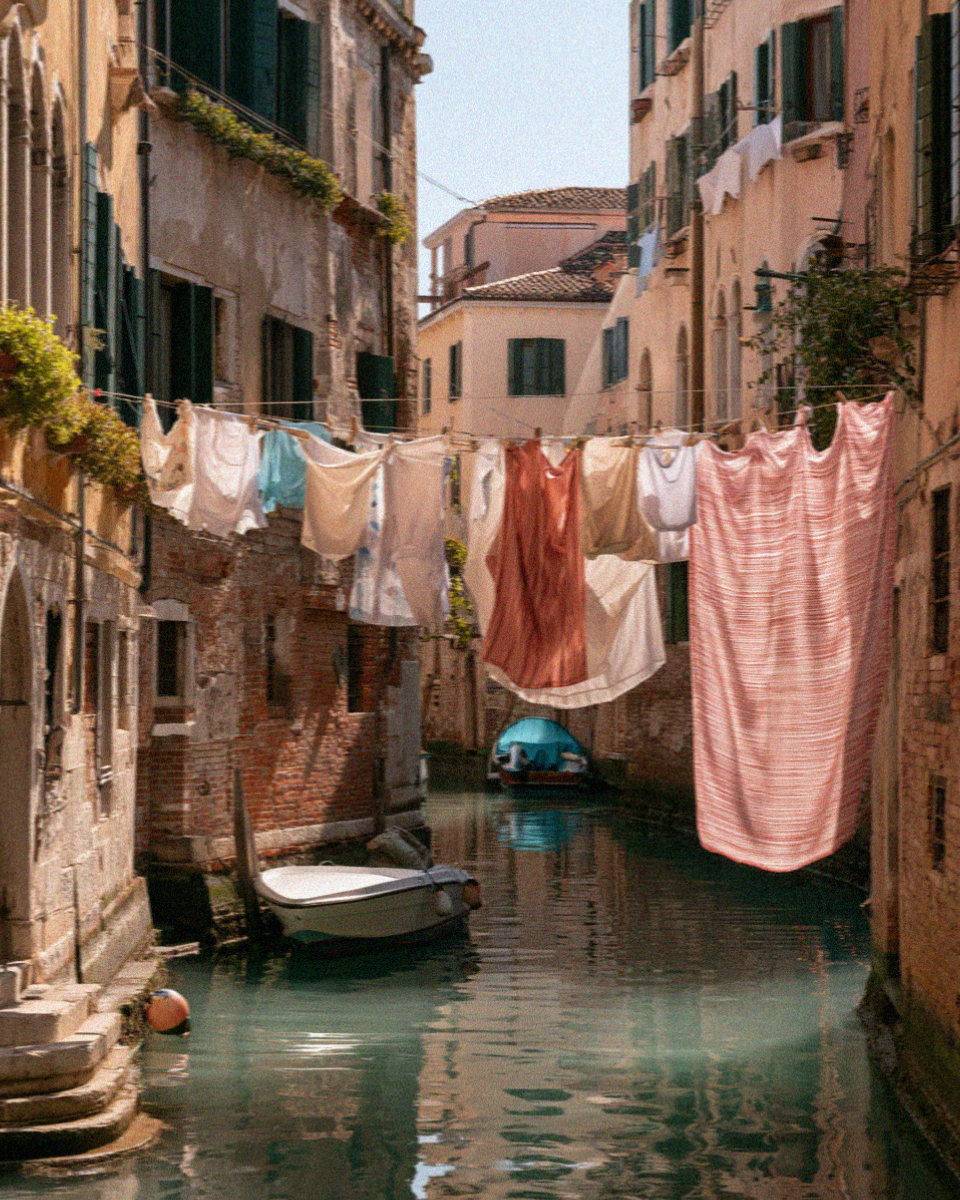
The city the day-trippers photograph is a tiny fraction of the whole, and the rest is where I spend my happiest hours. Walk north into Cannaregio and you reach the Jewish Ghetto, the very first in the world and the source of the word itself, a tall, dignified quarter set around a quiet campo and still the heart of Jewish Venice. East, in the long tail of Castello, the great walled Arsenale once built a warship in a day and now throws open its old rope-yards for the Biennale, and beyond it the public gardens give you real grass and sea air and hardly a tour group in sight. Even a five-minute turn off the Rialto or the Riva degli Schiavoni drops you into empty lanes where a cat sleeps in a doorway and someone’s washing dries overhead. If you take nothing else from me, take this: the magic is not in the famous squares, it is two turnings past them.
How many days to give it
The honest answer is three, with a fourth for the islands if you can. Venice looks small on a map and is anything but, because you move at the pace of your own feet and the boats, and getting lost, which you will and should, is slow. With two days you can see the headline city, San Marco and the Rialto and a wander through Dorsoduro, without feeling you sprinted. A third day buys you the thing that actually makes people fall in love, the aimless morning with no plan, a coffee here, a church there, an hour simply watching the water. A fourth lets you give Murano and Burano the time they deserve rather than a rushed afternoon. If you have my whole route mapped out for you, my Venice itinerary stitches the days together so they flow.
Venice for different travellers
Where you base yourself changes the city more here than almost anywhere. For the classic, swept-away first visit, stay in San Marco or the quieter edges of it and wake to the bells. For romance and sunsets and a more artful, less trodden mood, Dorsoduro is my own favourite. For value, character and the feeling of living somewhere rather than visiting it, Cannaregio in the north is where I send friends, all long canals and local bars. Families do well in the broad calm of Castello with its park and its space to breathe. I walk through the actual areas and the hotels within them, from canal-side palazzi to simple, lovely guesthouses, in my guide to where to stay in Venice.
Getting there and getting around, in brief
Venice is easier to reach than its dreamlike remove suggests. Fast trains run in about two and a quarter hours from Milan, a little over two from Florence, and around three and a half from Rome, all gliding across the causeway into Santa Lucia. The nearest airport is Marco Polo on the mainland, from which the loveliest arrival is the Alilaguna water bus across the lagoon at around eighteen euros, or a private wooden water taxi if you are arriving in style and do not mind the hundred and twenty or so it costs. If you land at Treviso, the budget airport, a bus brings you to Piazzale Roma in about forty minutes.
Once you are in the city, there are no cars, only your feet and the vaporetto, the water bus that is half the pleasure of the place. A single ticket is a steep nine euros fifty and valid for seventy-five minutes, so almost everyone should buy a tourist travel card instead: twenty-five euros for a day, thirty-five for two, forty-five for three, sixty-five for a week of unlimited travel. Line 1 down the length of the Grand Canal is the best cheap sightseeing in Europe, so ride it once from end to end with no agenda. I lay out every route, transfer and ticket, including the islands, in my guide to how to get to Venice.
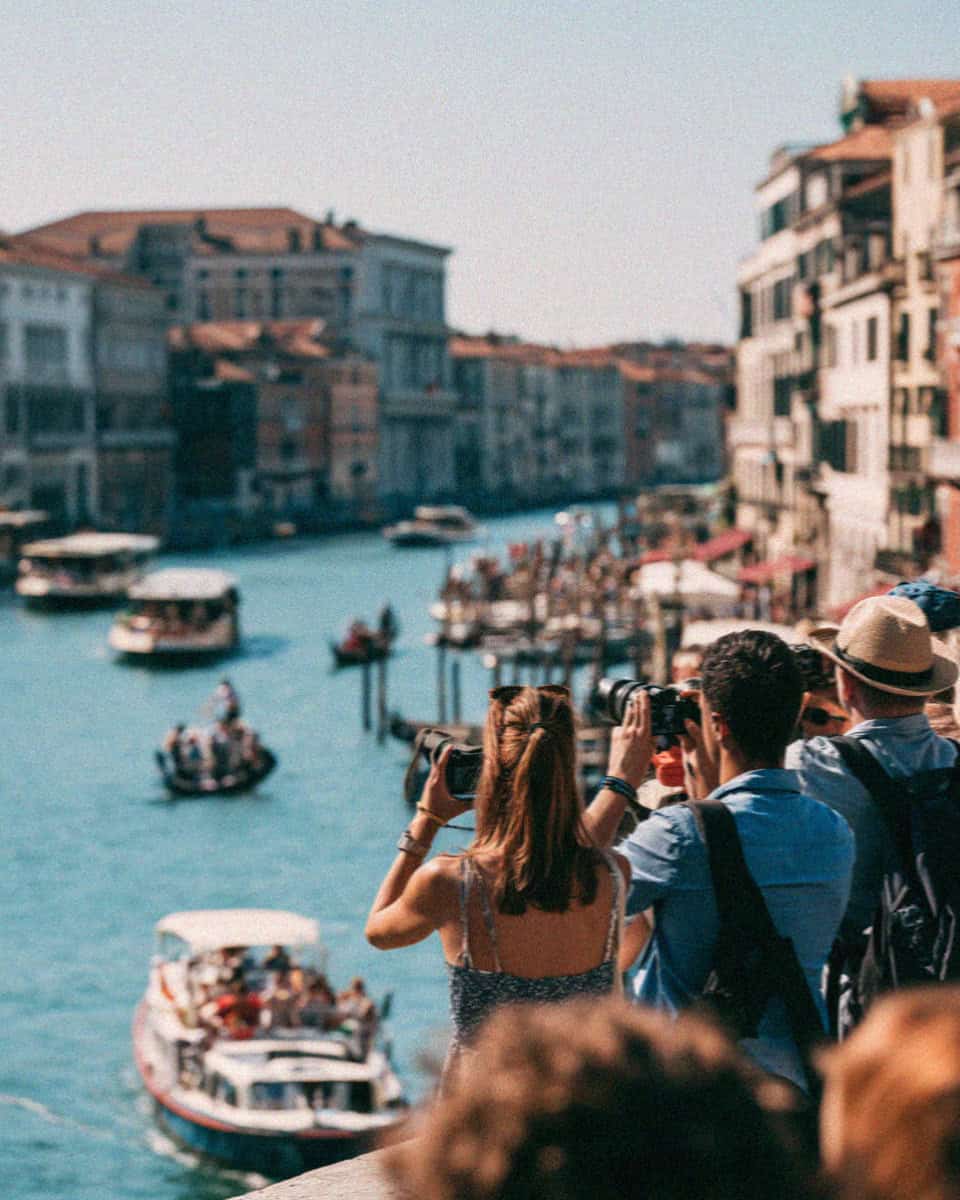
One small local trick worth knowing: at a few points where the bridges stand far apart, a traghetto, a working gondola rowed standing up, ferries you straight across the Grand Canal for about two euros. It is the cheapest gondola ride in Venice, and a shortcut the crowds never learn.
When to come
Venice has a real season, and choosing the right slice of it makes an enormous difference. High summer, July and August, is hot, thronged and at its most expensive, with the added risk of a still, humid heat rising off the canals, and it would not be my choice. The sweet spot, as almost everywhere in Italy, is the shoulder season: April to early June, and again September into October, when the light is soft, the temperatures kind and the crowds thinner outside the couple of famous squares.
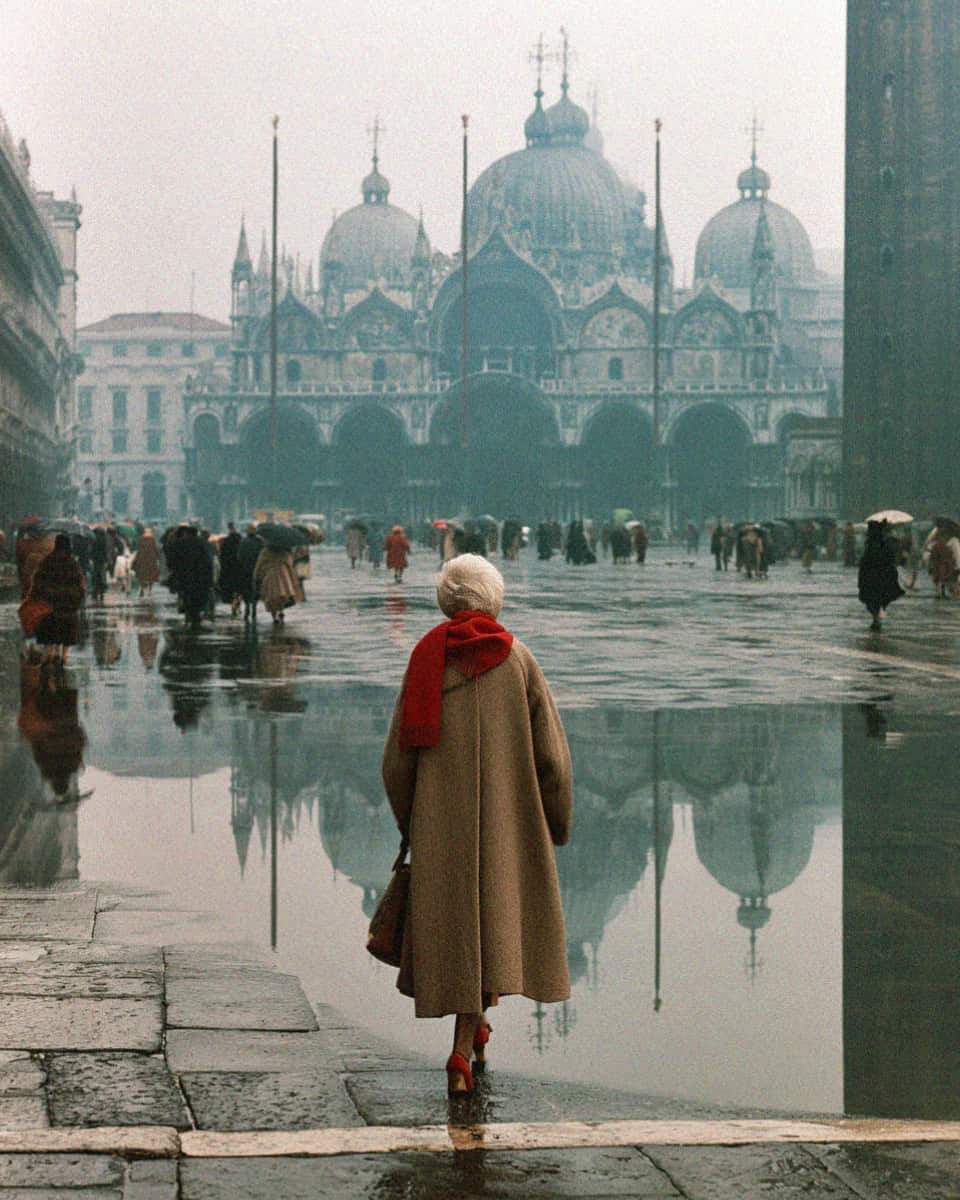
Autumn brings the acqua alta, the high water that occasionally floods the lowest parts of the city for an hour or two around the tides, more a curiosity than a crisis if you pack rubber soles and keep your plans loose. Winter is quiet and can be magical, cold and often misty, the tourists gone, the city returned to itself, and then in the run to Lent comes Carnival, the masks and costumes and candlelit balls that are like nothing else in Europe. I go through the whole year, month by month, including exactly when the festivals fall, in my guide to the best time to visit Venice.
A note on coming kindly, and the access fee
Venice is loved to the point of strain, and the city has begun asking day visitors to help carry the weight. On around sixty of its busiest days, roughly early April to late July in 2026, and only between half past eight in the morning and four in the afternoon, day-trippers aged fourteen and over who are not staying the night must pay a small access fee, the contributo di accesso, and carry the QR code it gives them. It runs about five euros if you book ahead on the official portal at cda.ve.it, and ten if you leave it late. Anyone staying overnight in the city is exempt, which is one more quiet argument for doing what I always urge anyway: sleep here, wake here, and give Venice more than a few rushed midday hours. The lagoon islands stay free.
Food and wine, in brief
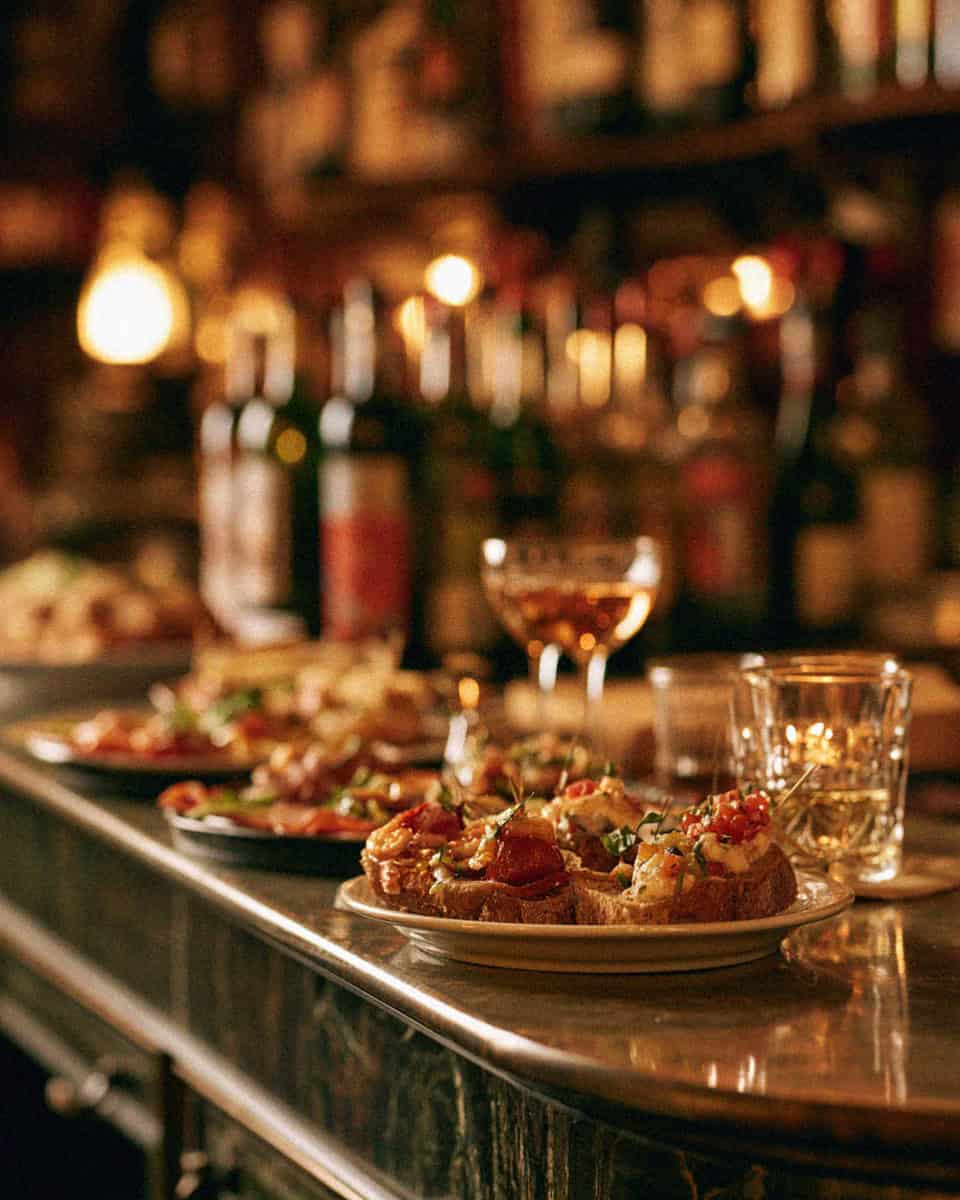
Venice eats unlike the rest of Italy, because it eats from the lagoon and the sea. The great local ritual is cicchetti, the little plates and crostini you graze standing up in a bacaro, a wine bar, with a small glass of wine, an ombra, or a spritz in your hand. You build a whole evening out of a slow crawl from one bacaro to the next, and it is my favourite way to eat anywhere. Beyond the little plates, look for sarde in saor, sardines sweet and sour with onions and pine nuts, risotto black with cuttlefish ink, and fritto misto of the morning’s catch. The wines lean to the Veneto, a cool Soave, a soft Valpolicella, a prosecco from the hills. I name the bacari I love and the grander kitchens for a special night in my guide to where to eat in Venice.
Where the lens loves the city
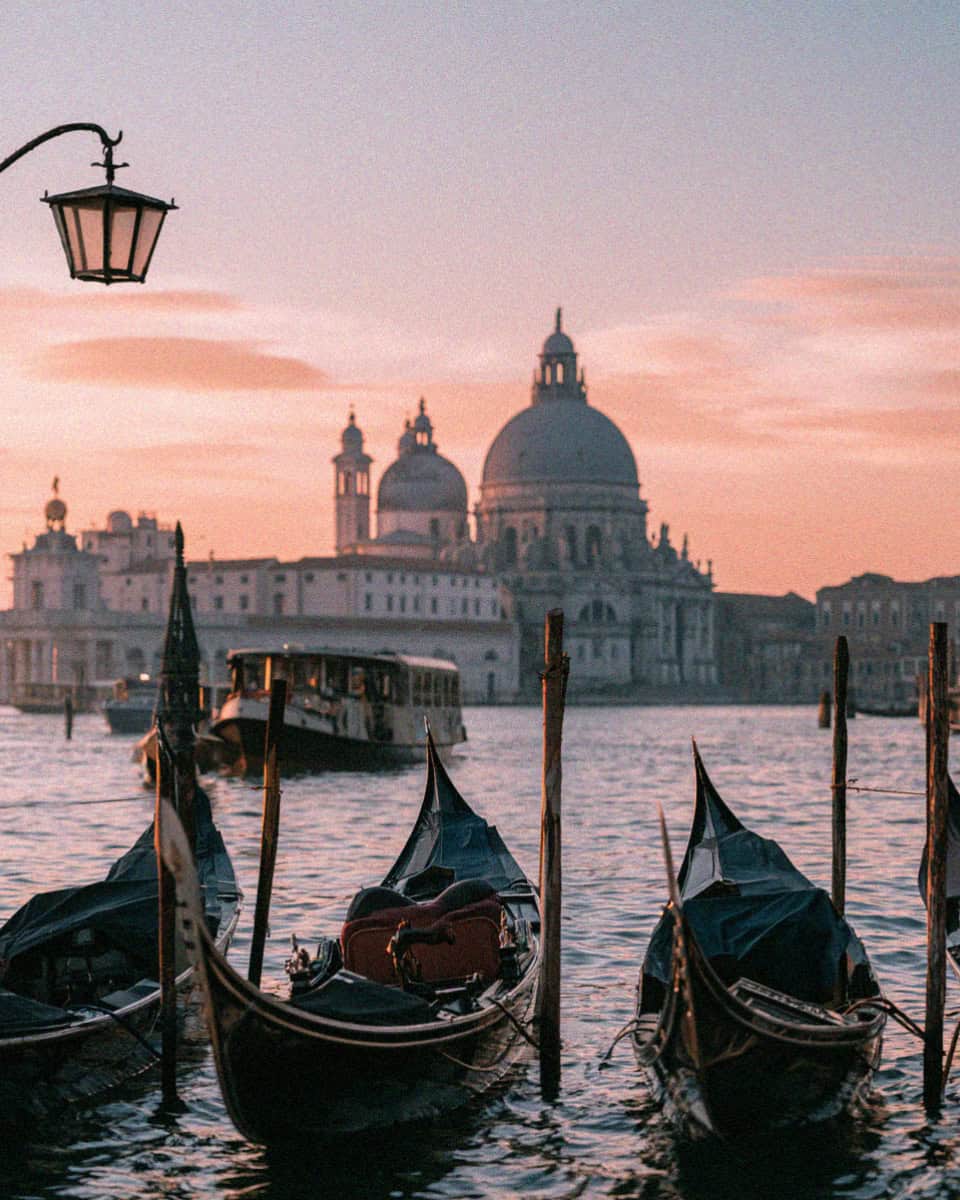
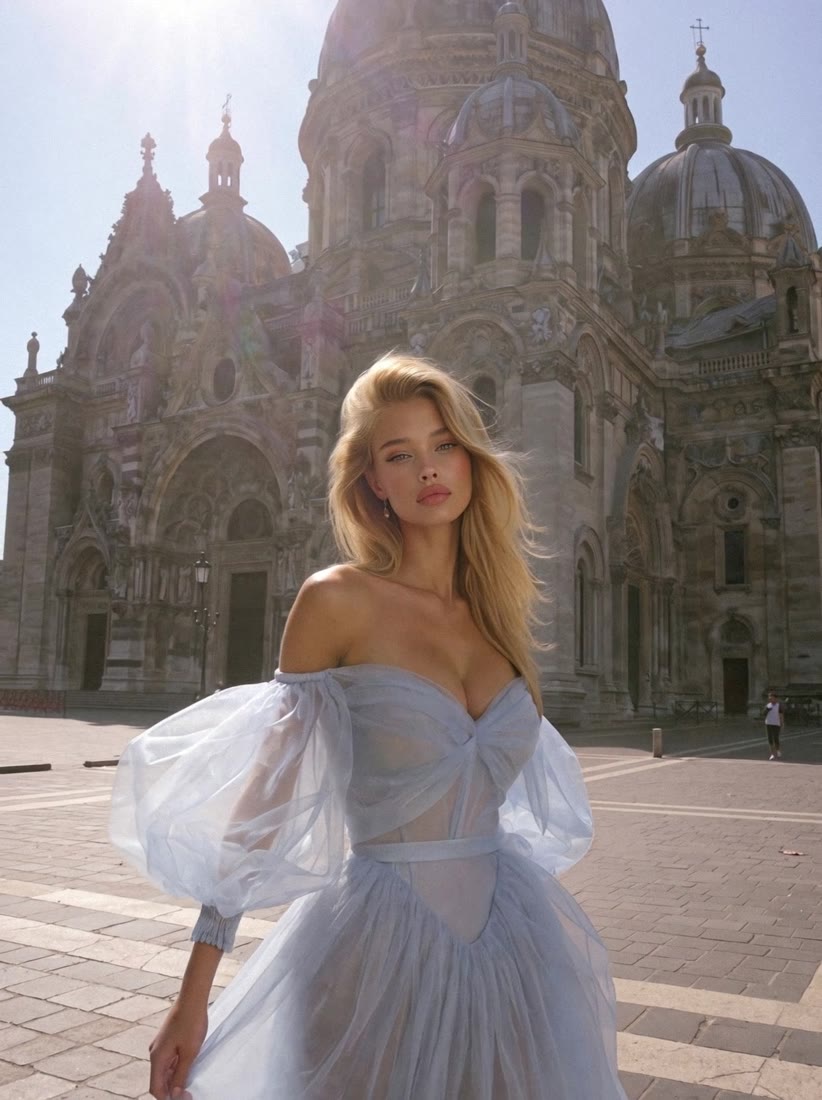
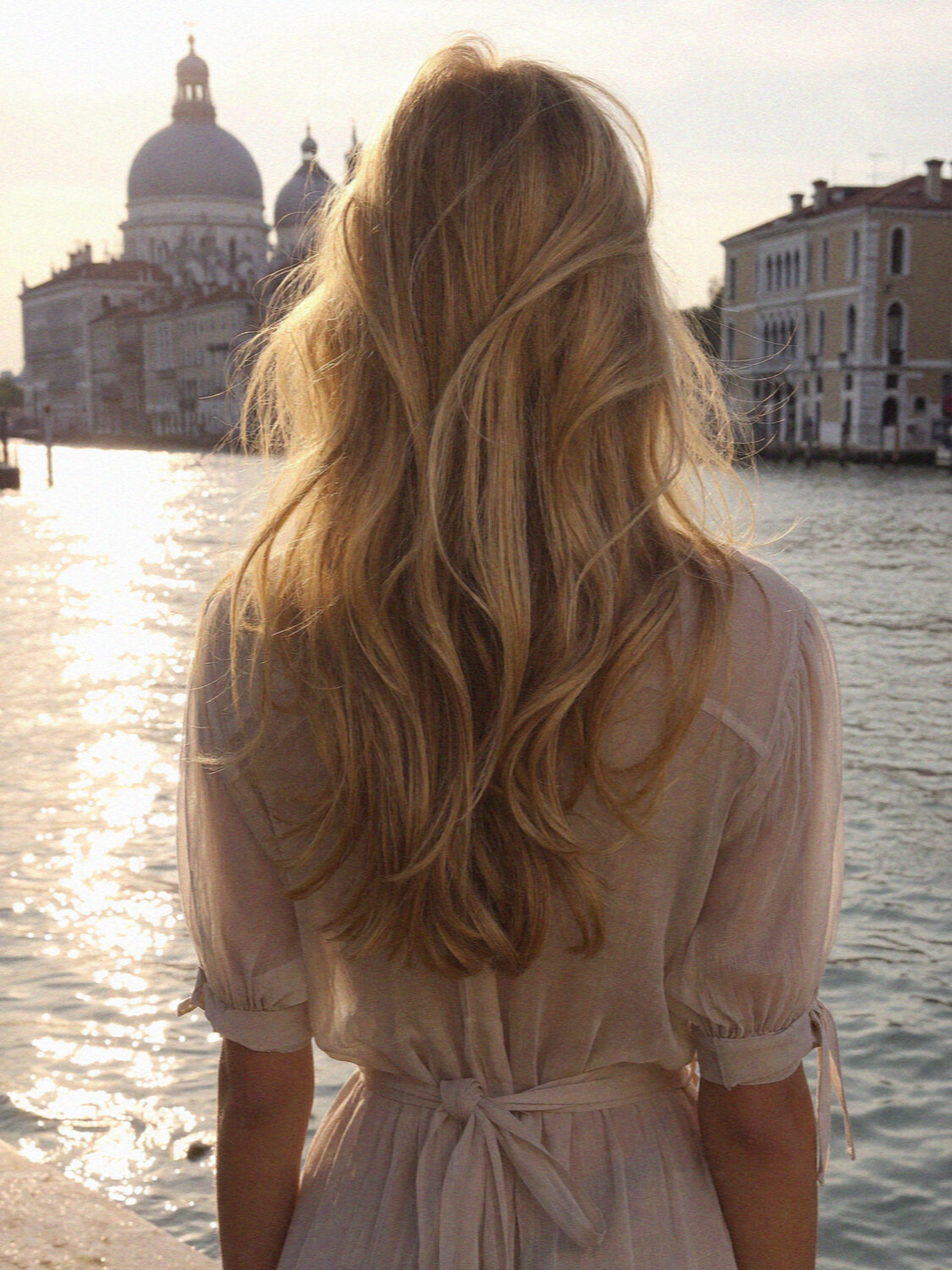
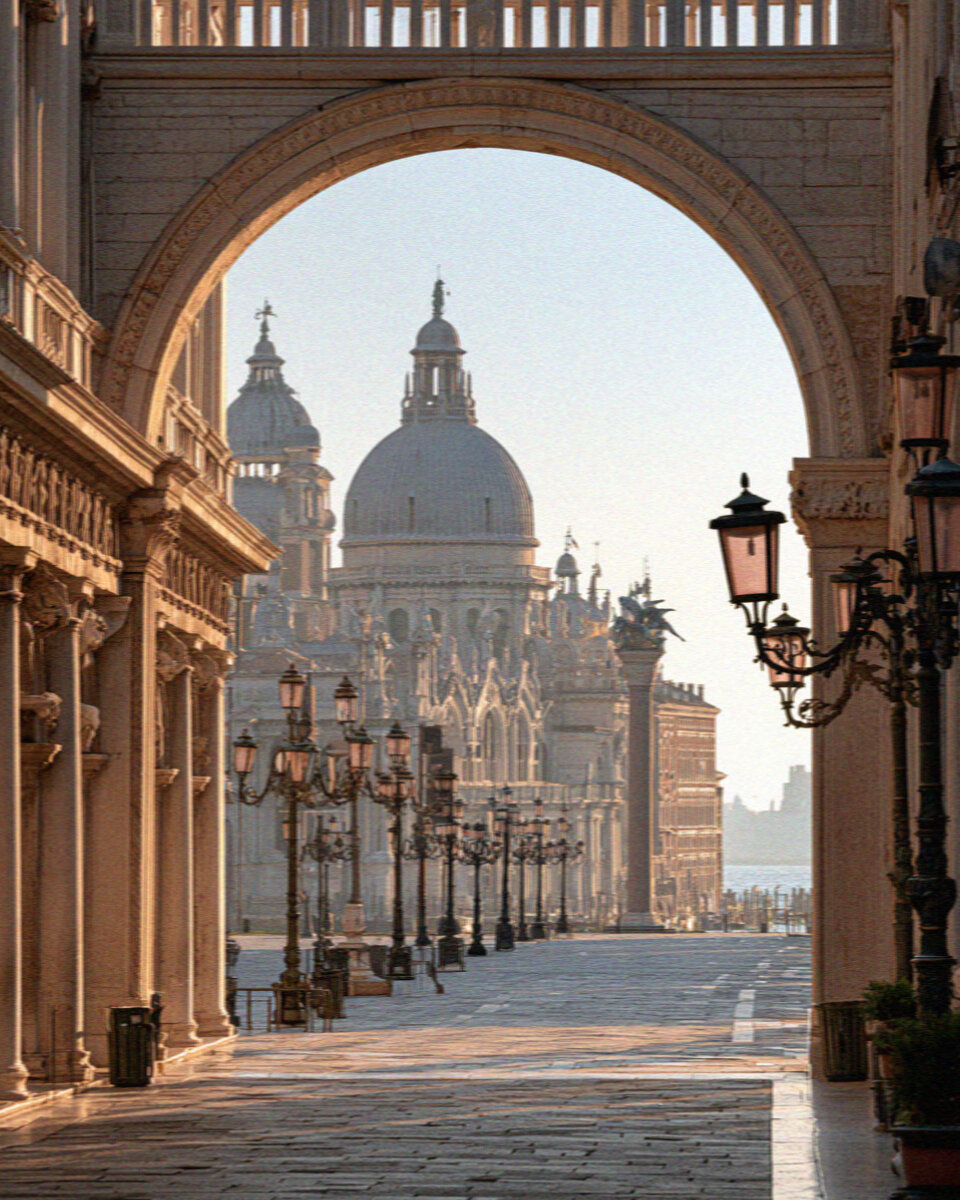
Venice may be the most photographed city on earth and it still never quite disappoints, though the images everyone loves are rarely from the obvious spot. The Grand Canal from the wooden Accademia bridge with the great domed Salute at the end of it, Burano’s painted houses doubled in a still canal, gondolas rocking at San Marco at first light with the mist coming off the water, a single quiet back canal with the washing strung overhead. I map the exact spots and the hours that light them in my guide to the best photo spots in Venice.
Beyond the main island
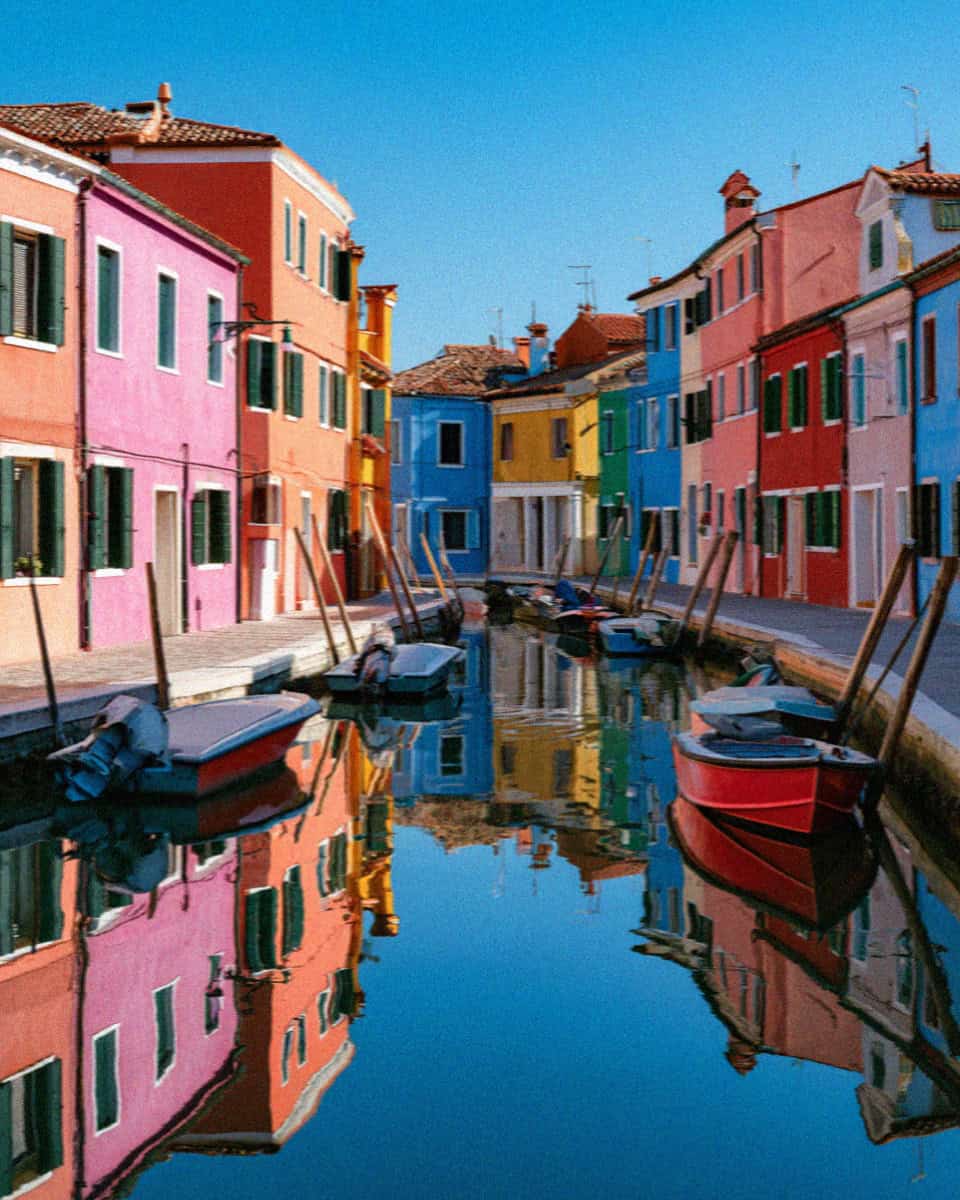
Do not leave without giving the lagoon a day. Murano, ten minutes out by boat, still blows glass in furnaces that have burned for seven centuries. Burano, forty minutes further, is a village of fishermen’s houses painted in sherbet colours so the men could find home through the fog, and it is impossibly pretty and knows it. Sleepy Torcello, where the very first Venetians settled, holds a golden Byzantine cathedral and an air of ancient quiet. And on the mainland the whole Veneto opens up, Padua and its frescoes half an hour by train, the Palladian villas of the Brenta, and my own recent haunts of Verona and Lake Garda within easy reach. I gather all of them in my guide to the best day trips from Venice.
More images from Venice


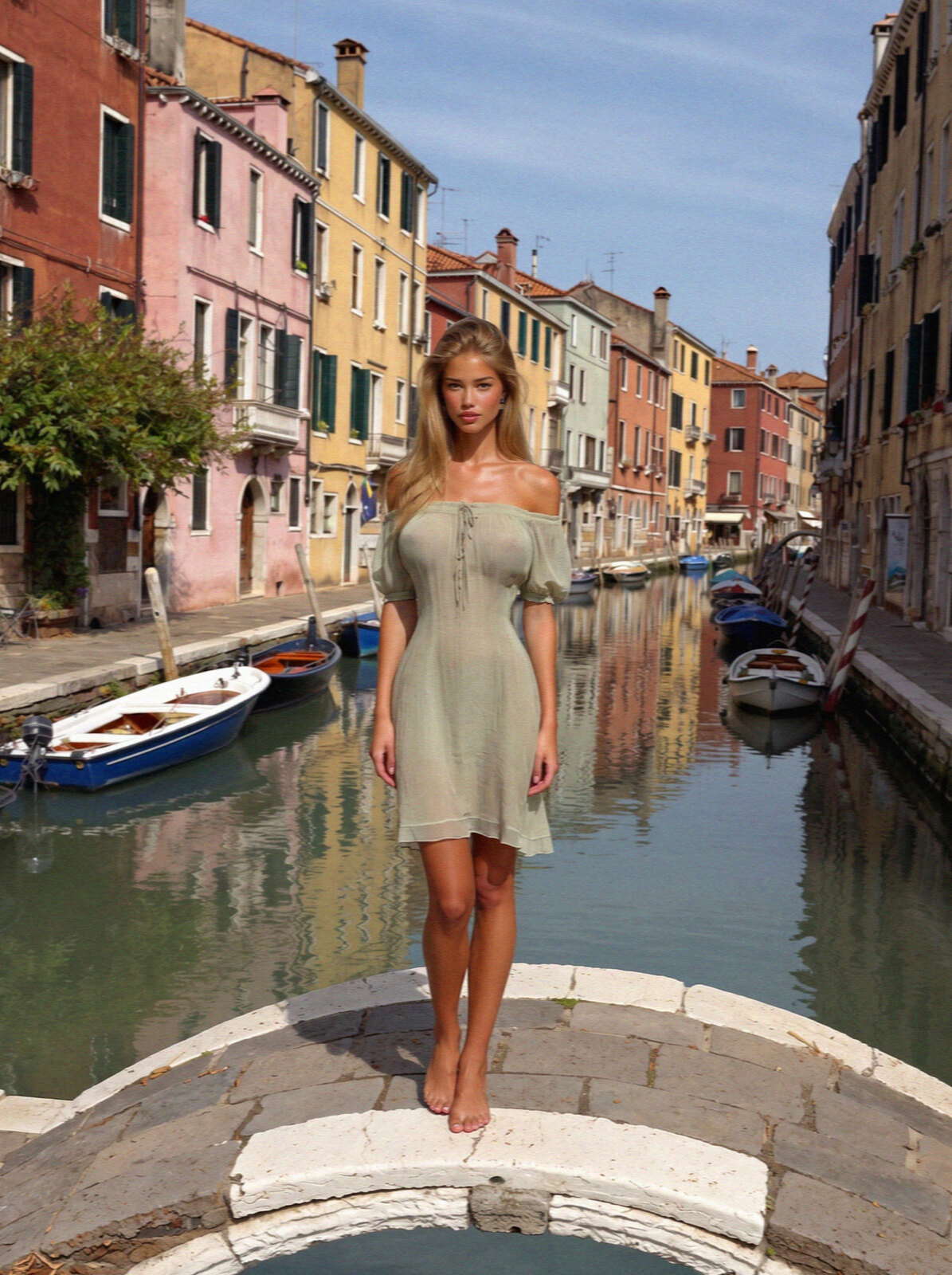
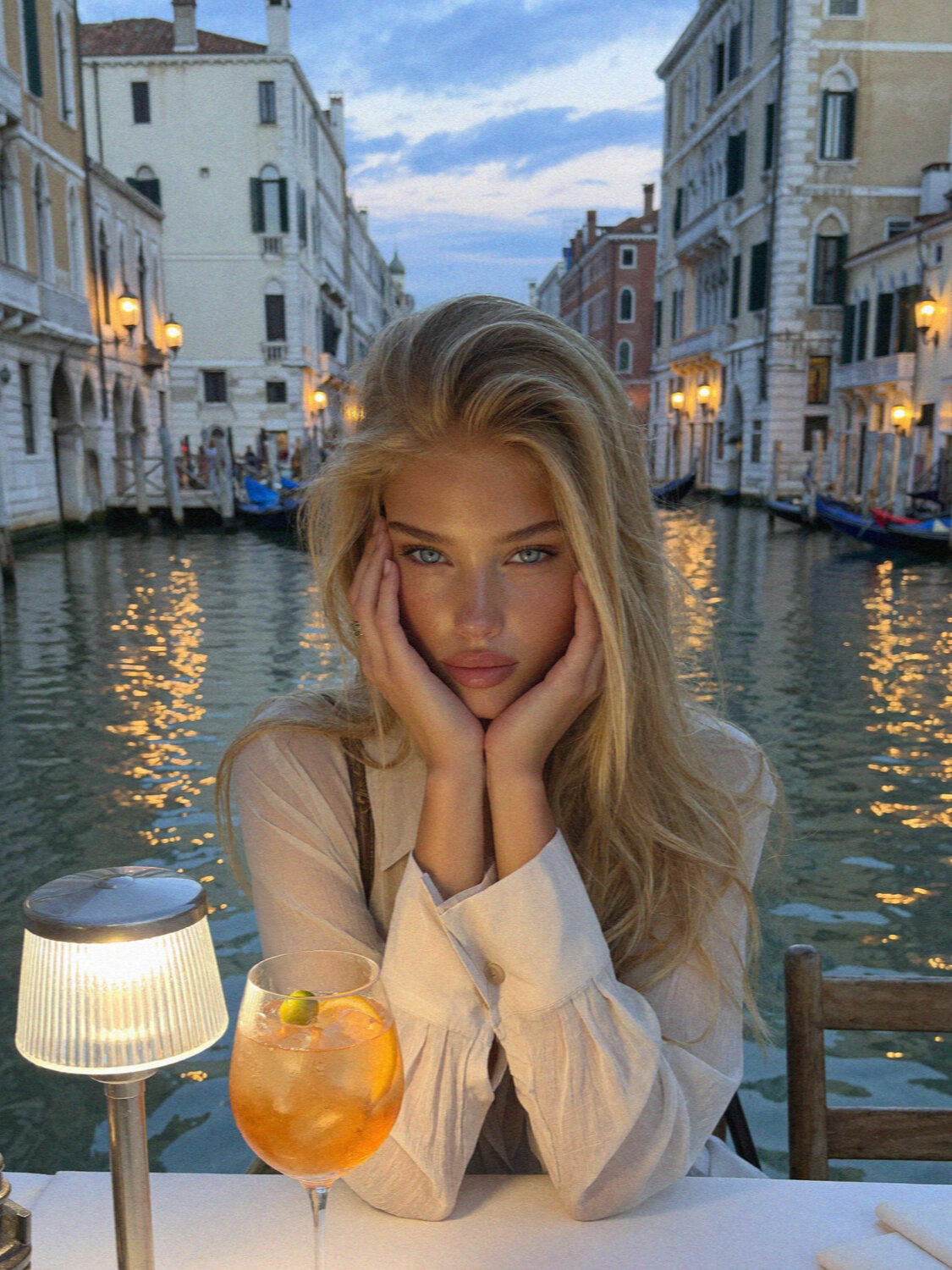
Your Venice Guides
- The Best Things to Do in Venice
- Where to Stay in Venice
- Where to Eat in Venice
- A Venice Itinerary: One to Four Days
- How to Get to Venice
- The Best Time to Visit Venice
- The Best Photo Spots in Venice
- The Best Day Trips from Venice
Venice Travel Diaries
- A Candle on the Water
- City of Lovers
- The Painted Islands
- The Most Serene
- One More Crossing
- Journey On the Orient Express – Venice to Paris
Venice and the road around it
Venice is the eastern jewel of the Veneto, and it links naturally to the rest of my northern Italy writing. Arrive from the west and you can string it together with my complete guide to Verona, an hour and a bit down the line, and the shores of Lake Garda beyond, and carry on afterwards north into the Dolomites, which I will be adding to the map soon.
Frequently Asked Questions
How many days do you need in Venice?
Three is the honest answer, with a fourth for Murano, Burano and Torcello if you can spare it. Two days cover the headline sights of San Marco, the Rialto and Dorsoduro without a rush, but the third day, the aimless one, is when most people fall in love.
Do you need a car in Venice?
No, and you could not use one if you had it. Venice has no roads. Cars stop at Piazzale Roma on the edge of the city, and from there you travel only on foot or by water, on the vaporetto water buses or the occasional water taxi.
Is Venice worth visiting, or is it too crowded?
It is absolutely worth it, if you come thoughtfully. The crush is real between late morning and late afternoon in the two or three famous squares. Come in the shoulder season, stay overnight rather than day-tripping, and walk the back canals early and late, and you will find the quiet, extraordinary city that the crowds never see.
How much is a gondola ride in Venice?
The rate is fixed, at roughly eighty to ninety euros for about thirty minutes in the daytime, and around a hundred to a hundred and ten after seven in the evening. That price is per gondola and not per person, for up to five passengers, so it is far better value shared.
When is the best time to visit Venice?
April to early June and September into October, the shoulder seasons, give you soft light, kinder temperatures and thinner crowds. Winter is quiet and atmospheric and holds Carnival, while high summer is the hottest, busiest and priciest stretch and the one I would avoid.